BAENUE: the light that follows our biological clock
How can lighting go beyond its functional role to become a tool for well-being? Through photobiological research and proprietary technology, Korean brand BAENUE explores an approach that places circadian rhythms and light quality at the heart of the design process.
When designing lighting, the focus is almost always on what makes a space more beautiful, comfortable, or functional. Yet good illumination could (and should) also be measured by another, less visible yet equally important factor: the way it interacts with our biological clock. This perspective is gaining increasing attention, bringing the relationship between light and circadian rhythms – still a relatively underexplored area within the discipline – into the spotlight.
Light, in fact, affects far more than the way we perceive a space. It also influences physiological processes that regulate sleep, attention, and energy levels throughout the day. It is at the intersection of design, technology, and biology that research in photobiological lighting is opening up new possibilities for the future of the field.
Within this evolving landscape, BAENUE emerges as a Korean brand built on the expertise of Baelux, a company specializing in LED light sources for professional and architectural applications. Drawing on years of research in advanced lighting engineering, the brand brings this knowledge into the world of design with the ambition of creating lighting that supports human well-being, rather than simply illuminating spaces.
Gallery
Open full width
Open full width
BAENUE, the light that follows our biological clock:
The technology behind the project: Dim2Amber™
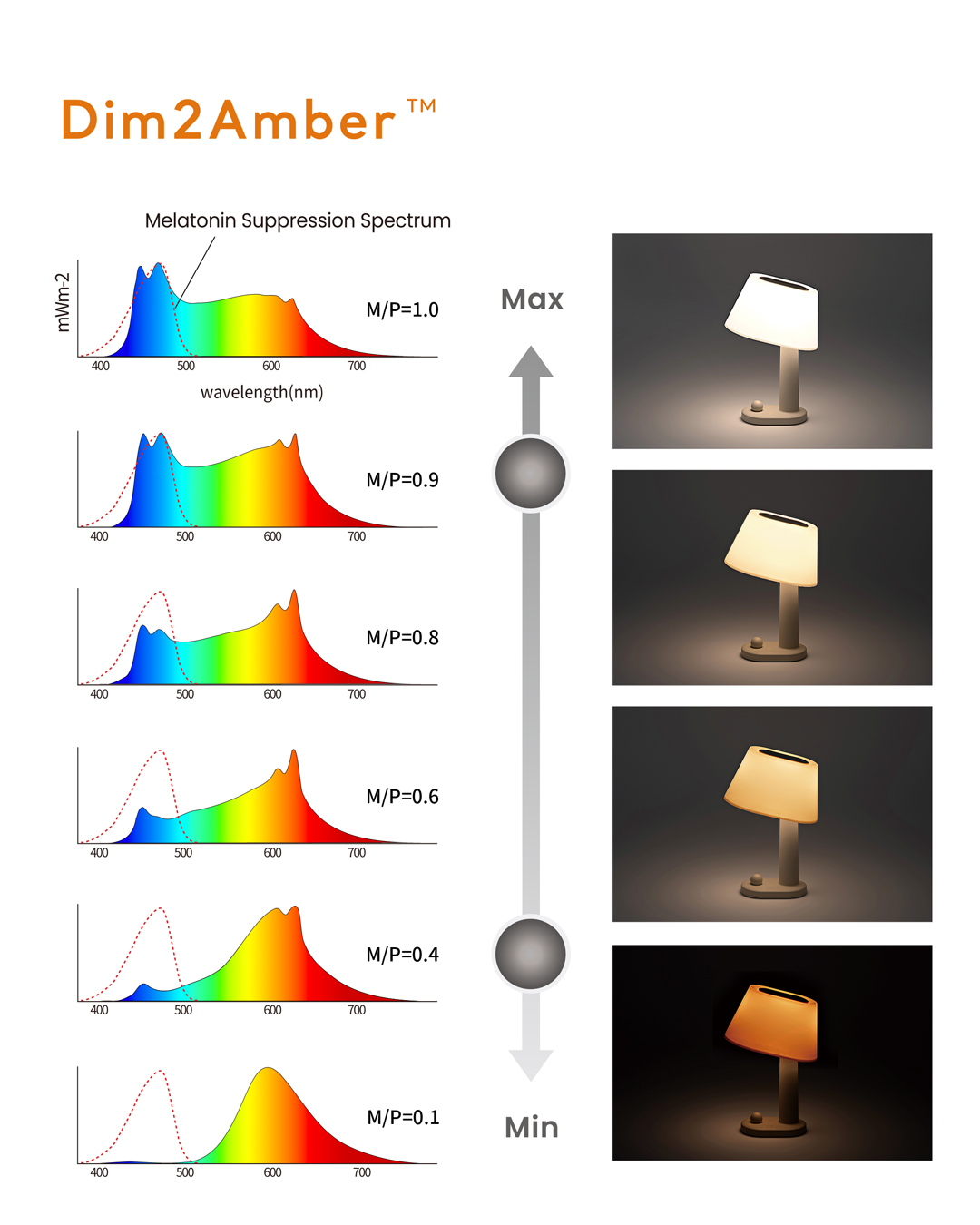
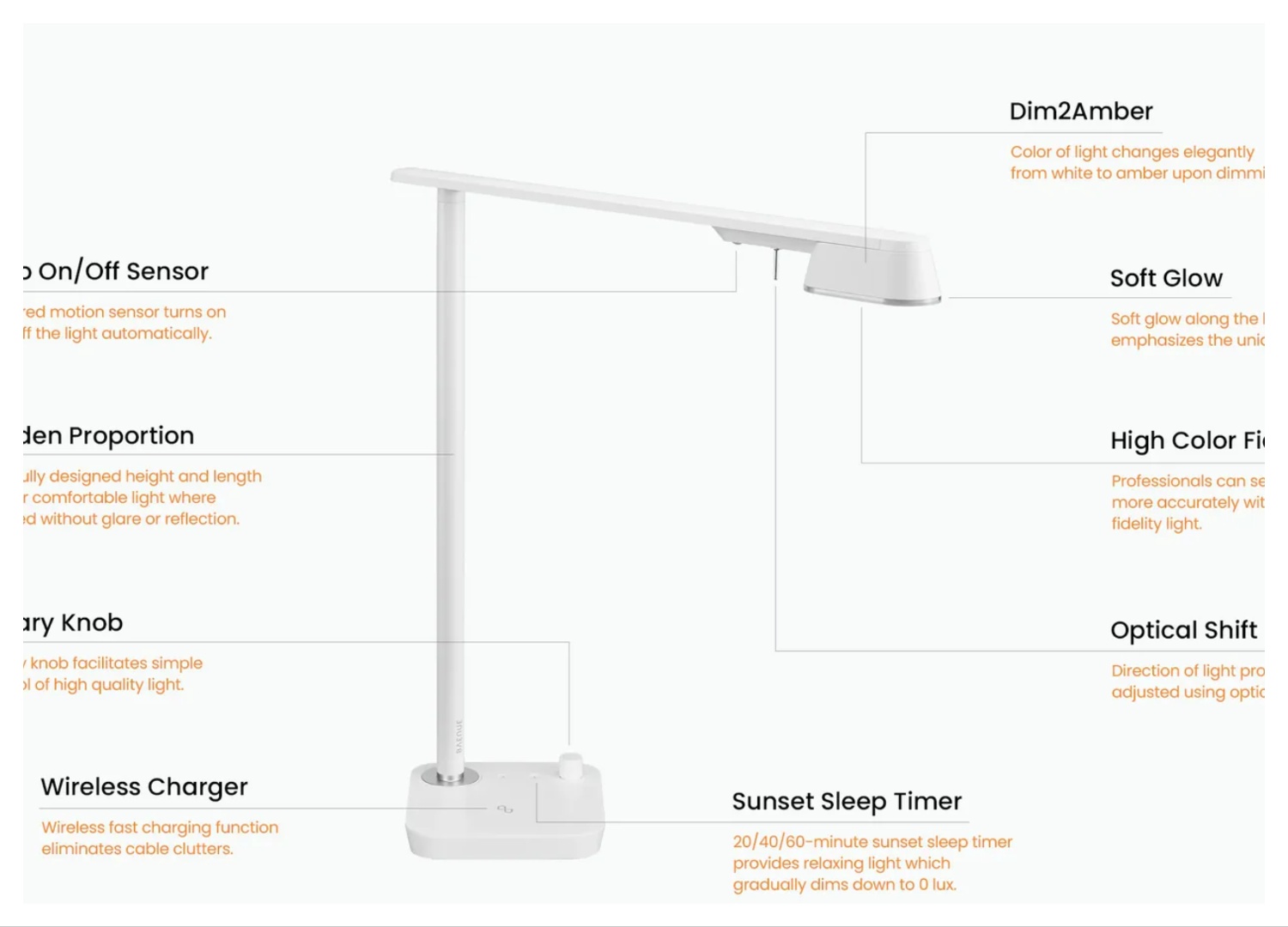
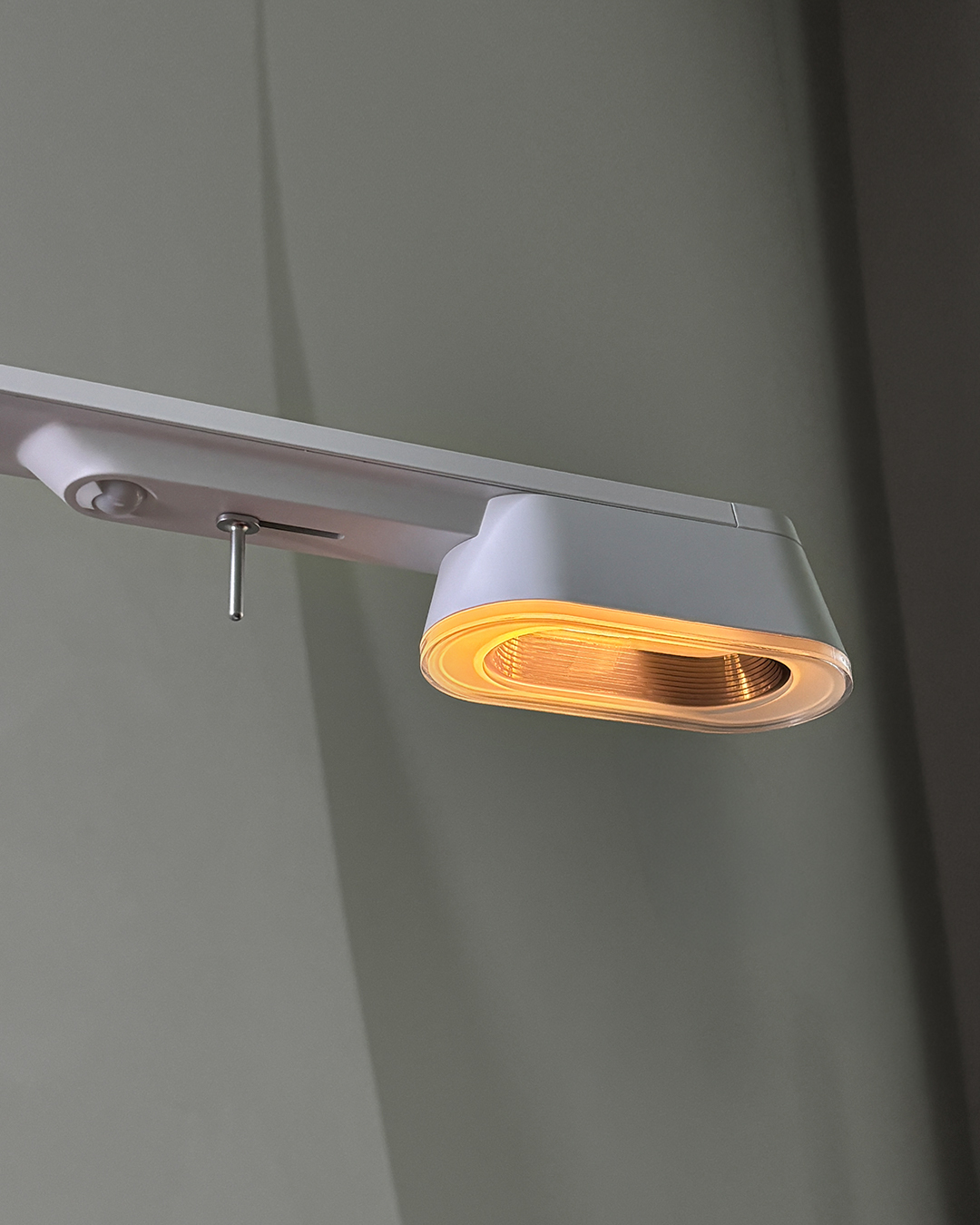
At the core of BAENUE’s approach is Dim2Amber™, a proprietary technology that adjusts not only light intensity but also its spectral composition. The concept is to follow the natural progression of daylight: cooler, energizing light during the day gradually shifts into a warm amber glow in the evening, recreating the hues of sunset while reducing interference with melatonin production and supporting the body’s natural circadian rhythm.
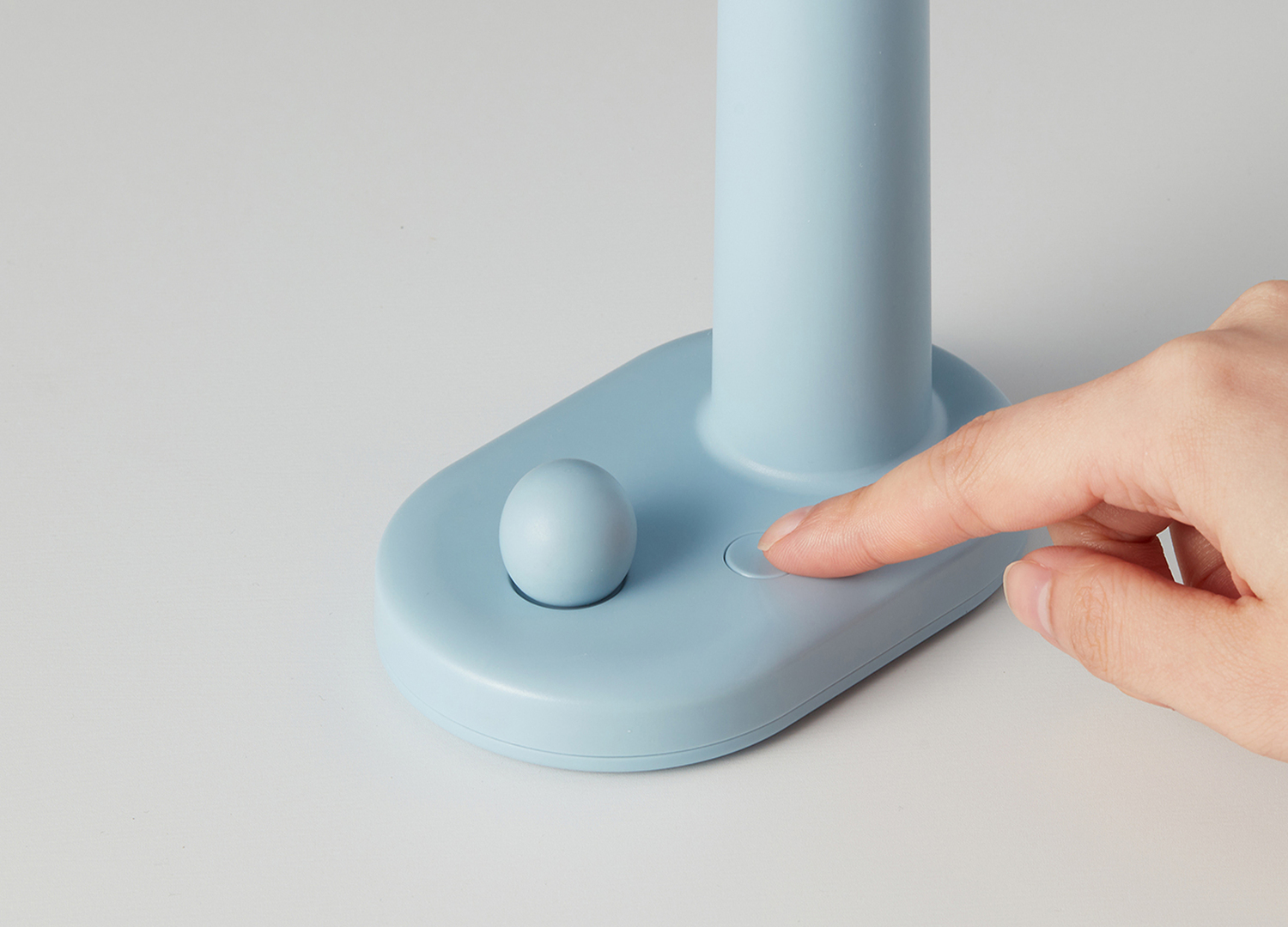
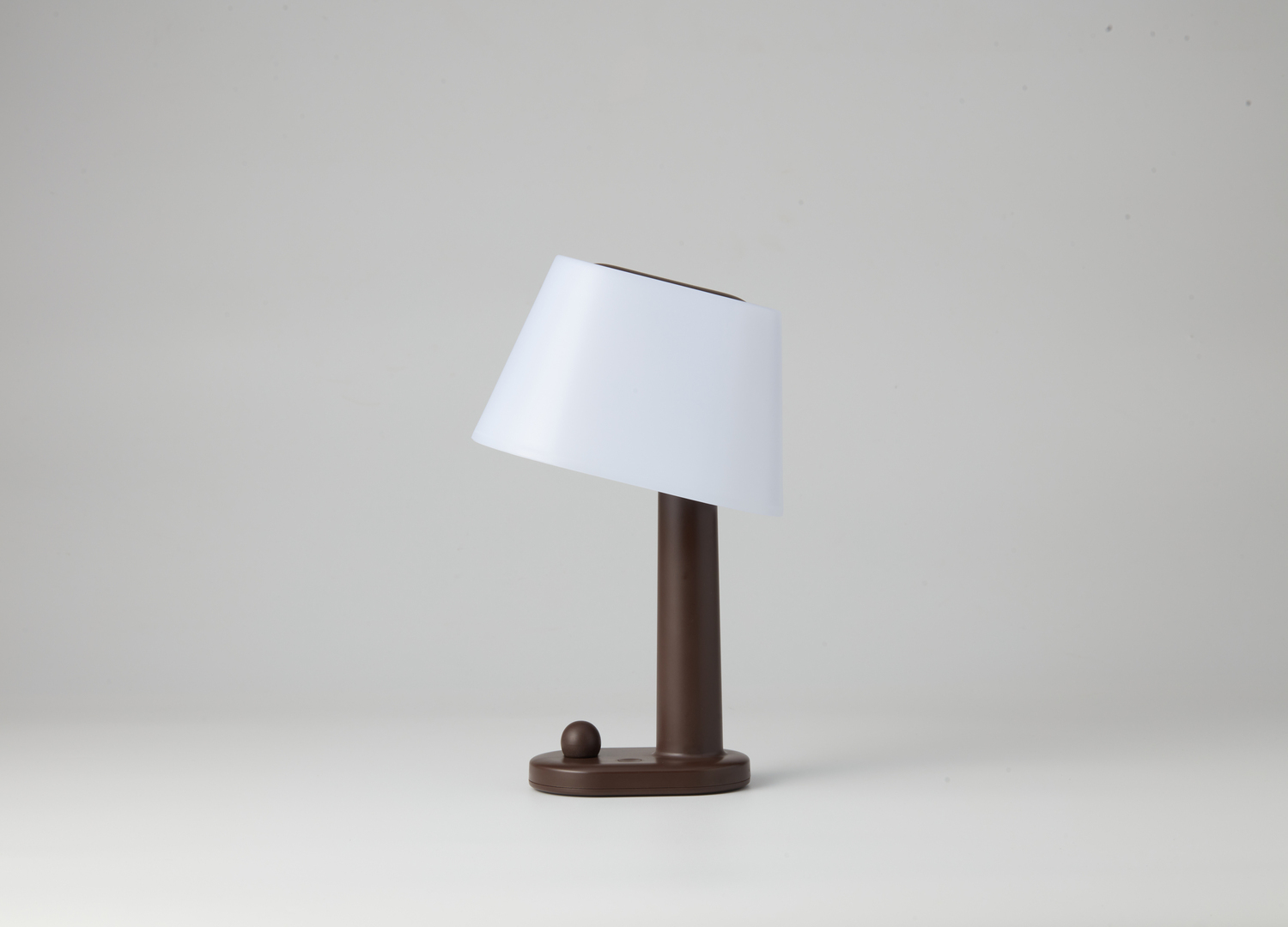
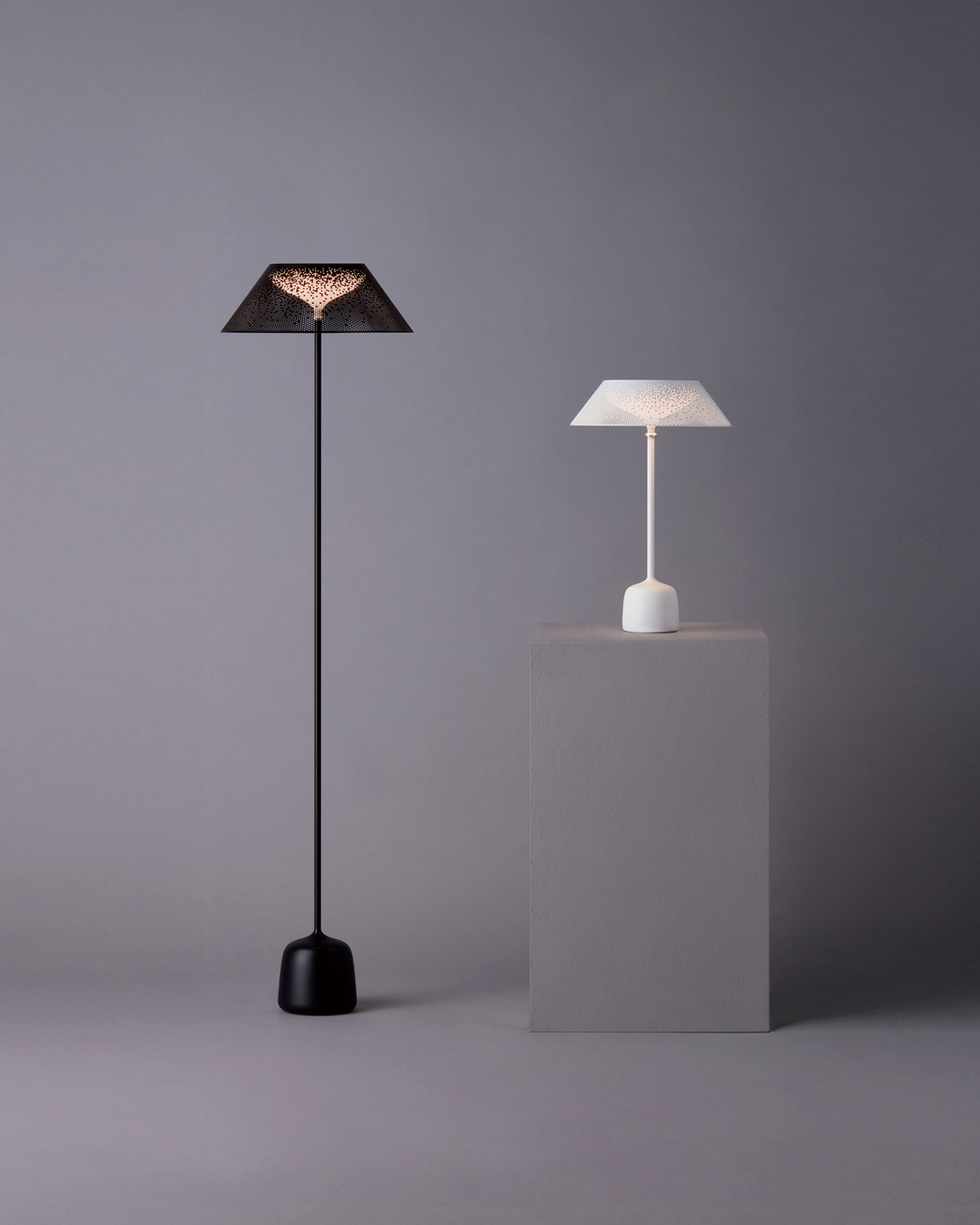
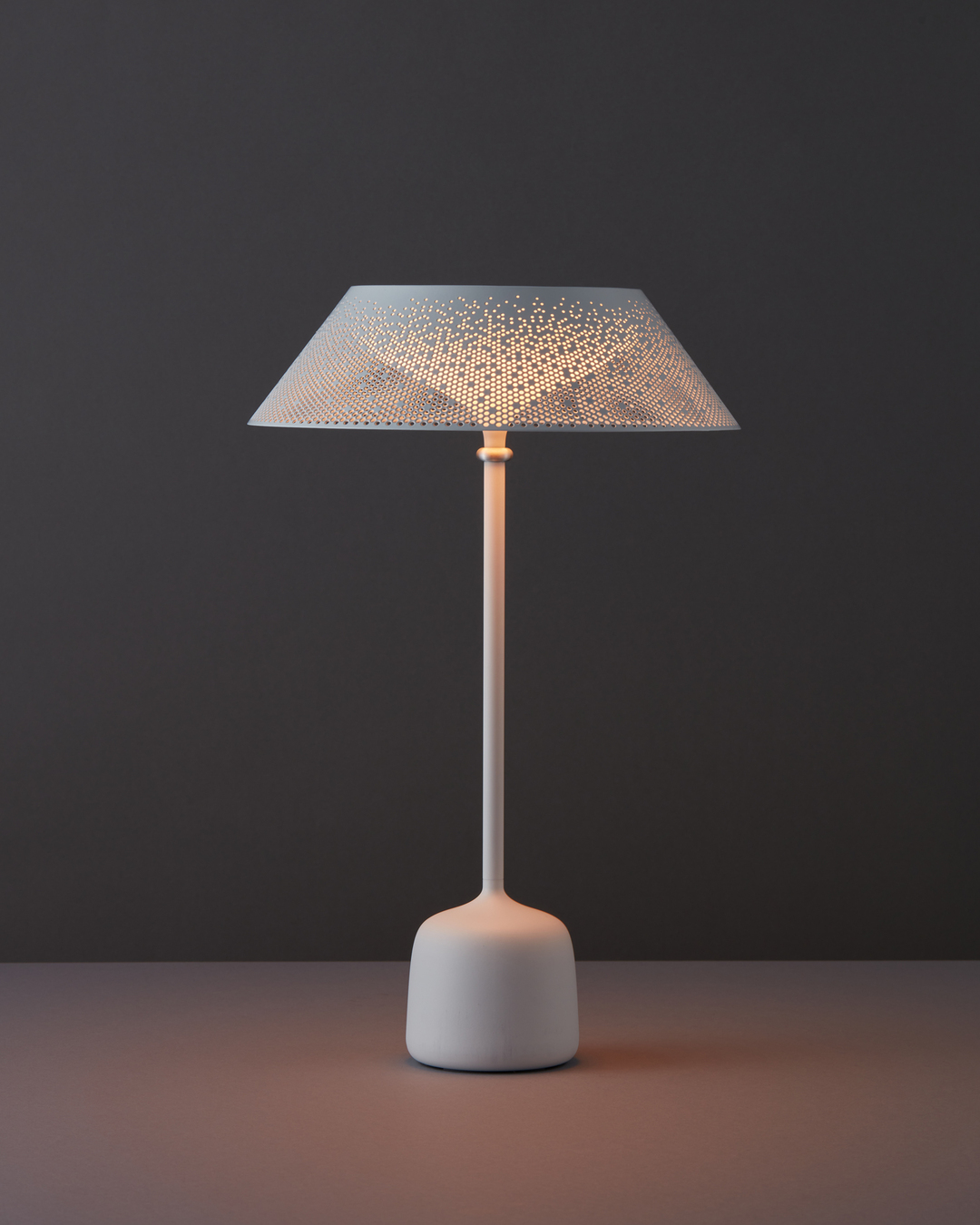
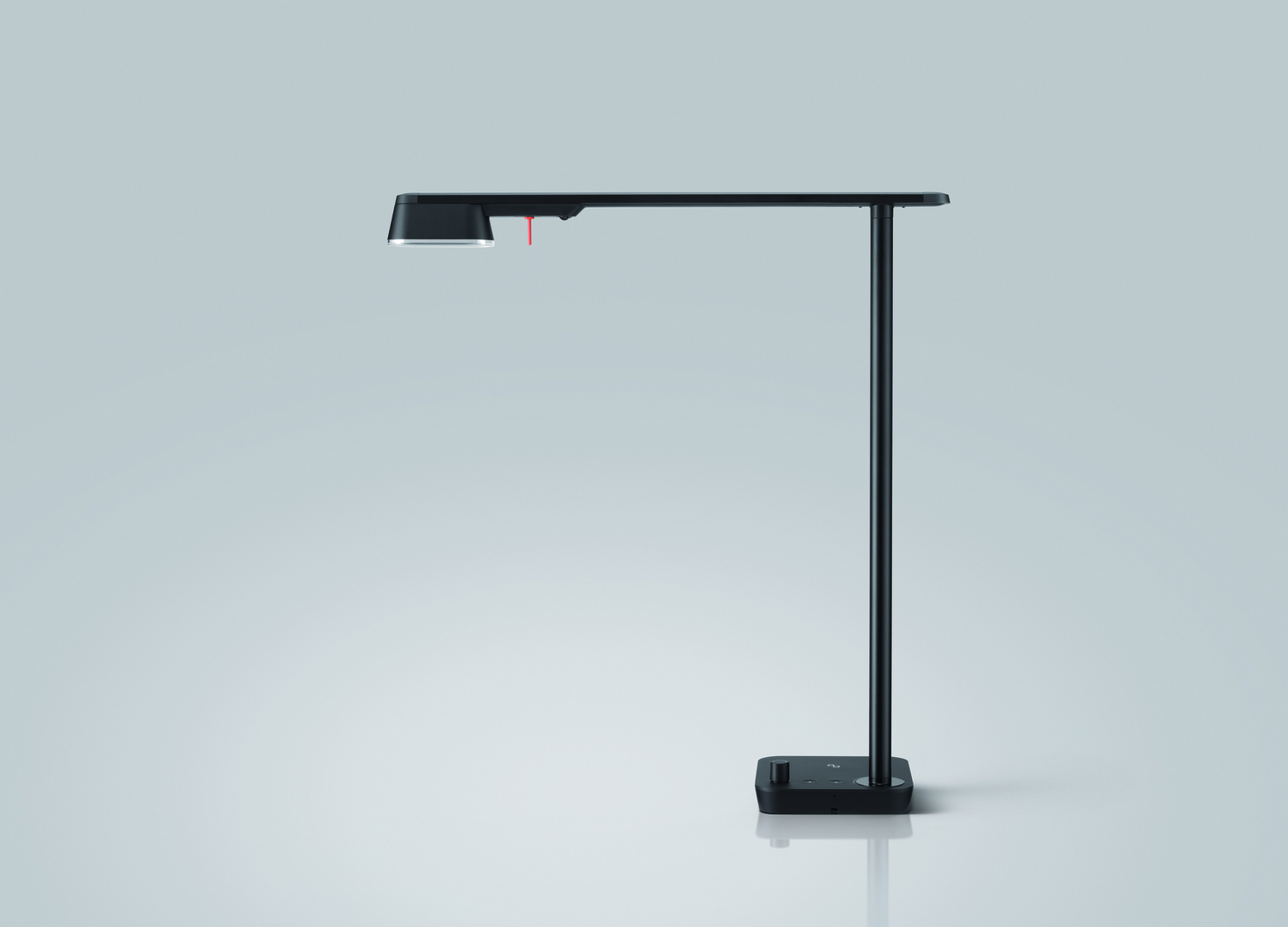
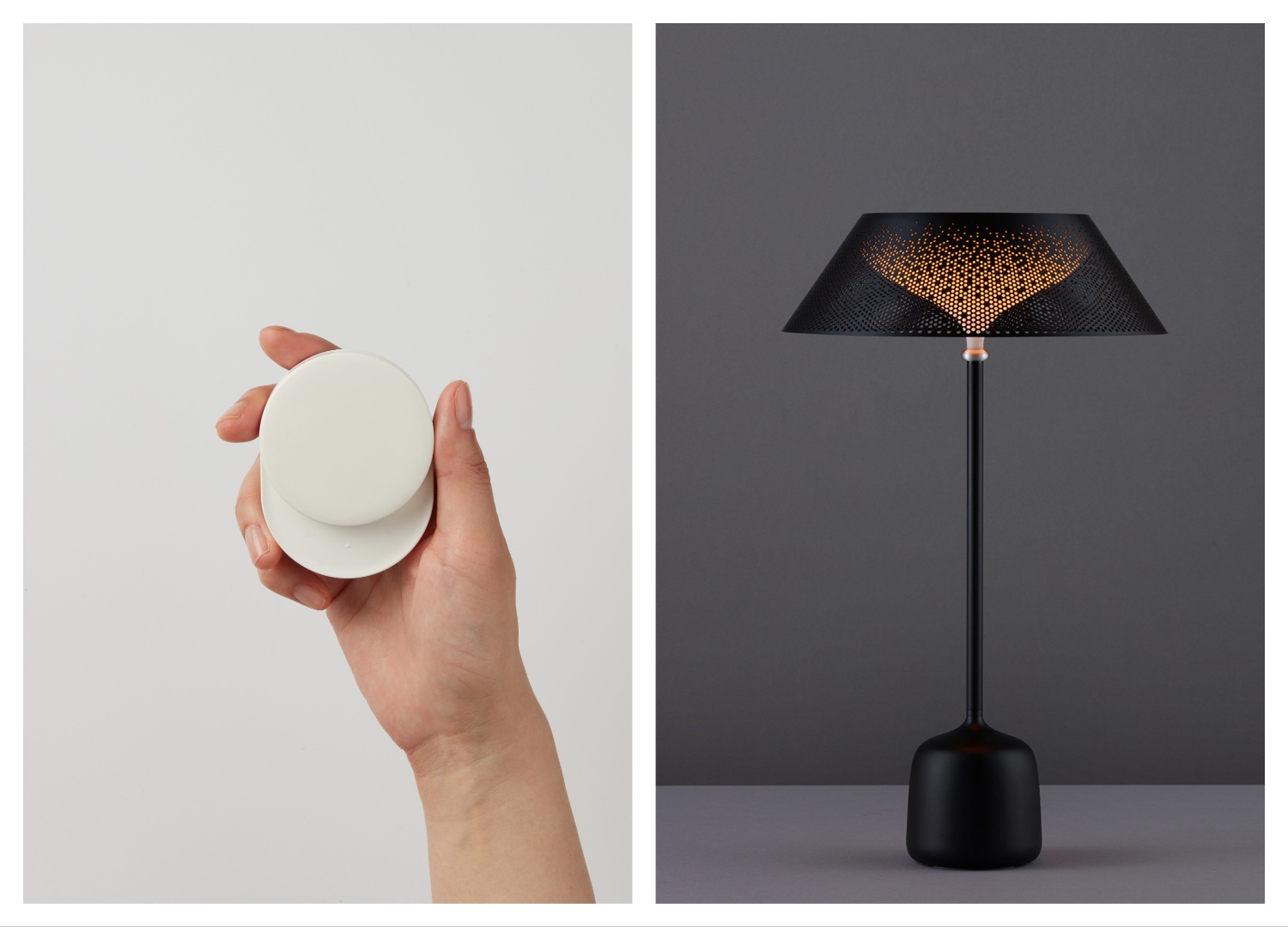
This research takes shape through a collection that includes THE NEW LAMP, a task lamp featuring the proprietary Optical Shift system; MINI, a portable lamp designed to deliver directional, glare-free illumination; and SHIIM, developed in collaboration with Danish designer Øivind Slaatto. Three distinct products united by the same ambition: transforming sophisticated technology into an intuitive, almost effortless user experience.
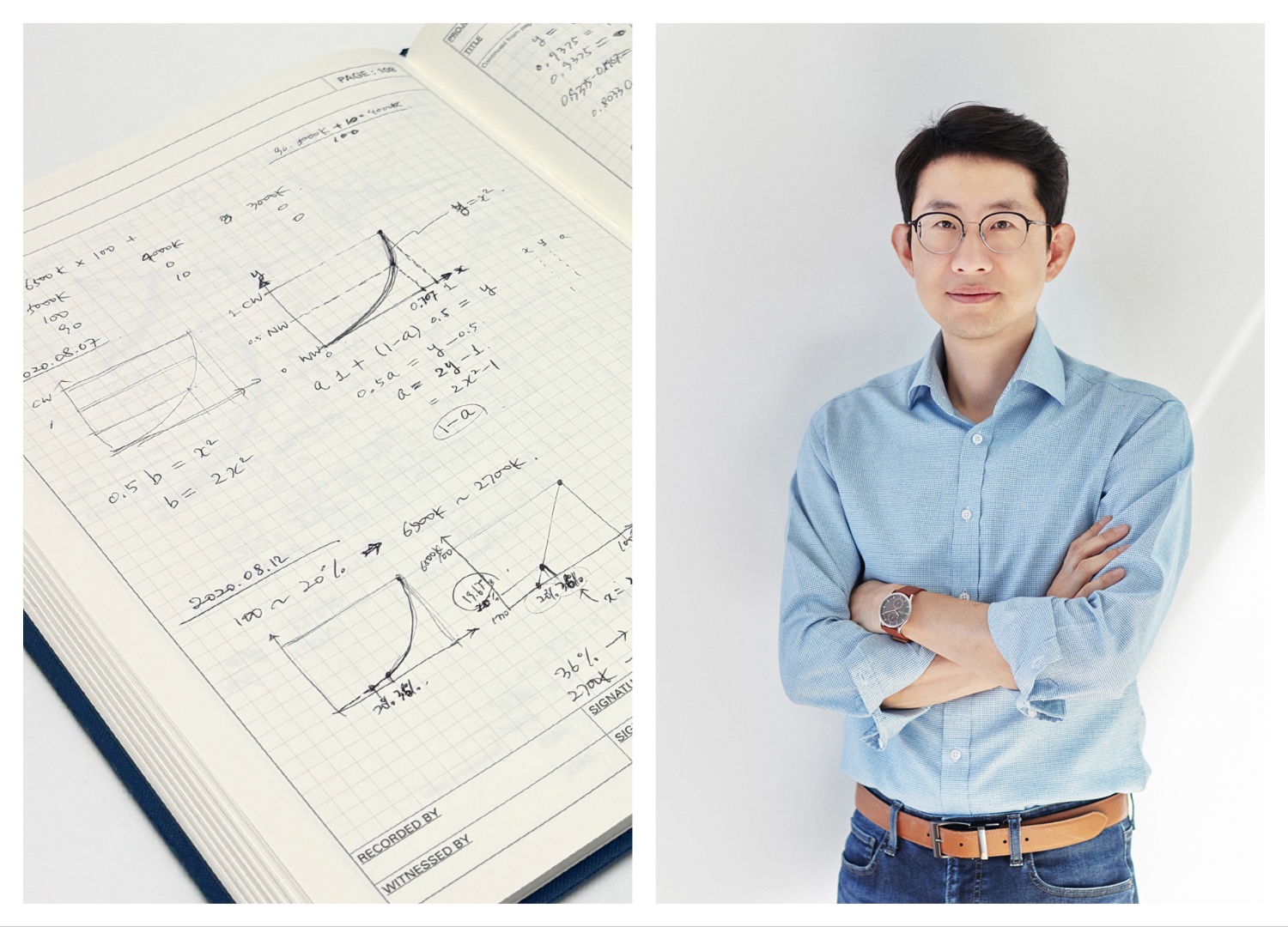
On the occasion of the brand’s debut at 3daysofdesign 2026 in Copenhagen, we spoke with Founder and CEO Dr. Jinwoo Bae to explore the research behind Dim2Amber™, the role of BAENUE photobiological design, and whether designing light around human biology could become the next frontier of lighting design.
BAENUE is rooted in engineering research on light, yet your ultimate goal seems to be human well-being. At what point did you realize that your real product was no longer the lamp itself, but the biological experience that light can create?
The idea originated from my personal struggle with sleep quality, which led me to discover how profoundly light and its spectrum impact our circadian rhythm. Having spent years manufacturing custom LED light sources for professional and architectural applications, I always harbored a dream of creating my own lamp, but I lacked the catalyst of how and where to begin. The concept of Dim2Amber™ – which unexpectedly struck me during a quiet dinner at home during the pandemic – was the true turning point. It made me begin a new journey.
Many lighting systems focus on adjusting color temperature. Why did you feel it was necessary to work directly on the spectral composition of light instead?
Our bodies are naturally designed to synchronize with the 24-hour cycle of Earth’s rotation by sensing the blue-cyan spectrum of light around 475nm. It was obvious to me that we need light with the proper spectrum for any given situation. However, brightness is also a critical parameter of light. The core idea of Dim2Amber™ is to connect this vital spectrum change with a very familiar user behavior, dimming. As the user dims the light up and down, the spectrum changes dramatically in the 475nm region, seamlessly shifting the light from a bright, energizing white to a soft, soothing amber that protects our natural sleep cycle.
In your work, you often refer to the M/P (Melanopic/Photopic) ratio, a metric that relates the biological impact of light to its visual effectiveness. Do you believe this could become an important standard in the future of lighting design?
In professional lighting, the M/P ratio has been brought up for several years, but only for a limited number of projects. It is an important metric for evaluating how much the light affects melatonin secretion and our circadian rhythm. For instance, the M/P ratio of daylight is around 1.0, while that of candlelight is around 0.3. The M/P ratio of Dim2Amber™ varies from 1.0 to 0.1 upon dimming, a 10:1 dynamic range. An M/P ratio of 0.1 means that the light has a 3-fold reduction in interference on melatonin secretion compared to candlelight at the same level of visual brightness.
With Dim2Amber™, this M/P ratio change is naturally provided alongside brightness adjustment to truly support our circadian rhythm. While I personally believe this biological aspect is crucial for our well-being, whether the M/P ratio will become a universal standard for future lighting design is something that we will have to see.
What were the biggest challenges in turning the research behind Dim2Amber™ into a technology mature enough to be integrated into a collection of products?
Conceiving the core idea was perhaps the biggest first step in this endeavor to deliver better light for a better life. Following that, the next major challenge was overcoming initial skepticism regarding coupling the spectrum change directly with dimming. Some critics argued that users should have the freedom to adjust brightness and spectrum independently. However, once they actually experienced the Dim2Amber™ prototype, they understood the organic nature of the interaction and began to support the idea. On the other hand, the technical execution – such as designing the dimming profile, fine-tuning the spectrum, and formulating the current control – was a natural extension of our daily engineering routine.
Let’s talk about the products. THE NEW LAMP, MINI, and SHIIM differ significantly in form and function. What design principles have remained consistent across the collection to translate your research on light into different user experiences?
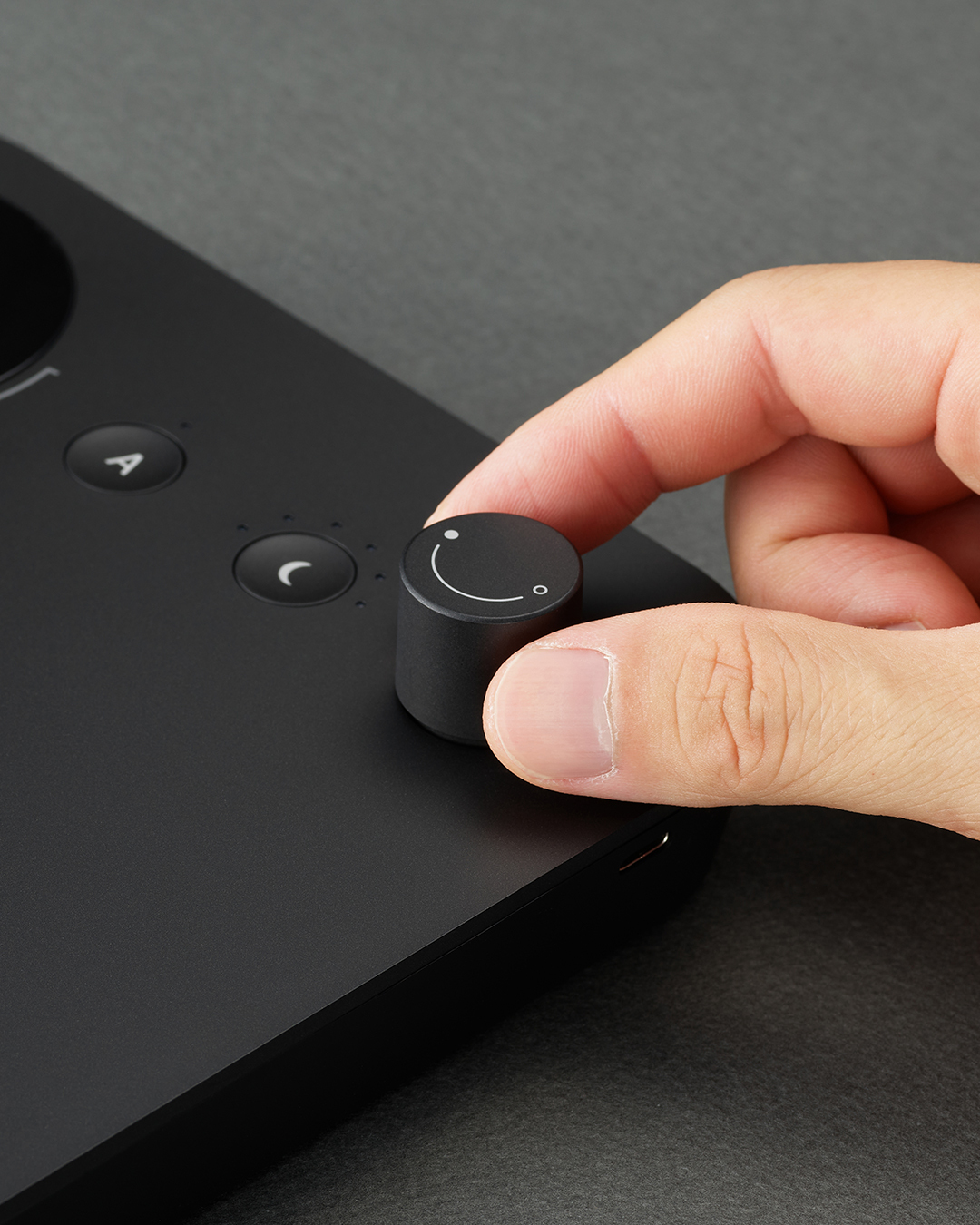
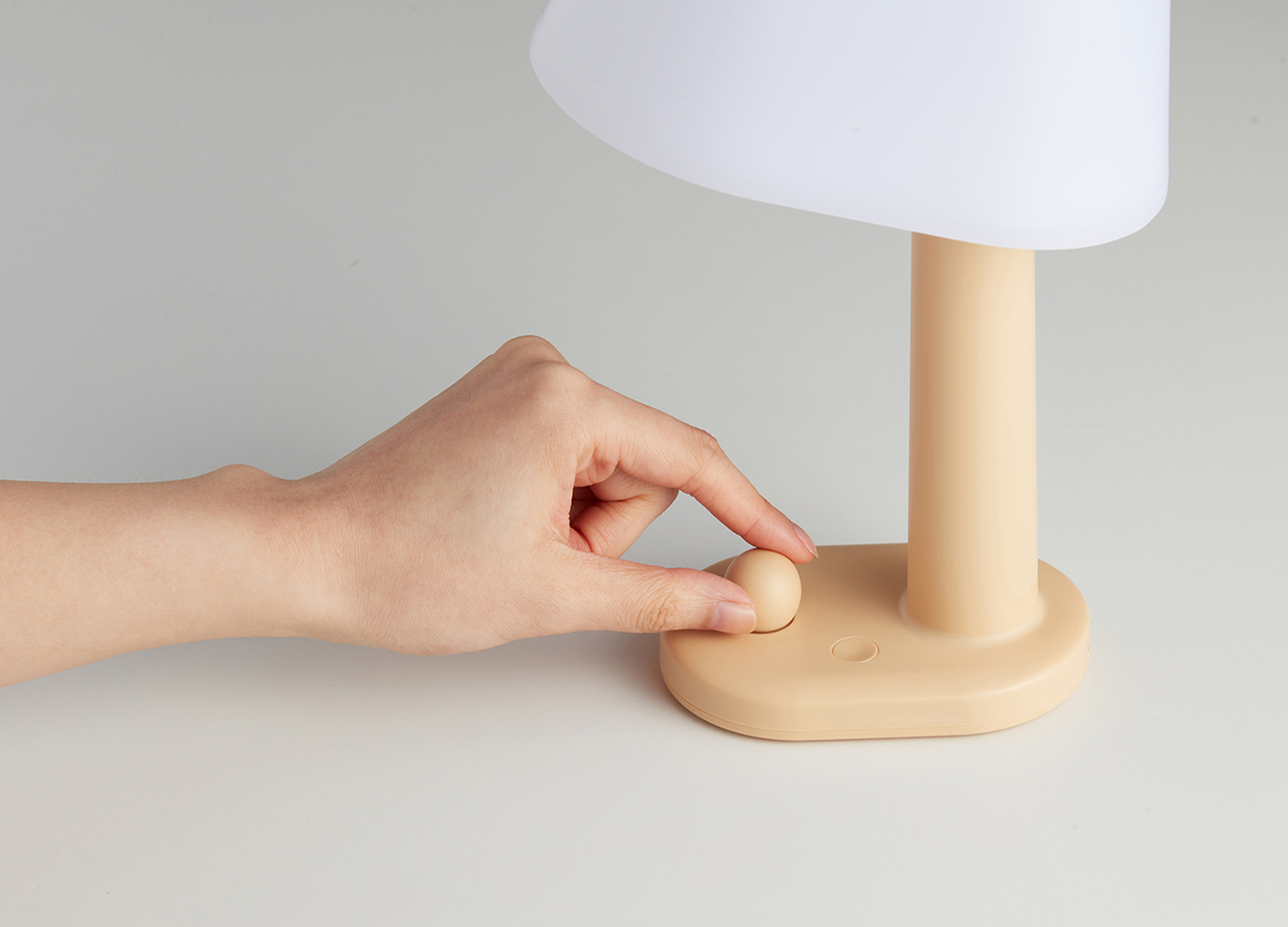
While they are designed to serve different locations within our living spaces, there are 3 core elements consistent across our collection. The first is obviously the Dim2Amber™ light, which serves as the biological backbone of all our lamps. The second is our commitment to a tactile, analogue user interface. The third is that every aesthetic detail in the design has a reason and is a result of practical problem-solving.
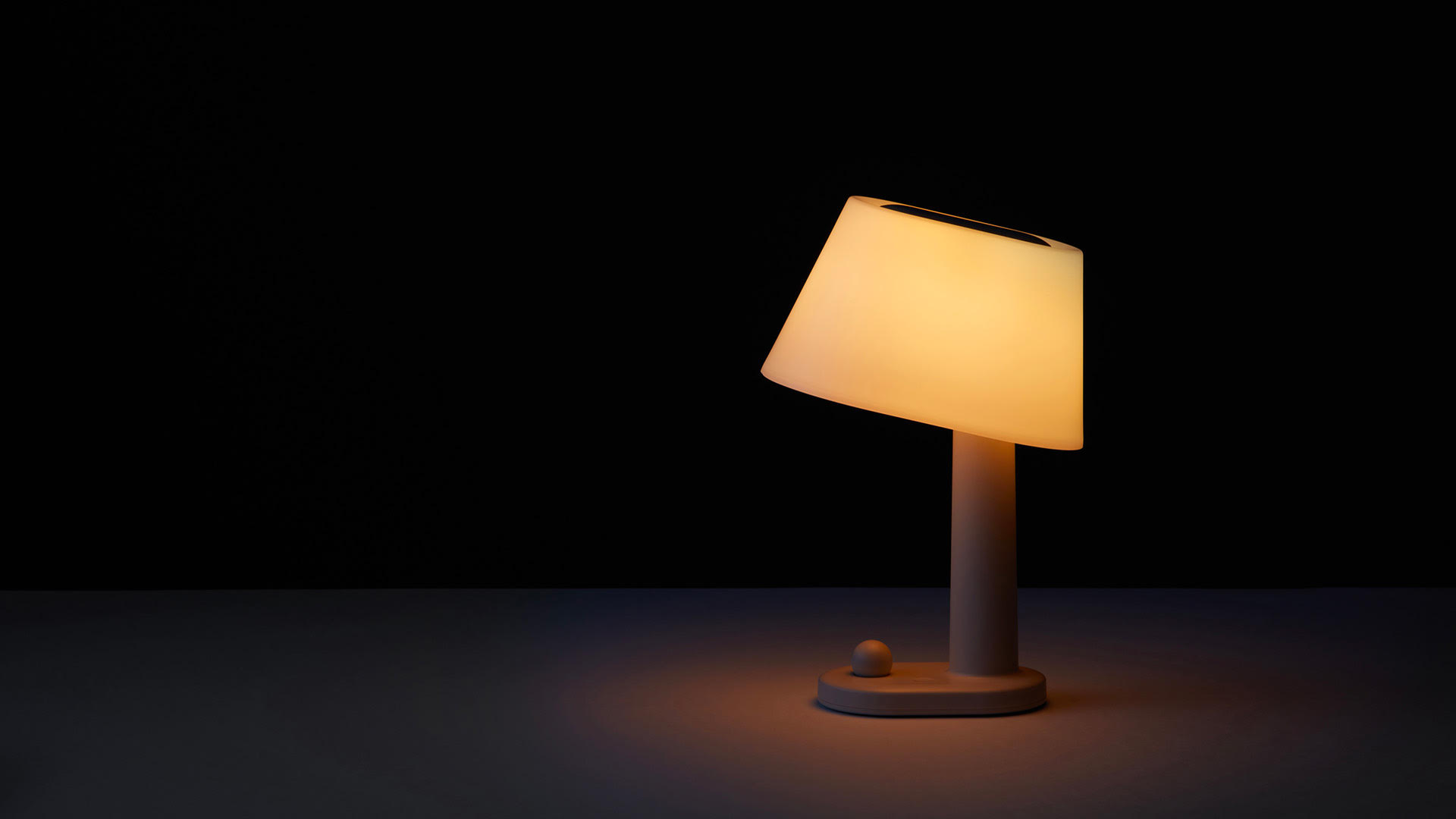
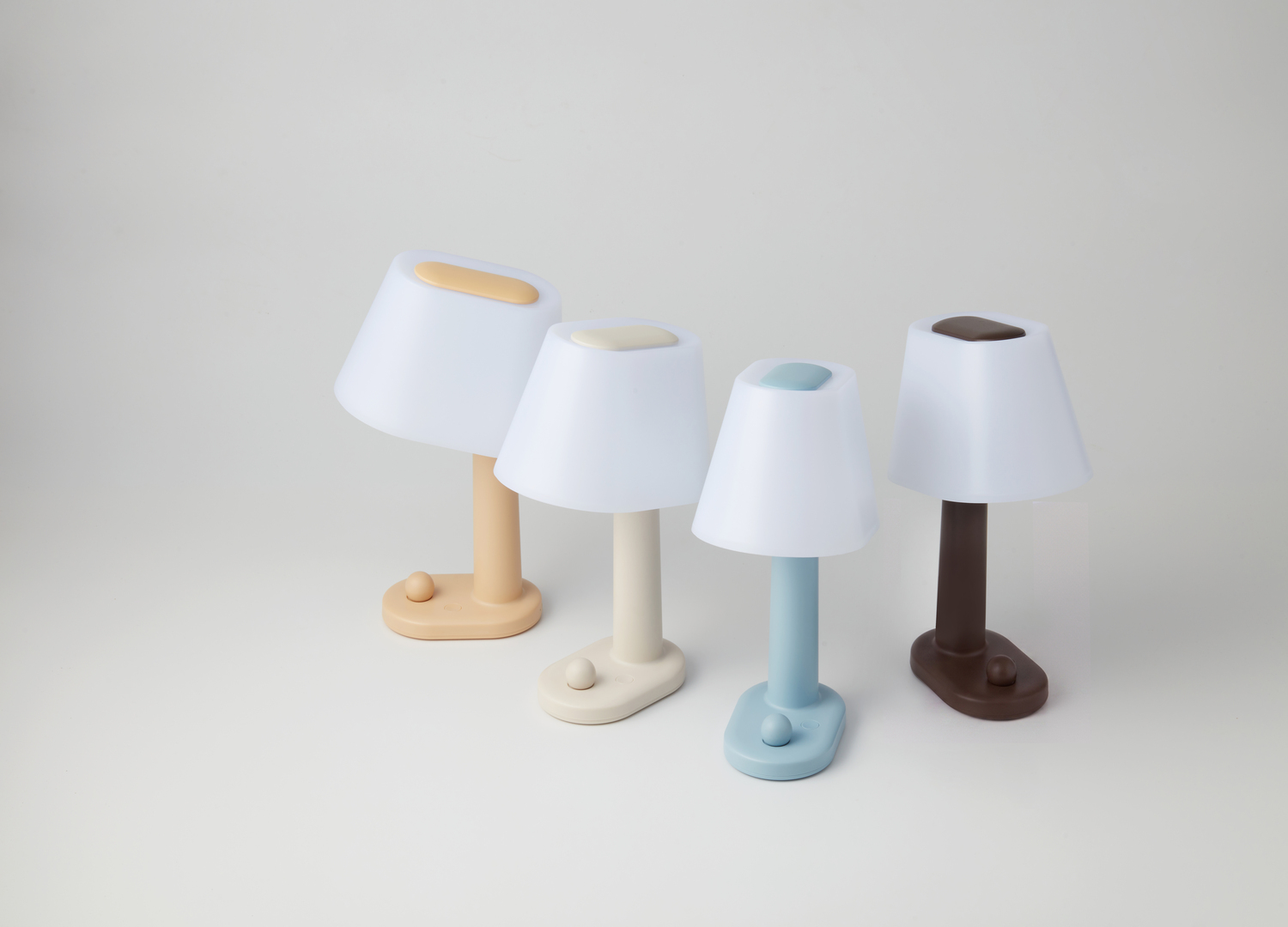
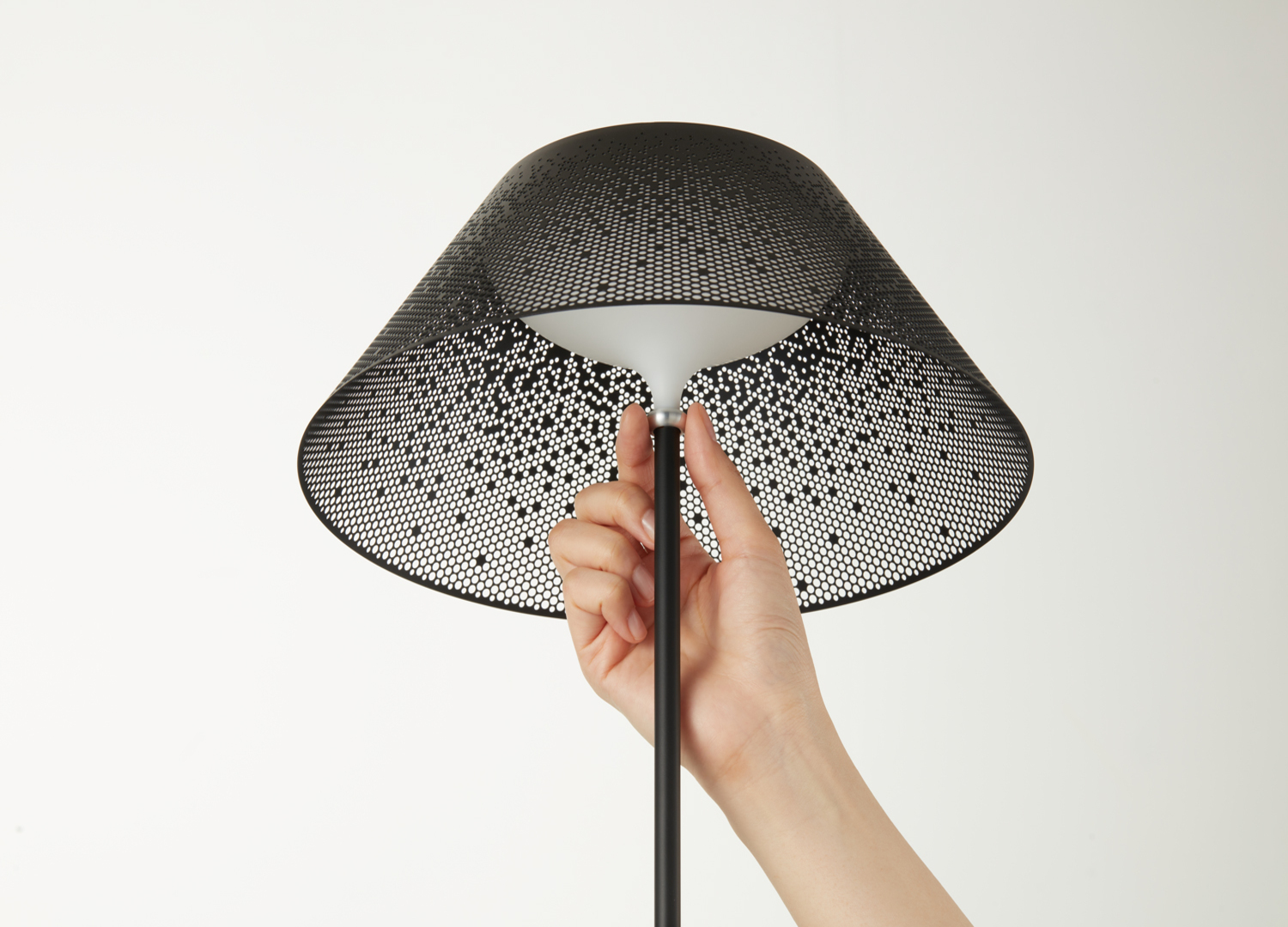
For example, the elongated, obround head of THE NEW LAMP is a direct result of housing its optical shift function. The 13.5-degree tilt of MINI’s shade toward the user is engineered to deliver light from the user’s periphery. Likewise, the 10,000+ micro holes in SHIIM’s shade are meticulously designed to prevent glare from the bulb inside while scattering a soft, ambient light throughout the space.
As technology becomes increasingly invisible and complex, you have chosen to rely on a simple physical dial as the main interface. Why was it important for you to keep the interaction with light intuitive and tactile?
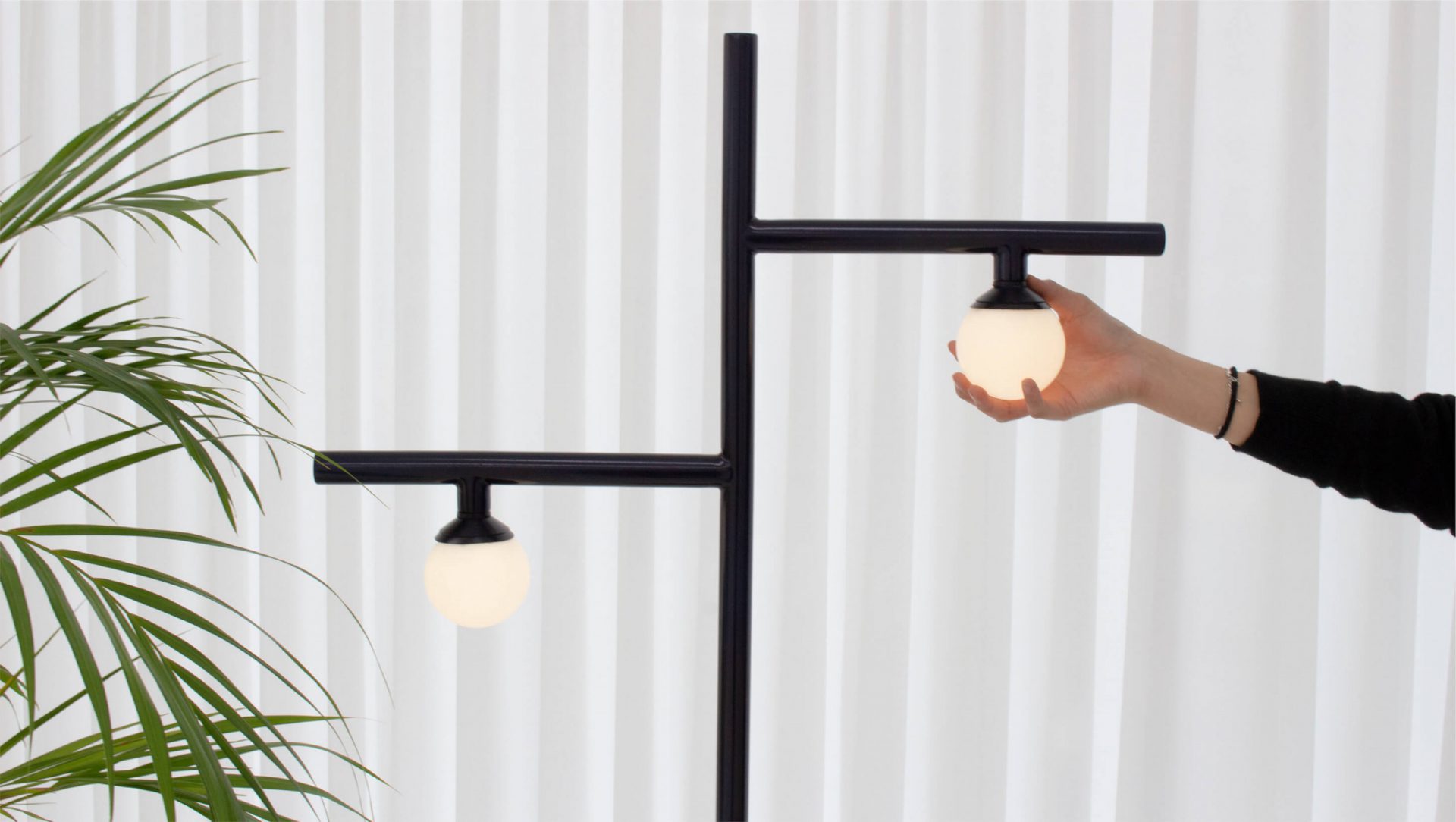
For ease of design and manufacturing, touch sensors, long presses, or step-dimming are commonly chosen for many modern lighting products. Personally, I found these interfaces quite erroneous and often frustrating to use. I strongly believe the classic physical dial provides the most precise and fastest control of light. It is universally intuitive. In addition, a physical dial allows you to locate the control interface even in complete darkness. You can find it instinctively, guided purely by your fingertips.
How has your collaboration with Danish designer Øivind Slaatto influenced or enriched the way you think about light—not only as a technology, but also as an experience?
Denmark has a rich, centuries-old history of mastering artificial light, perhaps born from its long winter darkness and smaller building windows. Conversely, traditional Korean houses featured large, paper-based windows designed to stay wide open and flood the space with natural light. This collaboration with Øivind was an enlightening learning process where our two distinct worlds met with a common purpose.
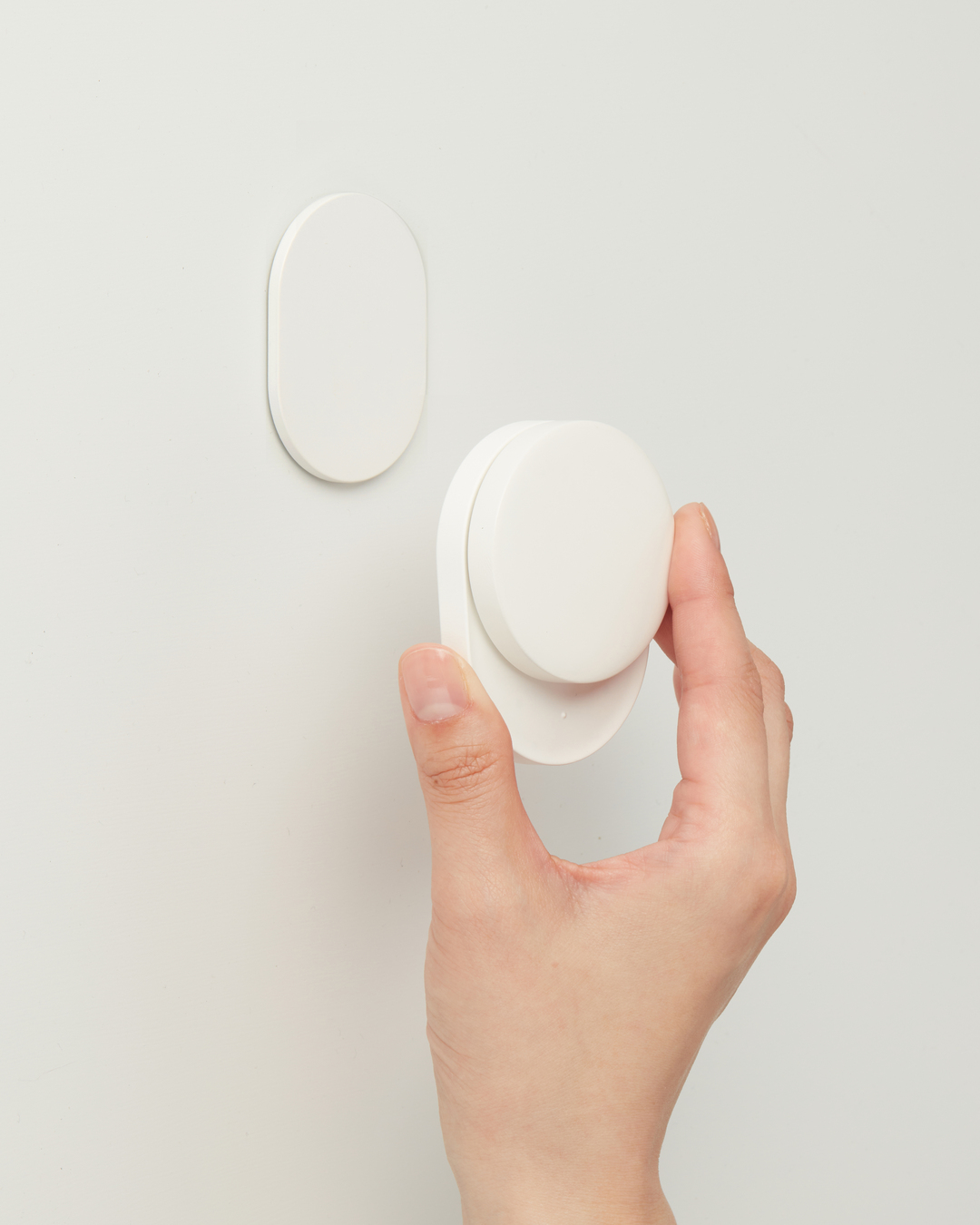
Through him, I understood the cultural nuances of Danish light—why they place such value on candlelight at the dinner table for its effect on skin tones, and how scattering multiple light points within a single space can enrich the overall atmosphere. This latter insight inspired us to develop our wireless dimming ecosystem (SHIIM DIMMER), allowing users to effortlessly control and orchestrate multiple light points.
If you had to convince today’s designers and architects to rethink the way they approach lighting, what is the most important lesson your research on circadian rhythms and light-driven well-being has taught you?
Lighting has a substantial, undeniable impact on the atmosphere of any given space. This visual power is already well known and deeply integrated into architectural practices; in other words, the “photopic” aspect of lighting is well addressed. However, light has another equally critical dimension that directly governs human biology: the “melanopic” aspect. We must design light not only for how it looks but also for how it makes us live. By consciously integrating the melanopic aspect into spatial design, architects and designers can transcend pure decoration and create genuinely human-centric environments that possess both profound visual beauty and biological harmony. This, to me, is the future of spatial wellness.