Better healthcare design starts with understanding what patients really want
The Bamboo autoinjector shows that it may not be necessary to propose hyper-technological solutions to design healthcare devices that improve patients’ lives. Sometimes, simply paying proper attention to user needs can be enough.
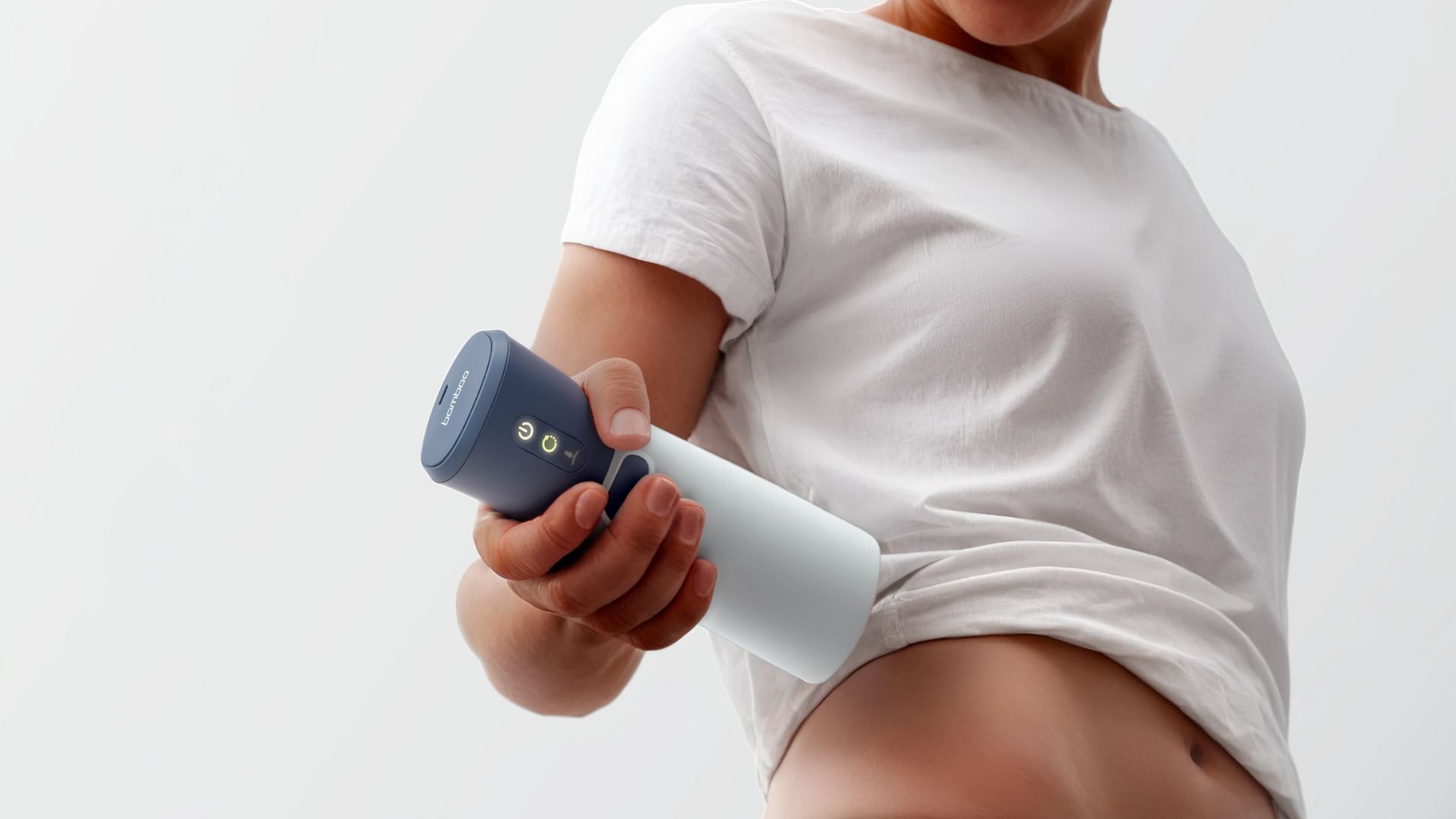
For patients managing chronic illnesses, the autoinjector has become an indispensable companion, a small device that enables independence and normalcy. However, its convenience also hides a few growing problems: mountains of medical plastic waste, escalating healthcare costs, and difficult user experiences. Cambridge Consultants’ Bamboo Autoinjector was born as a thoughtful response to these challenges, demonstrating how intelligent design can simultaneously serve patients, pharmaceutical companies, and environmental sustainability.
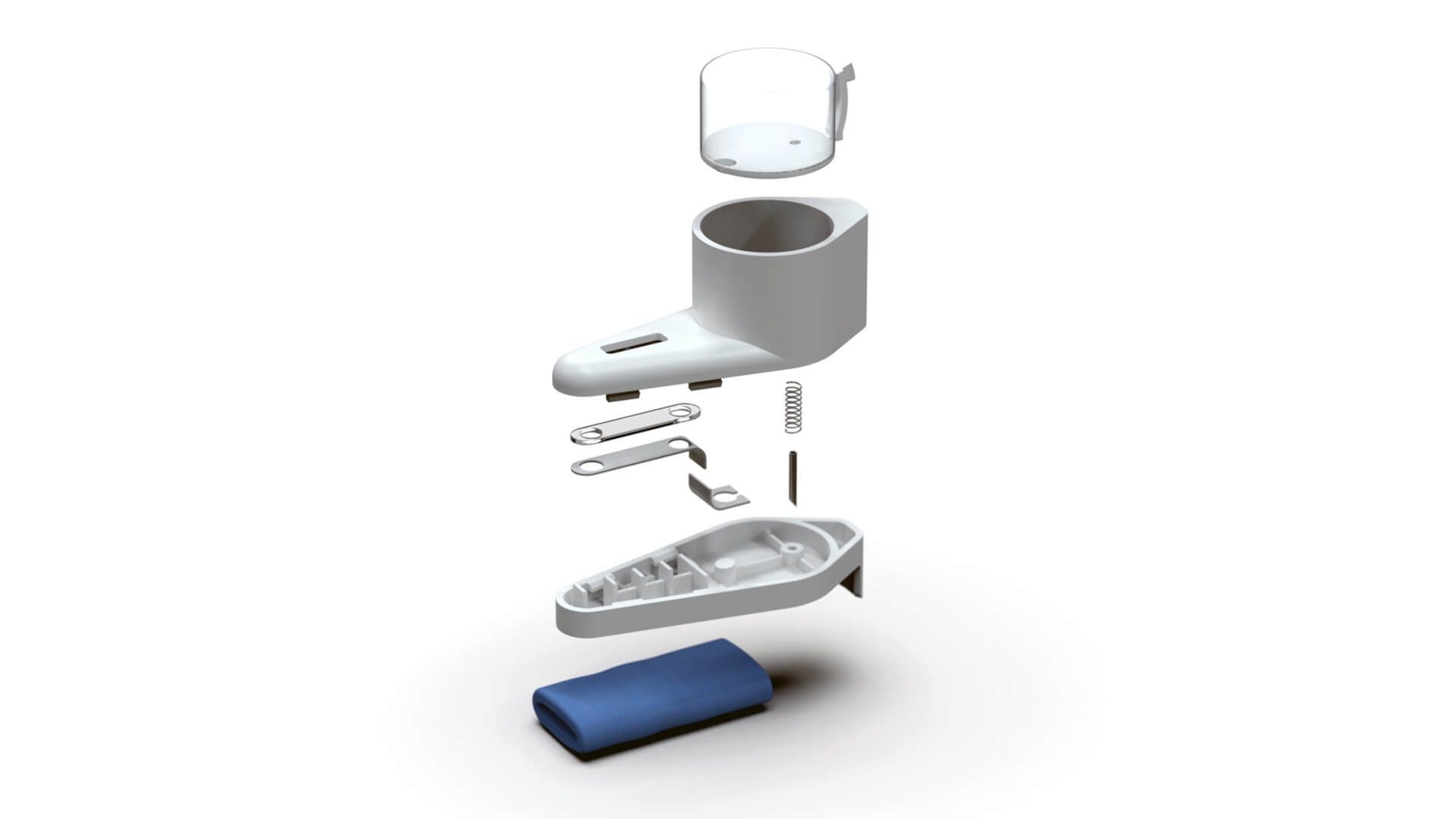
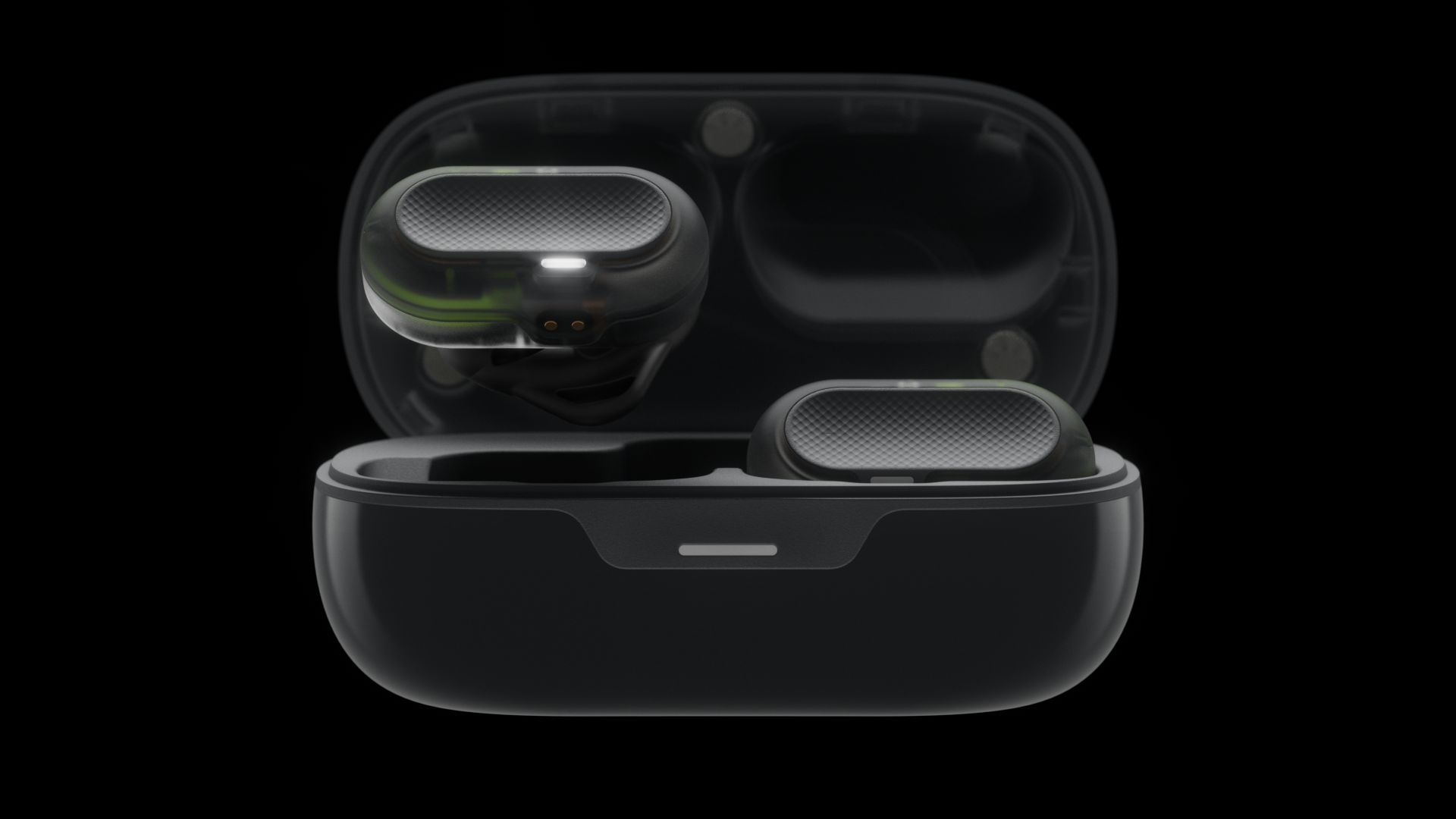
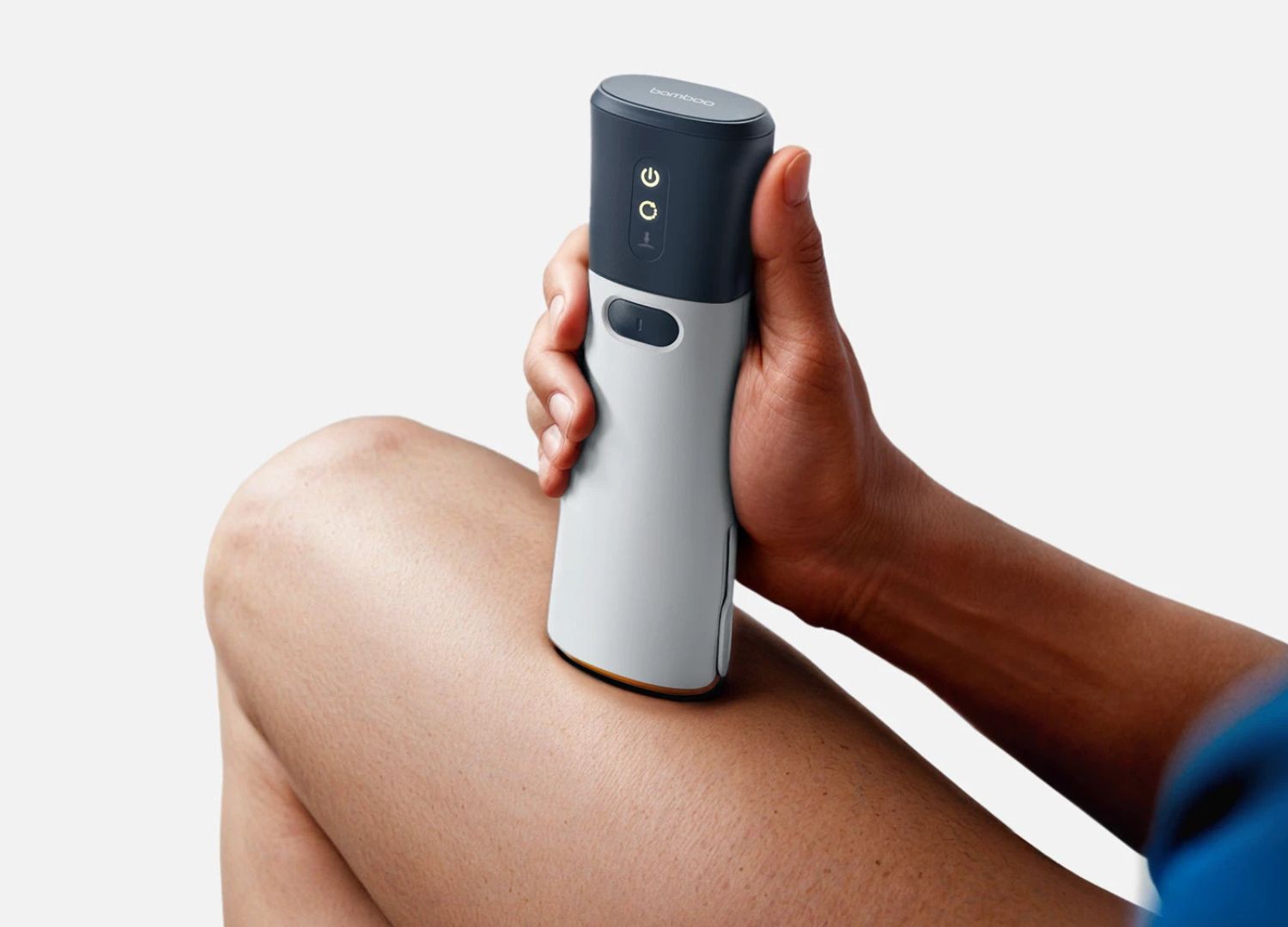
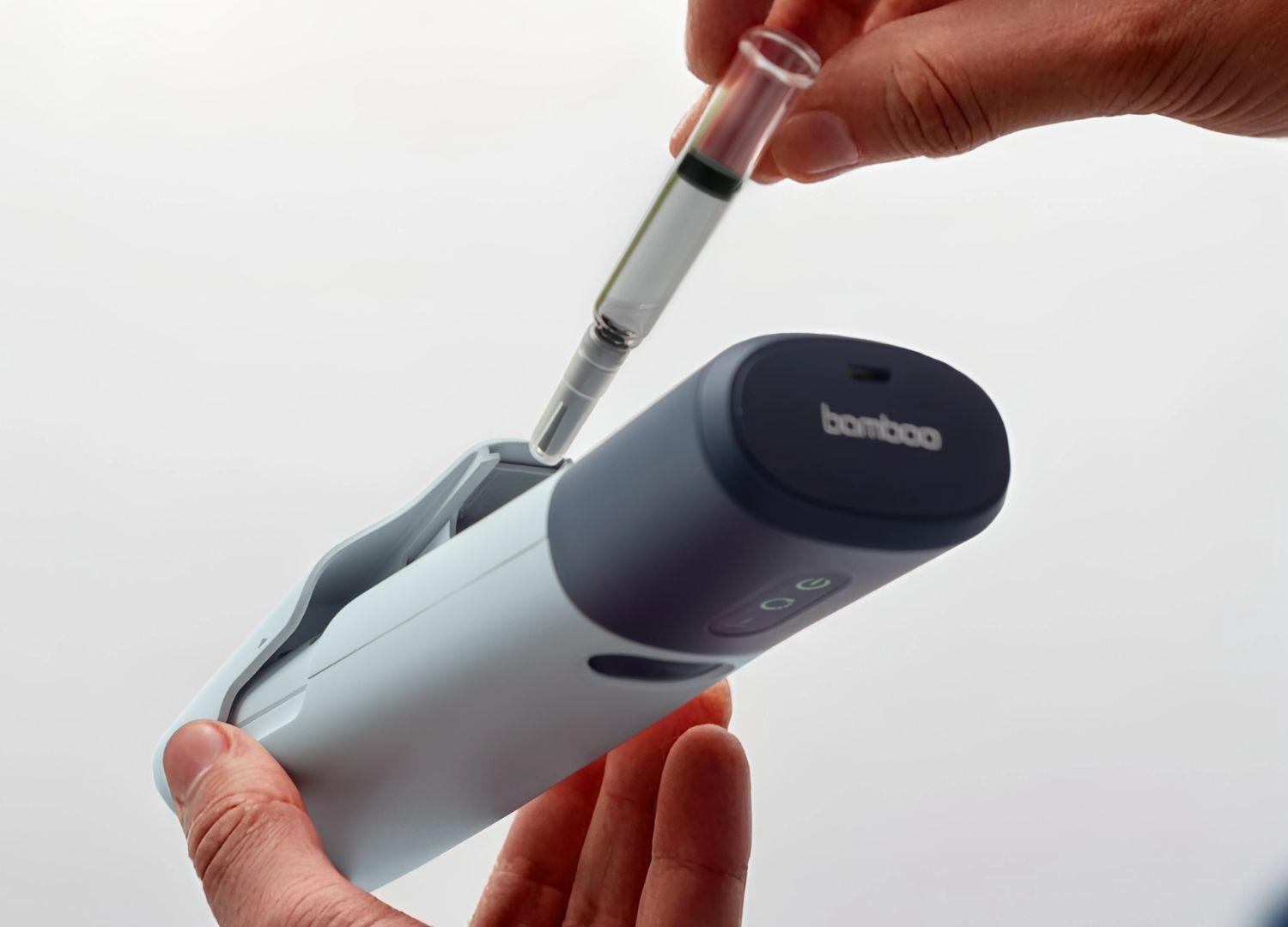
Unlike the disposable devices that have dominated the market so far, Bamboo is a reusable electromechanical autoinjector, reducing plastic waste. Users load a prefilled syringe, which is the only disposable component, into the reusable body, use the device through its simplified interface, and then remove the spent syringe to throw away. The device works with standard ISO prefilled syringes currently used in validated filling lines, avoiding investments into new systems and keeping the supply chain straightforward.
Gallery
Open full width
Open full width
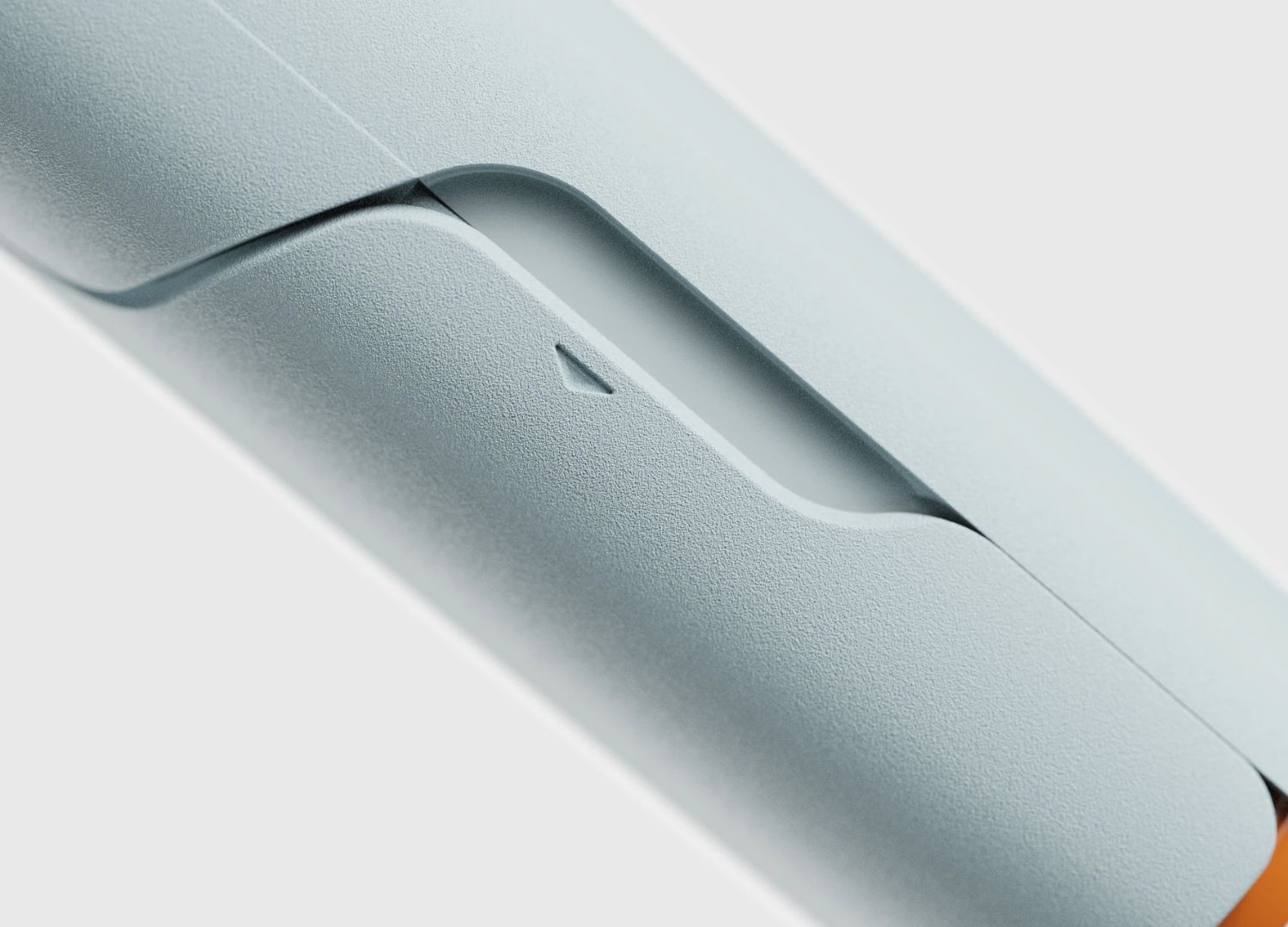
In order to create this product, the design team at Cambridge Consultants approached the process with what they called a “hierarchy of optimisation”, a framework inspired by Maslow’s hierarchy of needs. The base of the pyramid ensures core functionality and regulatory compliance, while the apex reaches for better usability, aspiring towards complete intuitivity. An example of a design innovation derived from this process is the automatic needle cap management, as the system automatically removes and replaces the needle cap, a process which is sometimes a source of stress and potential contamination for the user.
Traditional injectors can leave users confused about whether their injection was completed successfully or not, and sometimes the device is lifted prematurely. Bamboo provides an end-of-dose confirmation, removing this uncertainty. As the delivery is electromechanical instead of manual, the system delivers the medication at a consistent rate every time, avoiding peaks or irregularities.
This electromechanical system is also key in accommodating the physical capabilities of different user groups. As the plunger rod has a force of 170 Newtons, significantly higher than standard mechanical autoinjectors, Bamboo is able to deliver thicker formulations through smaller needles. This means that patients can go through less discomfort regardless of their formulation type. The elimination of mechanical force also means that the device can be easily used by patients with arthritis, reduced dexterity, or limited strength. The motor does the work, adapting to the user rather than demanding the user to adapt to the mechanism.
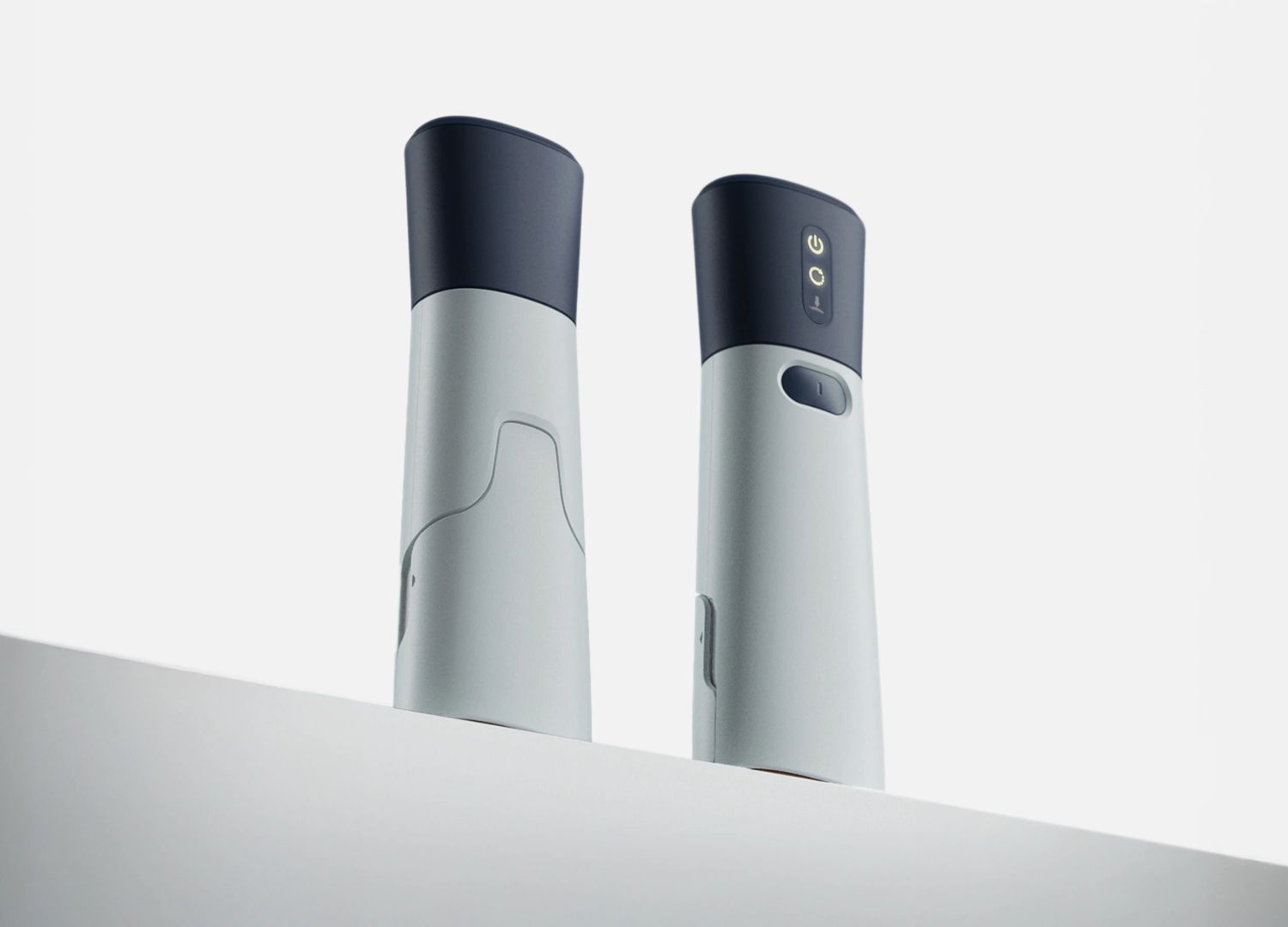
The autoinjector exists in two variants, of which the main usability difference is that one activates once in contact with the skin, while the other activates once a button is pressed. The overall result is the same, but this flexibility reflects a nuanced understanding of user preferences: from those who prefer a quick and thoughtless approach to those who would rather have that extra reassuring button, providing additional control over this delicate moment. By offering both options, Cambridge Consultants acknowledge that one size rarely fits all in the medical device experience.
In the designers’ hierarchy of optimisation, desirability occupies the fourth layer, positioned above functionality, cost, and sustainability, but below enhanced usability. This is because a device can be perfectly functional and affordable, but if it evokes negative emotions or feels cheap and therefore unreliable, users won’t be likely to adhere to it. Aesthetics matter beyond superficiality; a device that looks thoughtfully designed signals quality and care, which are fundamental characteristics in this product category.
What arises from Cambridge Consultants is an unexpected willingness to question established procedures to go after fresh solutions, despite the usual pull of “the way we’ve always done it.” It is only by reconsidering every aspect of the product, or in other words, simply paying proper attention, that the team was able to create real innovation and a thoughtful user experience. This is a rare approach in medical device development, as the stakes of failure often feel too high. Still, as chronic illnesses increase and environmental pressures become stronger, it may be riskier not to innovate at all.