Dyson’s new gimmick is a toothbrush with a camera. Do we really need it?
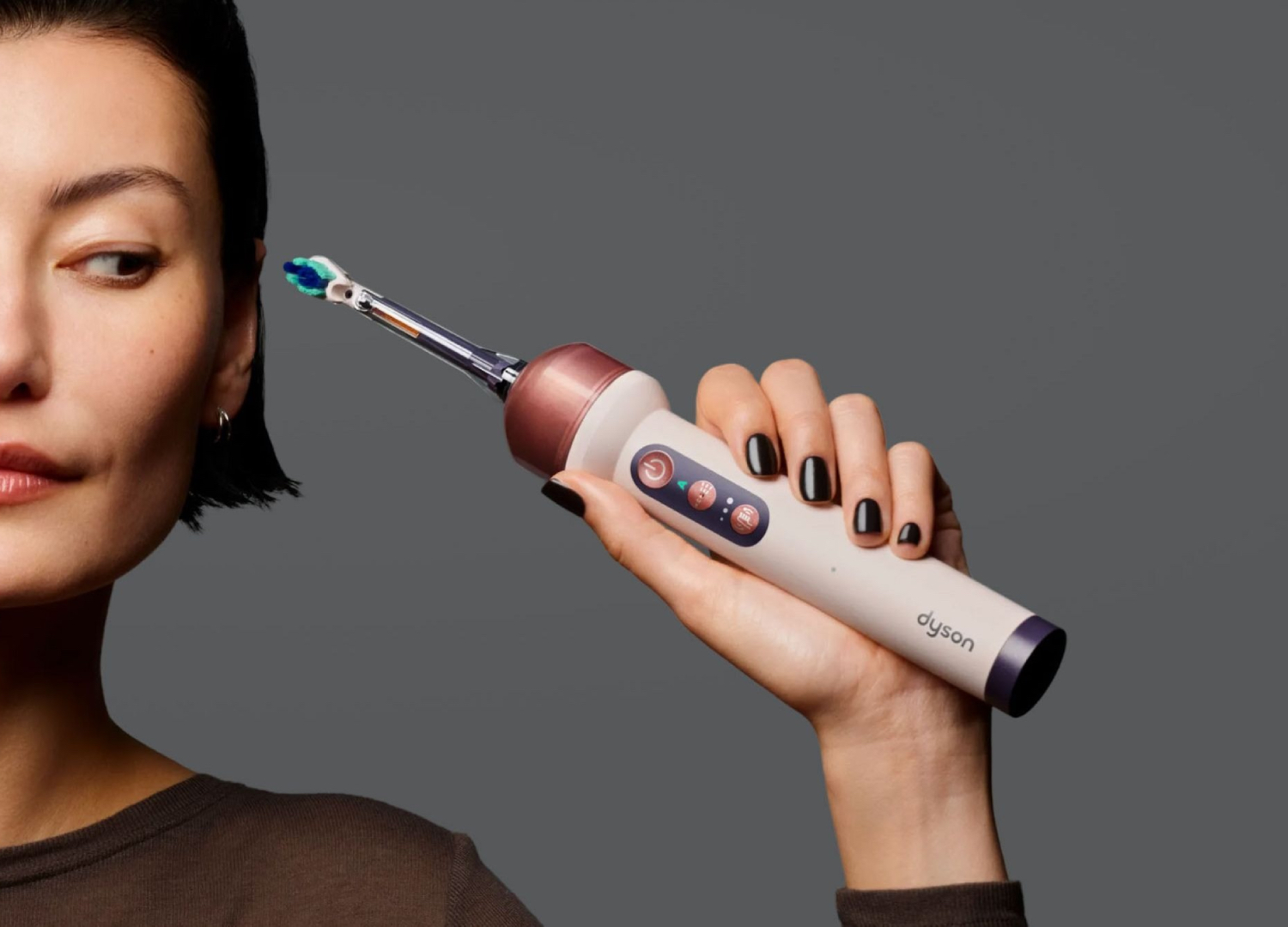
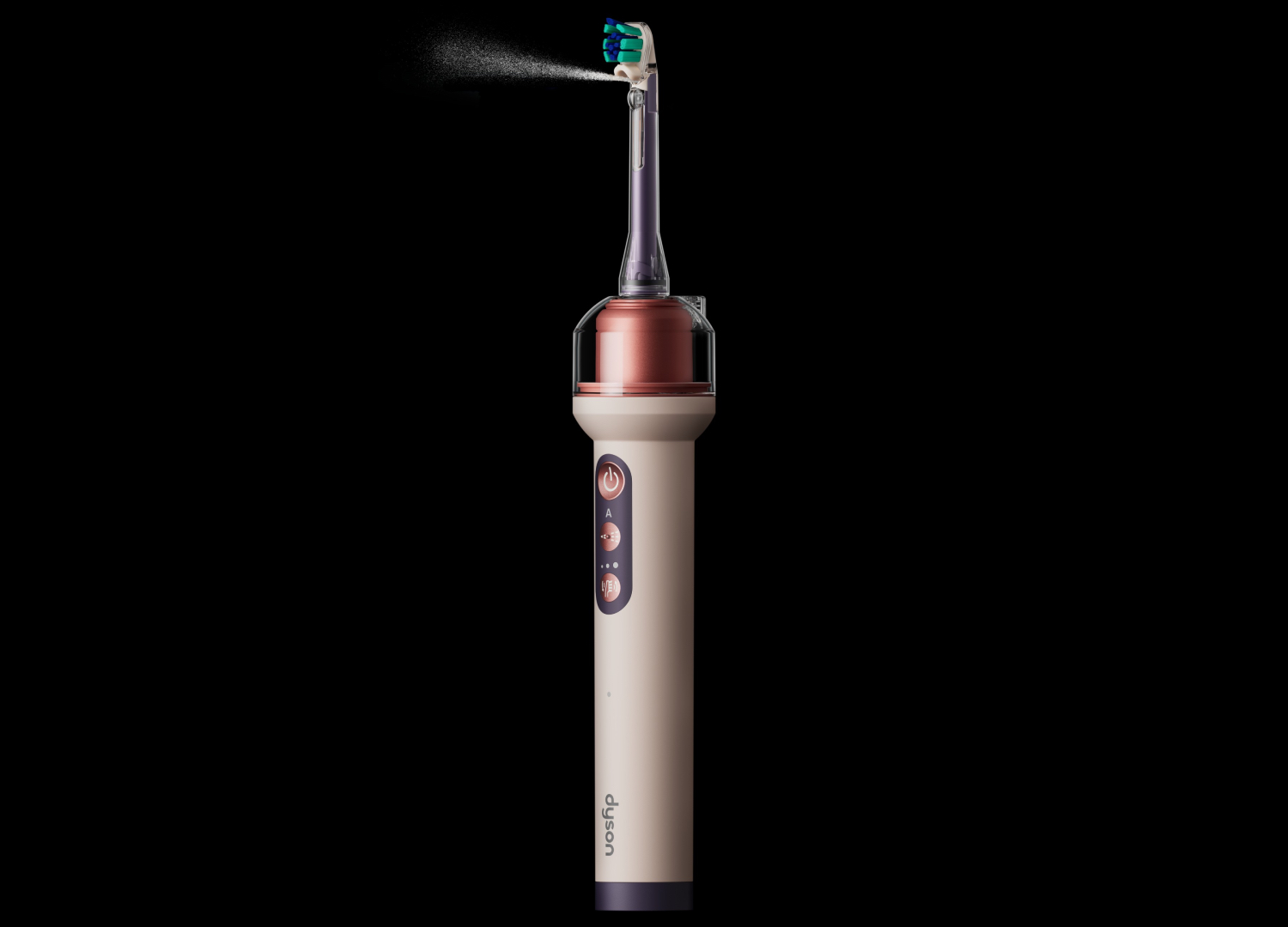
Named CameraJet, the high-tech toothbrush can floss the user’s mouth on its own by shooting jets of water between the gaps of their teeth.
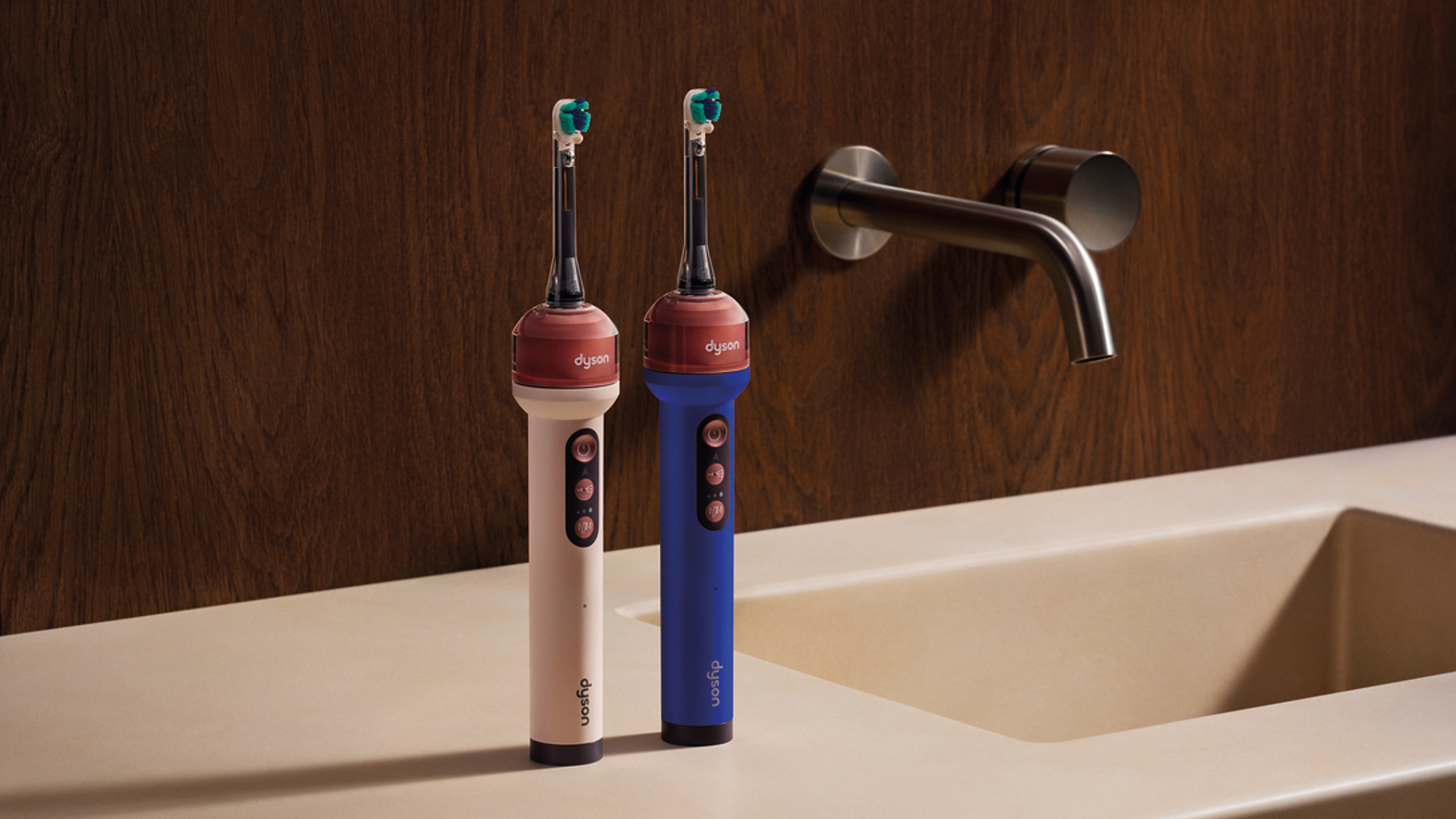
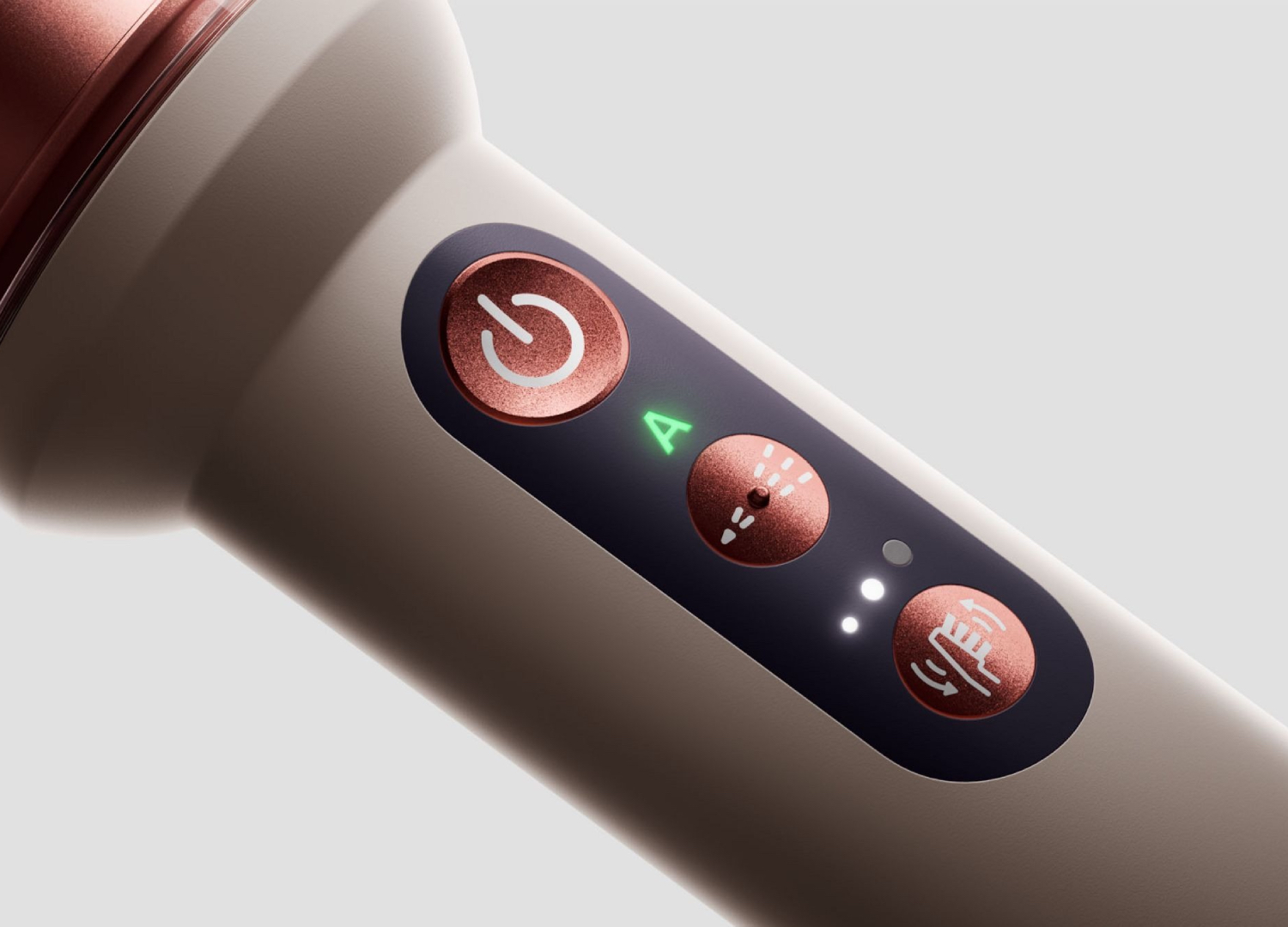
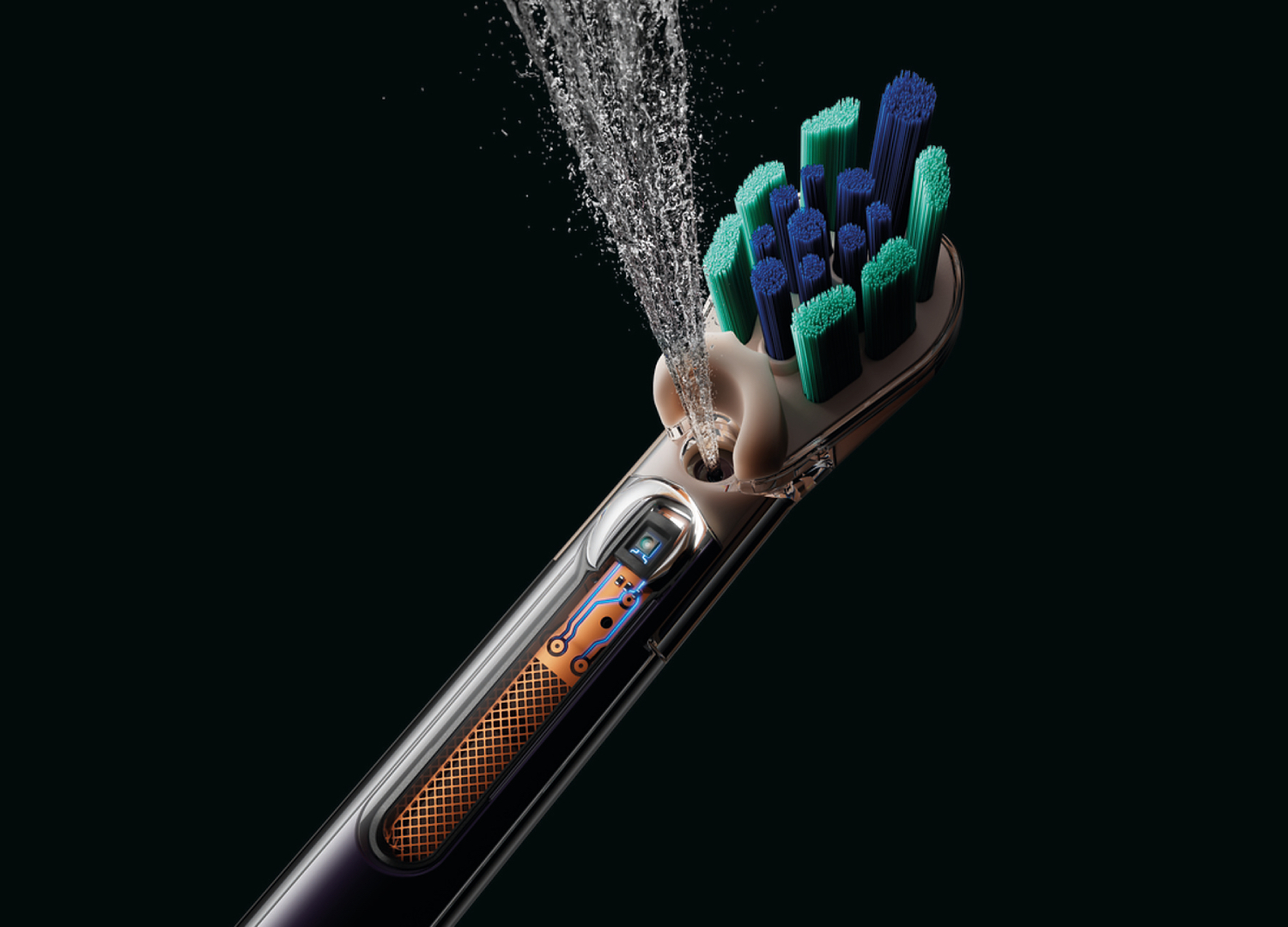
Dyson unveils CameraJet, a toothbrush that takes pictures of the user’s teeth using an embedded camera and automatically flosses them as they brush. The macro lens comes with 100,000 pixels, a light that can flash up to 257 times per second, and a small computer brain inside equipped with AI, all of which help vividly scan, see, and photograph the user’s teeth while they clean them.
Unlike the AIs used in computers for digital purposes, the one in the Dyson CameraJet tells the toothbrush when to shoot liquid between the teeth to wash off plaque buildup. Instead of thin and sharp water lines, the company has designed a cone-shaped nozzle in hopes of cleaning dirt off better without making the gums bleed, as well as a lower water pressure for gentler washing. The water comes from the tank built into the toothbrush, which the user needs to fill up before using the gadget.
Gallery
Open full width



Open full width
Dyson CameraJet:
A dedicated RFID chip and app
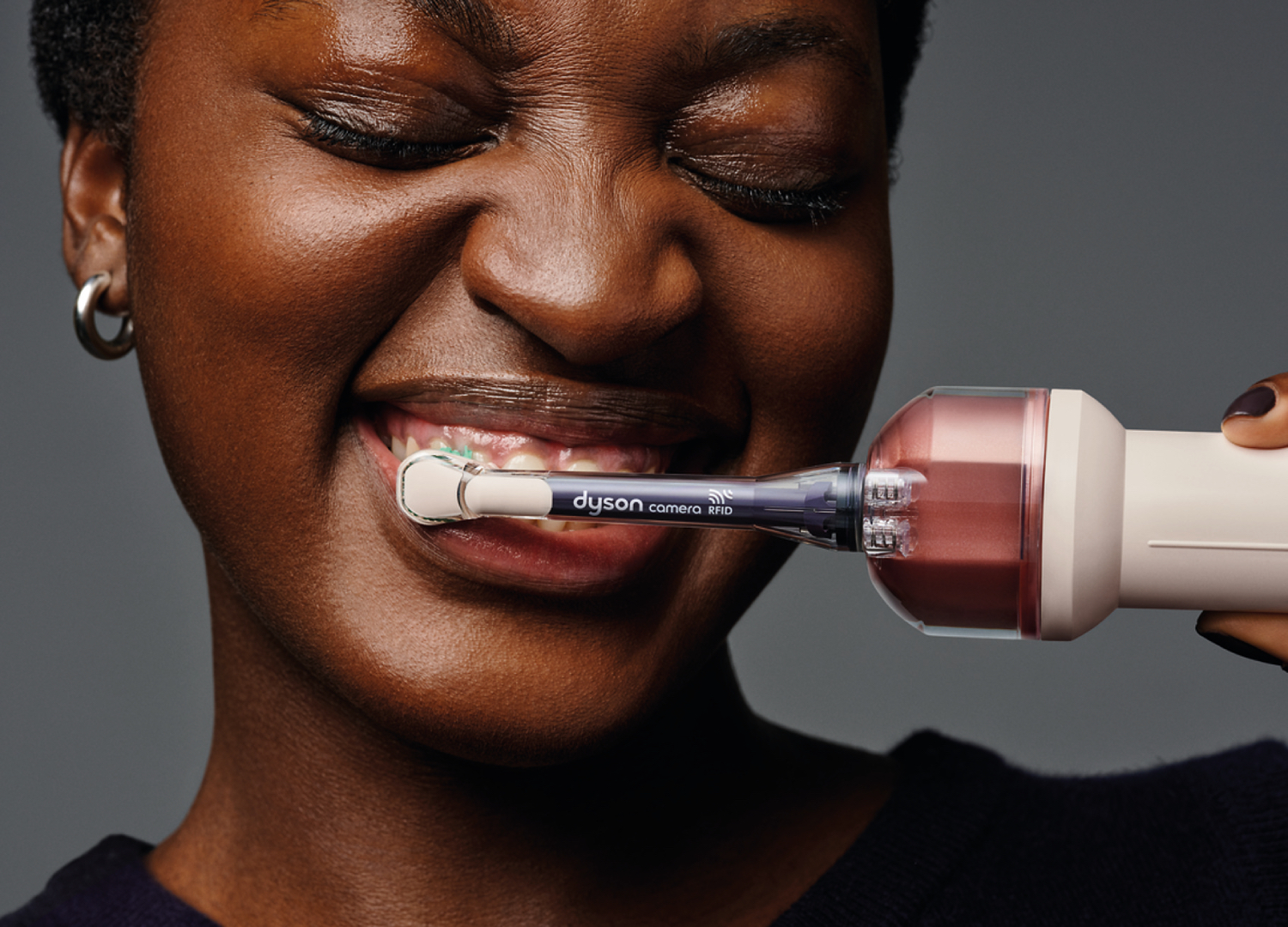
As if these weren’t high-tech enough, even the brush head is smart, because Dyson has decided to install an RFID chip in it so the device can count the number of times the user brushes their teeth and know when it’s time to replace it. For all the technologies on board, Dyson opts for rechargeable batteries to power the gadget, and the charging dock that comes with it refuels them after 14 full sessions, so that they’re ready for the next rounds.

That’s not yet enough, because Dyson has developed a dedicated app where users can watch live video footage of themselves brushing their teeth, make a map of their mouth to see which part of their teeth missed some cleaning, and choose the type of cleaning mode they feel like.
Is modern technology sustainable for contemporary needs?
It all sounds suited to modern needs, including the 500 US dollar price tag, but for an everyday object to clean teeth, especially in the presence of a variety of affordable and effective dental care, it’s an option at the far end of a bucket list, unless the user’s teeth require a certain level of hygiene (or refined taste).
According to Dyson’s very own Oral Care Usage & Attitudes Study in 2017, 9 out of 10 people don’t floss regularly, so to assist them in doing so, the CameraJet does it for them. More than 660 engineers and 30 consulted dentists worked on bringing the gadget to life, making the company confident about how well the product can function.

That’s a helpful approach, among the few features of the toothbrush, yet having all the niche upgrades for an everyday object isn’t fitting for everyone’s needs, as expected. Dyson’s CameraJet shoots water into the mouth, so users either have to round their lips and let the liquid spill out, or they’d have to spit frequently.
The camera must also see the teeth for the toothbrush to work properly, meaning that users need to angle it well, or else the camera points at their tongue or cheeks. In this case, the jet won’t expel the water because the sensors can’t detect the teeth.

Once users decide to own the Dyson CameraJet, they’d need the company’s own non-foaming toothpaste, which avoids producing bubbles that cover the lens. Then, when it’s time to replace the brush heads, a pack of two costs around 25 dollars. They can chuck the old one in the bin every three months or so, but over time, the number of replaced brush heads would amount to the original price of the high-tech toothbrush.
Dyson’s series of everyday objects turned into high-tech gadgets
It’s not the first time the company has upgraded everyday objects into smart devices and status symbols. It’s hard to forget the Dyson Zone, the pair of headphones that costs 949 US dollars and comes with an air-purifier mask that the company released during the Covid-19 pandemic.
The smart Dyson Solarcycle Morph is also a contender, which uses the internet to check the time and the location of the sun in the sky, then adapts the lighting to these changes. This one has a price tag of around 650 US dollars. Next is the Dyson Airblade hand dryer. While it’s achieved market success, it generates a blaring sound because of the powerful digital motor inside that blows the air hard and fast.

Affordability and effectiveness are two recurring design values in consumerism, yet some brands, at least with their target audience, put their focus on desirability, exclusivity, and offering a level up in social status, similar to owning an Apple product (aside from its durability and consistent security updates).
It’s already a given that Dyson’s CameraJet toothbrush is for select consumers, but at the pace of shopaholism, its true purpose may be overlooked, and it’ll be time again for the company to launch a fresh, new gadget.