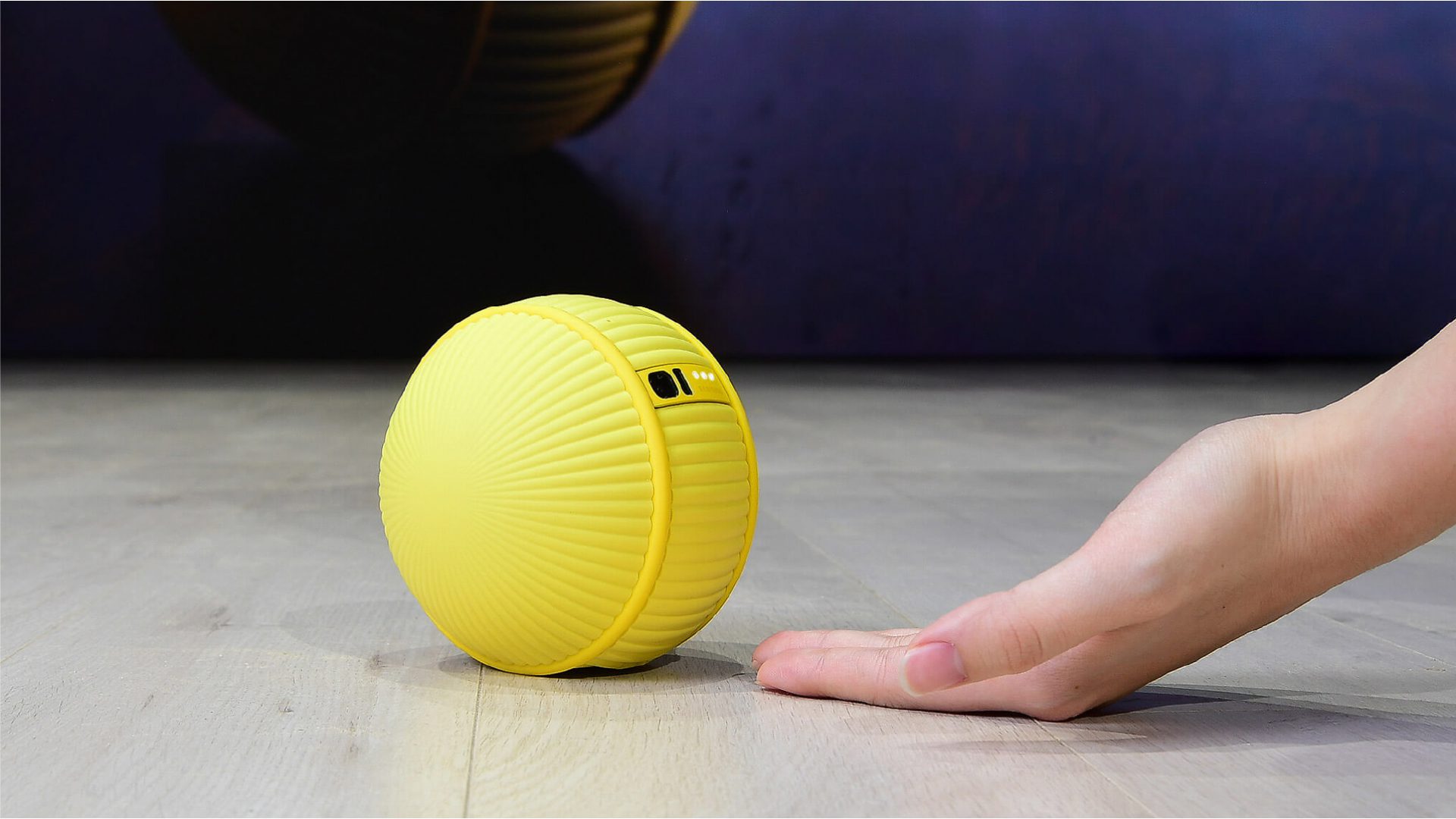
The power of touch: bodies as sound creators
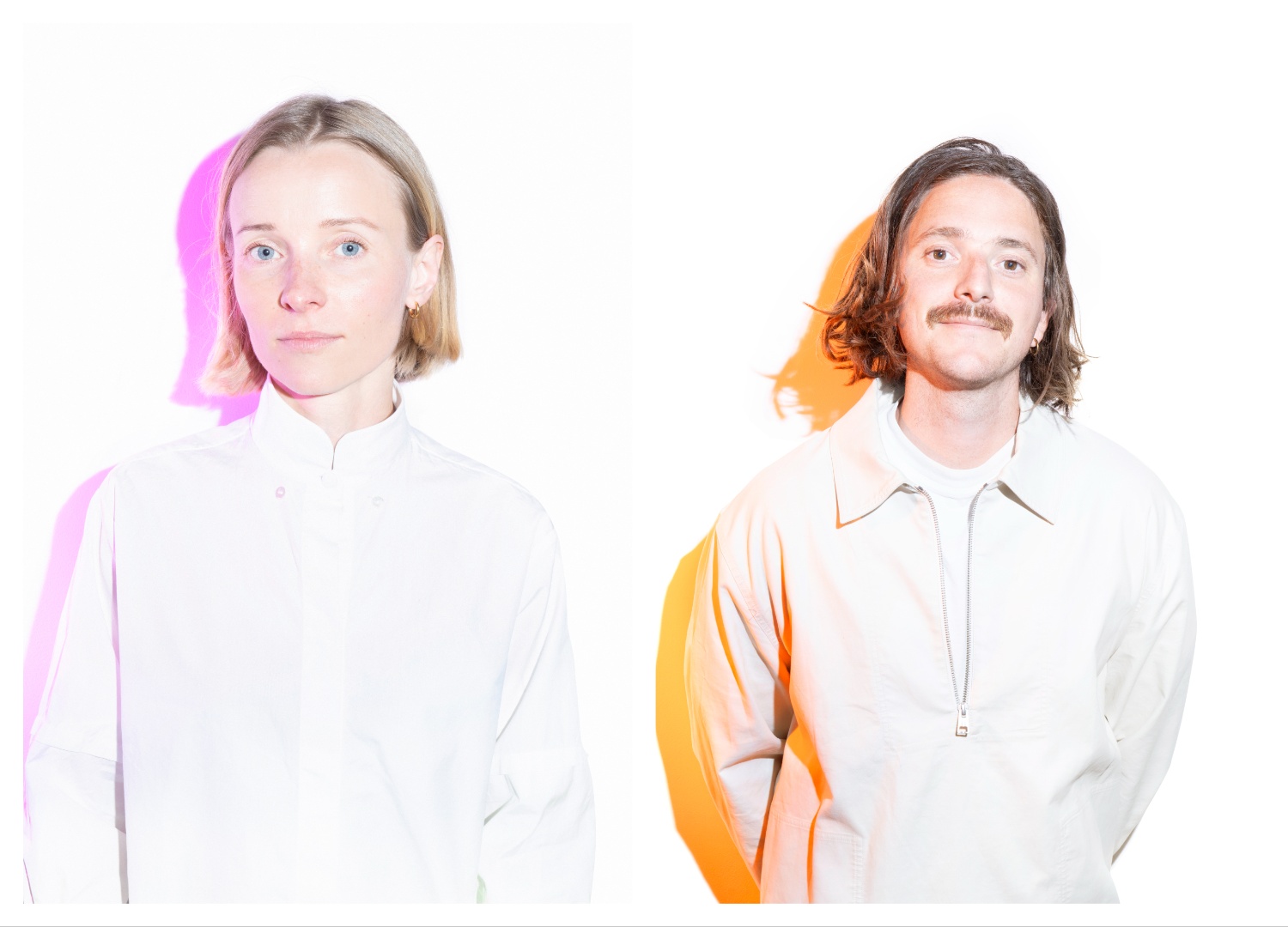
In an era dominated by artificial intelligence, touch returns to the center of the project: Can Touch This studio transforms the body into an instrument and objects into sensitive interfaces, creating experiences in which sound is born from contact and technology becomes invisible.
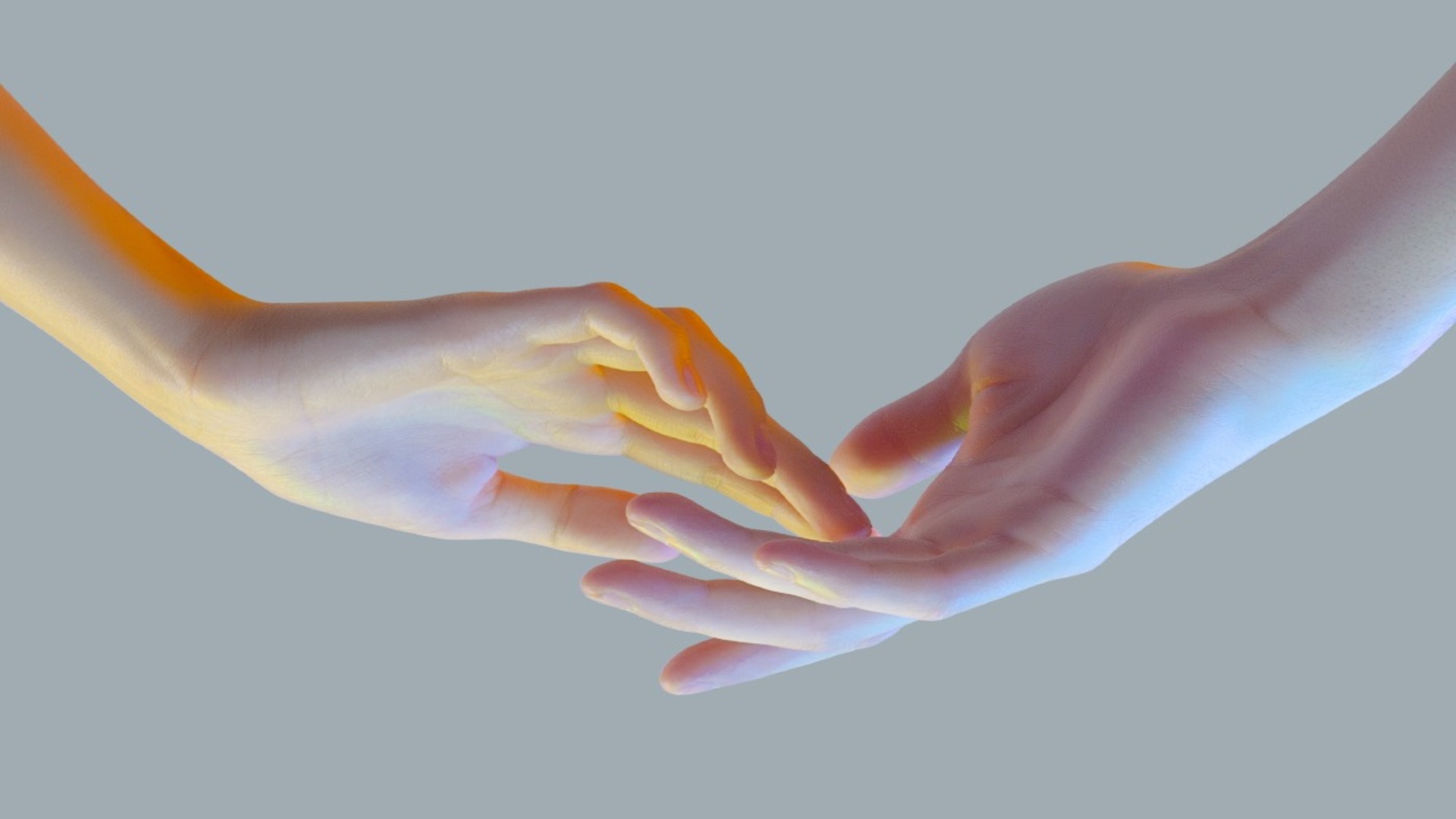
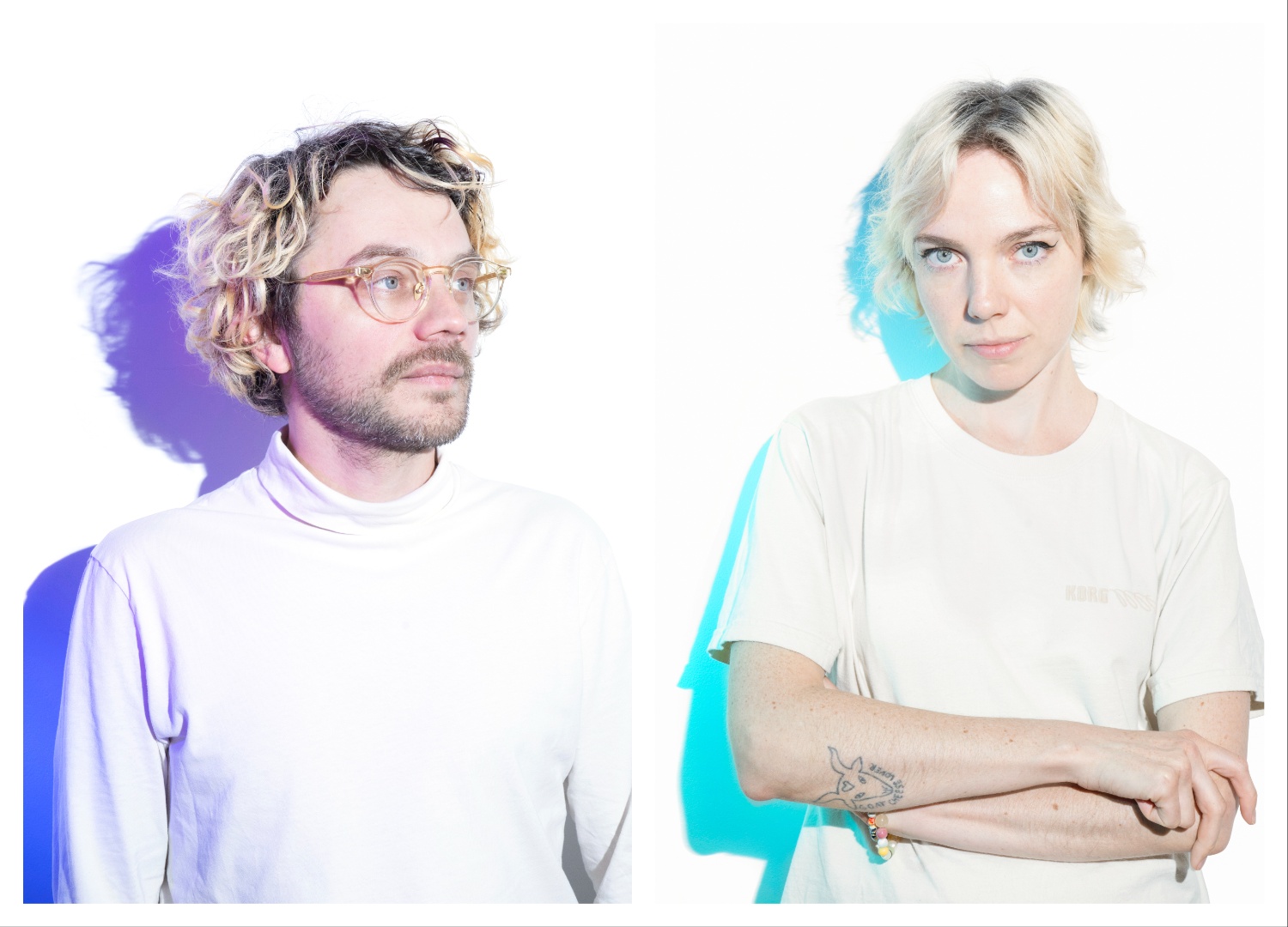
Every gesture produces sound: a hand brushing against a surface, two bodies meeting, a movement that closes an invisible circuit. For Can Touch This, touch becomes a language, and action turns into a shared sensory moment. A project by the Playtronica collective, based between Paris and Berlin, the studio explores the boundary between the physical and the digital by transforming ordinary objects into instruments capable of generating sound, light, and images through touch-based interactive systems.
In a landscape dominated by visual interfaces, automation, and pervasive artificial intelligence, their approach does not widen the gap between humans and technology. Instead, it moves in the opposite direction, bringing the body, tactile perception, and physical connection back to the center of the creative act. Operating at the intersection of art, sound, and interaction design, Can Touch This understands experimentation as a space for research rather than a predefined solution. Even when working with complex and adaptive systems, technology never dominates the experience; it remains invisible, integrating quietly with the gestures and behaviors activated by participants within the installations.
Gallery
Open full width
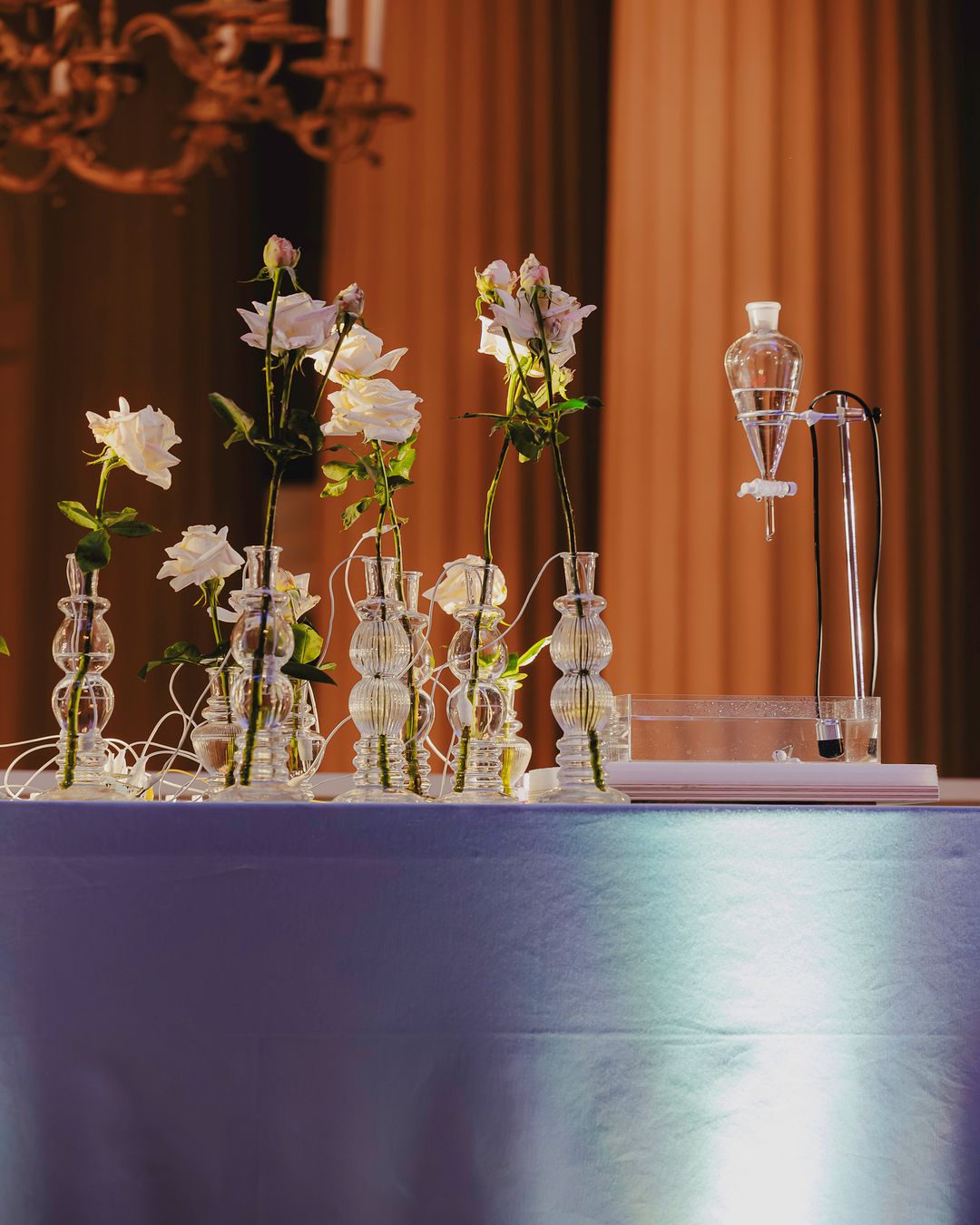

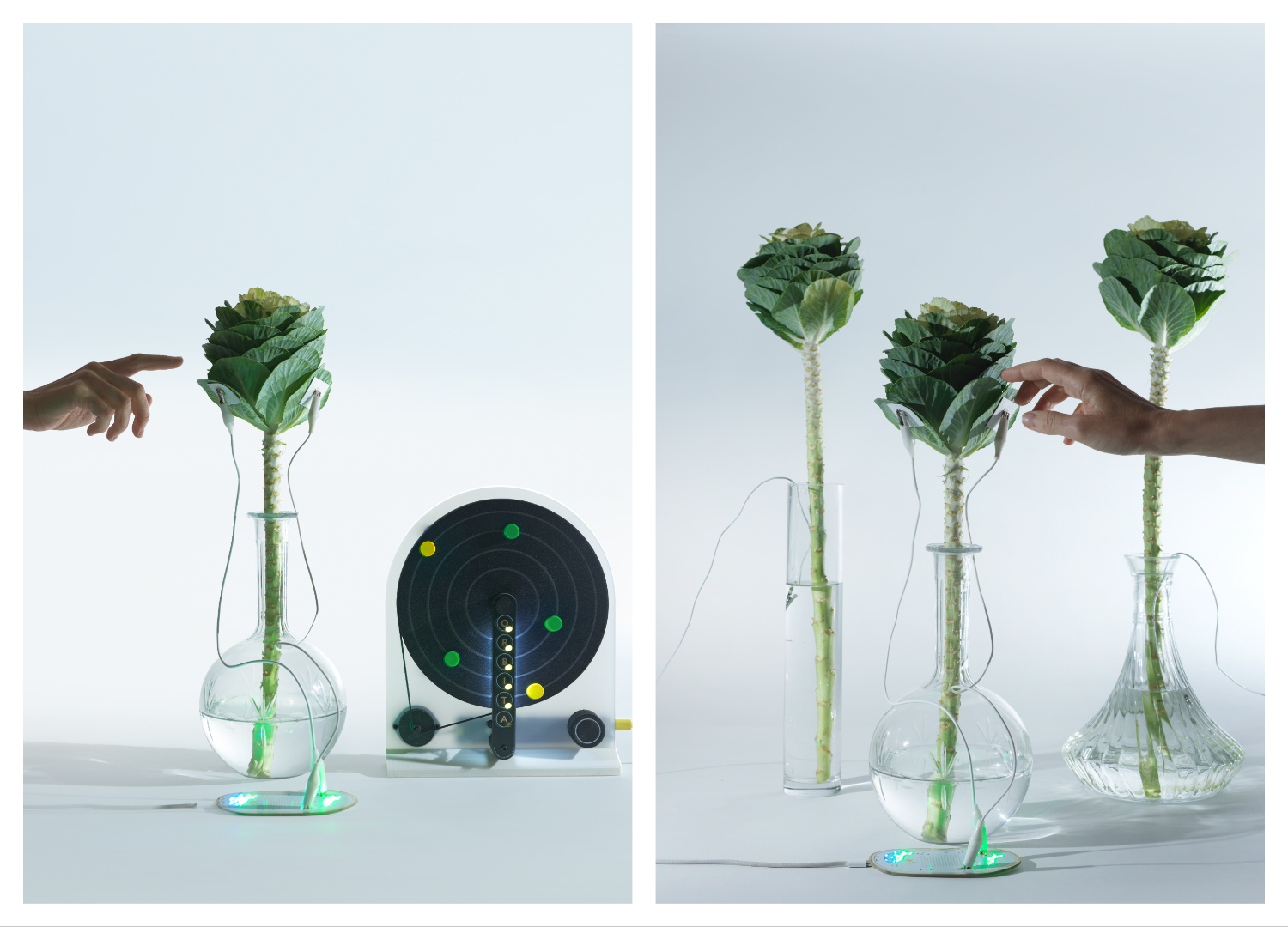
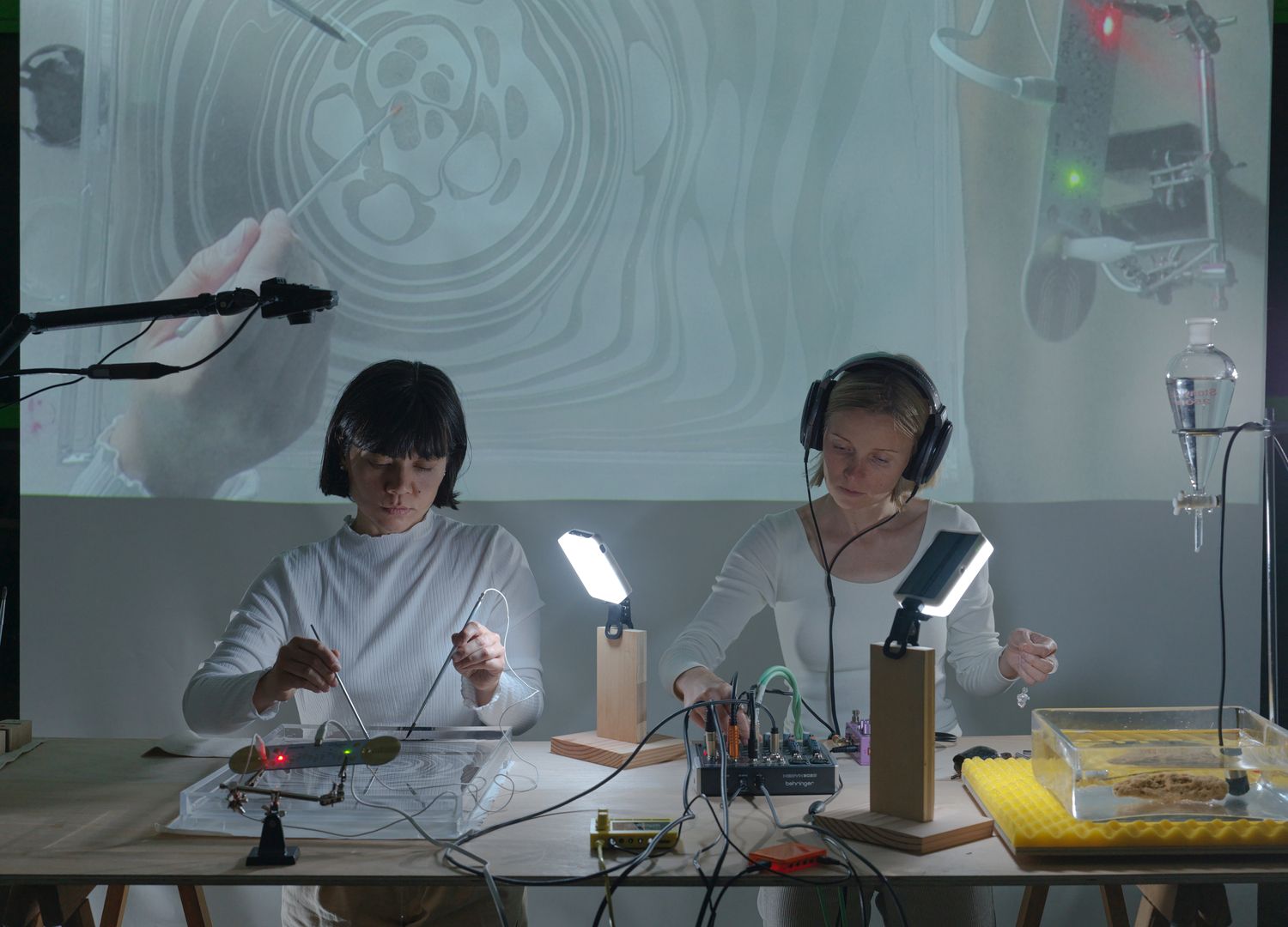
Open full width
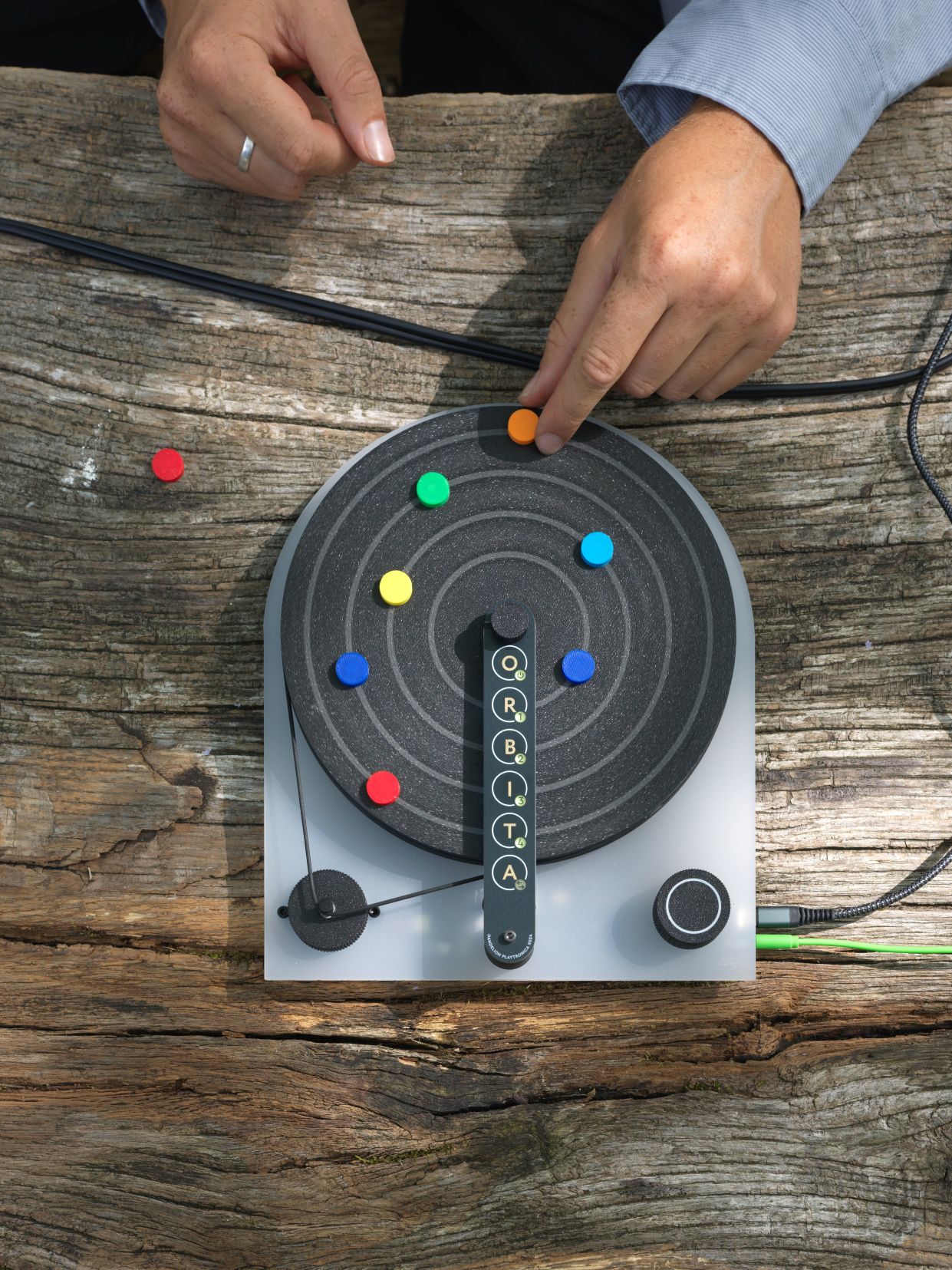
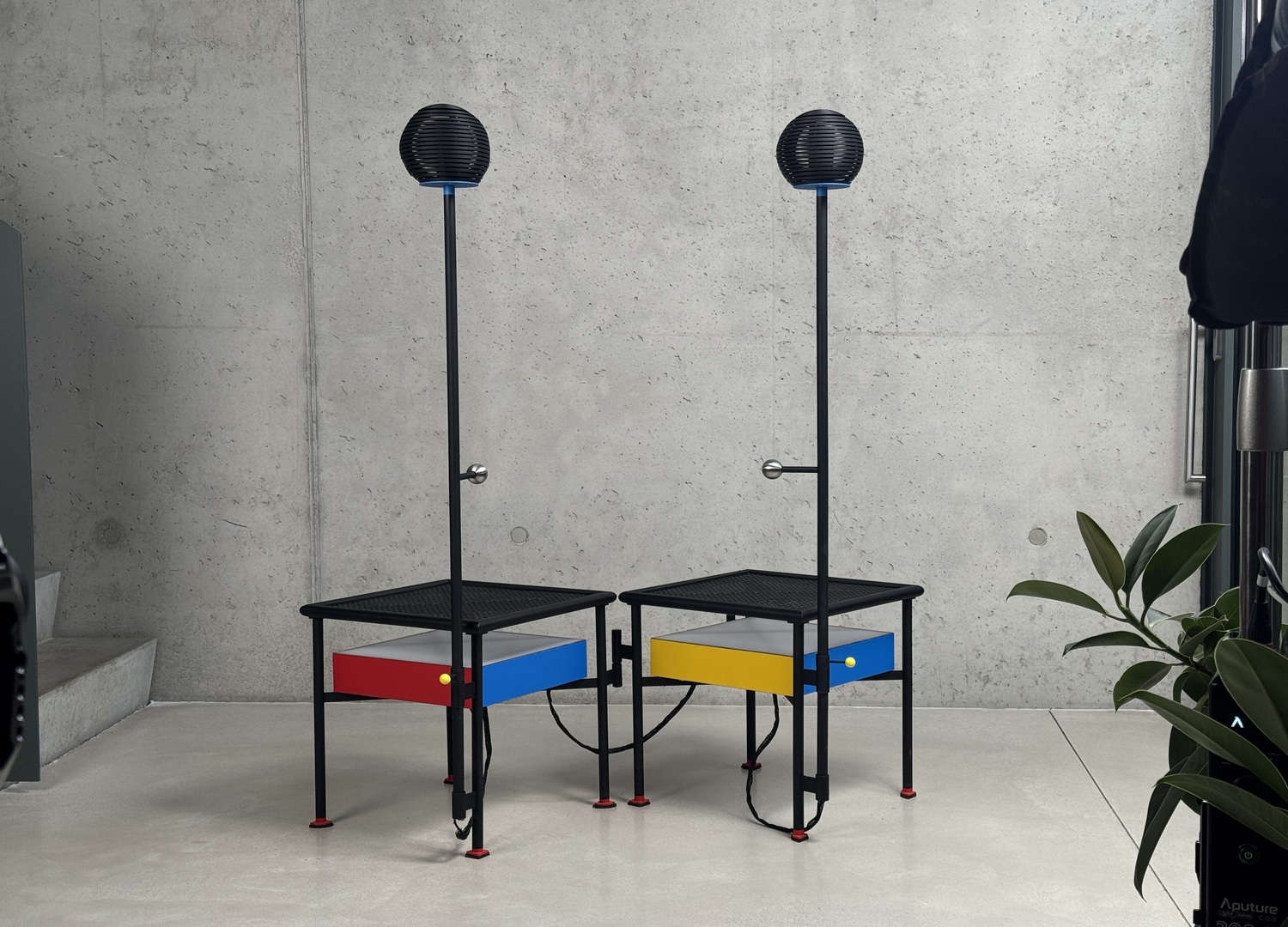
The devices used are calibrated specifically to the space, context, and actions of people, supporting an open and participatory generative process. Sensors, microcontrollers, and capacitive systems remain hidden. As the artists explain, “For us, innovation does not mean showcasing technology, but making it disappear while still allowing it to be felt. Poetic integration serves narrative and emotion, ideally, the audience forgets the ‘how’ and focuses entirely on the experience.”
At the core of this design ecosystem, interaction is activated through touch. “Touch is our primary interface and the first sense we develop as human beings. Here, the human body sets the rhythm, the intensity, and even the vocabulary of sound,” they continue. In contrast to many contemporary digital experiences – built around standardized gestures and predefined responses – the body becomes a sensitive and unpredictable instrument. “We design sensory dynamics that respond to pressure, proximity, friction, or skin conductivity,” and each variation is translated into a unique, never-repeated sonic and visual response.
The selection of objects follows the same logic: nothing is neutral or accidental. Materials, surfaces, and architectural elements are chosen for their physical and emotional presence. “The object suggests its history, its shape, its texture, and from there we imagine how sound can naturally emerge. The instrument is not imposed, it is revealed through dialogue.” This approach generates unpredictable and dynamic situations in which anything can happen: sounds are neither binary nor predetermined, and every bodily gesture remains contingent and unrepeatable.
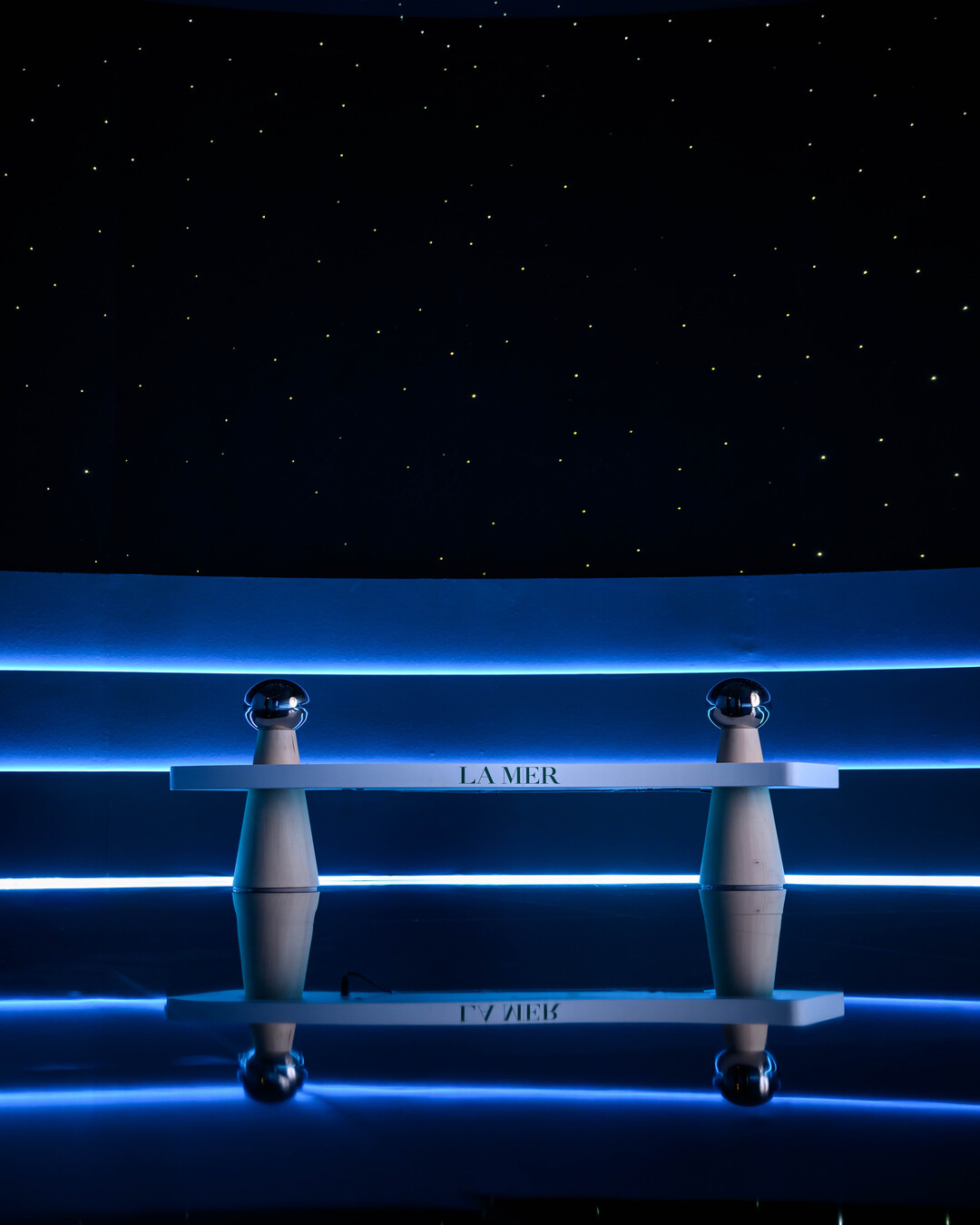
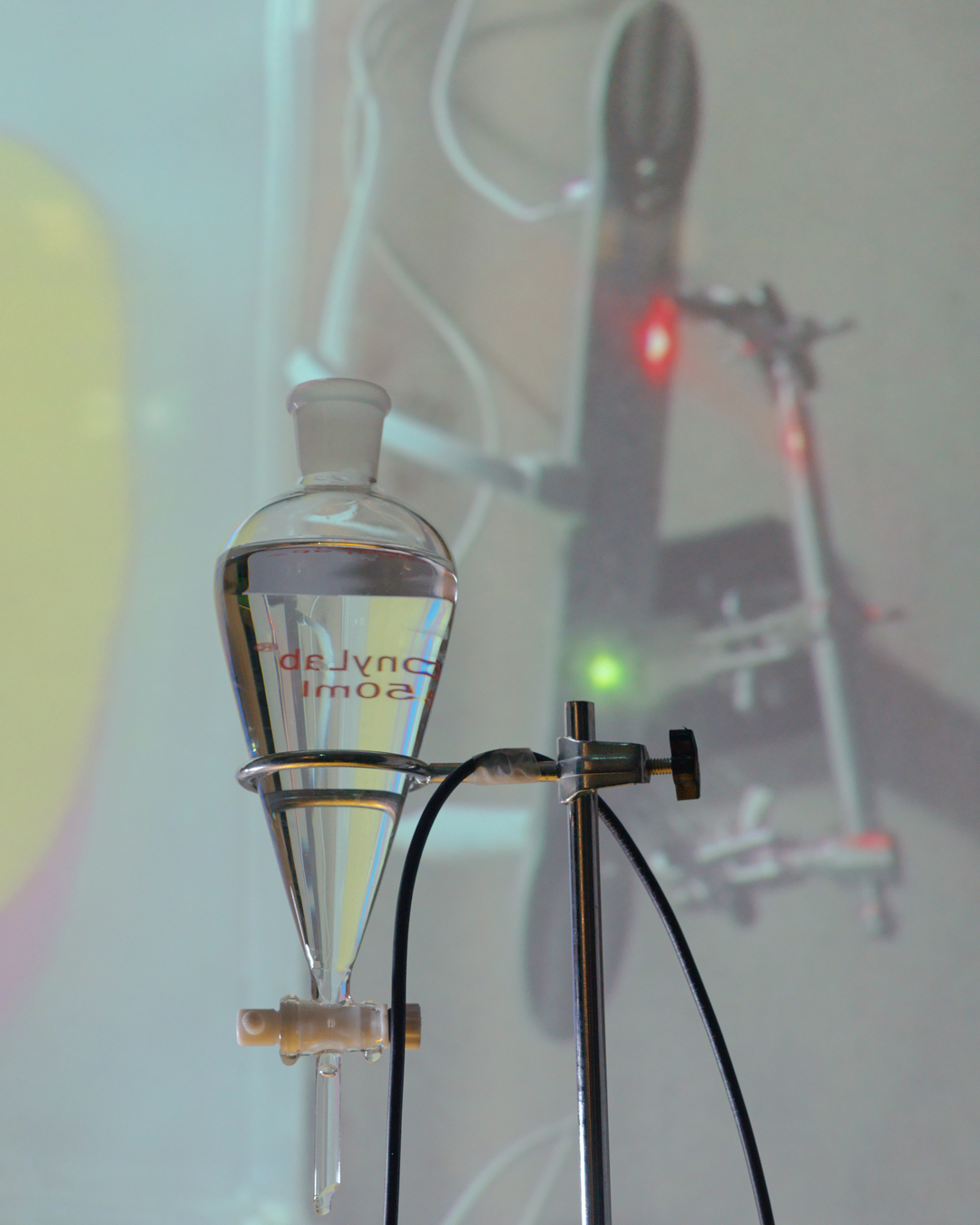
Participants do not follow instructions but discover their role as “sound creators” hic et nunc, through play, curiosity, and embodied engagement. This methodology is reflected in collaborations with artists, designers, cultural institutions, and brands, allowing the studio to develop site-specific projects. In Liquid Form – Sound Laboratory, the surface of water becomes a musical interface, translating fluid gestures into sound and visuals while reinterpreting the Suminagashi tradition through a multisensory lens. In Touch Me Booth, bodies close circuits by touching conductive spheres and one another’s hands, generating ever-changing compositions. Projects such as Indikator Sonic Bench, created in collaboration with Anders Hellsten Nissen, or the interactive musical benches designed for La Mer demonstrate how even simple gestures can turn into moments of interaction, through touch alone.
From museums and cultural institutions to the worlds of fashion and luxury, Playtronica‘s project has collaborated with Hermès, Issey Miyake, the Philharmonie de Paris, the Louvre, and the Centre Pompidou. Across all contexts, sound functions as both medium and outcome. It is not activated by explicit instructions or dominant interfaces but emerges from presence and natural human behavior. “The most unexpected gesture is the one that does not feel like an interaction at all: sound is born from proximity, from presence, from the body becoming both medium and activator.”
Ultimately, Can Touch This proposes an experimental vision of perception that, while engaging with complex and intelligent systems, chooses to amplify – and give truth to – human relationships rather than replace them. Rather than designing sound instruments, the studio builds alternative conditions for listening, where technology steps back and human interaction returns to the center of the stage as the origin of sound.