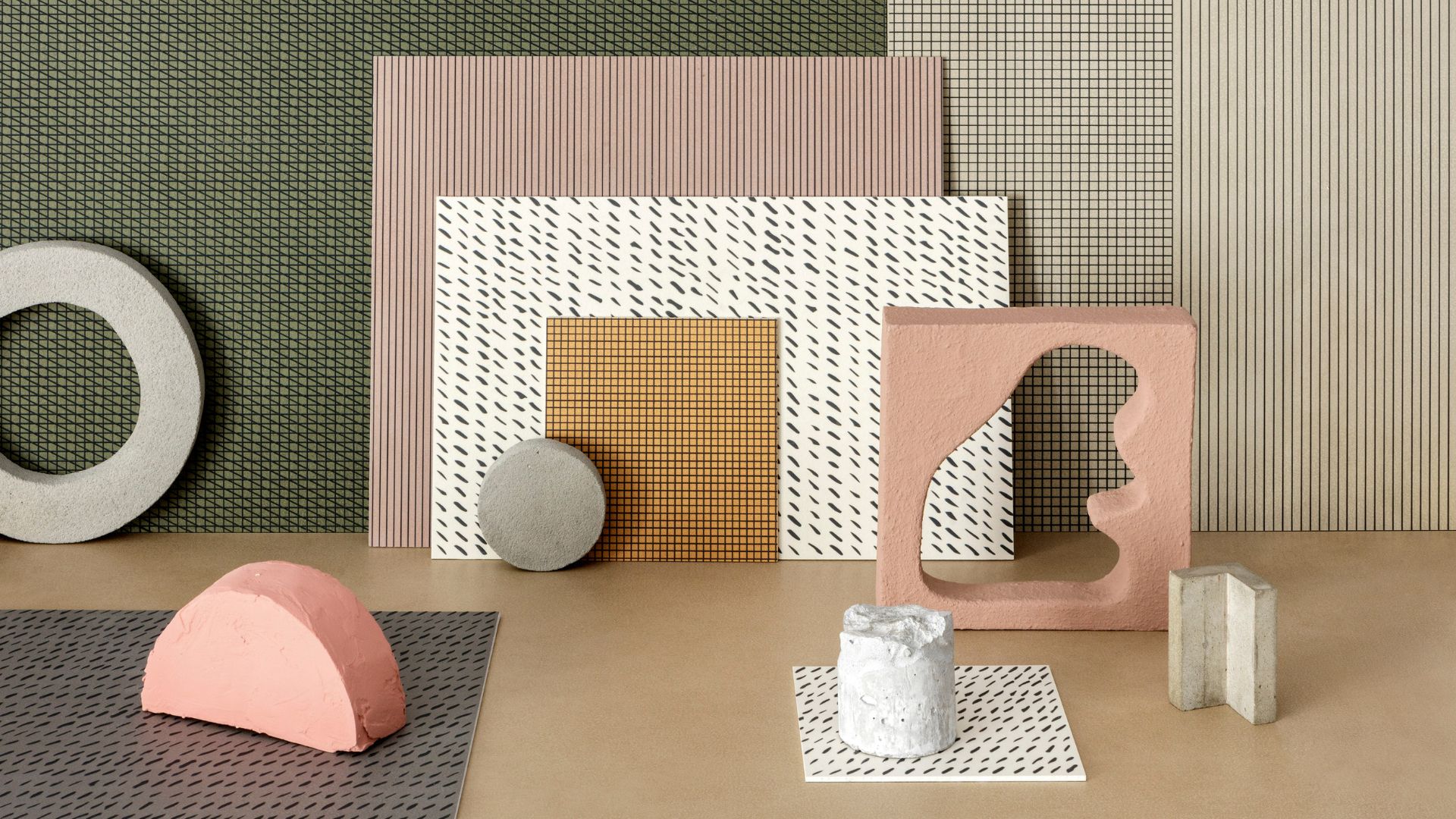
A plastic free future might start with reworking agricultural waste
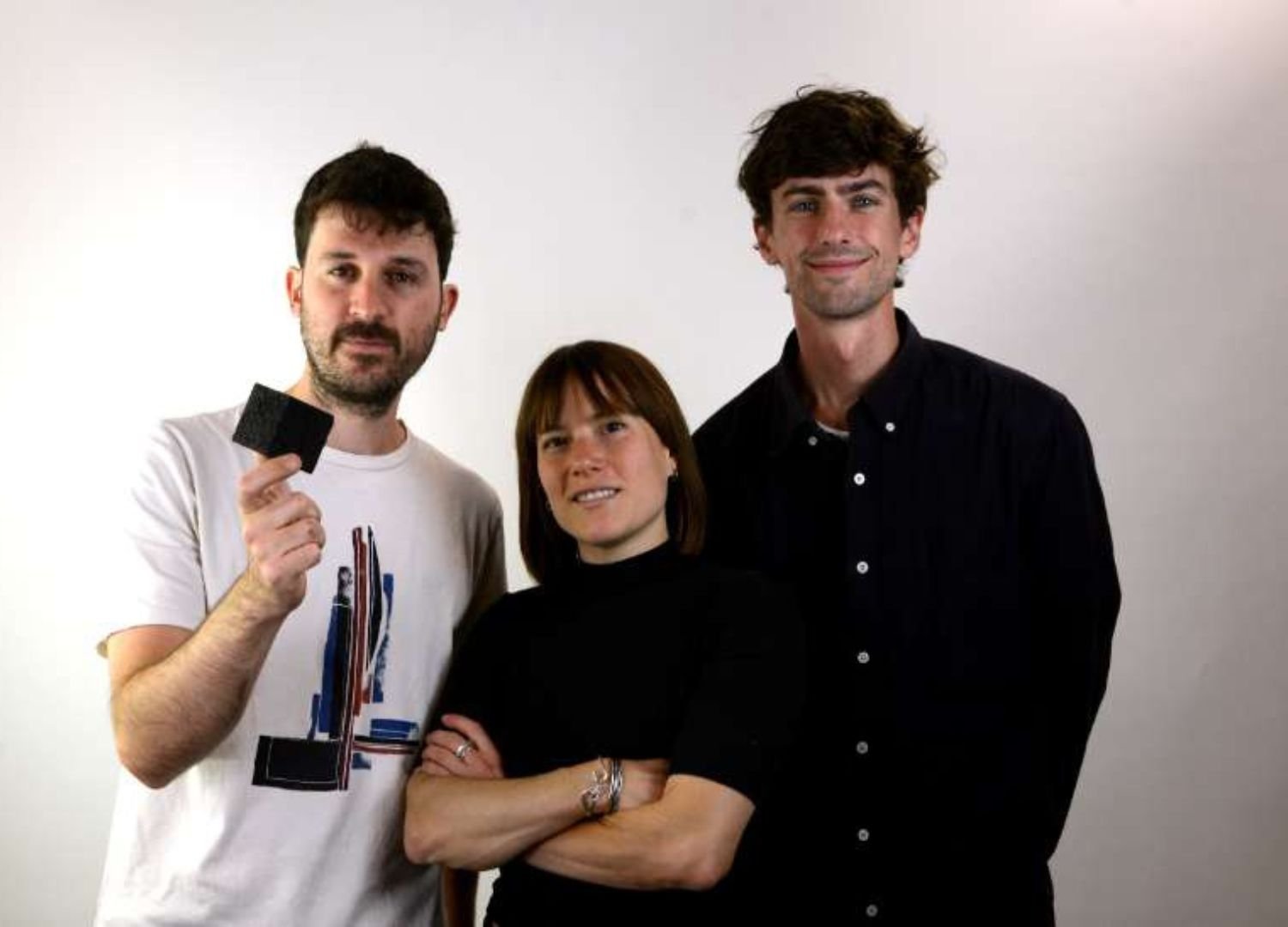
Carbon Cell is a British start-up attempting to solve plastic packaging pollution through a new sustainable material made from agricultural waste.

Anytime you open a shipping box, use a bicycle helmet, or sip coffee from a takeaway cup, you will almost certainly encounter expanded polystyrene, better known as EPS, or simply “foam.” It is a plastic derived from petrochemicals, and it is everywhere. It releases styrene, a classified human carcinogen, and once in the environment, it fragments into billions of microplastic particles that can persist for hundreds of years.
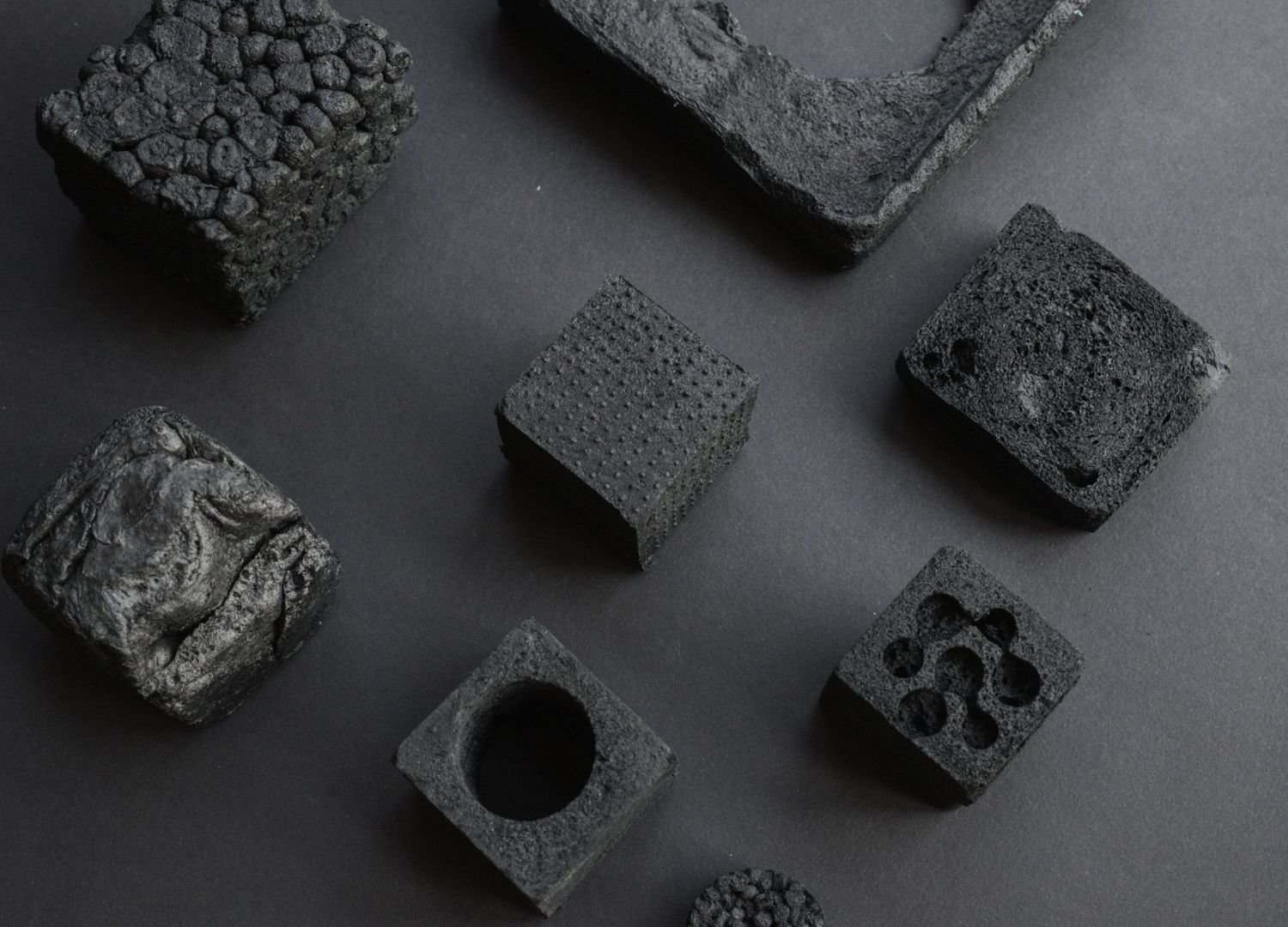
Into this polluted landscape comes Carbon Cell, a London-based materials start-up which has developed a high-performance foam made from agricultural waste. The material actively removes carbon from the atmosphere and composts at the end of its life, providing a positive hope in the fight against climate change.
Gallery
Open full width
Open full width
Polystyrene production reached approximately 19 million tonnes during 2024, and is only expected to increase in the next decade. Annually, it is responsible for almost 200 million tonnes of CO2 entering the Earth’s atmosphere, and is one of the main forms of debris found on beaches worldwide. While it is technically recyclable, high food contamination rates and an underdeveloped processing market usually send it straight to landfill, where it releases toxins into the soil and water. In the US, the only recycling facility for polystyrene shut down more than two years ago.
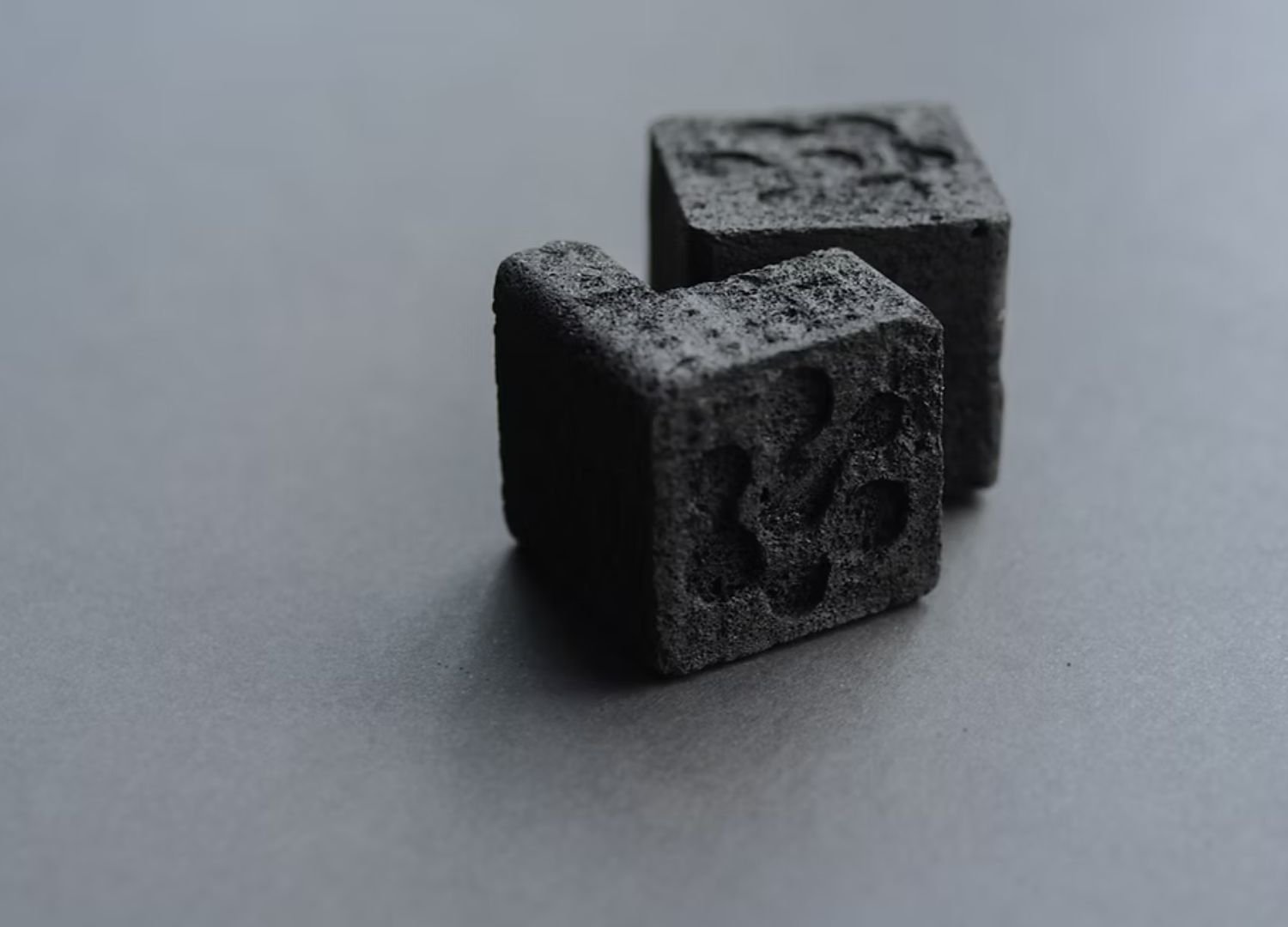
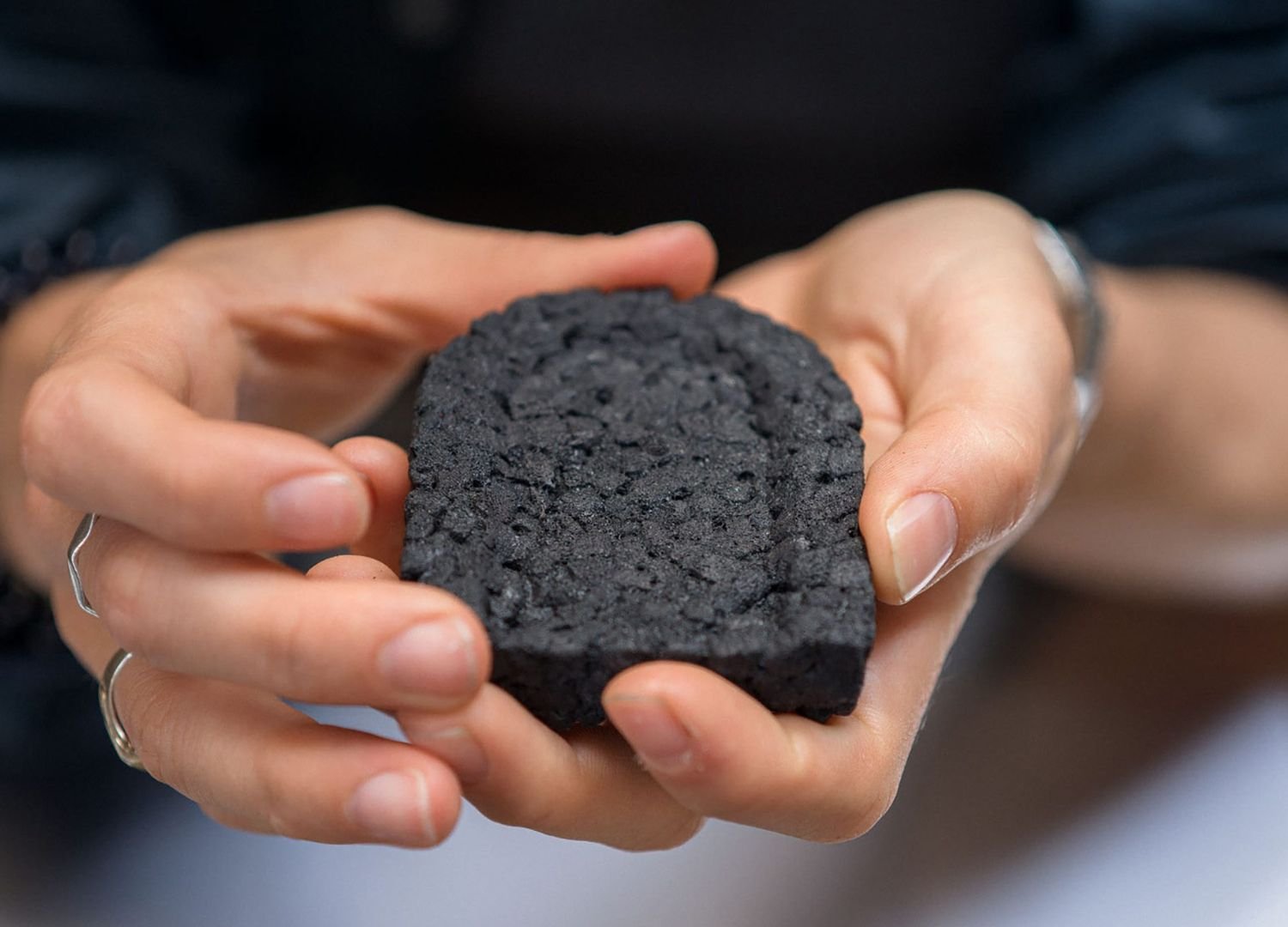
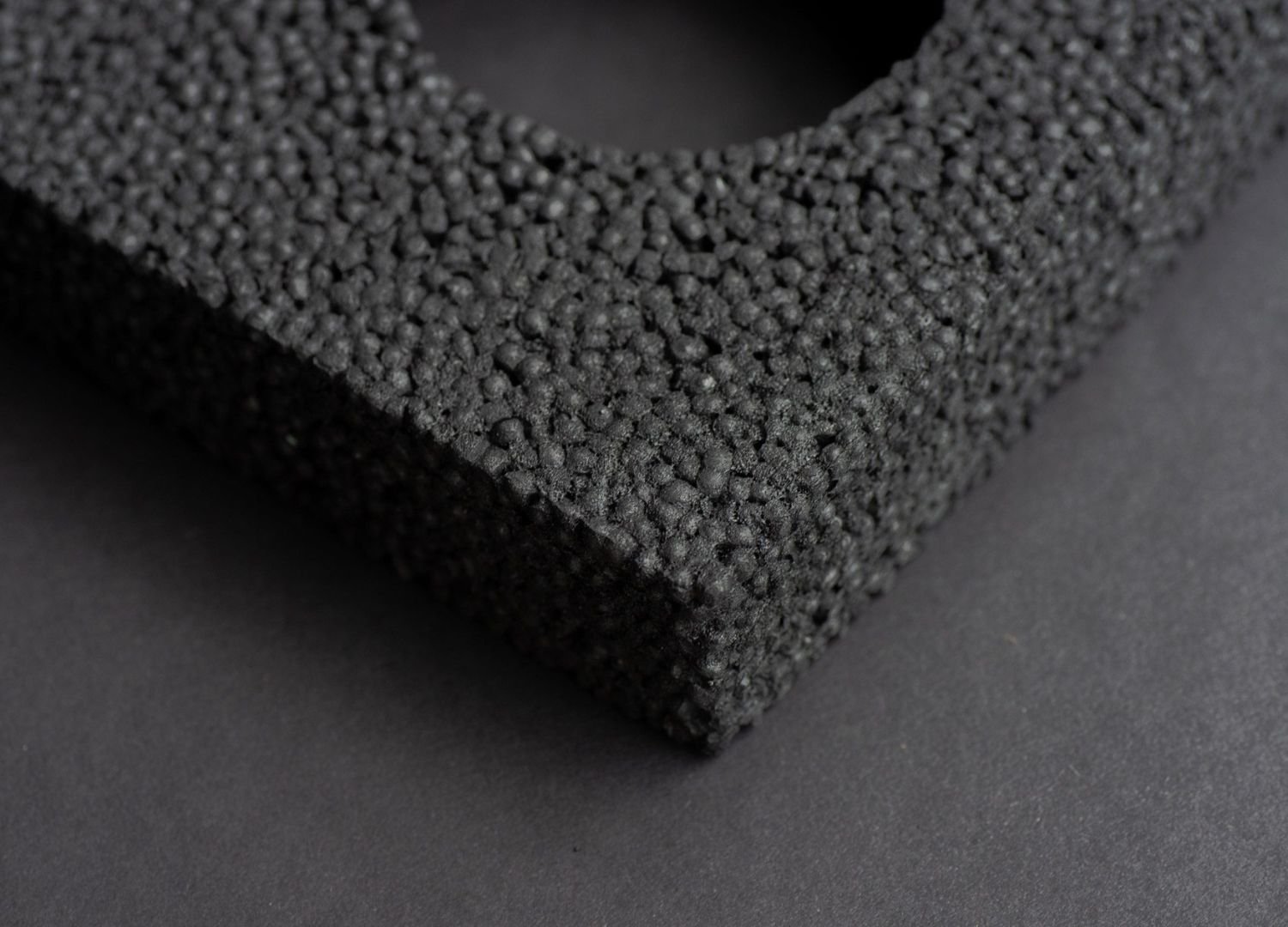
Given this data, it is in everyone’s interest to find an alternative solution to this material. The start-up’s material uses biochar together with a natural polymer, allowing the composite to expand with heat, just like traditional plastic foams. The result is thermally insulative, structurally strong, lightweight, but most importantly, carbon negative.
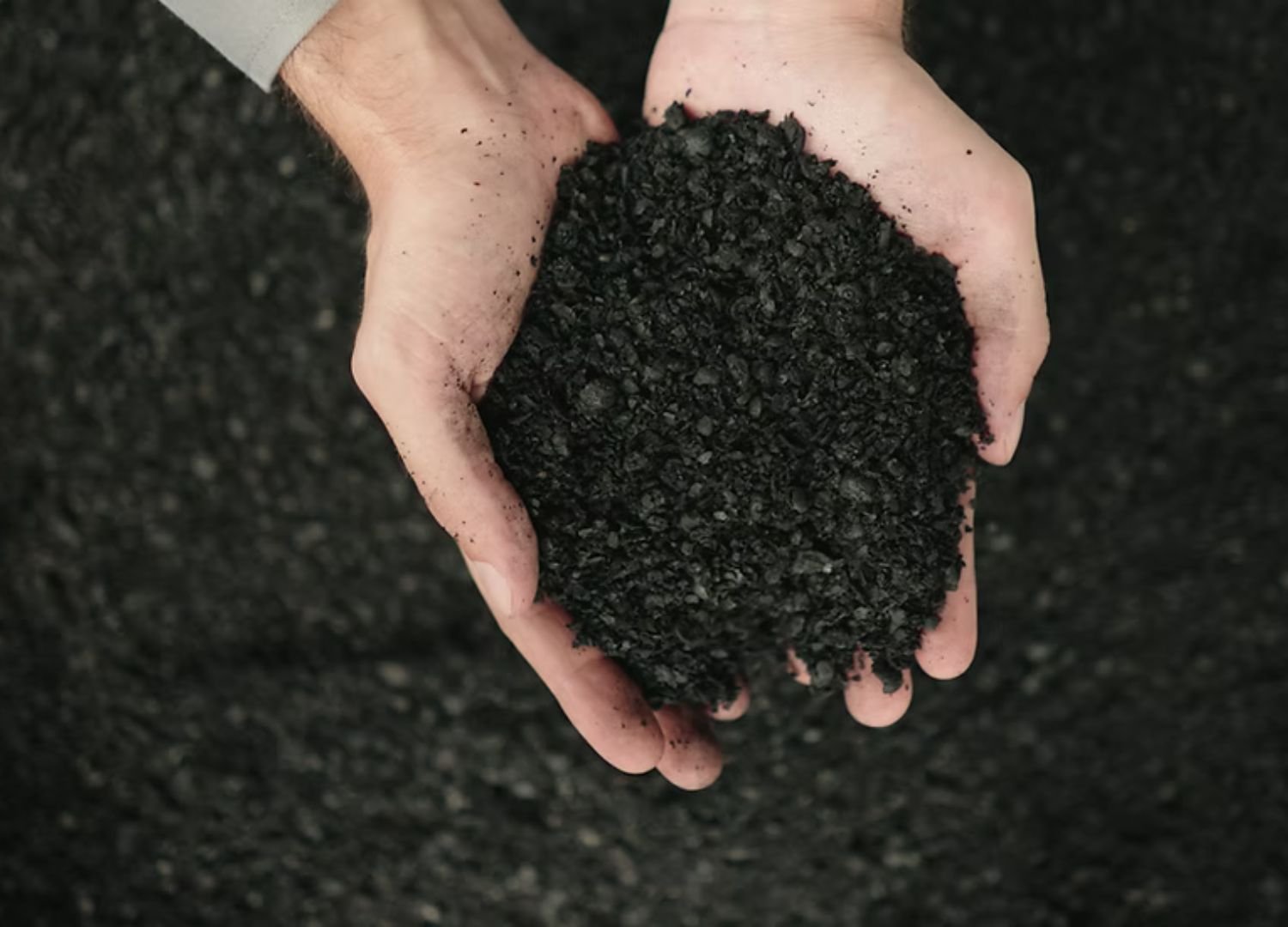
Biochar is essentially charcoal produced from organic matter like wood chips, corn stalks, or any other agricultural residue. Through a process called pyrolysis, the carbon contained in the waste is transformed into a stable and resistant form, preventing it from re-entering the atmosphere as CO2 or methane. This is not the only alternative we have seen in the field of material design, other solutions include mycelium-based foams or chitosan composites, however Carbon Cell claims its product is more scalable and more affordable compared to its competitors.
On the regulatory front, the EU’s directive has already restricted expanded polystyrene food and beverage containers across member states, while the US has proposed a “Farewell to Foam Act” which would impose restrictions nationally. These legal advancements are great, but they often force manufacturers to increase their costs or consumers to deal with lower quality options. This new alternative offers similar characteristics to EPS, as well as being mouldable and machinable in a very similar way to its predecessor.
Carbon Cell is a young company, and the road between a great idea and a globally scaled industrial supply chain is still long. However, the window for such a large use of EPS is closing, and the regulatory, commercial, and reputational costs of plastic foams keep rising. This innovative biochar bet is appealing and very promising, and we are hoping that it is just the starting point for a plastic free future.