Daniel Rybakken, the art of making infallible projects
People love what you do when you have your own way of making things – they empathize with it. But collaboration with a company as a designer can sometimes lead you to lose your path. That’s not the case for Daniel Rybakken. Let’s see how he collaborates with international brands without moving even an inch from his design philosophy.

“Please, make clear that I don’t use AI.” This was the memorable parting line from Daniel Rybakken as we wrapped up our call before this article. It tells you something: we’re talking about a thoroughbred, someone who doesn’t accept compromises when it comes to design. Serious, consistent, and deeply inspirational.
For those (few) unfamiliar, Daniel Rybakken is a Norwegian designer based in Sweden. He’s one of Europe’s most talented designers and has collaborated with some of the most interesting brands around – Alias, Luceplan, Vibia, Karimoku, and many others.
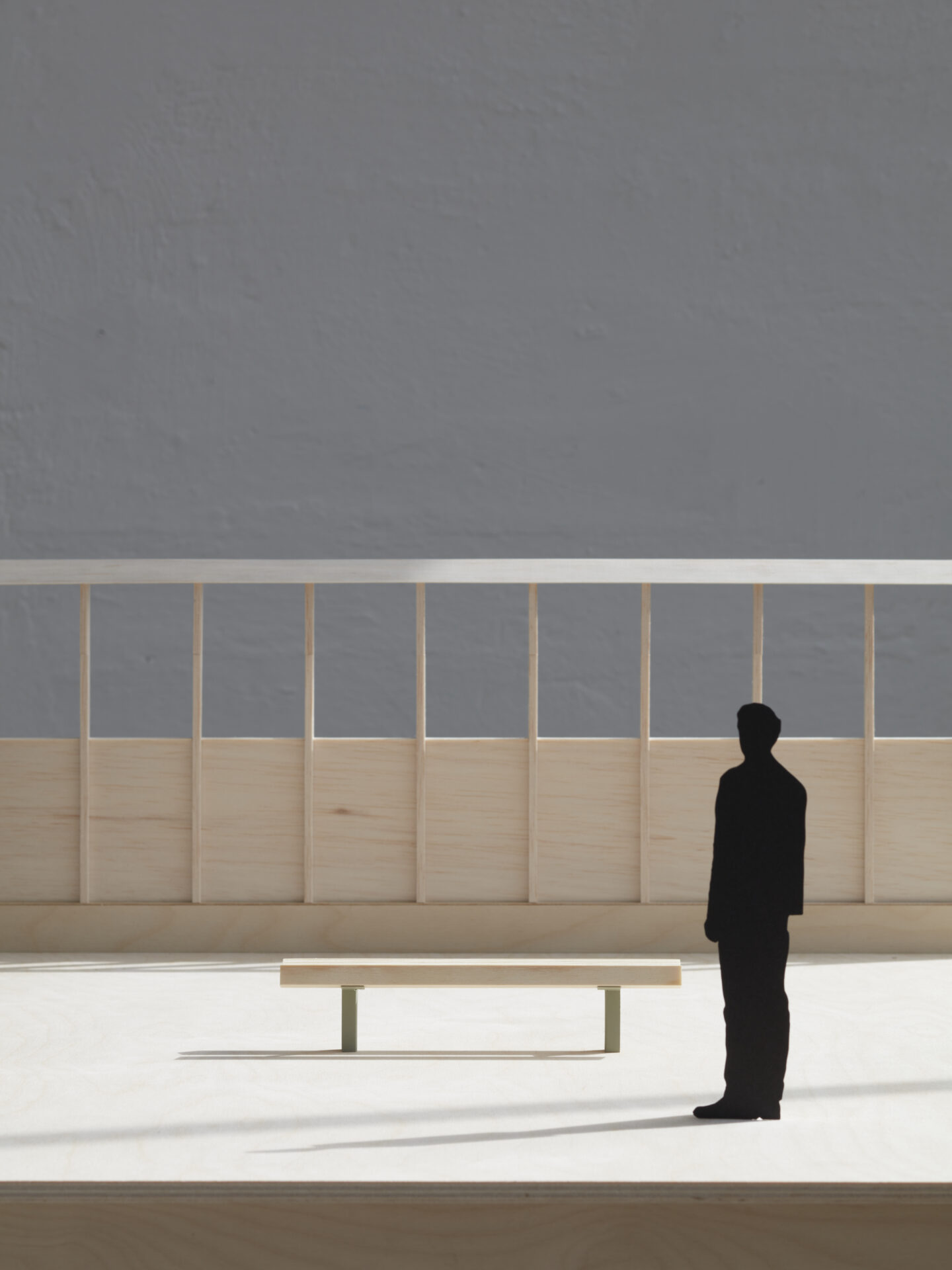
I’ve been following his work for quite some time, especially after he presented the Ypsilon outdoor bench system for the Norwegian brand Vestre. I loved the idea, the execution, and the communication. The minimalism Rybakken used for this product is no easy game. Even if it looks like an “I could do that” piece, which is actually a huge compliment if we recall Bruno Munari’s words: “If you say ‘I can do this too,’ it means you can do it again. Otherwise, you would have done it already.”
Gallery
Open full width


Open full width
We’ve already discussed how difficult it is to share an idea with very few lines – like in our article about MSDS Studio and their Annular lamp for Woud, a design that only revealed its full beauty during the prototype stage. The same goes here: Rybakken’s bench is so effective also because of the narrative he builds around it.
He gives people 100% of the meaning behind what he intended during the design process. To better understand the feeling in his work, let’s explore some of his projects and see the small details that make a big difference when designing with real value.
Daniel Rybakken’s projects:
LIRA – Alias
I want to start with a project that’s very, very complex in terms of design.
If I put on my “design critique” hat, I’d say this is a design that’s not easy to understand. We live in an age of glossy images and colorful Pinterest boards – and this design walks far away from that attitude. Unsurprisingly, it’s produced by Alias, a brand known for doing things with intent.
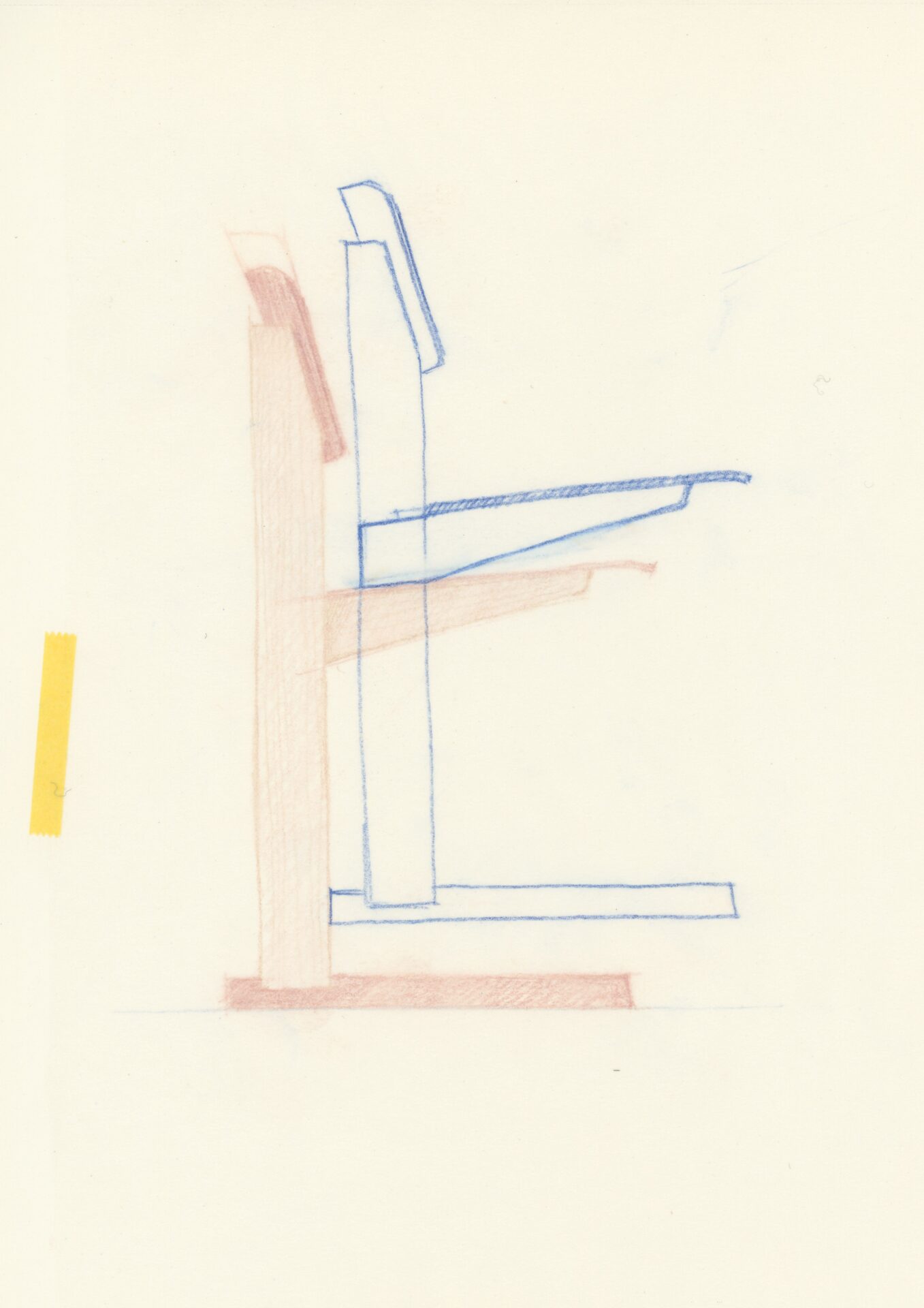
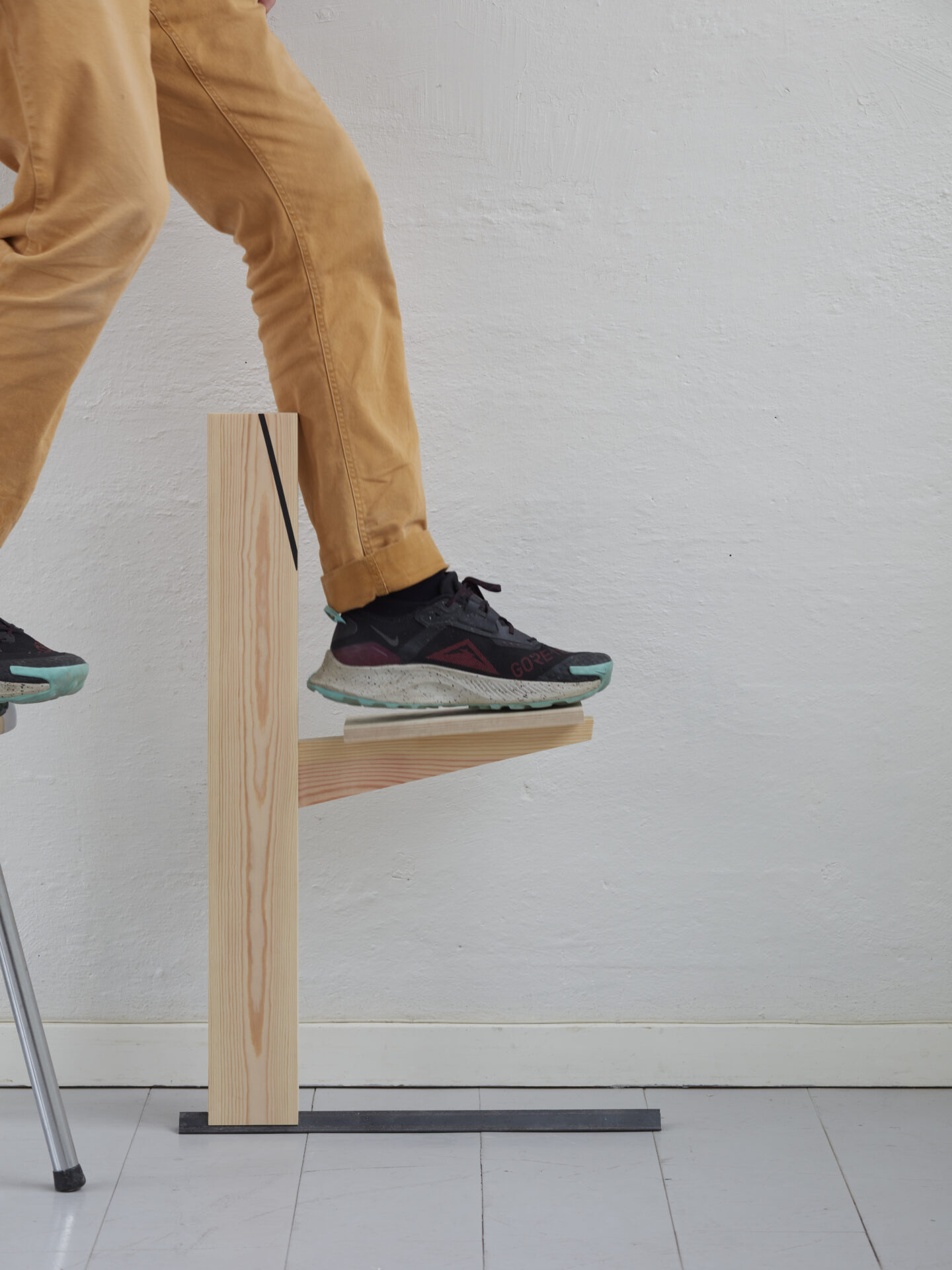
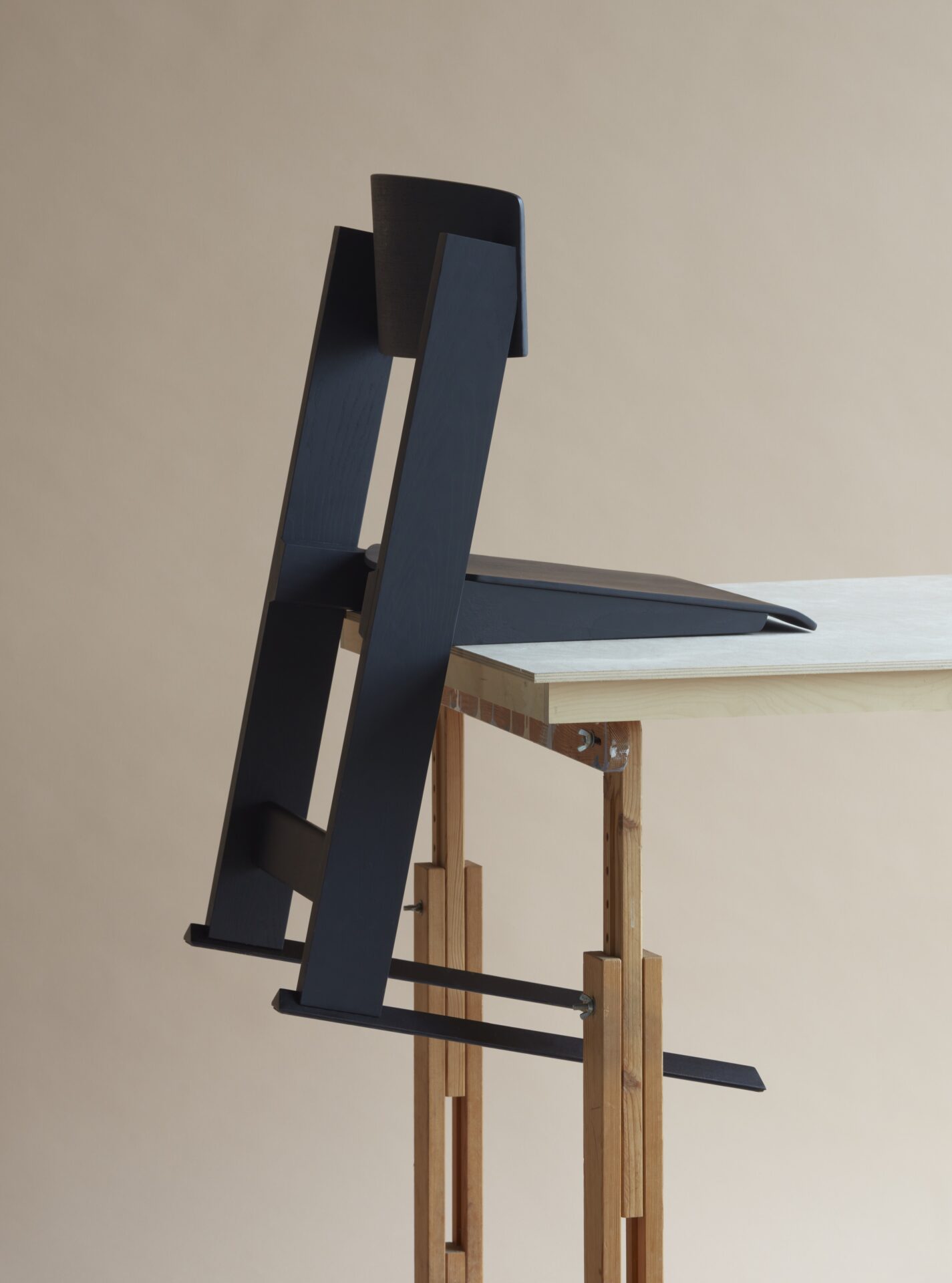
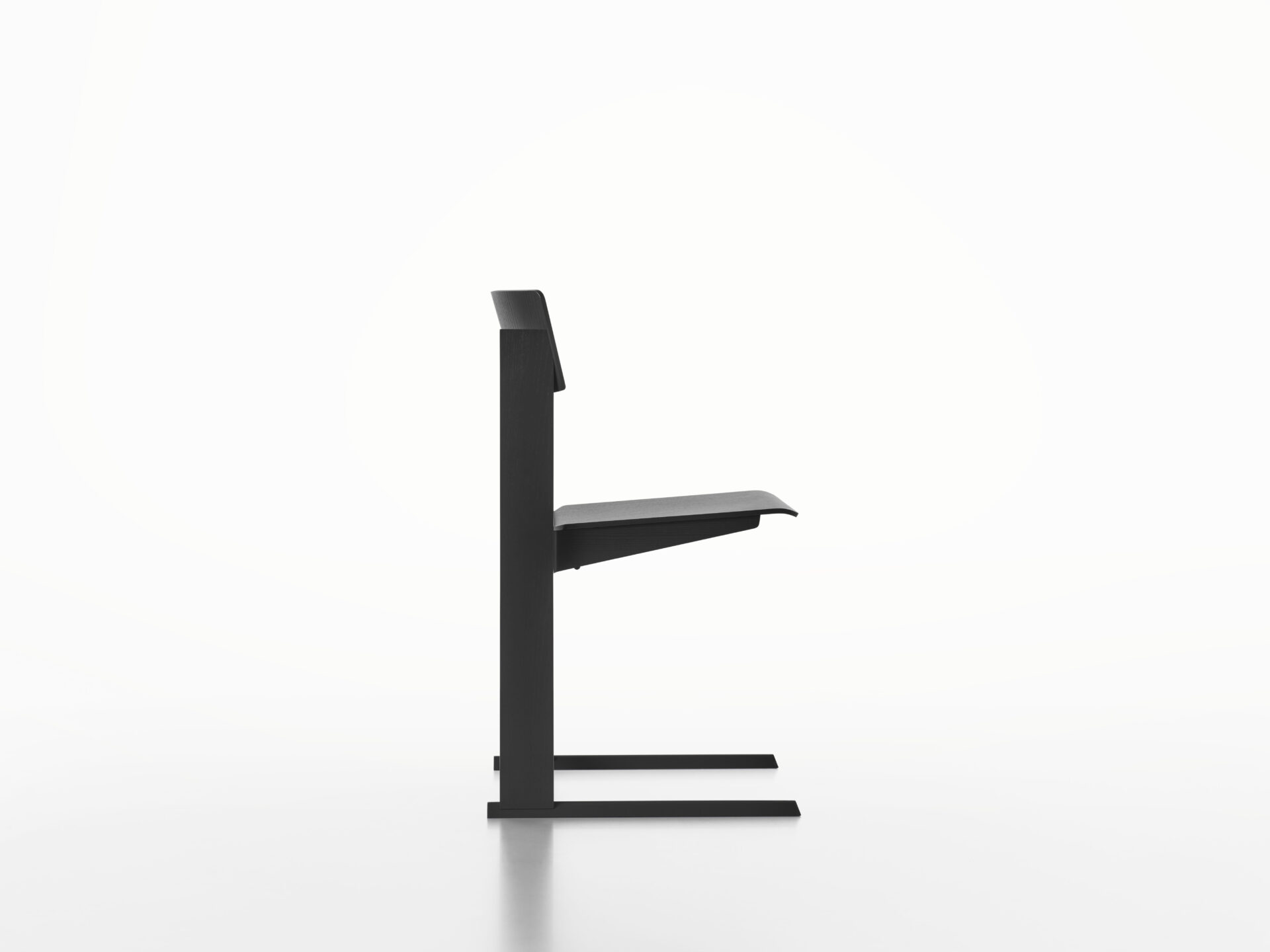
The main concept appears simple: a vertical plank as the core element of the design. From the side view, everything connects to that single axis.
This might look easy, but if you show a challenging design like this to a company, their first reaction will probably be doubt. They’ll say it won’t be stable enough. Showing a design means activating a sort of “critique mode” in others – they’ll search for flaws rather than spotting potential.
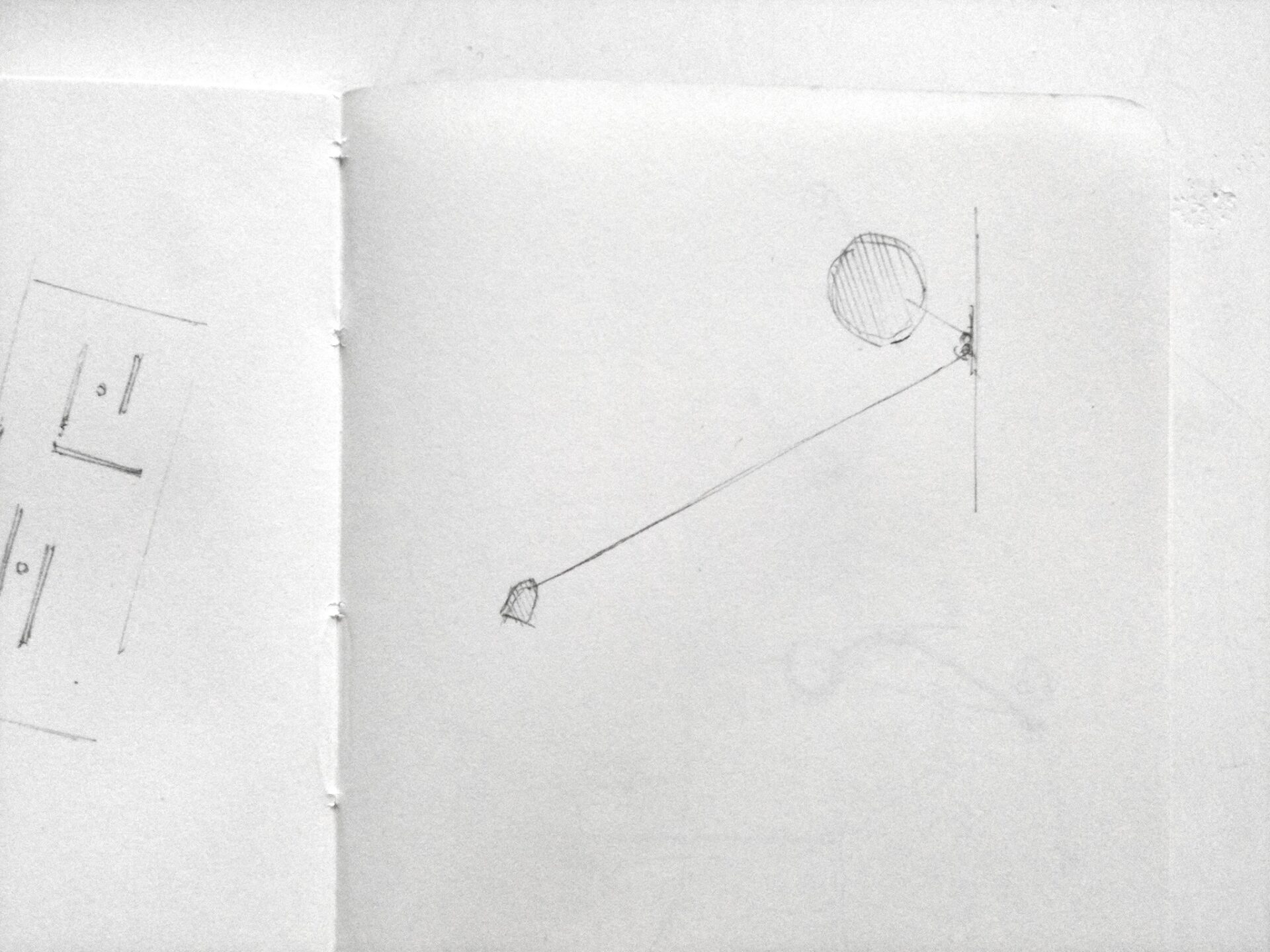
This is where designers need proof of concept. Daniel understands this well. To persuade others to believe in what you believe, it’s not about fancy words or mood boards. It’s about “simply” showing you’re right from the start.

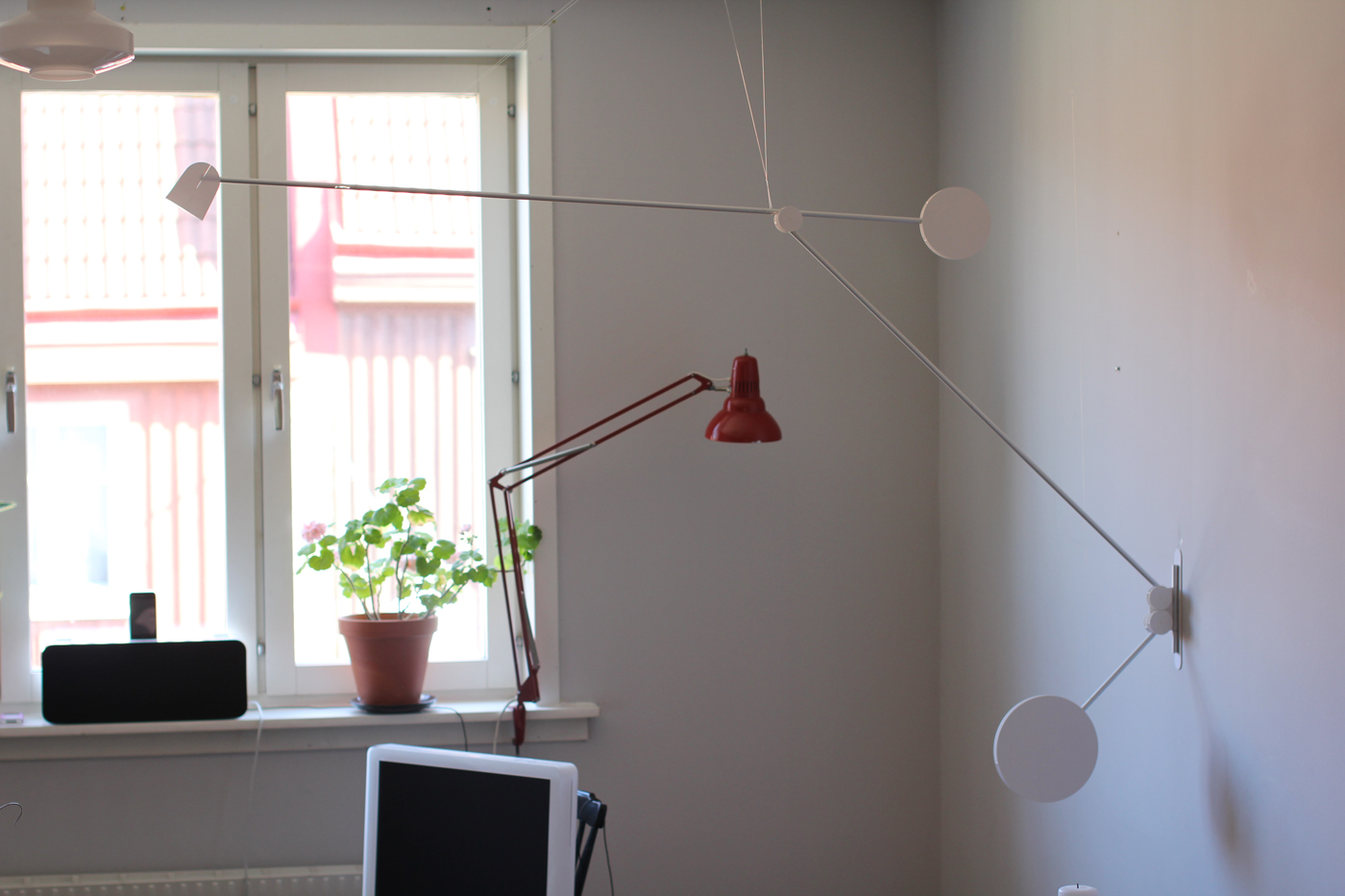
That’s why we often see prototypes from Rybakken’s studio shared online. They’re not just beautiful; they’re critical tools for convincing clients that an idea is worth their time and money.The result is clear in Lira: from the side, the backrest, seat, and legs all flow into the central plank. It’s a smart construction idea that, by solving a technical challenge, has created an icon.
COUNTERBALANCE – Luceplan
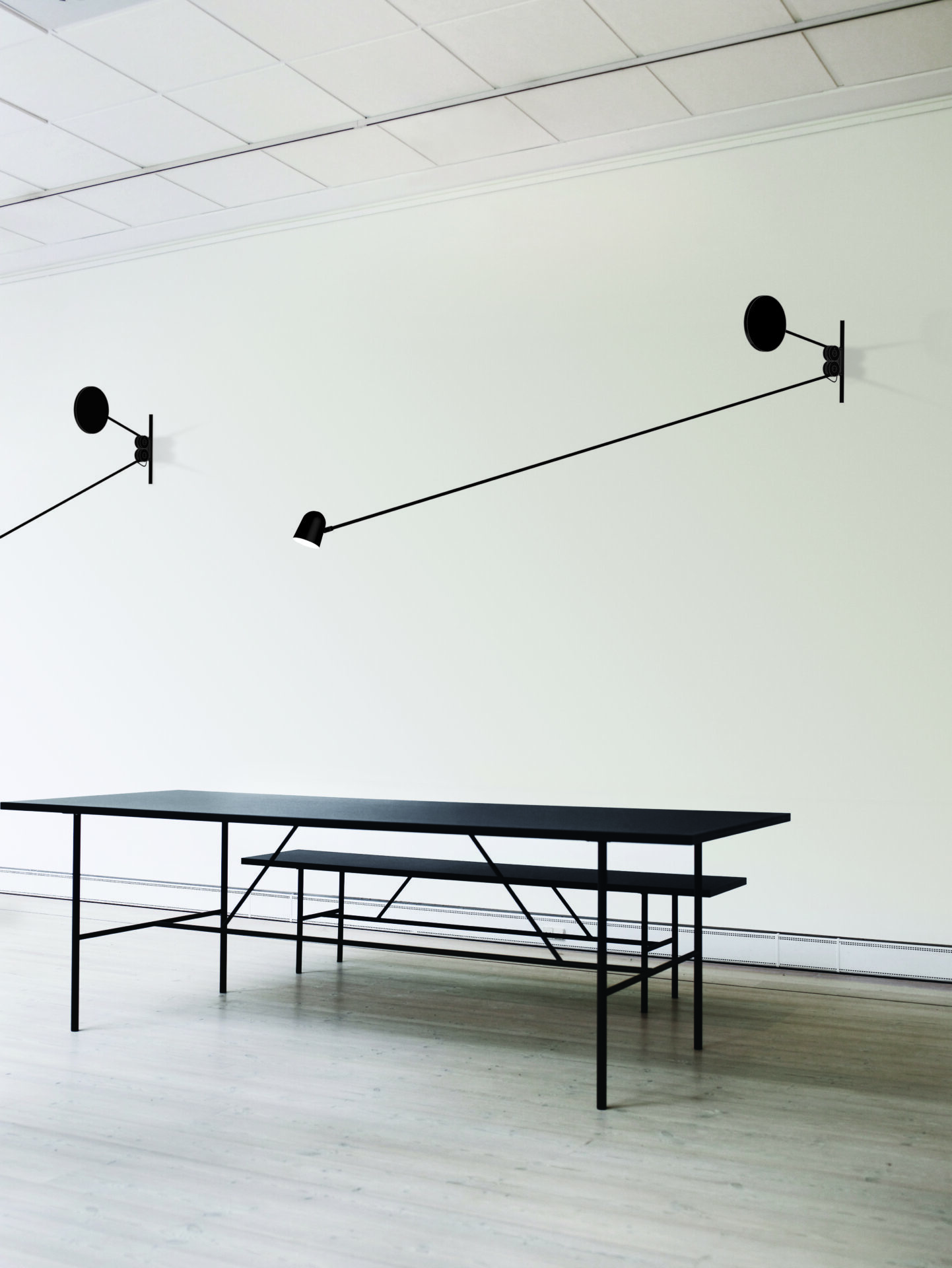
Although this project dates back a few years, it still embodies Rybakken’s philosophy of “one message at a time” – a concept I deeply love and share. Just as Lira focuses everything around the plank, Counterbalance also carries a single, strong message, with nothing to dilute it.
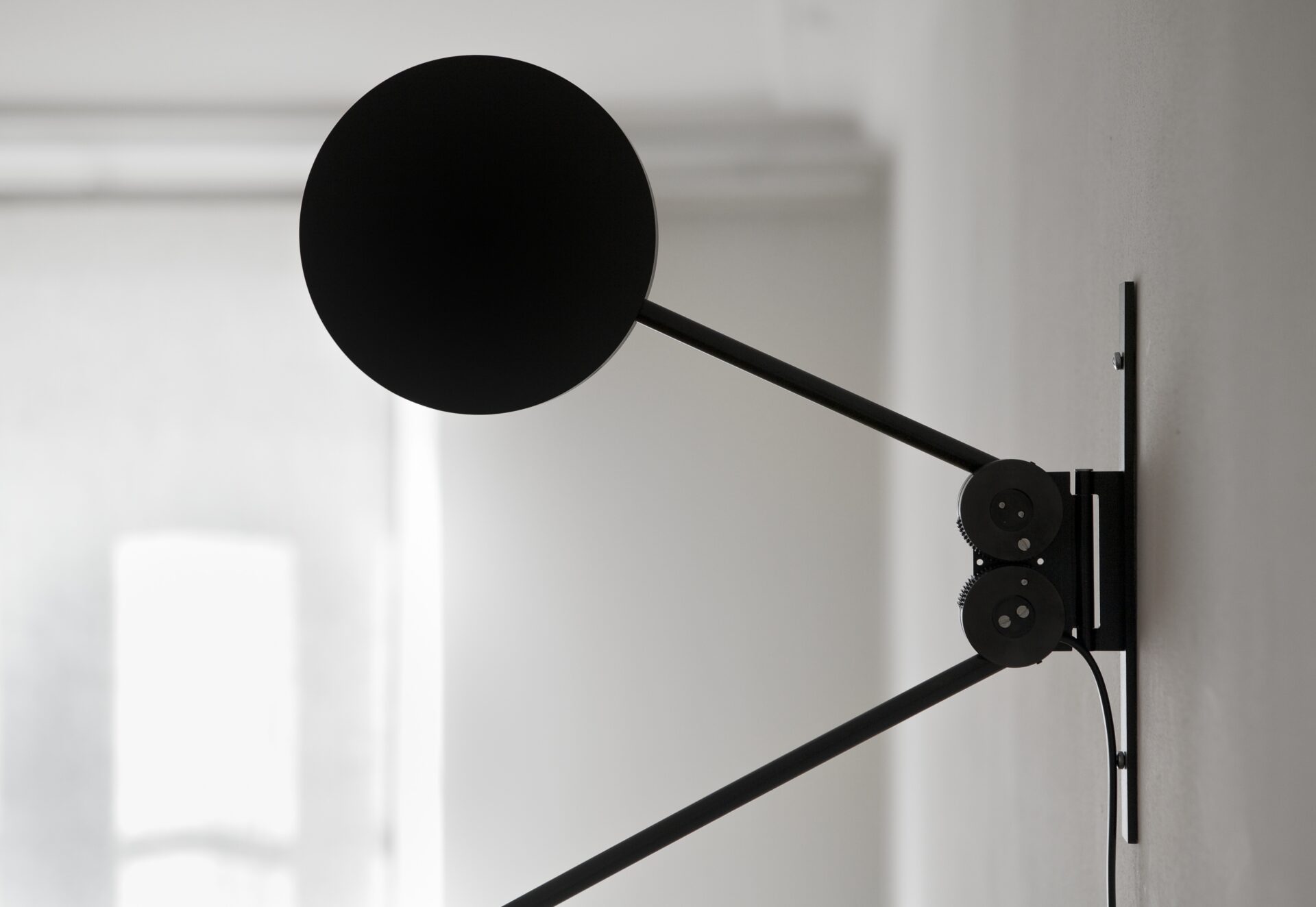
Here, the intention was to design an adjustable lamp using counterweight mechanics. Every line, every element serves that purpose. It’s about making movement smooth and intuitive, letting users understand how to interact with the light naturally.
For Daniel, creating a “fancy” shape wasn’t necessary – in fact, it would have distracted from the purpose. This is a perfect case where nothing extra was needed.
The one graphic element that catches your eye is the large circle near the wall. It’s an unspoken invitation to reach out and move the lamp as needed. Then, the engineering does the rest.
ARBOUR SOFA – HAY
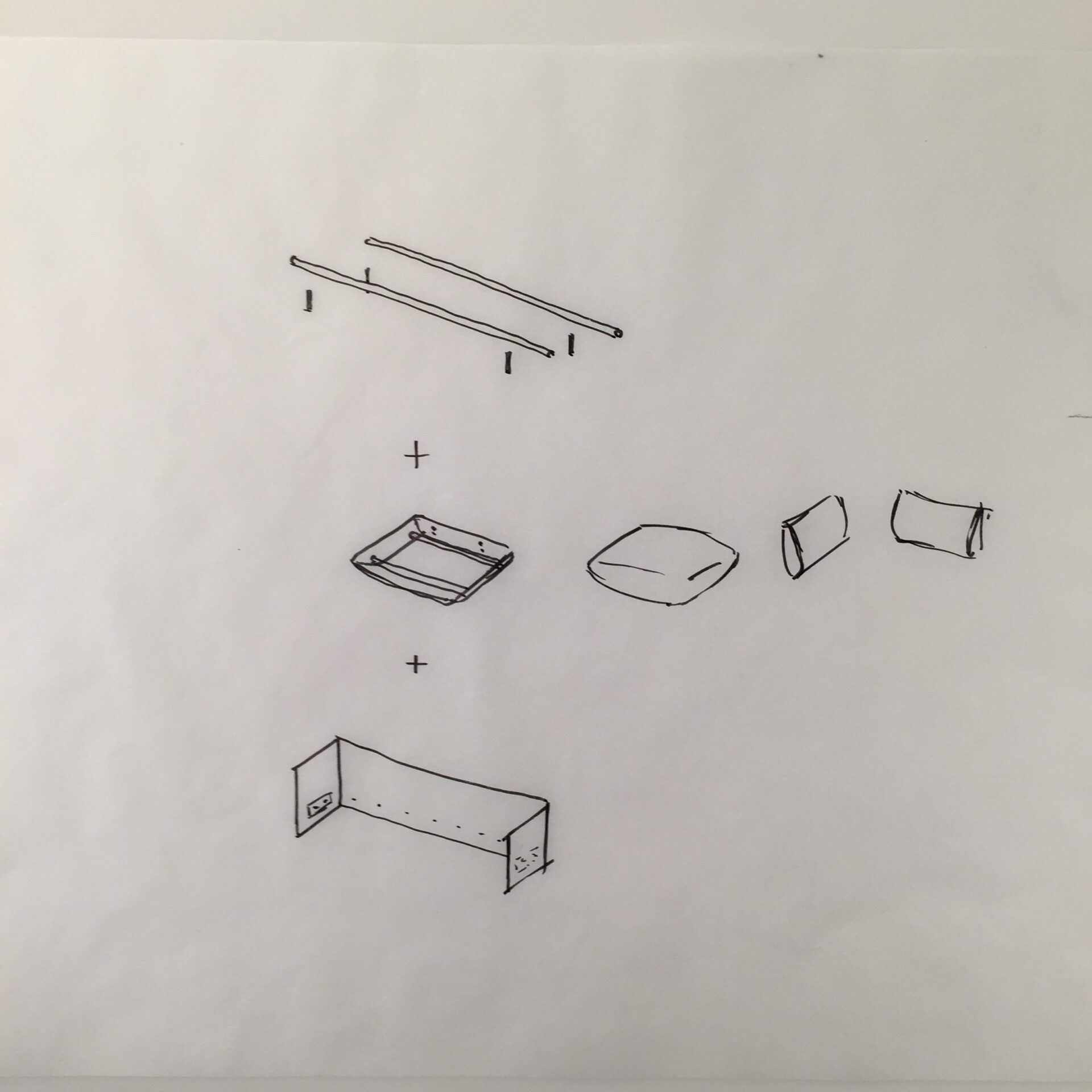
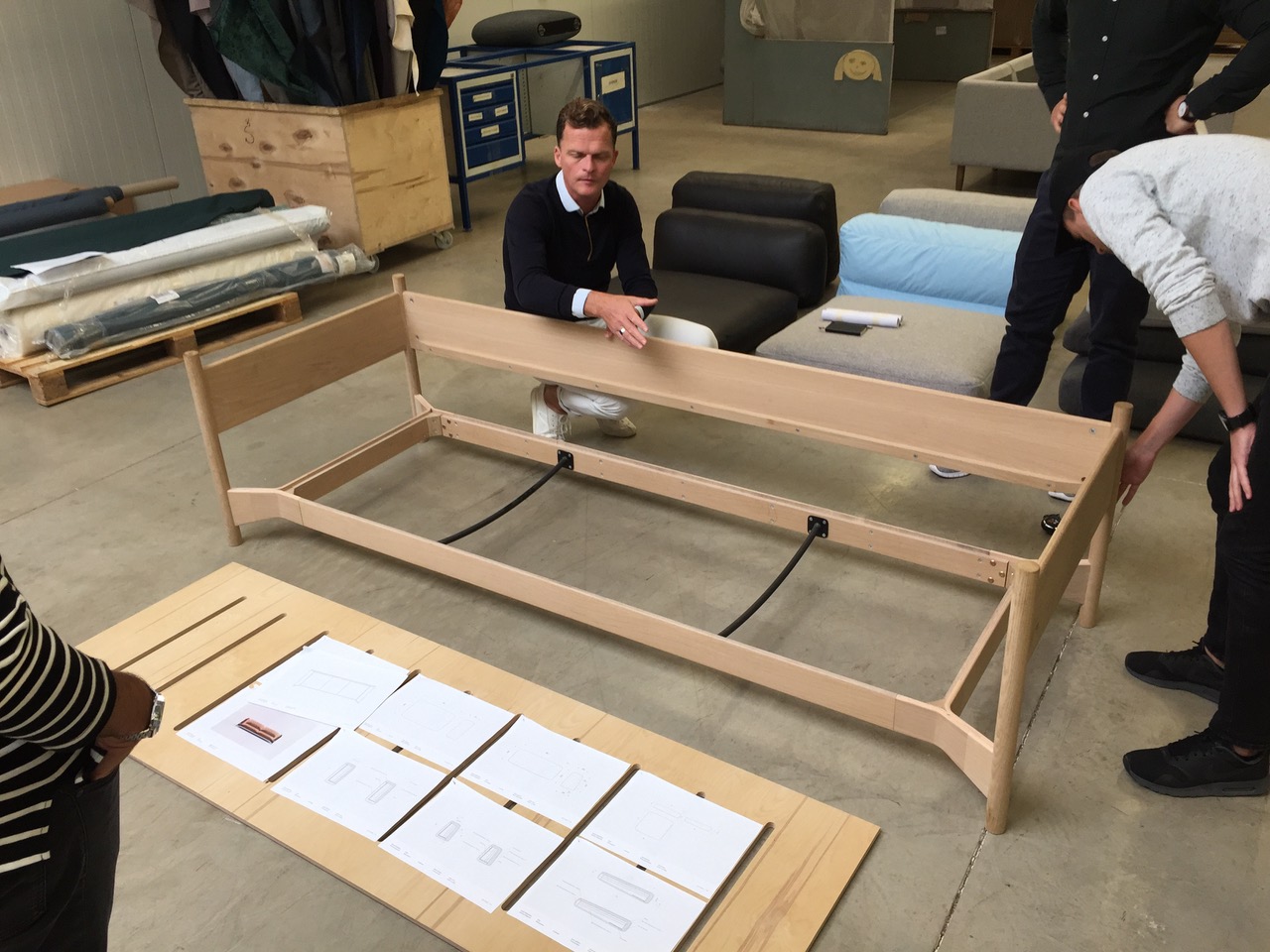
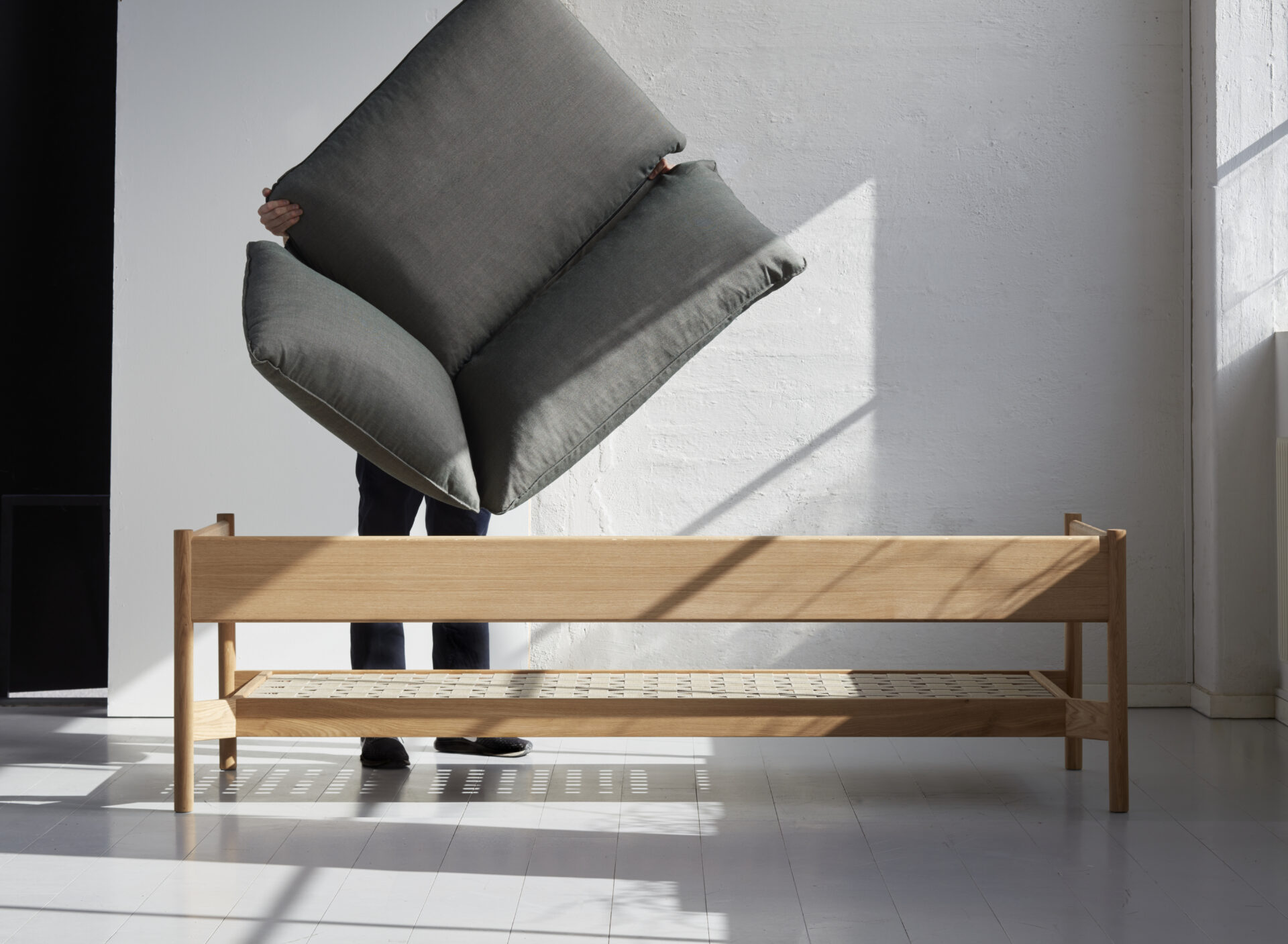
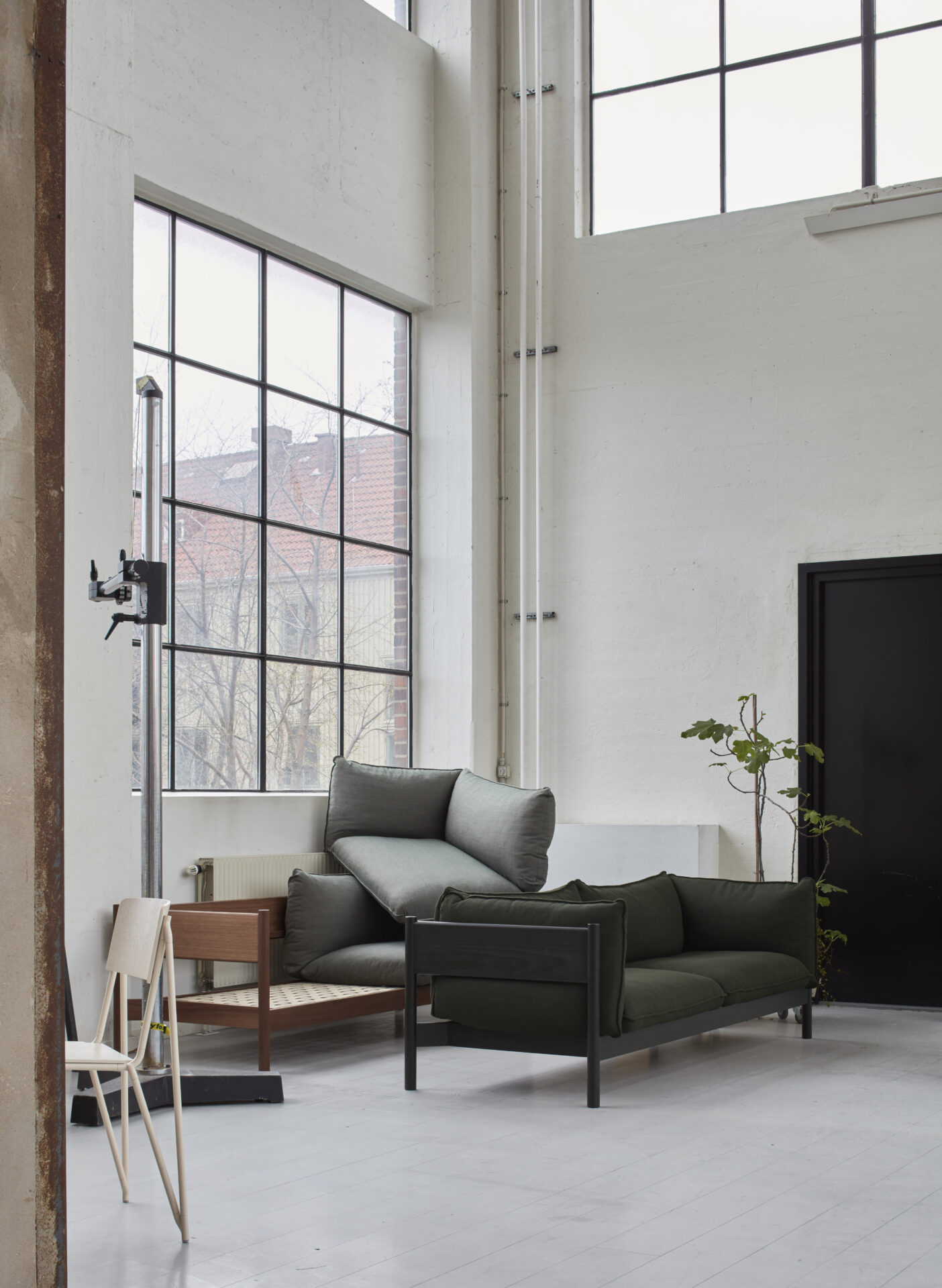
This sofa collection, co-designed with Andreas Engesvik, is another testament to Rybakken’s design ethos. The idea was simple: a shape based on construction. Each element is produced separately and assembled into a harmonious whole. In photos, it looks effortless – everything in its place, balanced and beautiful.
But think like a designer for a second: how do you convince a brand to invest in something like this? The beauty lies in the subtle harmony of proportions, something most people can only appreciate when they see and touch the product in real life.
Again, hands-on work was key. Rybakken’s skill as a prototyper allowed him to present not just sketches or renders but actual scale models and construction mockups. This approach gave HAY the confidence to develop what is now a celebrated piece in their catalogue.
Sometimes a designer’s design theory can’t be summed up in one sentence. It needs to be felt, experienced, and understood. The stories behind a design help us grasp the thinking and values that shape it. And in Rybakken’s case, they show why his projects feel infallible.
About the author
Mario Alessiani, founder and creative director of the Italian namesake design studio, specializes in product, lighting, and furniture design. His clients include companies such as Umbra, Fabbian, and Axolight. Mario also teaches at the University of Camerino, IED Rome and Sichuan Normal University in China. His work has been exhibited at prestigious events like the ADI Design Museum in Milan, Eindhoven Design Week, and Milan Design Week, earning him awards like the IF Design Award and Archiproducts Design Award.
WebsiteInstagramLinkedin