Hijack your mentors: what I’ve learned about design mentorship
Great design solutions don’t appear out of nowhere. They are cultivated. Great designers are shaped by the people around them and influenced by great mentorship.

As I wrap up my time as a doctoral candidate and step into a new role as a full-time design professor, I’ve been reflecting on the transition ahead. I’ve taught consistently since before starting my master’s degree, but this shift marks a turning point—from being a full-time design mentee to becoming a full-time design mentor.
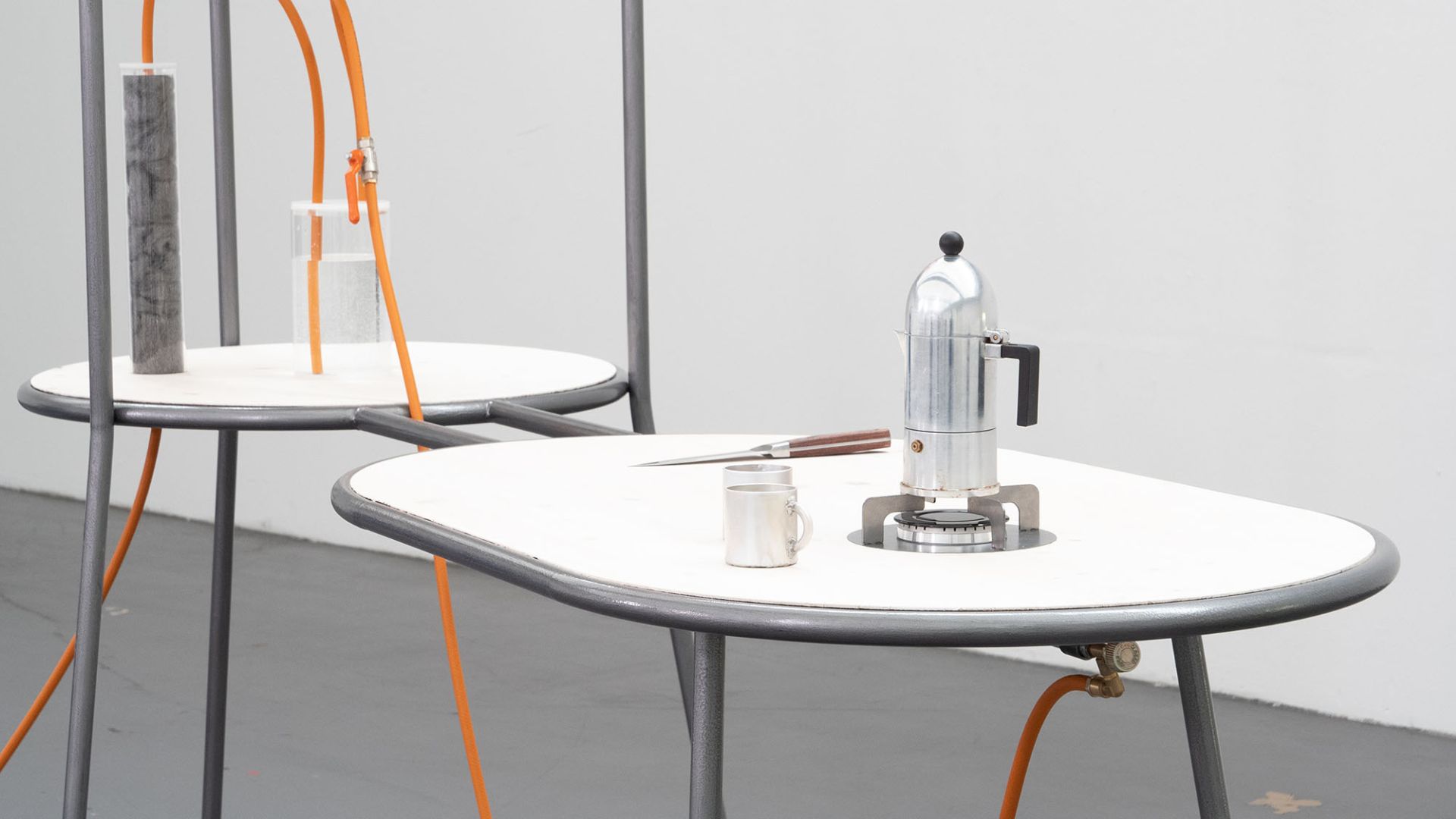
This piece isn’t about the difference between those roles; mentor and mentee are often fluid, and we thrive when we embody both. Nor is it about the unique qualities of design mentorship—it’s not so different from mentorship in other fields (Figure 1). Instead, this piece is about what it takes to be a successful mentee in design—whether as a student, practitioner, or leader.

What even is mentorship?
People are social animals, and we’ve always relied on each other to learn and grow. Since ancient times, when humans lived in small villages, we have collaborated to survive by hunting animals, gathering food, and thriving in the face of natural disasters, while also developing a civil culture over time.
Human success, as Joseph Henrich (2016) argues in The Secret of Our Success, is not primarily the result of individual intelligence. Rather, it stems from our unique ability to learn from one another and accumulate cultural knowledge over generations. Our evolution, he suggests, is a story of cultural intelligence.
I believe mentorship taps into that same instinct. It’s not a luxury. It fulfills a social need. And yet, design mentorship often goes unnoticed or undefined. It can live in the margins, in hallway chats, feedback sessions, late-night DMs, and quiet encouragement.
Gallery
Open full width


Open full width
In this article, I explore the notion of mentorship through my journey in design academia and industry. The following five reflections I’ve gathered through my own experience serving as both mentee and mentor.
Design mentorship – 5 key learnings:
Great design solutions don’t appear out of nowhere. They are cultivated. Great designers are shaped by the people around them and influenced by great mentorship.
Treat design mentorship as a human skill
I’ve had the privilege of mentoring two master’s students at MIT and one undergraduate at Harvard. These relationships have been mutual learning experiences. Their research questions and challenges have helped me reflect, recalibrate, and contextualize my guidance every time I check-in with them. The best meetings, however, require effort and intention on both sides.
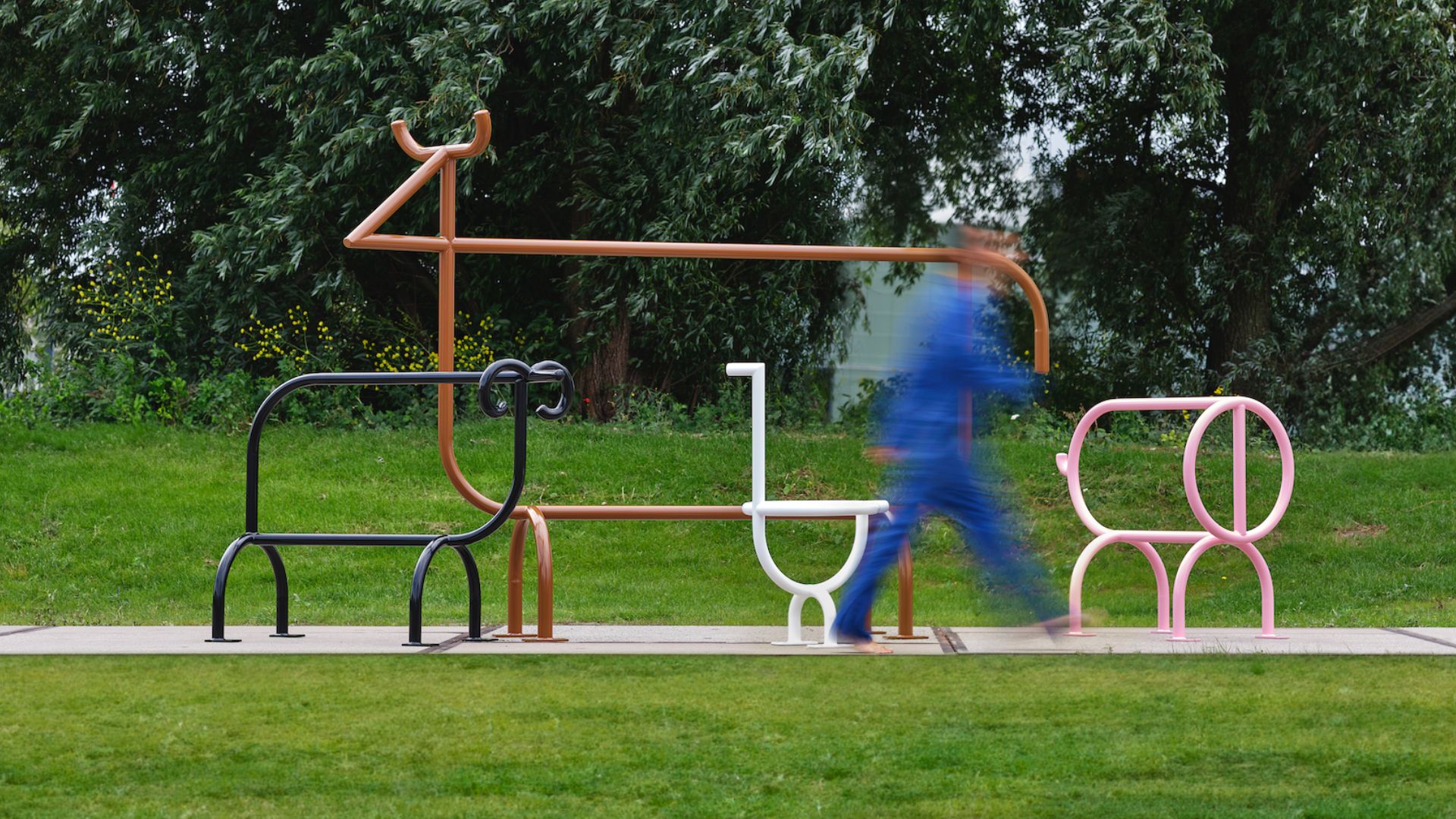
Having a mentor helps break that sense of overwhelm into smaller, actionable steps. A good mentor won’t just help you find a job; they’ll guide you in shaping your story, building your portfolio, and making decisions with intention (Figure 2).

For me, design mentorship goes far beyond passing on knowledge. It’s a people skill: a blend of hard skills, such as design capability and critique, and soft skills, including listening, empathy, and leadership. Author Simon Sinek (2011) referred to it as a “human skill.”
I believe design mentorship is exactly that: a human skill, one that requires presence, humility, and generosity. It’s not just an investment in someone else’s growth; it’s a shared commitment to shaping the future, together.
Prepare to be a mentee
This one might feel counterintuitive, but it’s key: being a good mentee takes preparation.
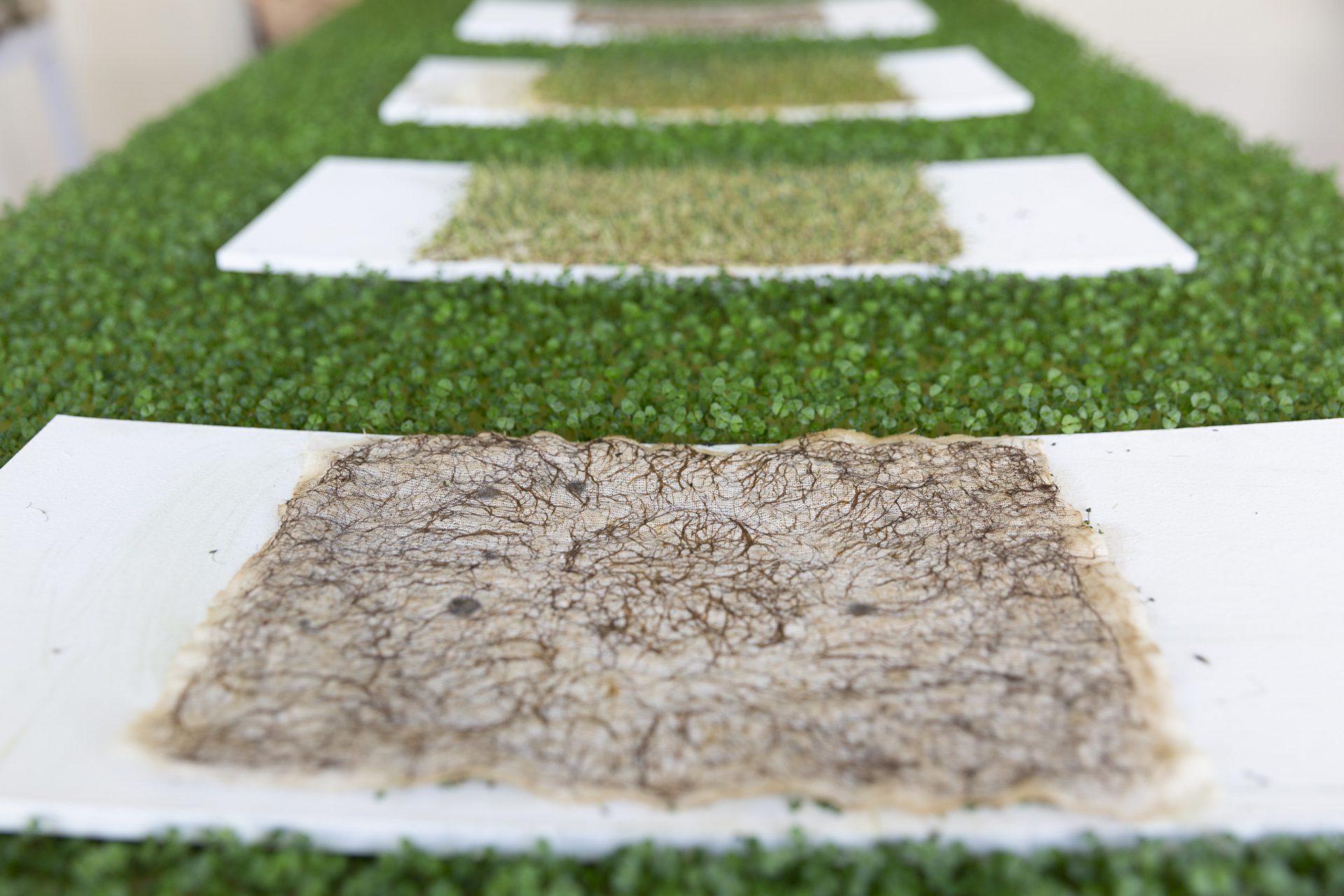
When I met with my PhD committee members separately, even for just 30 minutes, I prepared printouts, questions, diagrams, anything I could to ground the conversation (Figure 3).

I didn’t aim for perfection. I strove for clarity to facilitate meaningful and engaging interactions. The goal wasn’t to impress. It was to communicate where I was stuck and how they could help.
Mentorship is a two-way street. Be specific. Be concise. Frame your questions precisely so that they invite constructive feedback. Research has shown that mentee preparation is one of the strongest predictors of effective mentoring relationships (Eby et al., 2013).
An open mindset is essential. Mentors aren’t there to give you answers within a 30-minute catch-up. They are there to help you learn how to ask better questions.
Get uncomfortable
One of the most valuable things a design mentor can do is push you beyond your comfort zone.
During my time at IDEO, I was paired with mentors from different disciplines and levels of seniority. That diversity of perspective helped me approach the same design challenge through multiple lenses.
When I met with managing directors, our conversations focused on strategic, big-picture questions. With senior design leads, we homed in on execution, refining details, workflows, and decision-making. Each mentorship stretched me in a different way, expanding how I think, lead, and create.
This kind of growth through challenge aligns with what education scholars Robert Kegan and Lisa Lahey (2016) describe as “deliberate development”—learning or organization environments where individuals grow by facing meaningful challenges in spaces that also feel supportive and aligned with their motivations.
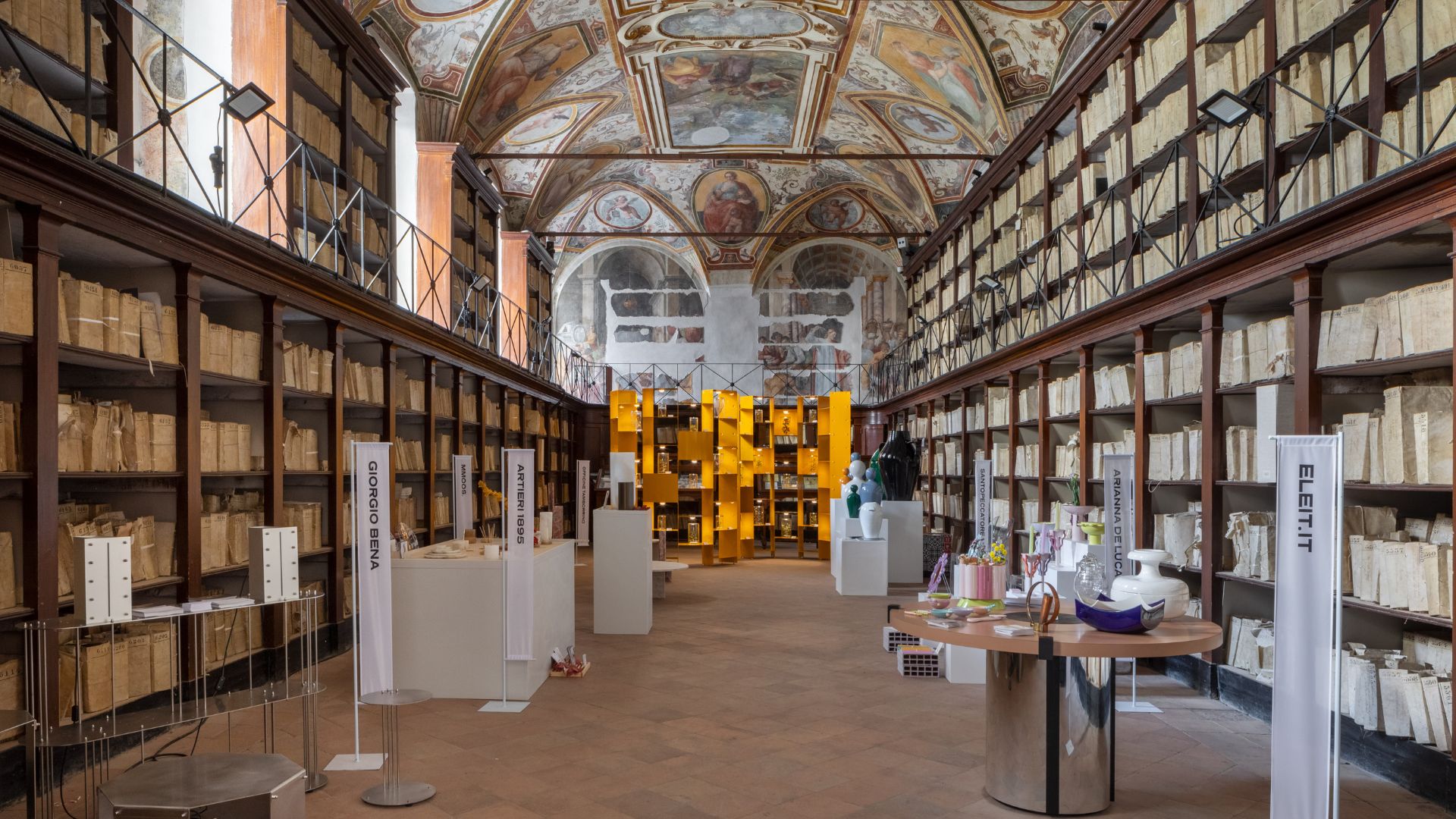
In an ideal world, design mentorship should offer a safe, sustainable environment where you are encouraged to take risks, think differently, and grow with confidence, knowing you are not doing it alone (Figure 4).

Engage through in-person or virtual interaction
Since the pandemic, remote work has become the new norm. Thanks to technology, we’re more connected than ever—but that doesn’t mean we feel less alone. Loneliness, depression, and broader concerns around social well-being remain real and, in many cases, are on the rise.
This shift got me thinking: what’s the ideal format for design mentorship today? Is it in-person? Virtual? Or some flexible hybrid?
There’s no single right answer. Some designers prioritize efficiency and accessibility, especially in fast-paced or global contexts. Others value emotional connection, nuance, and the richness that only face-to-face interaction can offer.
Personally, I see design mentorship as a collaborative act of co-creation (Figure 5). It’s more than just offering advice. It’s about exchanging stories, insights, and ideas, whether through an in-person conversation, a virtual call, or something in between. The medium can shift. What matters most is the quality of the relationship.

When possible, I prefer in-person mentorship. Being able to read body language, share a quick sketch, or co-create a prototype together carries a certain depth. These moments often feel more meaningful, emotional, and lasting. They’re less transactional and more human.
In-person collaboration often sparks more spontaneity, creativity, and emotional connection. At the same time, virtual mentorship offers a flexible and scalable way to build meaningful relationships in our increasingly digital world.
Ultimately, the best design mentorship meets people where they are and constantly evolves with their needs as a co-creation process.
Hijack your mentors (from Michael Bierut)
Design legend Michael Bierut shared an idea that stuck with me in his 2015 AIGA keynote, What I’ve Learned. Instead of waiting to be mentored, he said, you should “hijack your mentors.”
During my PhD at MIT and now in my postdoctoral position, I often feel lost. Ambiguity is part of the process. However, I can’t wait for direction or mentorship. I need to initiate mentorship: I need to “hijack” a mentor. As a design student, I attended office hours, showed up at a professor’s conference presentation, and attended their exhibition openings. As a design practitioner, I schedule coffee or zoom calls with industry professionals.
I also leverage platforms like LinkedIn and DesignWanted—not just to share my work, but to create a space where I can be found for mentorship. By curating content and making my interests visible, I’ve been able to attract the right people, including mentors, and initiate conversations that matter—sometimes virtually, and at other times in the lab or at conferences.
Beirut’s insight hit home. Mentorship doesn’t always come in formal packages—it’s about seizing the moment. Mentors are busy.
Some of my most meaningful mentorship moments have happened not in scheduled meetings, but in spontaneous Zoom calls, coffee chats at conferences, brief hallway conversations, or even over lunch.
Beyond traditional one-on-one mentorship, various online platforms now offer accessible mentorship services. For example, platforms like ADPList have helped democratize design mentorship; think of it as the Airbnb or Uber of design knowledge- or resource-sharing, where the true asset isn’t a product or place, but people and their lived expertise. Other platforms, such as LinkedIn and DesignWanted, also play a crucial role in connecting mentors and mentees, as well as ideas and opportunities, across virtual spaces.
Whether it’s paid or unpaid, formal or informal, long-term or a single encounter, great design mentorship is built on constant conversation, not just transactions. It takes commitment and intention. But the outcomes are real: personal resilience, professional growth, and a more connected design community.
Let’s keep the design mentorship conversation alive. If a mentor has shaped your journey—or you’ve helped shape someone else’s—share it. Celebrate it. And don’t be afraid to (respectfully) hijack a mentor or two along the way.
References:
- The Secret of Our Success: How Culture Is Driving Human Evolution, Domesticating Our Species, and Making Us Smarter (link).
- Michael Bierut at 2015 AIGA Design Conference: What I’ve Learned (link).
- Does mentoring matter? A multidisciplinary meta-analysis comparing mentored and non-mentored individuals (link)
- An Everyone Culture: Becoming a Deliberately Developmental Organization (link).
- ADPList (link).
- Start with Why: How Great Leaders Inspire Everyone to Take Action (link).
About the author

Sheng-Hung Lee is an Assistant Professor of Urban Technology at the University of Michigan and Director of the d-mix lab. Trained in both design and engineering, his work explores how technology and human-centered design can shape more equitable and longevity-ready societies.
WebsiteInstagramLinkedin