DesignEuropa Awards 2026: 10 years of recognition and achievements
From a carbon-cutting shipping container to a wooden fitness tower, Philippe Starck and a rising Polish furniture designer, this year’s winners show what European design looks like today.
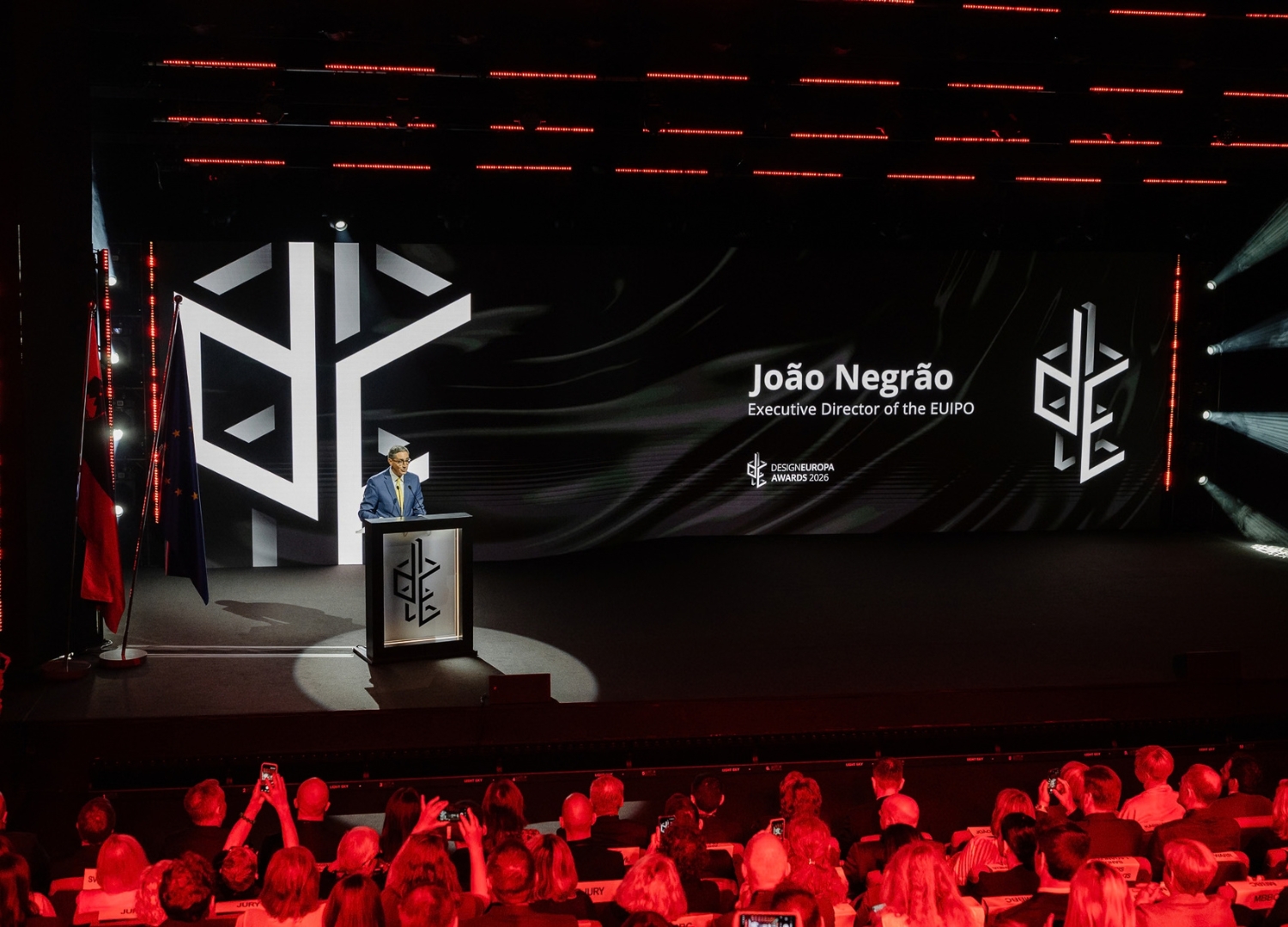
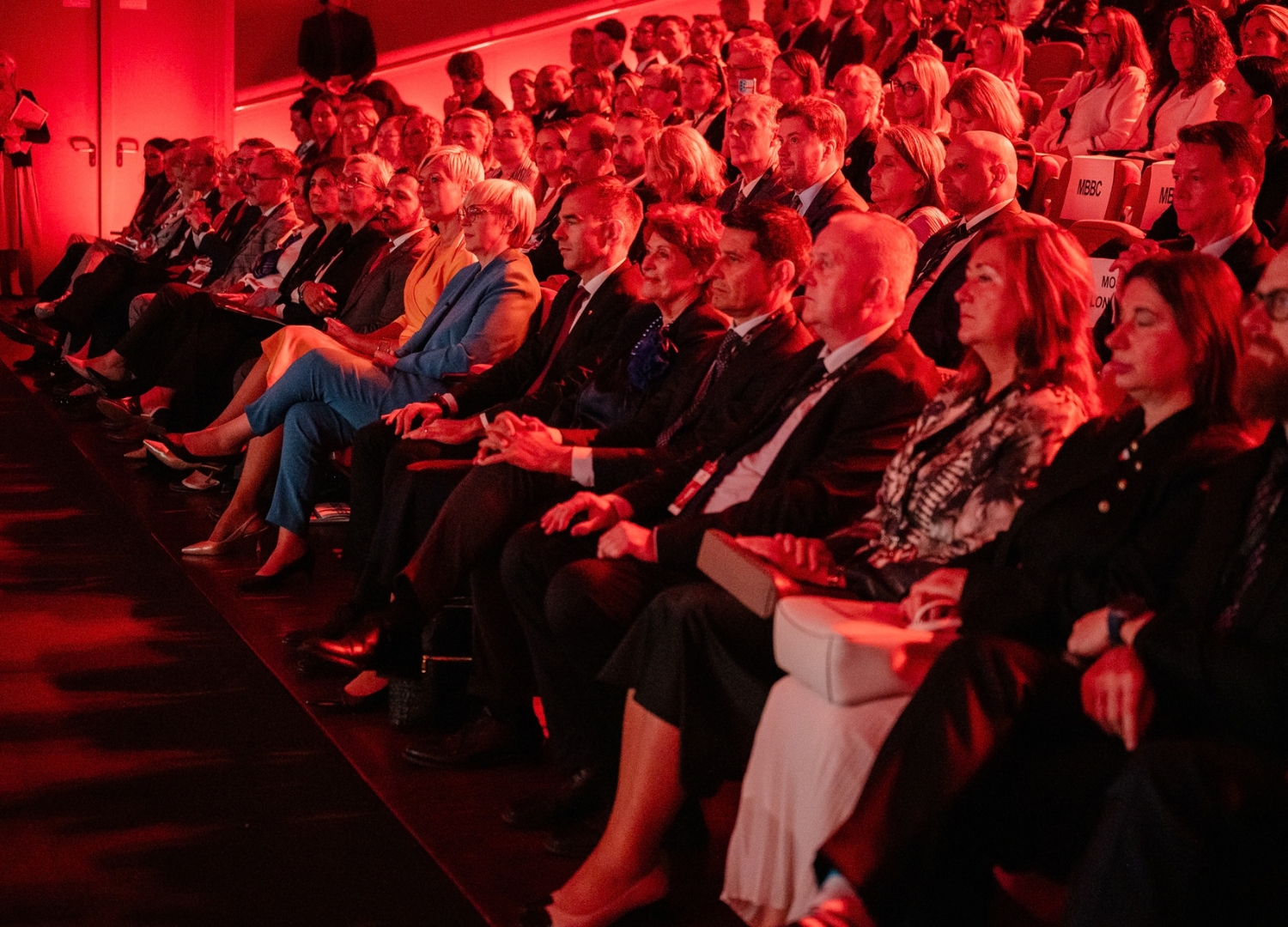
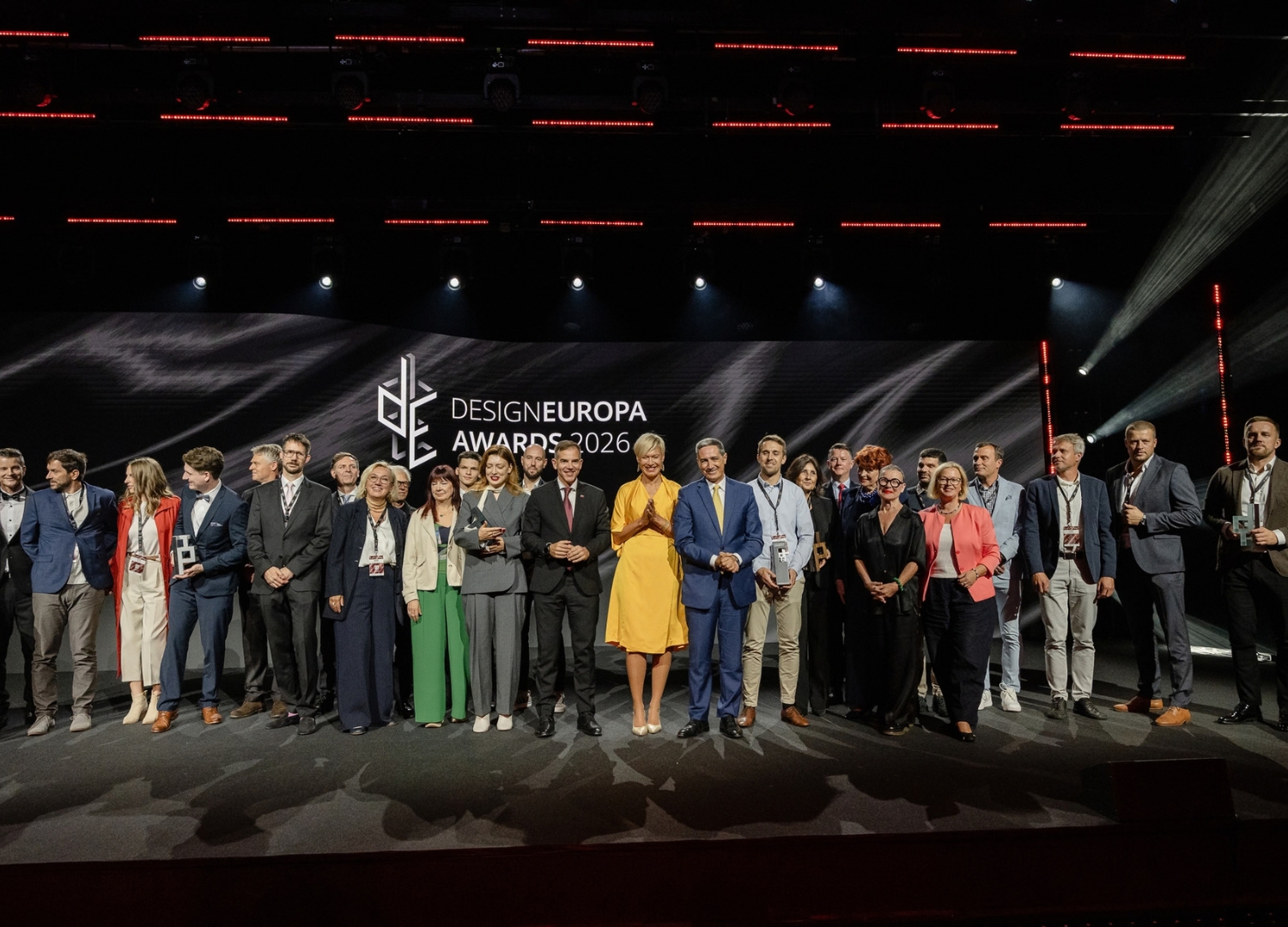
The DesignEuropa Awards, organised by the European Union Intellectual Property Office (EUIPO), marked their tenth anniversary edition this year, celebrated in Ljubljana. The programme was set up in 2016 to recognise outstanding registered EU designs as well as the people and companies behind them, with prizes running across five categories: work by small companies and independent entrepreneurs, work by larger industry players, a Lifetime Achievement award, a Next Generation award for designers up to 29 years old, and a Public Choice award.
This year’s ceremony took place in Ljubljana, Slovenia’s capital, a city which has spent several years building a reputation as a design-focused city: walkable, dense with independent studios and repurposed industrial spaces. It was recently named Europe’s best creative city destination for 2026 by the Creative Tourism Network, praised for weaving creativity into its identity and long-term planning.
Gallery
Open full width

Open full width
DesignEuropa Awards 2026:
Entrepreneurs and Small Companies Award
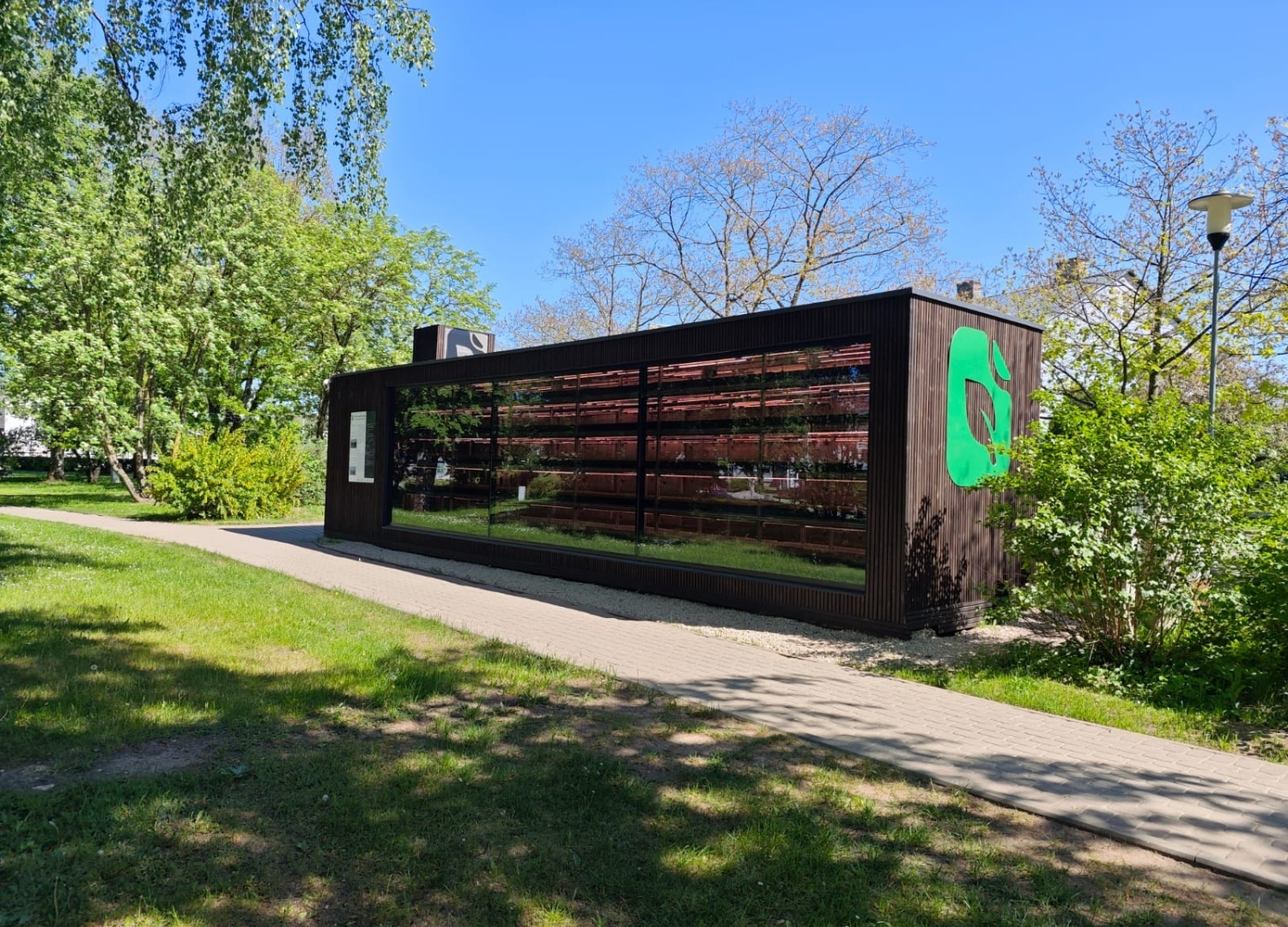
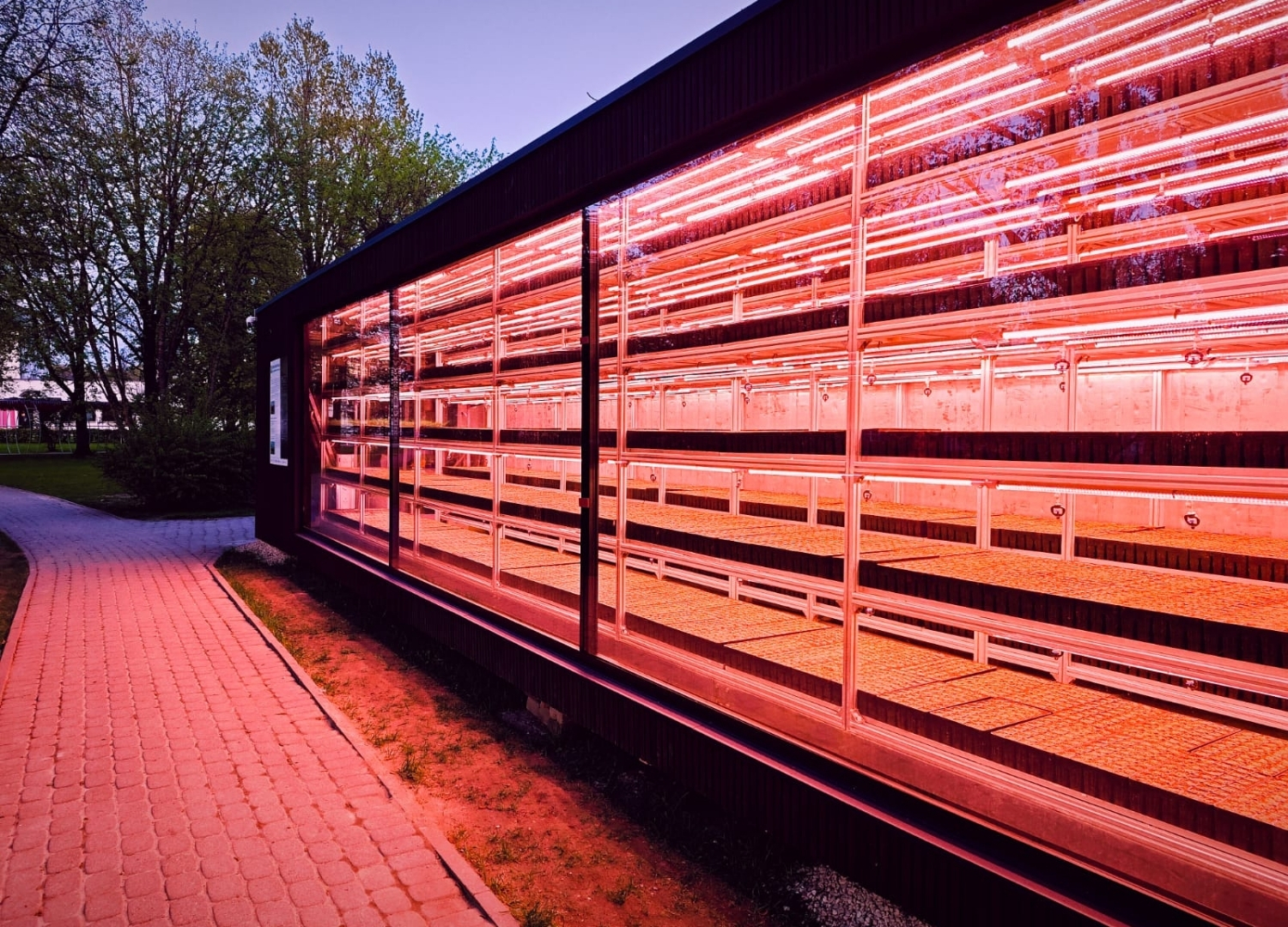
The Entrepreneurs and Small Companies Award went to the CLF Growth Container, developed by the Latvian company Carbon Less Future, a project that involves repurposing a shipping container for vertical farming. The chosen project is deliberately simple and straightforward compared to other award-winning design works, as the DesignEuropa Awards aim to recognise designers solving real commercial problems with limited resources rather than unlimited budgets.
Shipping containers are prized for being modular, already in mass circulation, and structurally overbuilt for anything that happens after their shipping life ends. Building a growth container from them sits at the intersection of two trends that the European design policy has been trying to accelerate: the circular economy, which works with existing materials as a starting point, and the push to make food and resource systems less carbon-intensive without waiting for entirely new infrastructure.
The Industry Award
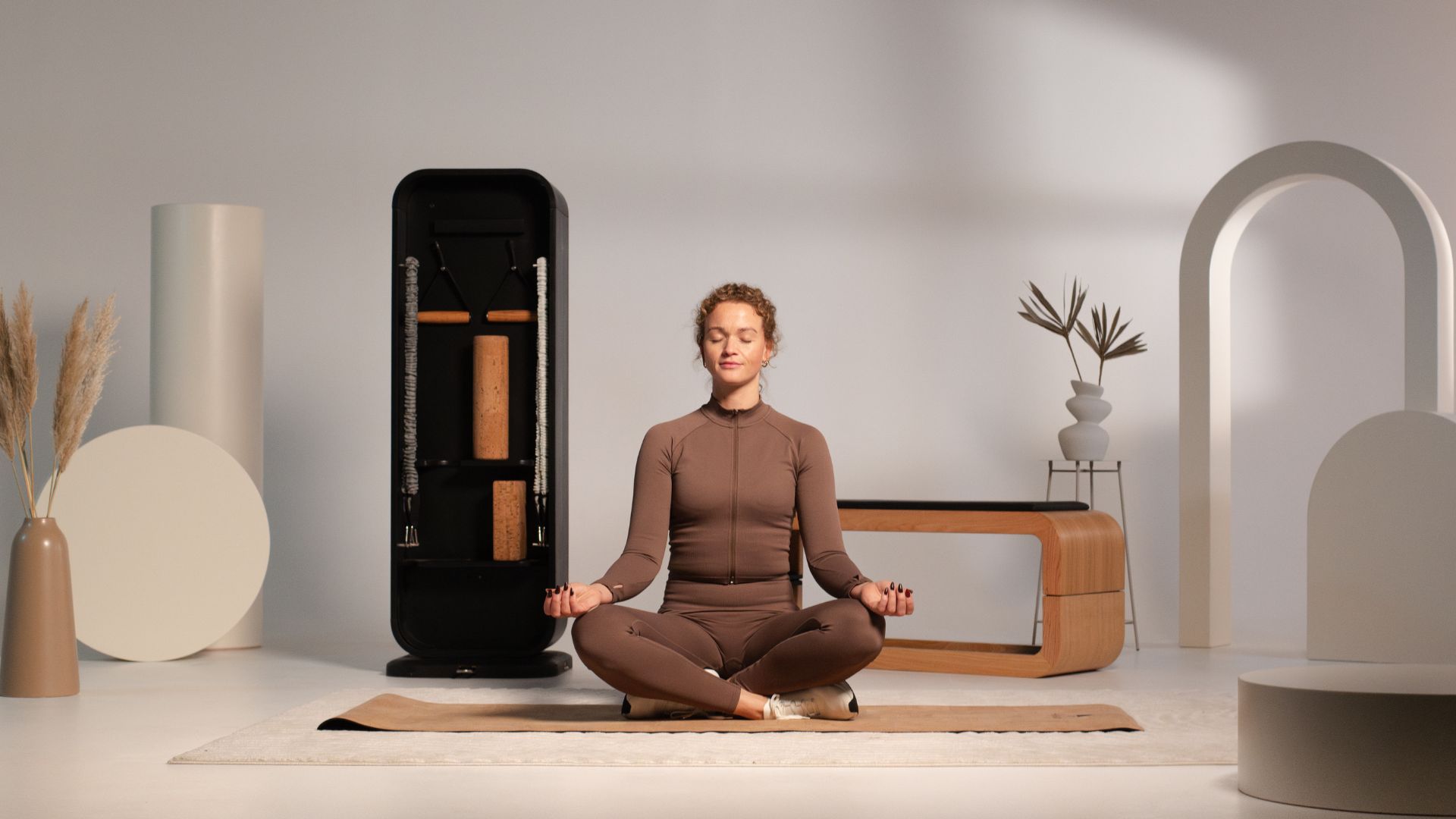
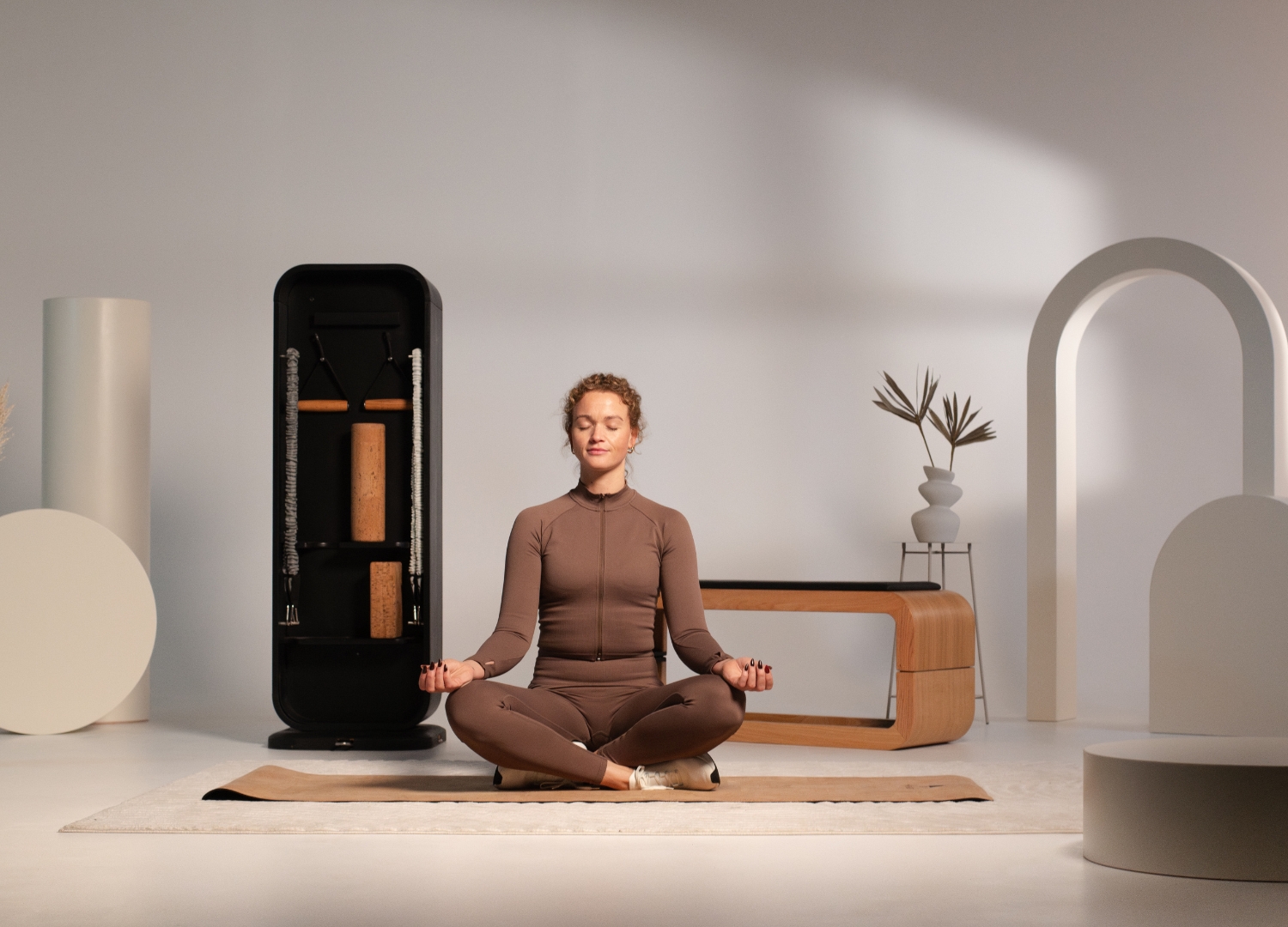
The prize dedicated to larger companies went to NOHRD and their StepTower, an all-in-one exercise station designed by the German fitness brand. It is a compact upright unit finished in veneered plywood with a solid wooden frame, with curved side panels that double as step platforms or a padded bench. Inside, it stores a full set of dumbbells, resistance tubes, cork yoga blocks, and a training mat.
The project is a symbol of how design can impact a person’s lifestyle and habits, through both aesthetics and functionality. By making the home gym compact for most spaces, as well as taking distance from the most common eyesore designs, NOHRD has created a product that can truly incentivise many people to take better care of their health and their bodies.
The Next Generation Design Award
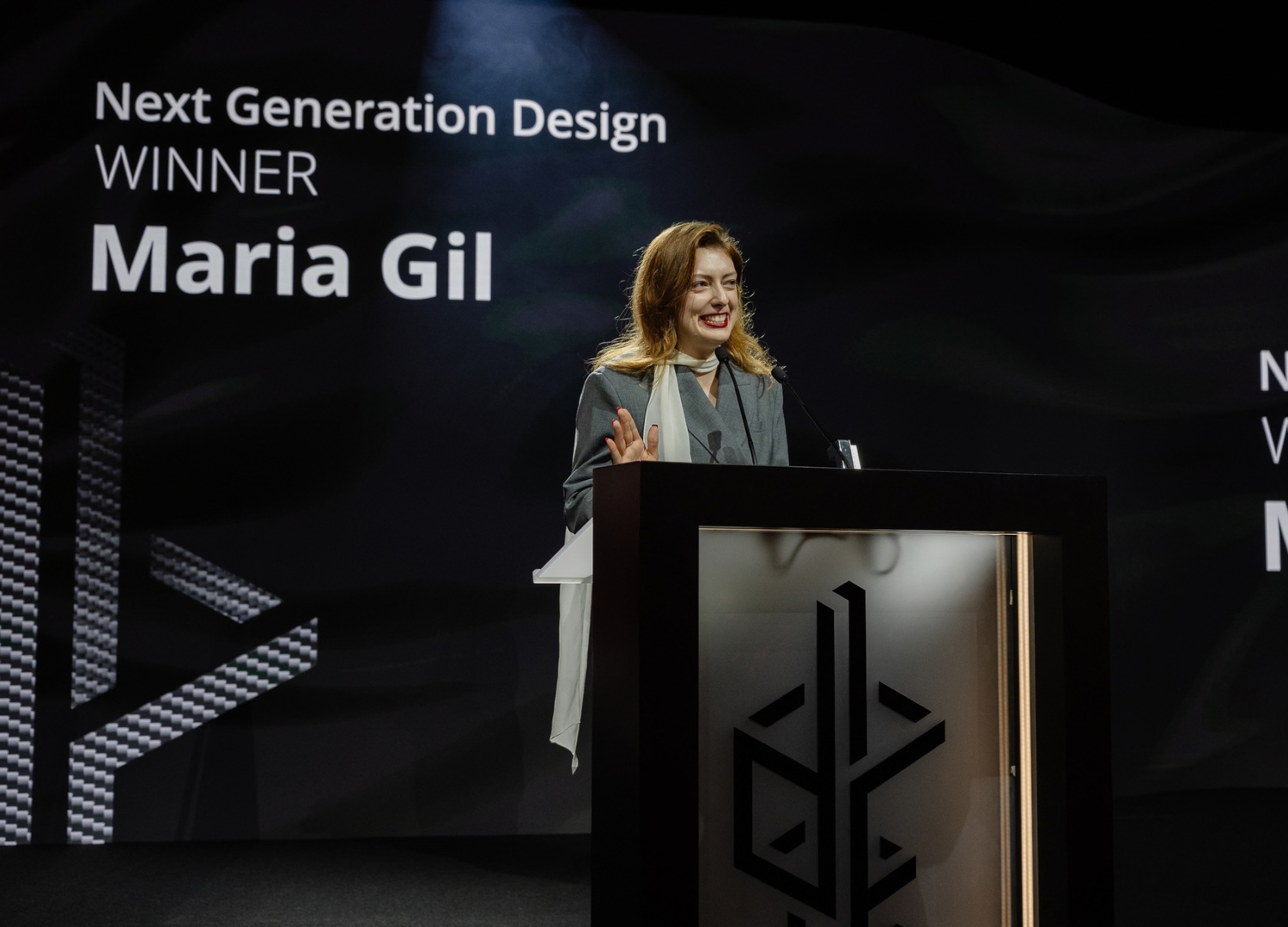
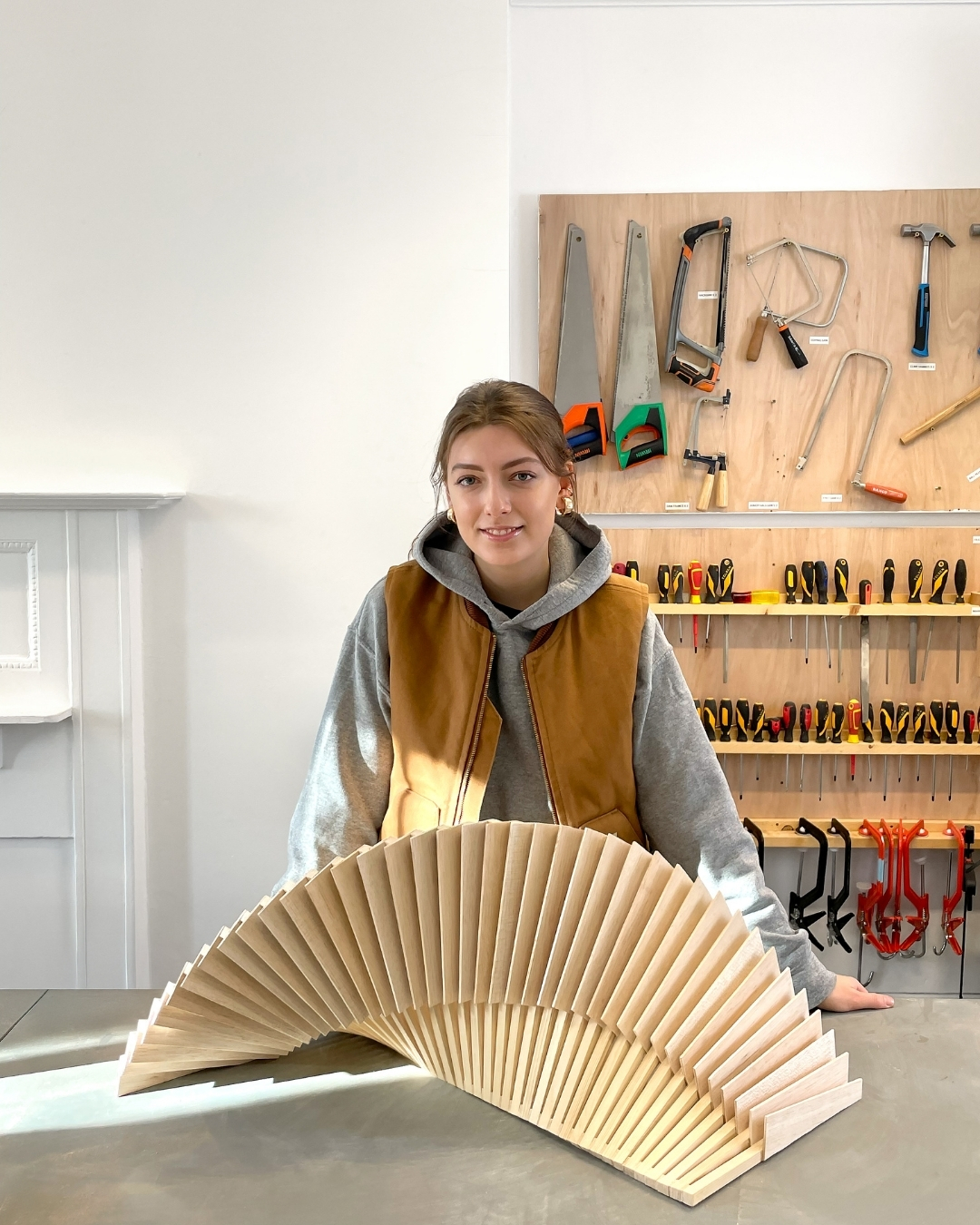
The award reserved for designers up to 29 years old went to Maria Gil, a Polish furniture and lighting designer. Gil built her training across Europe, through a degree in Product and Furniture Design from the University of Arts London, combined with an Erasmus exchange at Milan’s Accademia di Brera. This international exposure actually pulled her back to her own heritage, shaping her graduate project, Post War Drobe, which imagined an alternative Polish postmodern design movement. Since then, she has worked as a freelance designer, exhibiting at Salone del Mobile as well as being featured in many international publications.
This year’s edition also featured a Lifetime Achievement award, which was won by the French architect and designer Philippe Starck.
Public Choice Award: a first vote for the public
New this year was the Public Choice Award, which opened to public voting for the first time in the programme’s past editions. Letting the public vote alongside the jury doesn’t replace the experts’ knowledge, but it adds input from the people who actually use or buy these products, without necessarily caring about who designed them, and who bring a more instinctive sense of what good design looks like.
The winner was Showee, an all-in-one smart shower system designed for people with physical, intellectual, or sensory disabilities, as well as older adults. The system automates wetting, soaping, and drying in a single unit, built around the idea that the product should adapt to the user rather than vice versa.
It was developed by Èric Güell, Alejandro Castro and Eloi Mirambell, who founded the company after Güell’s grandmother was diagnosed with Parkinson’s disease and his mother faced a chronic illness, turning a simple shower into a source of stress for both of them. Güell was working in faucet design at the time, and this experience with his family prompted him to wonder why showering had barely changed with new technology, and to then create a product that could restore dignity and create comfort for people.
A decade of DesignEuropa Awards
Ten years and seven editions is enough time for an awards programme to develop a track record, rather than just a visionary statement. Since 2016, the awards have moved through Milan, Warsaw, Eindhoven, Berlin, Riga, and Copenhagen, tracking a fairly wide cross-section of what European design has produced over a decade: from SMEG‘s Italian coffee machines to Transparent’s Scandinavian sound systems, as well as Lifetime Achievement awards given to Dieter Rams and Hella Jongerius. This year’s winners are a continuation of this legacy rooted in design and innovation.
Design as a market driver
Beneath the ceremonies, though, is the reason why the programme exists at all. Research published by the EUIPO has found that companies using design strategically as part of their business practice see a 29.3% increase in revenue and a 24.8% increase in wages compared to those who don’t. The data shows that good design is not just a matter of appearance, but a measurable driver of innovation in the market.
The next edition will move to Prague, which will host the DesignEuropa Awards 2027 and its future set of winners. Who will take the stage is yet to be seen, but if the past decade is any guide, it’s worth paying attention.