Difane: laying the groundwork for the rise of Mexican design
We sat down with founders Andrea and Fernanda to talk about what they found missing, what they’re building, and where they think Mexican design is heading next.
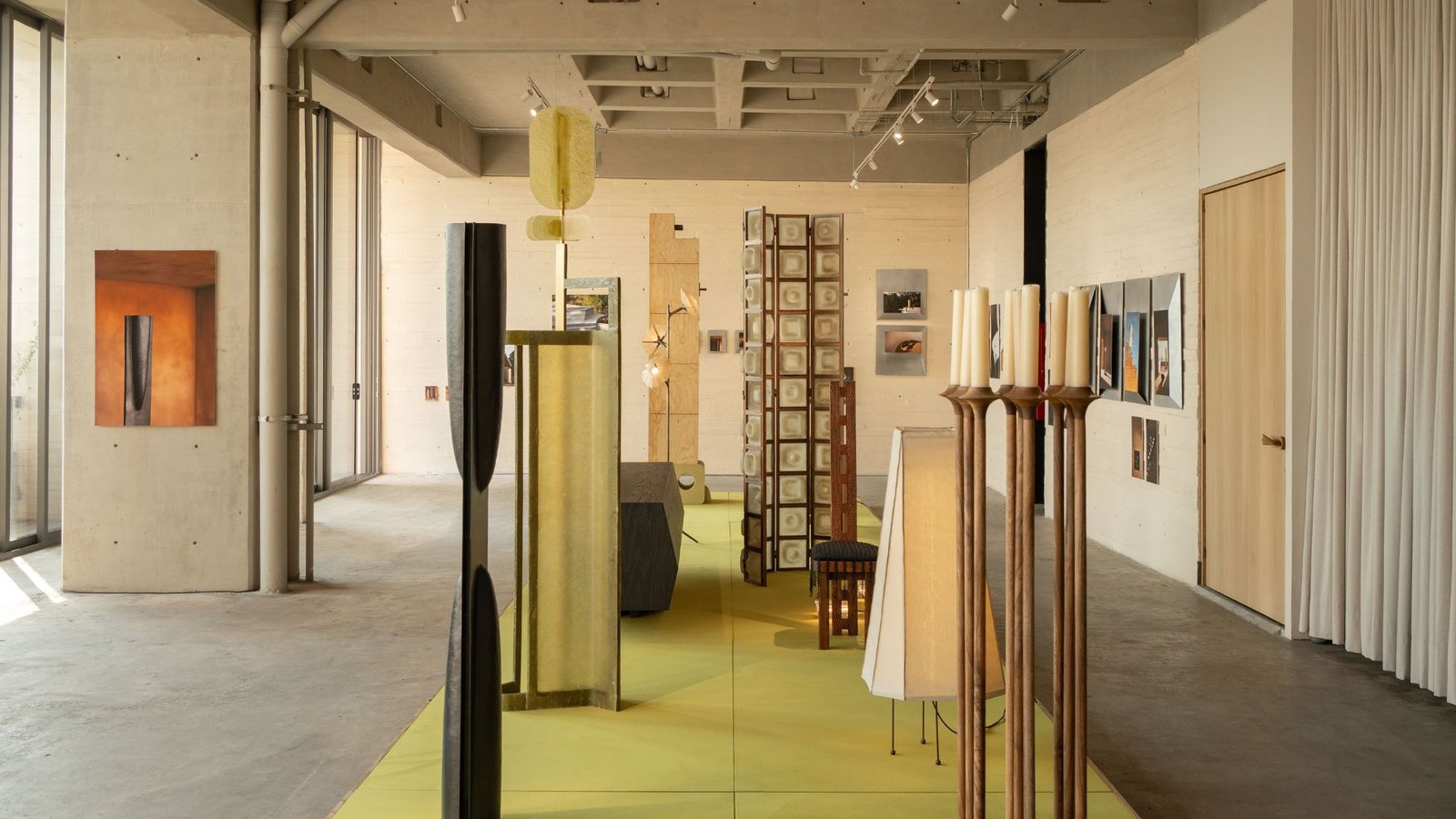
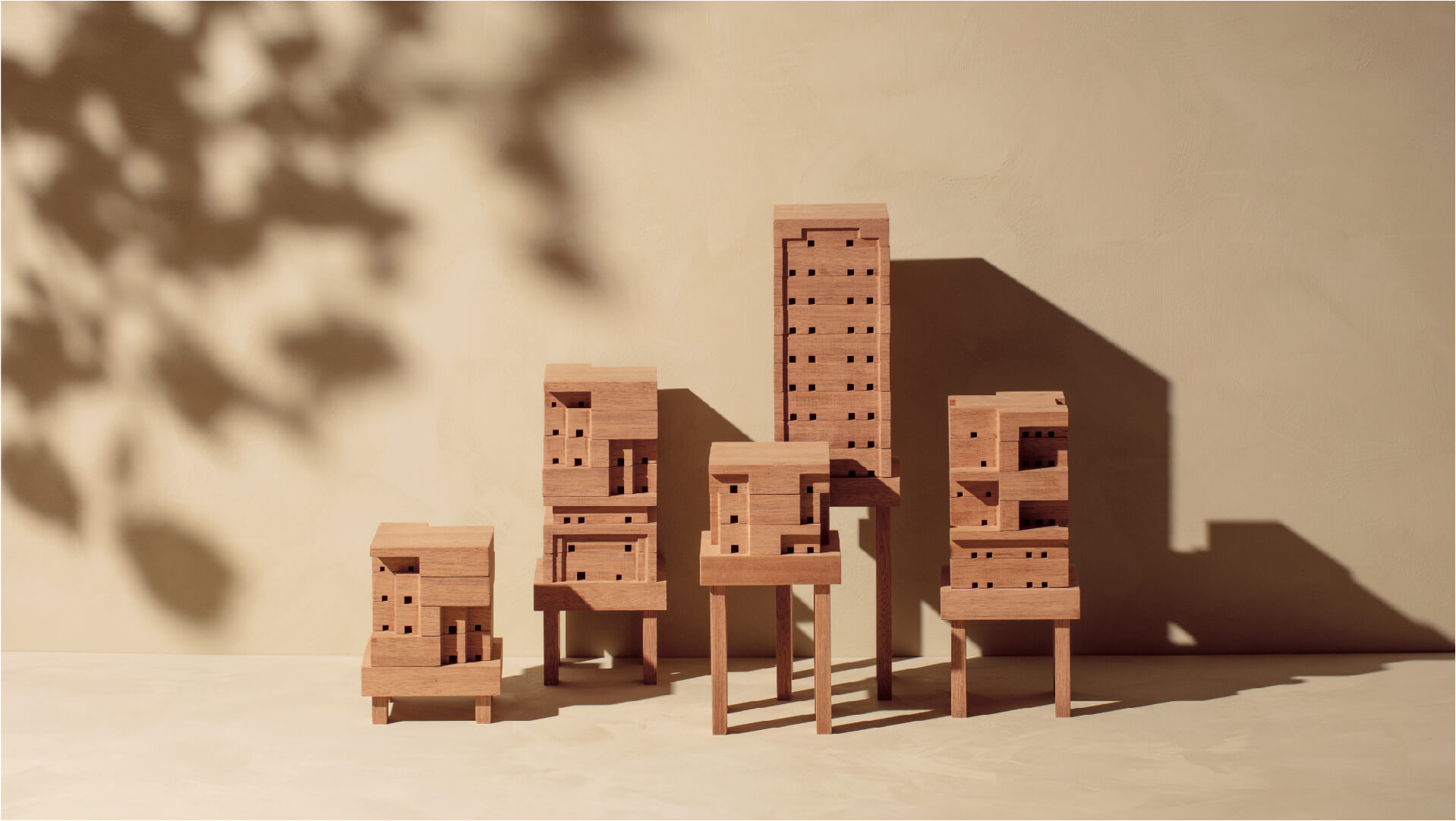
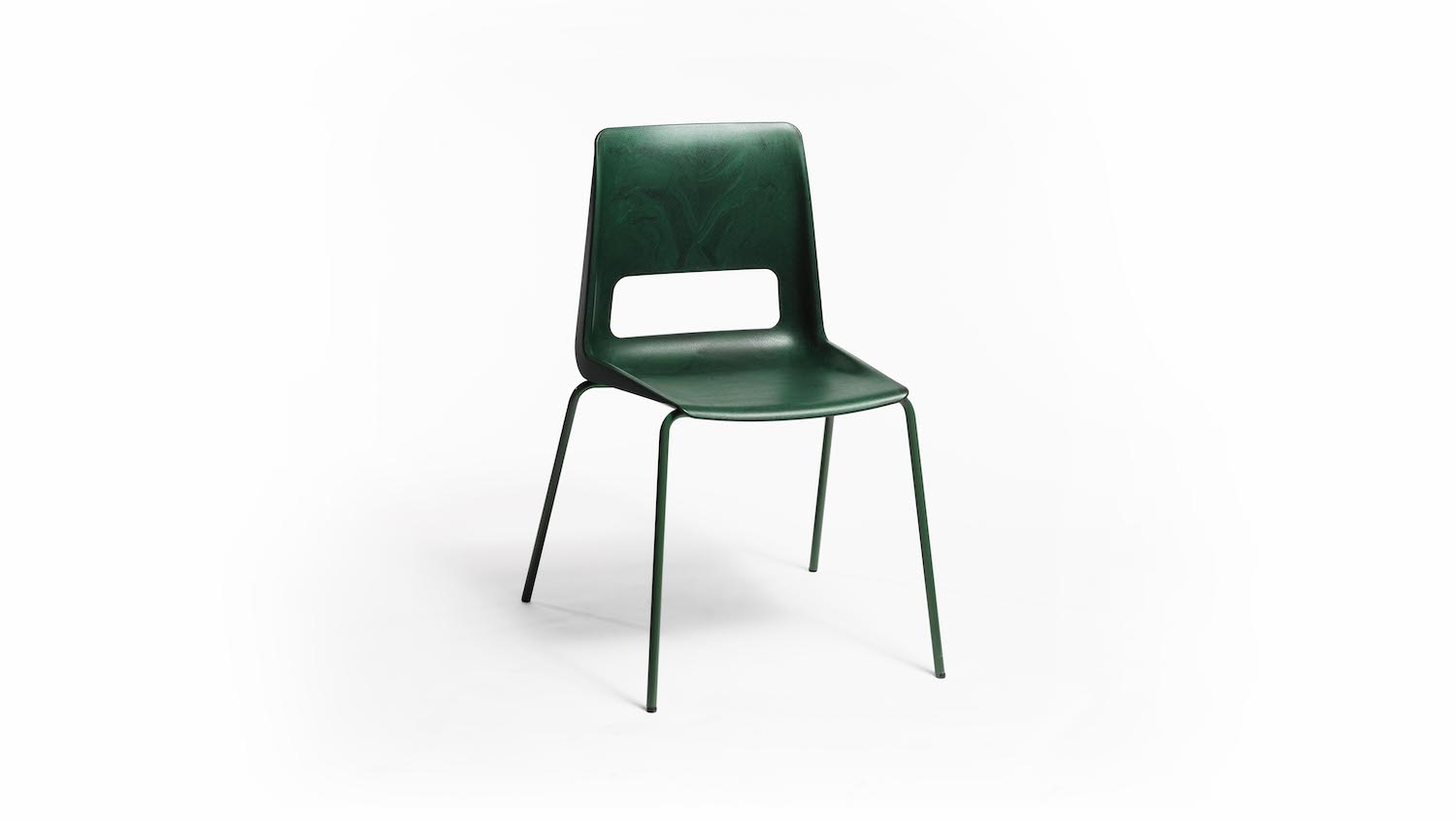
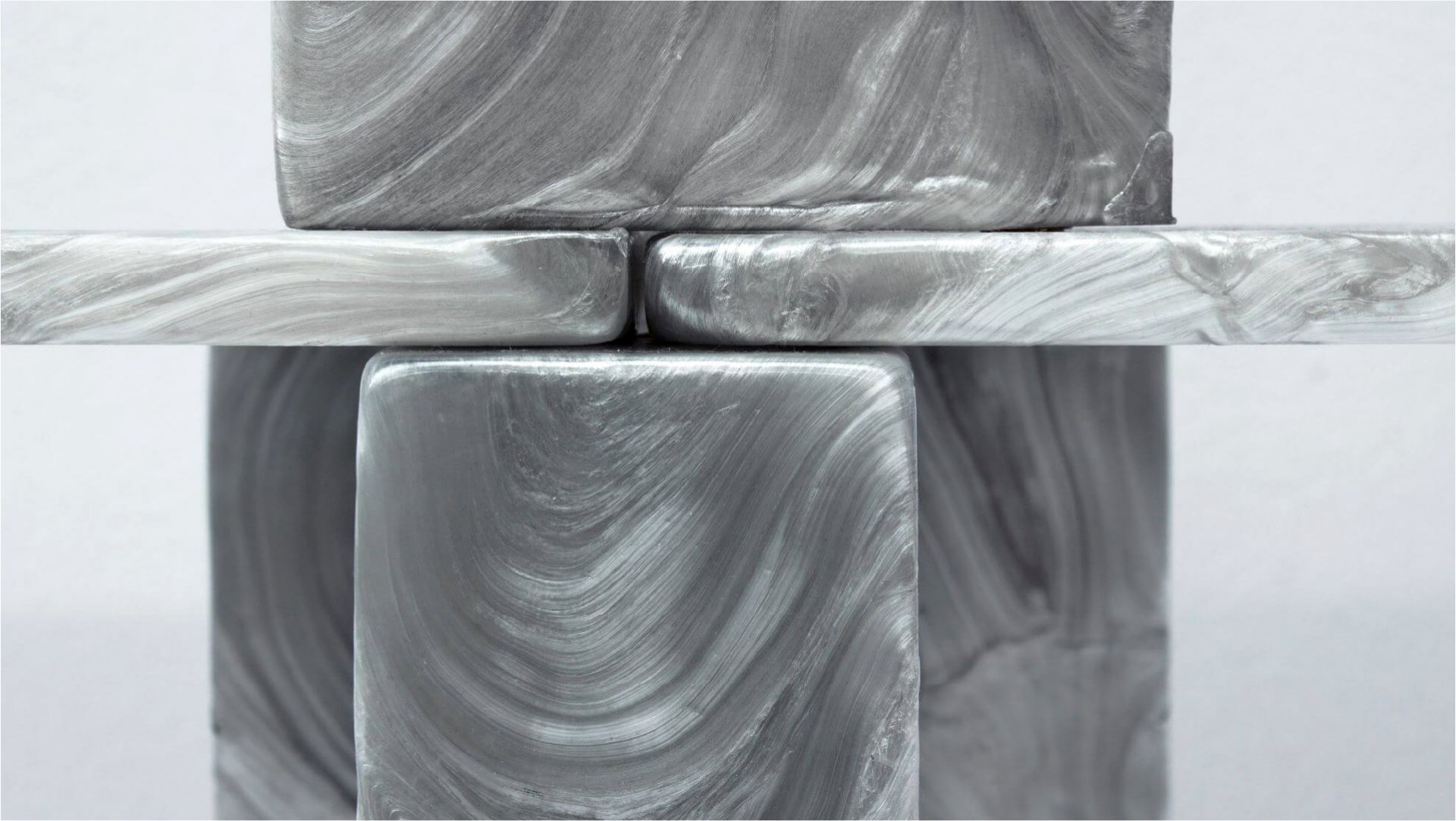
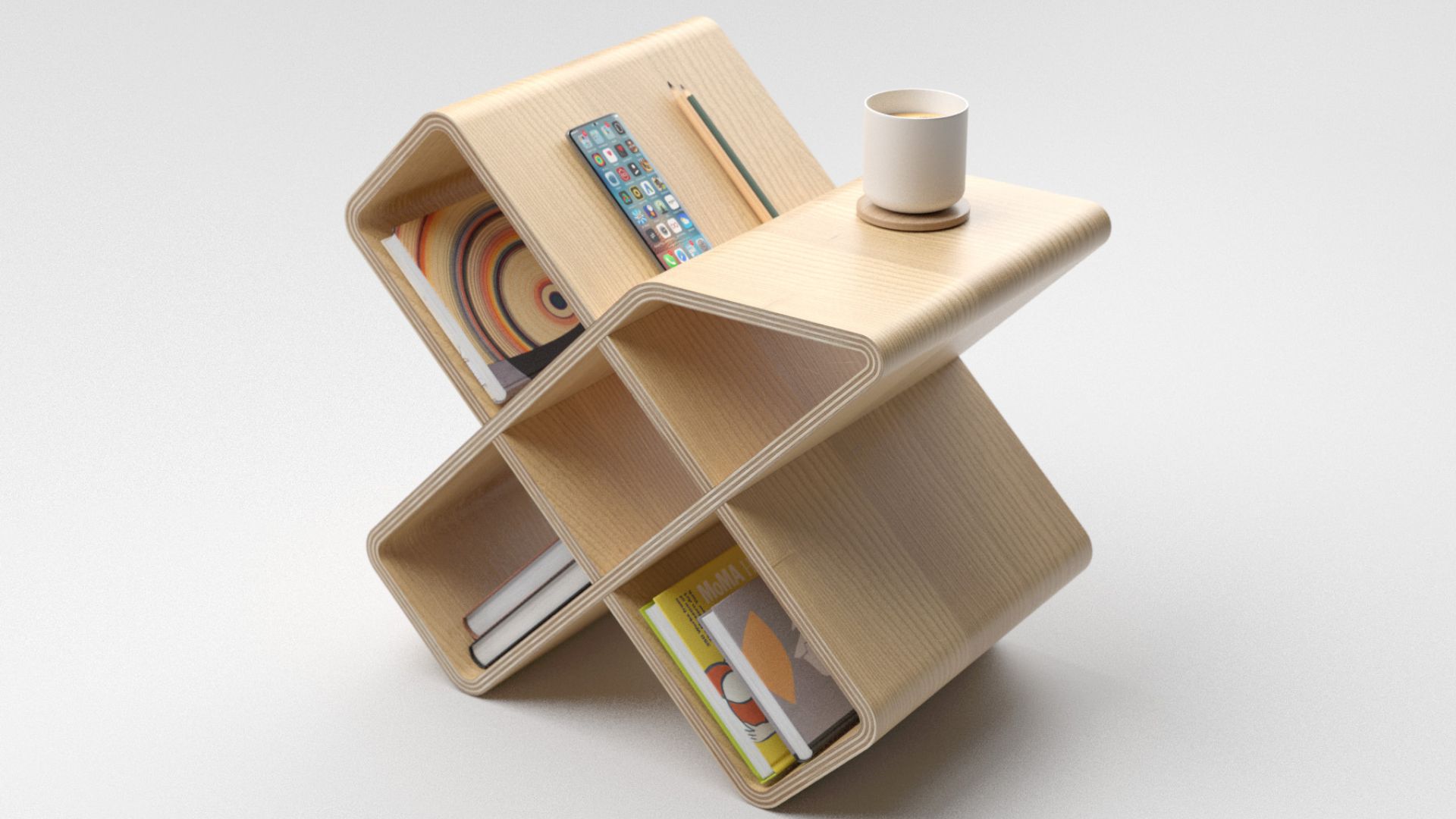
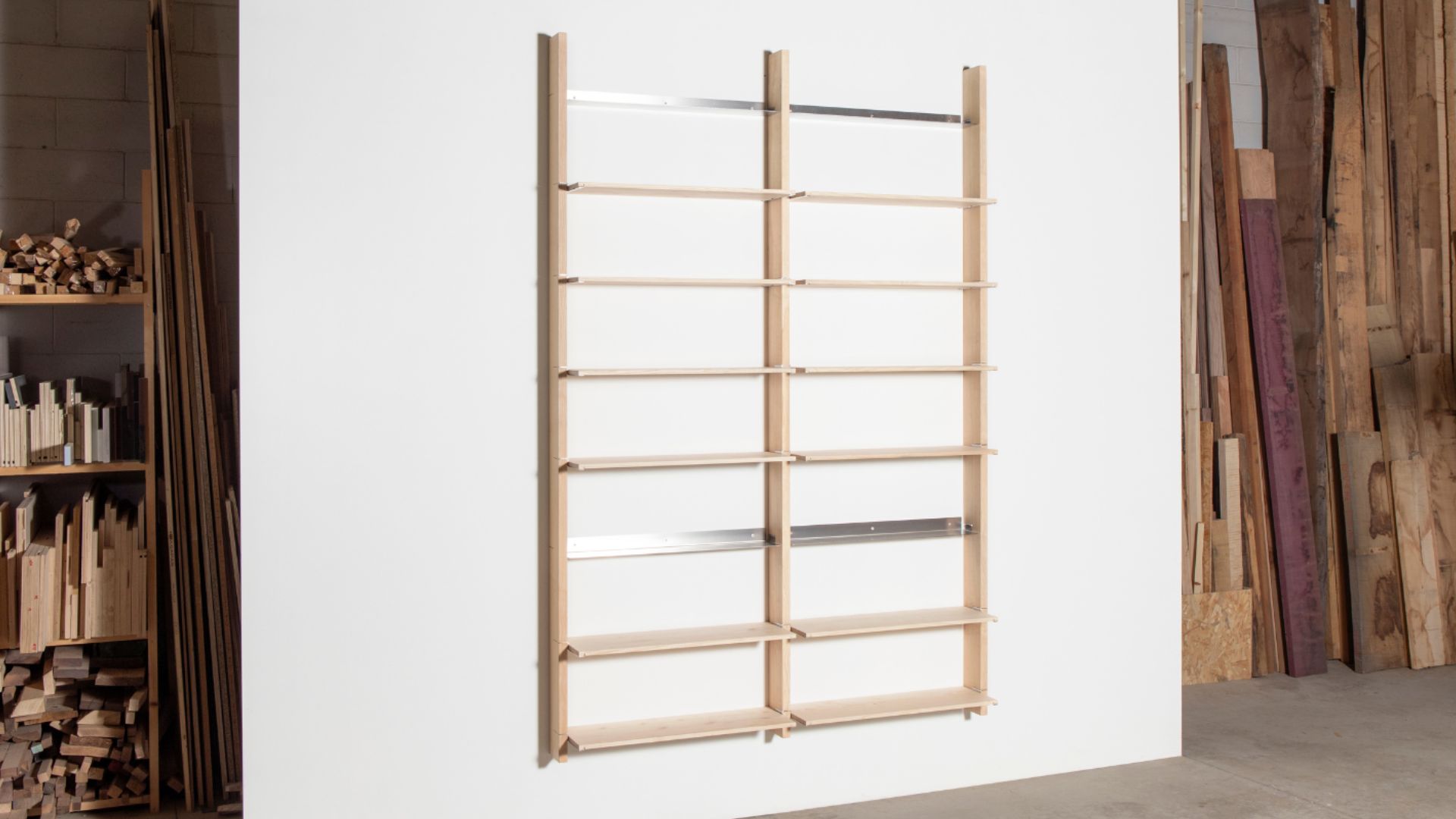
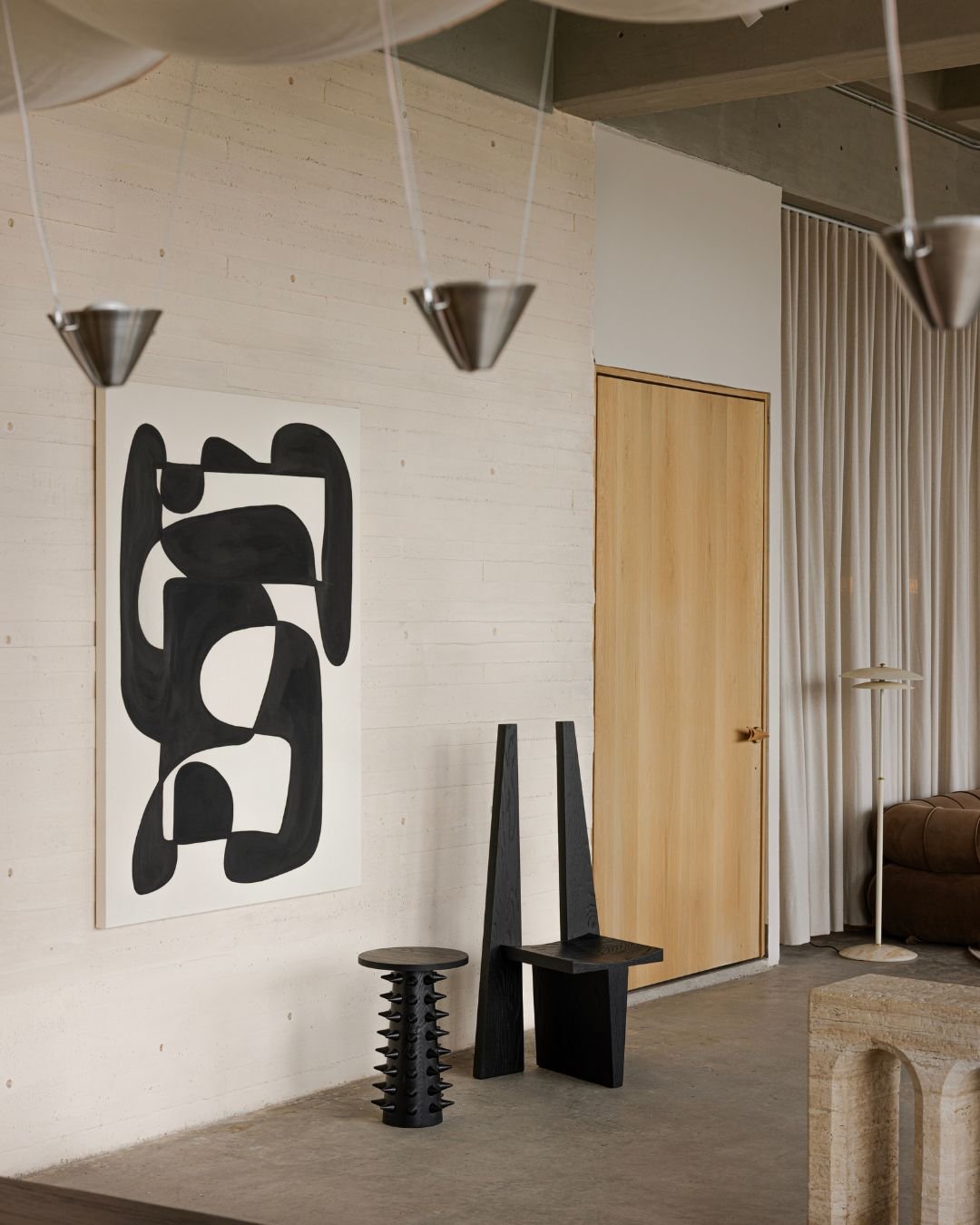
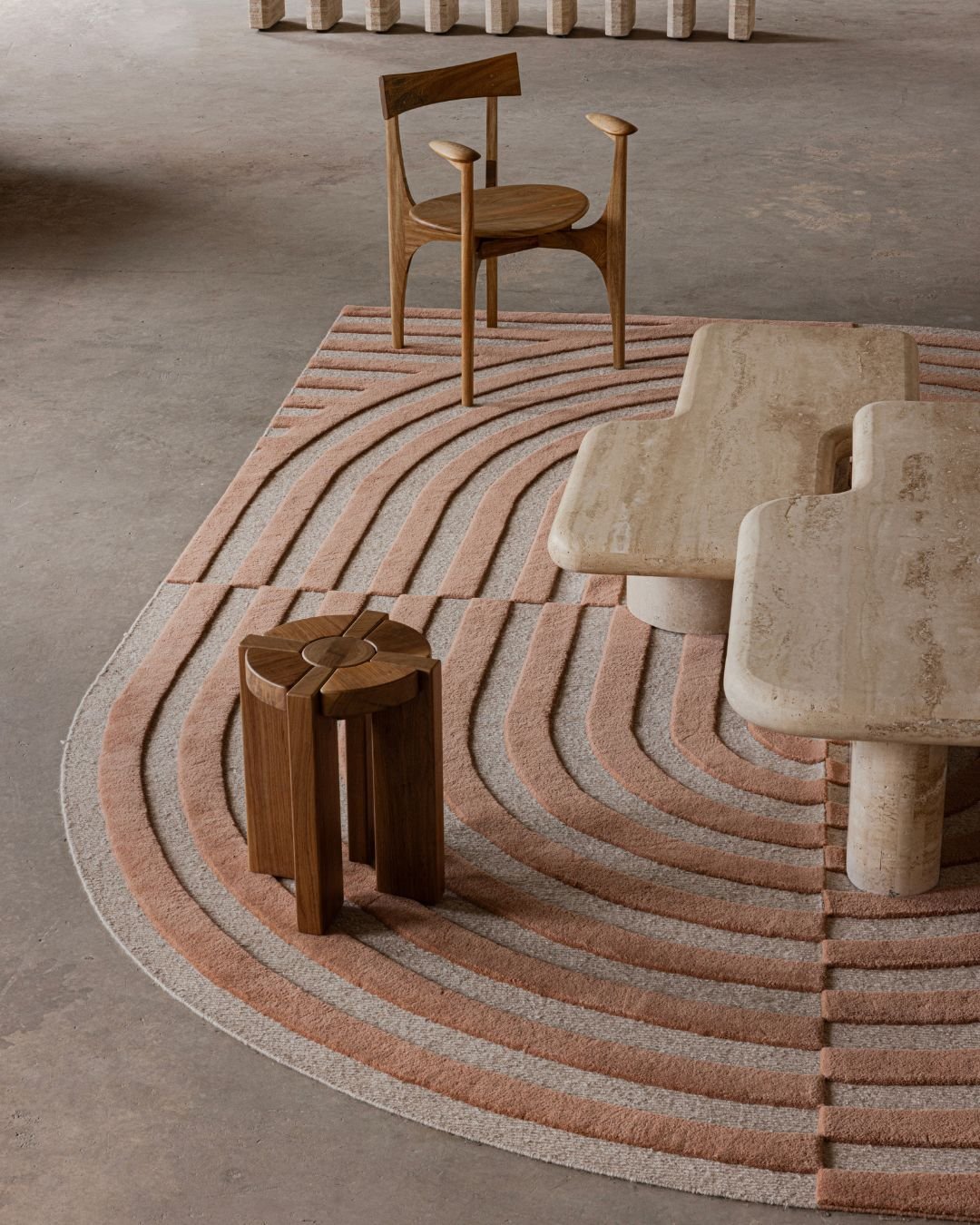
Founded by Andrea Gadsden and Fernanda Salamanca, Difane is a Mexico City-based platform and gallery dedicated to contemporary Mexican design. Operating from their showroom in Roma Norte, they represent over 40 designers and studios, from emerging voices to established names, curating furniture, lighting, and objects.
What sets Difane apart is what they stand for: believing in the immense potential of Mexican design, and focusing on opening up new pathways for the country’s creative community. At a moment when Mexican design is gaining unprecedented international attention, with platforms like Zona Maco expanding their reach and institutions beginning to take notice, Difane has been building the infrastructure for a creative industry to sustain itself on its own terms.
Gallery
Open full width
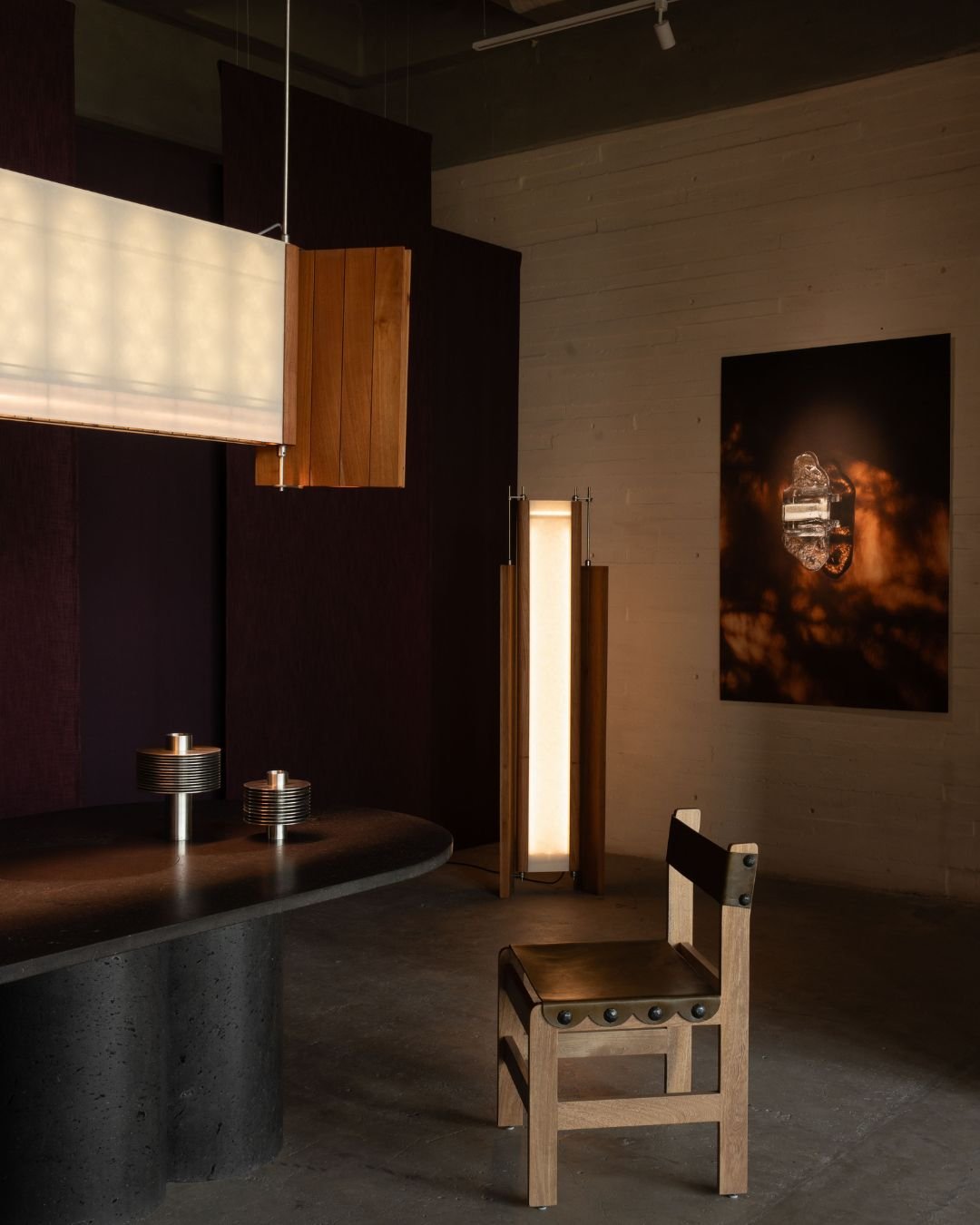
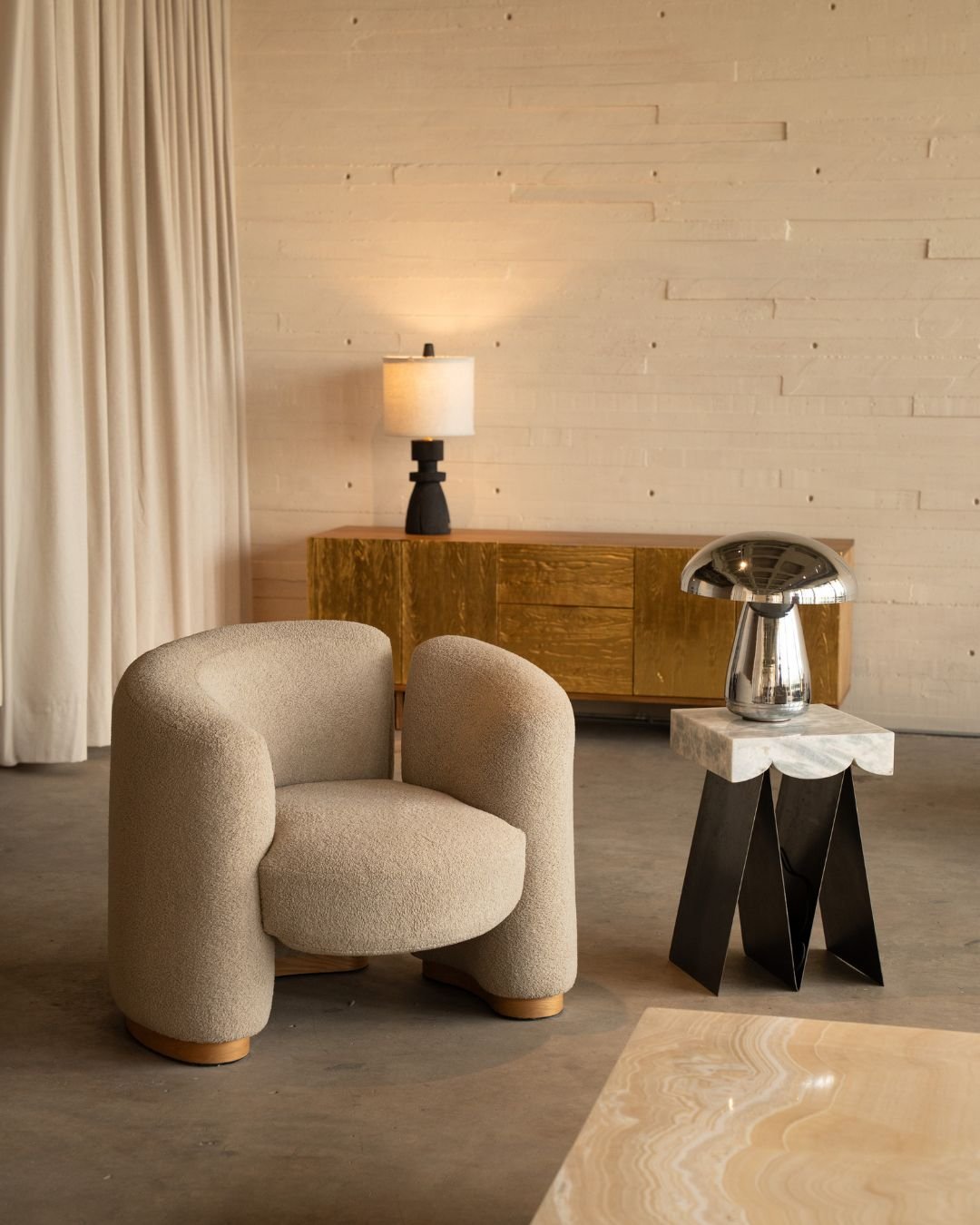
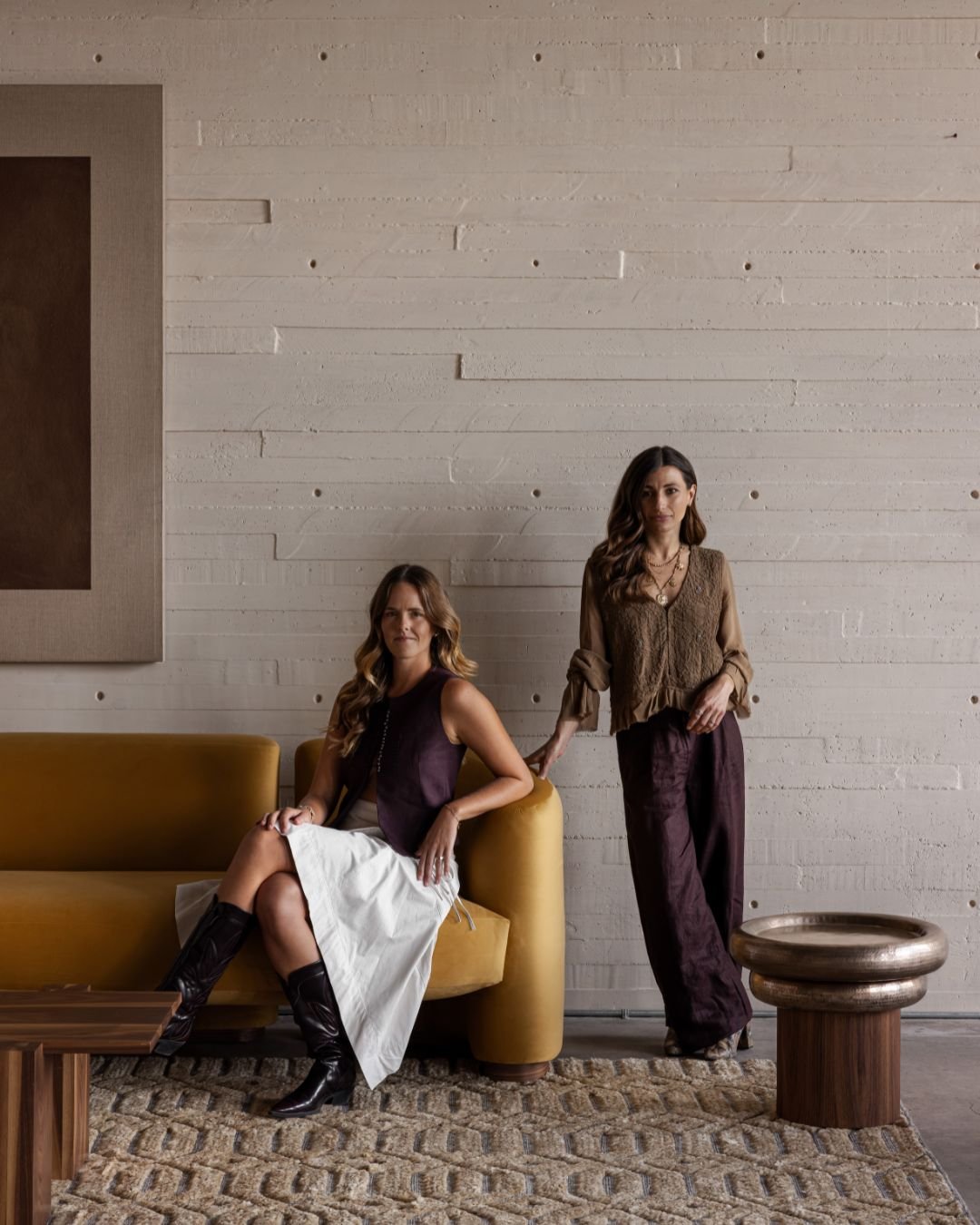
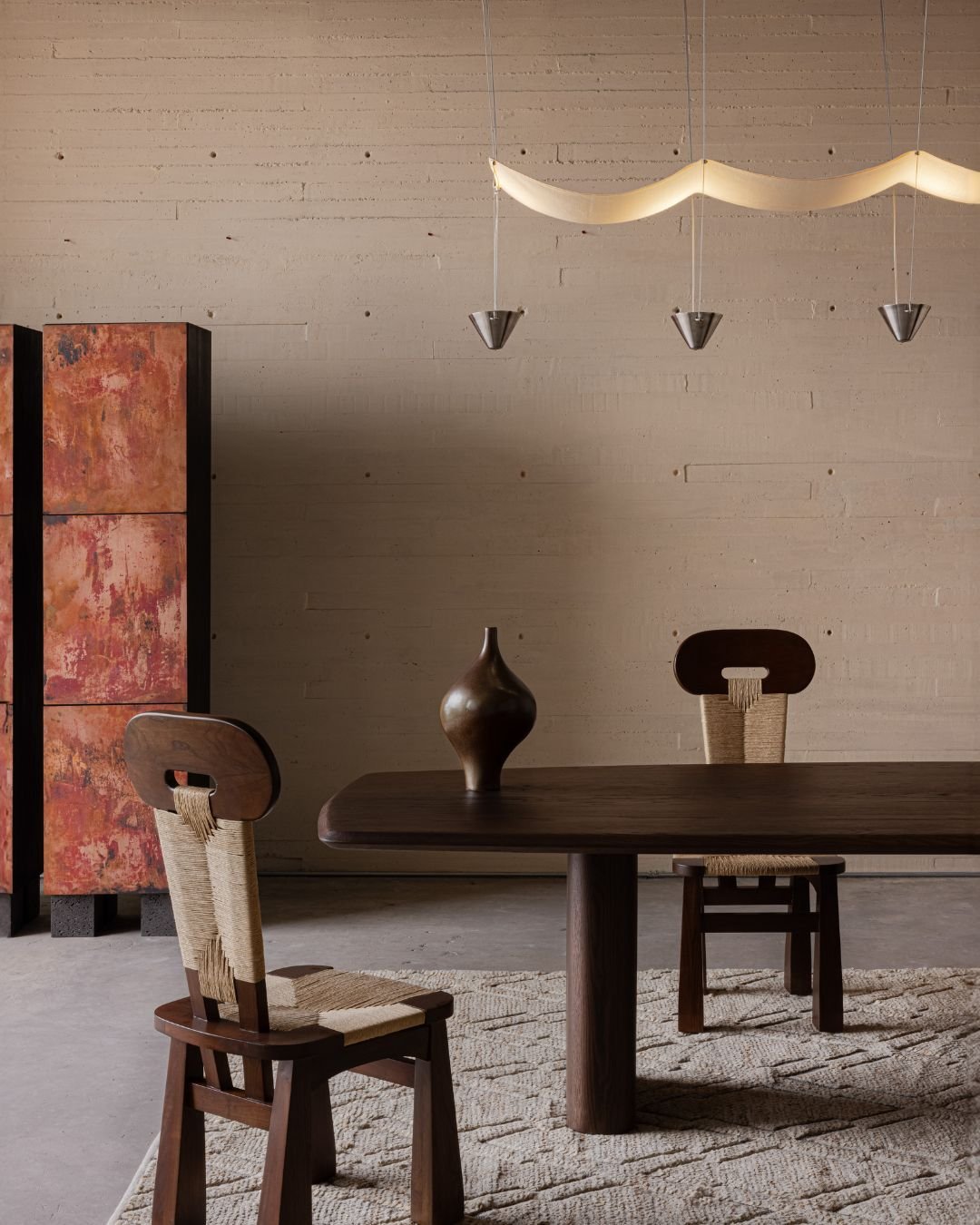
Open full width
Can you each describe your background and what felt missing in the Mexican design scene that made you want to build this together?
Andrea Gadsden:
“I studied Industrial Design, and after graduating, I found myself at a crossroads. I loved designing, but at the time, the design industry in Mexico didn’t yet feel like a clearly defined professional path. It often seemed that only large brands could truly sustain themselves, and for many, the direction became pursuing something else or moving toward interior design. I was drawn to interior spaces, but eventually found myself exploring the world of event design. Over time, I realized that this wasn’t where I truly belonged. Shortly before the pandemic, I decided to step away — and it was during that global pause that Fernanda and I crossed paths.
Together, we discovered both the immense potential of Mexican design and its deep invisibility. Nationally and internationally, what was widely recognized was primarily craftsmanship, while contemporary design remained largely under the radar. Difane was born from that gap — from the need to create a platform that would bring visibility to contemporary Mexican designers and foster a creative community where meaningful proposals could exist without relying on established names. Our goal has always been to open pathways. To show that it is possible to build a life around design, to create from it, and to develop a sustainable career within Mexico. To help grow an industry that can strengthen itself and engage in dialogue with the world.”
Fernanda Salamanca:
“I have a background in architecture developed in Mexico City, both academically and professionally, but I ultimately completed my formal studies in Interior Design in Milan. Those formative years in architecture established the way I think about scale, structure, and the relationship between object and space. Milan expanded that perspective: it refined my sensitivity to small-scale design, introduced me to experimental materials, and exposed me to more eclectic design approaches.
Returning home during the pandemic, my path crossed with Andrea’s, and our conversations quickly revealed a shared recognition of the immense creative potential within the Mexican design scene, along with the opportunity to refine its narrative and commercial structure. There was extraordinary talent, yet significant room to strengthen how it was positioned, presented, and brought to market. That shared awareness ultimately led us to build Difane, a platform dedicated not only to representing contemporary Mexican design, but to positioning it with the depth, clarity, and context it deserves, while bringing a fresh and renewed perspective to how it is presented and understood on a global level.”
You describe yourselves as representing both emerging and established designers, how do you decide who belongs in Difane? What’s the thread that connects your artists?
Fernanda Salamanca:
“We are constantly searching for proposals that feel fresh, distinctive, and emotionally compelling, regardless of whether a designer is emerging or established. Trajectory adds context, but it is never the defining factor. What ultimately guides our decision is clarity of vision and a strong sense of authorship.
Sometimes we encounter projects that are already fully developed and ready to be launched. In other cases, designers come to us with a powerful concept that requires refinement to reach its highest potential. One of our most important roles at Difane is precisely that: providing the strategic and creative guidance needed to elevate a vision into a refined and fully realized execution.”
How do you balance maintaining the core of Mexican identity in the works you represent with being able to appeal to international contemporary audiences?
Andrea Gadsden:
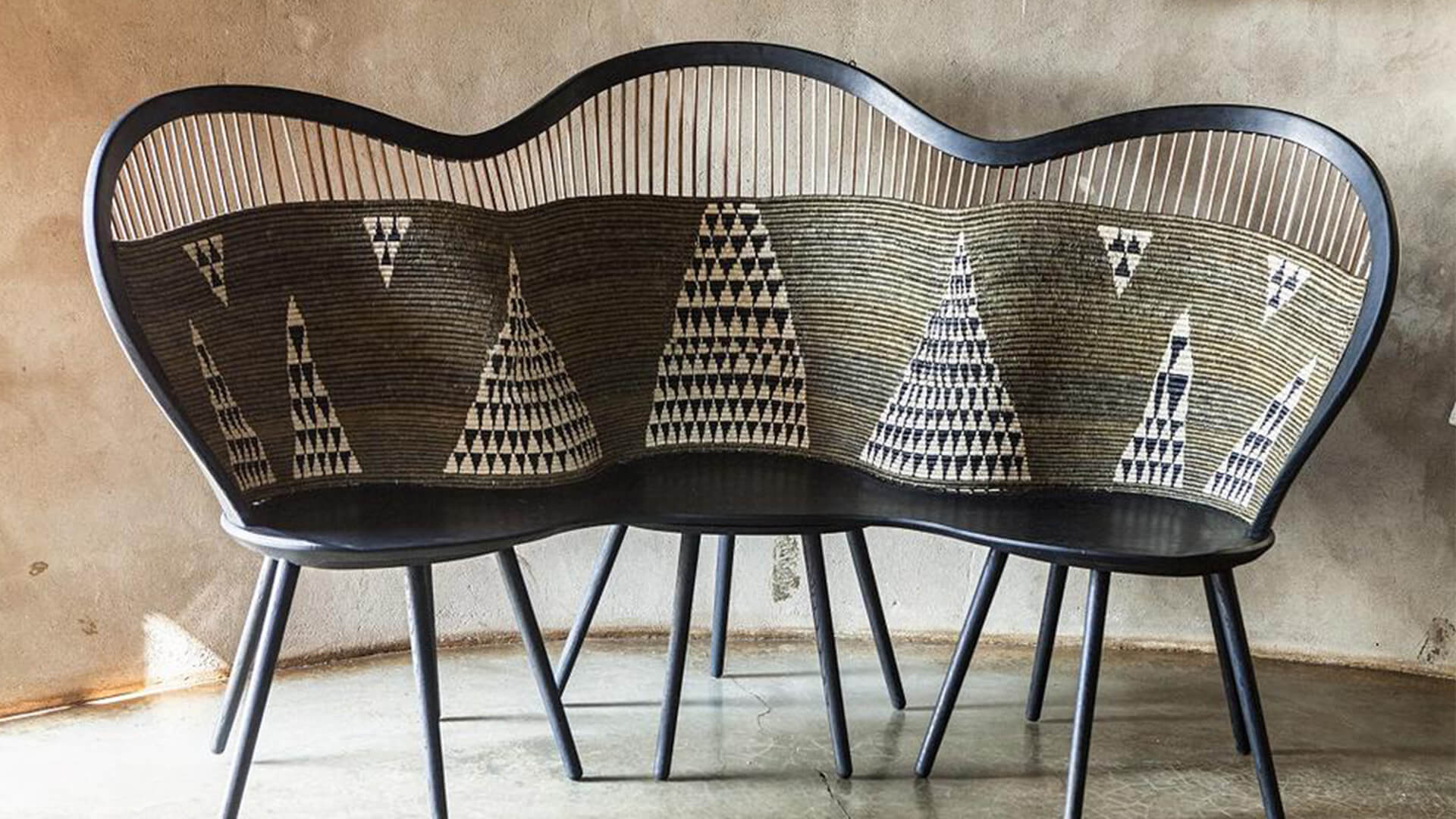
“We don’t begin with a fixed idea of “Mexican identity.” We don’t believe identity has a singular form, nor that it must be expressed solely through the artisanal or the folkloric. We are interested in supporting authentic proposals — some deeply connected to craft traditions, others more contemporary in their execution — yet all united by a shared sensibility: material exploration, attention to detail, and a clear awareness of the present moment. Many of the designers we work with maintain a close dialogue with artisans, which allows not only for the preservation of traditional techniques, but also for their reinterpretation and expansion — subtly challenging how “Mexican” design is often perceived.”
From a European perspective, it has been feeling like Mexican design is truly rising to prominence in the past couple of years, with the growth of Zona Maco and the appointment of Lanza Atelier for the Serpentine pavilion. What do you think about it?
Andrea Gadsden:
“I think it has been a very organic process. Globally, after the pandemic, people began to relate to their spaces in a different way. It became important to surround ourselves with meaningful objects — to build identity through what we live with every day, and to find a personal language within the home. In Mexico, this has translated into a growing openness toward more experimental proposals, toward pieces that accentuate a space and allow people to emotionally connect with what they bring into their homes.
I also believe a new niche emerged — one that didn’t previously exist. More designers and creatives began seeking visibility, and thanks to digital platforms, social media, and a new visual narrative shaped by architecture and photography, Mexican design started to circulate differently. A few years ago, there wasn’t a compelling visual language around Mexican contemporary design. Today, context, imagery, and presentation are just as important as the objects themselves.”
Fernanda Salamanca:
“What may appear as a sudden rise is, in reality, the consolidation of more than a decade of steady groundwork. A generation of new designers with expanded perspectives; workshops refined and professionalized their production; and platforms began building discourse, not just selling objects. What appears as an emergence is, in my opinion, a consolidation. At the same time, after years of Euro-American dominance, there is a global appetite for new voices and narratives. Mexico, and I might add Latin America as a whole, offers a unique balance: work that holds historical depth while speaking a contemporary language.
The market once looked outward for validation; today there is greater confidence in local identity, approached through innovation rather than cliché. Stronger production standards, clearer positioning, and a growing collector base, amplified by platforms like Zona Maco, among others, have increased global interest. So rather than a single cause, it is a convergence of cultural confidence, professional structure, institutional visibility, and global curiosity aligning at the right moment.”
If you look at the roster of designers you represent today at Difane, where do you sense Mexican design is heading next?
Andrea Gadsden:
“We feel Mexican design is entering a much bolder phase. This movement is only just beginning. We’re seeing more designers, more studios, and a strong desire to create and express — but also a greater creative risk, because in a saturated landscape, proposing something new requires taking a clear position.
True innovation has become more complex globally, yet in Mexico this moment feels especially powerful. The country holds an extraordinary richness of materials, techniques, and cultural references, which makes this evolution feel like it’s only starting to unfold. This is pushing designers to explore new territories: a more natural fusion between craftsmanship and technology, between traditional processes and contemporary languages. We believe Mexican design is finding its voice — one that is more experimental, more courageous, and increasingly relevant within the global dialogue.”
Fernanda Salamanca:
“I also believe the visibility of Latin America as a whole will continue to expand. What we are seeing in Mexico is part of a broader regional awakening. With stronger networks, more collaboration, and increasing institutional presence, Latin America is positioning itself as a meaningful reference within the global design landscape. The next step is not just growth, but consolidation and long-term impact.”