What if the answer were to design less, but better?
Byborre redefines textile production through a system that creates custom materials from yarn to end use – eliminating the need for pre-produced stock – applied in IRIS, a project developed together with Form Us With Love.
Shelves are filled with products destined to become obsolete within a matter of weeks. Luxury garments and accessories are discarded and deliberately damaged to prevent them from entering the secondhand market. Items purchased, returned to sender, and ultimately redirected to large landfills in the Global South – simply because it is cheaper than storing them or reintroducing them into circulation. And again, and again, and again. Humanity seems constantly on the verge of blowing air into a balloon balanced on the tip of a needle.
In an era driven by overconsumption and the compulsive production of ever-new outputs, reversing the very principle by which products are designed becomes an act of both conviction and intent. To reduce, optimize, and control in order to design better – not more – forms the foundation of Byborre’s work, aligning closely with the values of Form Us With Love: two distinct yet converging approaches, presented in Stockholm within the context of the Testing Grounds Showroom? showcase.
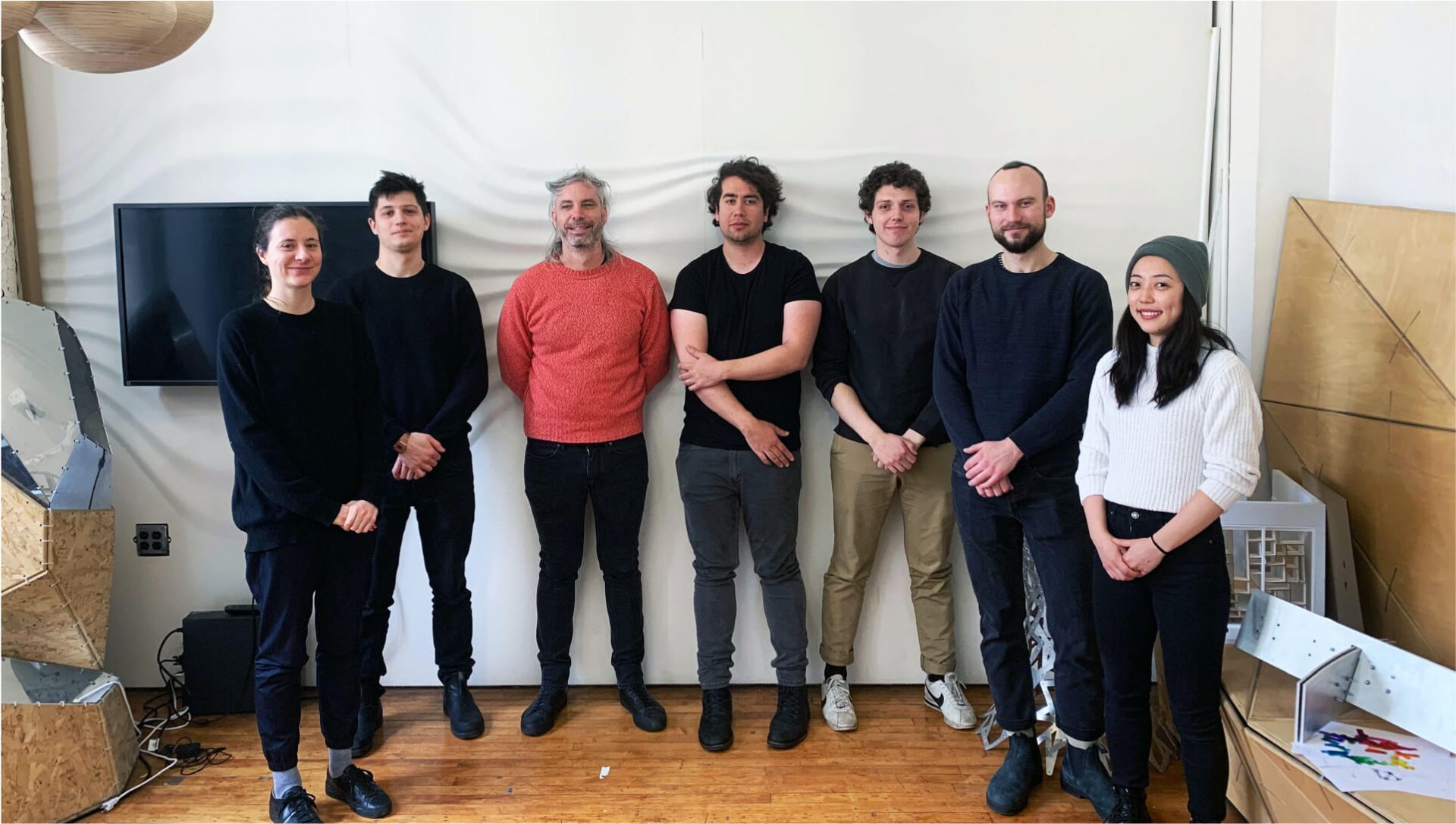
Founded in Stockholm in 2005, Form Us With Love is an international design studio that understands design as an operational tool to improve life and respond concretely to both industrial demands and social needs. Each product is conceived not only as an immediate solution for the present, but with consideration for its role in the decades – and even centuries – to come. “How will what we design today position itself in the future?” This is a question that stands in stark contrast to the traditional market, which tends to ask too few questions – and those it does ask are often answered with a lifespan of only a few weeks.
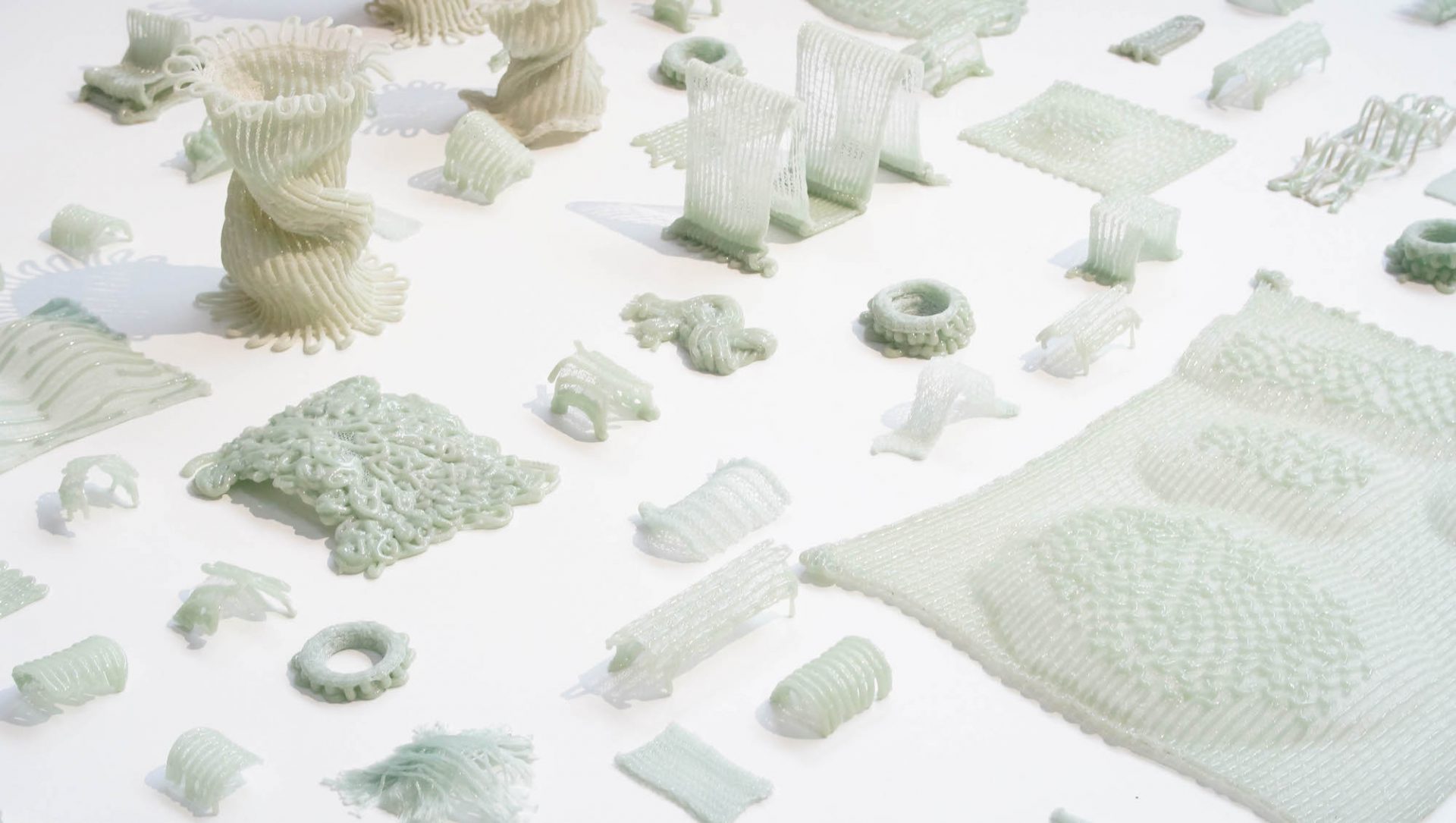
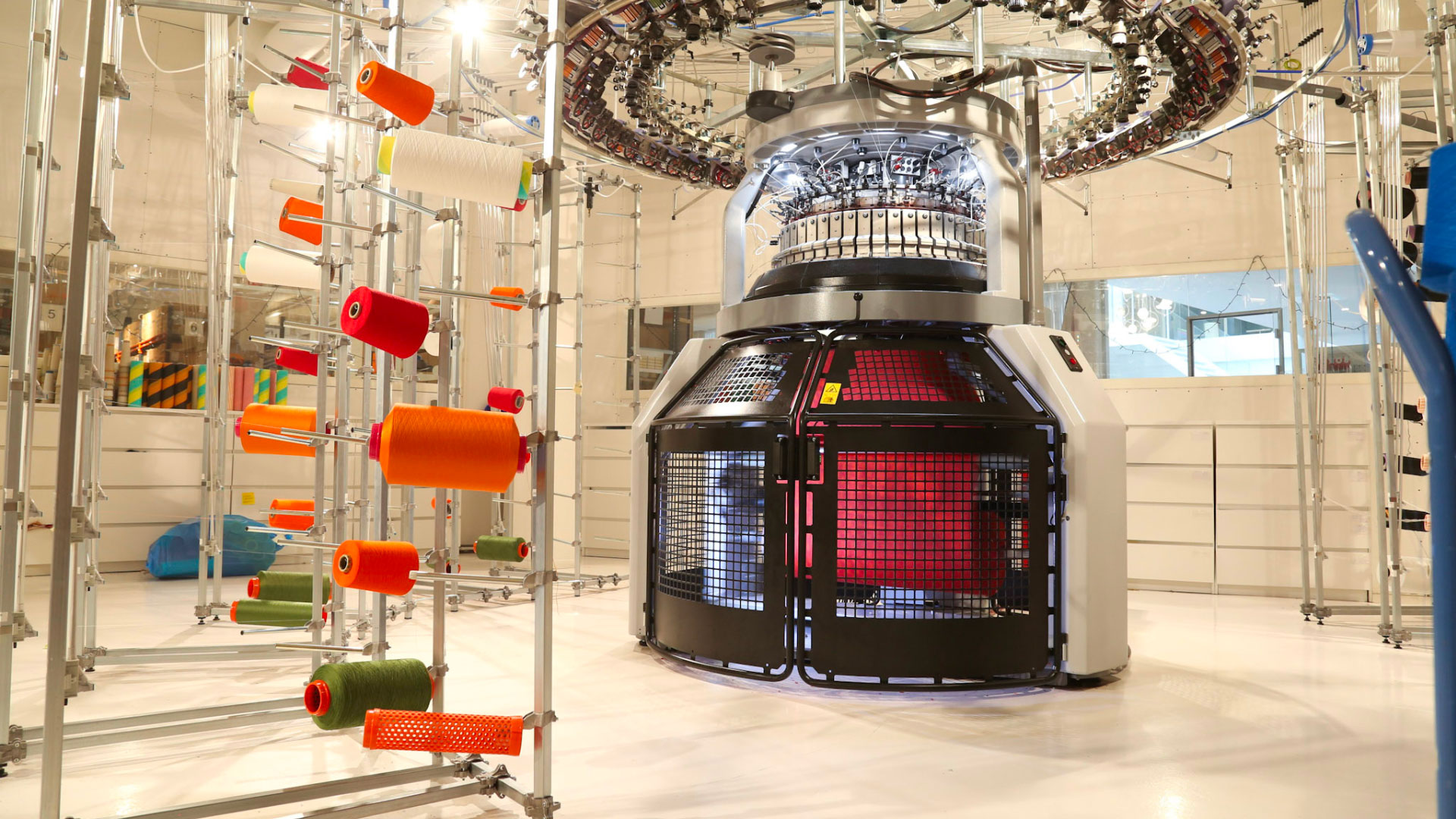
This orientation finds a correspondence in the design and production approach of Byborre, a Dutch textile company and developer of the Knit System – “innovative,” if the term were enough to contain its value. Byborre’s Knit System fundamentally reverses the traditional model of textile selection. Regardless of their intended application, the company’s textiles are engineered from the outset, allowing full control over all material variables – function, aesthetics, tactility, and impact – within a single, integrated process.
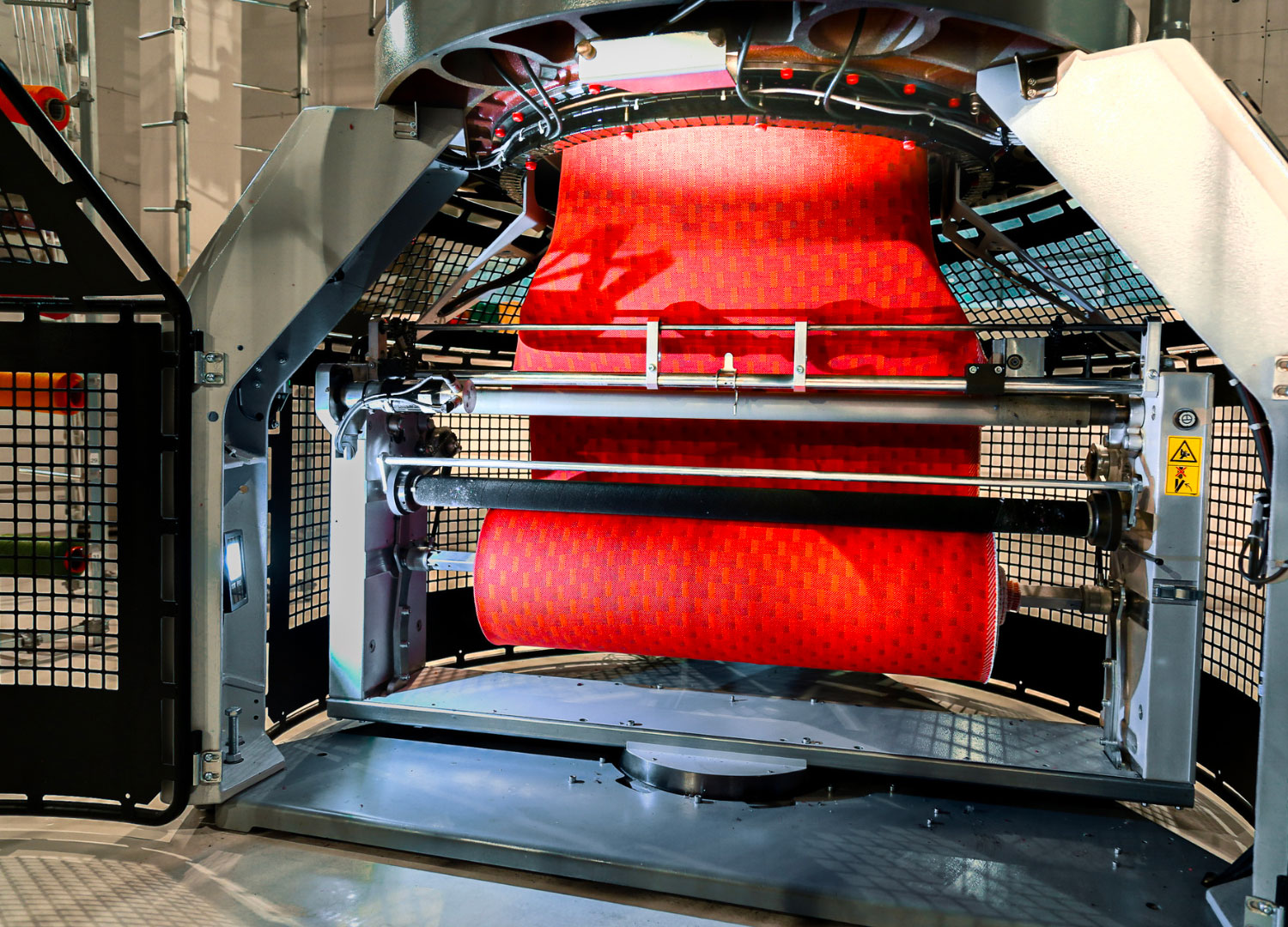
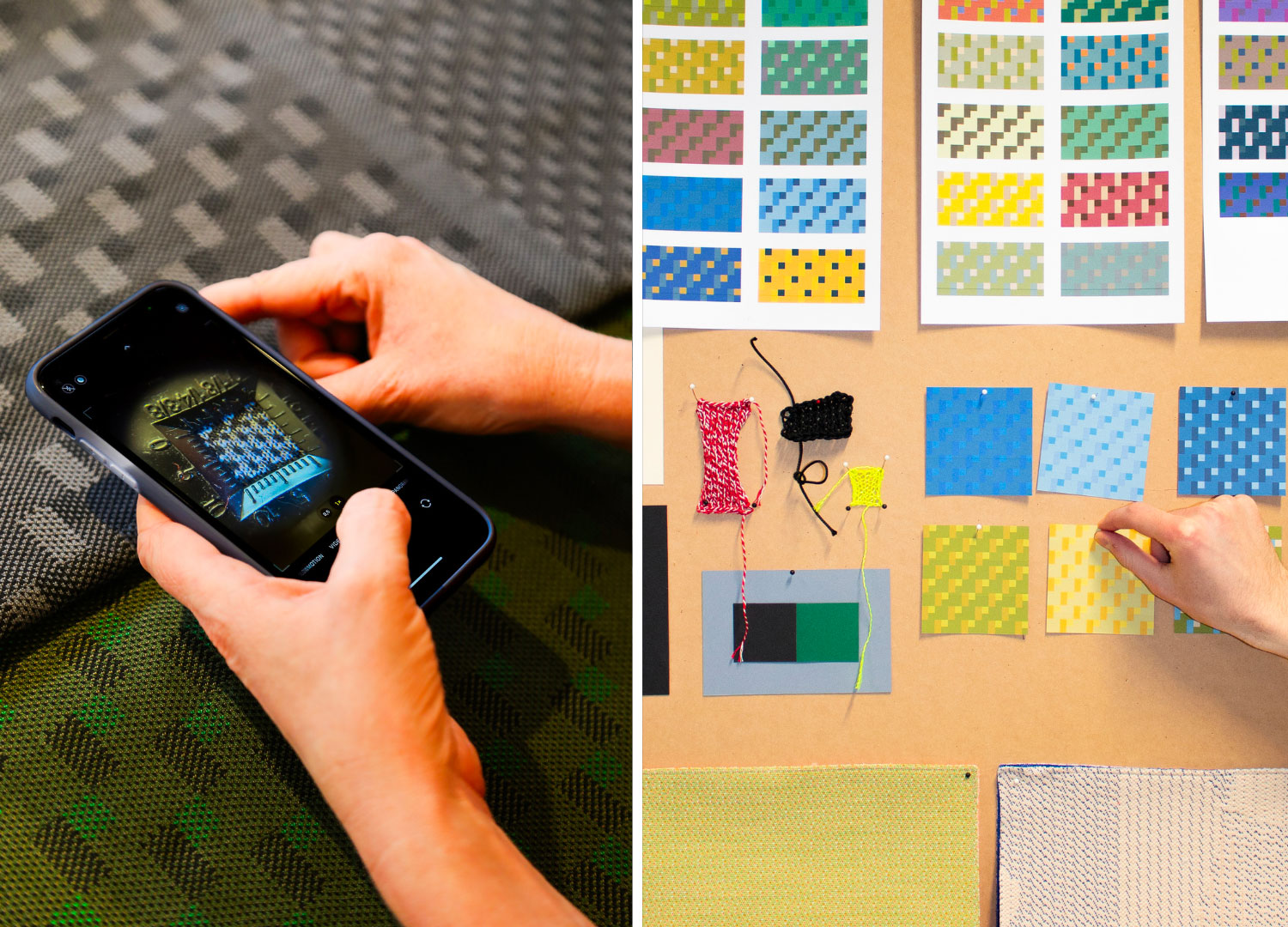
The system is based on a “from yarn up” logic: rather than selecting from existing materials, textiles are designed starting from the yarn itself. Composition, structure, color, and function are defined simultaneously, with the added capability of designing directly on-pattern, thereby eliminating the need for roll-based cutting processes that typically generate unnecessary waste.
No textile exists in storage awaiting demand; instead, each material is produced only when required, accompanied by a Textile Passport that documents materials and processes across the entire supply chain. In doing so, Byborre introduces a model to the textile industry that moves away from sourcing and toward a system genuinely driven by design – one that responds to specific needs and concrete demands.
The visions of Byborre and Form Us With Love converge in IRIS, presented during the Testing Grounds Showroom? in Stockholm. The showroom is an extension of the broader Testing Grounds program, a format designed to allow design to be experienced not as a constellation of isolated objects, but as part of a functional whole. Over the course of four months, the space hosted a series of talks, live events, and workshops exploring the role of the physical environment within an increasingly digital industry. Within this context, IRIS stands as a case study of a philosophy applied in practice: an approach to design and production that positions design as a system and a driver for change, rather than a product to be consumed.
Developed through the integration of industrial data and cultural references, IRIS is the first textile collection by Form Us With Love, created in collaboration with the Dutch textile company Byborre. As the studio explains, textile design is approached as a natural extension of its practice, developed through the same methodology used in product design, merging industrial logic with cultural insight.

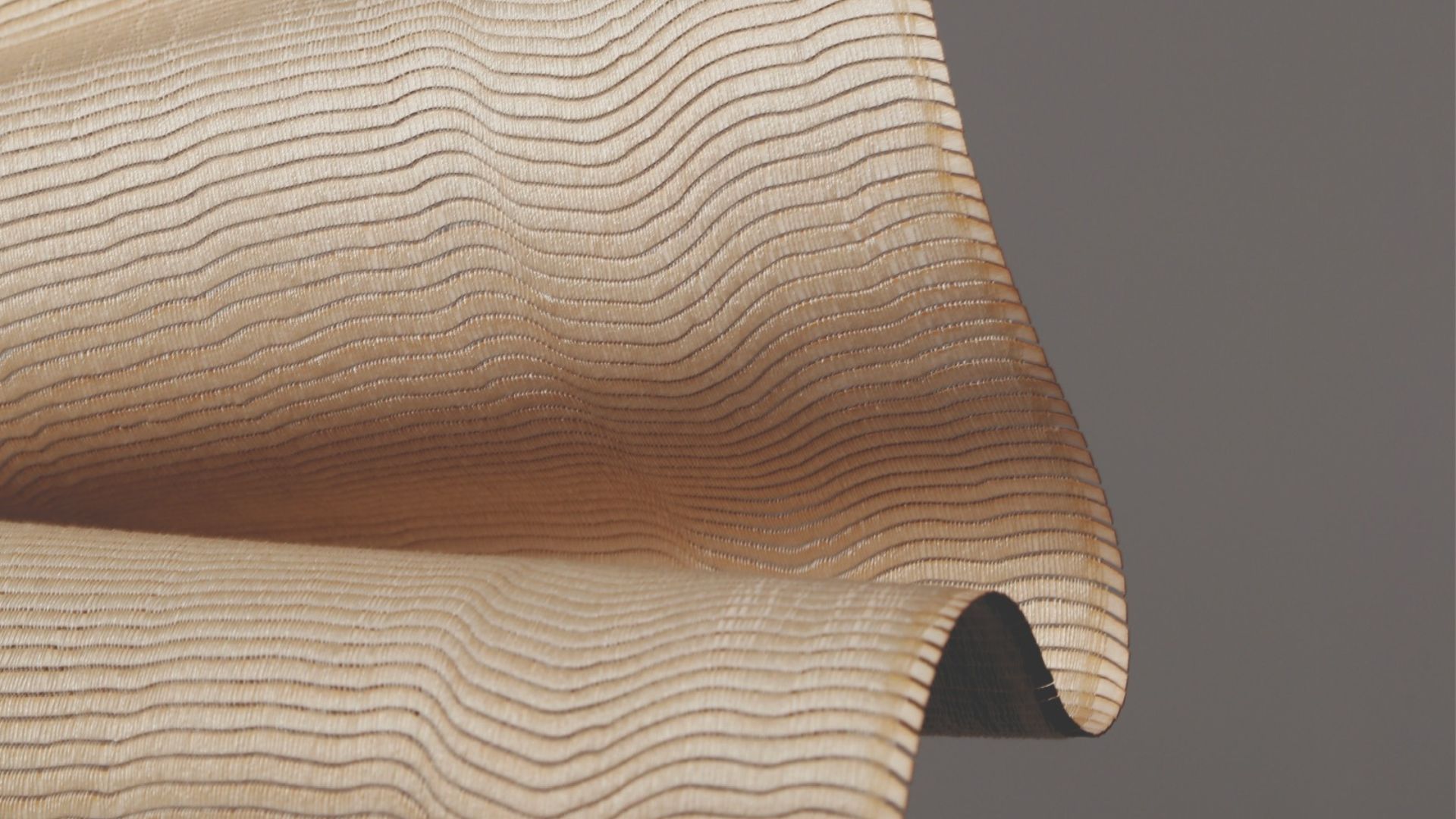
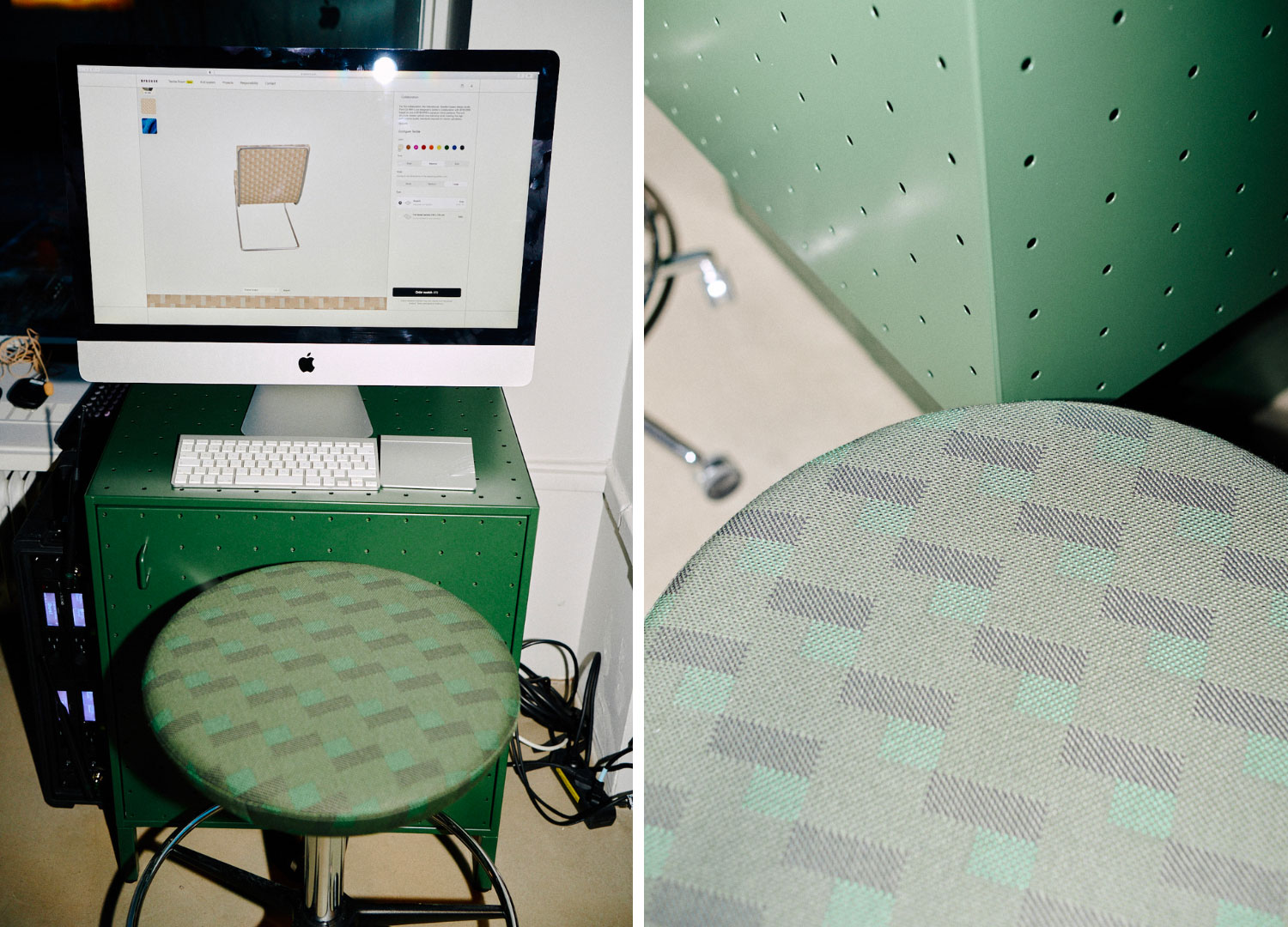
The textiles are constructed using micro-patterned knitted structures capable of generating optical colour blending, while ensuring the durability and performance required for contract and interior applications. Colour is treated as a functional layer, defined through a controlled and architectural palette designed for longevity. The complexity of the material emerges through layering and variations in scale, with details that become progressively visible at closer range.
The resulting textiles are applied, among other uses, to the Spine seating system – designed by Form Us With Love in collaboration with Savo – and presented in 3 colour ways – red, blue and green and in 3 different scales – small, medium and large. The finished textiles will be added to BYBORRE’s Textile Room and eventually be available in a full spectrum of 27 colours.
While we get caught up in assigning blame for one environmental disaster after another, the collaboration between Byborre and FUWL represents a construction site for building a new model of design, and, consequently, of consumption and purchasing. At its core is no longer the idea of producing to consume today and discard tomorrow. Instead, the focus is on designing in a more “scientific,” if you will, and rational way: based on real needs and actual demand, while constantly considering how the product will have an impact today, tomorrow, and for decades to come.