A disposable camera designed to outlast the last shot
With FF-1, FOTOFOTO turns the disposable camera into a circular design project, where real value emerges after the last frame through return, regeneration and a new life.

For decades, the disposable camera has embodied one of the most contradictory objects in contemporary visual culture. On one hand, it made analogue photography accessible, spontaneous and democratic; on the other, it was designed to exhaust its purpose quickly and become waste. An iconic object, inseparably tied to a linear and short-sighted model of consumption.
With FF-1, FOTOFOTO intervenes precisely at this point of tension. Rather than eliminating the disposable camera, the brand chooses to rethink it entirely. The result is a camera that does not truly end after use, but re-enters a cycle: a project that transforms a symbol of disposability into a circular design system, combining analogue photography, upcycling and responsibility.
Gallery
Open full width

Open full width
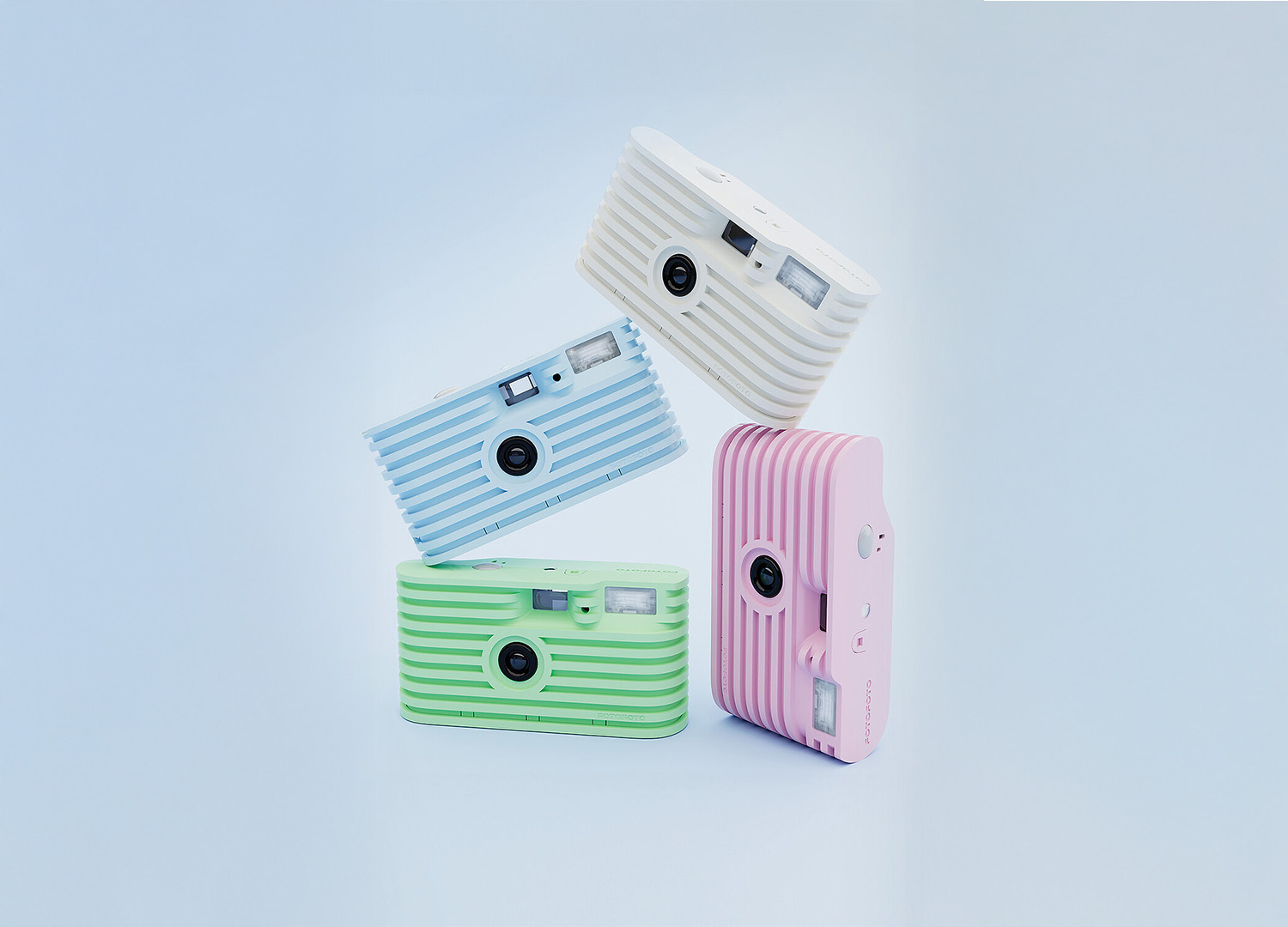
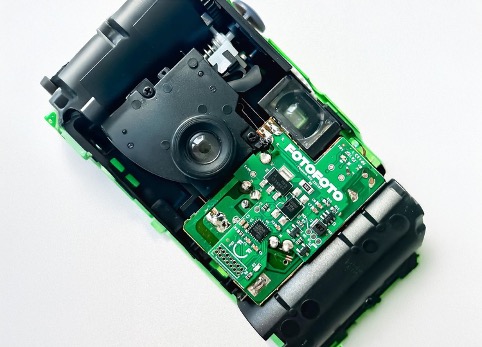
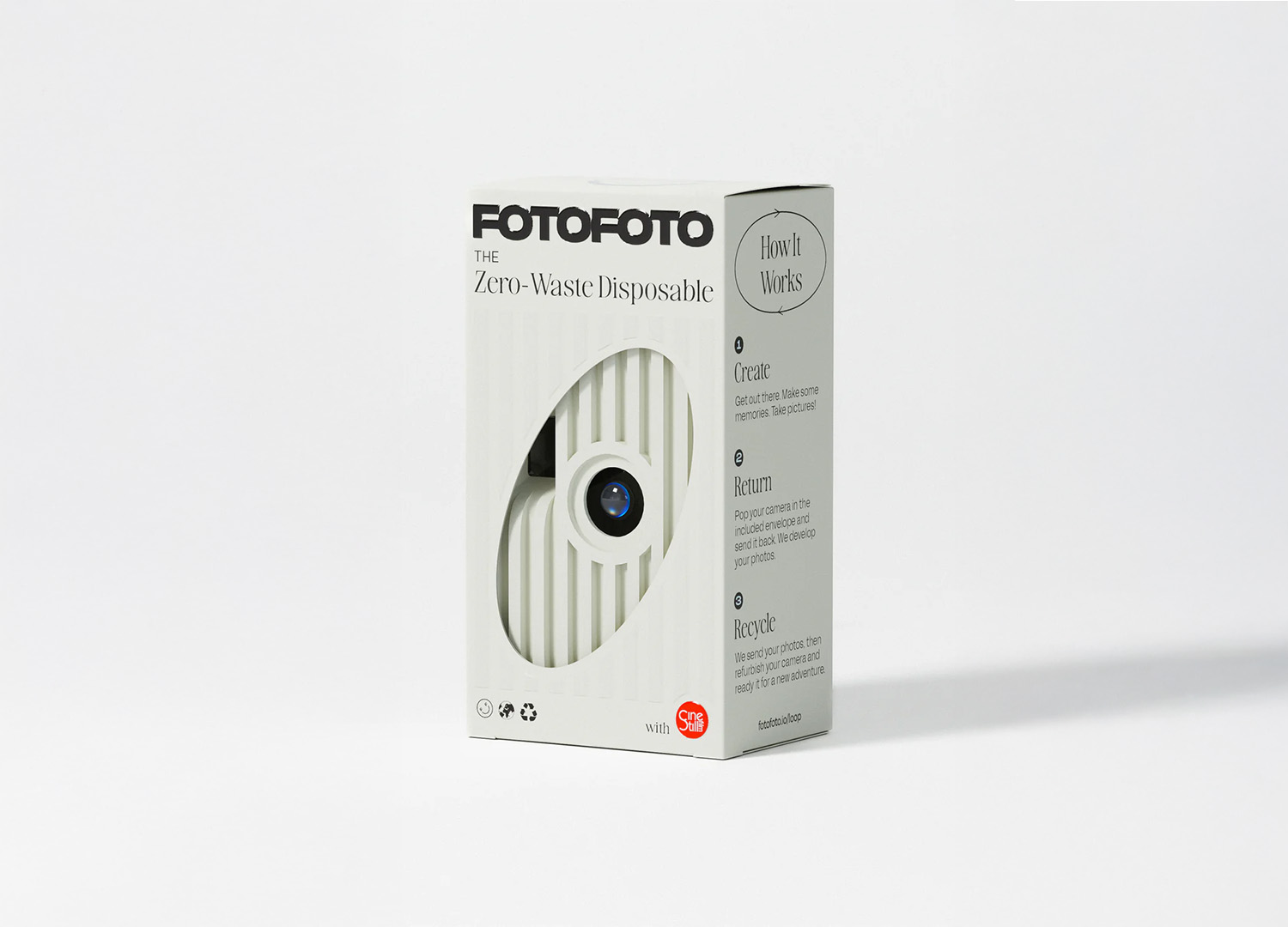
FF-1—also known as The Zero-Waste Disposable—is a 35 mm analogue camera that retains the simplicity and immediacy of traditional disposable models, while radically reworking their life cycle. Its body is made using recycled materials and components recovered from discarded cameras. What would normally be considered waste becomes the starting point for a new object. The design does not attempt to conceal this origin; instead, it embraces it, turning “trash” into a visible and intentional design value.
From a functional perspective, FF-1 is designed to deliver a reliable photographic experience without sacrificing ease of use. It comes loaded with colour film and features an automatic flash system developed to improve exposure reliability—addressing one of the most common shortcomings of classic disposable cameras. The result is an object that feels familiar yet refined, offering a return to analogue photography that aligns with contemporary expectations.
Yet the most distinctive aspect of the product lies not in the object itself, but in the system built around it. FOTOFOTO has developed a circular method that actively involves users even after the final shot is taken. Once the roll is finished, the camera is not discarded. Instead, it is sent back to the brand using a return system included in the packaging. This step—often overlooked in sustainability-driven projects—becomes a core part of the experience.
It handles the film development, providing users with digital scans or prints, while simultaneously regenerating the camera. Each device is inspected, reloaded with new film and reintroduced into the production cycle, ready to be used again. In this process, the disposable camera ceases to be an end product and becomes a recurring element within a continuous loop.
This approach shifts the focus from the object to the design system that sustains it. FF-1 is not simply a camera, but a piece of infrastructure—one that connects production, use, return and regeneration. Design, in this case, goes beyond form and function, structuring a process that makes the product’s life cycle visible and understandable.
Culturally, FOTOFOTO’s project fits into a broader reflection on the role of design in the context of environmental responsibility. Rather than relying on symbolic gestures or abstract sustainability claims, FF-1 operates on a familiar, everyday object. It demonstrates how even the most ordinary products can be reimagined through circular thinking, without losing their accessibility or appeal.
This ability to transform an icon of disposable culture into a responsible design model has also been recognised internationally. It has received a Red Dot Design Award, acknowledging not only its aesthetic qualities but, above all, its systemic approach. The award highlights how the project successfully integrates sustainability, functionality and user experience into a coherent whole.
At a time when design is increasingly called upon to confront its environmental and social impact, FOTOFOTO proposes a concrete and replicable alternative. FF-1 shows that meaningful change does not necessarily require inventing new objects, but rather rethinking existing ones—and, more importantly, the systems that govern them.
A camera that doesn’t end with the last shot thus becomes a quiet but powerful statement: an example of design that does not merely produce objects, but builds continuity, responsibility and renewed value over time.