Small, rooted, and future-thinking: why independent design festivals matter
In a design world increasingly colonised by brand spectacle, Gentler Futures Festival in Lisbon is asking whether design can move in the opposite direction.
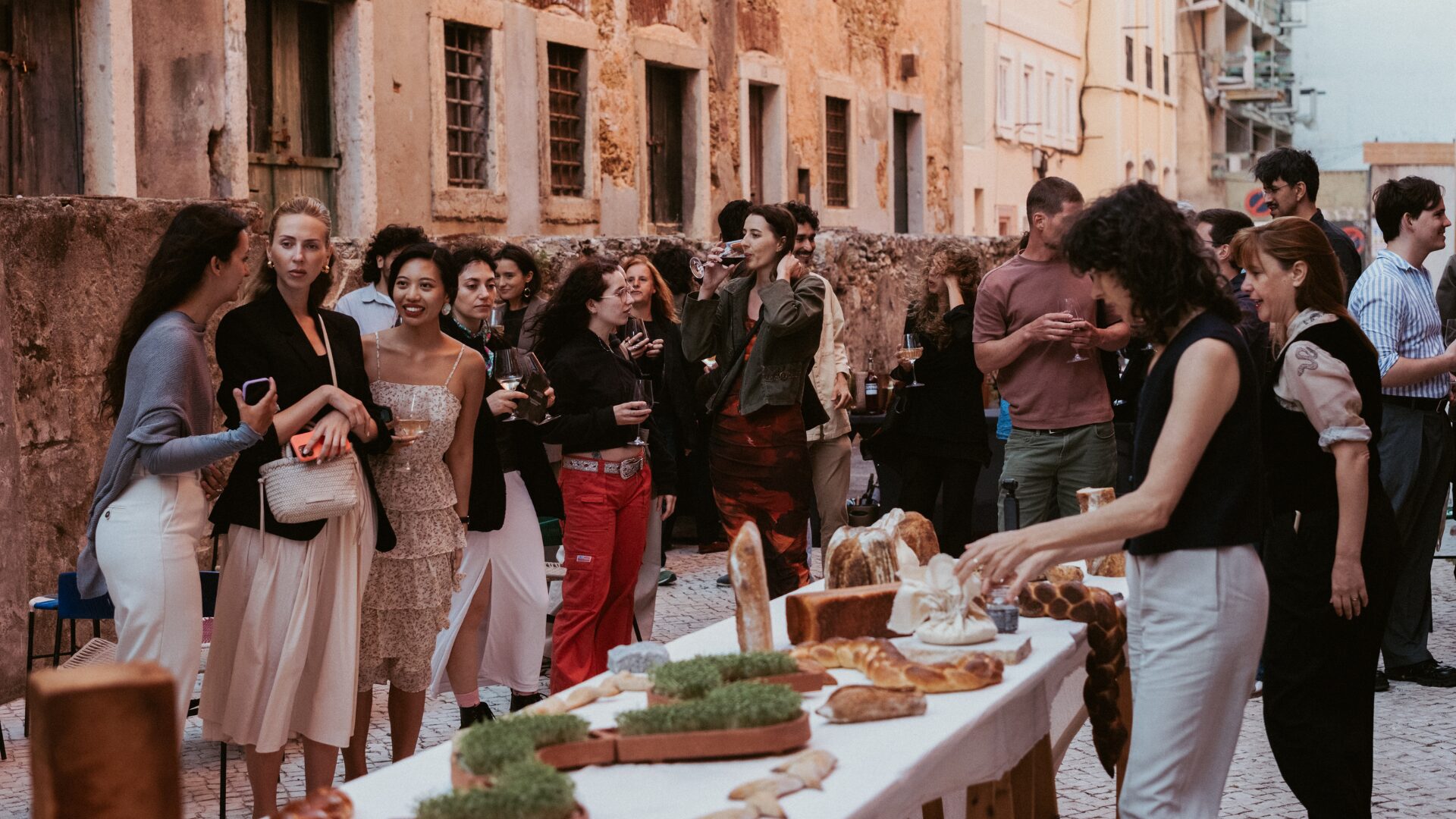
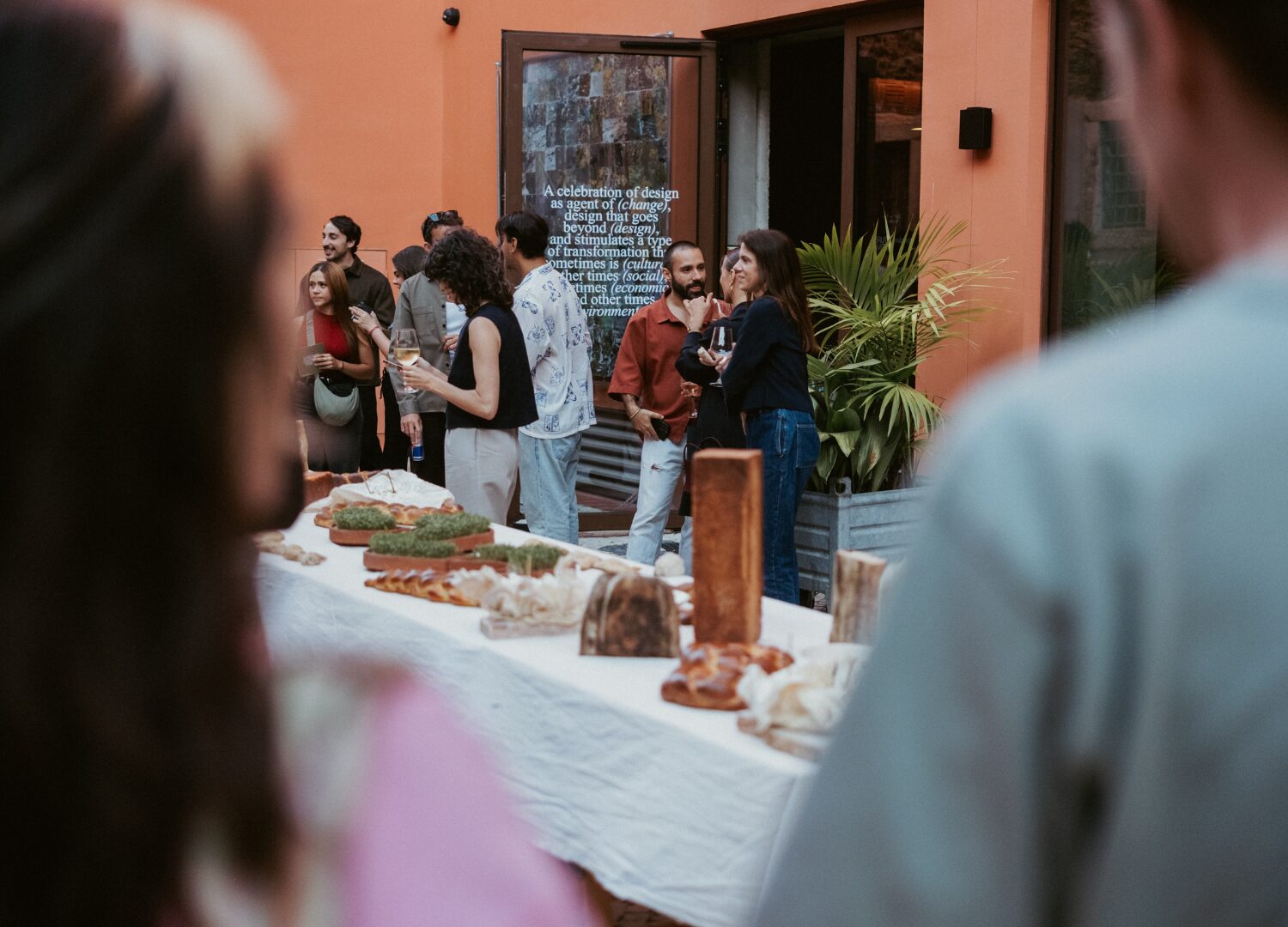
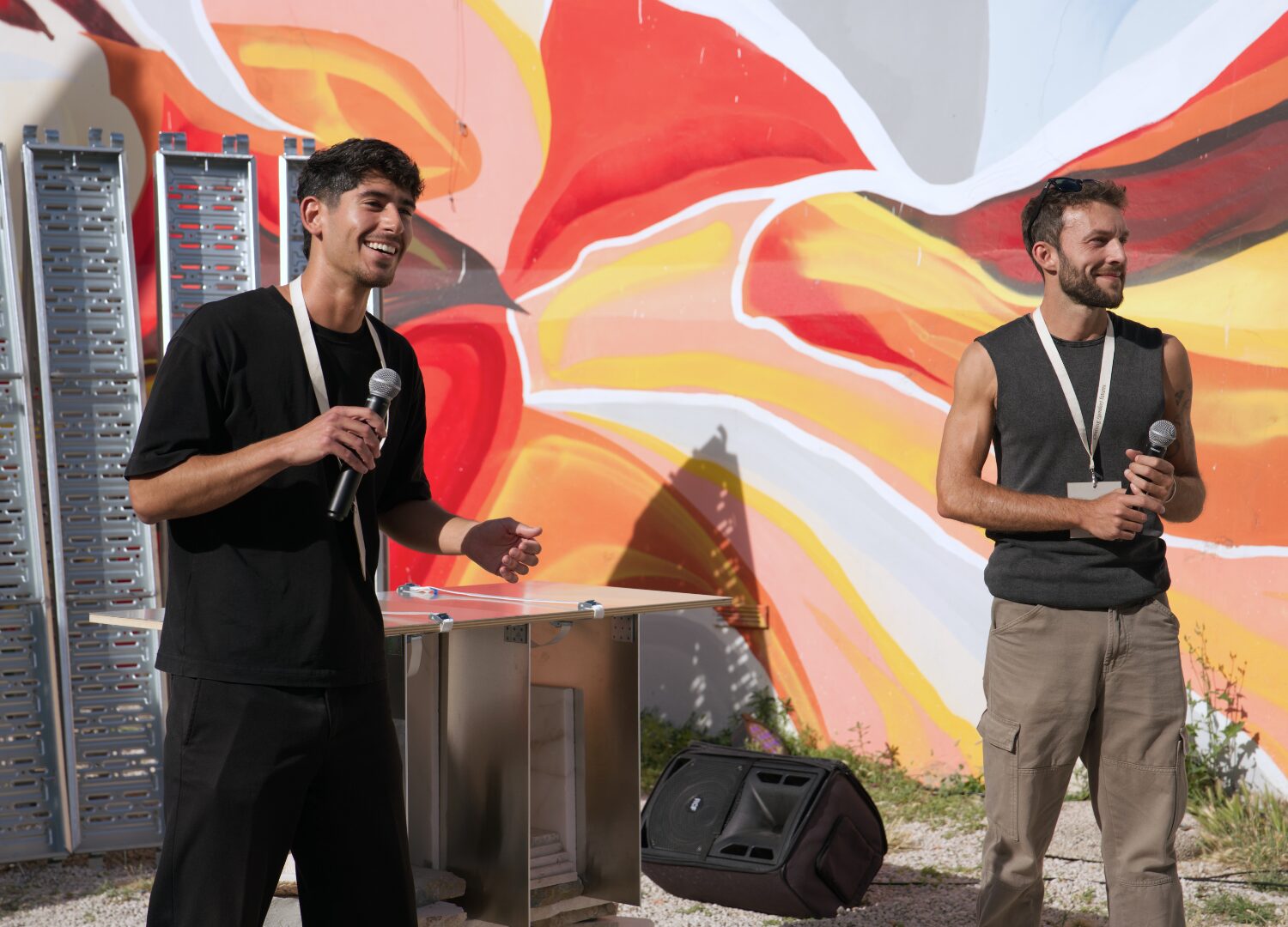
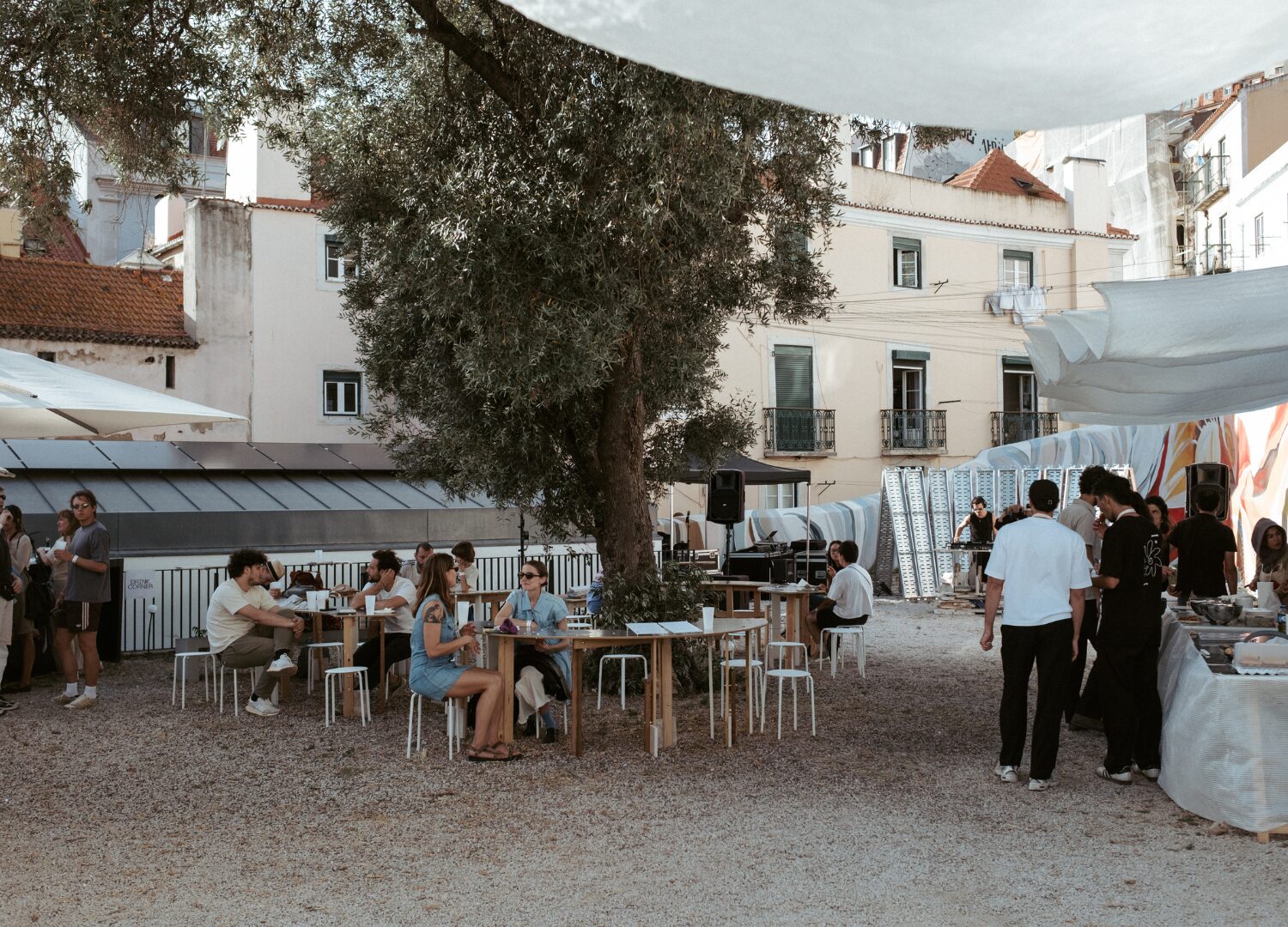
Gentler Futures Festival, now in its third year, took place on June 5 and 6, 2026, at Mouraria Creative Hub, JAM Lisbon, and Bio Lab Lisboa in Lisbon, Portugal, a two-day gathering of designers, researchers, activists, and makers working on what the festival’s organisers call “society-centred, life-centred, and planet-centred design.”
The language alone signals a departure from the dominant register of the industry, especially of recent design festivals. There are no brand installations here, no mood boards for luxury consumers, no hustling press rooms, but simply interesting conversations, innovative projects, and chances to truly think about reinventing how design works.
Gallery
Open full width
Open full width
Gentler Futures Festival:
By the End of May
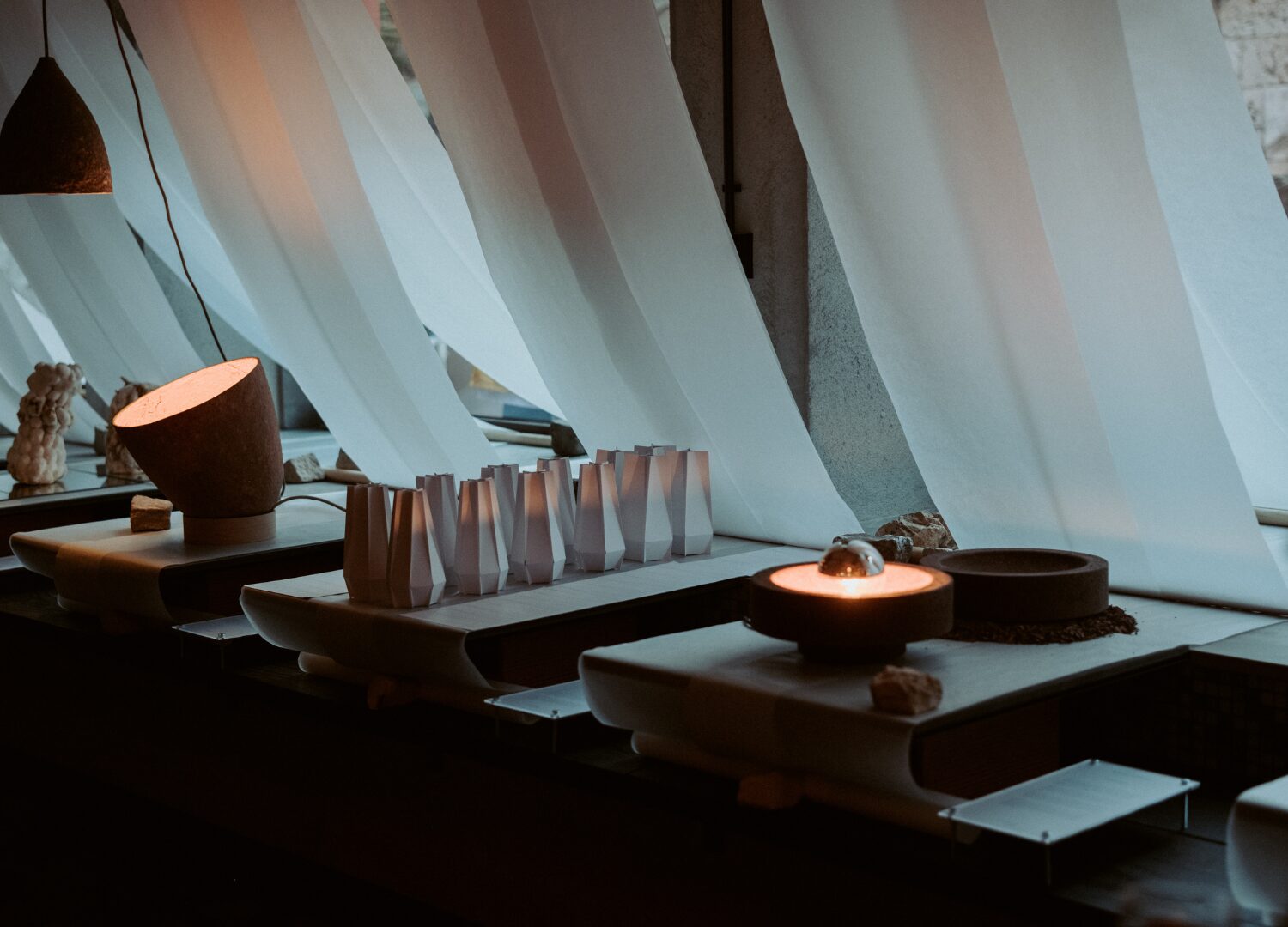
Gentler Futures is a not-for-profit initiative by By the End of May, a Lisbon-based research and design studio. The practice circles questions that the mainstream industry rarely poses, wondering how we can reshape the way we make things. Their projects have looked at a variety of topics, such as investigating manufacturing within cities rather than offshore, or how our relationship with objects would change if we knew the people, resources, and ecological costs behind them. A key interest of both the studio and the festival is sustainability and designing for more-than-humans, which comes across through biomaterial investigations, research on planting systems, or post-consumer processing.
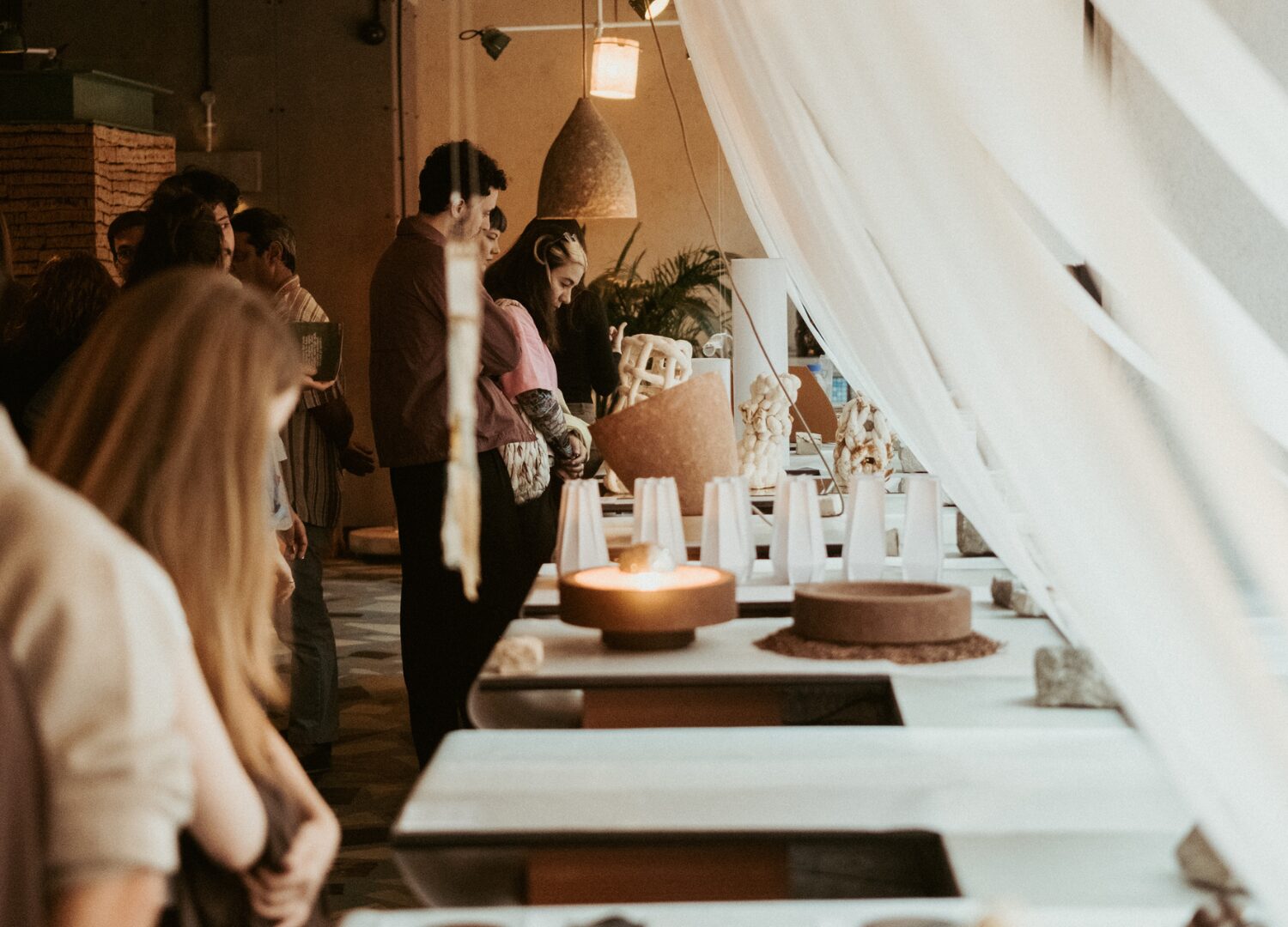
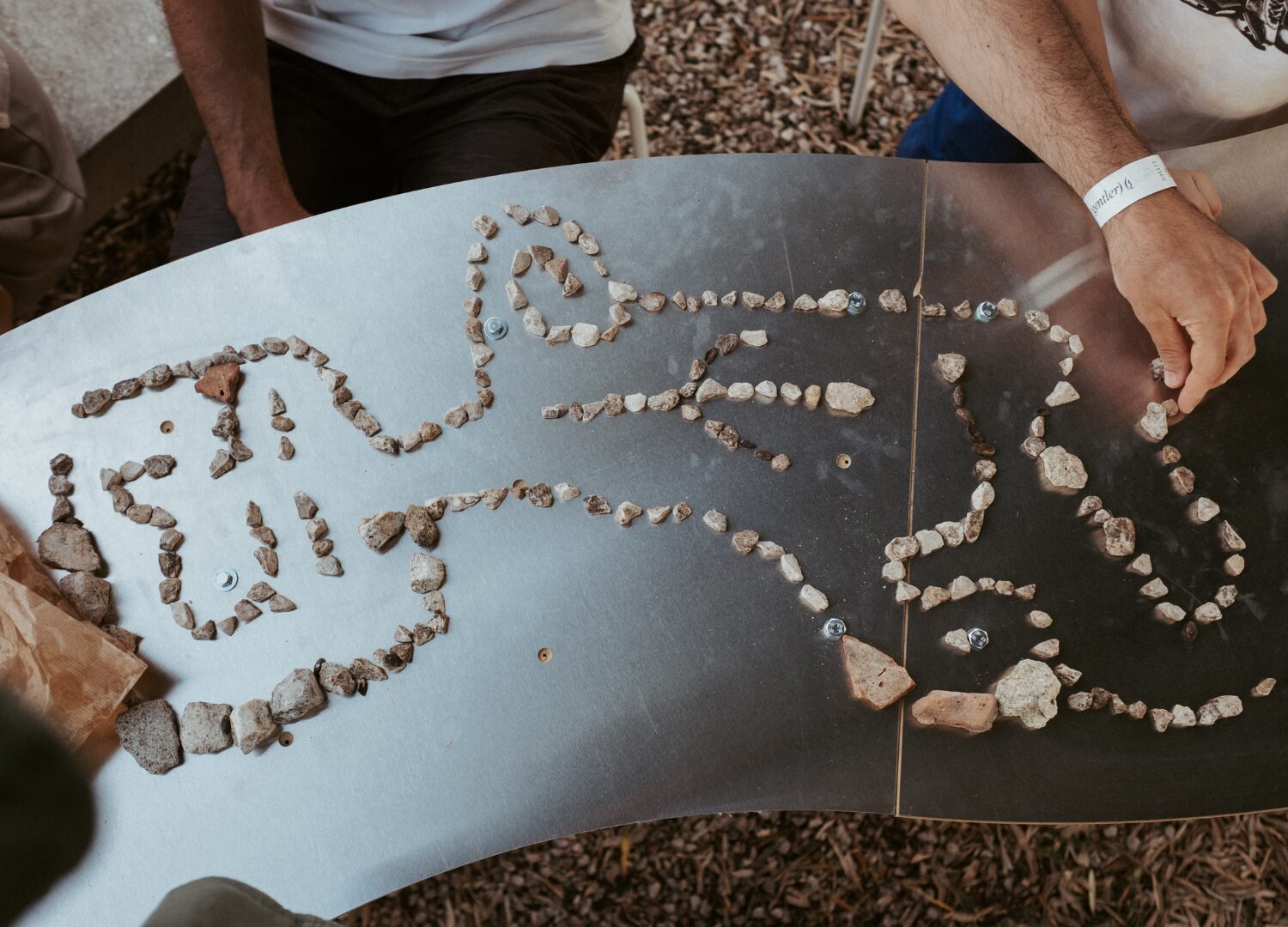
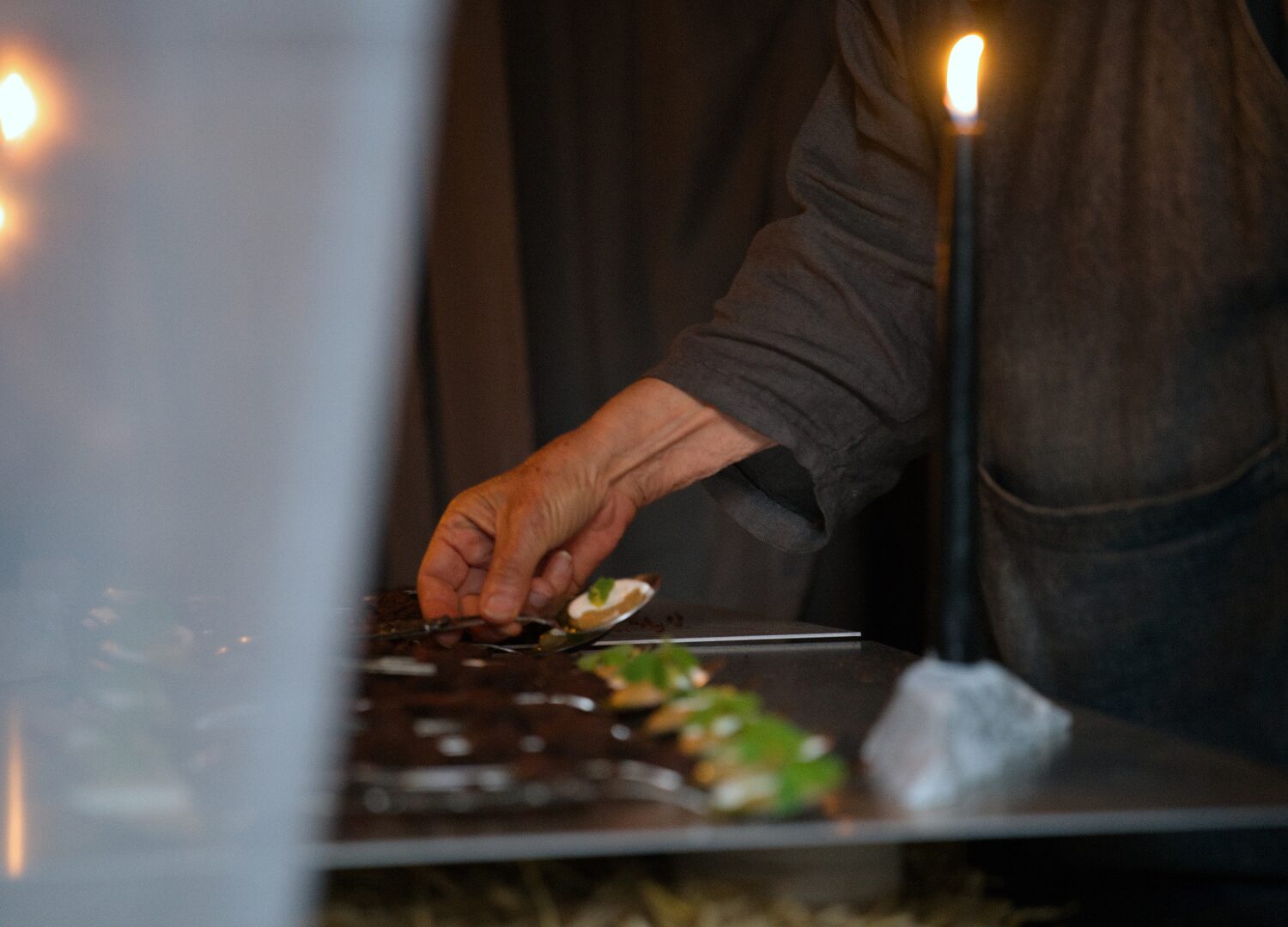
The festival is an extension of their research into public space. The 2026 line-up runs 49 participants across exhibitions, installations, performances, talks and workshops. The breadth is notable: for example, Interspecies Internet, a project exploring communication and cohabitation between human and non-human animals, shares the programme with Phyta Biodesign, working on abiotic architecture for living systems. Grounds of Care x Studio Method host a workshop on soil regeneration through cooking, while Pousio runs a performance called “unearthing petroglyphs“, investigating a new symbolic language of Alentejo’s cup marks.
Independent formats are rising
What Gentler Futures represents is part of a broader, uneven, but present shift happening at the margins of the design world. Across Europe, small independent realities have been proliferating, creating projects and events built not around the market but around the discipline. Vienna Design Week, organised by an independent association, has exploded the social and urban dimensions of design beyond product aesthetics. EDIT Napoli, founded by Domitilla Dardi and Emilia Petruccelli as a showcase for designer-makers and small manufacturers, acts as an independent counterpoint to the Milanese corporations found in the north of the country. In Stockholm, when the official Furniture Fair was cancelled, the independent Stockholm Creative Edition stepped into the gap.
These events do share a few relevant characteristics. They are often small by choice, providing a better curatorial practice. They tend to be city-embedded rather than fairground-bound, using existing urban spaces as venues that carry meaning in themselves. They are often cheaper or free to visit, widening access beyond industry professionals and buyers who traditionally gatekeep design discourse.
Producing disciplinary value
The mainstream design industry’s relationship to sustainability has become a credibility problem: greenwashing is endemic, material claims are hard to verify, and there are basic contradictions between the shows’ tendencies towards luxury and their ecological footprints. Gentler Futures works because it is a show built to question and improve the design discipline at its core, not just sell it off. By featuring practices that usually sit outside product logic, like biomaterials research, speculative performances, or interspecies work, it can actually enrich the mainstream discipline directly by providing exposure to new ways of doing and thinking.
Gentler Futures Festival and By the End of May are helping build a vocabulary, a set of references, and a professional network for designers who want design to mean something other than what it currently does for most of the world. To sum it up in their own words, “in a society that wants the future to be faster, brighter, smarter, leaner, edgier, more convenient, more profitable, more high-tech and more automated, let’s just go gentler.”