IKEA FRAKTA redesign: recycled materials and a new construction process
The update to the familiar blue bag focused on its material composition and manufacturing, preserving the appearance and practical functions that made it an everyday staple.
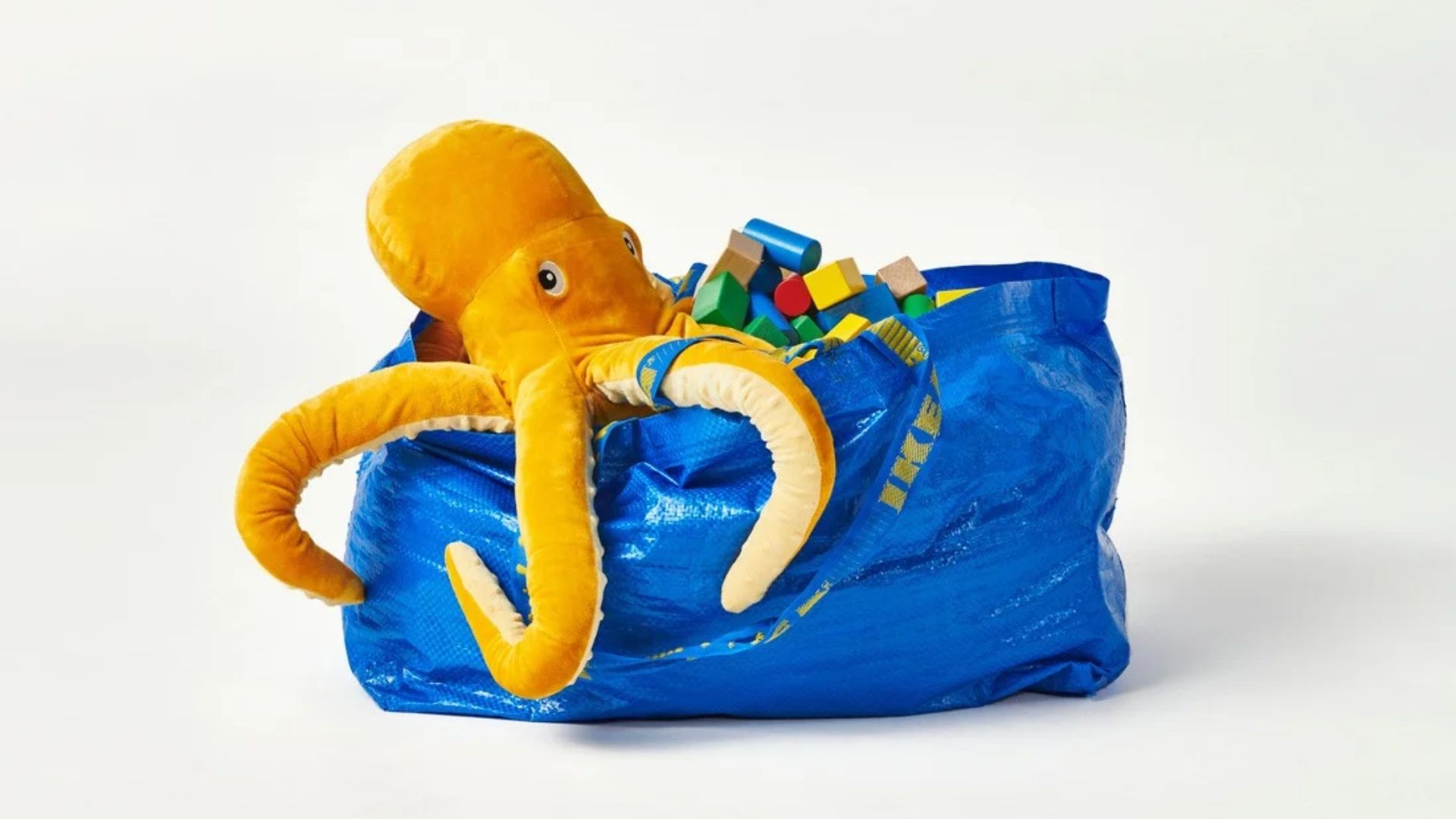
In short – IKEA updated the 36- and 71-litre FRAKTA bags with at least 90% recycled material and handles fused into the bag body, replacing their previous manually stitched attachment. Presented as part of FRAKTA’s 30th anniversary, the redesign retained its blue colour, carrying capacities and low-price positioning.
IKEA FRAKTA redesign – Highlights:
Reworking the material composition
The development team at IKEA of Sweden spent several years revising FRAKTA’s material composition. The brief was to increase recycled content while retaining the strength, durability and recognisable appearance of a product sold in more than 44 million units worldwide each year, according to IKEA.
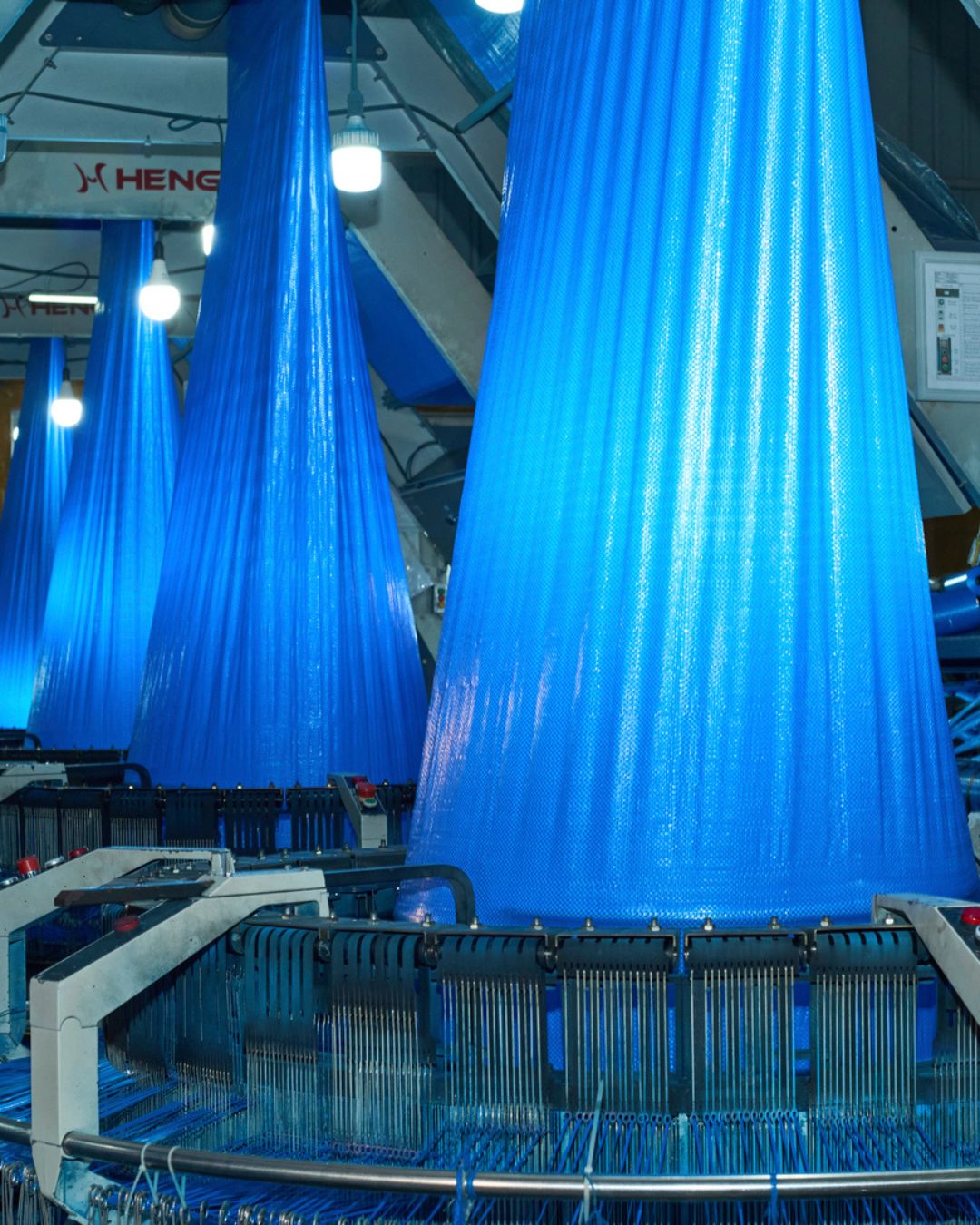
The updated bags incorporated a combination of pre-consumer and post-consumer recycled plastic. At least 70% of that recycled content came from packaging waste from the food and plastics industries, including plastic food containers and large bags used for milk powder.
A small proportion of virgin polypropylene helped maintain the required strength, while blue pigment preserved FRAKTA’s characteristic colour. The 71-litre version retained a carrying capacity of up to 25 kilograms, and the 36-litre bag up to 12.5 kilograms. Both underwent testing against IKEA’s quality and performance requirements. The material changes applied specifically to these two carrier bags, rather than the entire FRAKTA range.
A different way to attach the handles
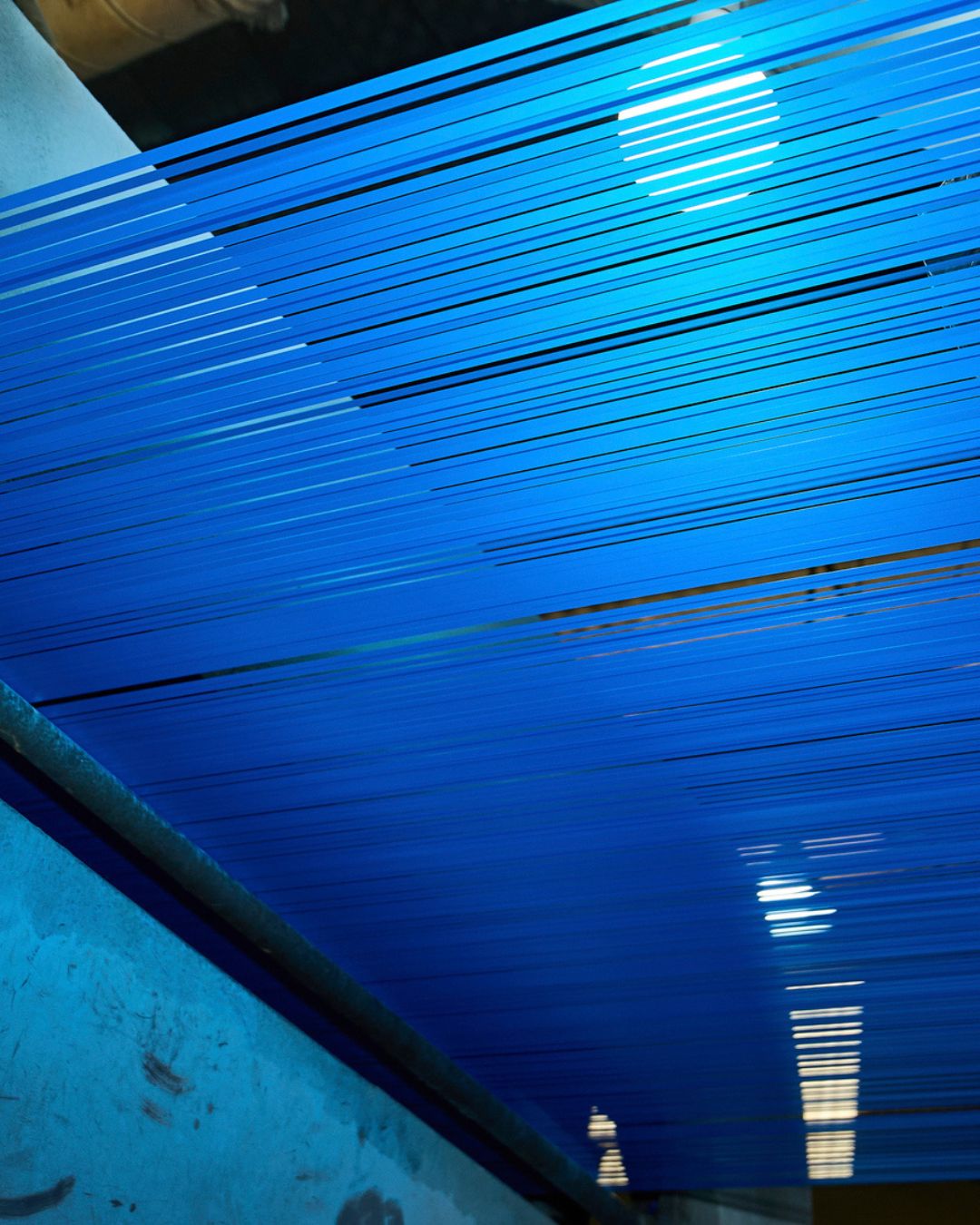
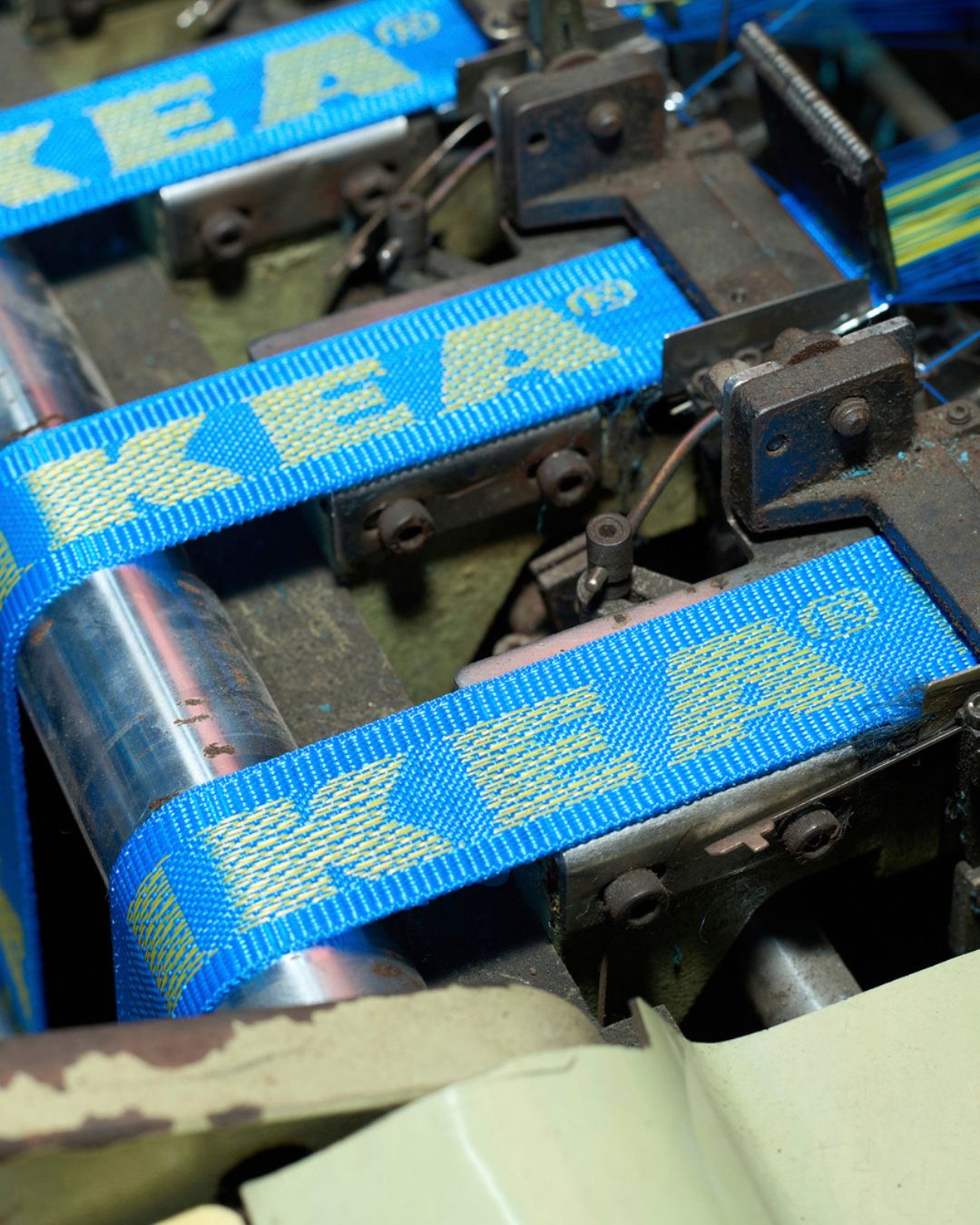
The redesign also changed how the bag was assembled. Previously attached through manual stitching, the handles were fused directly into the material as part of an automated production process. Both the body and handles used the same material base: polypropylene with recycled content. This required adjustments beyond substituting one plastic feedstock for another. Recycled polypropylene needed additional processing and quality control, while producing the narrow handle webbing from the same material introduced further manufacturing challenges.
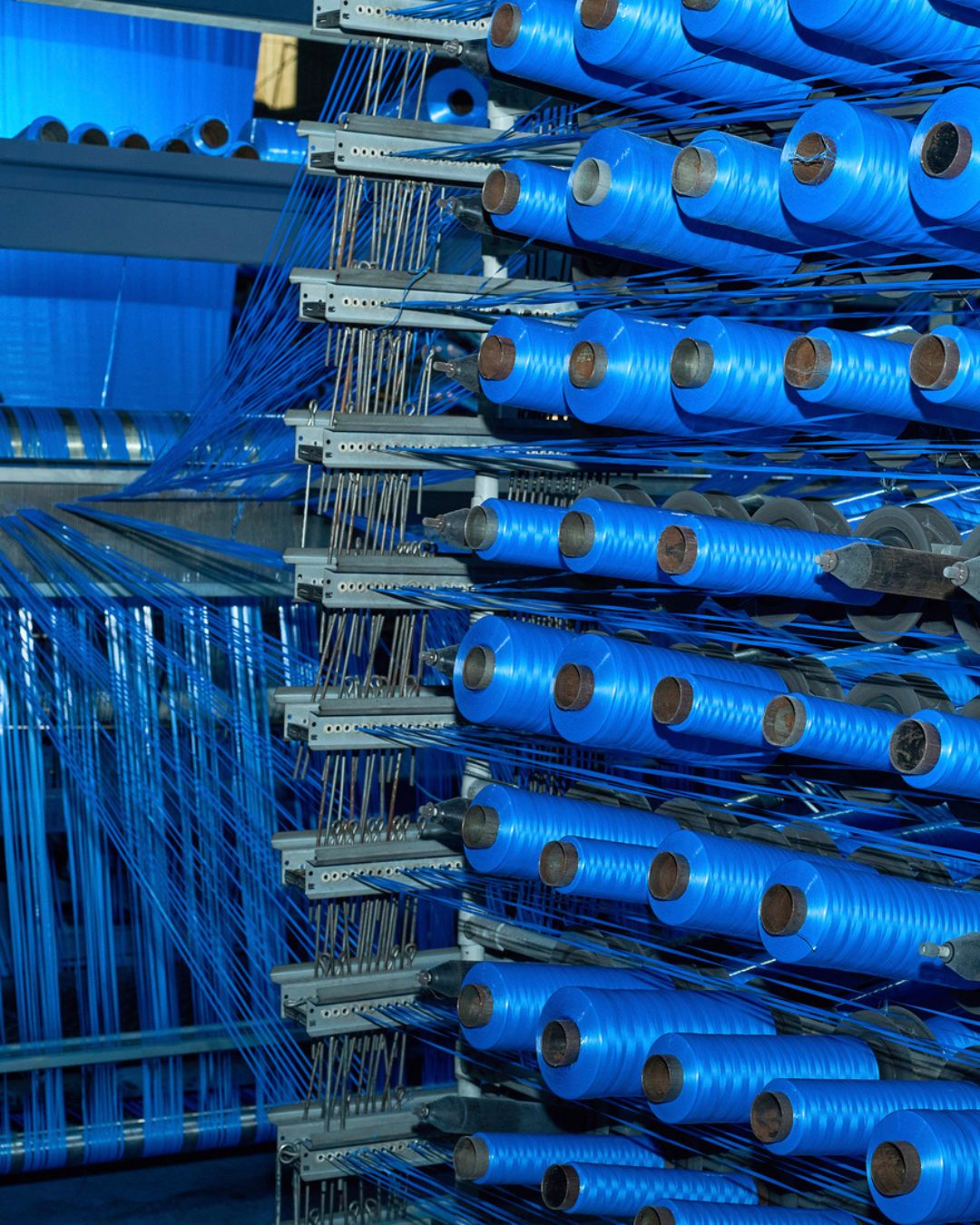
IKEA’s account of the development process described how plastic packaging and factory waste were sorted, washed and ground before being melted into film. The film was cut into strips and woven into fabric, then coated to obtain the bag’s shiny, water-repellent surface. Welding formed the finished bag. The handle material followed a separate preparation route, with polypropylene extruded into filaments for weaving. Integrating these components required coordination between product developers, engineers and suppliers.
Production changes supported the update
The revised manufacturing process also addressed the costs associated with using recycled polypropylene. According to IKEA, automation helped offset the additional sorting, processing and quality-control requirements, allowing the bag to retain its low price. Replacing manually stitched handle attachments saved production time and approximately 89,000 kilometres of sewing thread, the company reported. Leftover material generated during manufacturing was collected and returned to the production line to make new bags.
Development work began in 2017, bringing together material research, production engineering and repeated testing. The resulting update changed both the inputs and the assembly method while keeping the product familiar to users.
Thirty years of uses beyond shopping
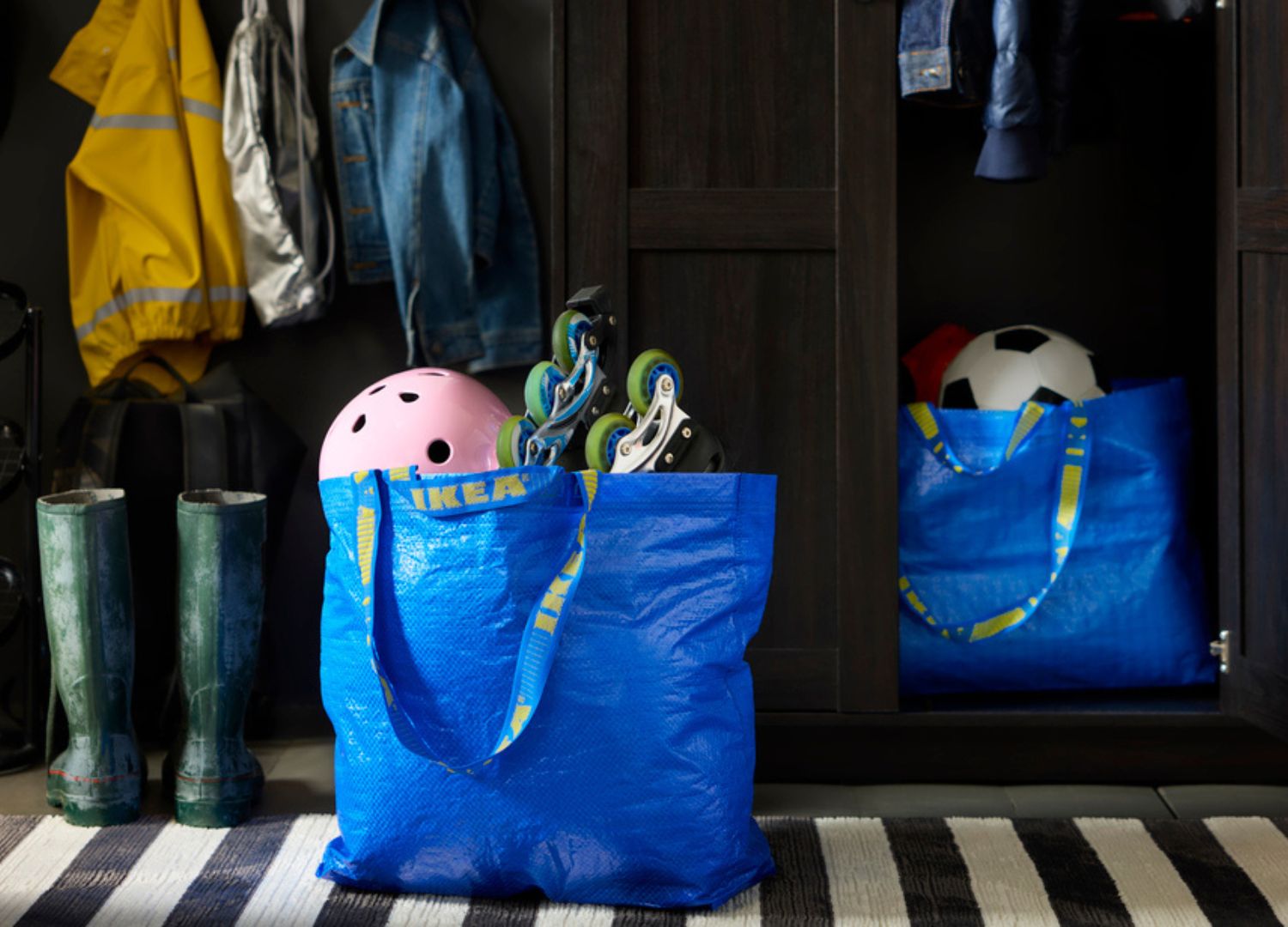
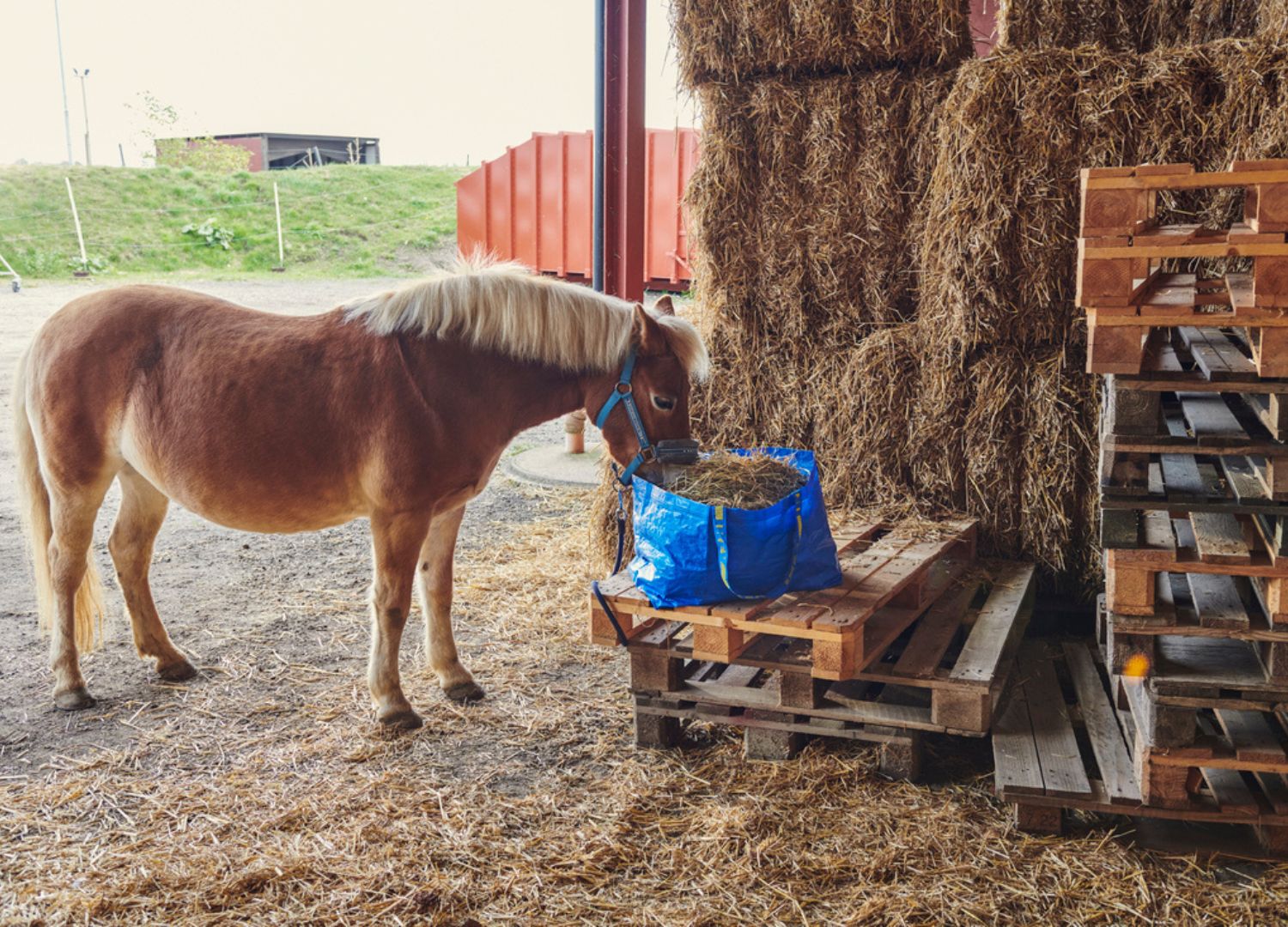
Introduced in 1996, FRAKTA was designed to help customers transport and protect purchases on their journey home from IKEA. Its subsequent uses extended well beyond that original task, from carrying laundry and organising household items to moving belongings and transporting bulky objects.
The Italian announcement highlighted this adaptability: IKEA reported that 65% of people in Italy who had owned or used FRAKTA had repurposed it creatively at least once. These everyday interpretations also featured in “Belli Organizzati”, a photographic project documenting how Italian consumers used the bag.
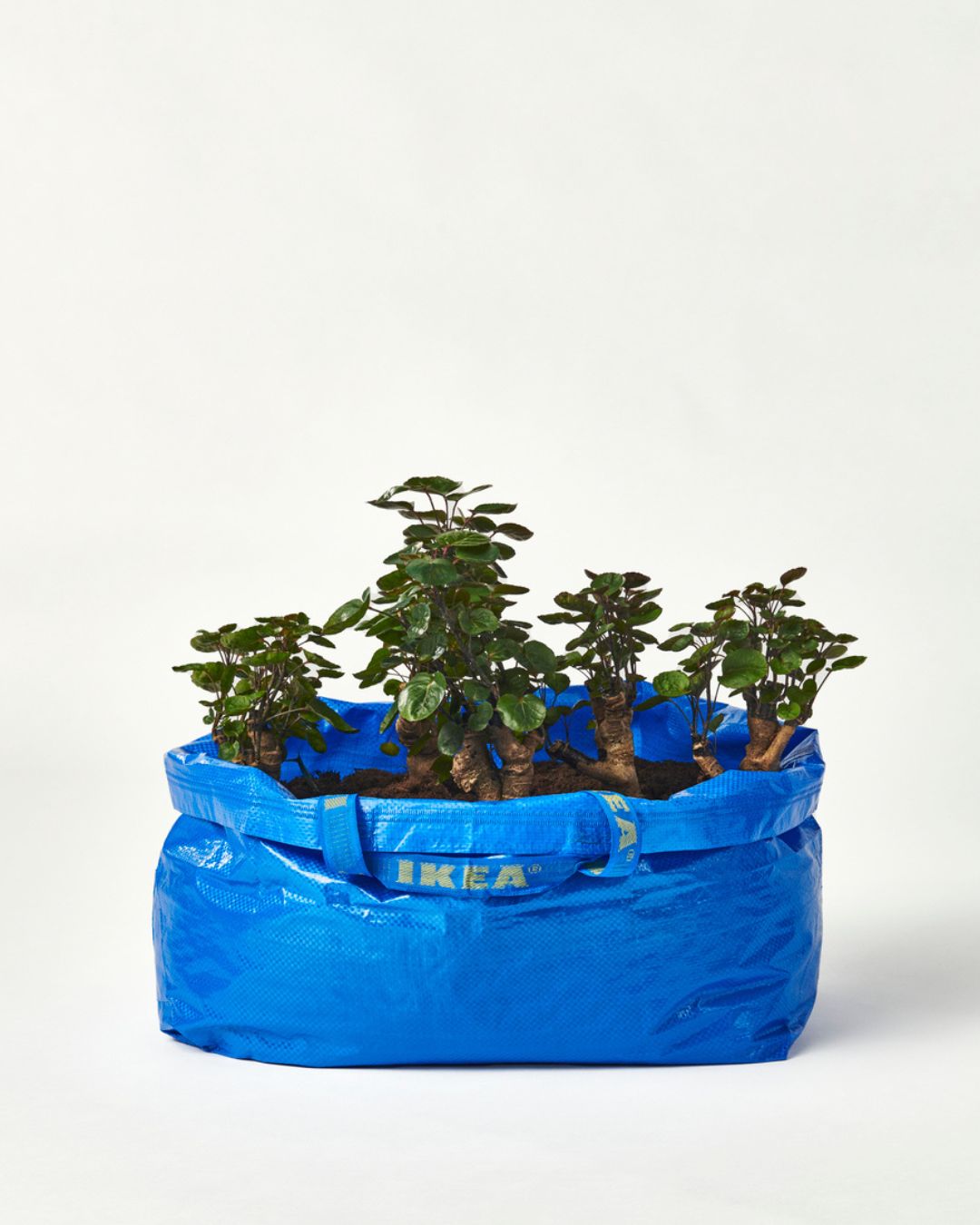
That established versatility formed part of the redesign brief. IKEA retained the capacities and familiar appearance while revising the materials and production behind them. The updated 36- and 71-litre versions were introduced to stores during 2026, with the anniversary announcement documenting the changes behind an already available product.