Innovation and research: 9 design projects from 2025
How is innovation shaping the future of creativity? This series of products and research from 2025 aims to answer that, with inclusivity, sustainability, and well-being emerging as key themes.

This year, our editorial coverage tracked nine technology- and innovation-driven projects launched in 2025, highlighting a growing focus on some of today’s most urgent design themes: from objects conceived to foster coexistence between humans and other species, such as pollinators or small animals, to products designed to improve our well-being and safety.
Some projects demonstrate how new technologies can be applied to provide low-impact solutions, while others suggest new methods of interaction with surfaces and accessories. Among them are also innovative applications related to Universal Design, the branch of design that aims to promote inclusivity for everyone. A series of products and accessories that use technology in an intelligent and thoughtful way, demonstrating how innovation can respond to environmental, social, and human-centered challenges through design.
Gallery
Open full width
Open full width
Tech & Innovation: 9 design picks for 2025:
Host by LAYER and Andreu World
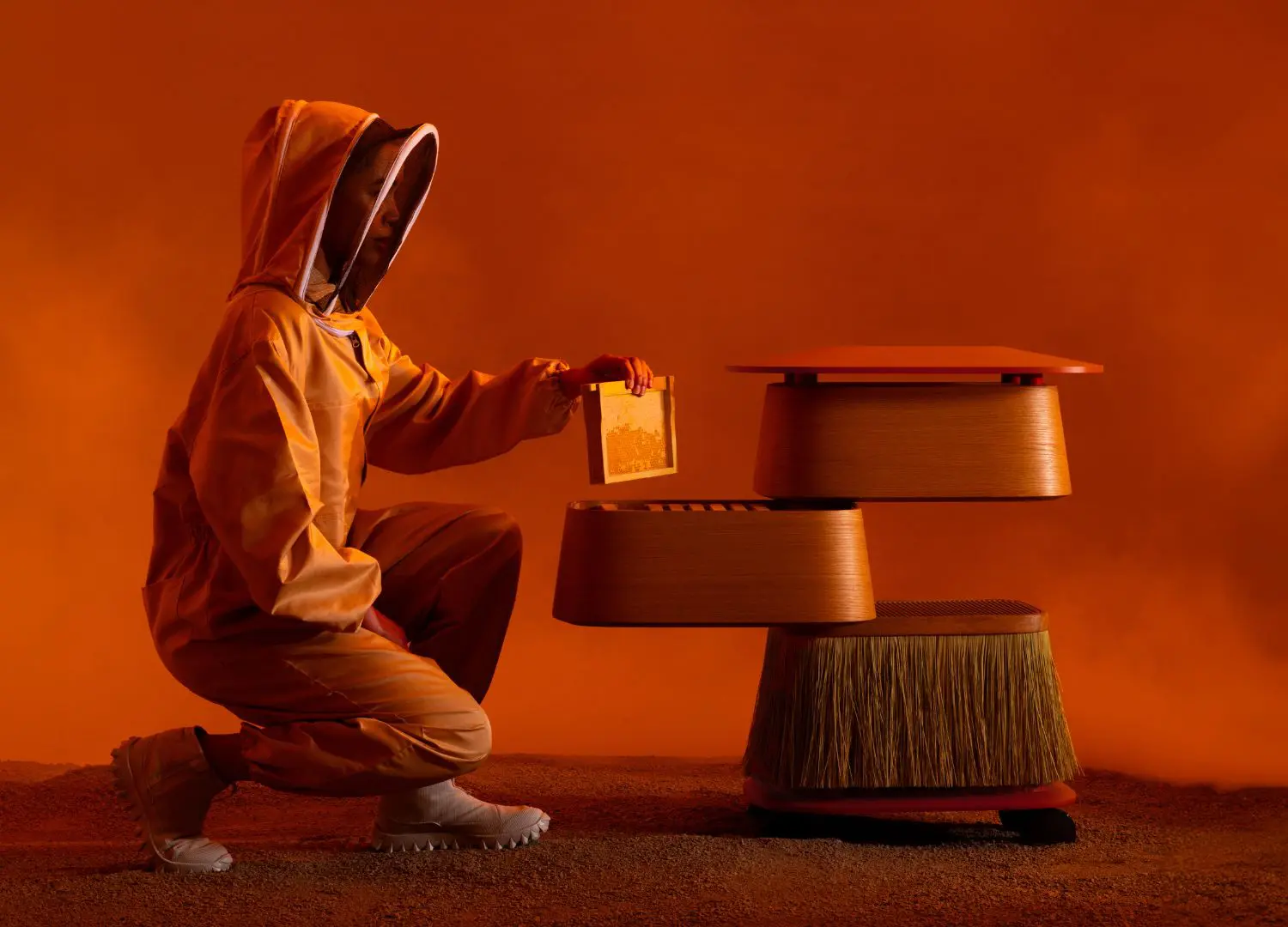
At Milan Design Week 2025, the exhibition 101010 celebrated LAYER’s tenth anniversary with a series of works from the past decade alongside new concepts designed for the future. One of these was Host, designed by the London-based studio in collaboration with Andreu World: an urban hive-sculpture developed in every detail for pollinators.
The structure is modular and stackable, allowing it to adapt to different contexts. Inside, a layered construction protects nesting spaces from extreme weather conditions, noise, and human interference. The chosen materials are insulating, and together with the inclined shapes of the various layers, they promote water drainage and thermal regulation. The result is a product designed to support ecosystems, encourage biodiversity in urban environments, and function as a sculptural element – reclaiming space for other species within our cities and making their presence visible.
OnCue by Alessandra Galli
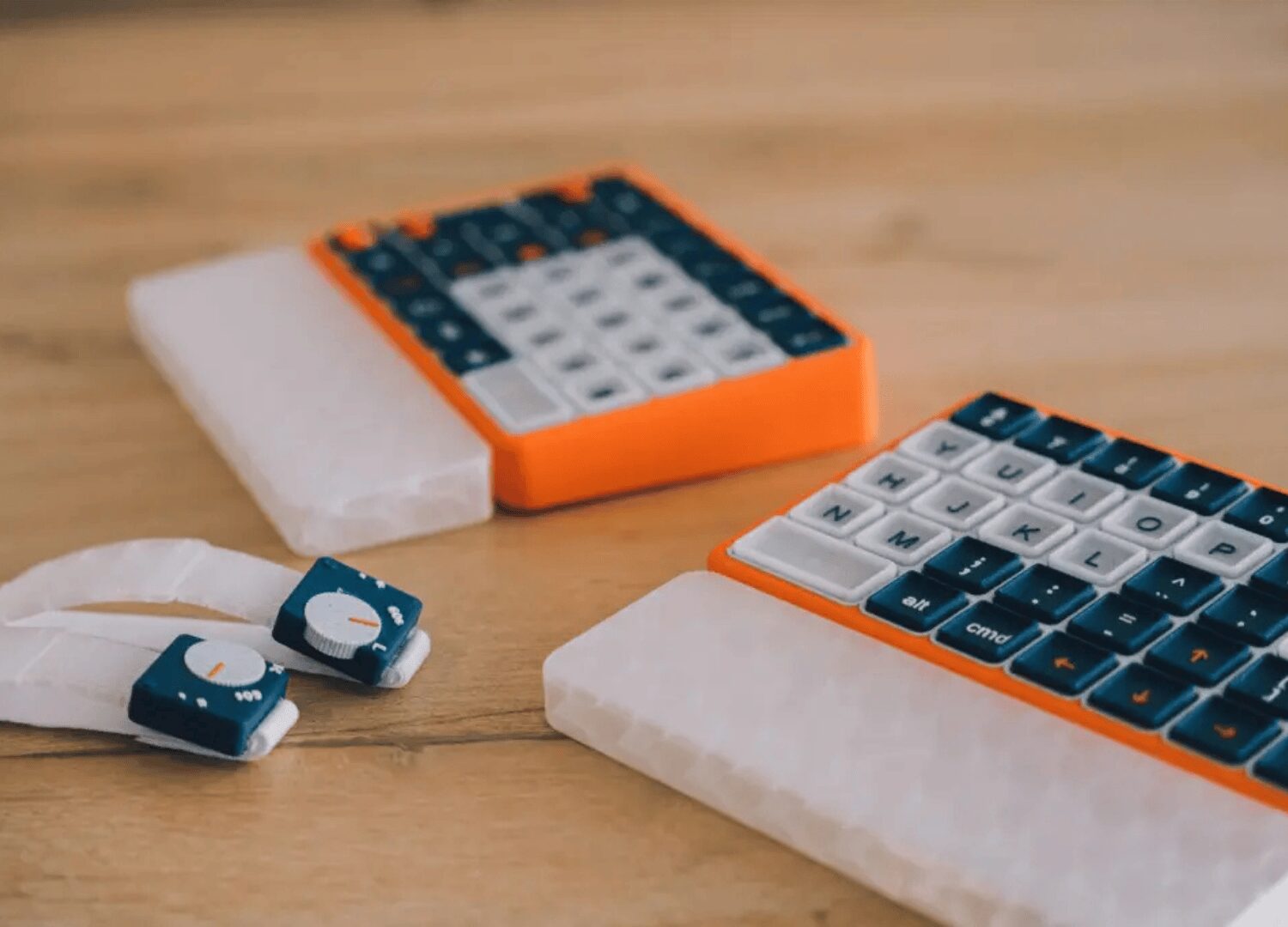
Parkinson’s disease affects over 8.5 million people worldwide, and its symptoms can make even the simplest interactions difficult, including digital ones such as using a computer keyboard. Designed by Alessandra Galli, OnCue is a keyboard developed at TU Delft University in collaboration with the Dutch Parkinson’s Association (ParkinsonNL) to address this issue. Modular and ergonomic, OnCue features wearable wrist supports that combine tactile and visual signals to help manage tremors and slowed movements, improving control and precision.
The keyboard is divided into two modules to encourage a natural posture, while the keycaps feature raised edges to stabilize the fingers and reduce errors. AI-based visual assistance suggests the most likely next letters, increasing user autonomy and inclusion.
Soft Interfaces by WINT Design Lab
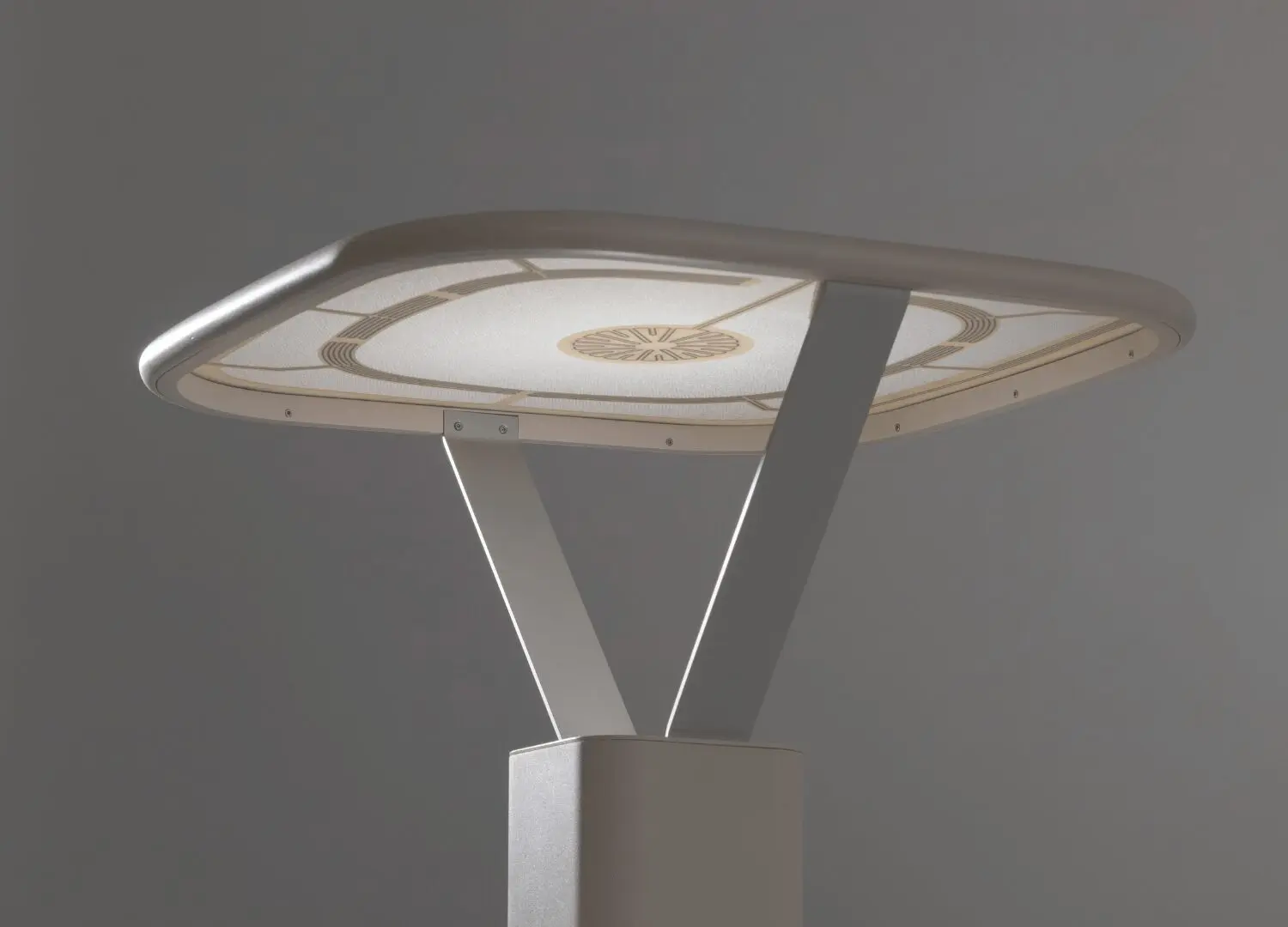
Created in collaboration with Fraunhofer IZM and still in development, Soft Interfaces is a project by WINT Design Lab that explores the integration of conductive liquid metals such as Galinstan to create touch-sensitive smart textiles. Through the development of a printable ink and the encapsulation of liquid metal, the research led to precise conductive circuits integrated into customized knitted fabrics.
The final result is an elastic, interactive textile that responds to even the lightest touch: pressure causes deformation in the liquid metal pathways, and these variations are translated into inputs. The technology has been applied to a lamp: by sliding a finger across the fabric, users can adjust both the intensity and the temperature of the light.
MindOne by iKKO
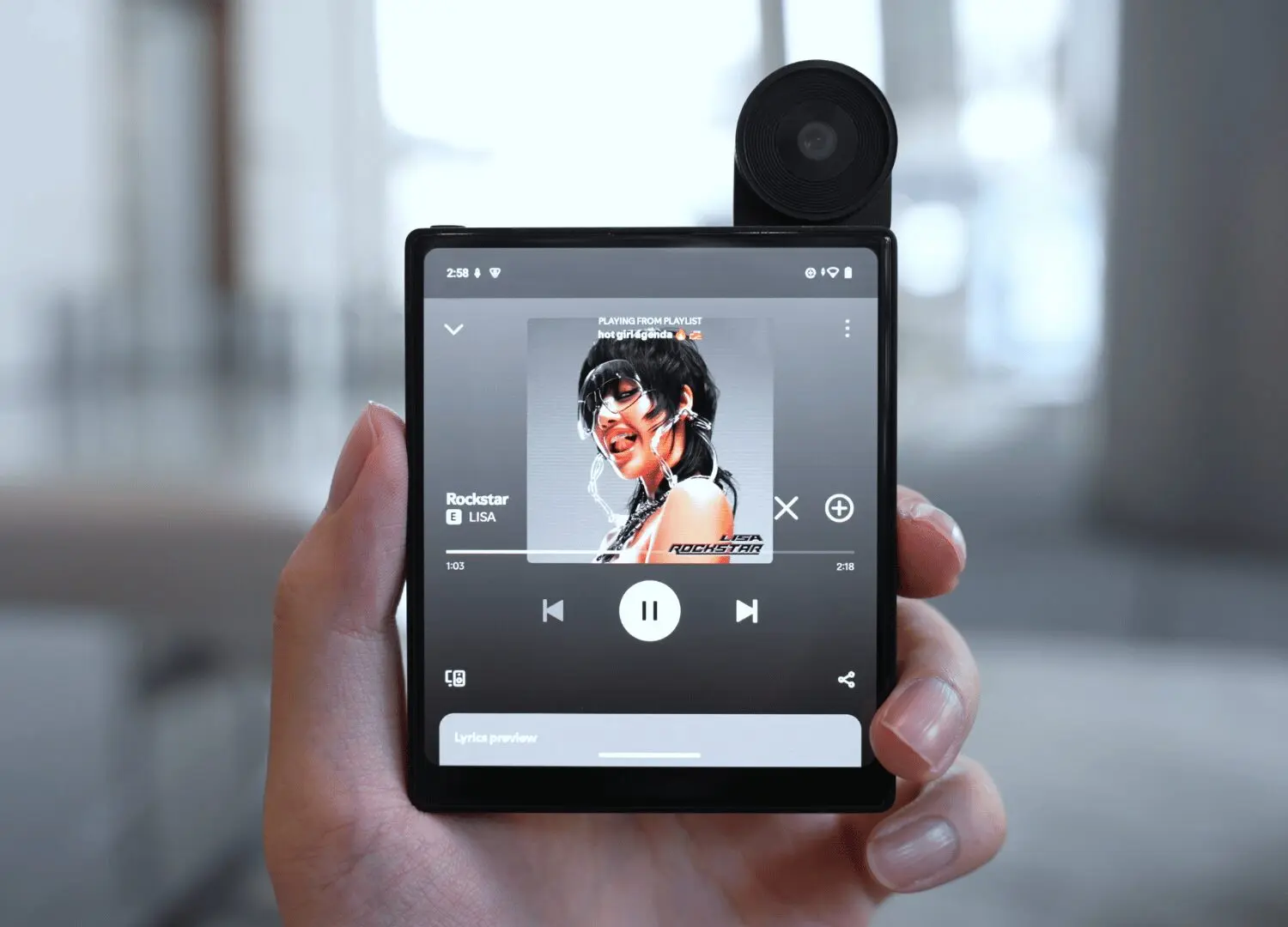
Designed by iKKO Audio, MindOne is a new smartphone that aims to redefine standards in this product category. It is a credit-card-sized device featuring a rotating 50 MP camera and two operating systems – Android 15 and the lightweight iKKO AI OS – selectable with a single button.
The iKKO AI OS is designed to help users stay productive, offering integrated tools such as AI Podcast, which transforms text into dialogue; AI Meeting Notes, which generates meeting summaries; and AI Study Help, which provides explanations for complex topics, such as solving a math problem.
Completing the smartphone is a magnetic case that adds a QWERTY keyboard, extra battery, a 3.5 mm audio jack, and a digital-to-analog audio converter.
Tablì by Lavazza
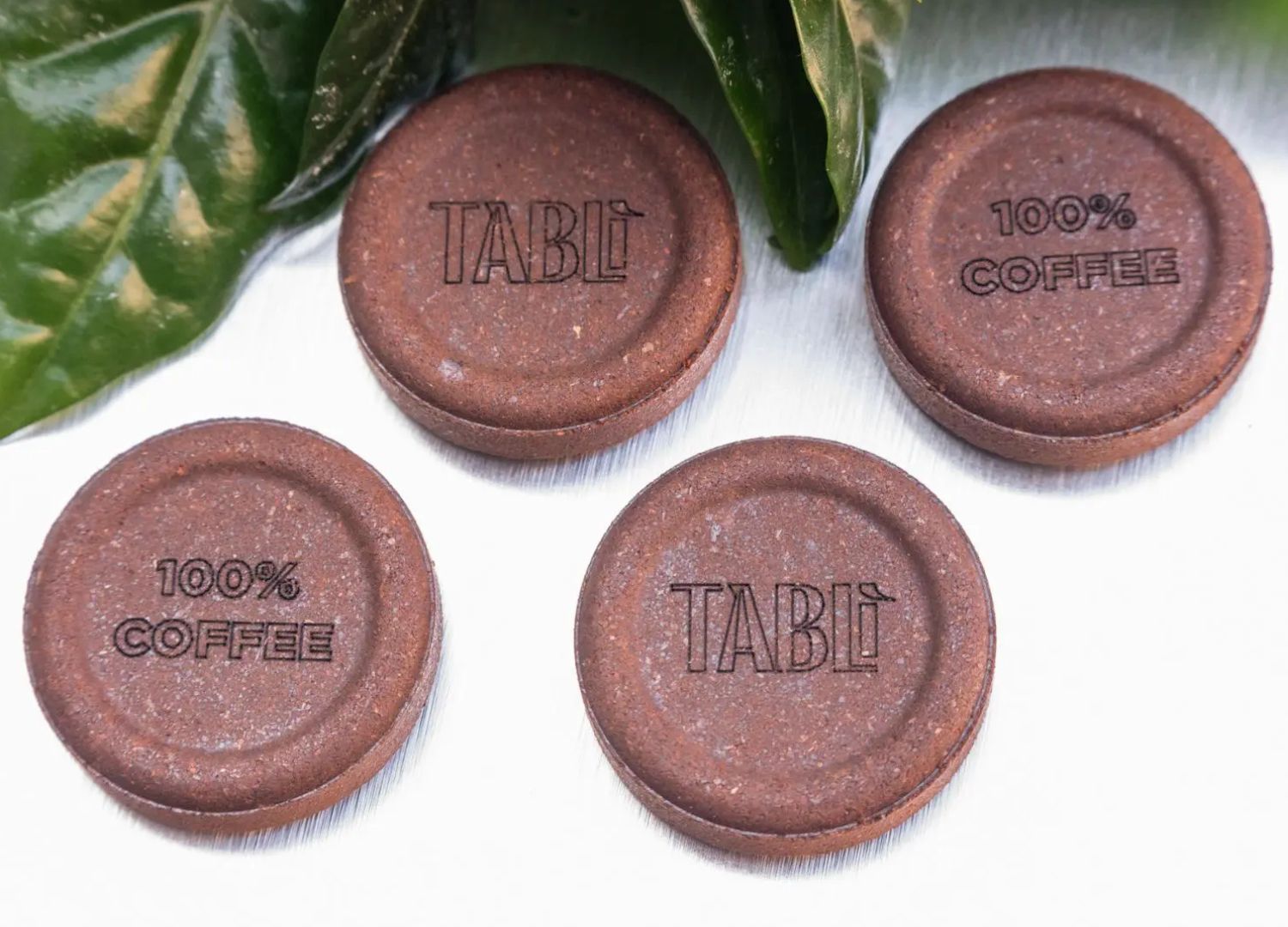
Also at Milan Design Week 2025, with the installation Source of Pleasure, created in collaboration with Juliana Lima Vasconcellos, founder of Vasconcellos Studio, Lavazza presented Tablì: a tablet made entirely of coffee, with no plastic, aluminum, or even compostable packaging.
Developed through five years of research and development and supported by over 15 patents, Tablì directly and efficiently addresses the issue of packaging in single-use coffee pods. There is no capsule or wrapper: the product is made of 100% compressed coffee. For a complete sensory experience, however, it must be paired with a specially designed machine. A true zero-waste alternative, it has the potential to significantly impact both the market and packaging waste.
Echo Pro Helmet by Headfirst
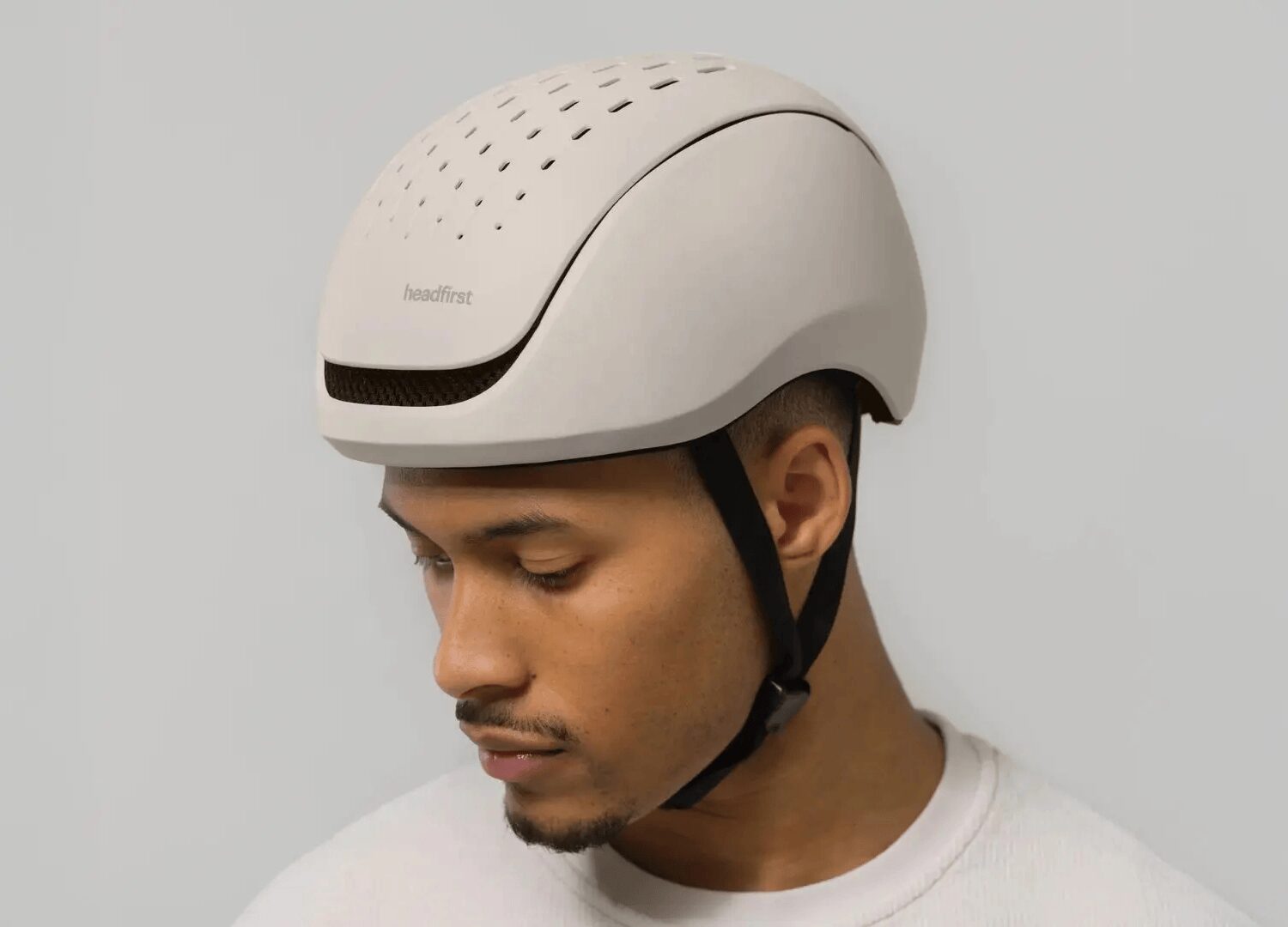
Dutch startup Headfirst collaborated with Studio APE – a collective of four senior industrial designers from TU Delft – to create Echo Pro, an innovative and elegant cycling helmet that challenges the status quo. After identifying a critical gap in standard industry safety testing protocols, which do not evaluate damage to the back of the head, the company tested Echo Pro against traditional helmets and achieved double the protection in this area.
At the core of the product’s design is SafeFit, a flexible adjustment system that allows the helmet to adapt to the shape of the head through a simple pressure mechanism, eliminating sizing issues. The helmet also integrates motion sensors that control the brake light system: the light activates automatically when the cyclist slows down, adjusting visibility to both daytime and nighttime conditions and improving safety in urban interactions.
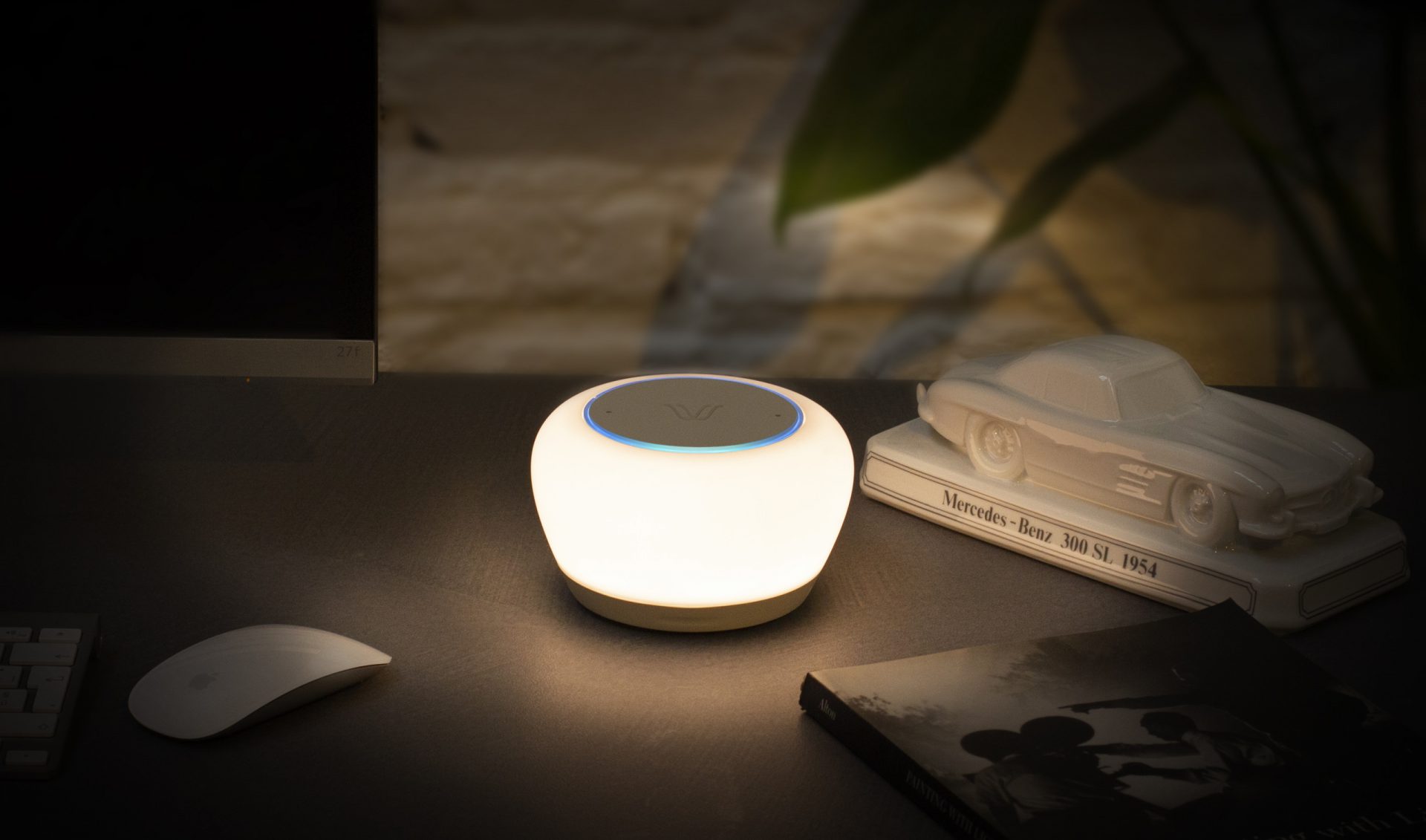
Vita D Lamp by NatureLight
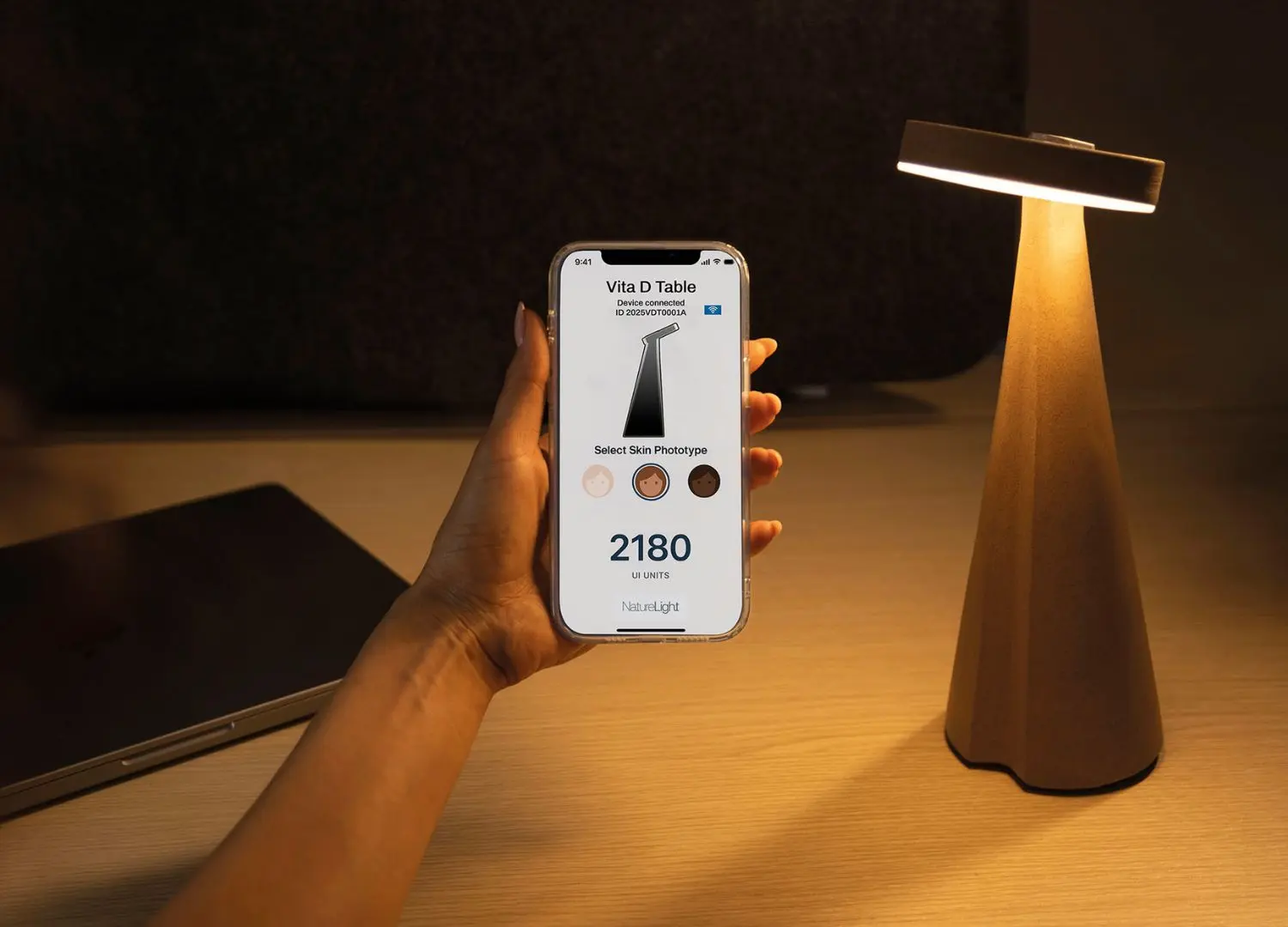
Designed by Serena Vinciguerra, the Vita D table lamp by NatureLight was created to help the human body produce vitamin D – a compound that supports everything from bone health to the immune system. Thanks to a technology patented by NatureLight that recreates the beneficial effects of solar therapy, the lamp stimulates the skin’s natural production of vitamin D in a controlled and safe way. It ensures effective exposure without the risk of overdosing, thanks to the body’s biological self-regulation during the synthesis process.
The lamp is also equipped with integrated motion sensors that automatically turn it off when no one is in the room, as well as a dedicated app that provides detailed data on personal vitamin D production and usage. Sustainability was a key concern for the designer: Vita D is made using materials such as cork and bio-based eco-plastics.
Behold Cam-1 by Behold
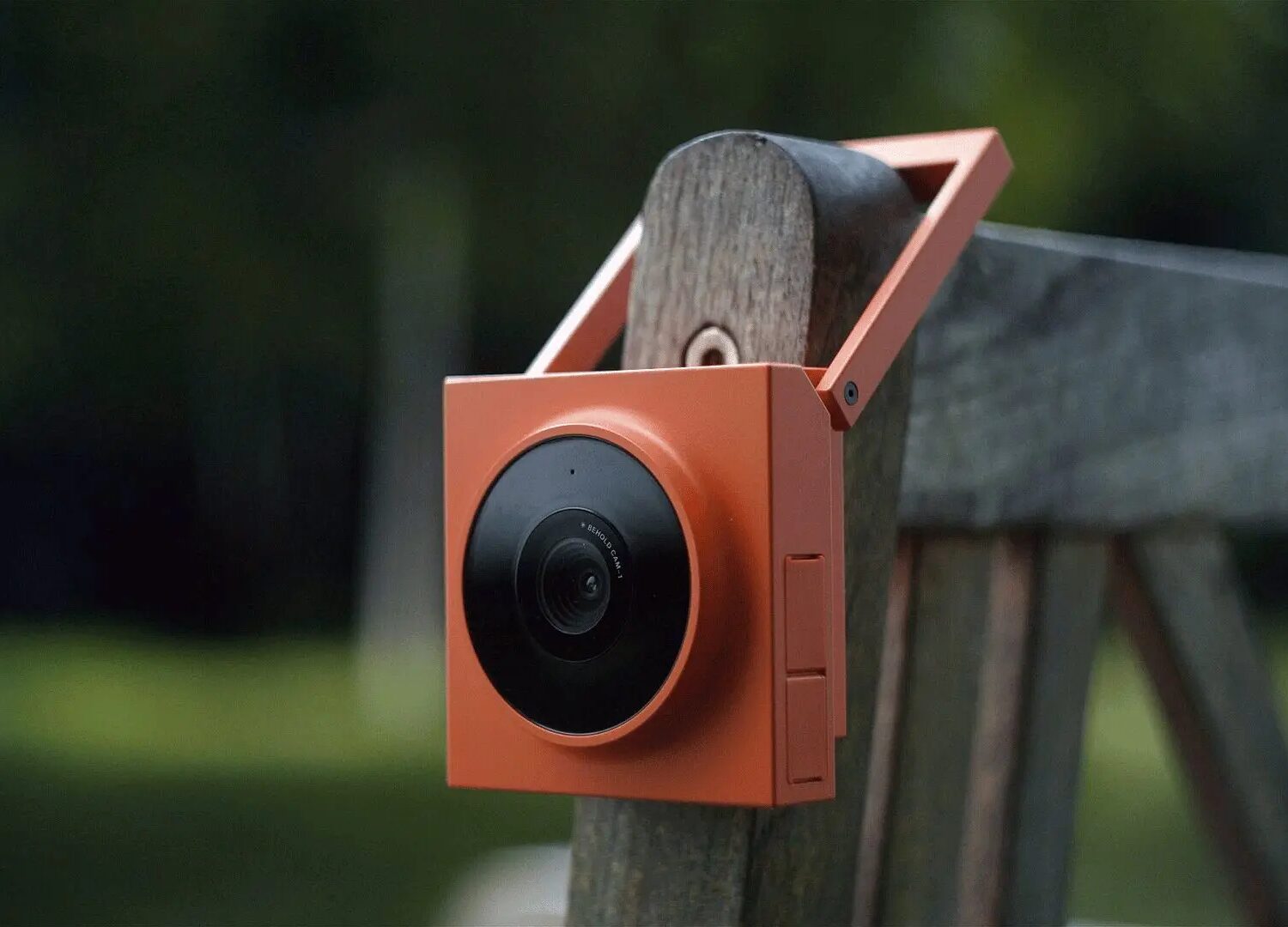
This year, designer Pete Lacey, together with James Read, Chris Oram, and the Pentagram team, launched Behold Cam-1, a smart, intuitive, and well-designed camera created to discreetly observe local wildlife. Cam-1 can record animals only, recognizing up to 2,000 species, filtering out people, and sending high-quality clips directly to a smartphone. It processes data such as frequency of passage and time of sightings, generating 15-second videos to create a shareable, species-based video library.
Behold also works with offline Wi-Fi, storing clips locally and sending them once reconnected. With a replaceable battery lasting up to 30 days and a flexible support for easy positioning, the camera features a durable casing in Foxmute Red, designed to better blend into animals’ natural environments. The video quality is 2K QHD, both day and night, thanks to a high-performance IR sensor.
Feel Book by Young Jin Jeong and Don Il Lee
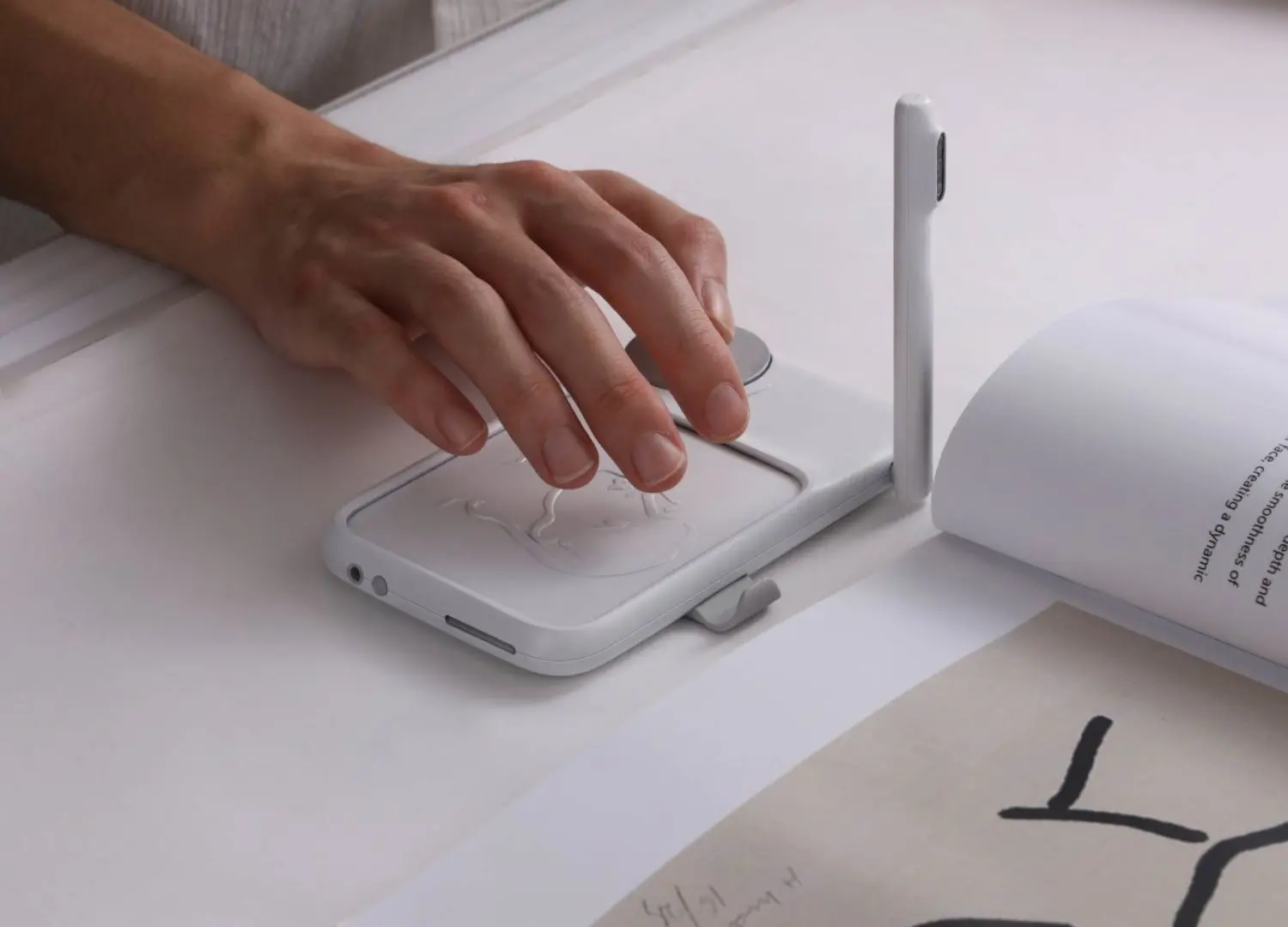
What if blind people could read any book, not just those designed to be accessible to them? This question led to the concept behind Feel Book, a project by Korean designers Young Jin Jeong and Don Il Lee. This innovative reading device uses AI to recognize text and images in any printed book, reading the text aloud while translating printed illustrations onto a tactile screen. The approach enhances user engagement and introduces a new way of experiencing books.
Equipped with a dial interface and tactile buttons optimized for one-handed use, the device is compact and lightweight, making it easy to carry anywhere. It can also be useful in various everyday contexts, such as reading a restaurant menu or a street sign.


![Work Louder _ Nomad [e] keyboard](https://designwanted.com/wp-content/uploads/2023/09/Work-Louder-_-Nomad-e-keyboard-cover.jpg)