How renting solar energy is supporting Nigerian rural communities
Jaza Energy by Nonfiction Design Studio is a decentralised system attempting to heal Nigeria’s energy poverty crisis, through a design process focused on the local community’s real needs.
In rural villages across Nigeria, power outages can stretch for 30 consecutive days. Nearly 90 million people lack access to grid electricity, while those connected receive less than 12 hours of power daily. With almost half of the country’s population living in rural areas, energy poverty is a recurring issue, to which the only solution has been polluting diesel generators, up until now.
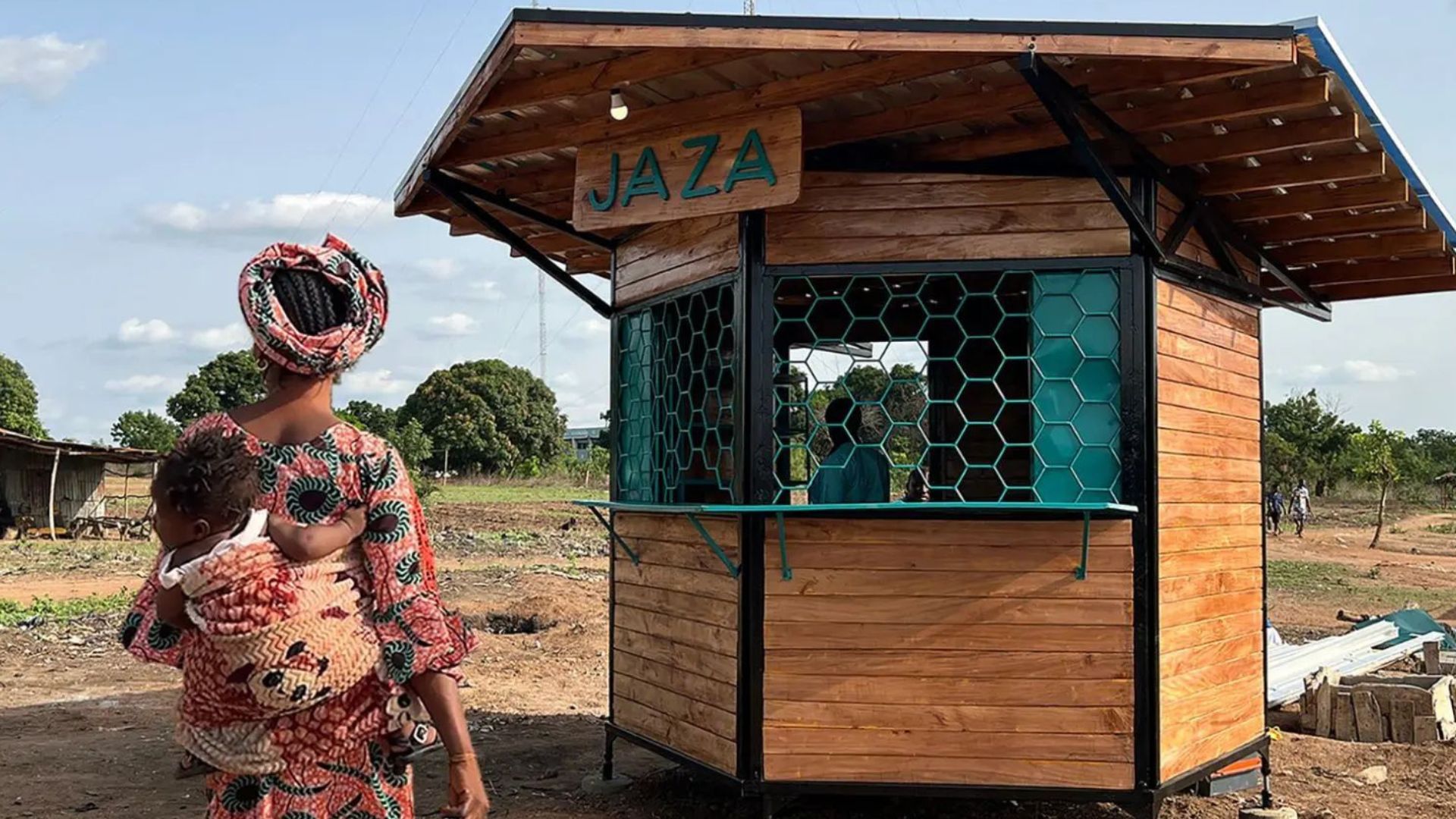
Jaza Energy is an innovative project by Nonfiction Design Studio, which provides access to energy in rural areas through kiosks that collect solar energy and distribute it through an affordable battery rental system to villagers. The project won the Grand Prize at the Seoul Design Award in 2025 for its achievements in sustainability, both environmental and social in cultivating self-reliant and empowered communities.
Gallery
Open full width

Open full width
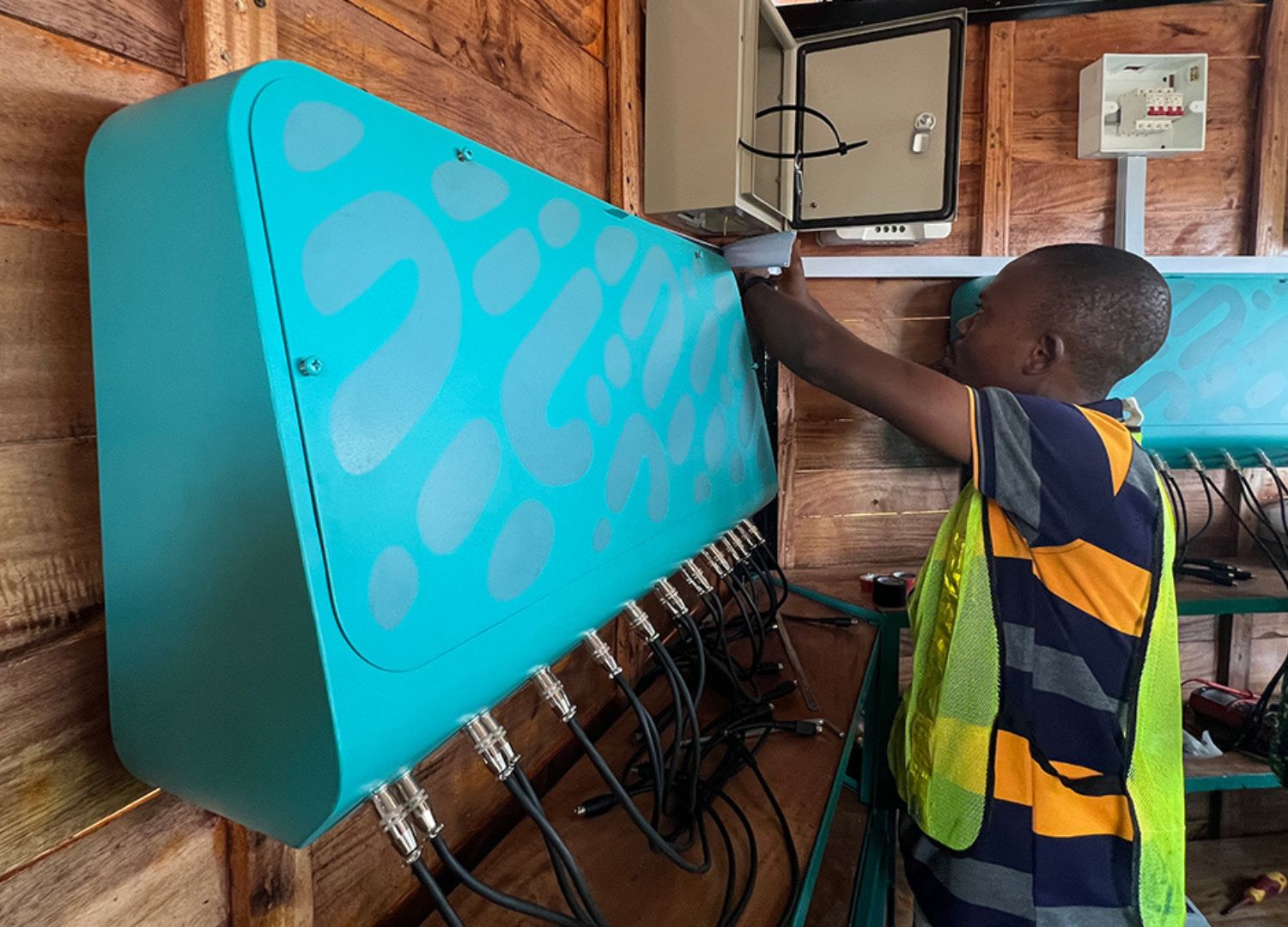
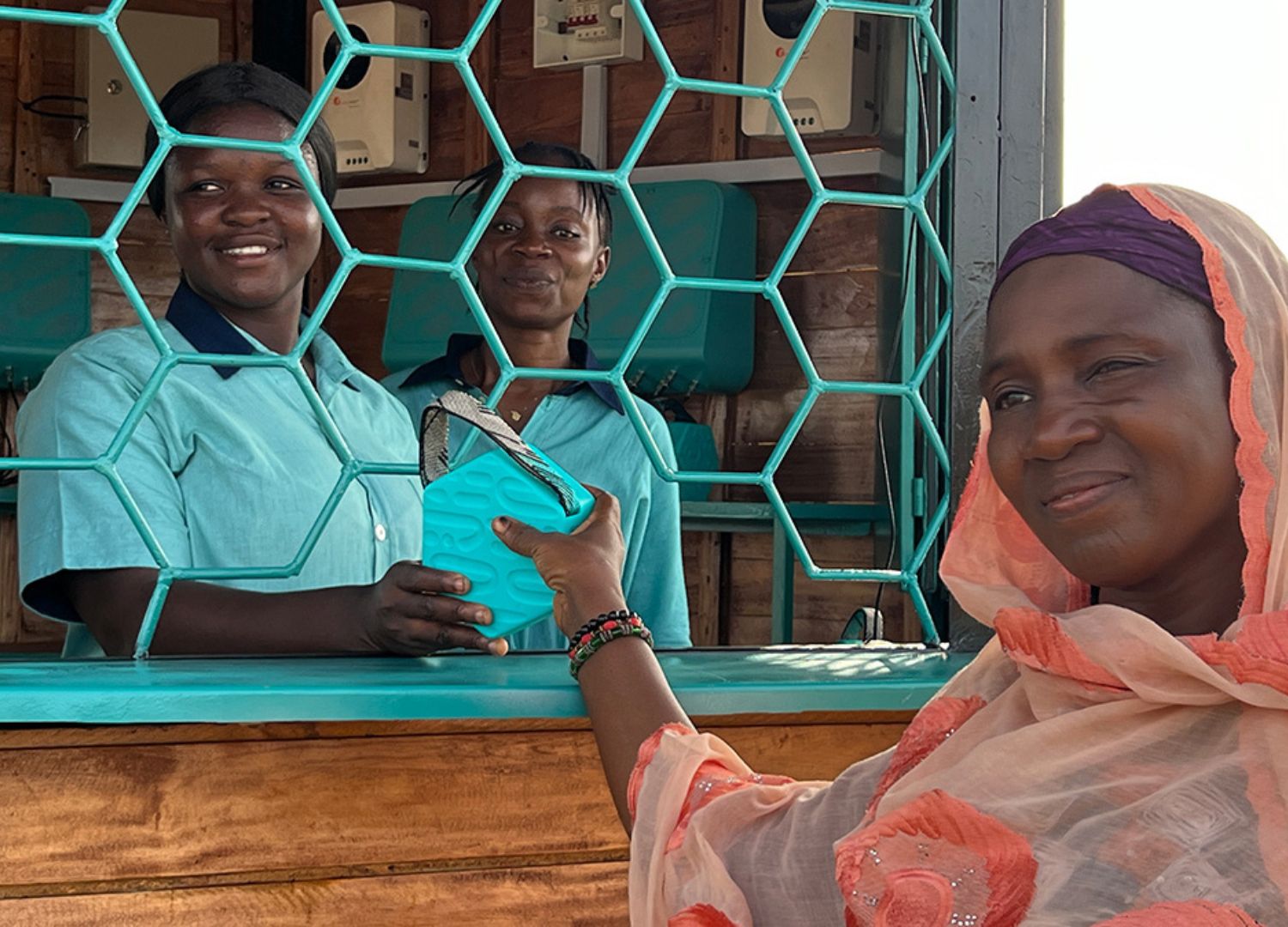
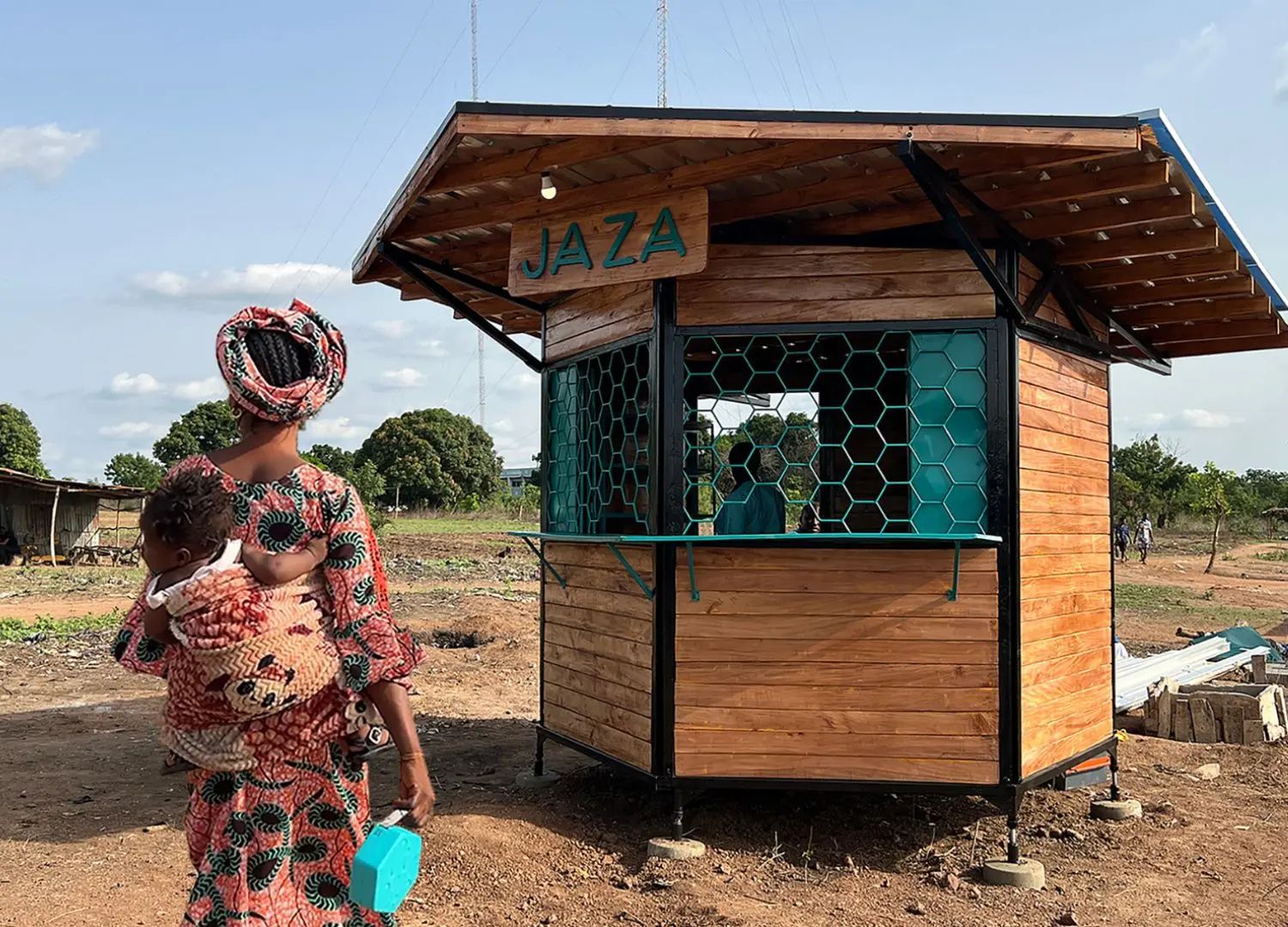
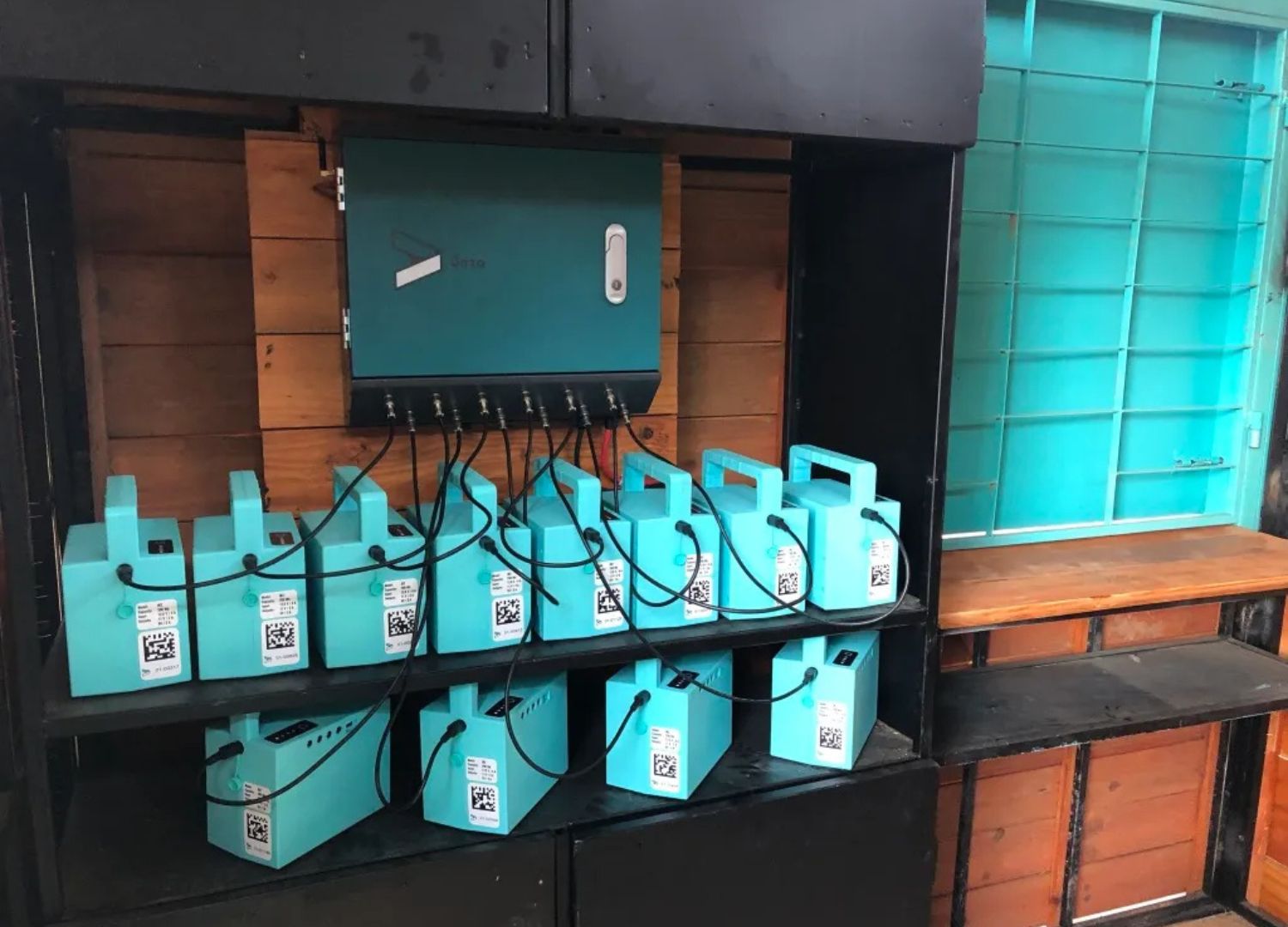
While traditional grid expansion is incredibly slow and may never reach remote communities, Jaza Energy is a decentralised solution that is rapidly changing many Nigerian villagers’ lives, with more than 500 hubs already distributed across the country. Each hub serves as a community charging station, where residents can come to rent a rechargeable portable battery for a small weekly fee, and swap depleted batteries for charged ones as often as they need.
However, what distinguishes Jaza is not just the technology, but also its human approach. Every hub is operated exclusively by local women, called Jaza Stars, who are trained in customer service and operation of the hub. This allows new opportunities for women to develop financial independence and confidence in a system where options are typically limited. The hubs themselves are specifically designed for female workers, featuring space to host a baby, which Nigerian mothers typically bring to work.
This kind of attention and care towards a community cannot be done without an appropriate amount of time and research. The Nonfiction team spent hours listening to the Jaza Stars, understanding their life and daily challenges. They spent a month in Nigeria immersing themselves in the local culture, not only to learn their customs and energy habits but also their manufacturing capabilities, as the hubs had to be made and managed on-site. Such a solid foundation of ethnographic research and cultural understanding is key for any project that aims to develop social innovation, which otherwise risks being useless or even creating harm to a community.
The hubs were designed by DNM Architecture, and they also reflect this human-centred methodology; natural ventilation flows through windows, a Dutch door, and building soffits, which together provide better cooling for both the Stars and the equipment. The hubs arrive flat-packed to improve transportation, and are assembled on-site in a single day without power tools, simplifying the labour of local workers. The foundation also includes an adjustment system for uneven ground.
The key takeaway from this project can be summed up in the words of Mardis Bagley, Nonfiction’s creative director, who says, “design is not about technology; it is a process of building dignity and self-reliance.” Empowering communities is about practical solutions just as much as it is about the humans who will need to use, manage, and draw benefit from them. With an approach that prioritises agency, gender equity, environmentalism, and economic opportunity, Jaza Energy has taken care of community empowerment from all angles, creating a new framework for other companies attempting to design a better future.