Dancing dogs, crawling babies: bringing fun back into design with Gufram
Keith Haring’s designs for 1987’s Luna Luna come back to life through collectable furniture, bringing the amusement park’s playfulness to design.
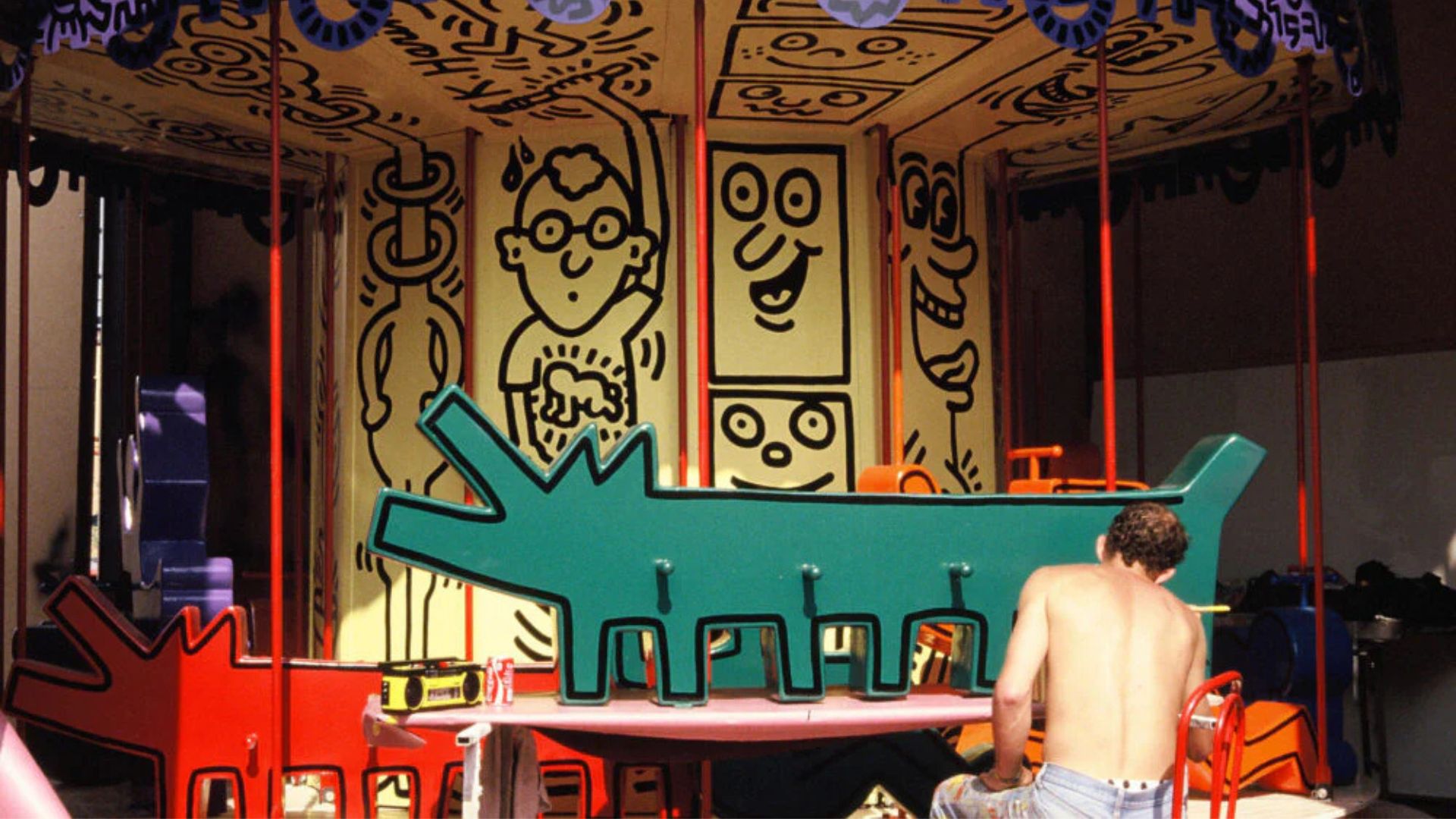
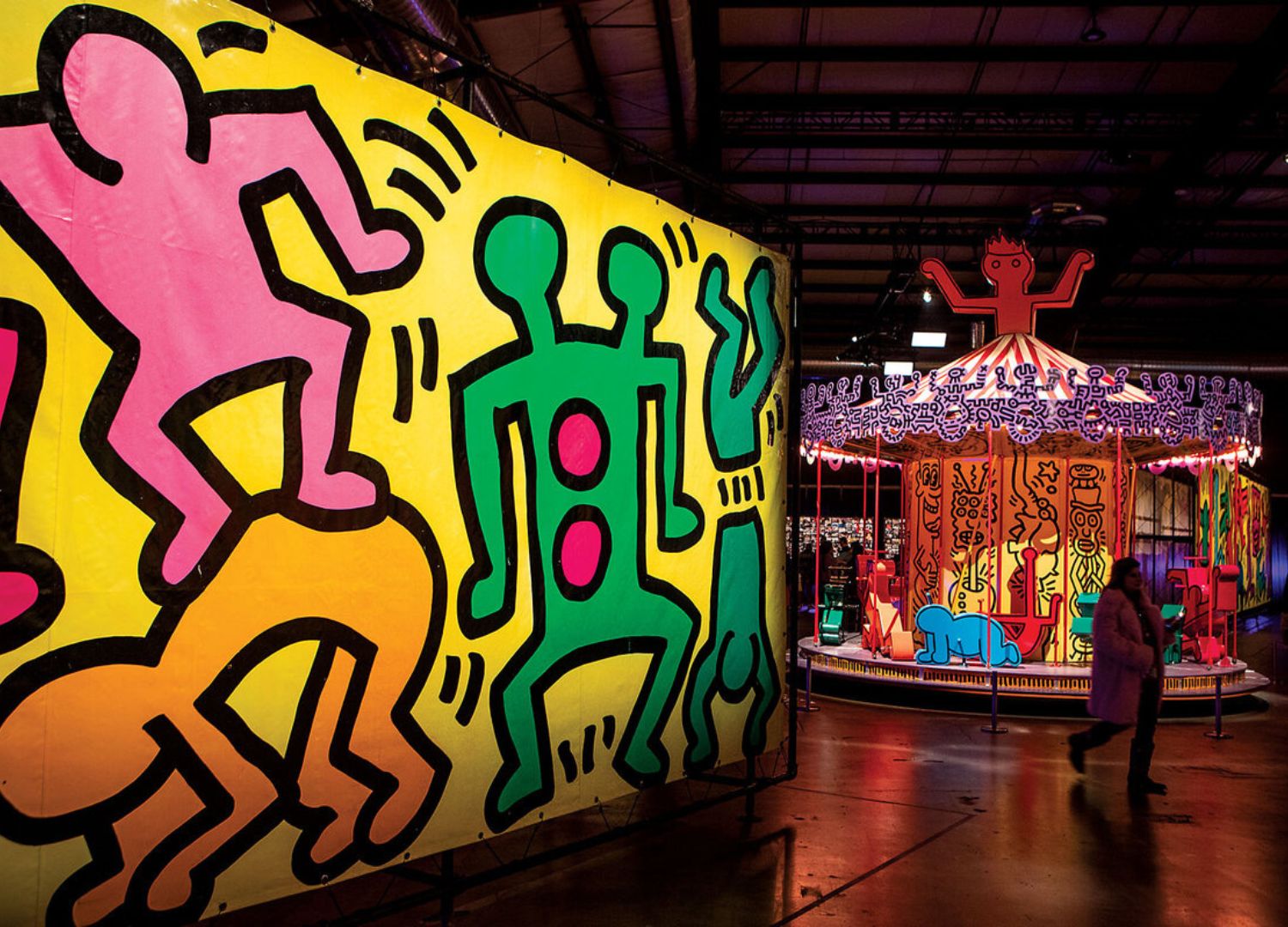
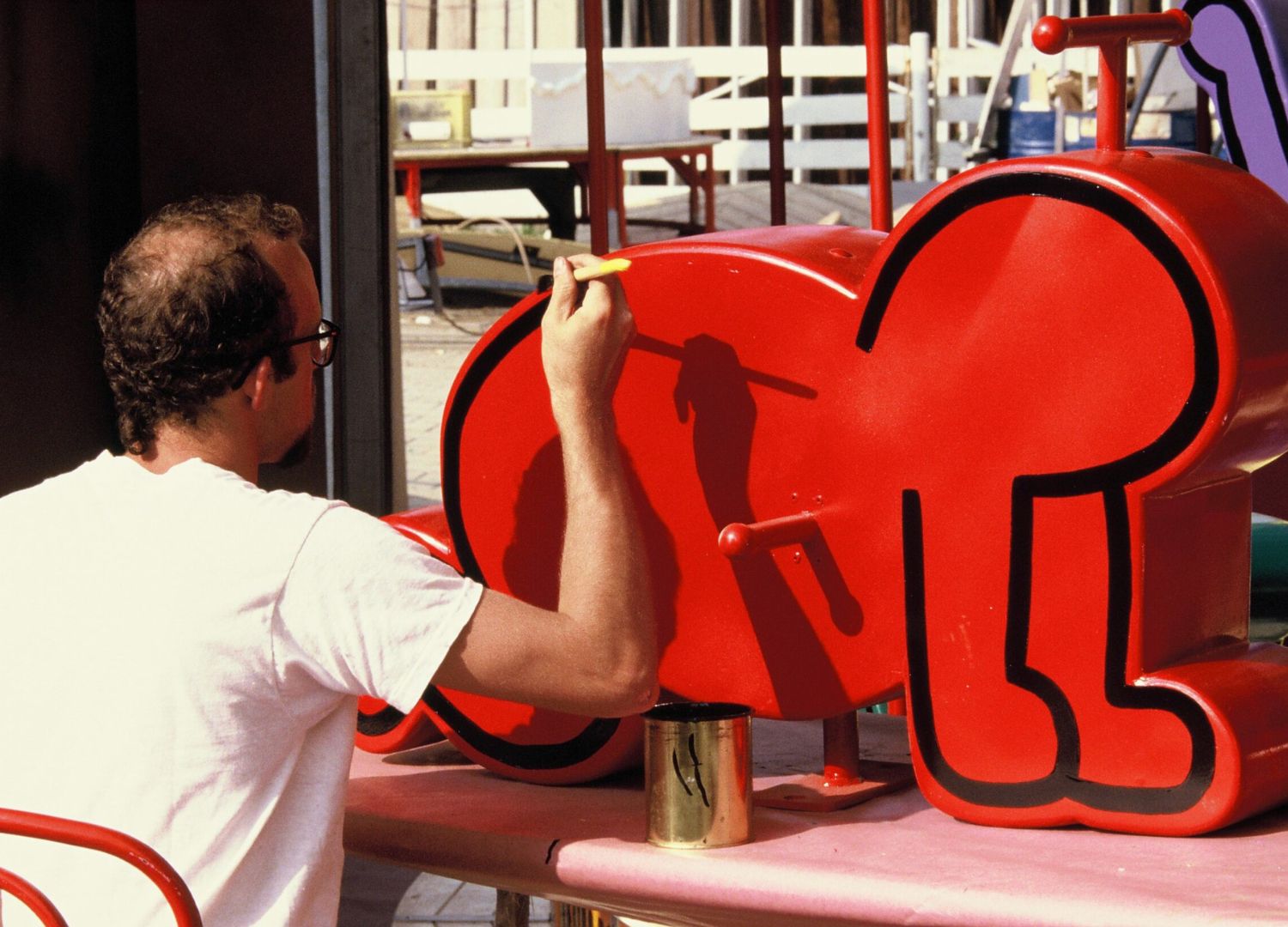
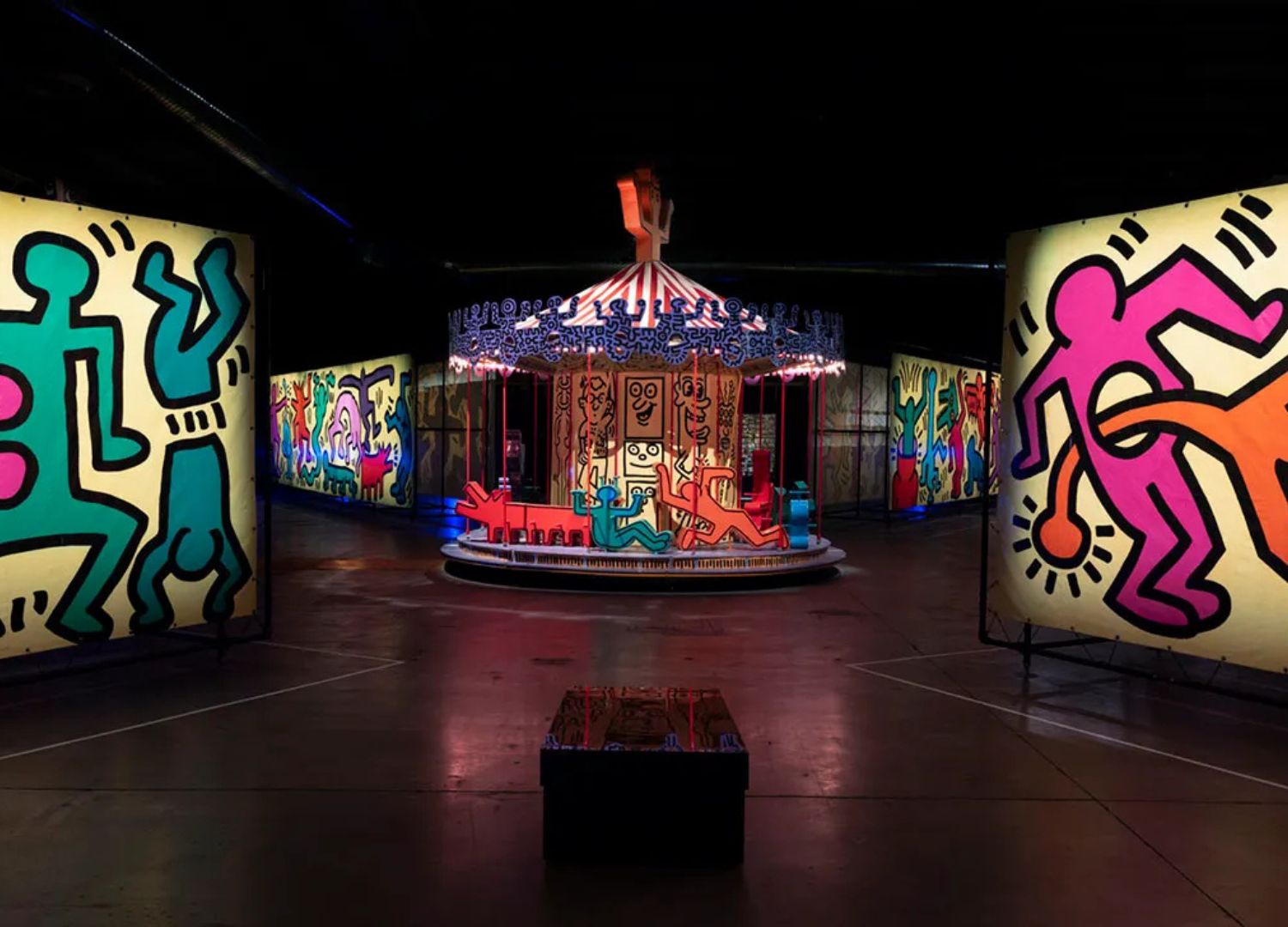
When Keith Haring‘s colourful carousel spun through Hamburg’s summer air in 1987, families climbed aboard dancing dogs and crawling babies brought to life at Luna Luna, an amusement park that became a defining moment of postmodern art history. Nearly four decades later, those same whimsical creatures have descended from their carousel to become collectable seating through a collaboration between Italian design house Gufram and the Luna Luna legacy.
Luna Luna was an open-air museum and amusement park in West Germany that ran from June 4 to August 31, 1987. Born from the mind of Austrian artist André Heller, the project brought together over 30 artists to create the world’s first art luna park. The roster read like the top charts of contemporary art: Salvador Dalì created a mirrored fun house, Jean-Michel Basquiat designed a Ferris wheel, and David Hockney a tree pavilion.
Gallery
Open full width
Open full width
Heller’s vision was radical because of its accessibility; instead of partnering with high-class museums and formal institutions, these avant-garde artists could reach everyday people in their own unrefined spaces, democratising access to art. This theme is especially relevant in relation to an artist like Keith Haring, who made public murals and subway drawings specifically to be able to bring his art directly to people, rather than waiting for them to enter traditional gallery spaces.
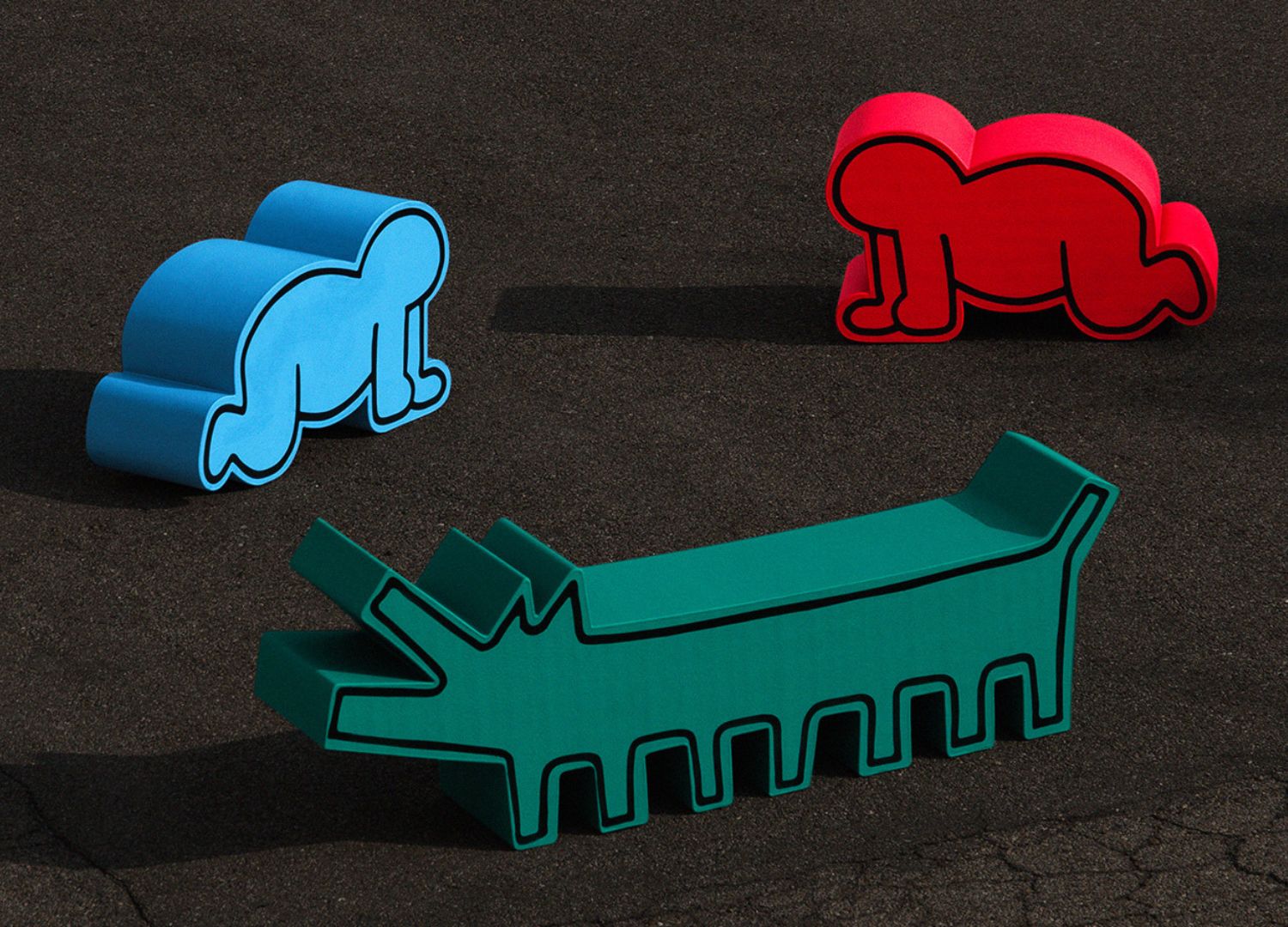
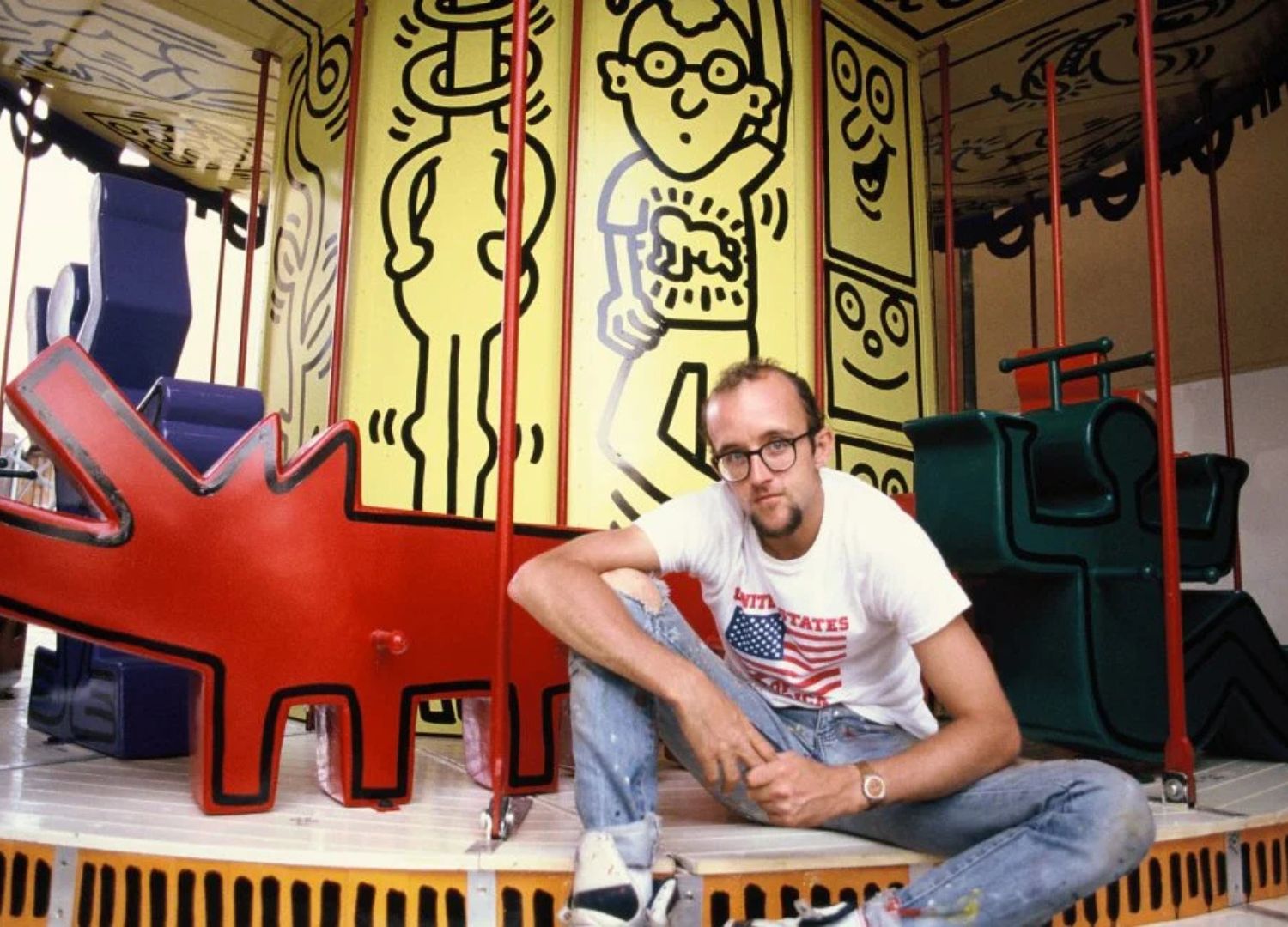
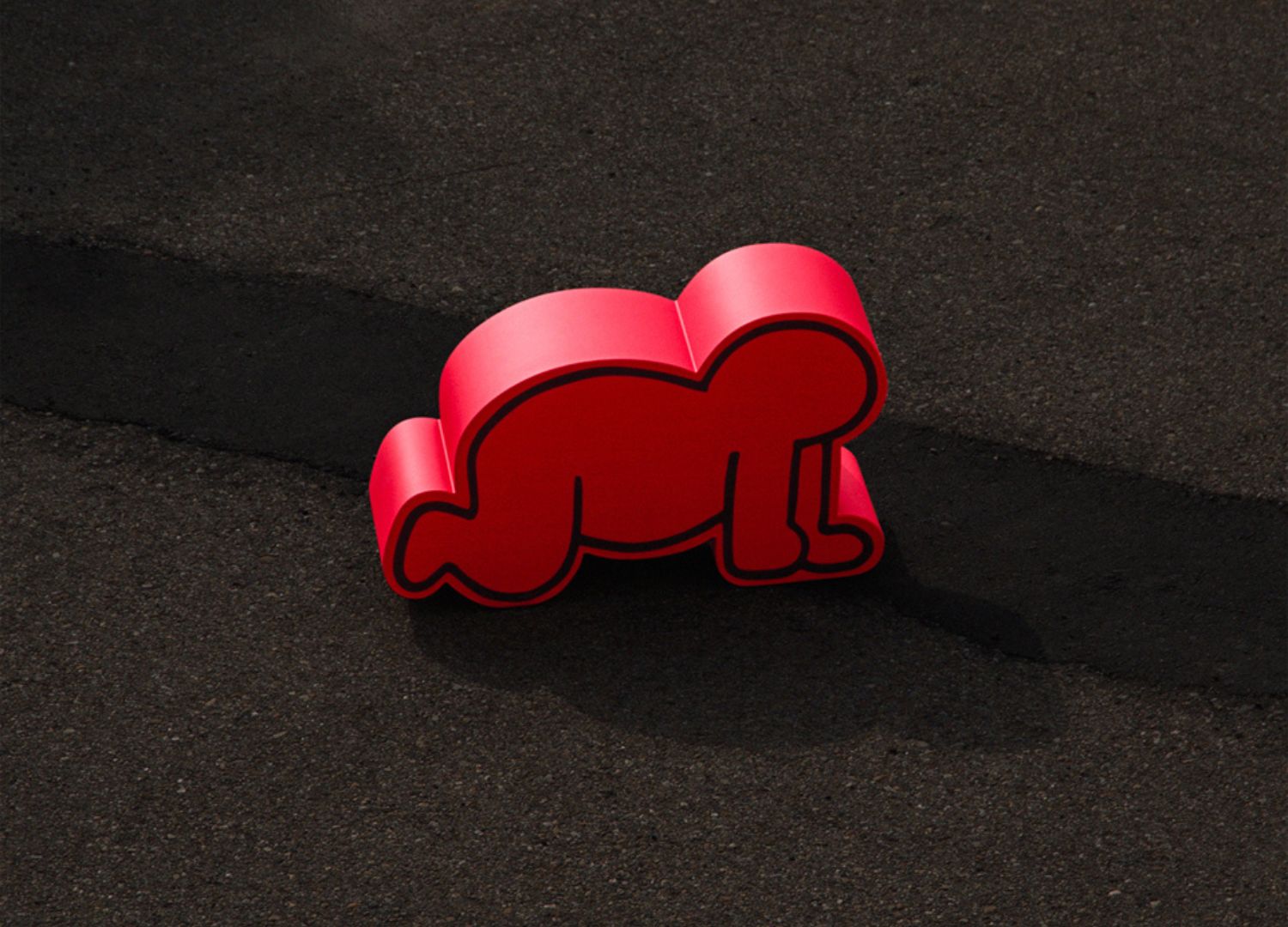
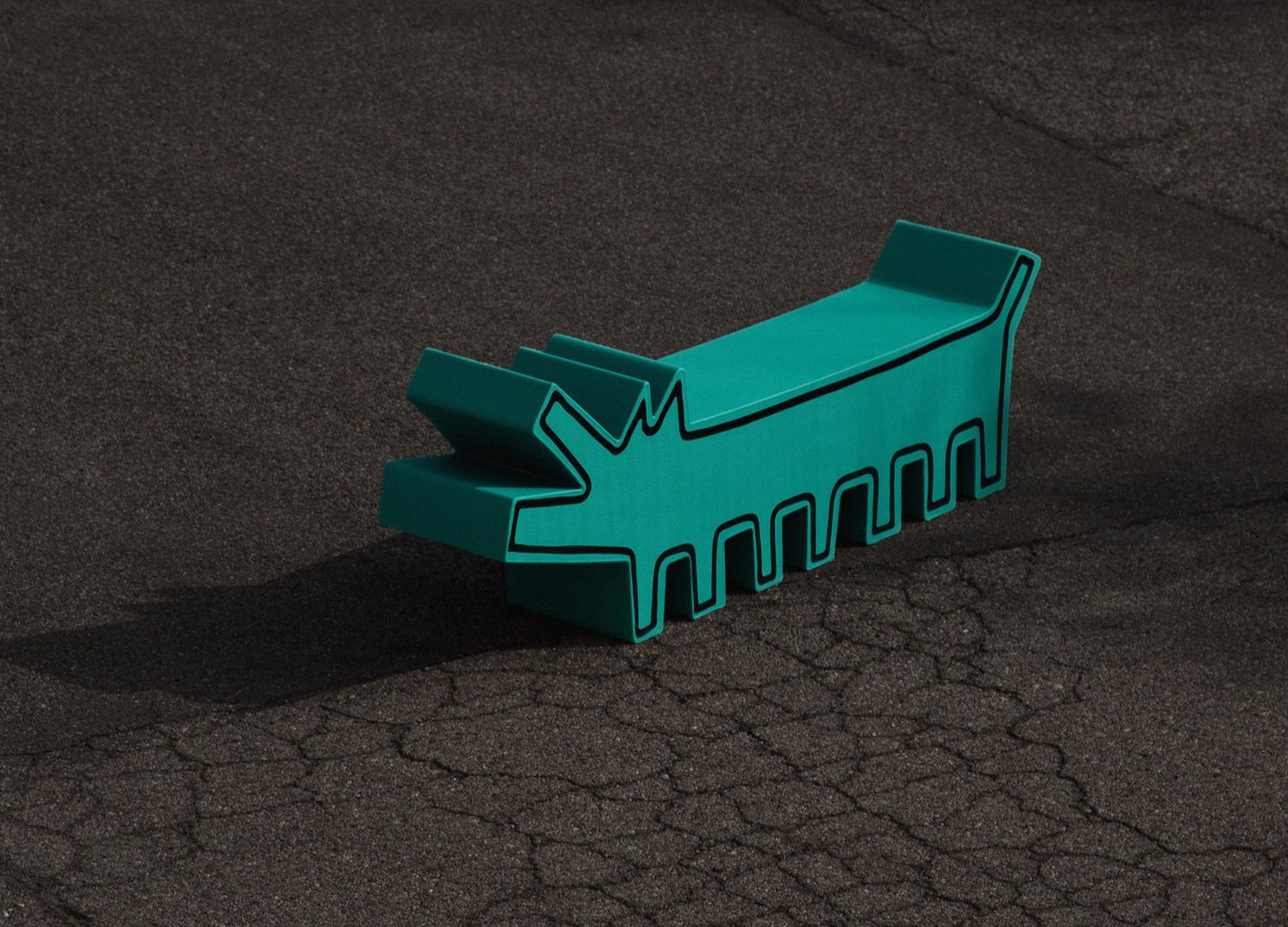
For Luna Luna, Haring created a fully functional carousel that transformed his iconic drawings into rideable sculptures. Two of those were his archetypal ‘radiant baby‘ and ‘barking dog‘, which have been chosen by Gufram to be put into its catalogue, creating the products Red Baby, Blue Baby, and Dog. The products are available as seats, which are developed as three-dimensional extrusions of the original line drawings.
After its Hamburg run, Luna Luna was supposed to travel to the Netherlands and the United States, however disputes and financial difficulties ended up derailing the plan. The entire park was dismantled and packed into 44 shipping containers stored in a Texas warehouse, where it would remain forgotten for more than three decades. It stayed there until Michael Goldberg and Drake’s entertainment company DreamCrew pushed for its revival, which launched in Los Angeles in 2023 and then at The Shed in New York City in 2024.
Though many of the attractions were no longer usable, including Haring’s carousel, the show’s curators recreated the playful atmosphere of the festival, an immersive experience through an original soundtrack and the presence of actors and performers. Luna Luna created a new way of experiencing art and culture without their typical pretentiousness, but simply in the name of fun.
Gufram fits perfectly into this story, as it has been known since the 1960s for its radical and playful approach to furniture design. Its legacy blends perfectly with Haring’s vision, as both are characterised by bold, instantly recognisable aesthetics that blur the line between art and play. By commercialising Haring’s design, Gufram emphasises the artist’s goal of bringing his work directly to people, allowing bits of it to now enter their private spaces.
Luna Luna and Gufram remind us that the most innovative art often comes from unexpected situations, things made for fun with friends, and that this lack of seriousness does not imply a lack of value. Some ideas like Luna Luna deserve a second chance to truly find their audience. From carousel to seat, Haring’s joyful figures continue their dance, now in living rooms as well as exhibition halls, still radiating the same fun and playful energy that defined both the artist and his brief but brilliant career.