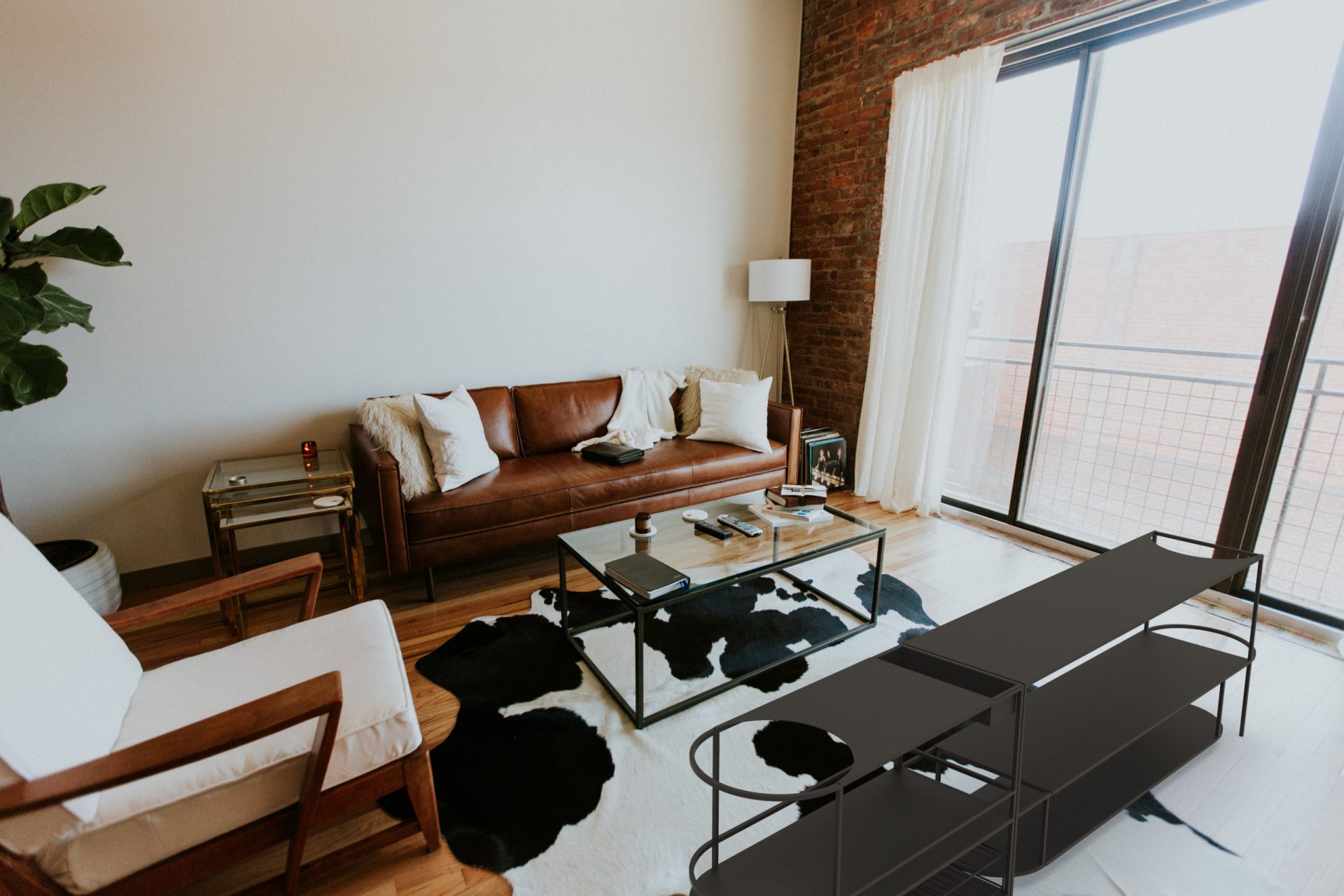
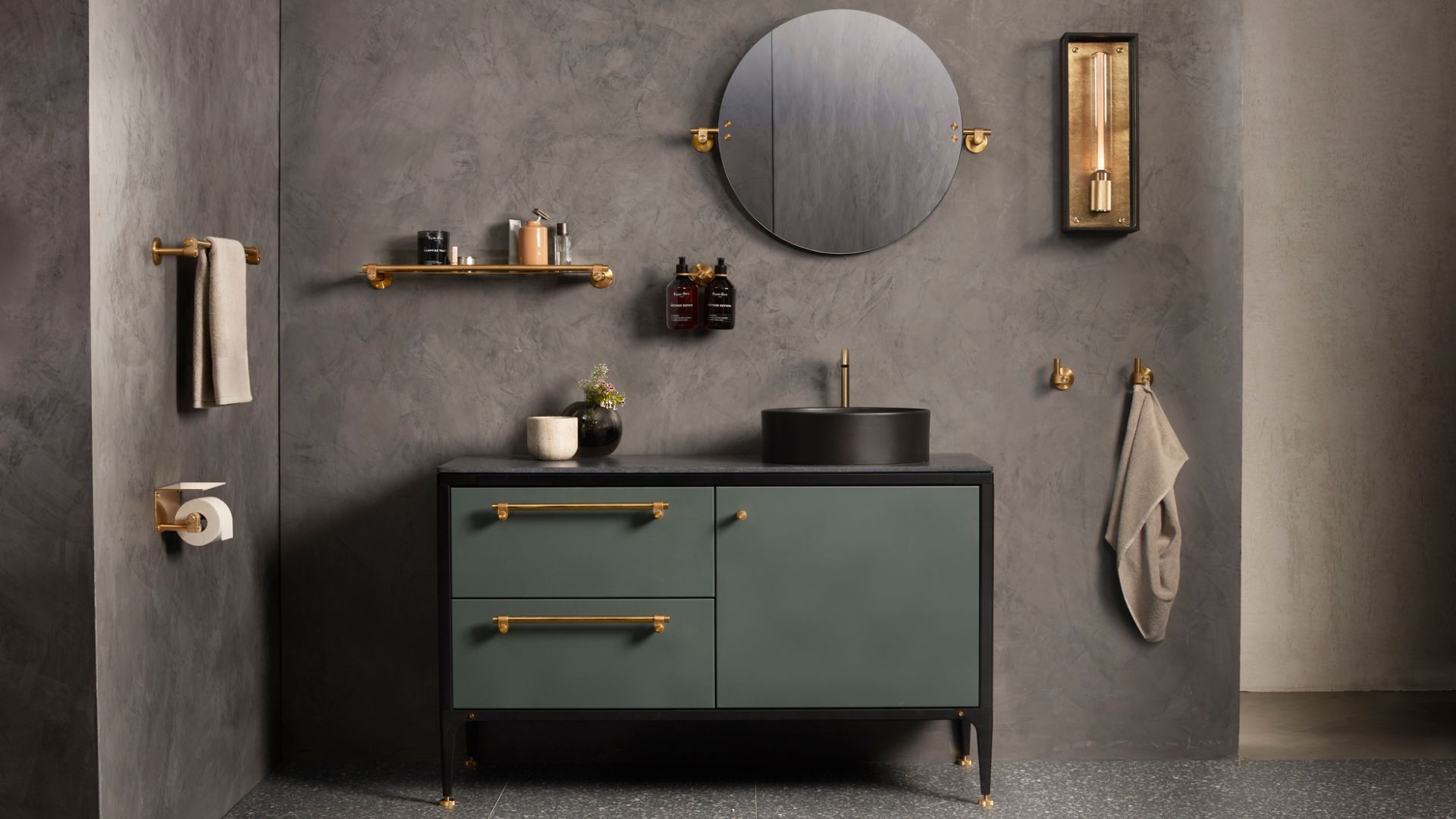
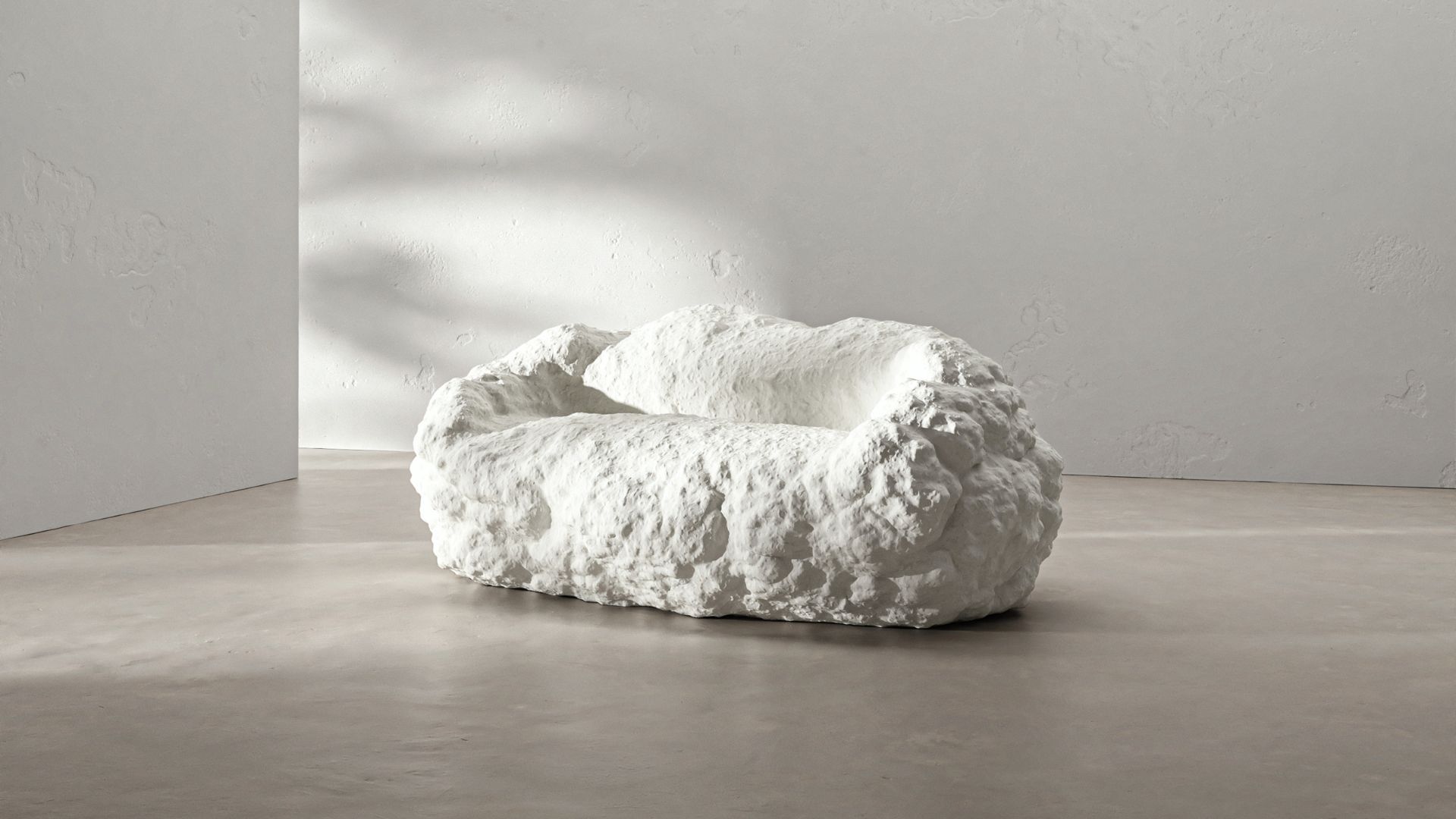
A conversation on material research and expressive form with David Raymond
A new generation of studios is redefining design as both a cultural artifact and economic strategy. Among them, LESORR stands out for its reverence for raw materials and its position between collectible, product, and custom design where art, function, and authorship converge.
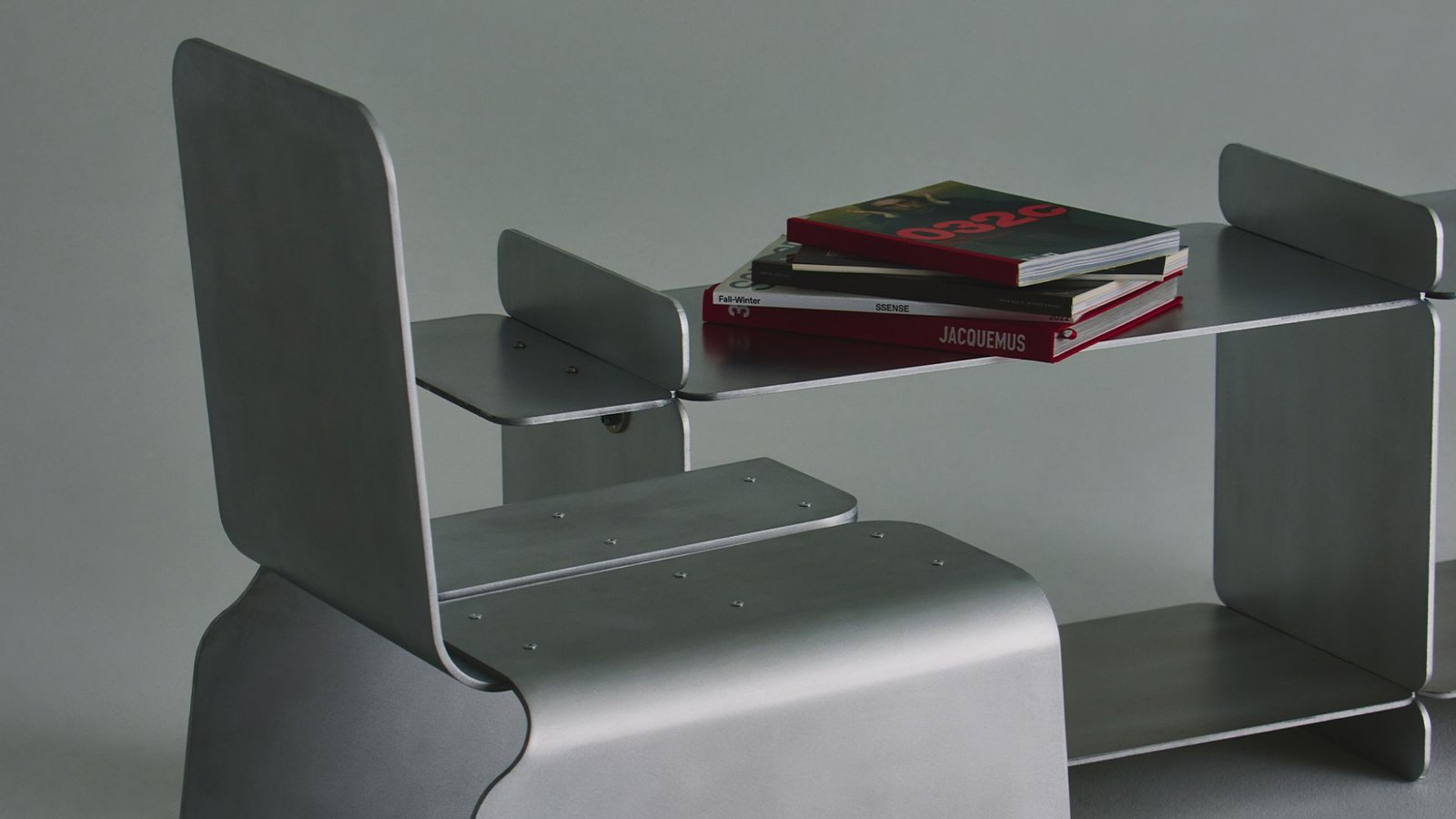
In recent years, a new wave of design studios has appeared at the nexus of collectible design, material research, and brand authorship. This new wave of design studios moves beyond the binary oppositions of industrial production and conceptual practice to reclaim the object as both cultural artifact and economic strategy. Within this context, the practice of Les Objets Raymond Raymond (LESORR) is particularly interesting for its focus on raw materials and its position between collectible design, product design, and custom design.
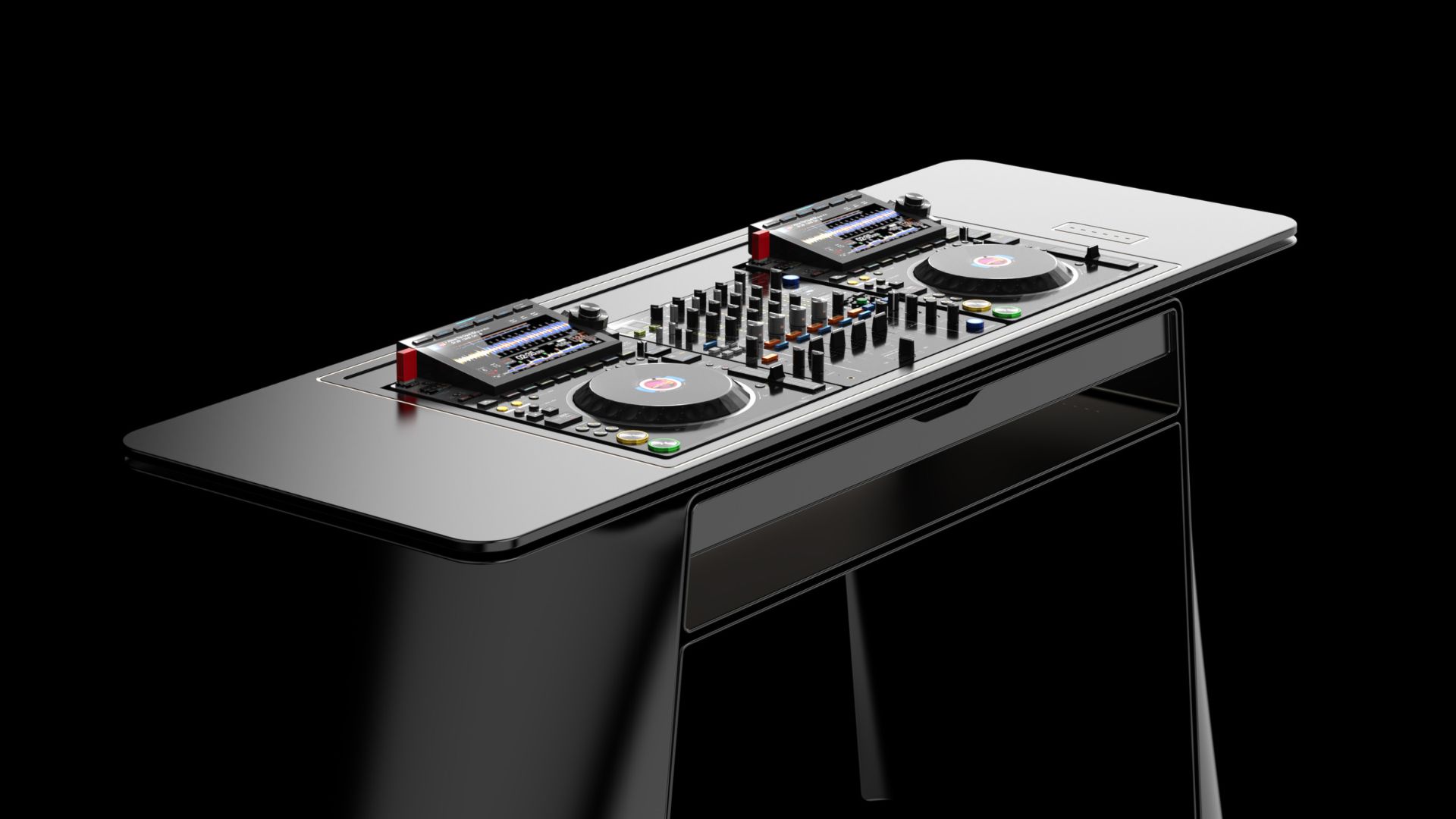
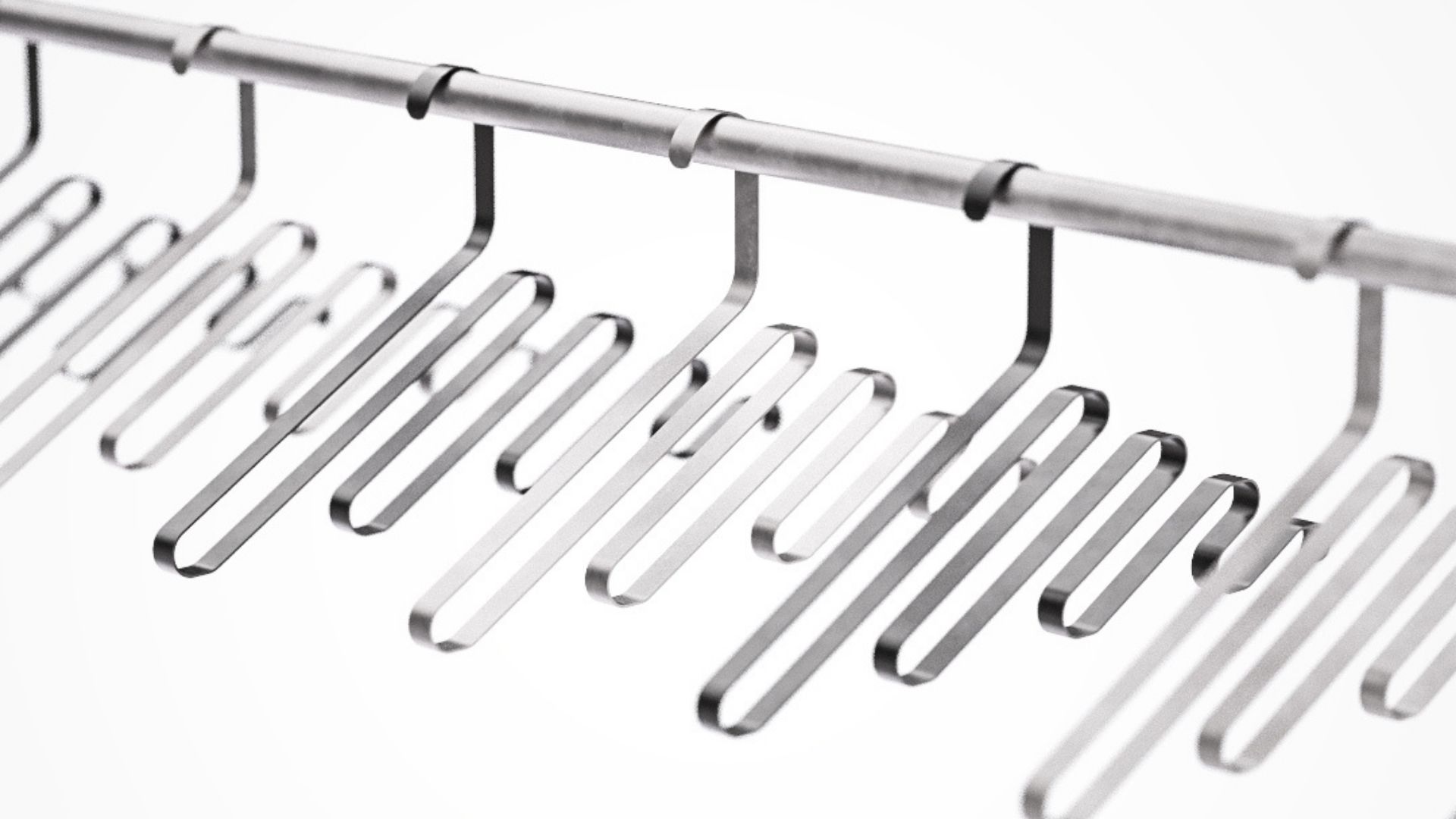
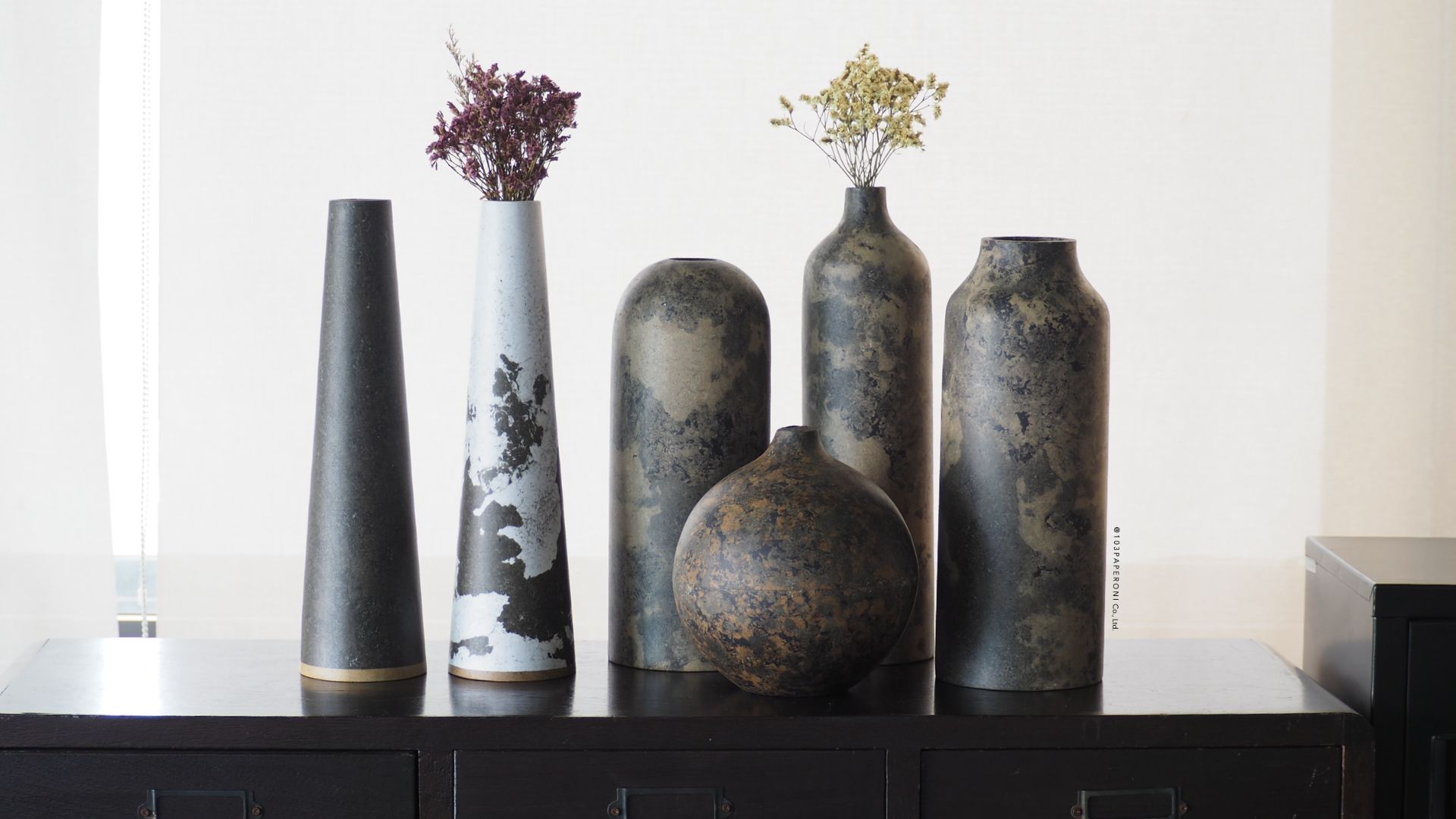
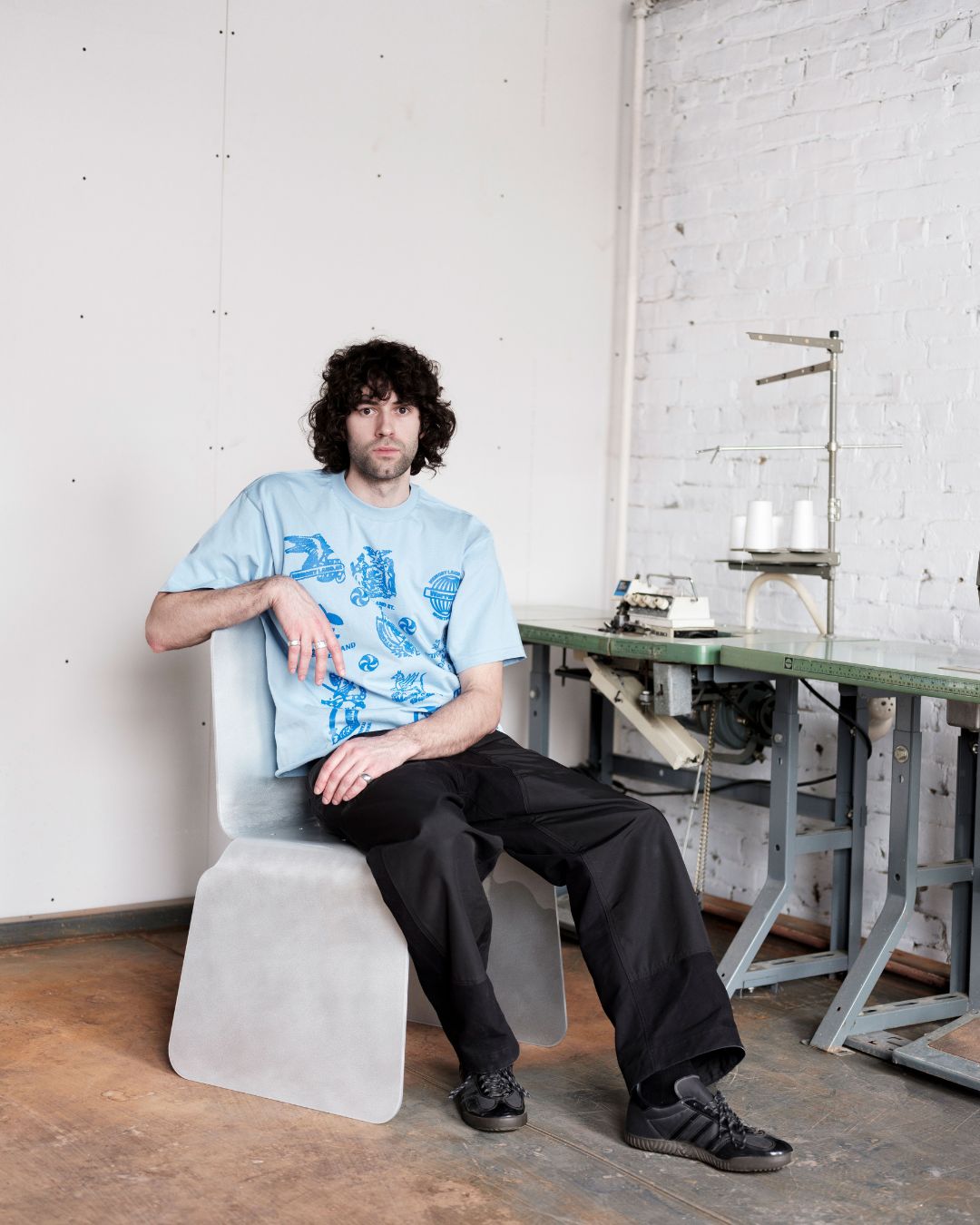
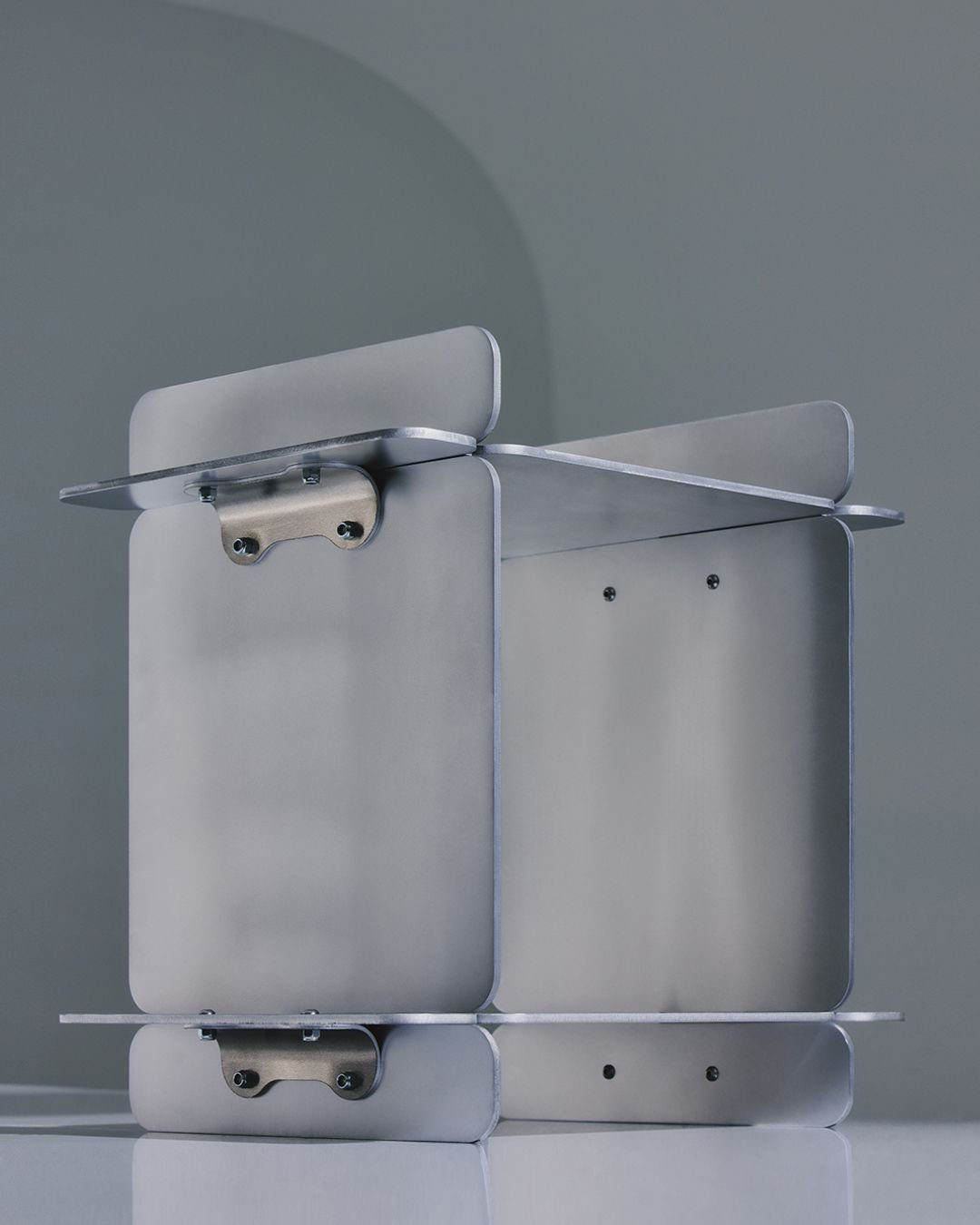
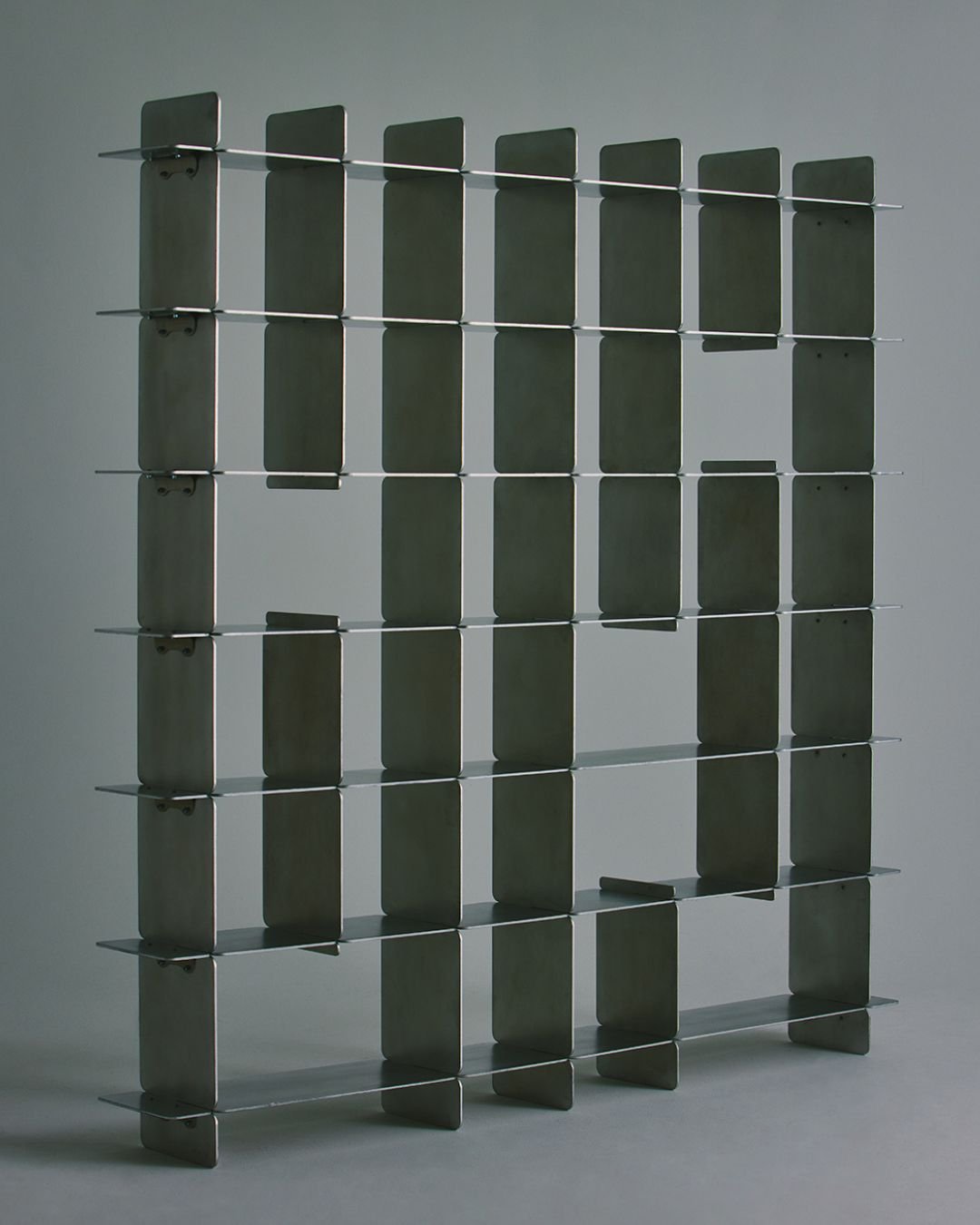
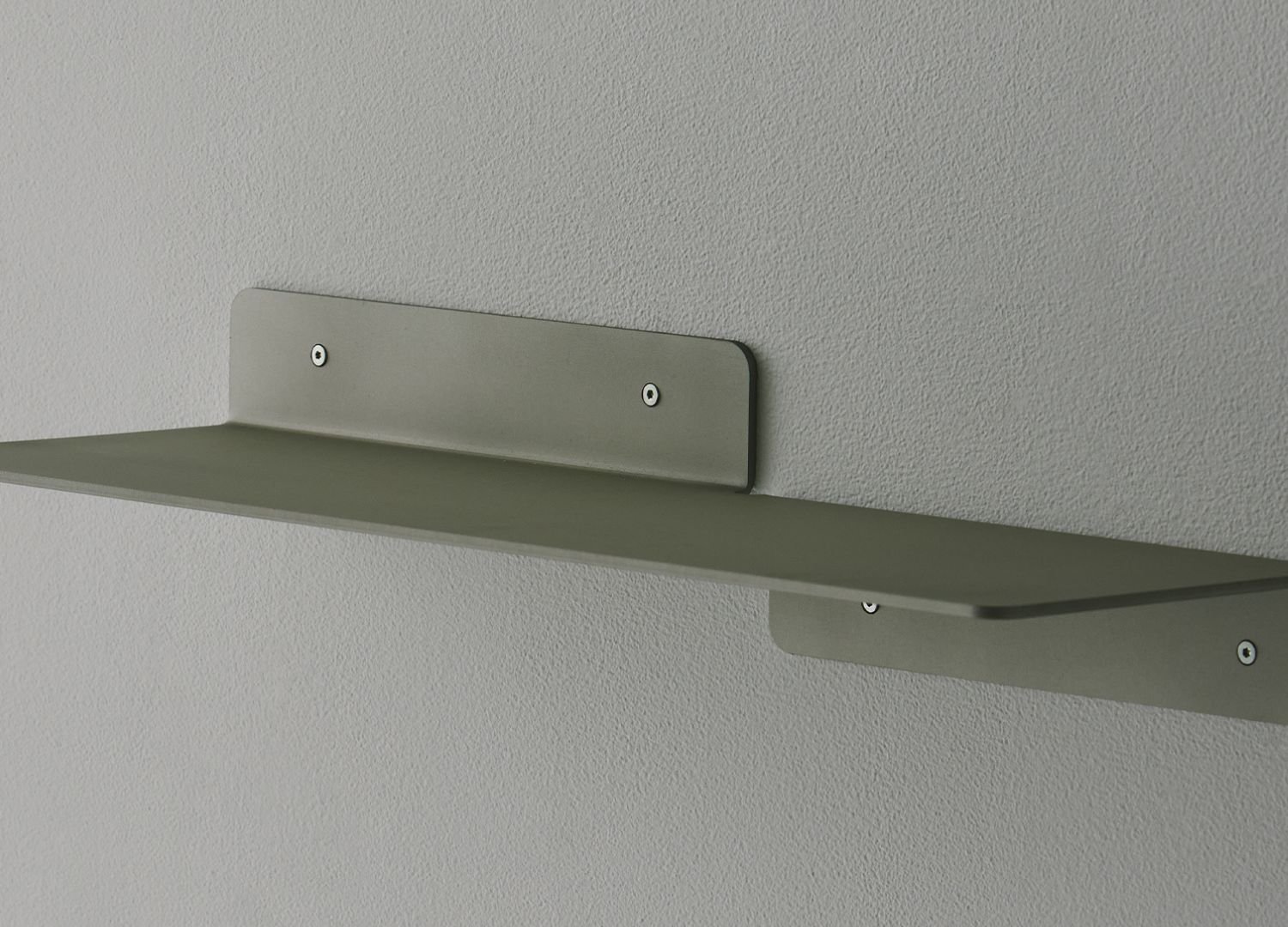
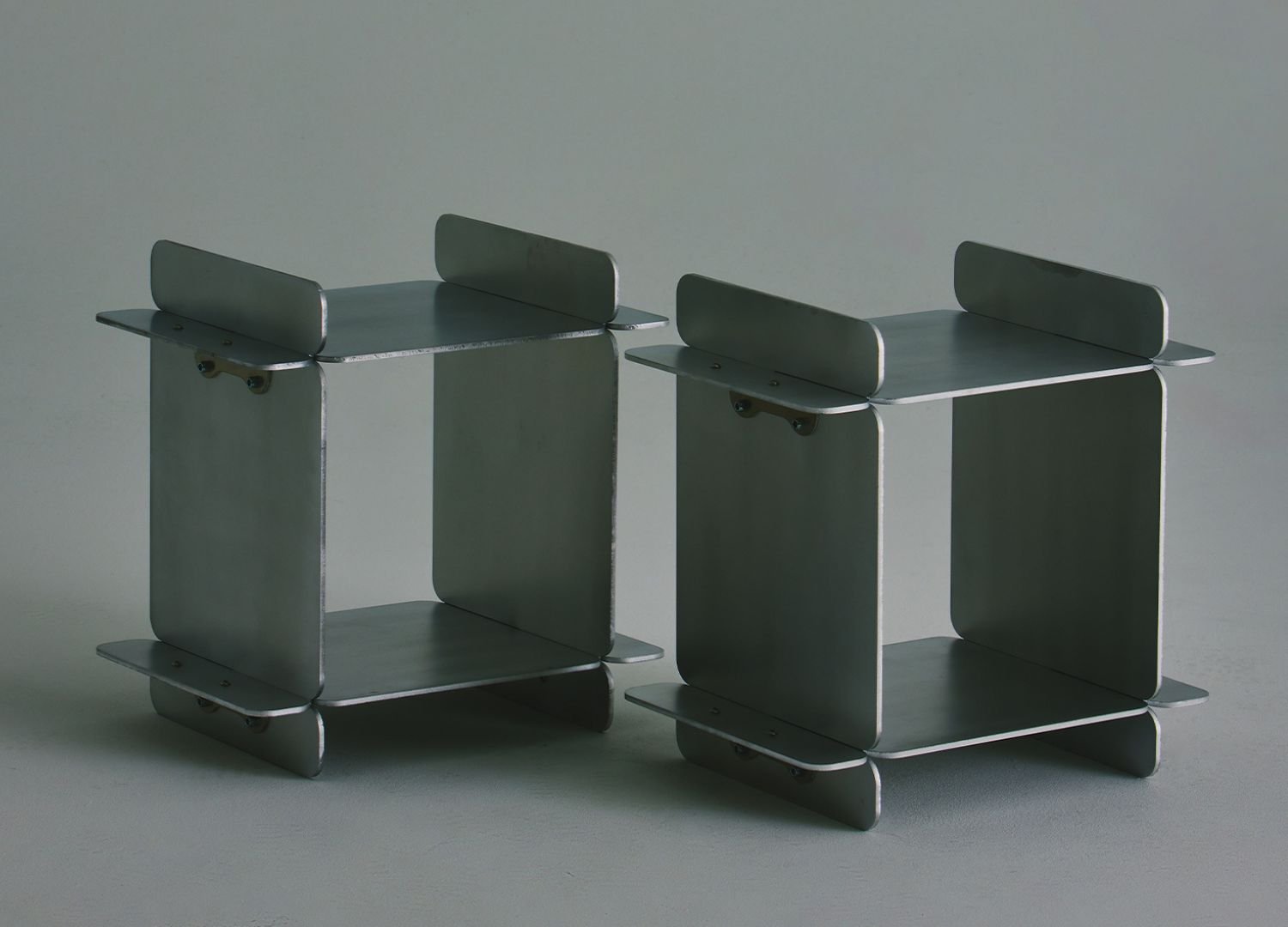
Founded in early 2023 by David Raymond, LESORR is a design studio and research-driven practice operating across limited collectible pieces, commercially available products, and bespoke commissions. Regardless of scale or context, each project is guided by a deep respect for materials, which shapes a design language centered on their physical presence and expressive potential.
Gallery
Open full width

Open full width
LESORR, located at the crossroads between art and design, perceives the two practices as closely linked, yet functionally separate. While the creative process may start with an emotional trigger or an abstract form, the final product is inevitably expected to have an instrumental function.
Everyday surroundings are an ongoing source of inspiration, not as an arena for explicit political statements, but as an area of forms, measures, and material contrasts to be closely studied and reinterpreted in the context of design.
LESORR was founded at a time when design culture was deeply entangled with digital imagery and rapid consumption. What was the founding urgency behind the studio?
David Raymond:
“ Mostly, it was to create opportunities for myself and work with my hands. I’ve never really been a fan of the “render prototype”. Even though it’s a quick way to have a good feel of the design, it’s not the same as seeing the piece live. I like tangible and physical pieces and LESORR was a way to express myself through a physical medium.”
The name Les Objets Raymond Raymond suggests repetition and emphasis. In a cultural landscape where authorship is both hyper-visible and constantly diluted by collective production, is this repetition a political gesture? How do you position the idea of authorship within contemporary systems of branding, identity, and cultural capital?
David Raymond:
“ The repetition comes from my lived experience: Raymond Raymond is my grandfather’s name. But it also serves its branding purpose by imposing itself. I believe it’s important to have a strong identity and have a name that’s recognizable in a world driven by visuals and so Les Objets Raymond Raymond or its acronym, LESORR, works its purpose.”
Your work emphasizes a “reverence for raw materials.” In practical terms, what does that mean within contemporary production systems?
David Raymond:
“For me, it’s a way to respect the materials for what they are and what comes with them. I love to see the way a material reacts to interaction: soft wood will dent and scratch like an old house’s wooden floor or aluminum will see a patina evolve from the way we use and touch it, the objects we rest on it. I respect and cherish the evolution of raw materials.”
LESORR operates across collectible objects, commercial products, and custom projects. How do you navigate the balance between experimentation and financial sustainability?
David Raymond:
“It’s definitely hard to balance. I feel like I’m experimenting with commercial projects lately. When I first started out, I was much more focused on an experimental approach. Now, I try to integrate small experimentations in most of my projects – whether it be in the assembly or manufacturing or material finish. I am trying to slow things down and get back to experimenting. I want to introduce new explorations.”
Many emerging studios struggle to define a viable business model. How did you structure LESORR in its early phase?
David Raymond:
“LESORR had wide ambitions at first; admittedly, they were maybe too wide. I narrowed it down to what I was sure I wanted: an independent studio that operates at its own pace while respecting its identity. I definitely have growth ideas from the beginnings of LESORR that I eventually want to integrate, but I’m not in a rush. I want to refine what has been started before introducing new aspects of LESORR.”
Collaboration is often framed as a creative value, yet it is also embedded in economic hierarchies and power dynamics. When you enter a partnership — whether with artisans, galleries, or industrial brands — how do you negotiate questions of authorship, labor visibility, and ethical responsibility? Can collaboration itself be considered a political act within today’s design economy?
David Raymond:
“ I try always to be rational and equitable when collaborating. Most collaborations are ultimately about benefitting from the other’s audience, knowledge, manufacturing abilities, the list goes on. A good collaboration is one that equally benefits both sides. With that in mind, of course, collaboration can be a political act: who you’re collaborating with, and for what reasons, means everything.”
Your work sits at the threshold between art and design. How do you position yourself within that spectrum?
David Raymond:
“ I like to see the two as intertwined. They operate in close worlds and both art and design objects can share similar qualities. The main difference is that design is one that has a functionality beyond its aesthetic or conceptual value. At the end of the day, a design object has to serve a specific purpose. My creative process almost always starts with an emotion or a general form I want to emulate, much like art.”
The new design scene often emphasizes collectibility and limited editions. How do you position LESORR within this movement?
David Raymond:
“ While some of my pieces are limited editions, I feel like the concept itself comes with brand status and LESORR simply isn’t there yet. As mentioned before, limited or collectible design pieces are very close to art objects. Except for LESORR’s more experimental pieces, my designs have a scalability and reproductivity aspect to them.”
You frequently cite everyday surroundings as a source of inspiration. In a time when the “ordinary” is shaped by infrastructure, inequality, and global supply chains, how do you approach observation as more than aesthetic extraction?
David Raymond:
“ I’m aware that the “ordinary” is never neutral, but my approach isn’t to decode or comment on the political systems behind it. My observation tends to operate at the level of form, proportion, material behavior and spatial tension.
I’m interested in how elements of the everyday can be reframed through design – not as a political statement, but as a shift in perception. For me, the work doesn’t need to carry an explicit stance; it functions as an interpretation and reconfiguration of what already surrounds us.”
Looking ahead, what ambitions define the next phase of LESORR?
David Raymond:
“ More thought behind a slower process, hopefully leading to more refined objects.”
About the author
Multidisciplinary art director and storyteller crafting contemporary narratives across design, technology, politics and fashion, between Milan and Rotterdam.
Instagram