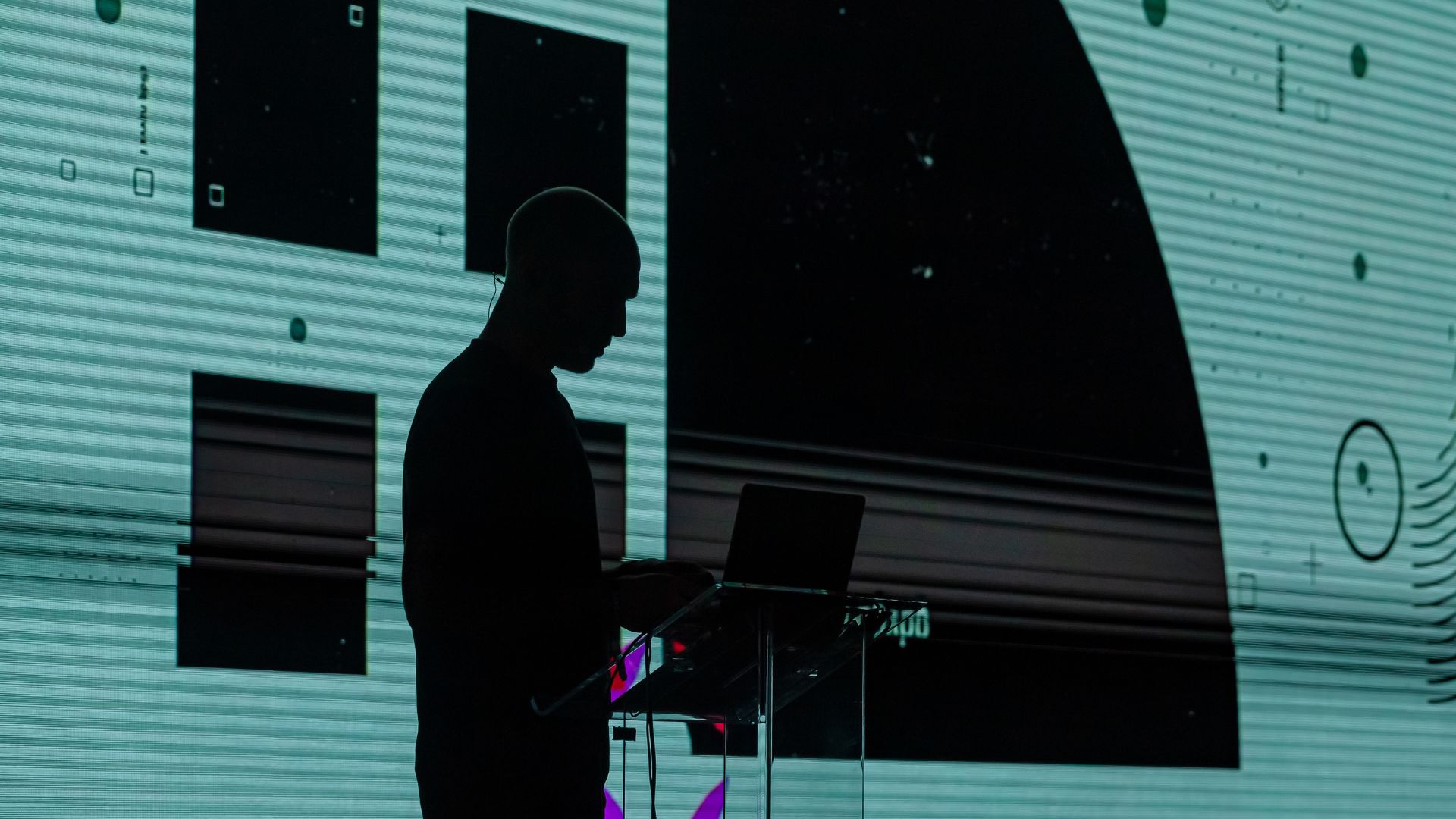
Marc Morro and the clarity of construction
From an unexpected background in advertising to a hands-on design practice, Marc Morro has developed a Design Theory rooted in synthesis, construction, and communication.
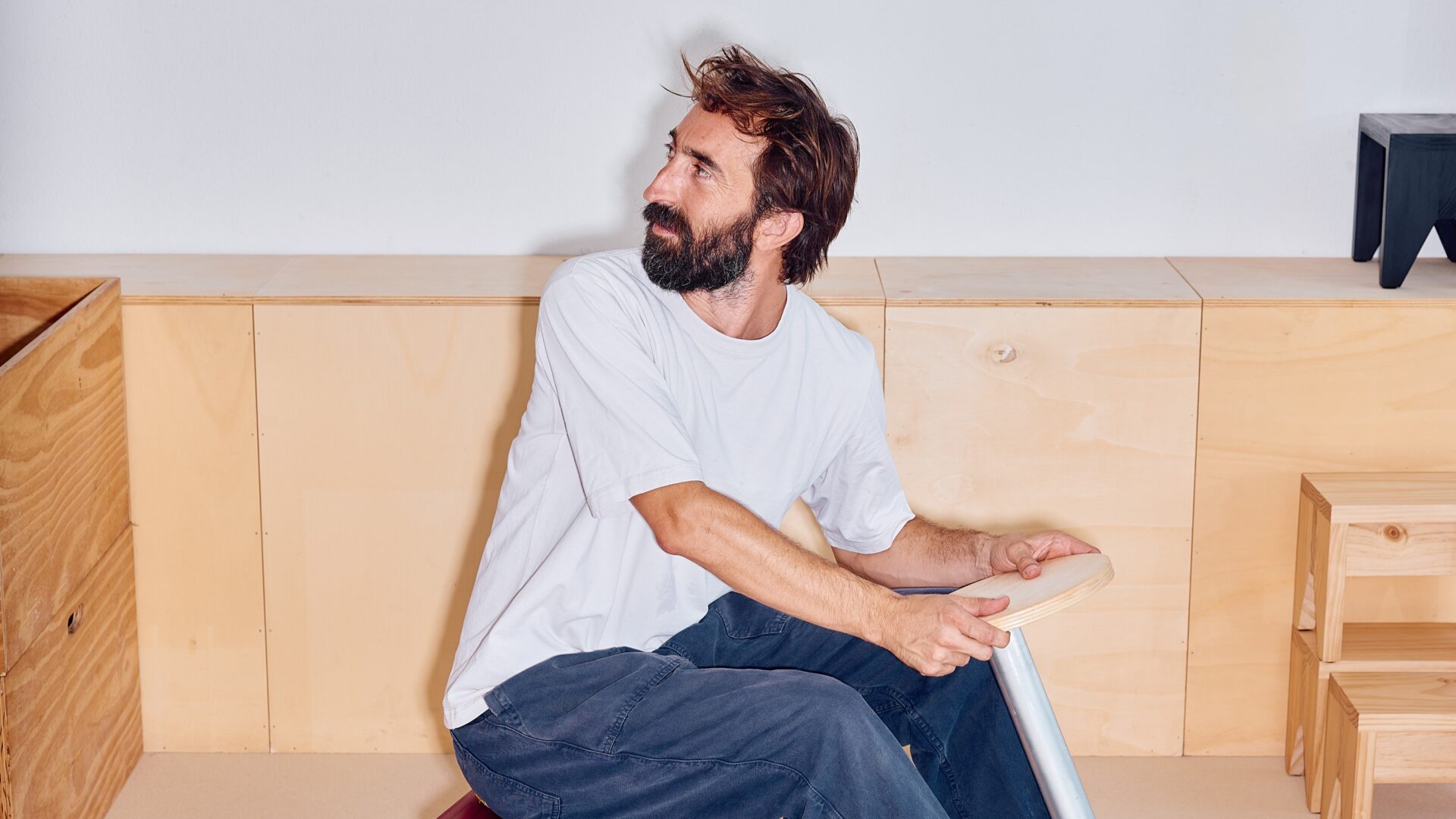
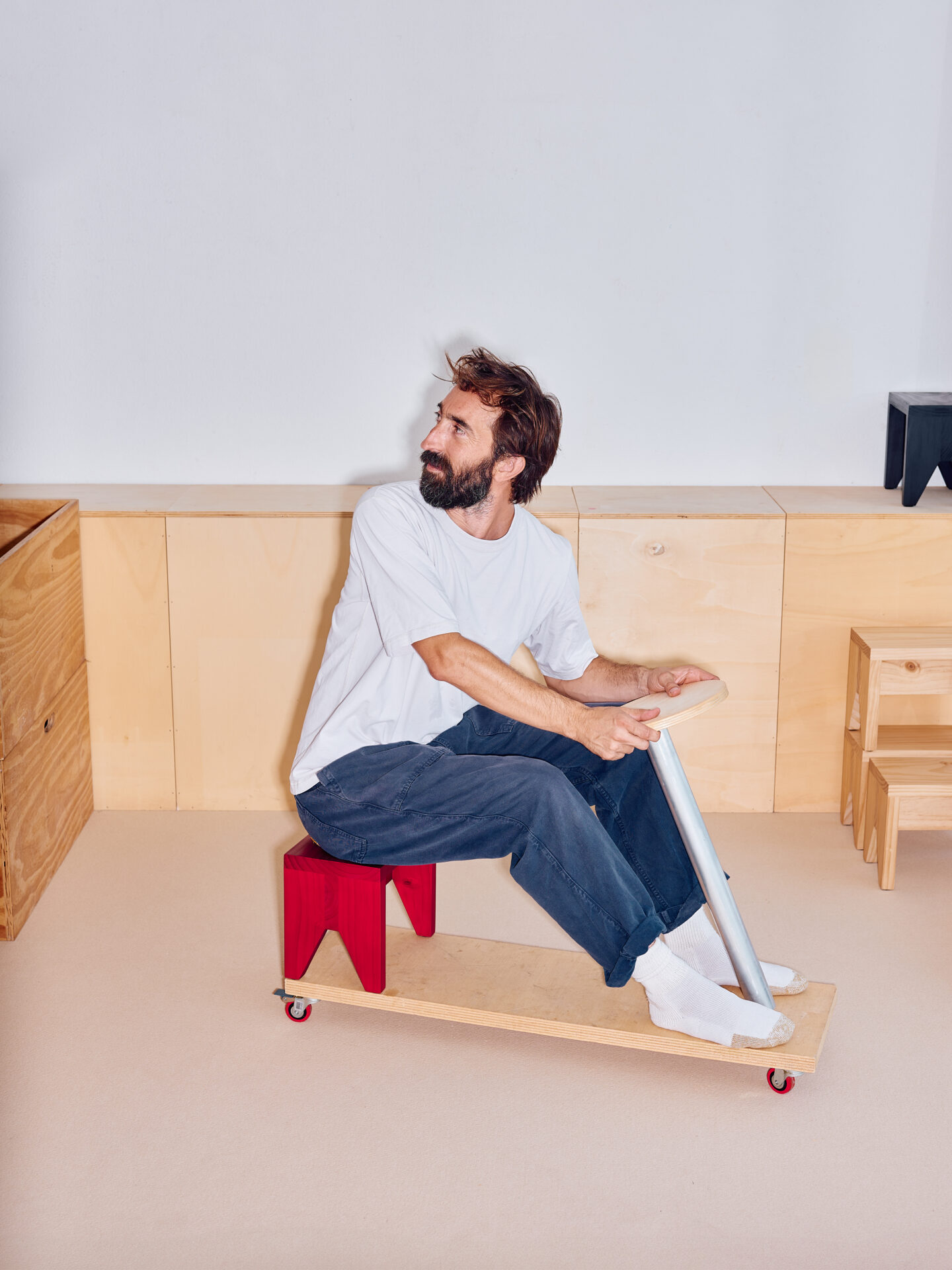
Marc Morro is one of those designers who immediately challenge your assumptions. Looking at his objects, you might imagine a background deeply rooted in craftsmanship – perhaps carpentry, metalwork, or a traditional workshop culture. His work has that tactile honesty, that sense of someone who understands material through their hands.
And yet, that assumption would be wrong. Marc Morro does not come from an artisanal background. His path is more unexpected and perhaps that is exactly what makes his design theory so compelling.
Gallery
Open full width
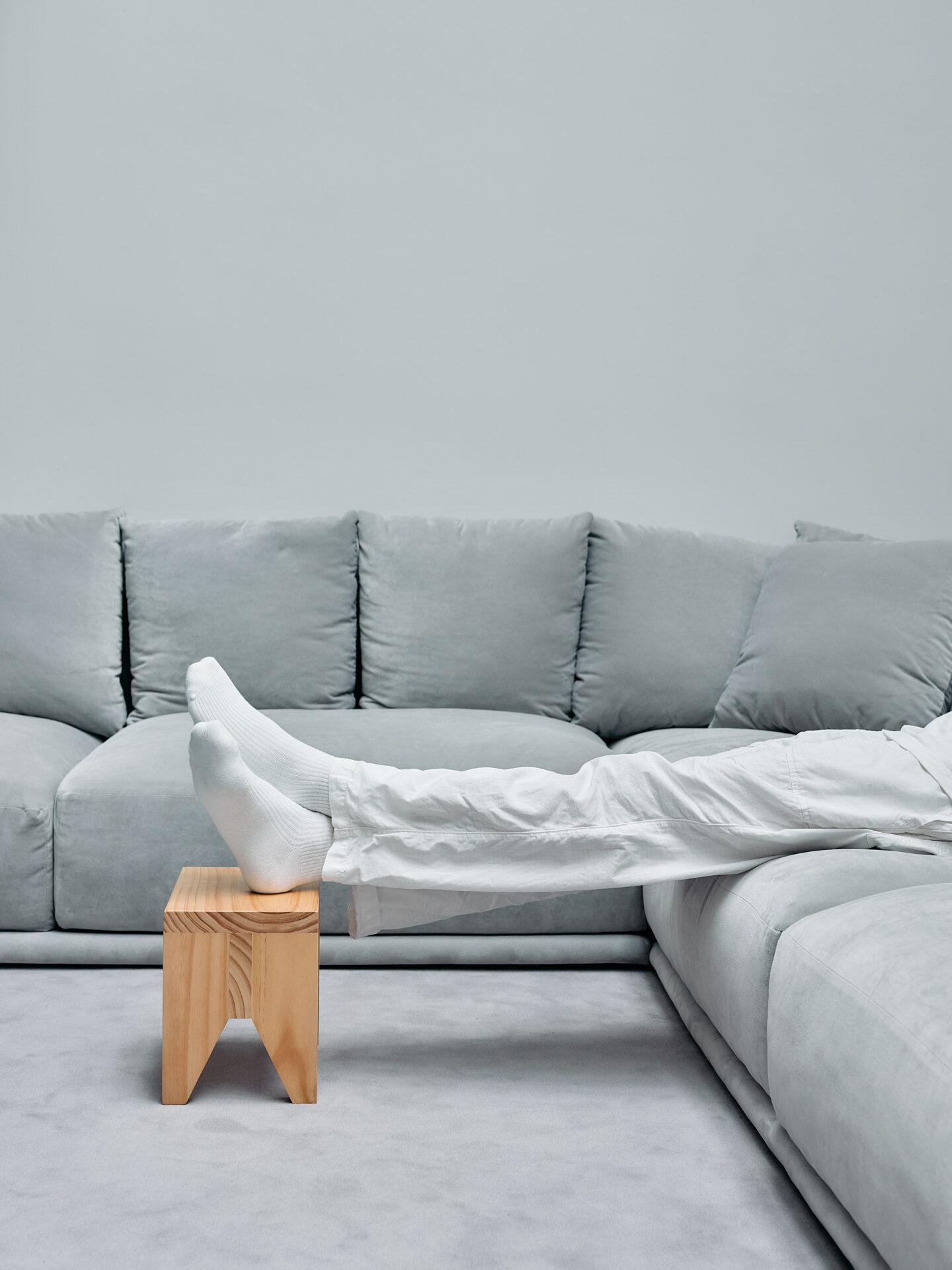
Open full width
Marc Morro – Highlights:
An unexpected beginning
Born in Mallorca and now based in Barcelona, Marc Morro design was present around him since childhood, but he consciously looked for a slightly different path. He enrolled in a design school in Spain almost by chance, partly as an alternative to the architectural environment he was surrounded by, partly driven by curiosity. He was attracted by the idea of learning how to build things, how to design and construct objects.
Later, he expanded his experience abroad, including time in the United States, in New York. Eventually, he returned to Europe and, in a move that might surprise many, began working in advertising. At first glance, this might seem disconnected from the world of product design. But in reality, it shaped his mindset in a fundamental way.
Working in advertising means learning how to communicate clearly. It means understanding how to transmit an idea effectively. And this sensitivity to communication deeply informs Marc Morro’s Design Theory. For him, the key question is not only how do I design this object?
But rather: how do I communicate the idea of this object through its construction?
Synthesis, not simplicity
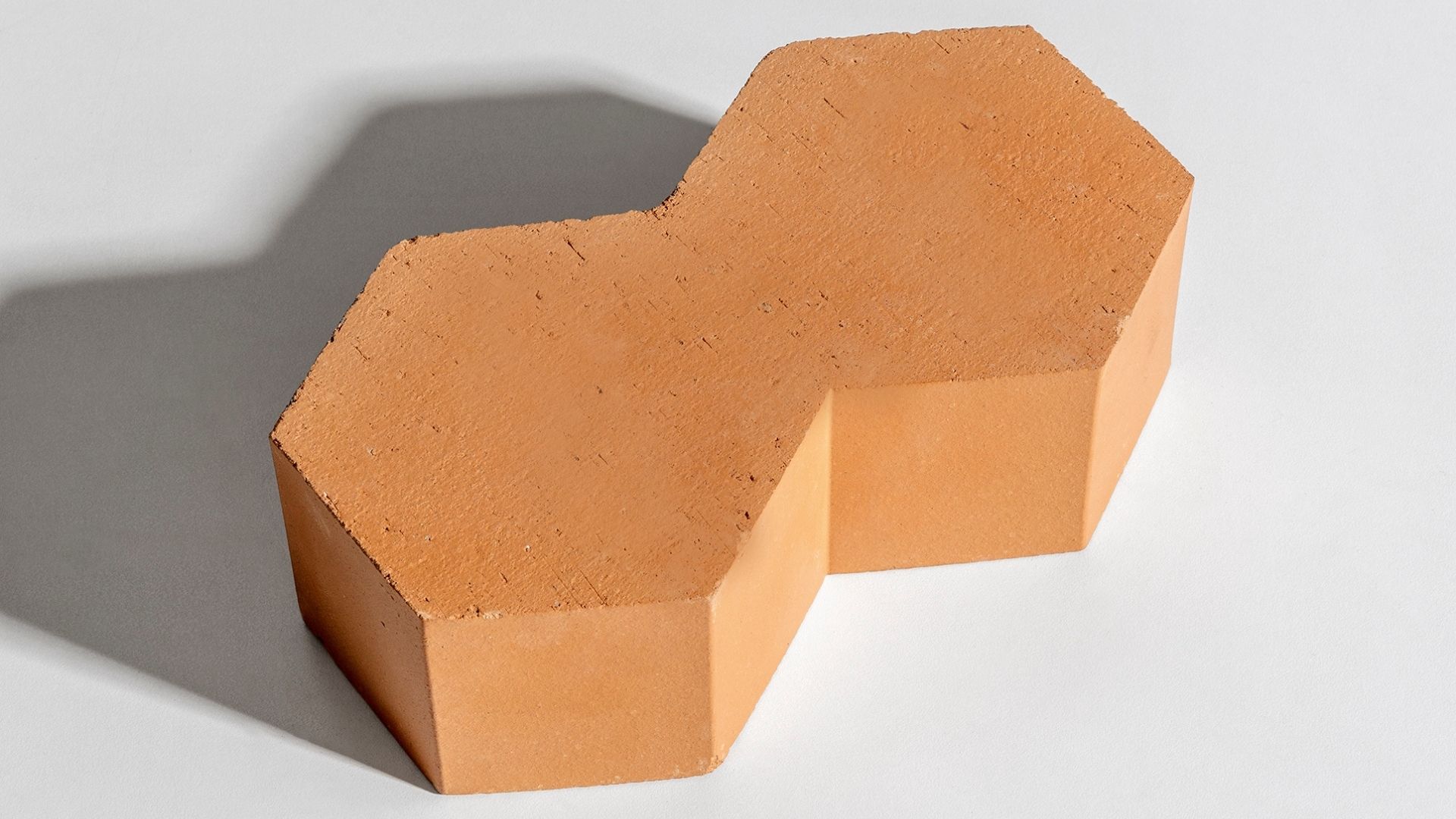
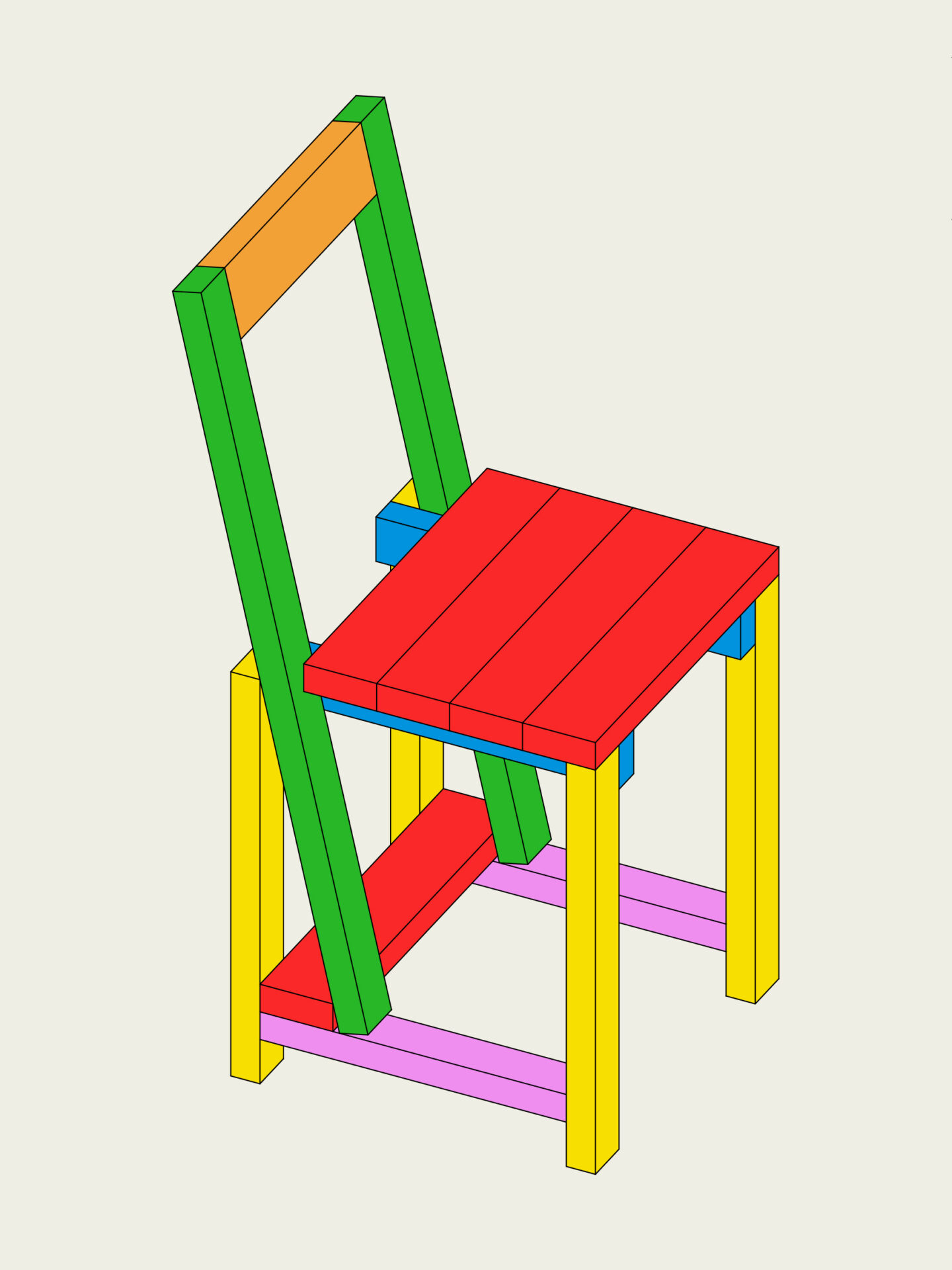
Marc Morro’s objects often appear simple. But “simple” is not the right word. His work is better described as synthetic. Before sketching a final shape, he interrogates the construction process. He asks: how can this object be built? What are its parts? How do they connect? What is the most direct way to assemble it?
Only after defining these structural hypotheses does the form begin to emerge. In his work, form is not decorative. It is the natural consequence of construction logic. This is why his objects feel honest.
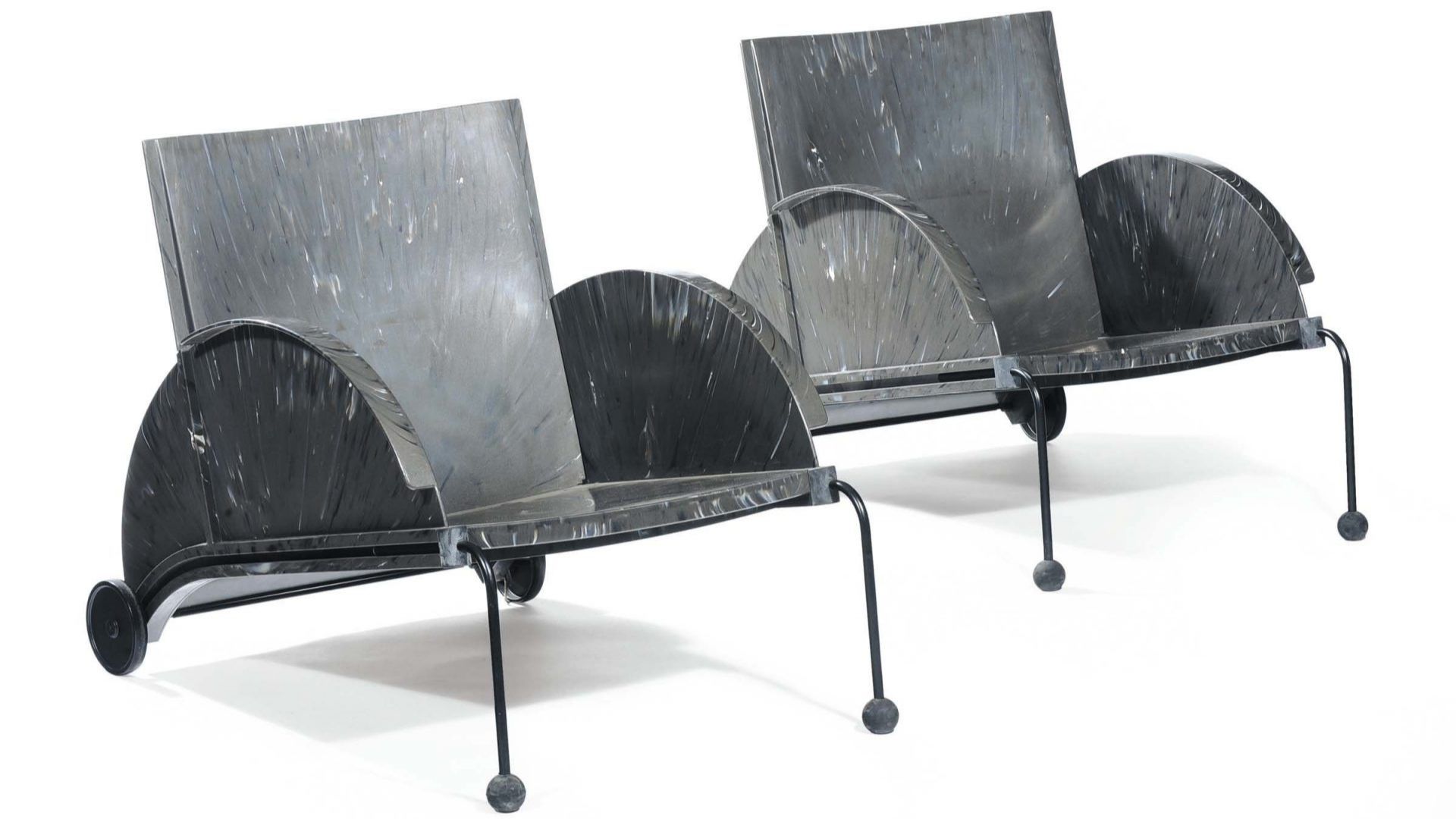
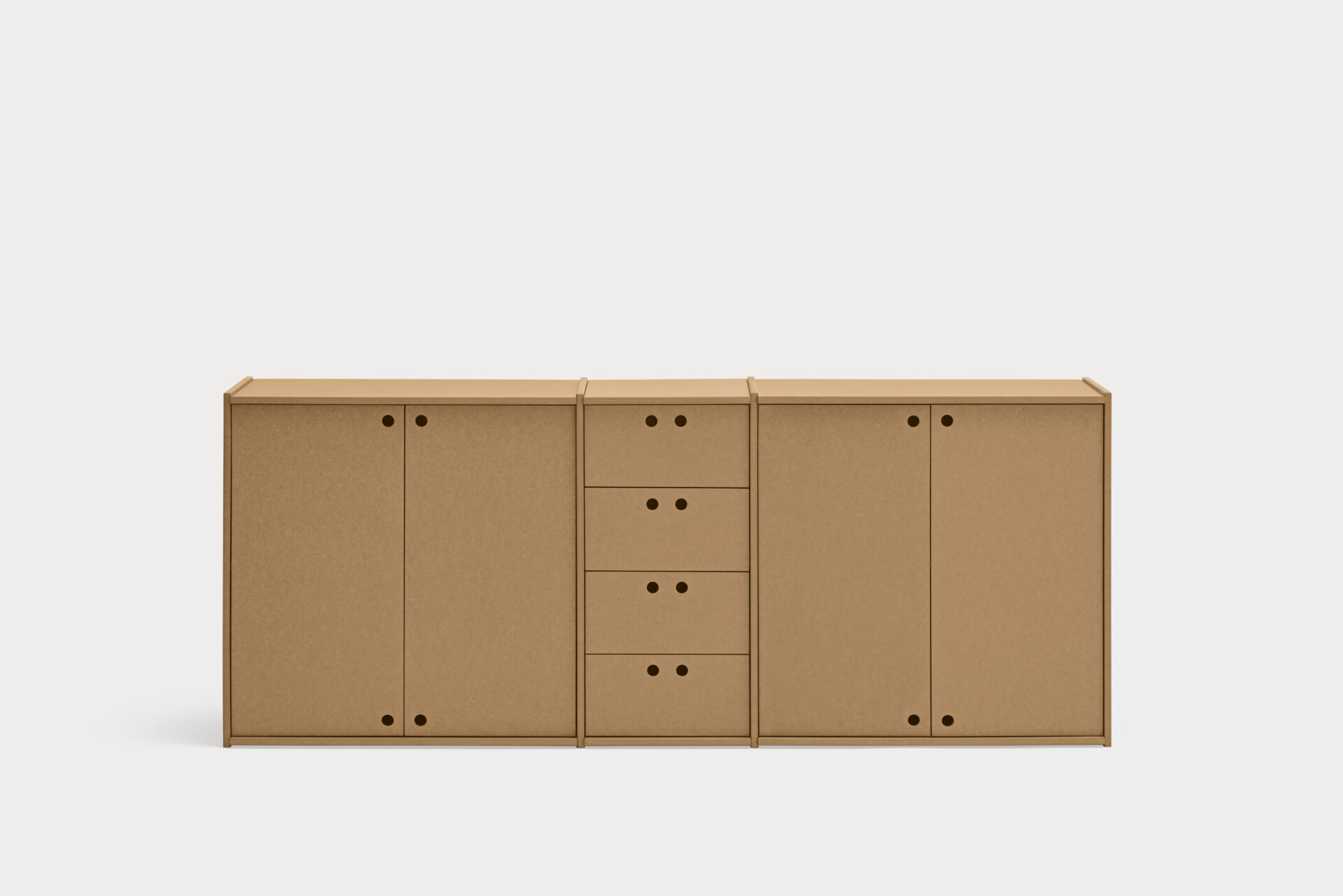
When you look at a chair, a table, or a piece of furniture by Marc Morro, you can usually understand how it is built. The joints are readable. The sections are visible. The logic of assembly is not hidden, it is part of the design language. That transparency is not accidental. It is the core of his concept. For Morro, construction is not something to conceal. It is the narrative of the object.
Communicating through making
This is where his background in advertising becomes unexpectedly relevant. Marc Morro does not create objects with less meaning in order to communicate better. On the contrary, he asks himself how to communicate his idea more clearly through the object itself. The construction becomes the message.
If the heart of the concept lies in how the object is assembled, then that assembly must be visible. If the key idea is structural logic, then the sections, the joints, the connections must speak. This clarity allows the object to tell its own story. And this is perhaps one of the most interesting aspects of his process: communication does not happen through explanation, but through construction.
A universal method
At first glance, this approach might seem extremely personal. And it is. Yet paradoxically, it works very well with brands. Because when a designer defines such a clear process – starting from production, interrogating structure, allowing form to emerge from logic – that method becomes adaptable.
Give Marc Morro a specific manufacturing process, a certain technology, or a defined production system, and he will interpret it. He does not impose a rigid signature style. Instead, he applies his method to the context. This creates a subtle balance.
There is a visible thread running through all his projects: you can recognize his hand. But the approach is flexible enough to serve different brands without feeling forced. In this sense, his design does not depend on a specific aesthetic vocabulary, it depends on a way of thinking. Some designers are called for their strong visual signature. Others are called for their ability to understand and clarify a process. Marc Morro belongs to the second category.
The role of the prototype
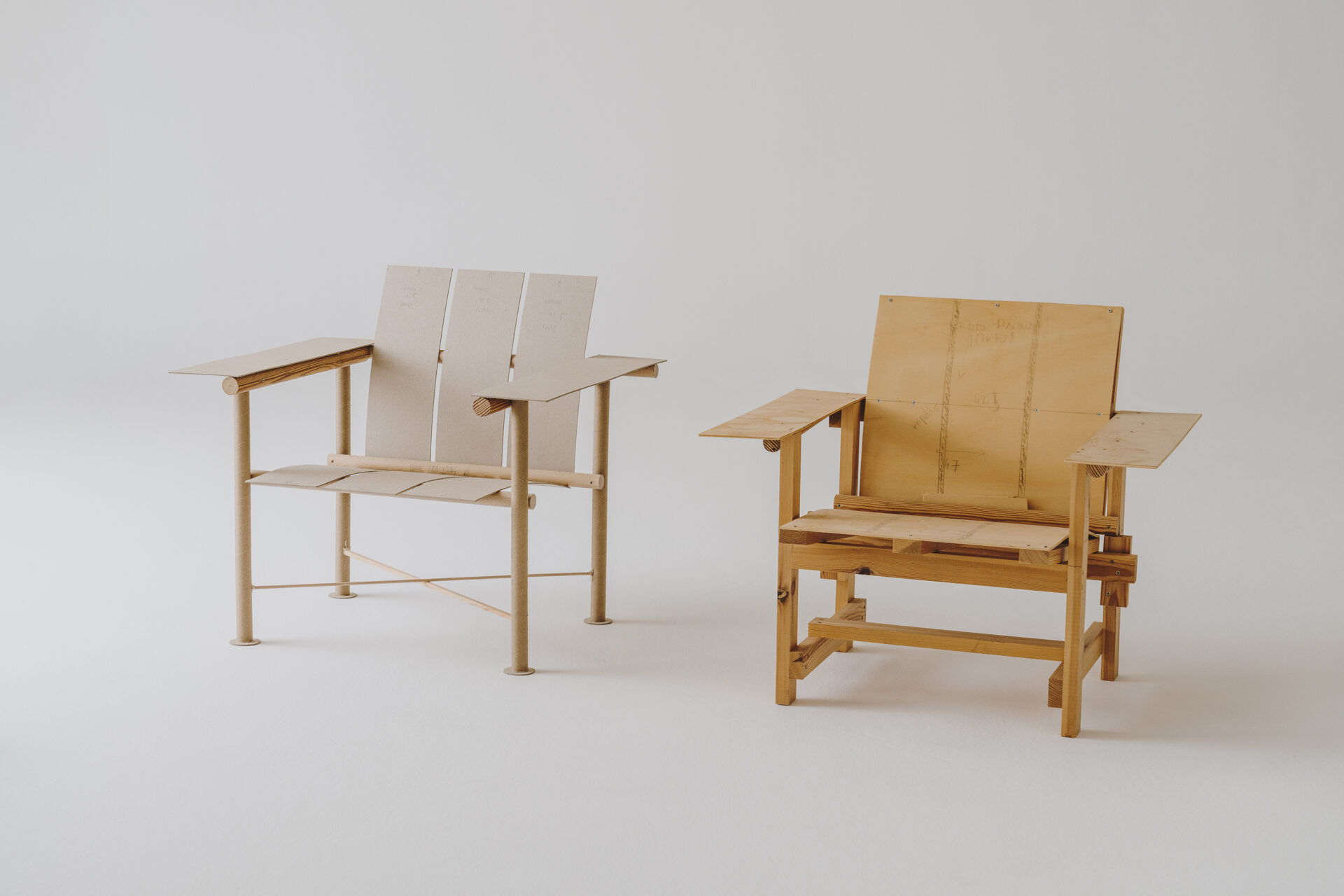
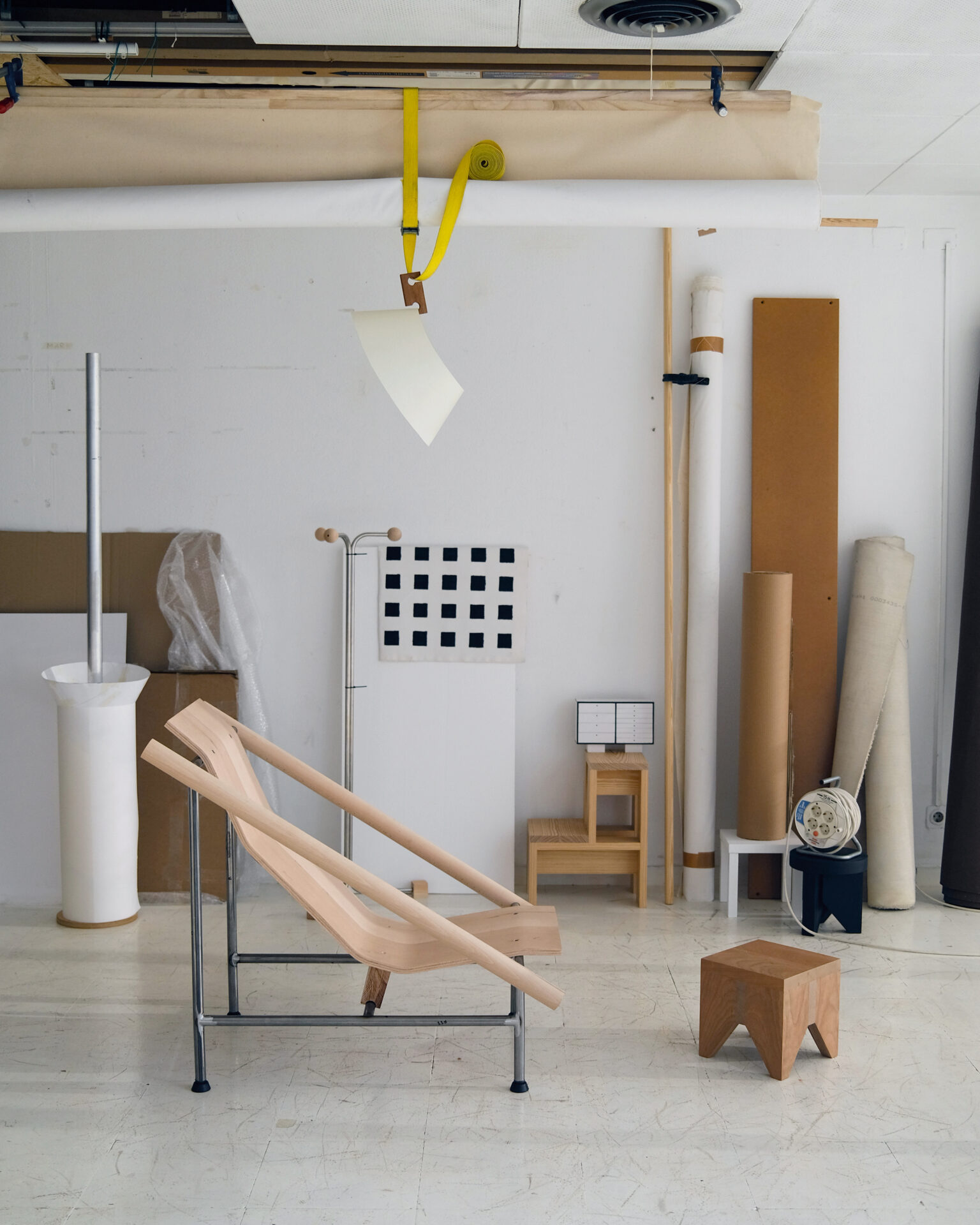
Another fundamental aspect of his practice is prototyping. Marc Morro does not limit himself to concept sketches or 3D models. Inside his studio, ideas quickly become physical. Mock-ups, test pieces, and full prototypes are part of his daily routine. And the prototype is not only a technical step, but it is also a tool for dialogue.
When he brings even a small mock-up into a meeting with a brand, the entire presentation shifts. Slides and renderings lose importance. The conversation moves directly to the object. Because the object is there. It can be touched. It can be examined. It answers questions silently. This tangible presence reinforces his philosophy: design must be understood through making. Even projects that never reach the market are often developed physically in his studio. Not as wasted effort, but as research. As proof that the idea is feasible. As evidence that the object can exist.
Beyond the market
Not every object is meant to become a product. Some projects remain internal explorations. Others serve as stepping stones toward collaborations. Designing is not only about producing objects. It is about understanding them.
Marc Morro’s objects are not loud. They do not scream for attention. They reveal themselves through logic. And perhaps this is the most powerful aspect of his work: by focusing on construction, he makes design readable.
In a landscape where visual noise often dominates, Marc Morro reminds us that clarity can be radical. Not because it is minimal, but because it is precise. And when precision becomes a language, the object no longer needs to shout. It simply – beautifully – makes sense.
If you liked Marc Morro, you could find interesting discovery design theories from leading designers like Muller Van Severen or Kooij.
About the author

Mario Alessiani, founder and creative director of the Italian namesake design studio, specializes in product, lighting, and furniture design. His clients include companies such as Umbra, Fabbian, and Axolight. Mario also teaches at the University of Camerino, IED Rome and Sichuan Normal University in China. His work has been exhibited at prestigious events like the ADI Design Museum in Milan, Eindhoven Design Week, and Milan Design Week, earning him awards like the IF Design Award and Archiproducts Design Award.
WebsiteInstagramLinkedin