A new way of designing sound: Neuf Voix’s avant-garde practice
From self-built multichannel systems to site-specific performances, Neuf Voix turns sound into experiential infrastructure. A radical, almost mystical approach where diffusion, space, and listening merge into a single engineered universe.
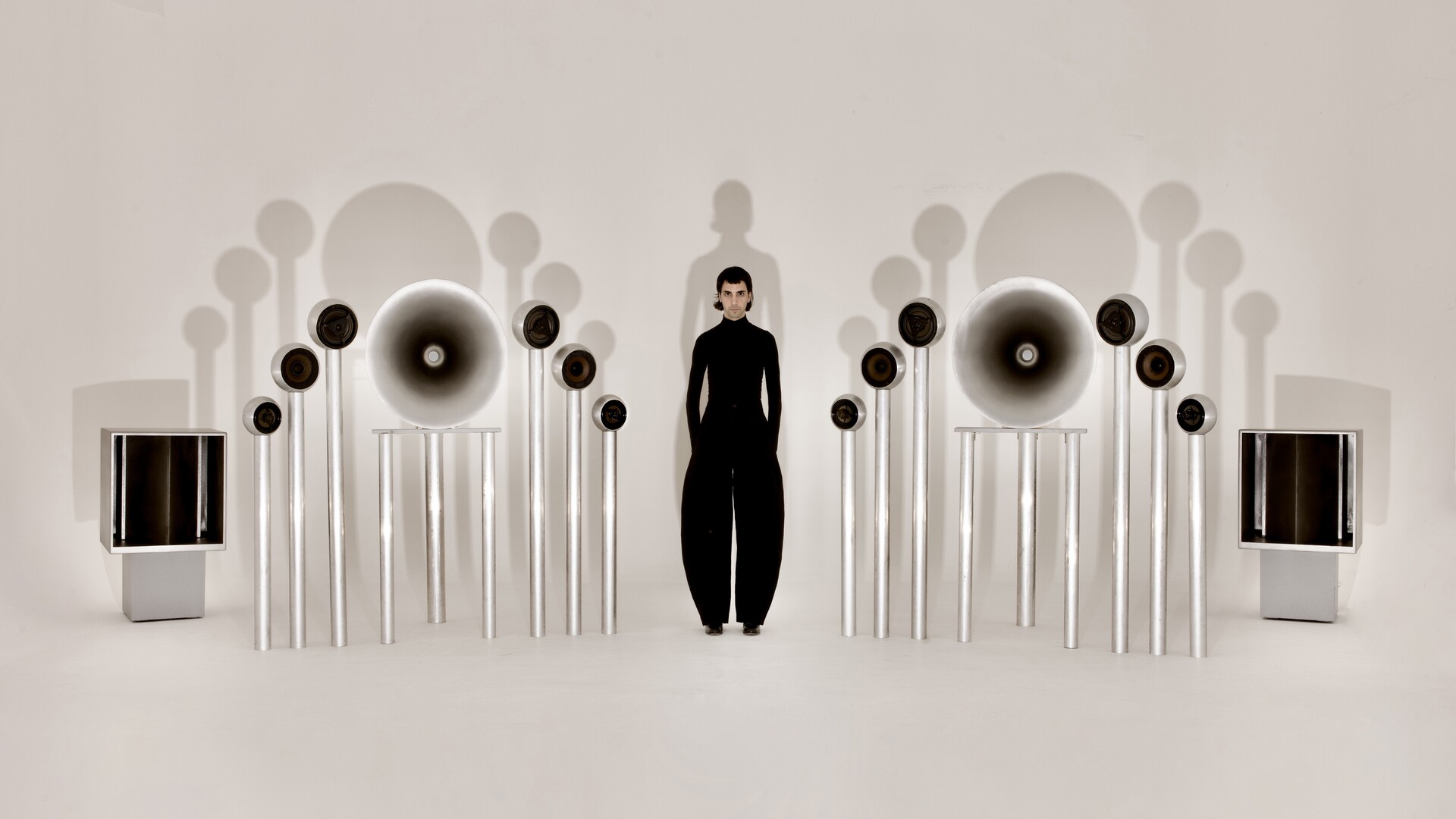
Neuf Voix, aka Elvio Seta, is an Italian composer and sound artist active between Milan and Paris. His practice – almost scientific in its rigor – moves through kaleidoscopic, multichannel sound design, blending electronic composition and instrumental influences with the creation of custom audio systems and speakers. In a context where audio technology is increasingly standardized, Neuf Voix treats diffusion, spatialization, and control as structural components of composition and performance.
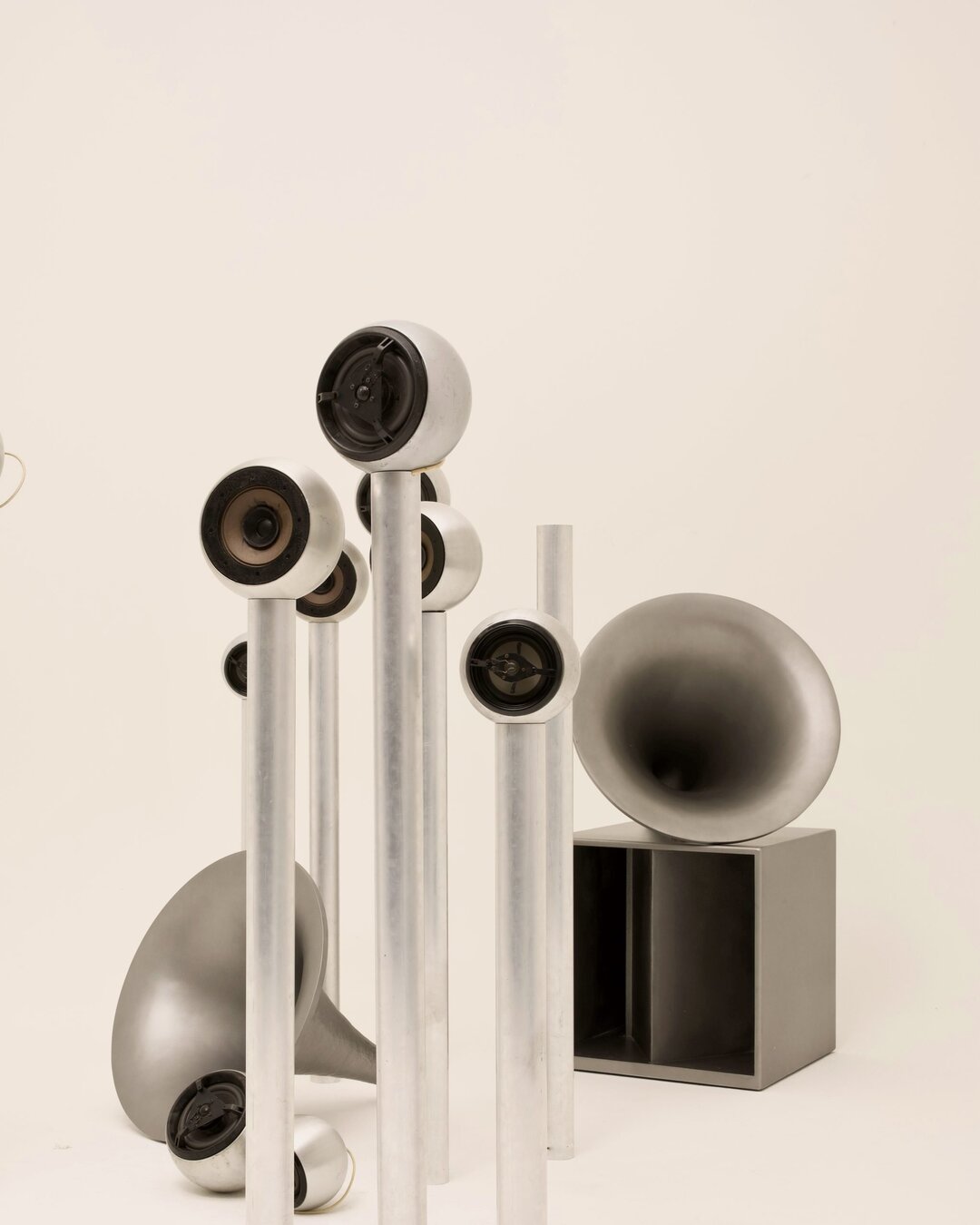
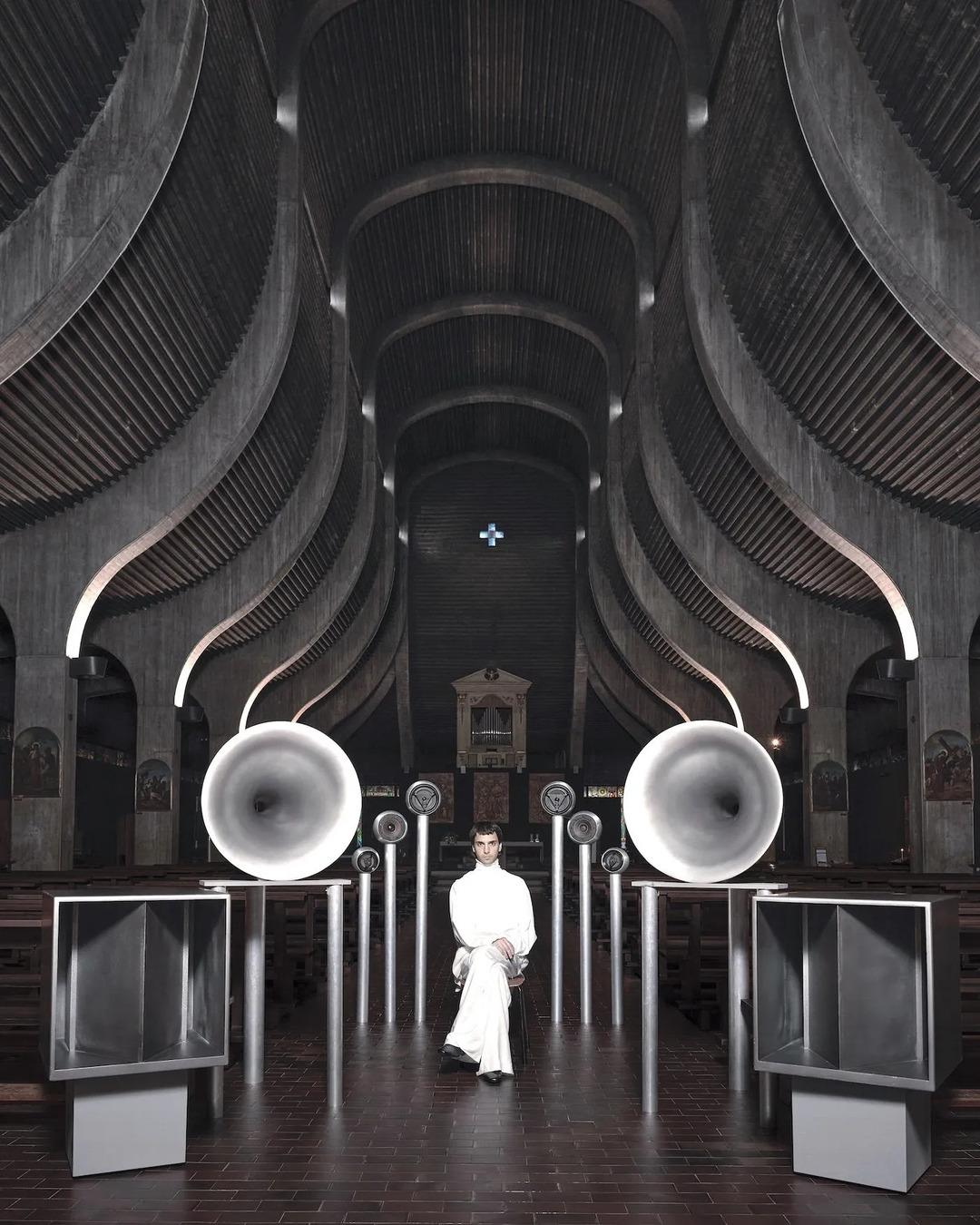
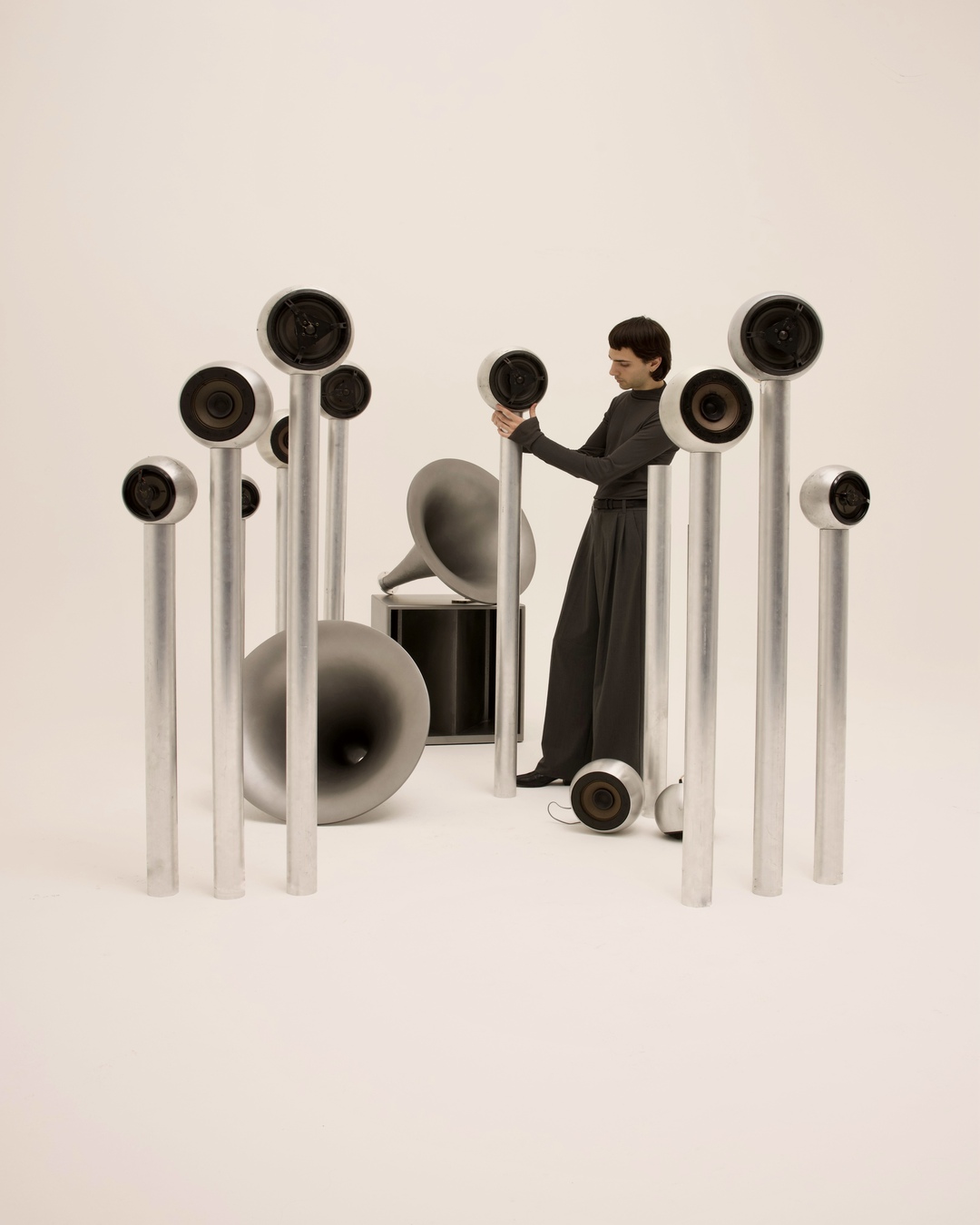
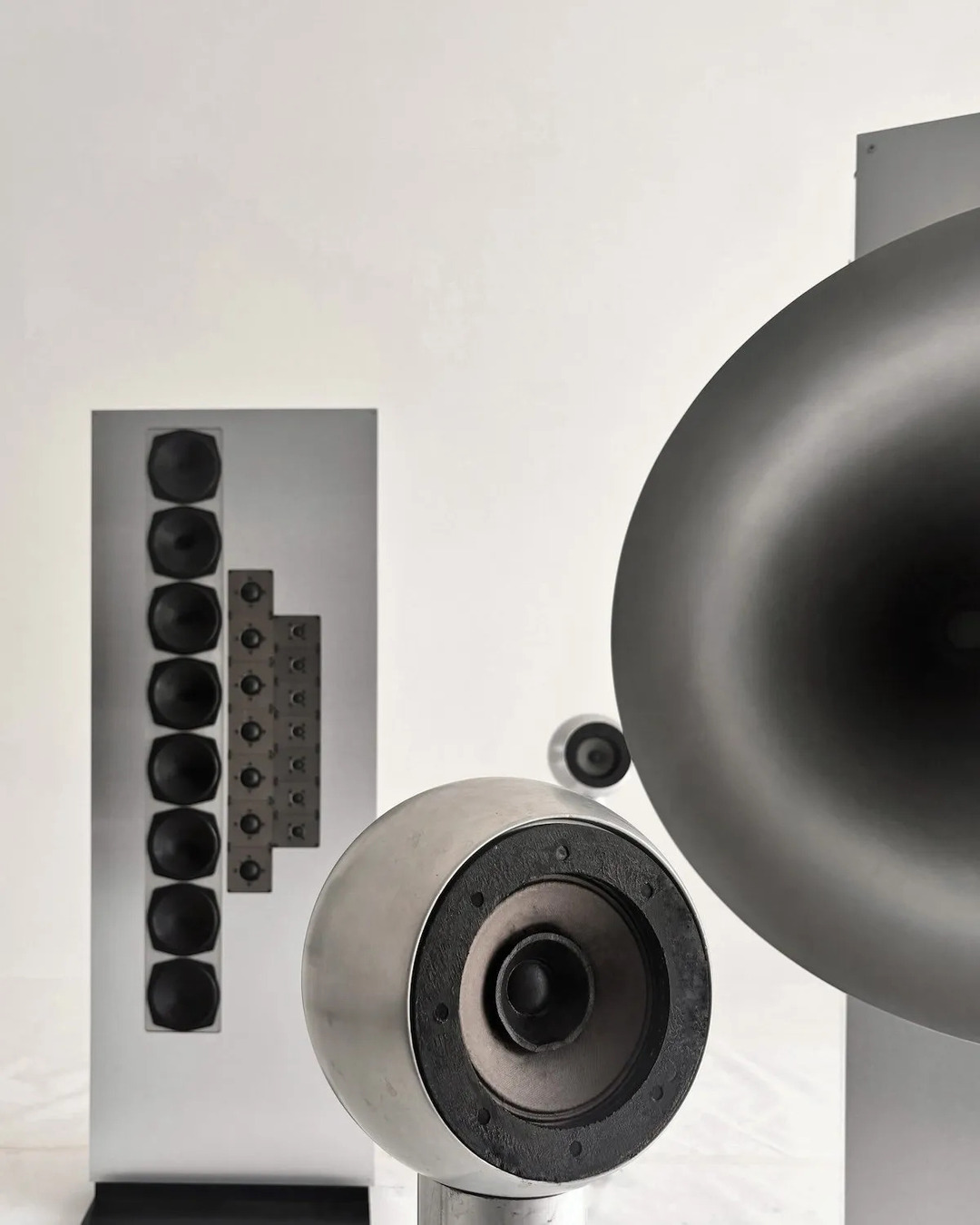
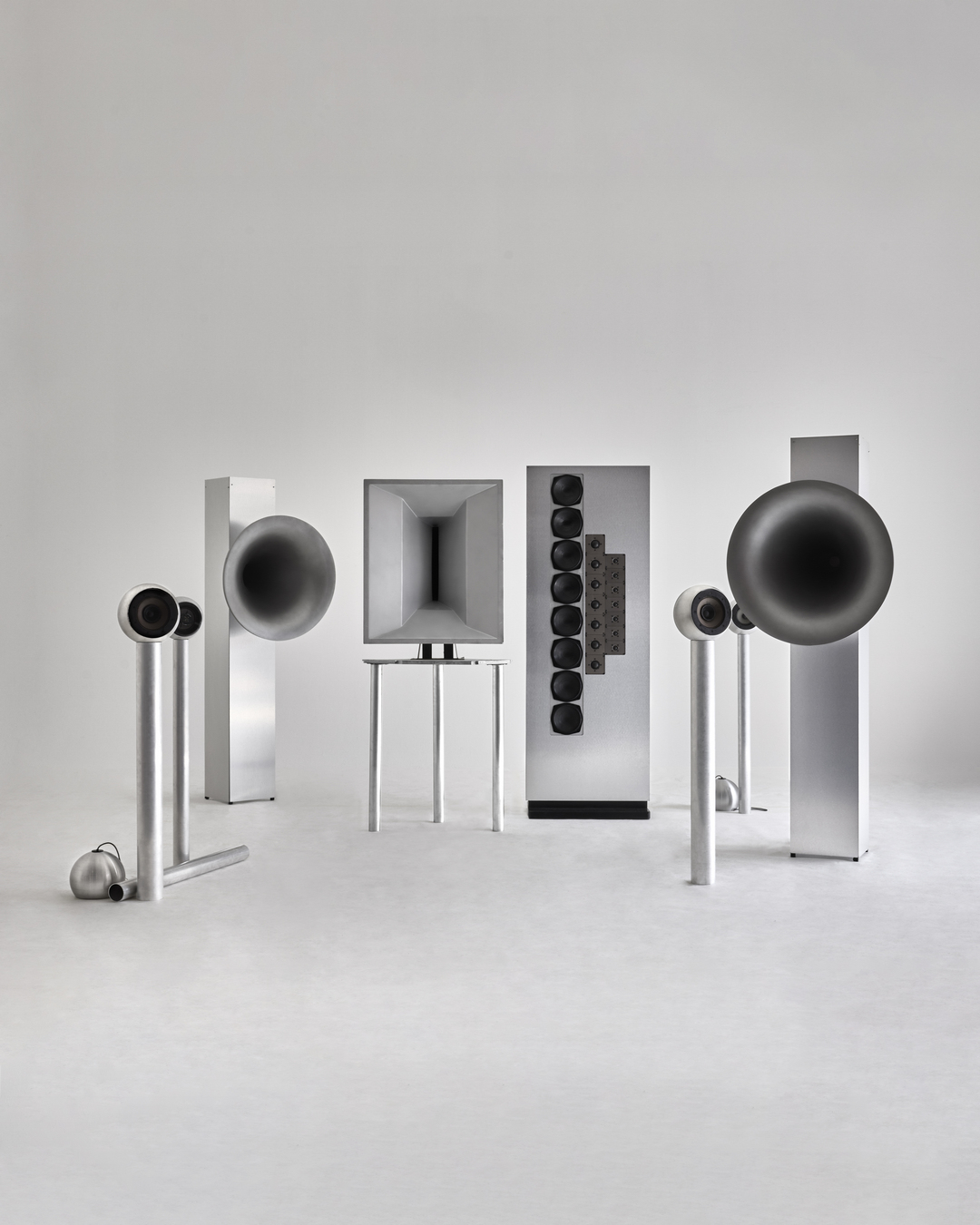
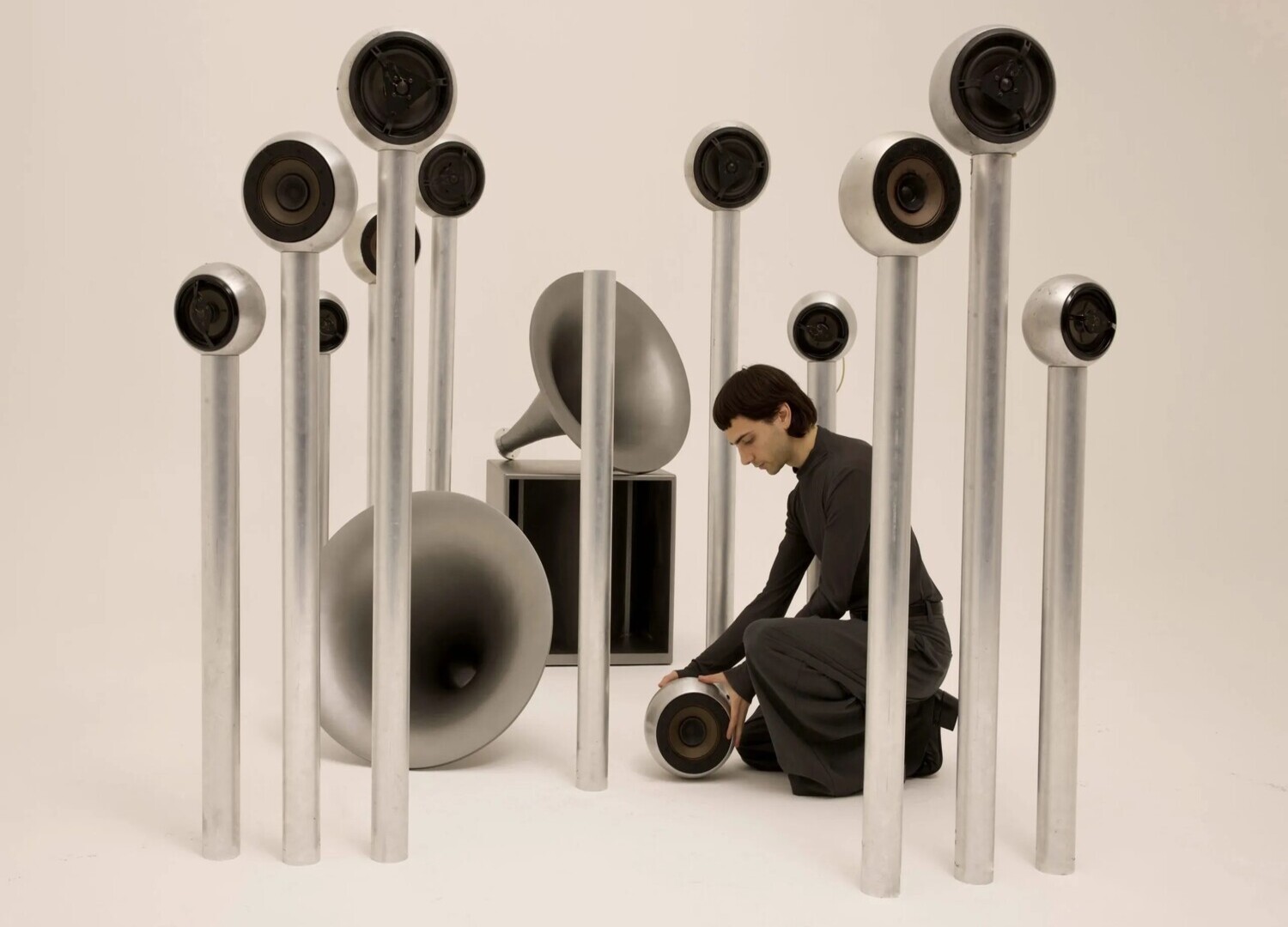
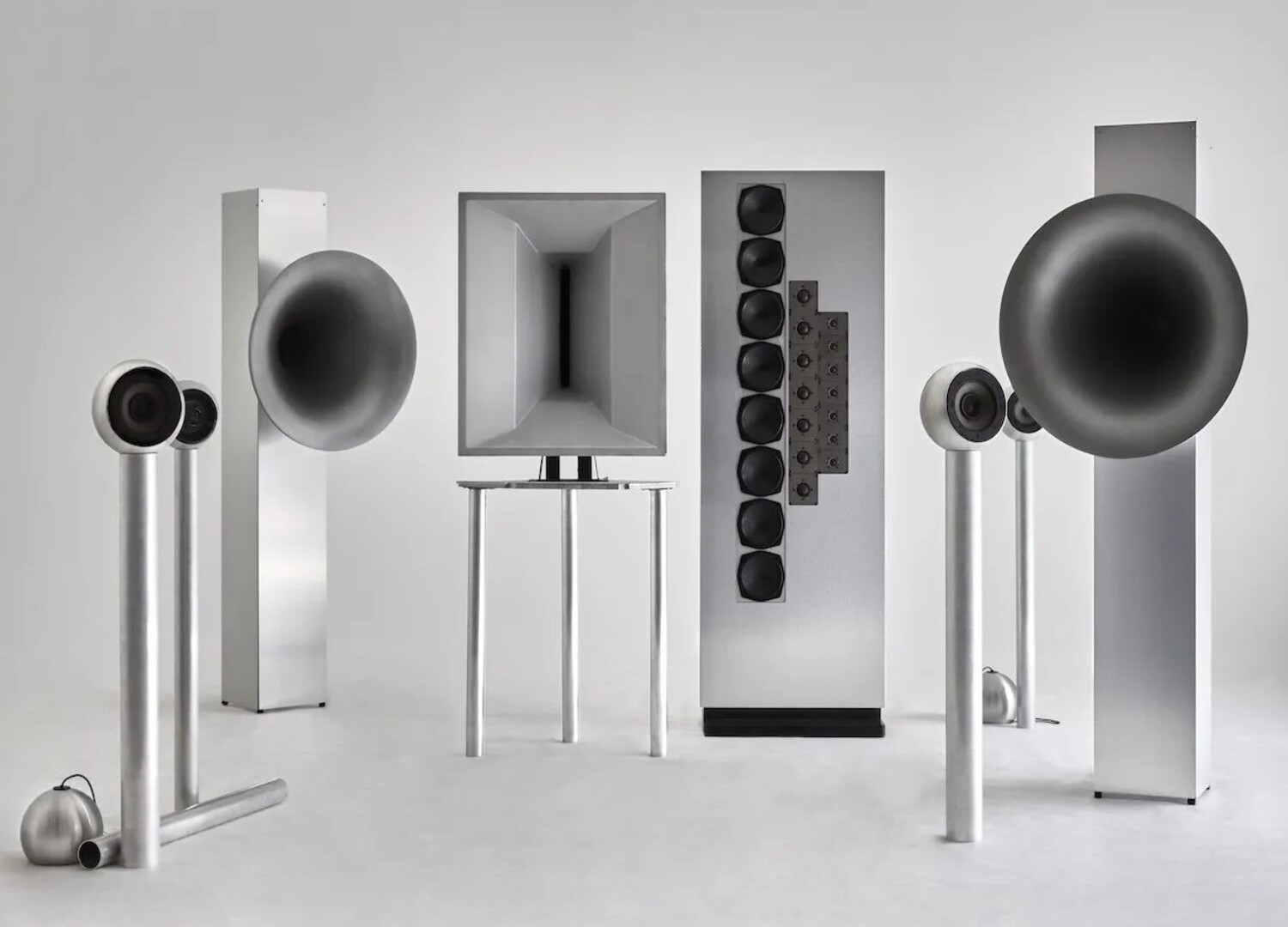
He develops bespoke devices such as the Acousmonium ODAE, a modular, self-built system with an almost otherworldly presence, where engineering, prototyping, and sound research converge to preserve the complexity of listening. Far from nostalgic gestures, proprietary instruments, analog electronics, and attention to the physical dimension of listening become critical design positions. In this approach, devices become true acts of design. Sound is no longer content to be delivered, but an immersive infrastructure that redefines the relationship between audience, space, and perception.
Gallery
Open full width
Open full width
This exclusive interview explores Neuf Voix’s avant-garde approach, extending beyond music into technology, design, and live performance.
Your work treats sound as a spatial, almost architectural material. When designing a performance, how do you imagine the acoustic space, and how does it influence your choices?
Elvio Seta:
When I design a performance, I never think of space as a simple container for sound. For me, space is compositional matter, just like timbre or time. I imagine the environment as a living body, with directions and zones of density and emptiness, and I try to understand how sound can pass through it, shape it, or destabilize it. This approach shapes my musical choices: I work with materials designed to be formed in space rather than along linear structures. Sound diffusion becomes an expressive tool, with multichannel systems, spatialization, and dynamic control embedded in the compositional process. Each performance emerges from the relationship between sound, architecture, and the listener, and exists only in that specific place and moment.
The Acousmonium ODAE is a self-built modular system with unique speakers calibrated for specific frequencies. What led you to develop it, and how do engineering, prototyping, and sound research intersect in your process?
Elvio Seta:
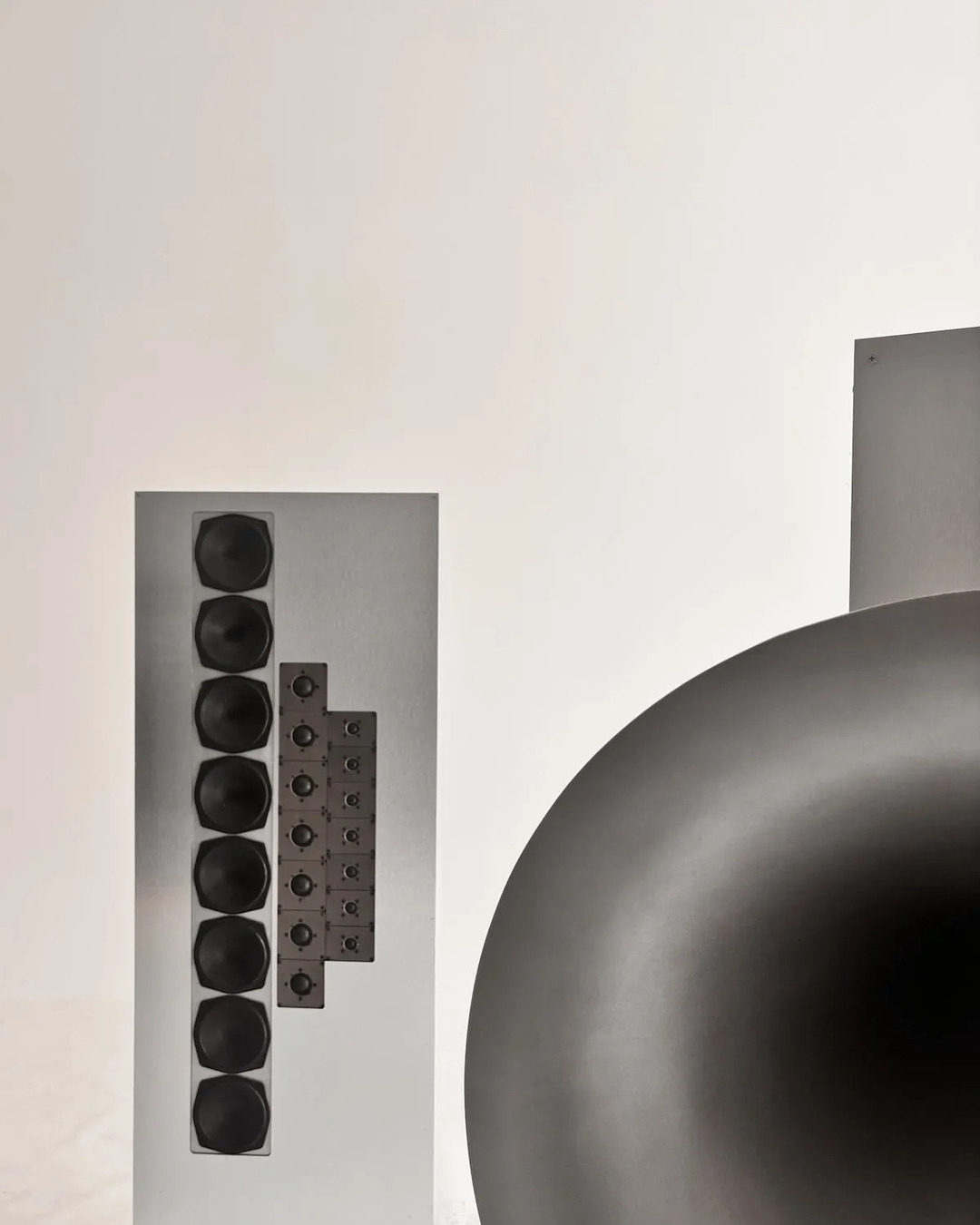
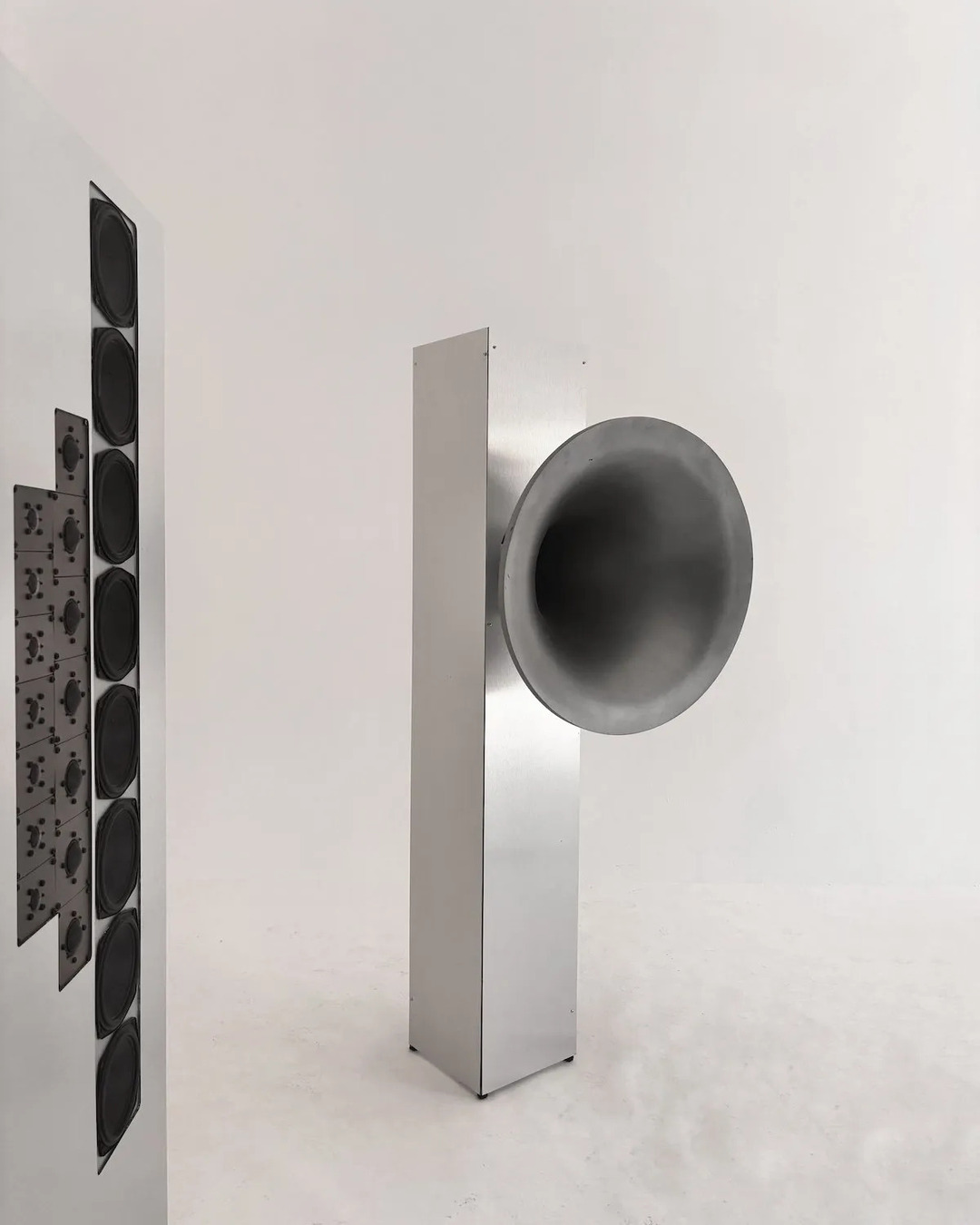
The Acousmonium ODAE was born from a practical need: standard diffusion systems couldn’t convey the complexity of my sonic material, especially when it became layered and deeply spatialized. I realized I had to design the medium through which sound takes shape. Speaker design starts from a perceptual question – how specific frequencies should be experienced in space and interact with the body and architecture – then moves into prototyping and critical listening. There is no separation between composition, technology, and construction: every technical choice has musical consequences. ODAE is an open instrument that evolves with my research and the contexts in which it is activated.
ODAE’s speakers are not only technical tools, but also design objects. How important is their aesthetic and material dimension?
Elvio Seta:
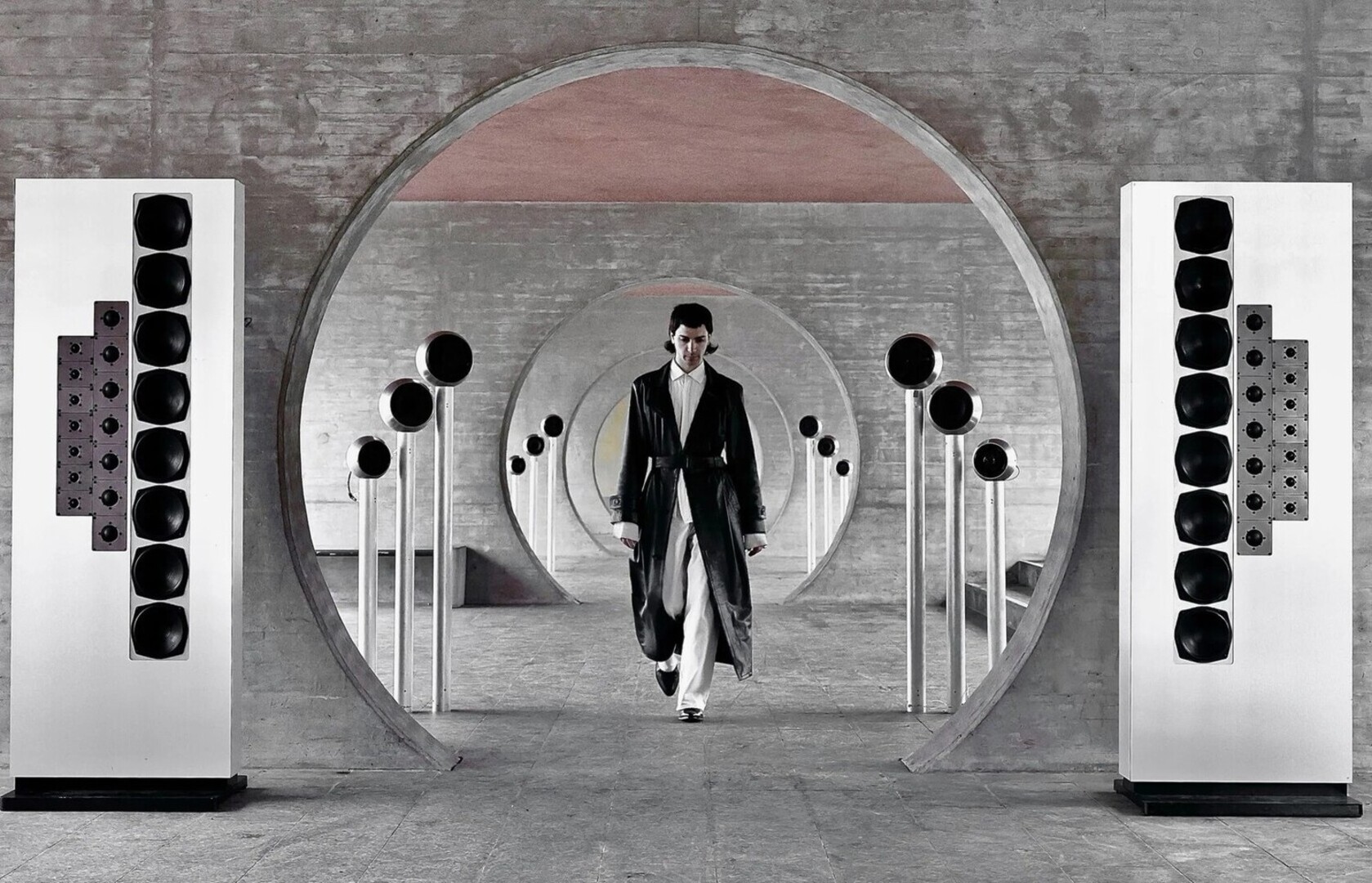
Aesthetics are extremely important to me. Architecture and design have always been major passions of mine, even before music, so it’s natural that they shape my work. When designing ODAE, I’m not only concerned with how it sounds, but also how it looks and how it occupies space. In performance, I want the audience to perceive my inner world not only through sound, but also through the visual and material presence of the system. The aesthetics of the setup reflect my vision of art as a total experience. In a way, I’m inviting the audience into my universe through music, objects, materials, and spatial relationships. It’s all part of the same gesture.
Your work combines analog instruments from the 1970s–1990s with a contemporary approach to sound. How does revisiting these technologies become a form of innovation rather than nostalgia?
Elvio Seta:
My interest in analog instruments has nothing to do with nostalgia, but with their sonic potential and physicality. Many analog machines from the ’70s–’90s were built with components and principles that are now rare, resulting in a depth and richness often missing in today’s mass-produced electronics. Today, much consumer electronics is designed to be cheap, fast, and easily replicable, often at the expense of sonic depth and complexity. Innovation lies in recontextualizing these tools within contemporary systems. By integrating analog instruments with multichannel diffusion, spatialization, and digital control, technologies from different eras coexist and generate sonic possibilities that neither purely analog nor purely digital approaches could achieve.
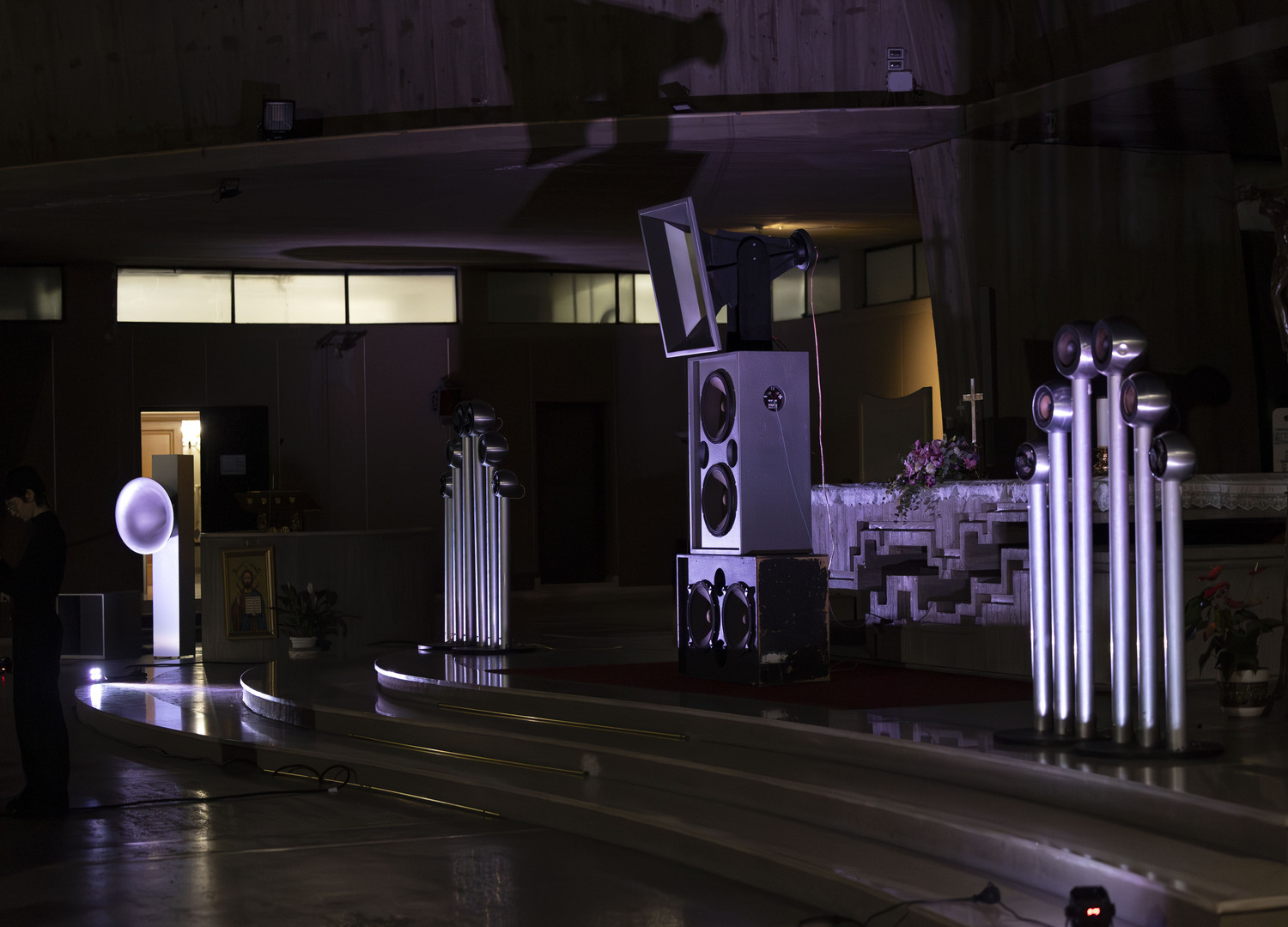
Many of your performances take place in highly characterized spaces, such as churches or historic architecture. Why do you choose these environments, and what role does architecture play in your work?
Elvio Seta:
In these contexts, architecture is not a backdrop but an active instrument. Proportions, materials, volumes, and resonances shape the sound, making it almost corporeal. This is why each performance is conceived as an adaptive work, designed to respond to the specific qualities of a space. Technology, rather than making the experience more artificial, reveals what the space already contains. When sound envelops the listener, it can generate an immersive, almost mystical dimension, understood not in a religious sense, but as a more introspective mode of listening. In these settings, performance becomes a total perceptual event, where architecture, sound, and audience presence continuously interact
In your performances, the audience becomes an active part of the system. How does technological design shape the physical perception of sound?
Elvio Seta:
When designing a performance, I think about how sound moves through bodies, not just how it is heard. Multichannel diffusion and speaker calibration create an immersive sonic field in which placement, timbre, and frequency response shape how sound concentrates, moves, or dissolves in space. Some frequencies are perceived as pressure, others as vibration or motion, making listening less frontal and more bodily, almost tactile. Technology is never an end in itself, but a tool to modulate intensity and attention. In this dynamic balance between technological control and human perception, the audience actively reshapes the performance, and sound becomes a shared physical experience.
Looking ahead, how do you envision the future of sound design and immersive installations? What new possibilities does technology offer?
Elvio Seta:
I believe the future of sound design and immersive installations is already partly here. Technologies developed by research centers such as IRCAM – where I am active – could already enable far richer and more conscious listening experiences. The real limitation is not technological, but cultural and economic: large audiences still rely on traditional left-right systems, while experimental listening formats struggle to find space. It’s telling that practices like acousmatic music, developed decades ago, are still perceived as innovative. The challenge ahead is to bridge the gap between research and public listening, investing in experiences that go beyond what is immediately recognizable or marketable.
At the intersection of sound, space, and design, Neuf Voix’s work challenges conventional ideas of listening and performance. His practice reframes technology not as a neutral tool, but as a cultural and perceptual agent. Through site-specific systems and immersive environments, sound becomes architecture and experience.