The future of the workplace is an energetic, collaborative and creative hub
The new Japanese furniture brand NII aims to transform the workplace, with modular and funky designs like the BITMAP sofa by Todd Bracher.
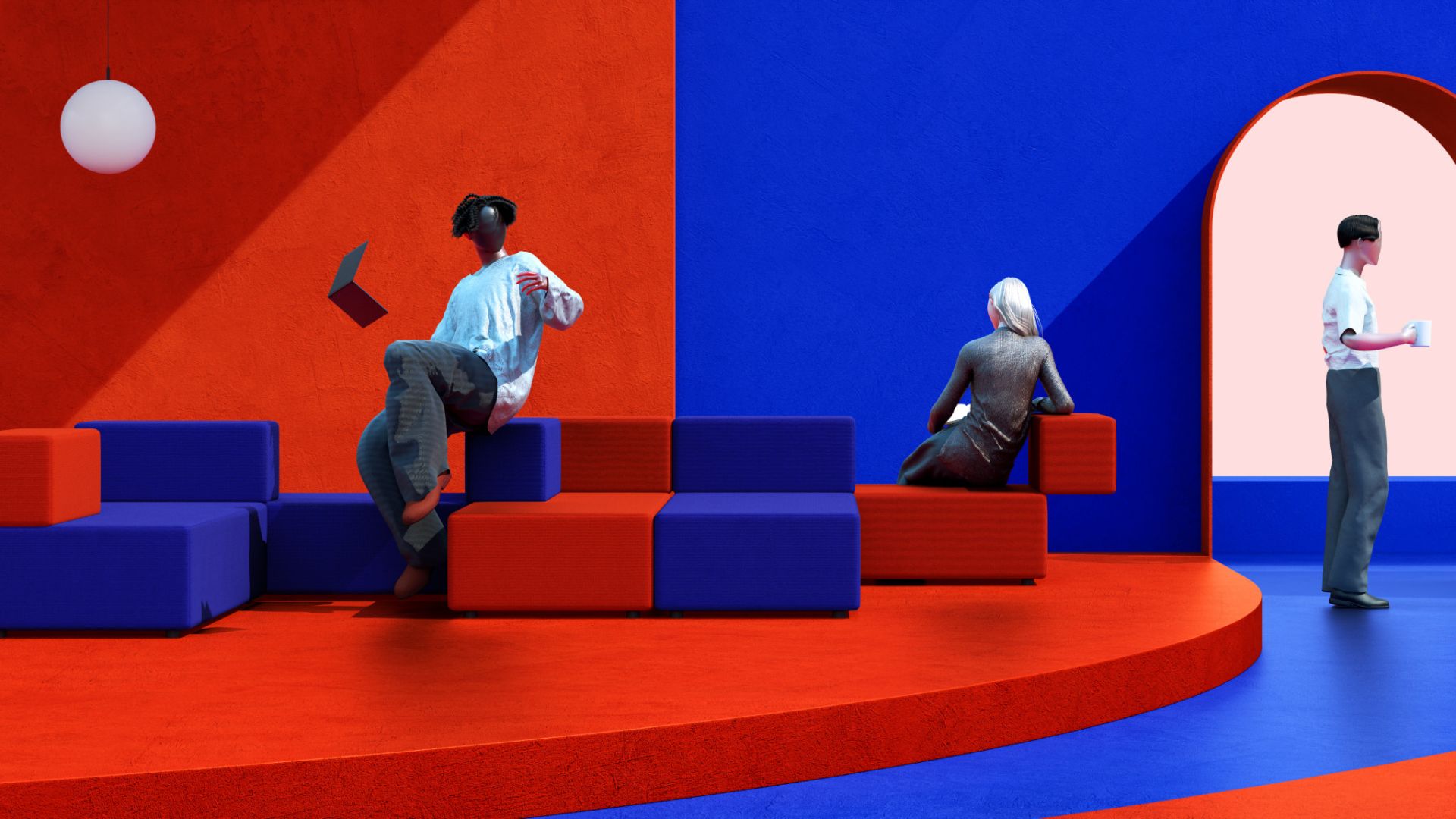
As work transcends its traditional boundaries, spilling into cafes, hotels, and homes, the office faces an identity crisis. What role should it play? For ITOKI Corporation, a Japanese furniture manufacturer with over 130 years of heritage, the answer lies in reimagining the office as a stage, where furniture is a background set that energises teams, sparking curiosity and unexpected possibilities.
This vision materialises through NII, ITOKI’s new global office furniture brand launched in 2025. The brand presented its innovative product line in “THE STAGE by NII“, an exhibition held at DESIGNART TOKYO, which ran from October 31 to November 28 at ITOKI Design House Aoyama. The first lineup consists of four products, designed by renowned global creatives Michele De Lucchi (AMDL Circle), Todd Bracher, Rodolfo Agrella, and Jun Aizaki.
Gallery
Open full width

Open full width
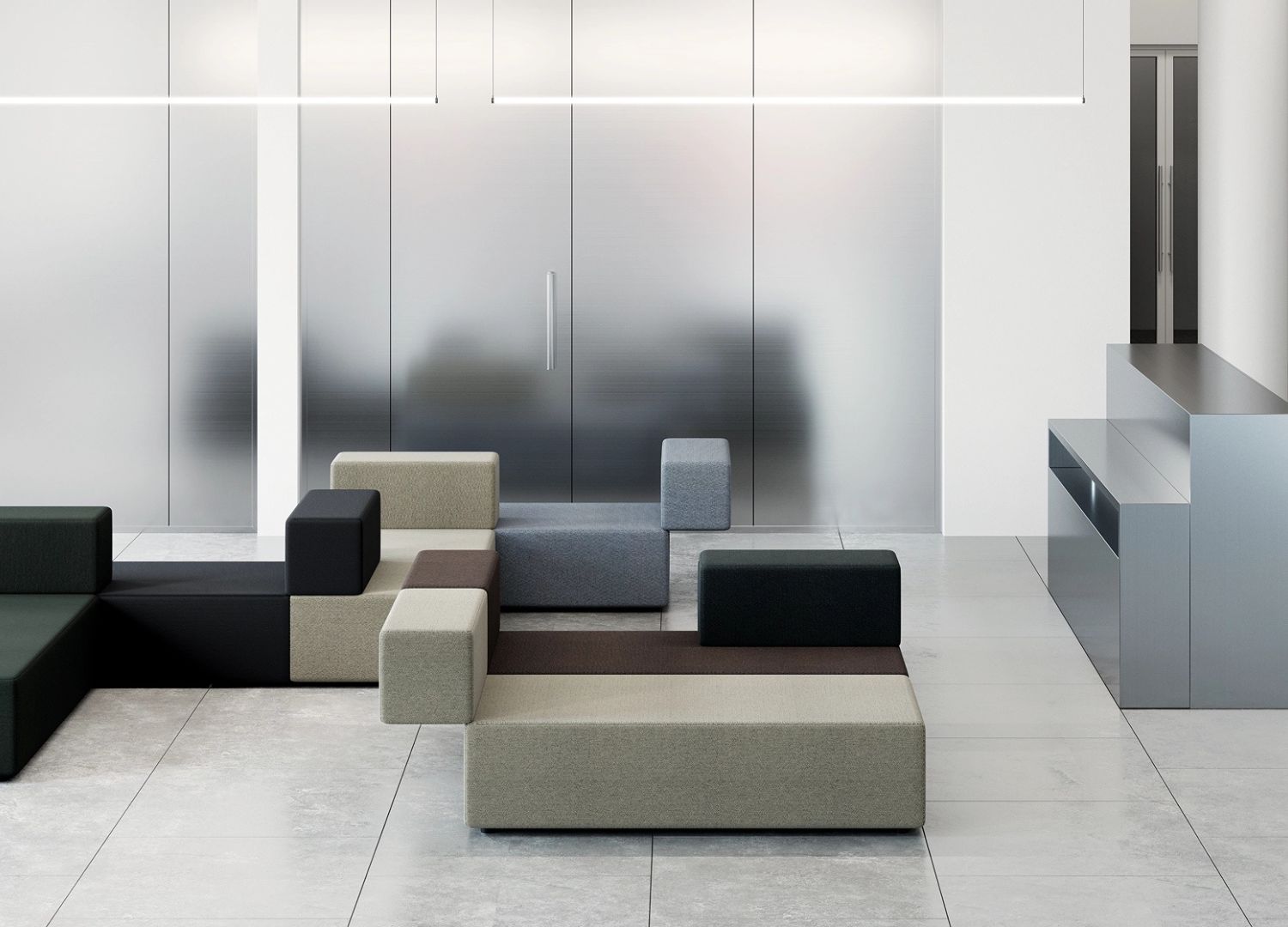
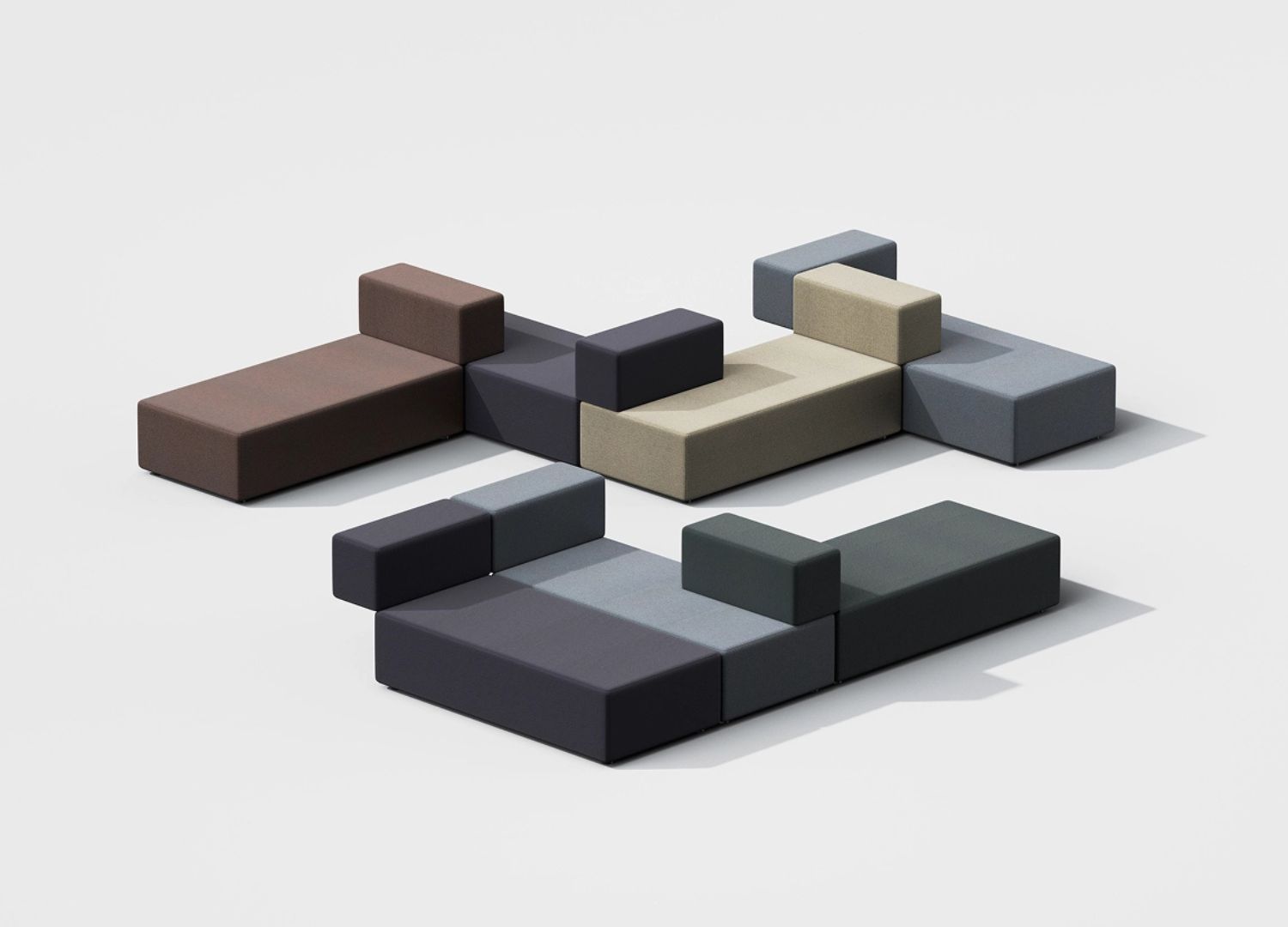
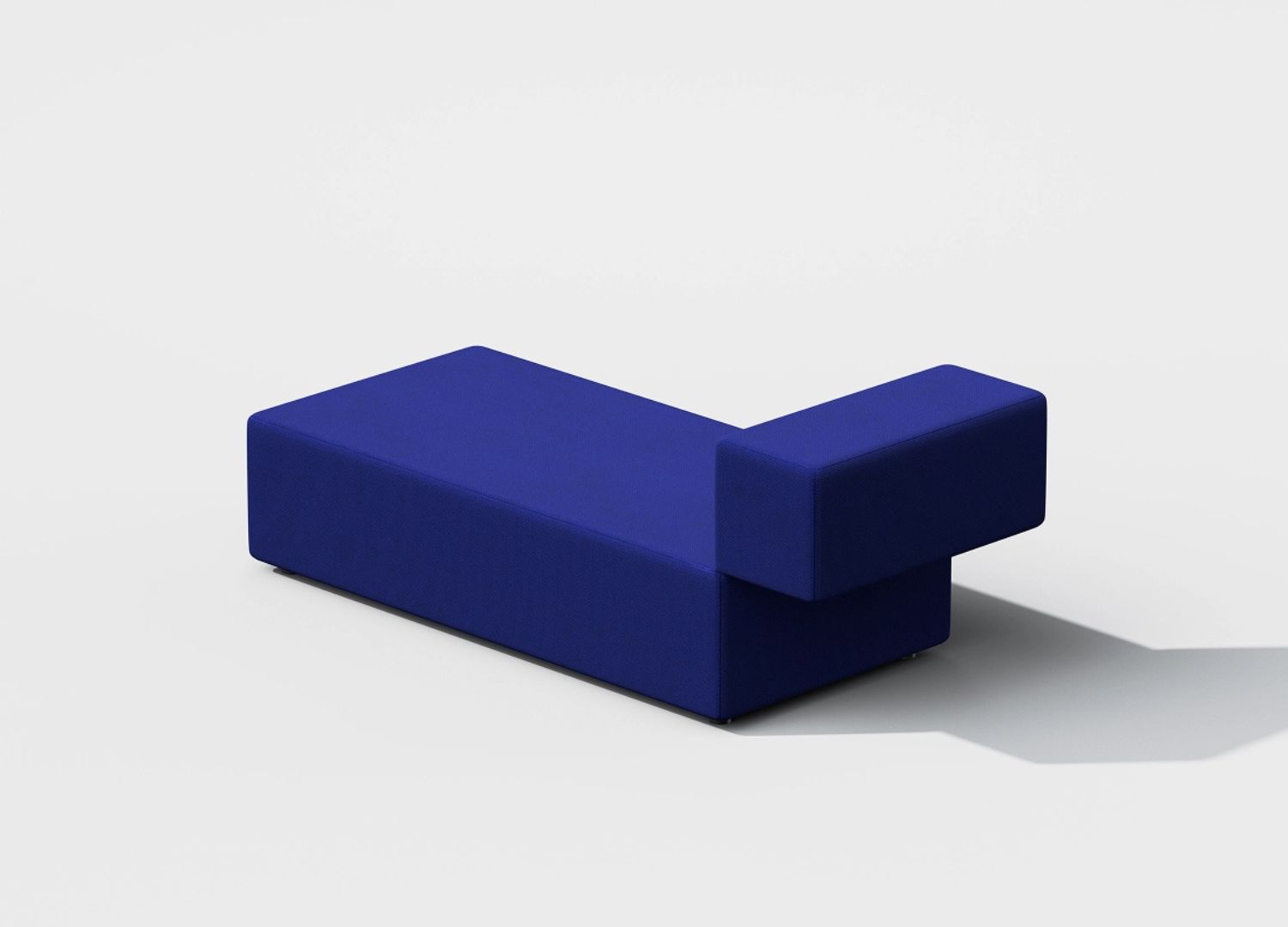
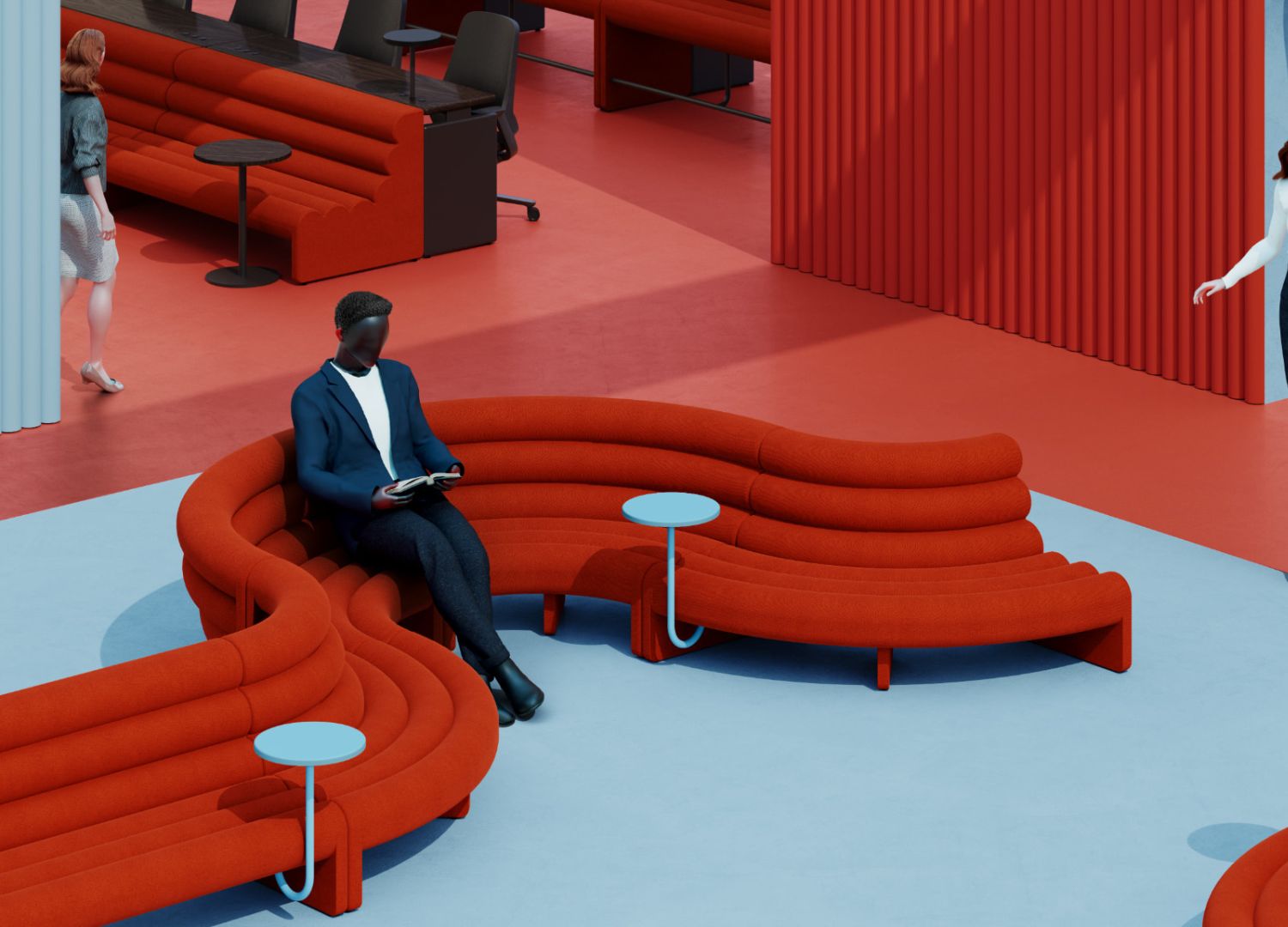
One of the exhibition’s main characters is the BITMAP sofa, designed by Todd Bracher. Its design language speaks in geometry, made of blocks of varying sizes inspired by a vintage pixel aesthetic, composed in a way that also reminds us of playful tetris blocks. The top surfaces of its blocks function interchangeably as tables, armrests, or additional seating, allowing workers to pick their own comfortable position. By arranging the modules in intersecting patterns, offices can create communication zones to enhance natural collaboration.
The sofa is designed by Todd Bracher, who established his New York-based studio in 2007. Bracher is known for his philosophical approach to design called “context-based design,” which he has also written a book about. The method focuses on looking at which components are essential for solving the design problem at hand, without excess or deficiency. This philosophy manifests visibly in BITMAP, with its deceptively simple block structure, where each element serves multiple functions without superfluity.
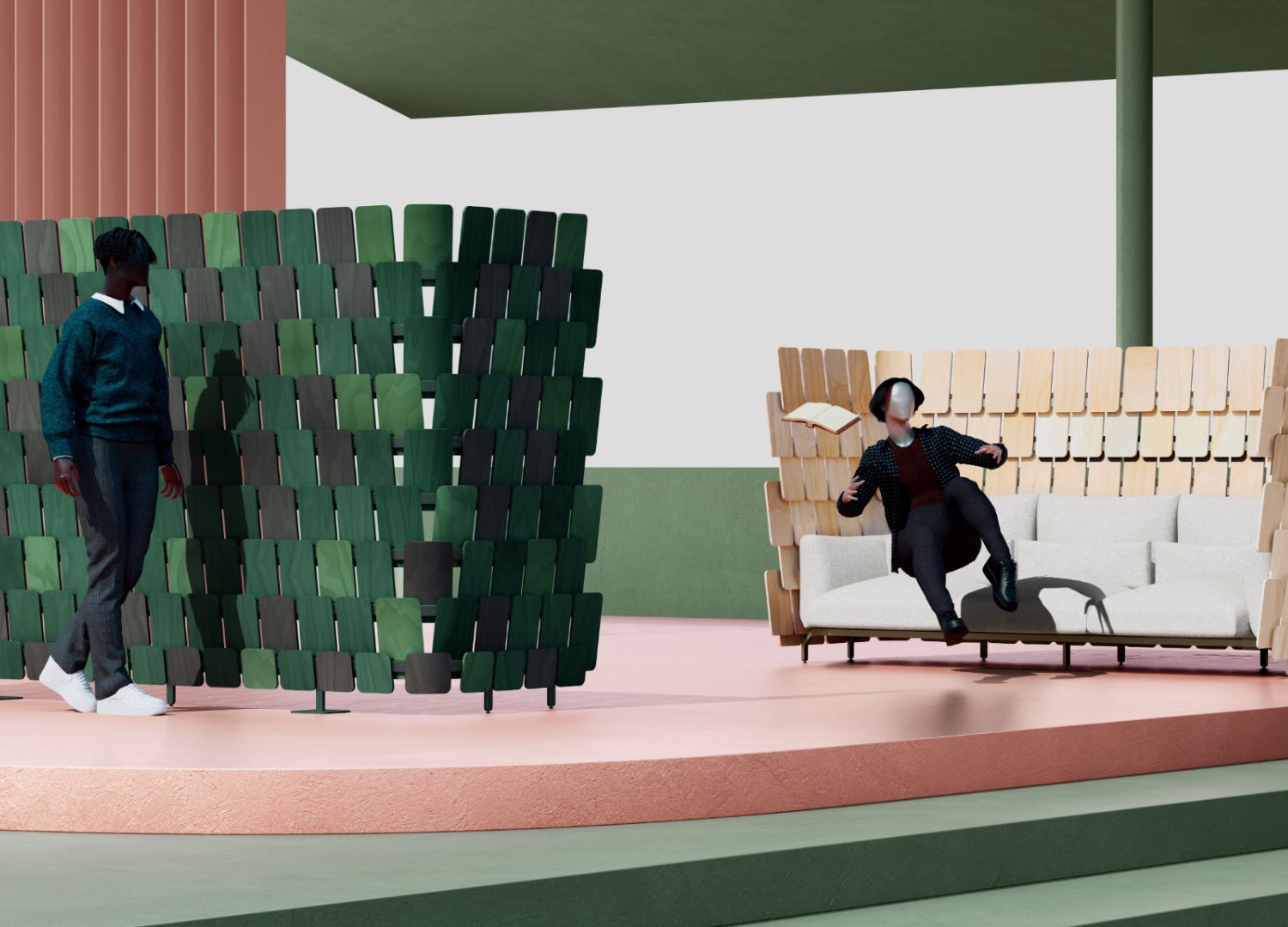
Alongside BITMAP, the brand proposes three other designs which each bring a distinct perspective to the office of tomorrow. CONNEXA, designed by Rodolfo Agrella, is a modular desk system made of skeletal frames with glass tabletops, inspired by organic structures found in nature. PIGNA by AMDL Circle is made of two components, a divider and a sofa, which gently shields the seating from view, for a more private working area compared to BITMAP. The dividers are available in three different heights for varying levels of privacy, and are made of scaly, perforated wood panels that filter light and air while providing retreat. PARLAMENTO, designed by Jun Aizaki, is a seating system focused on collaborative spaces, inspired by ripples on water.
The company defines its approach as “ingenious design,” a practice that focuses on bettering communication, collaboration, and imagination in public spaces. The company is working on a fundamental reconception of the purpose of the workplace, shifting from a space for focus and discipline to something that can be more relaxed and enjoyable. This design shift matches how work has been approached in general in the past decades, as companies are increasingly aware that a positive workplace culture has a positive impact on employee performance.
The brand argues that offices should provide energy, inspiration, richness, and all of the intangible benefits of having a shared space. In BITMAP’s floating blocks and PIGNA’s privacy panels, we see a glimpse of this vision, where design is not just decorative, but a tool for workers to support and enhance their activities. As organisations struggle with bringing talent back to their physical offices, furniture like NII’s offers an attractive proposal, in which offices can be sites of creative possibility and community that home spaces simply cannot match.