Mould: behind the scenes of making things
At Aram’s Covent Garden gallery space, Proof of Concept’s latest exhibition shows the hidden side of making, highlighting the complexities of manufacturing in today’s world.

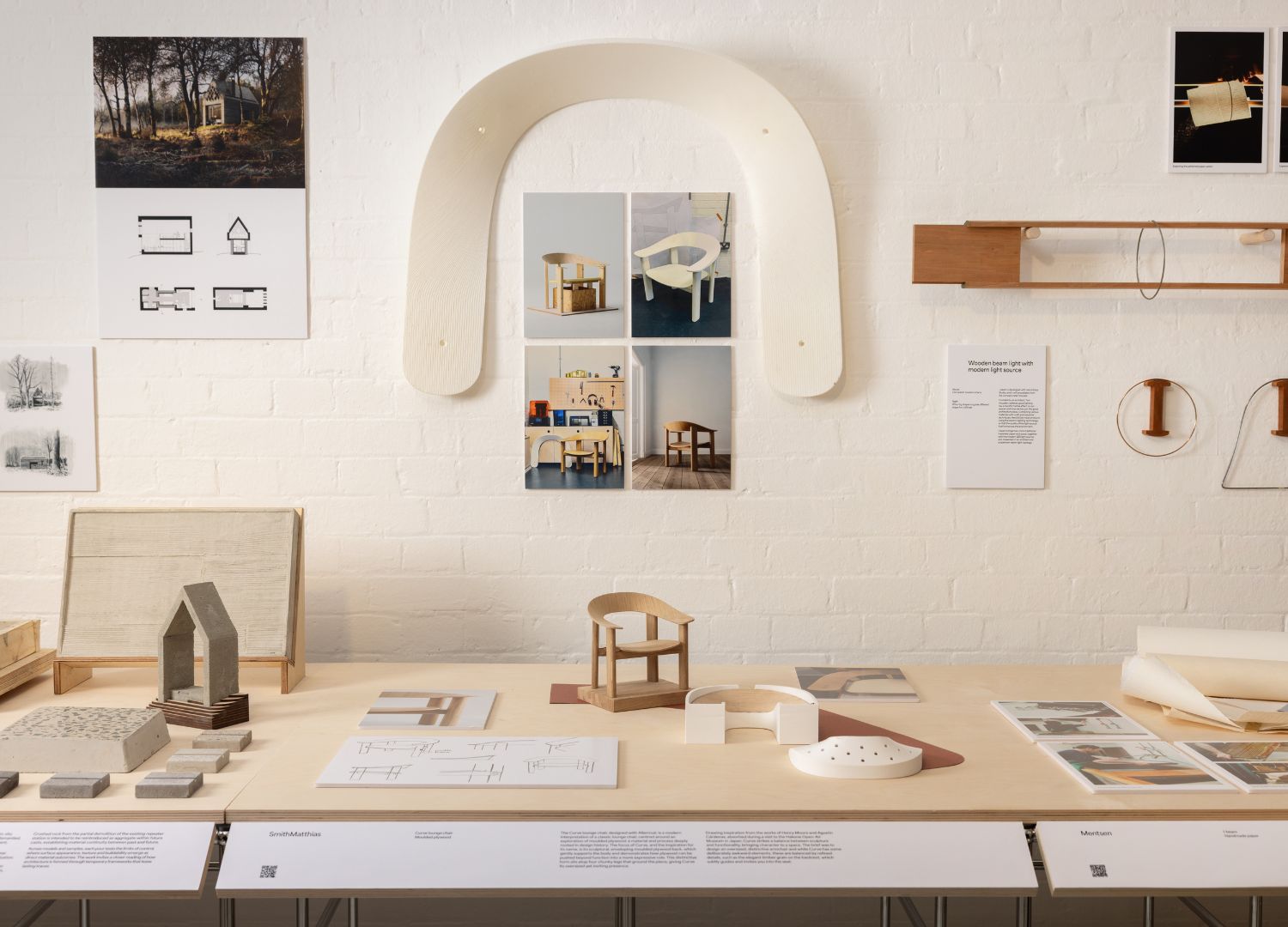
There is a recurring blind spot in contemporary design culture, and “Mould“, the new exhibition curated by Proof of Concept at Aram’s gallery in London, puts it squarely in focus. Running until 18 April 2026, the show brings together twelve designers and studios, spanning ceramics, glass, furniture, and more, and asks them to make their processes visible.
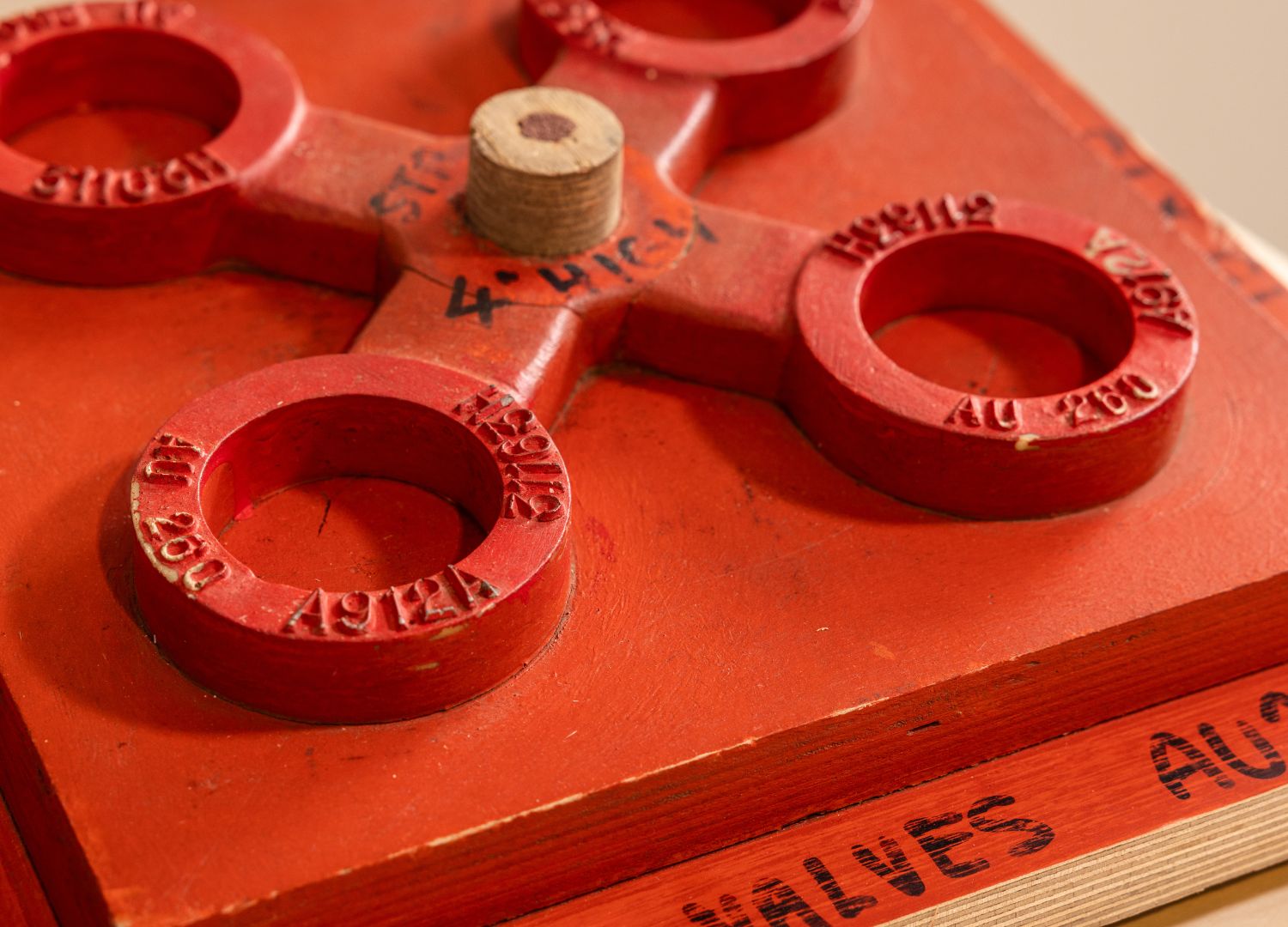
Less interested in the usual polished outcomes, Mould shows the true nature of making: the messy, expensive, iterative, often unresolved reality of getting something to exist in the real world.
Gallery
Open full width
Open full width
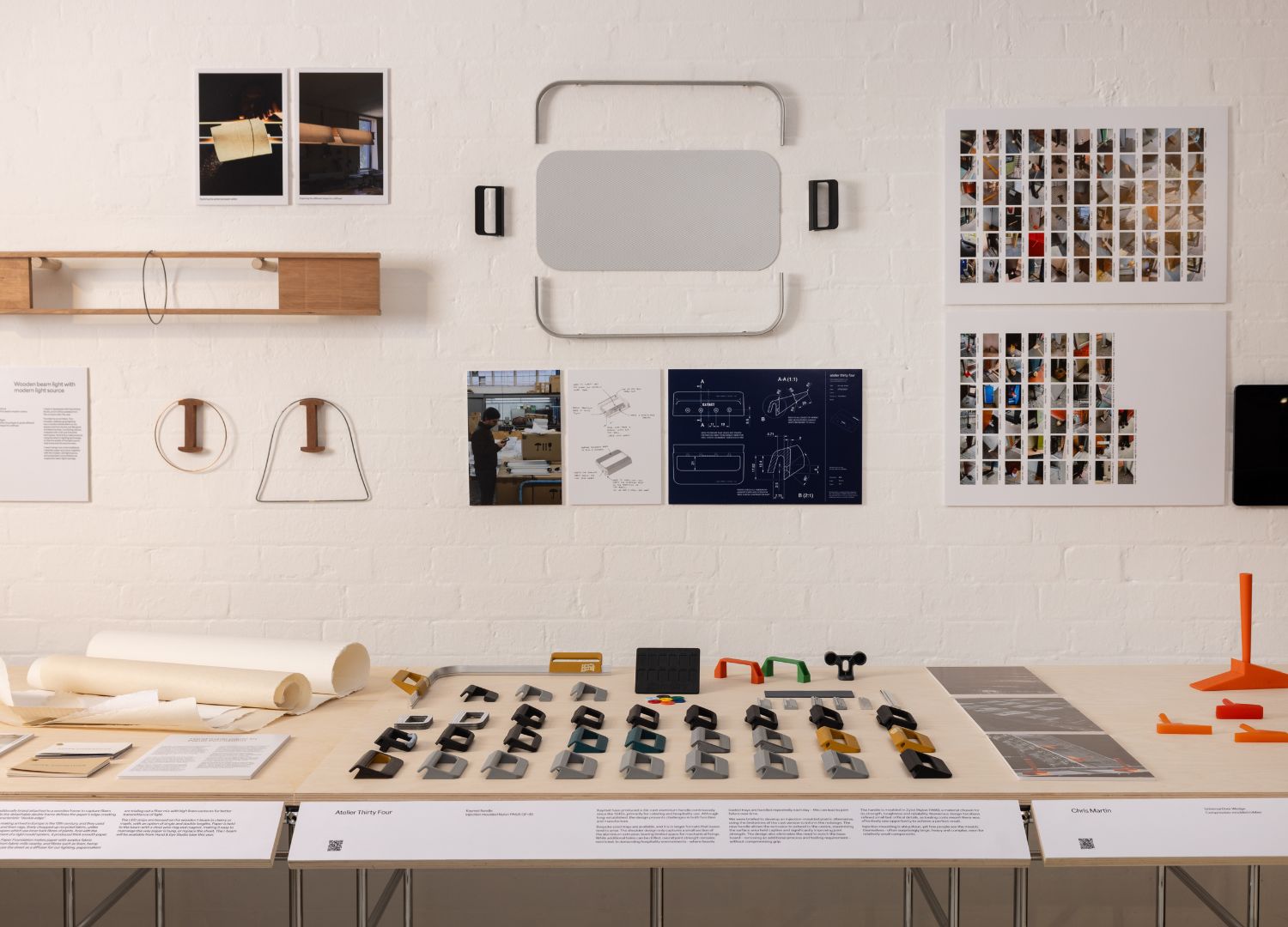
Proof of Concept was founded in 2024 by David Irwin, SmithMatthias, and Atelier Thirty Four specifically to address this kind of gap. The platform wants to highlight and celebrate the realities of innovation, believing that design culture produces a lot of imagery and not nearly enough exploration of the thinking behind objects, and that the processes, failures, and iterations that shape them deserve to be seen. For their third show, each participating designer was invited to work with the theme of moulding and to present their finished work together with the evidence of how it came to be.
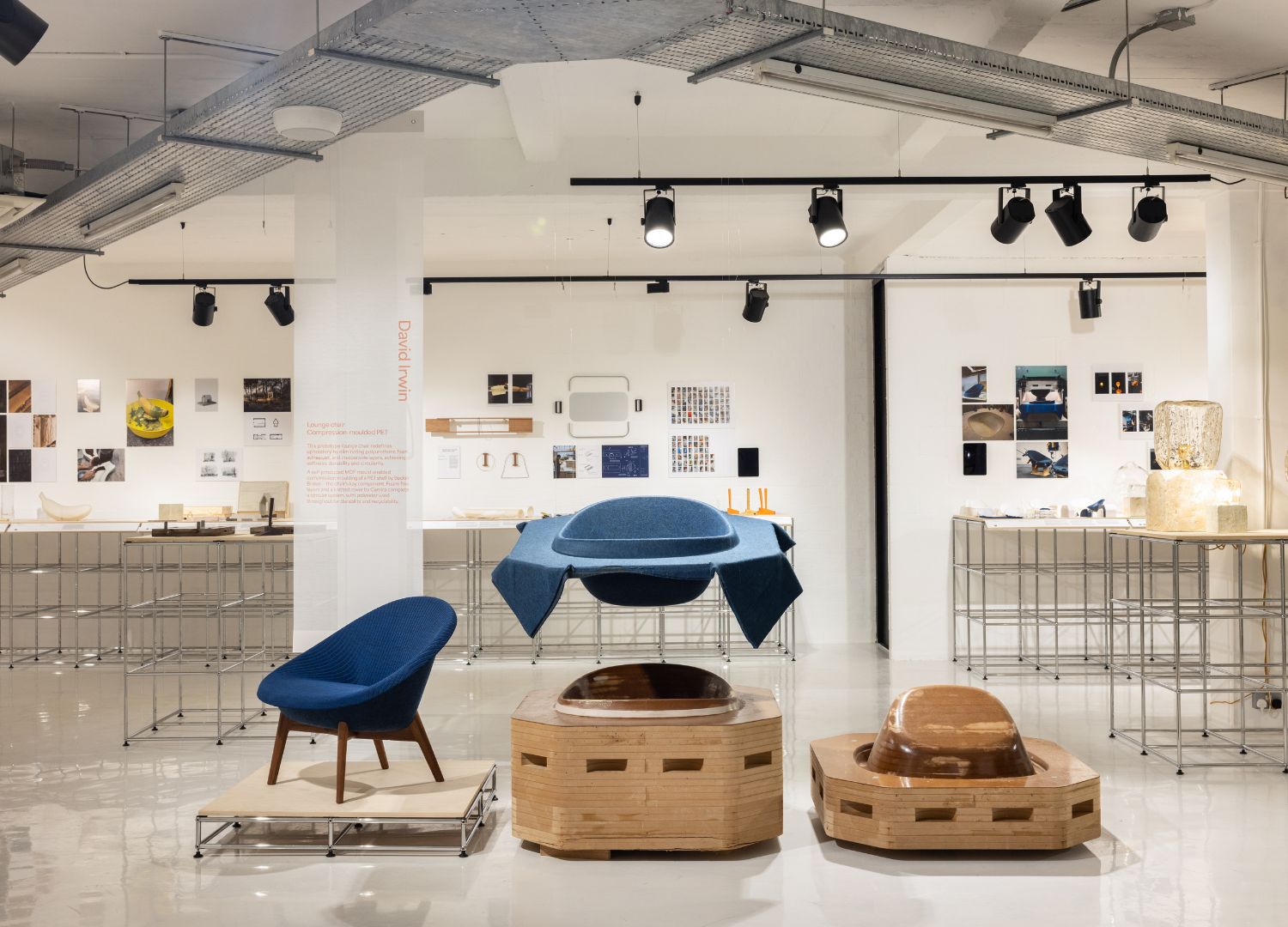
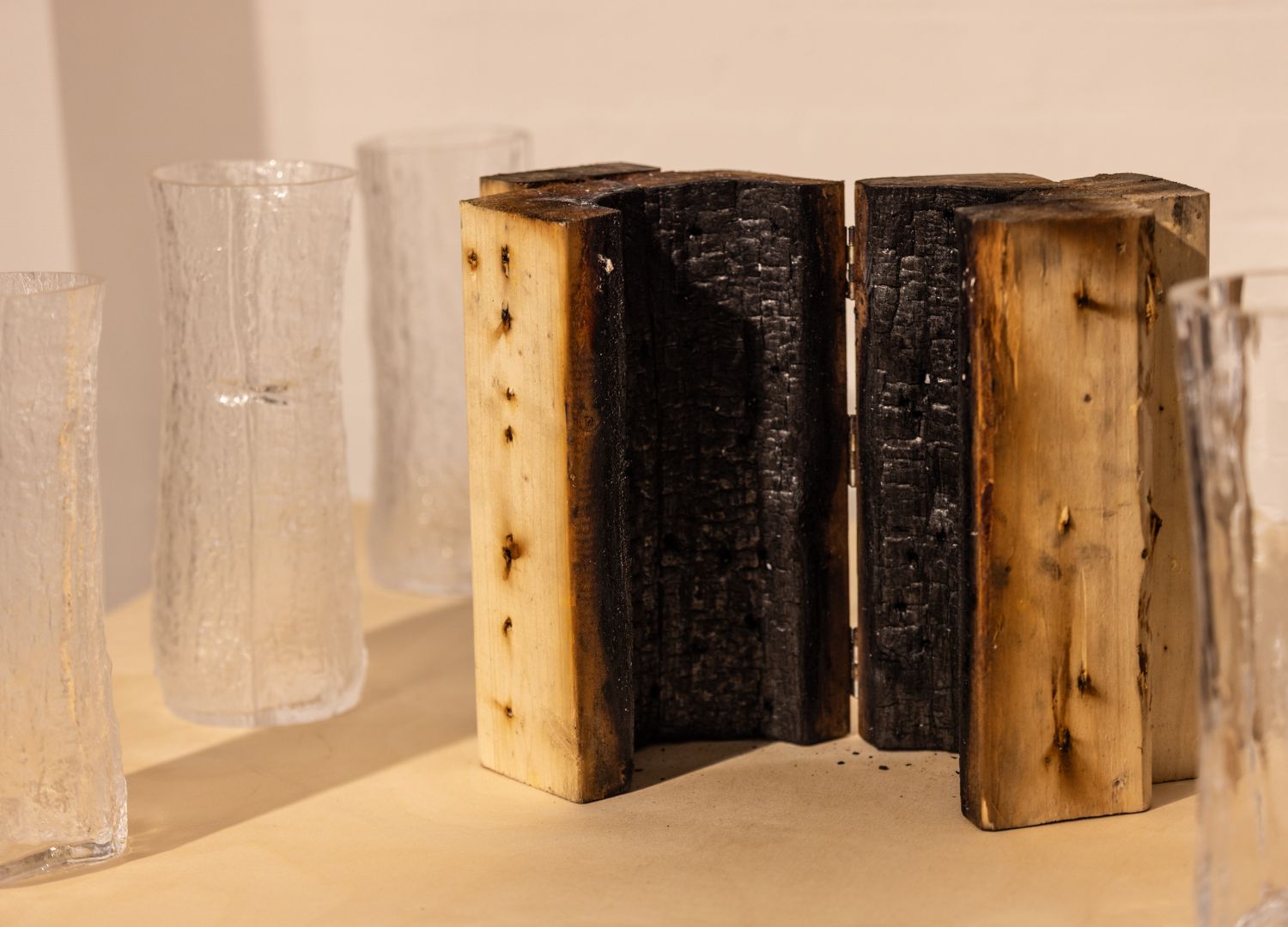
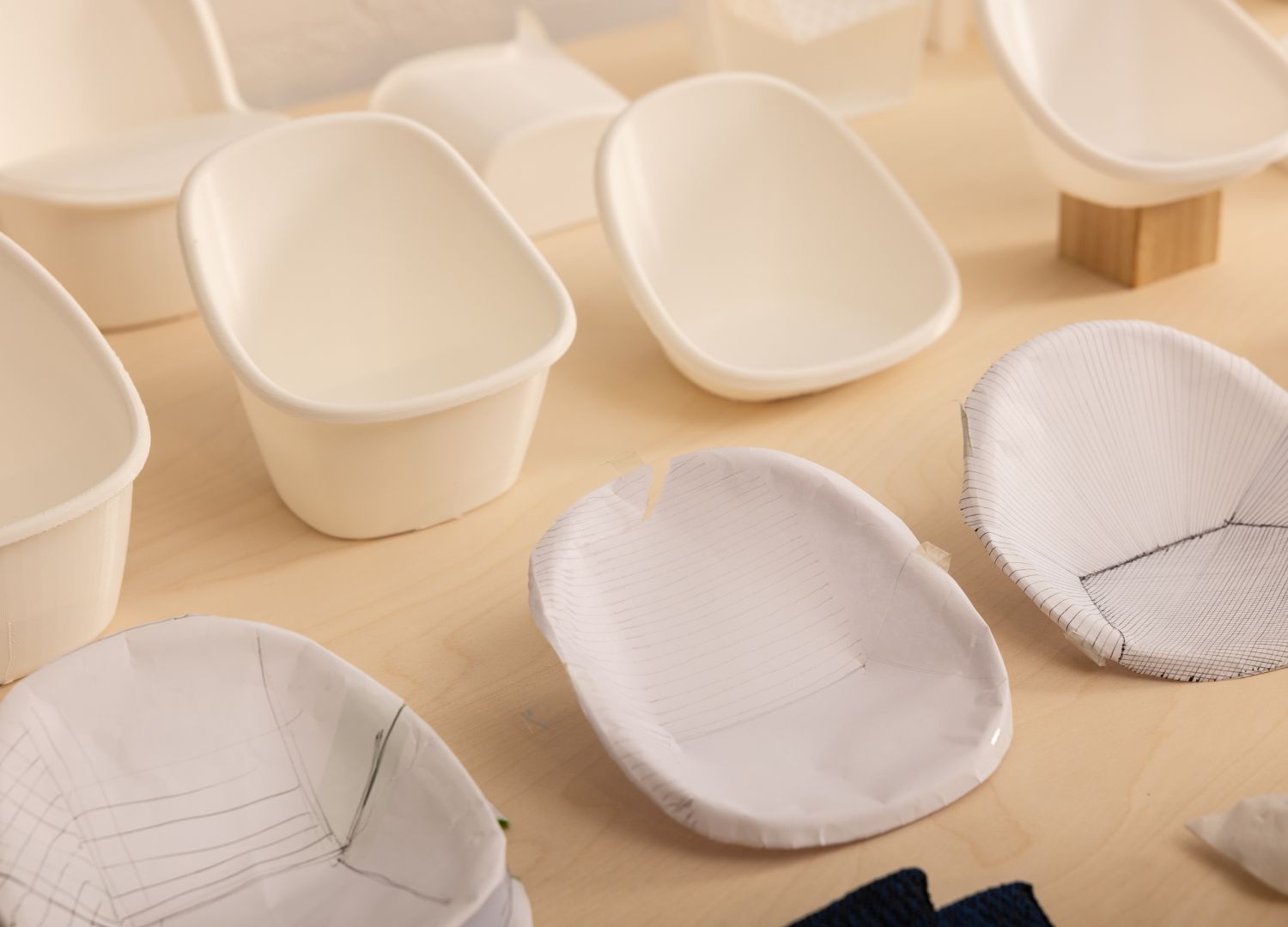
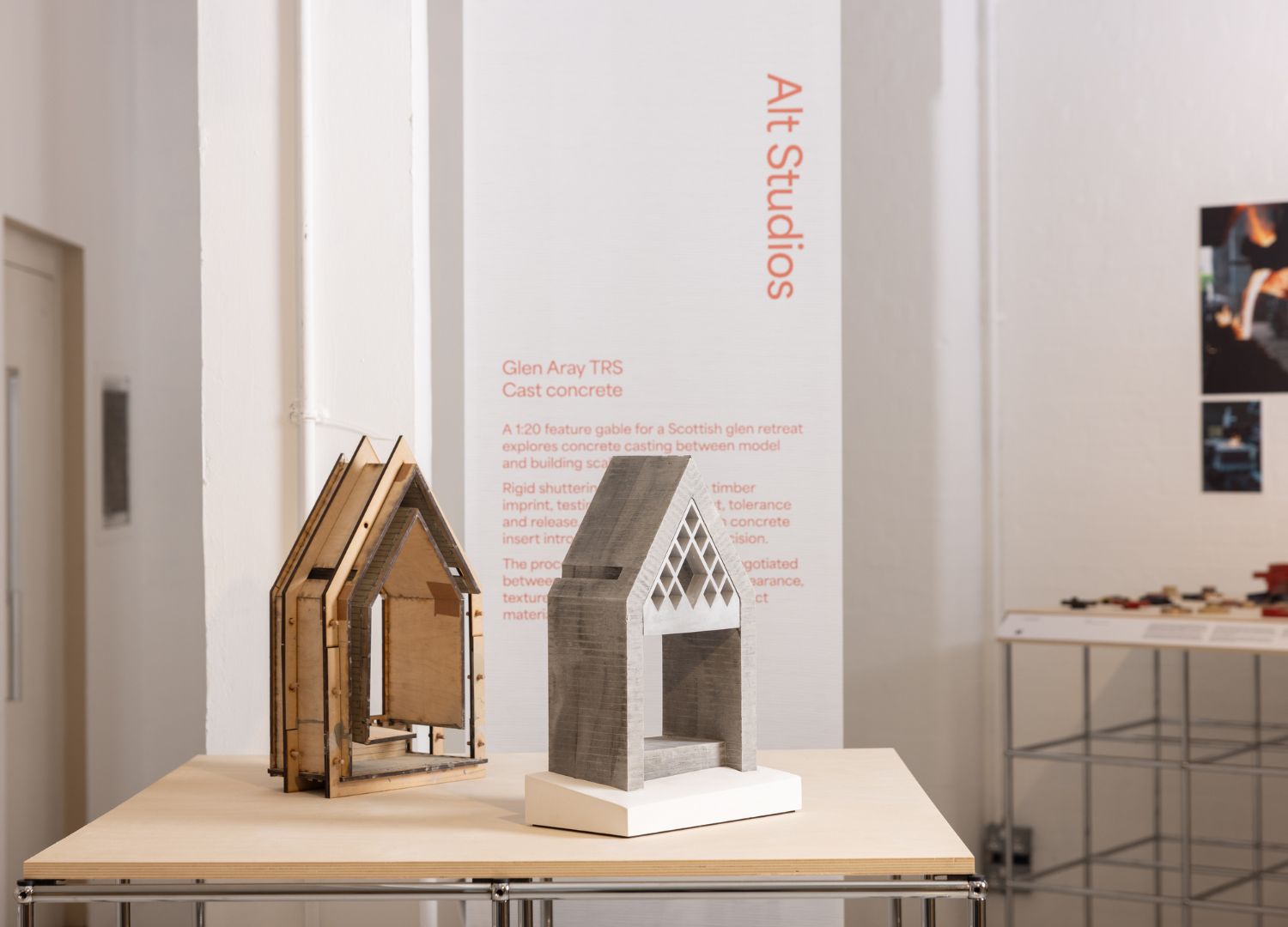
The participants are a well-chosen mix, offering a wide spectrum of mould-making. Alt Studios contributes with a micro-concrete cast, showing how the material can be used at an architectural scale. Martina Claesson’s blown glass vessels sit in conversation with extruded ceramics by Elliott Denny, Emma Louise Payne and Phoebe Stubbs, while David Irwin presents a pressed PET chair.
Gemma Matthias, co-founder of Proof of Concept, says, “Our aim is to highlight the depth of experimentation and iteration that goes into the creation of products, particularly in an age of polished, fleeting imagery. Moulding is fundamental to how so many objects come into being, ranging from improvised to highly technical processes, yet all demand craftsmanship and understanding. Designing and fabricating a mould is a discipline in its own right, and yet moulding and tooling can often be prohibitively expensive, making it a real challenge to replicate or test pre-production moulds. This exhibition highlights how different disciplines navigate these constraints, revealing the diverse ways designers approach the complexities of mould creation.”
The economic reality is one that the exhibition and the overall curatorial project do not shy away from. Many works never reach production, not because they failed as designs, but because the tooling costs make scaling impossible, allowing emergent designers to work with a limited range of materials and processes.
The exhibition also shows the importance for a designer to fully understand these processes, in order to be able to use them properly or even innovate them. The shift towards digital design tools has made it easier than ever to propose objects that look resolved on screen but present serious issues in manufacturing. The limitations of physical matter cannot be overcome by better software, and the lack of their knowledge causes work to be compromised, unable to reach its full potential.
What Aram and Proof of Concept ultimately reveal is that proper design comes from people who understand how things are made, who spend time in the labs and in the factories, and that this understanding should be visible, teachable, and valued. While AI-generated imagery makes it almost too easy to visualise objects, and global supply chains have separated many designers from their factories, this argument is more relevant than ever to keep creating good design.