RUSSO BETAK wins SaloneSatellite 1st prize with Nippon Lamp
The Copenhagen-based studio RUSSO BETAK presented a research-driven approach where bioengineering meets handmade techniques, in a process halfway between industry and craft, producing unexpected results
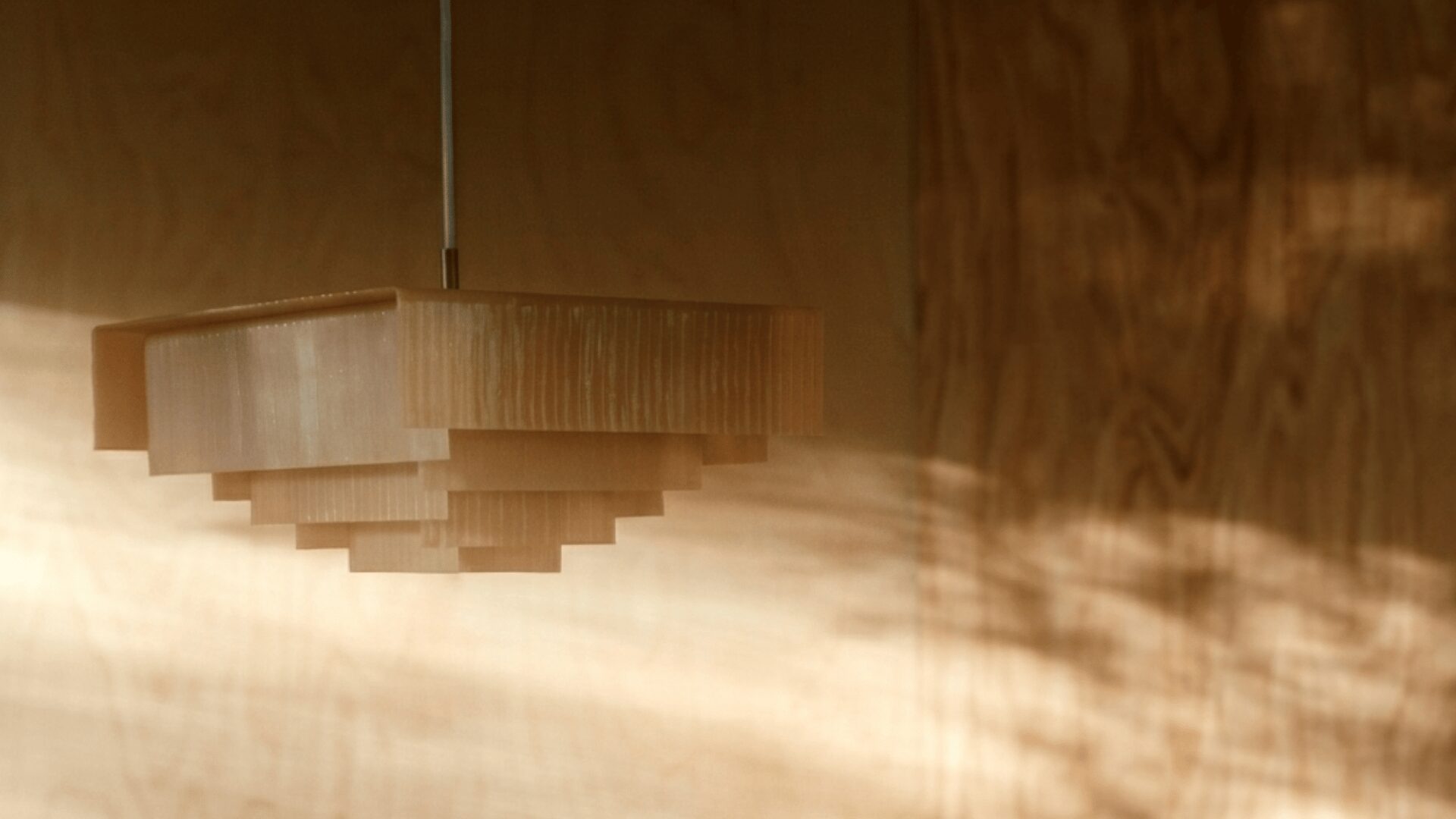
Focused on the creation of lighting objects through the use of biomaterials sourced from waste, the practice behind RUSSO BETAK – founded by Stefannia Russo and Søren Betak – emphasizes an experimental dialogue between material innovation and craftsmanship.
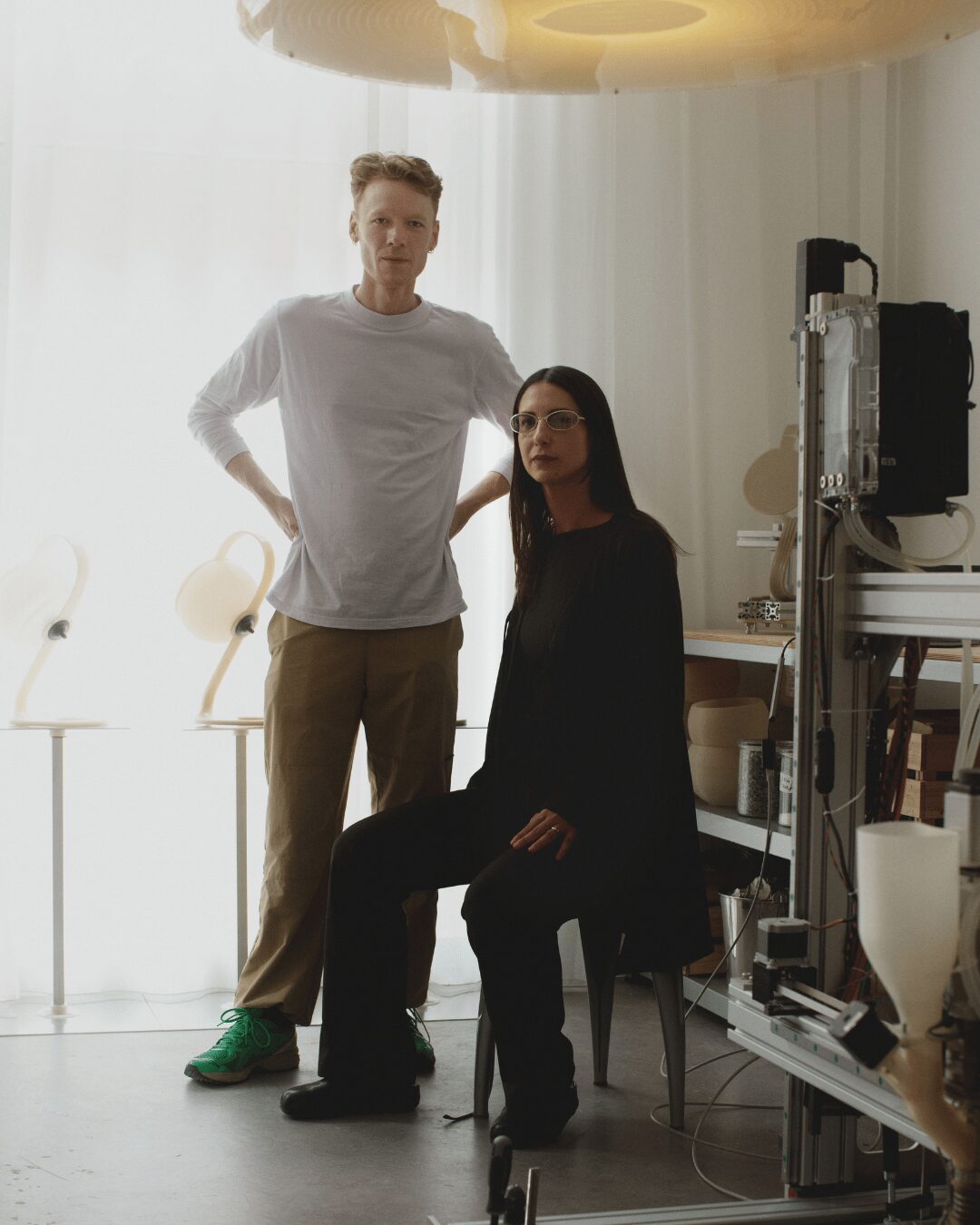
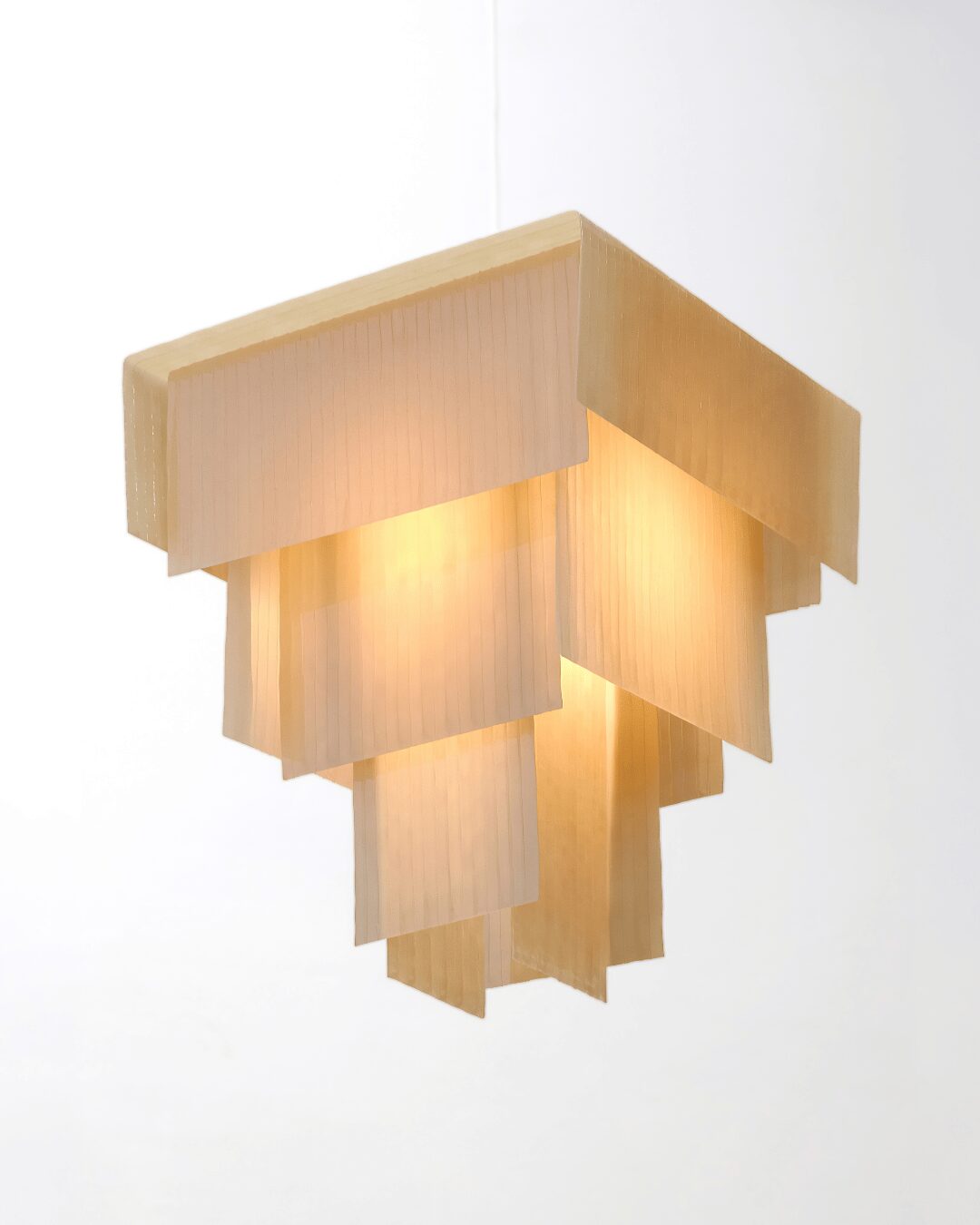
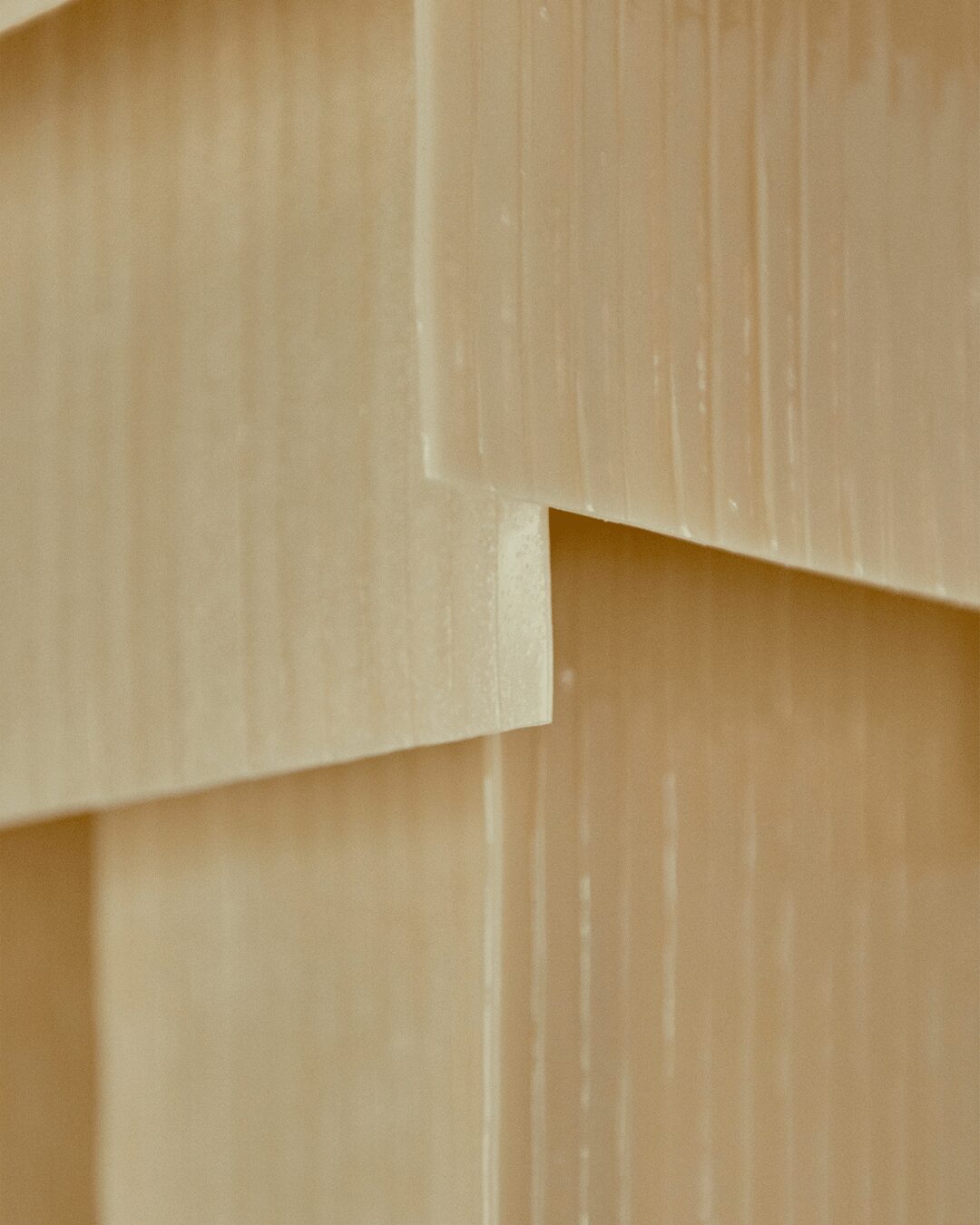
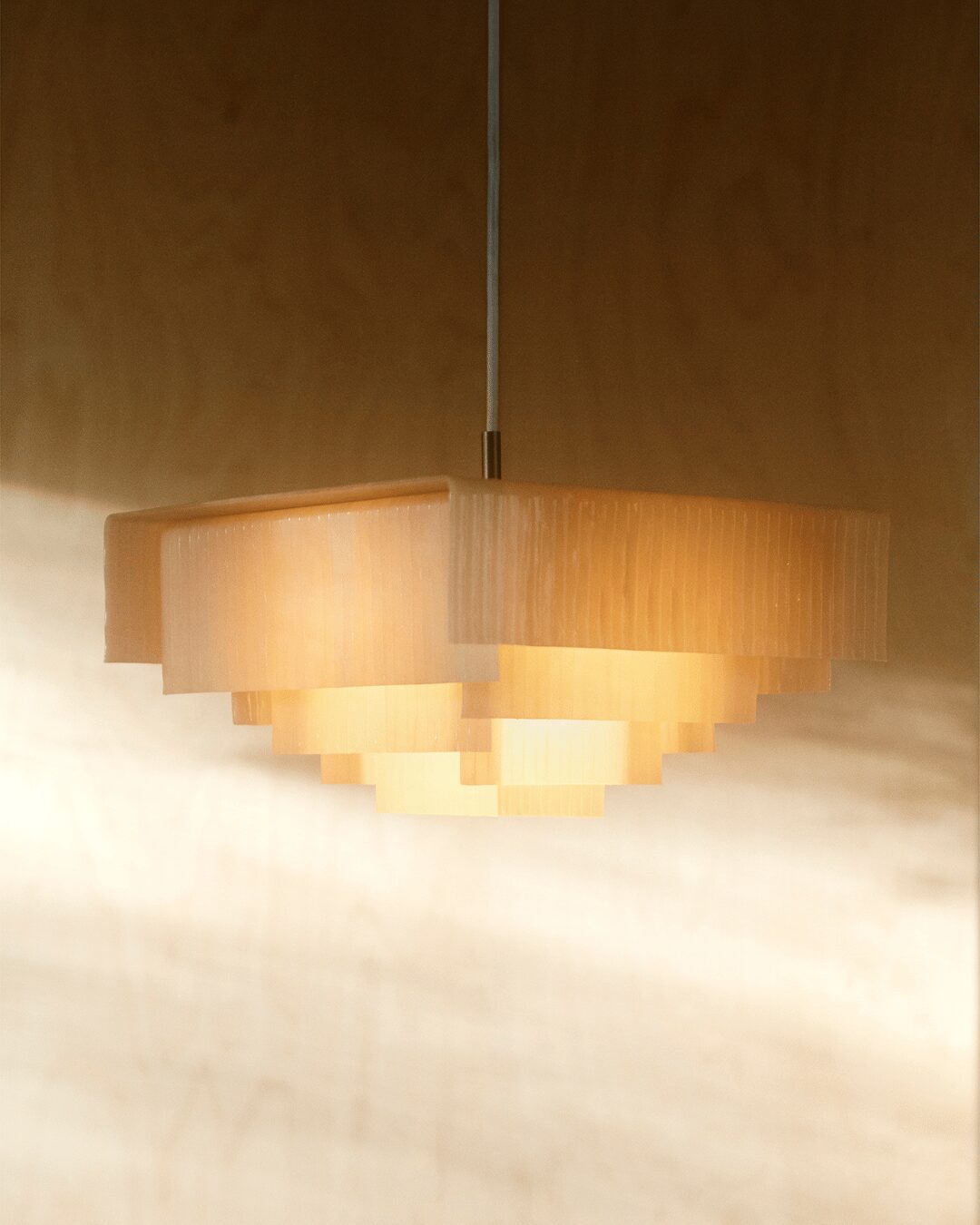
Their new Ark collection was launched at SaloneSatellite during Salone del Mobile 2026. On this occasion, one of the pieces – the Nippon lamp – was awarded First Prize for its ability to translate the studio’s innovative material research into an essential, luminous form. “Paper-like yet self-structural, its layered sheets filter light with depth, revealing a material that appears fluid yet is rigid,” the jury noted.
Gallery
Open full width
Open full width
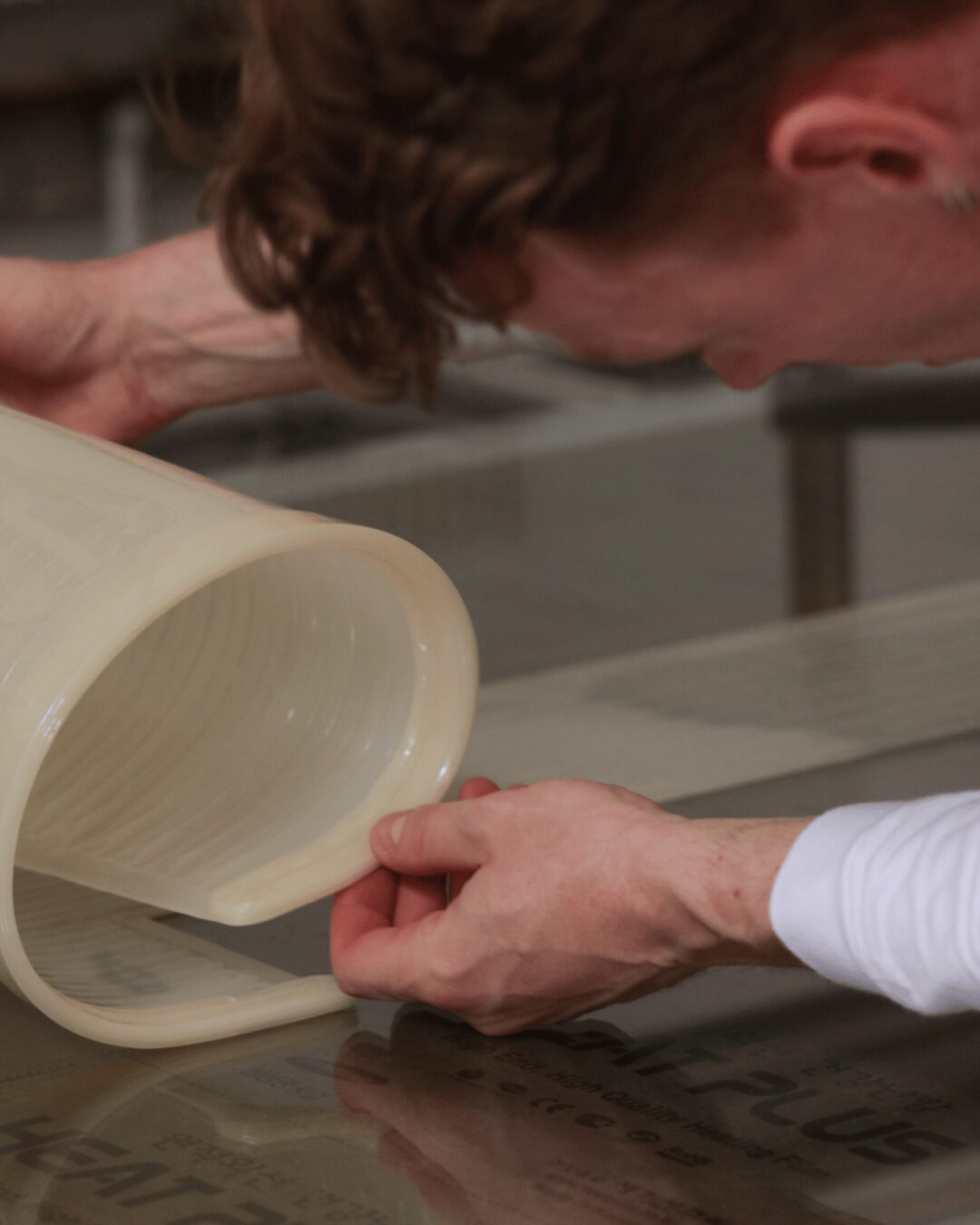
The series of lamps takes its name from the Danish word for “sheet,” referring to the process through which the studio approaches these products: 3D flat-printed sheets and manual craftsmanship are combined to give the pieces their final form.
The curious aspect of RUSSO BETAK’s method lies precisely in the combination of 3D printing with a final handcrafted phase, which stands in sharp contrast to the more regular aesthetic typically associated with this process. The biomaterial, created from seashells discarded by restaurants, is collected directly from the printing base and quickly sculpted by hand before it can cool down and harden.
The uniqueness of this approach lies precisely in its collaboration with time: the material remains malleable and workable by hand until it cools, the moment in which its final shape is defined. An interplay between time, temperature, and experience.
This type of process offers an unexpected result because it presents an elegant and refined aesthetic, static yet at the same time in motion, recalling materials such as ceramics, fabric, and at times even bent and moulded plywood.
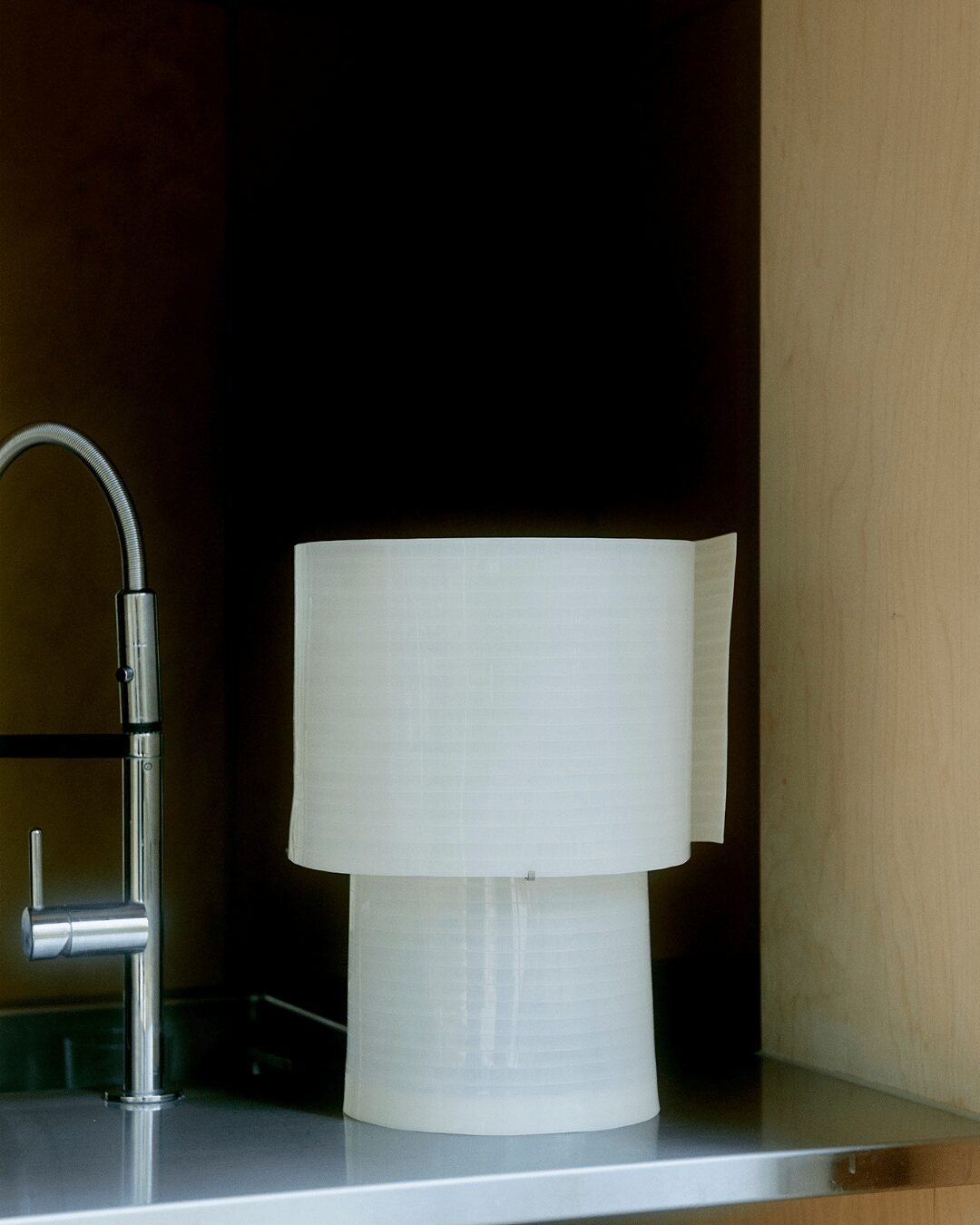
The collection is composed of three lighting designs (Snegl, Nippon, Shell), available in two sizes, across oyster, mussel, and scallop shell variations, which give them their natural pigmentation. All are designed starting from rectangular sheets: for Nippon, these are applied in a way that simulates fabric gently falling from a supporting structure, creating soft geometries and games of transparency. The other models instead show the possibility of creating more organic forms, almost like fabric wrapped around a cylinder, with the detail of the final fold giving movement to the pieces.
The jury of the SaloneSatellite, chaired by Paola Antonelli, curator at the MoMA, awarded RUSSO BETAK the exhibition’s first prize because it considered the project an example of research that goes beyond design, combining the field of bioengineering with a more artisanal method. They emphasized that the award is not merely an aesthetic recognition but represents the ability to identify “an intuition ahead of the market, research ahead of industrial scale.”
The collection also includes a more experimental and innovative element:to make the creation of these products possible, the studio has developed a custom horizontal 3D printer designed to process waste materials recovered from restaurants.
Regarding the Ark series, co-founder Stefannia Russo adds: “Each piece preserves gestures that appear fluid, even when they become static, this interplay between motion and stillness defines the collection.” Co-founder Søren Betak explains: “We wanted to break free from conventional 3D printing, where objects emerge fully formed. We see 3D printing as a tool, not a process.”