Serpentine Pavilion 2026 opens with LANZA Atelier’s interpretation of the crinkle-crankle wall
Mexico City–based practice LANZA Atelier, founded by Isabel Abascal and Alessandro Arienzo, has completed the Serpentine Pavilion 2026, now open to the public in Kensington Gardens.
Each summer in London, a small corner of Kensington Gardens becomes the site of one of architecture’s most closely watched experiments. The Serpentine Pavilion is never meant to last, yet year after year it shapes conversations far beyond its temporary footprint, offering designers and visitors alike a space to gather, reflect, and experience architecture at its most immediate.
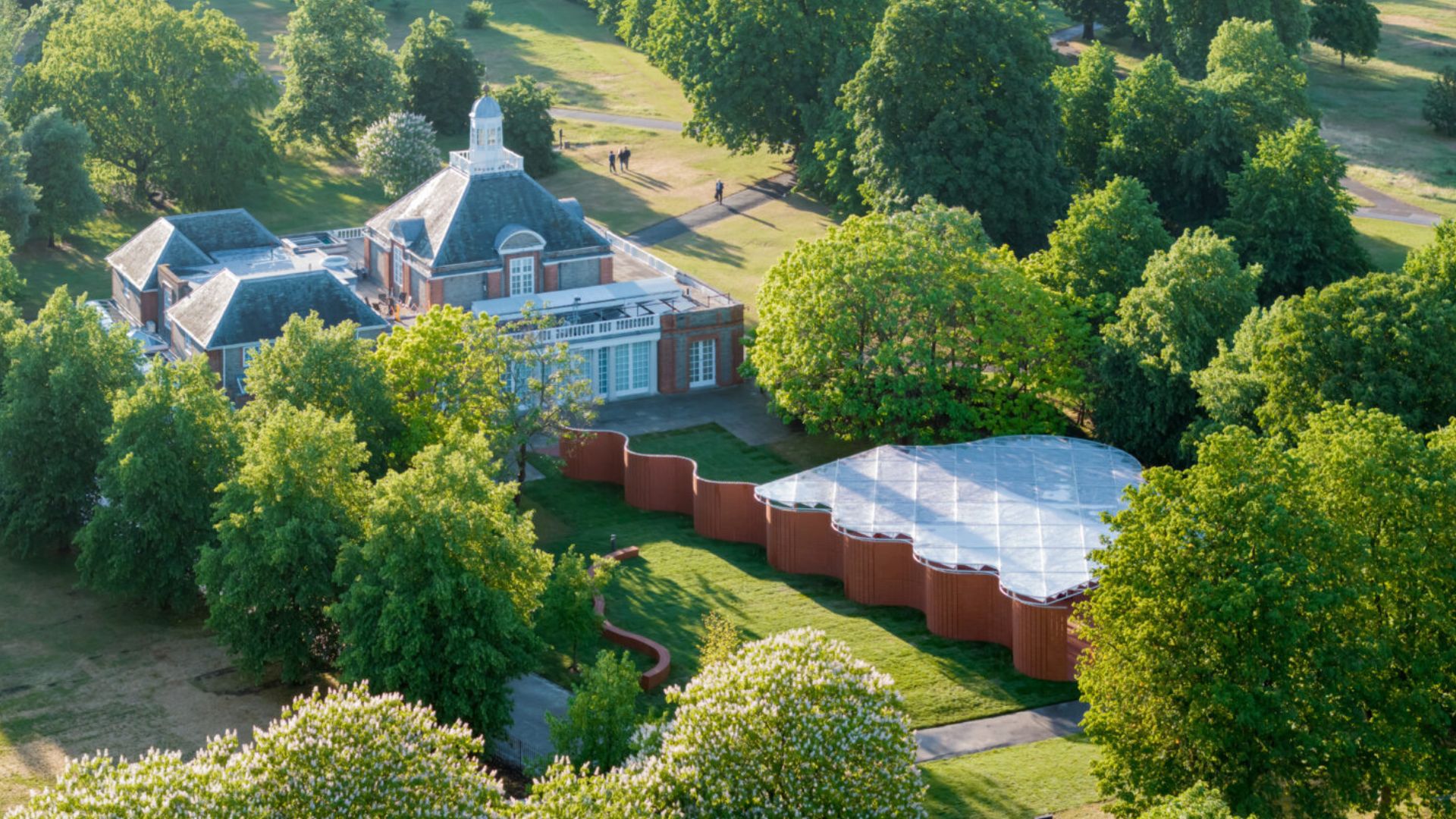
For its 25th edition, Serpentine Galleries selected LANZA Atelier, the Mexico City–based practice founded in 2015 by Isabel Abascal and Alessandro Arienzo, to design the Serpentine Pavilion 2026. Open to the public from 6 June 2026 and remaining in place until 25 October 2026, the new structure stands beside Serpentine South, continuing the programme’s legacy as one of the world’s most influential design commissions.
Gallery
Open full width

Open full width
Serpentine Pavilion 2026:
LANZA Atelier and an architecture of closeness
Titled a serpentine, the project arrives at a particularly symbolic moment. Not only does it mark the Pavilion’s anniversary year, but it also coincides with a special partnership with the Zaha Hadid Foundation, honouring the architect who inaugurated the very first Pavilion in 2000 and set the tone for decades of architectural experimentation to follow.
LANZA Atelier has steadily gained recognition for an approach rooted in what might be described as an architecture of closeness, one that favours everyday rituals over spectacle, and material intelligence over monumentality. The studio’s work often explores how space is shaped through encounter: informal structures, crafted details, and subtle thresholds that respond to the way people move, pause, and gather.
This human-centred sensibility has positioned LANZA as a rising international voice, with accolades such as the Emerging Voices Award from the Architectural League of New York and exhibitions spanning from San Francisco to São Paulo. With the Serpentine Pavilion 2026, the practice steps into a global spotlight while maintaining a design language grounded in collective experience.
The crinkle-crankle wall reimagined
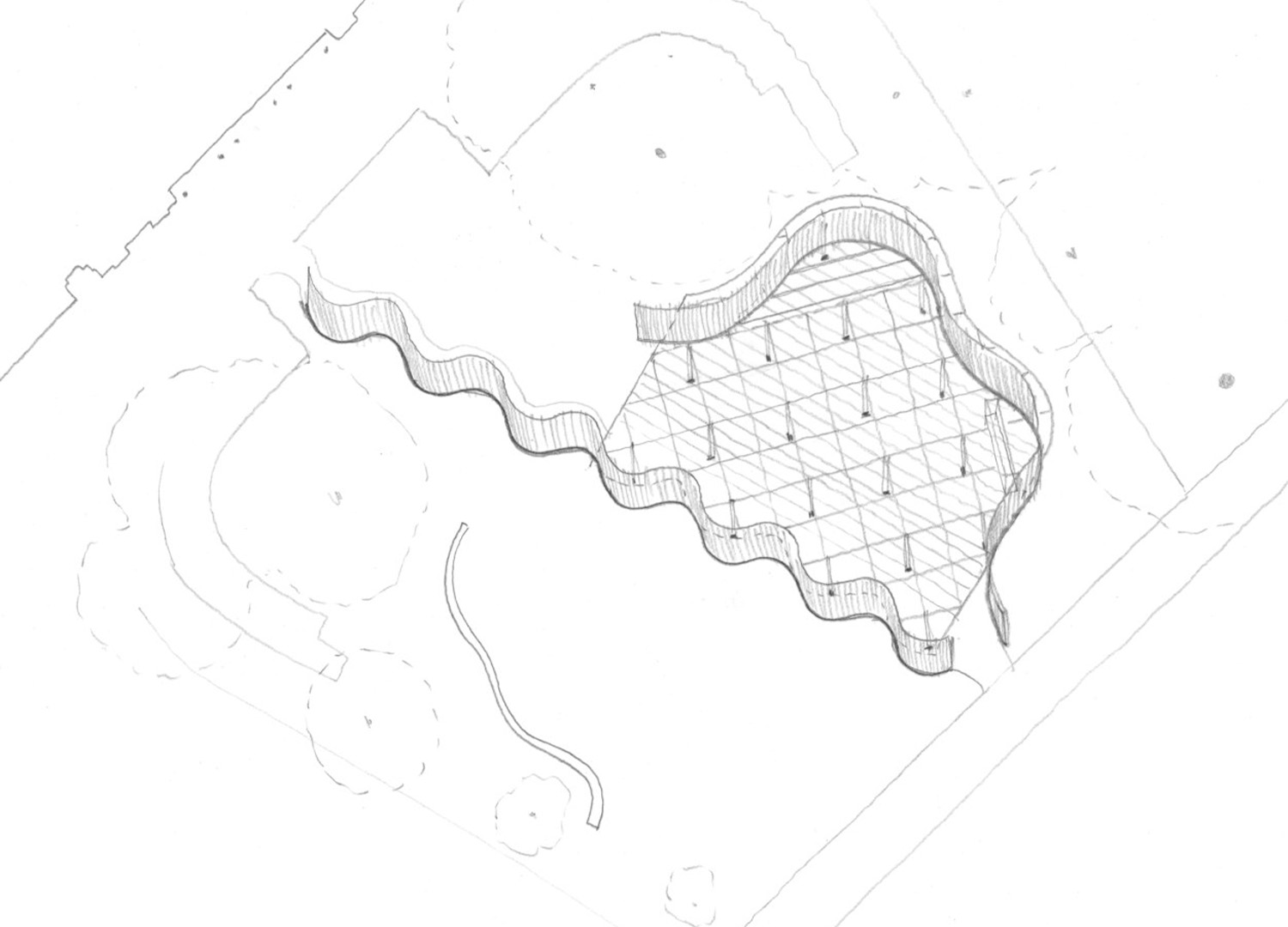
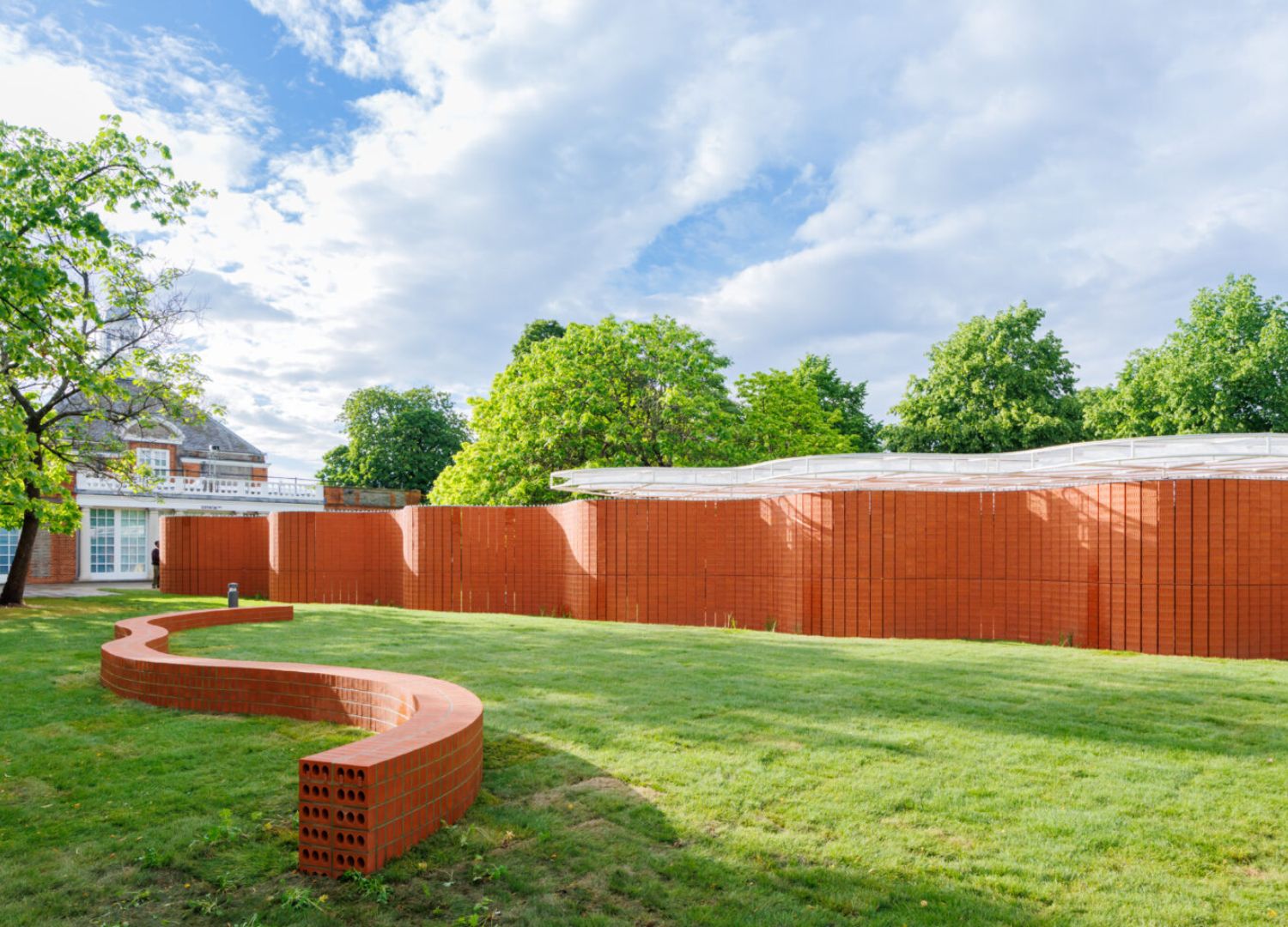
At the conceptual heart of a serpentine lies an element of English architectural history: the crinkle-crankle wall, also known as a serpentine wall. Defined by its undulating brick form, this type of structure is admired for its efficiency and strength, requiring fewer materials than a straight wall while gaining stability through curvature.
LANZA reinterprets this historical logic not as a nostalgic reference, but as a spatial device, one that both reveals and withholds. The wall becomes a gesture that shapes movement and proximity, guiding visitors through moments of openness and enclosure, encounter and retreat.
Inside the completed Serpentine Pavilion 2026
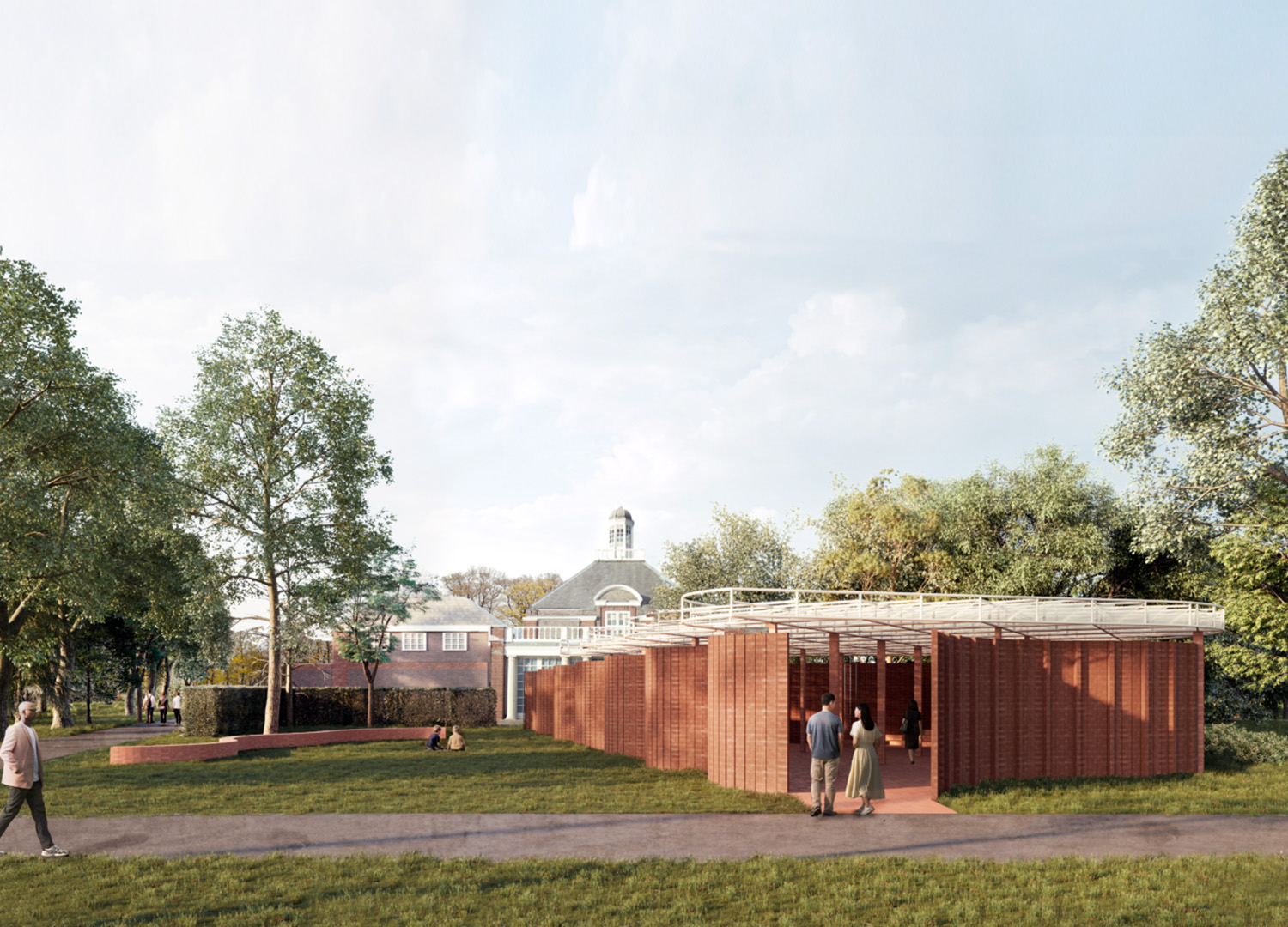
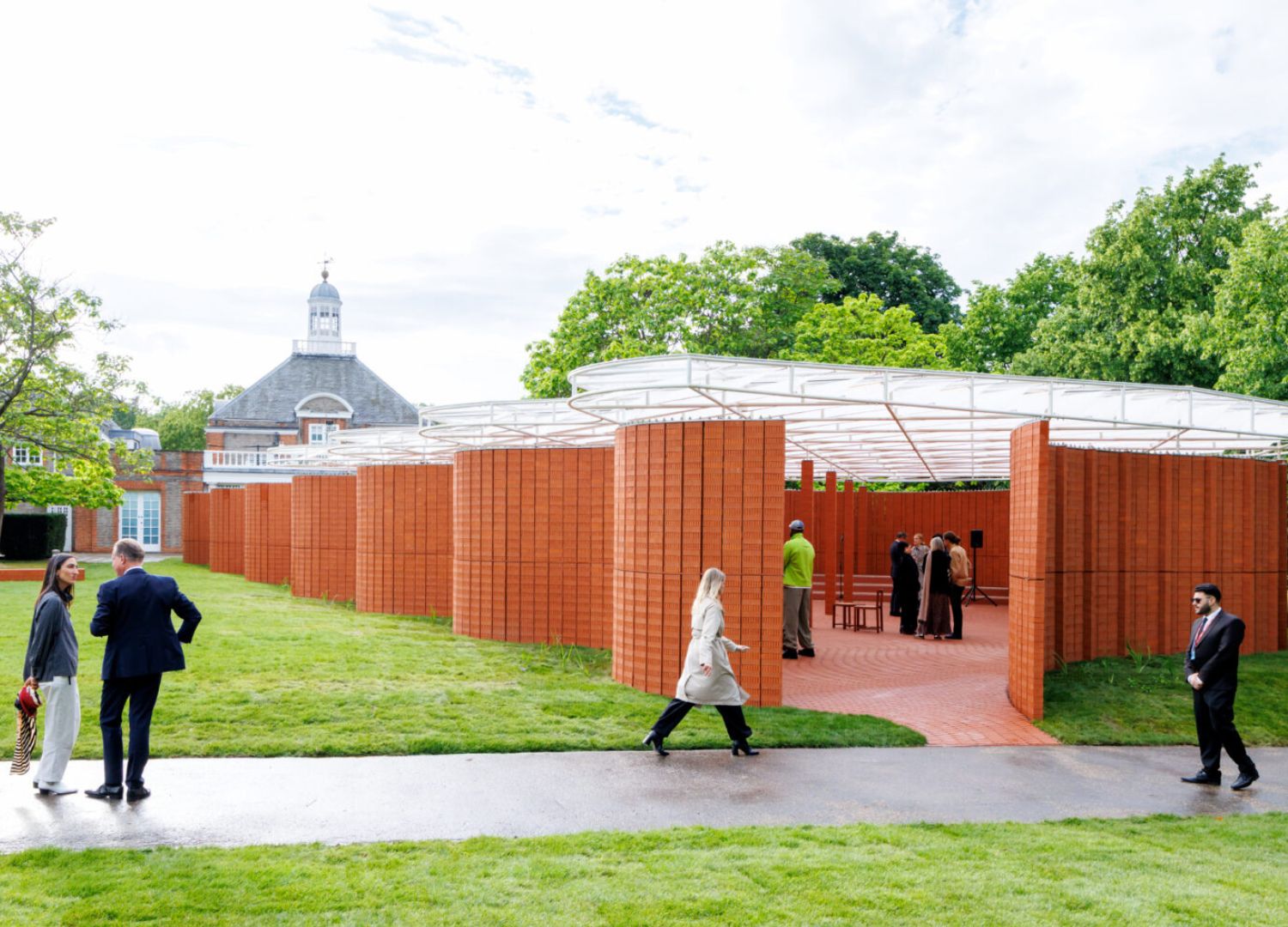
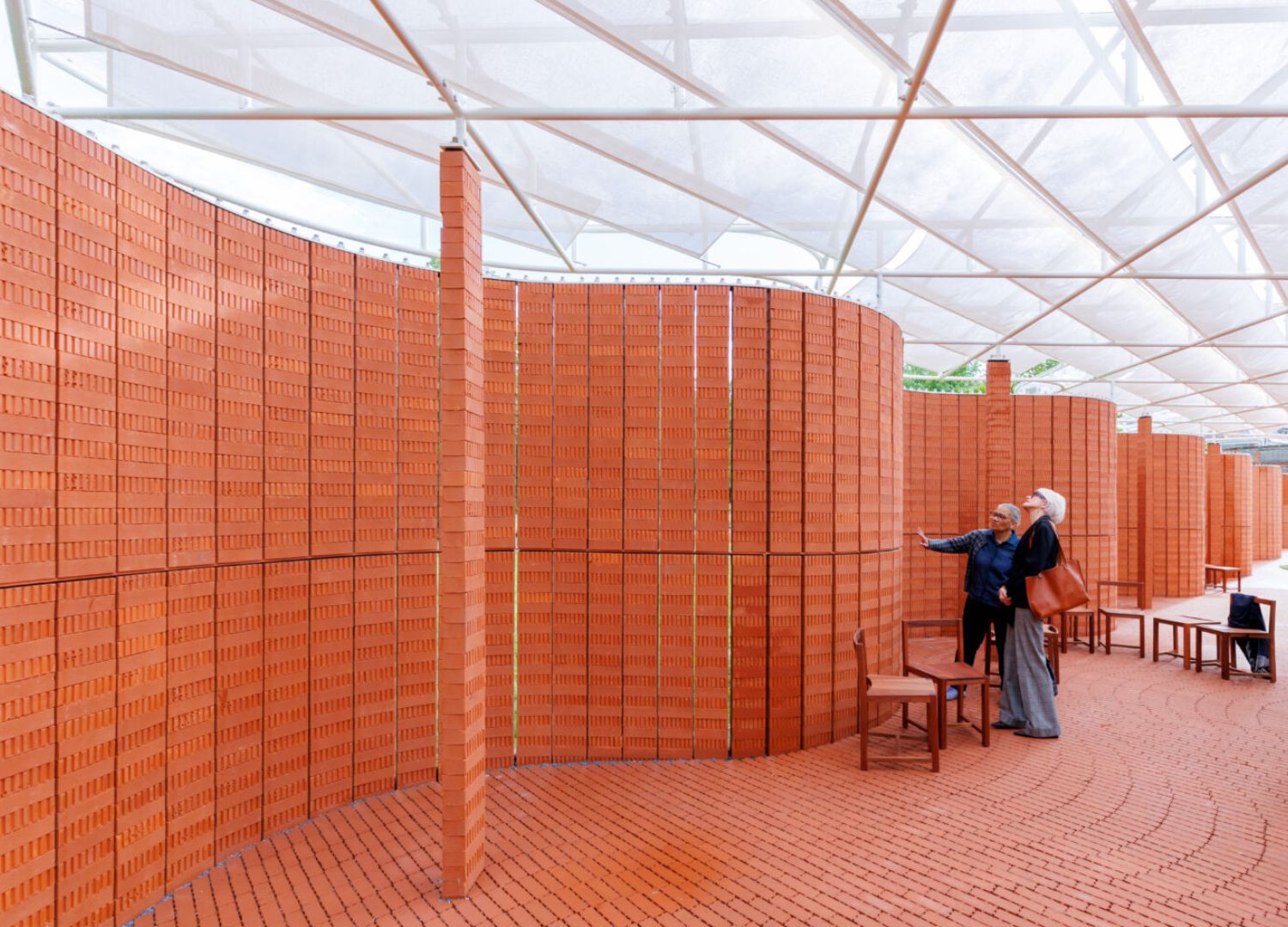
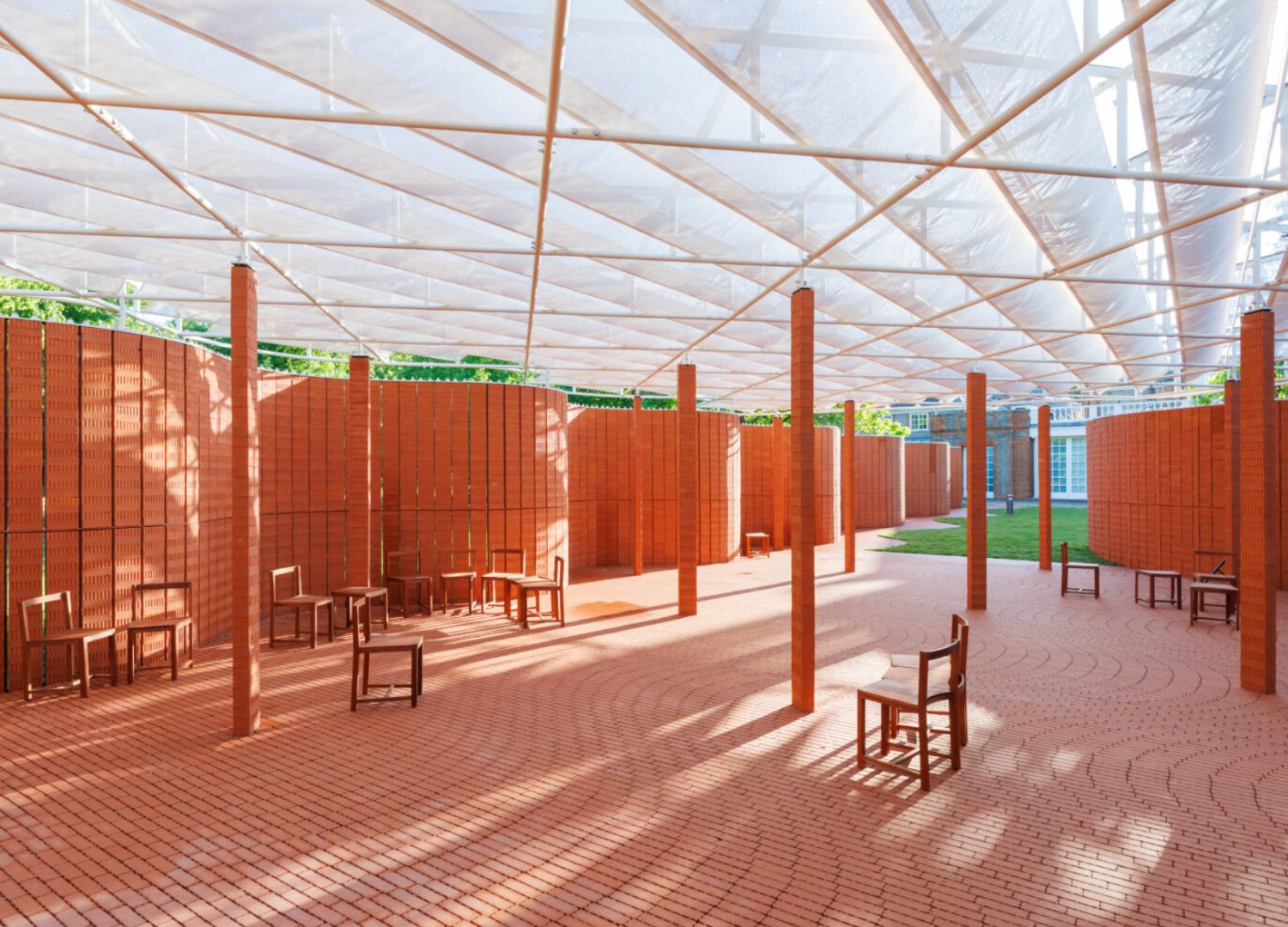
Now realised at full scale, the pavilion demonstrates how the serpentine wall operates as a spatial framework rather than a boundary. The curved brick surfaces create a sequence of passages and gathering areas, allowing visitors to move through the structure while maintaining visual connections with the surrounding park.
The form carries an additional layer of resonance. Echoing the nearby Serpentine Lake, the serpentine line suggests fluidity and continuity, while also recalling the serpent as a protective figure in architectural mythologies across cultures. In this Pavilion, geometry becomes both structural and symbolic, embedding memory into contemporary space.
Brick as structure and spatial device
Materially, the Pavilion will be built primarily from simple clay brick, a choice that connects it directly to its surroundings. Serpentine South itself was originally constructed as a tea pavilion in brick, and LANZA’s proposal establishes a quiet but deliberate dialogue with this context.
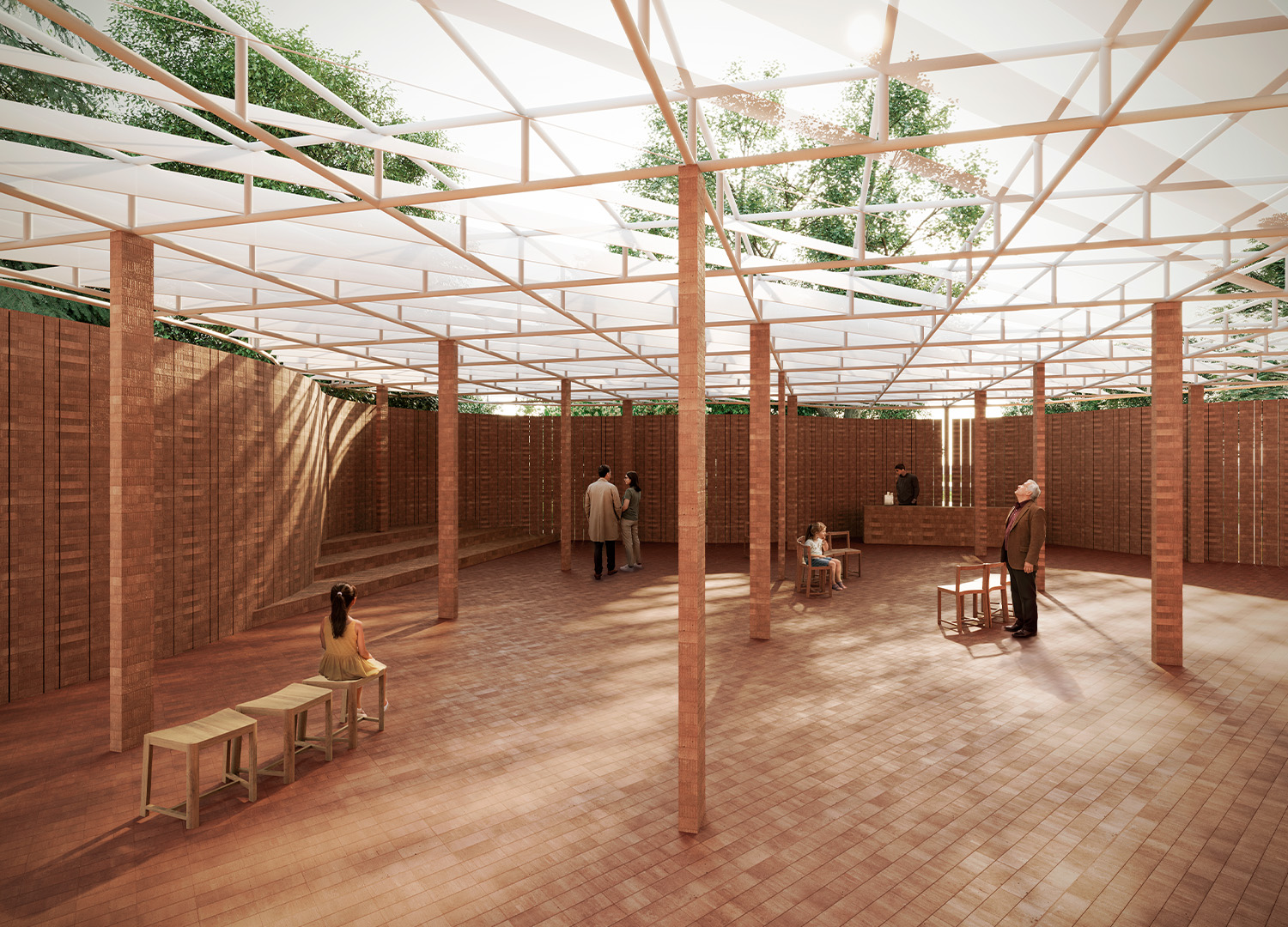
Brick columns arranged in rhythmic sequence will support a lightweight, translucent roof, creating an atmosphere defined by permeability rather than closure. Brick columns arranged in rhythmic sequence support a lightweight translucent canopy, filtering daylight through the structure while reinforcing its relationship with the landscape. The completed pavilion reveals a balance between solidity and permeability, with openings between the brick elements allowing views, air and movement to pass freely through the space.
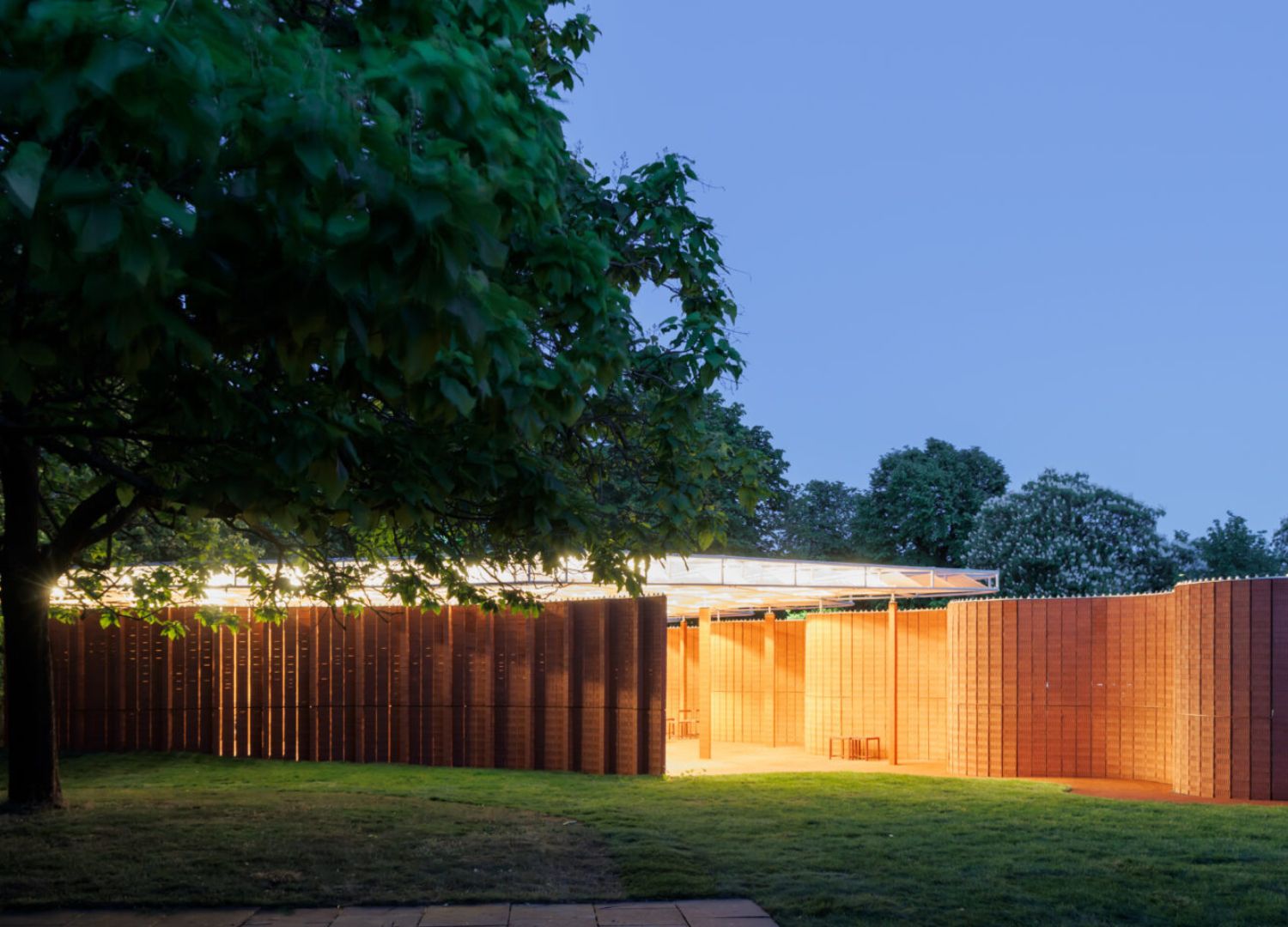
The project also marks the first use of brick in the history of the Serpentine Pavilion programme, employing the material not as a continuous mass but as a porous architectural system shaped through curvature and repetition.
A bridge between architectural traditions
Serpentine describes the Pavilion as a metaphorical bridge between Europe and the Americas, merging English garden traditions with the sensibilities of a contemporary Mexican studio. The commission becomes a meeting of geographies and design cultures, where vernacular construction meets global experimentation, and local history is reimagined through a new architectural voice.
A summer platform for culture and exchange
As always, the Pavilion will also serve as a platform for Serpentine’s wider summer programme, hosting performances, talks, screenings, and events that extend its role beyond structure into the realm of cultural exchange.
In an anniversary year that looks both backward and forward, a serpentine embodies the Pavilion’s enduring purpose: to offer architecture as an open invitation — a place of lightness, encounter, and ongoing experimentation. Temporary in form, yet lasting in impression, LANZA Atelier’s Pavilion stands as not just a landmark of the season, but a quietly powerful space of connection.