Rings used to be fashion accessories. Now, they’re health trackers, smart devices, and familiar toys
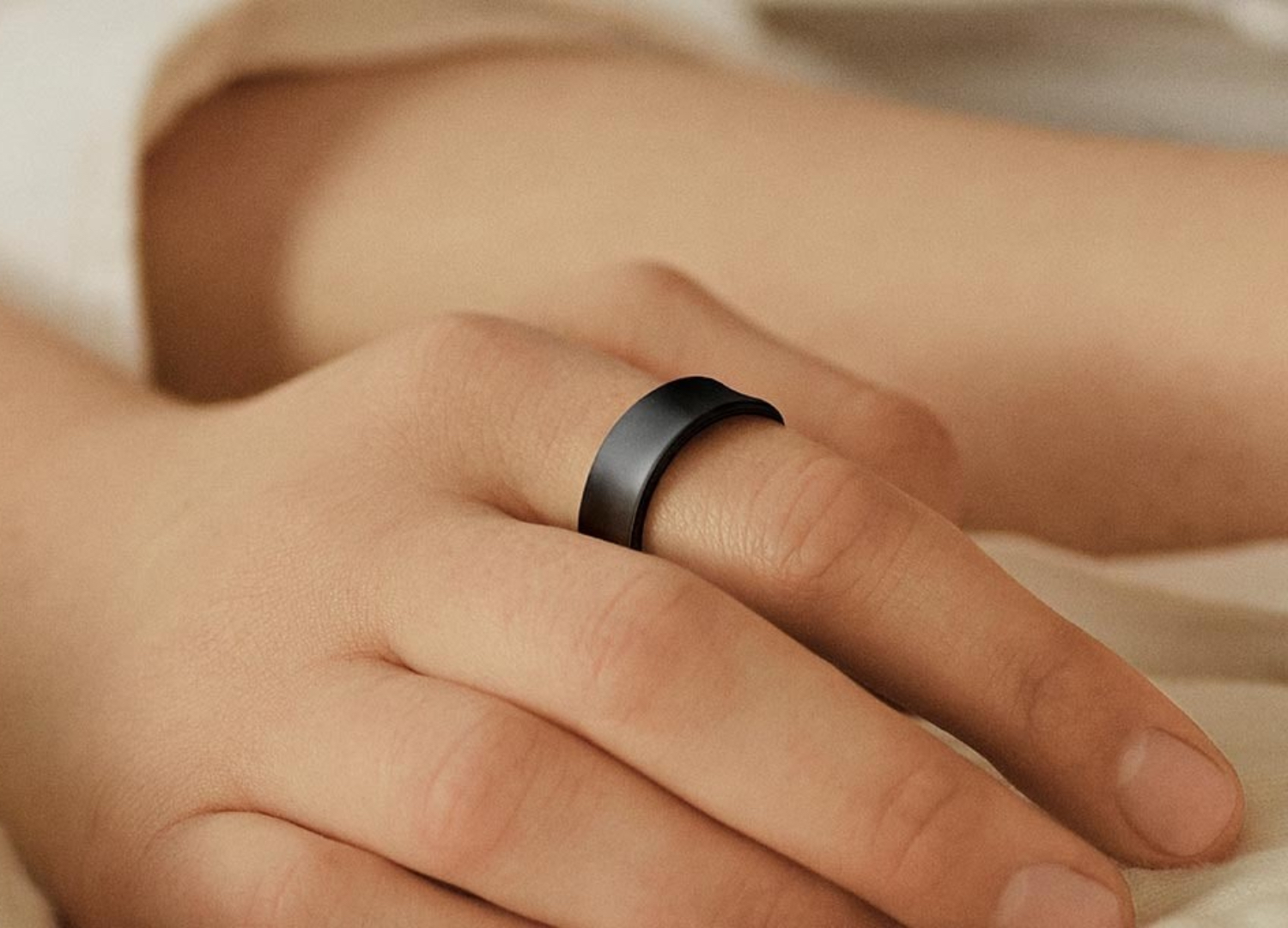
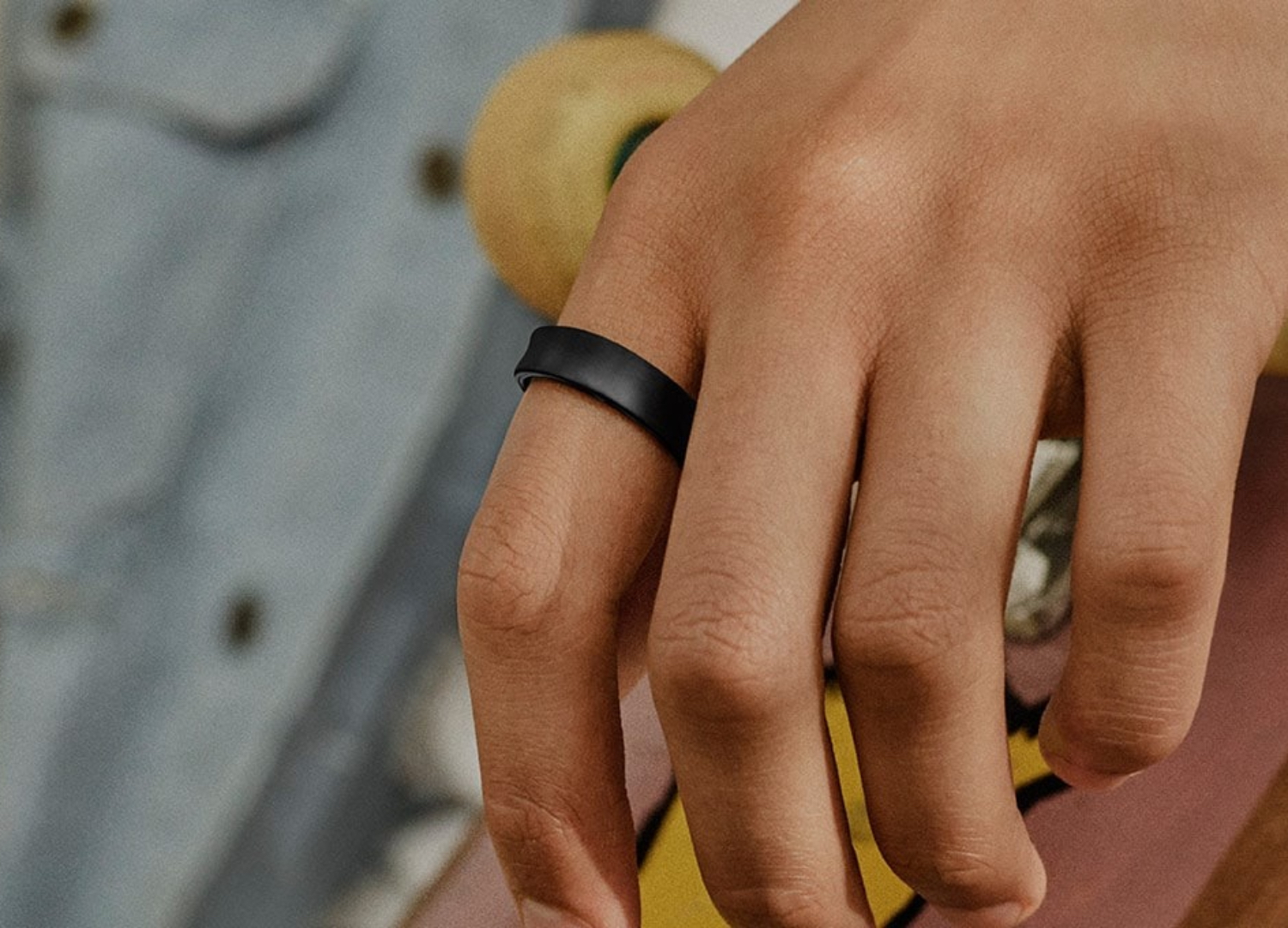
From Samsung’s Galaxy Ring to Oura Ring and the recent Tamagotchi device, rings are becoming a corporate favorite to test the new obsession with modern health and entertainment.
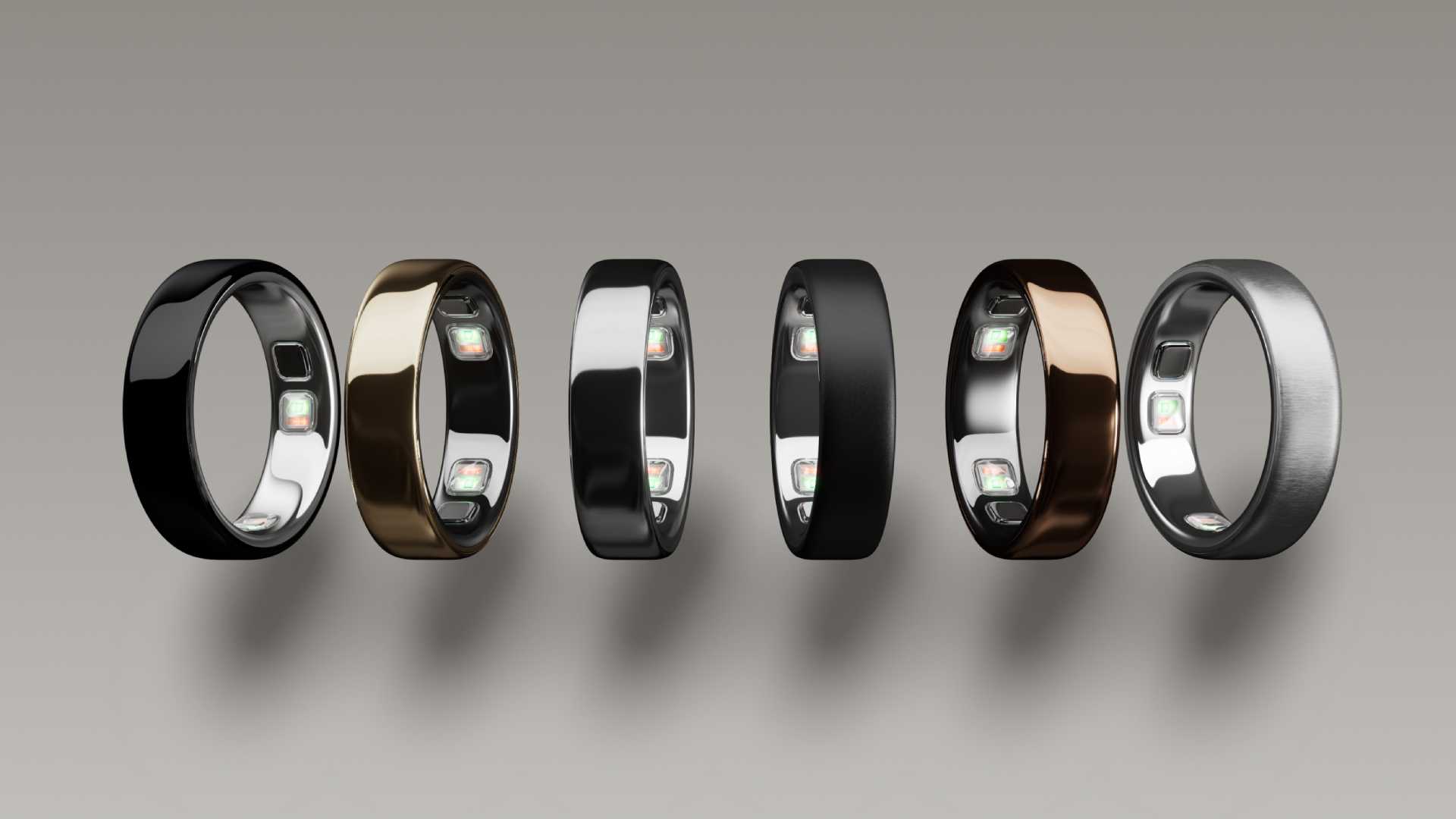
There used to be a time when rings were just circular bands around our fingers, but today, they’ve gotten massive glow-ups, with high-tech upgrades that turn them into health trackers and smart devices. Other times, they’re more advanced versions of familiar games and toys, downsized into steel loops.
One ring might track your sleep and heart rate, while another lets you record a reminder or look after a tiny digital pet. These smart rings do very different things, but they all fit technology into something small enough to wear every day.
Gallery
Open full width

Open full width
Smart rings:
The evolution of smart rings, from Oura to Samsung
The Oura Ring, released in 2015, is believed to be the first of its kind to be in the market. It was groundbreaking then because imagine a piece of accessory that could read your sleeping habits and digitally tell you the next day how you slept. It could propel users into considering what lifestyle habits they needed to drop to start getting better sleeping patterns and less stress.
The ring was an impressive try for a smart device, but it needed improvements to its battery life and tracking system. Consumers weren’t yet on algorithms, and companies might not have been obsessed with them as they are today, so the first results laid the groundwork for making better smart devices in ring shapes.
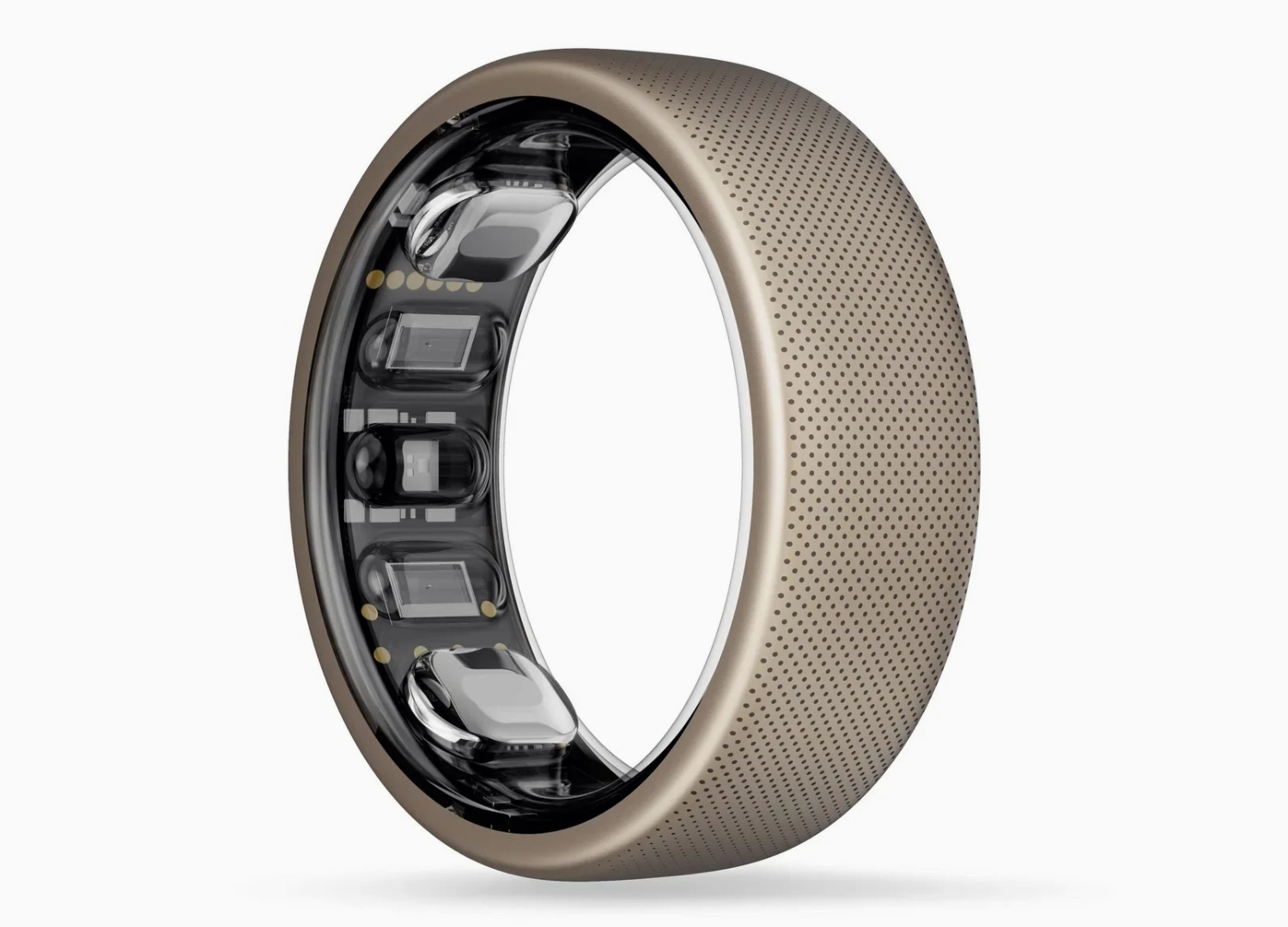
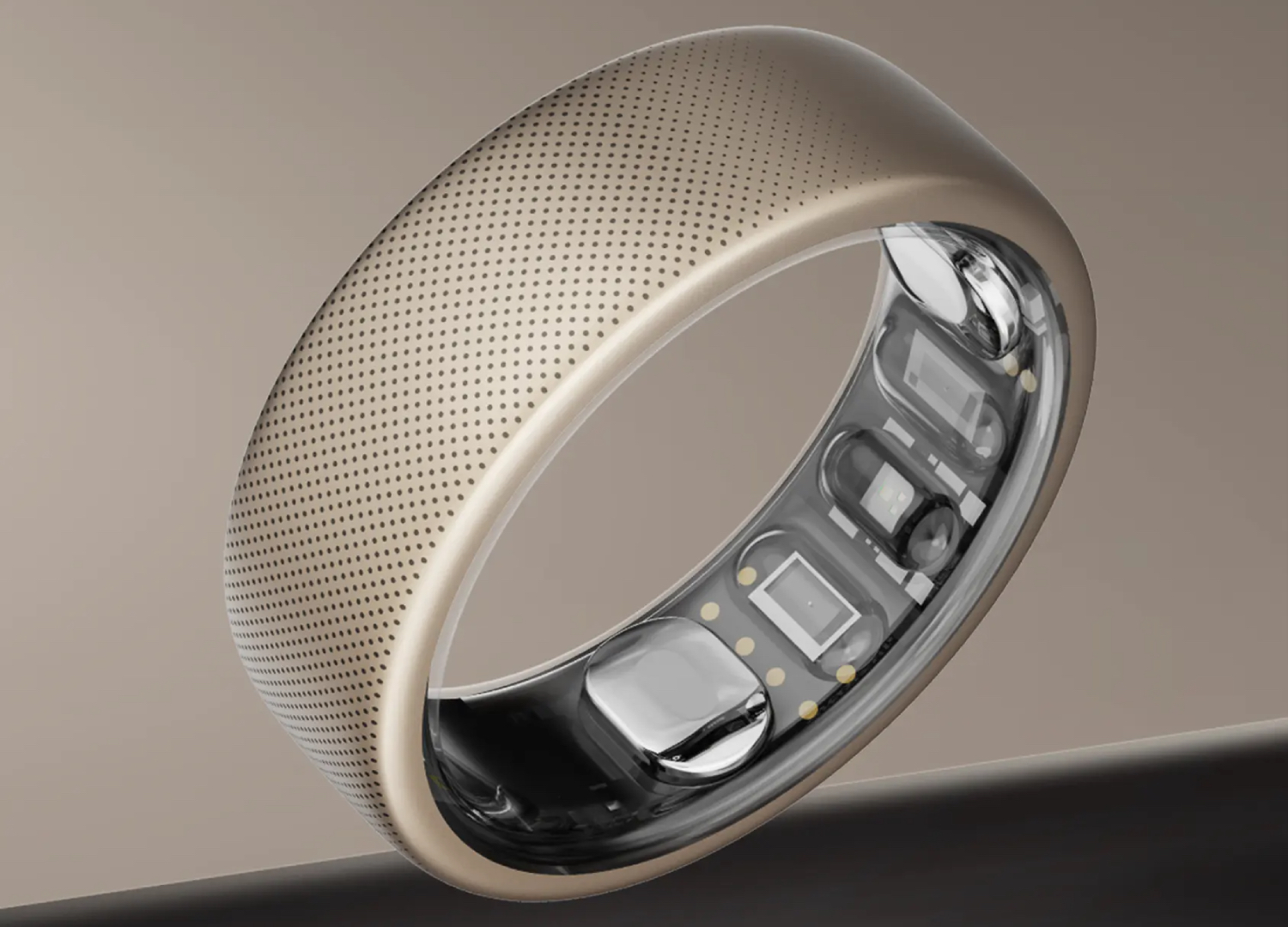
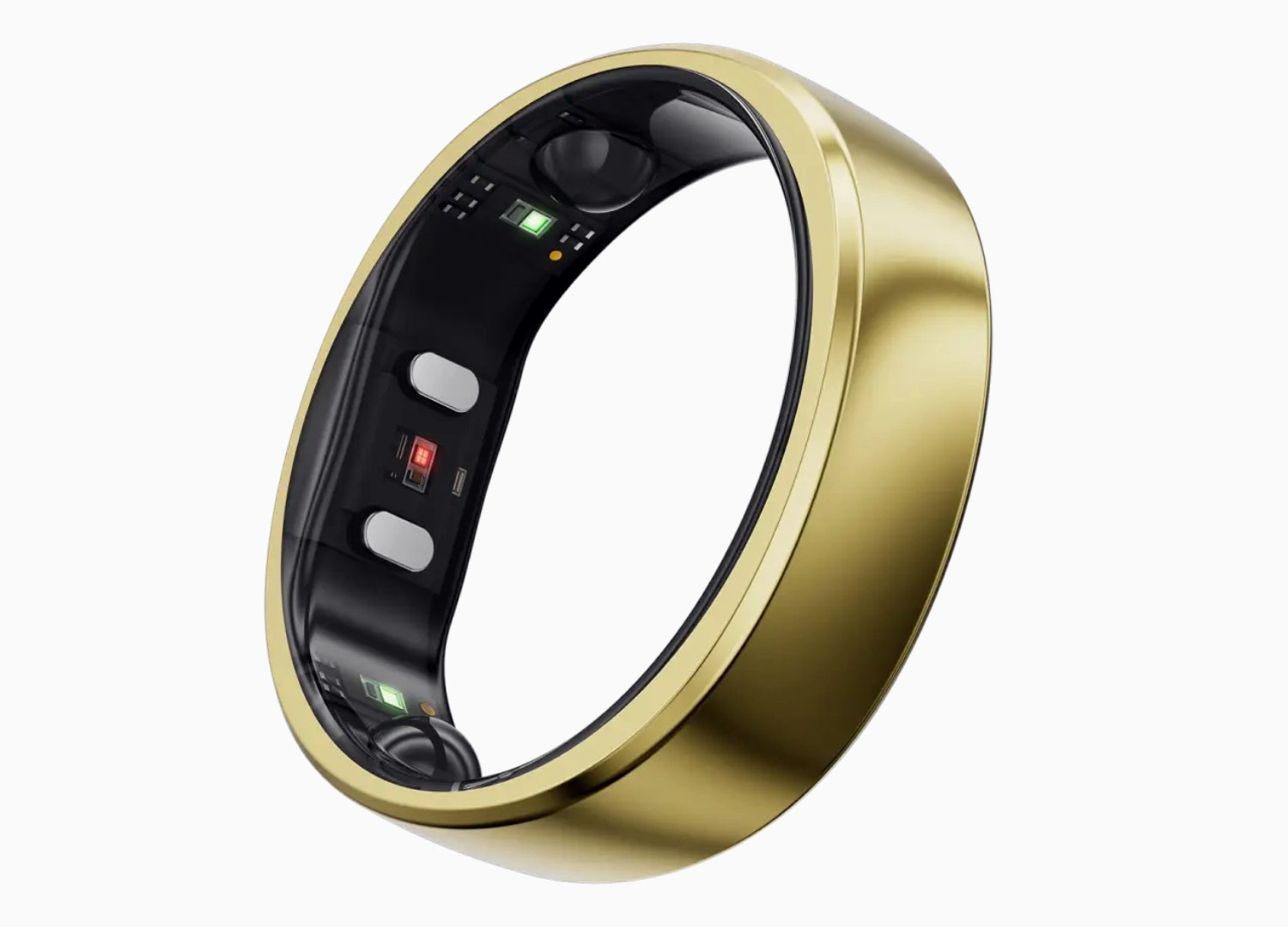
But more rings have sprung up since then, and it feels like they’re everywhere now. Samsung’s Galaxy Ring in 2024 made waves as a smart ring for biometric health monitoring. It could tell users about their heart condition, measure their temperature, and track their body movements so it knows whether the user was walking or running. It also monitors sleep patterns, blood oxygen levels, and respiratory rates, and using AI, it could show users their “scores” to try to make them sleep more or take the world by storm.
Then rings became more of what they already were: slimmer, longer battery life, smarter, more unrelenting in letting users know what they had to change, more AI-powered so they’d be more intelligent, more expensive, and more numerous, too.
Rings have become smarter and more “entertaining”
The RingConn Gen 2 is thinner and has more battery life than the Samsung Ring, but it does the same in terms of health tracking. Then the Ultrahuman Ring AIR came out, but it was slightly heavier than the two, weighing between 2.4 and 3.6 grams, and had a shorter battery life. It also had its sensors focused on “dynamic recovery and circadian-aligned movement nudges.” Other rings were released, like the Amazfit Helio Ring and, of course, Oura Ring 5, and they’re practically still monitoring users’ health.
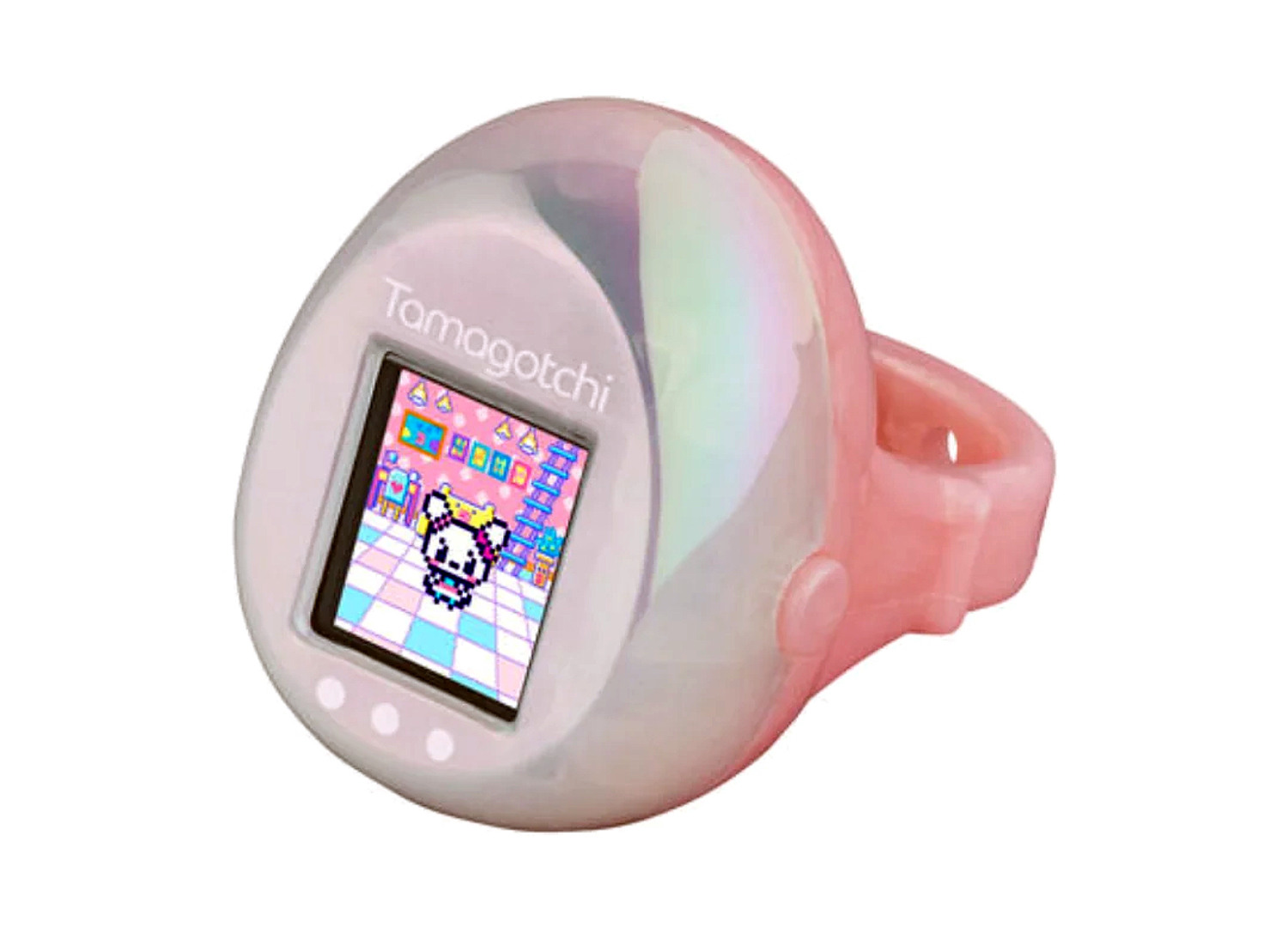
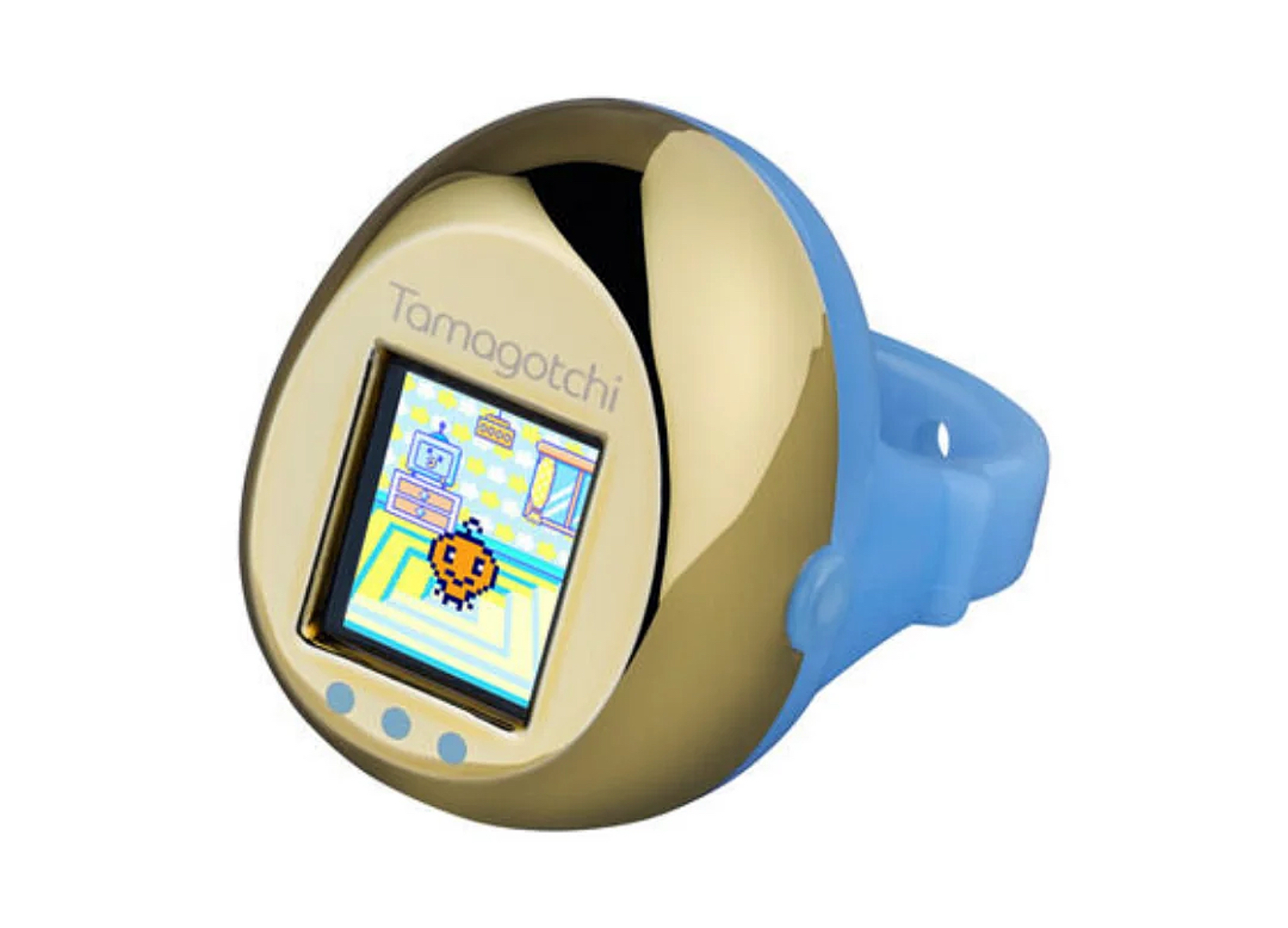
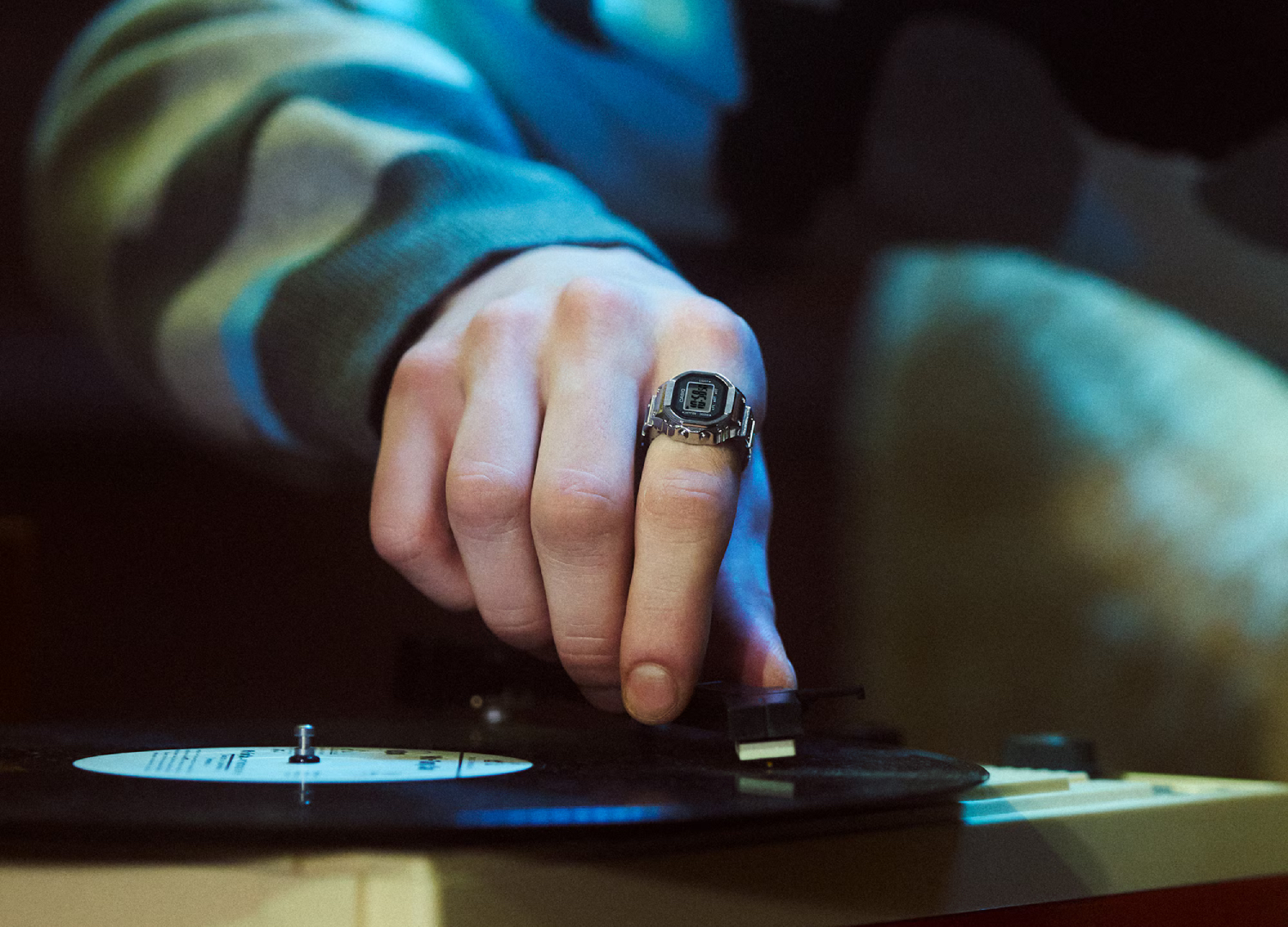
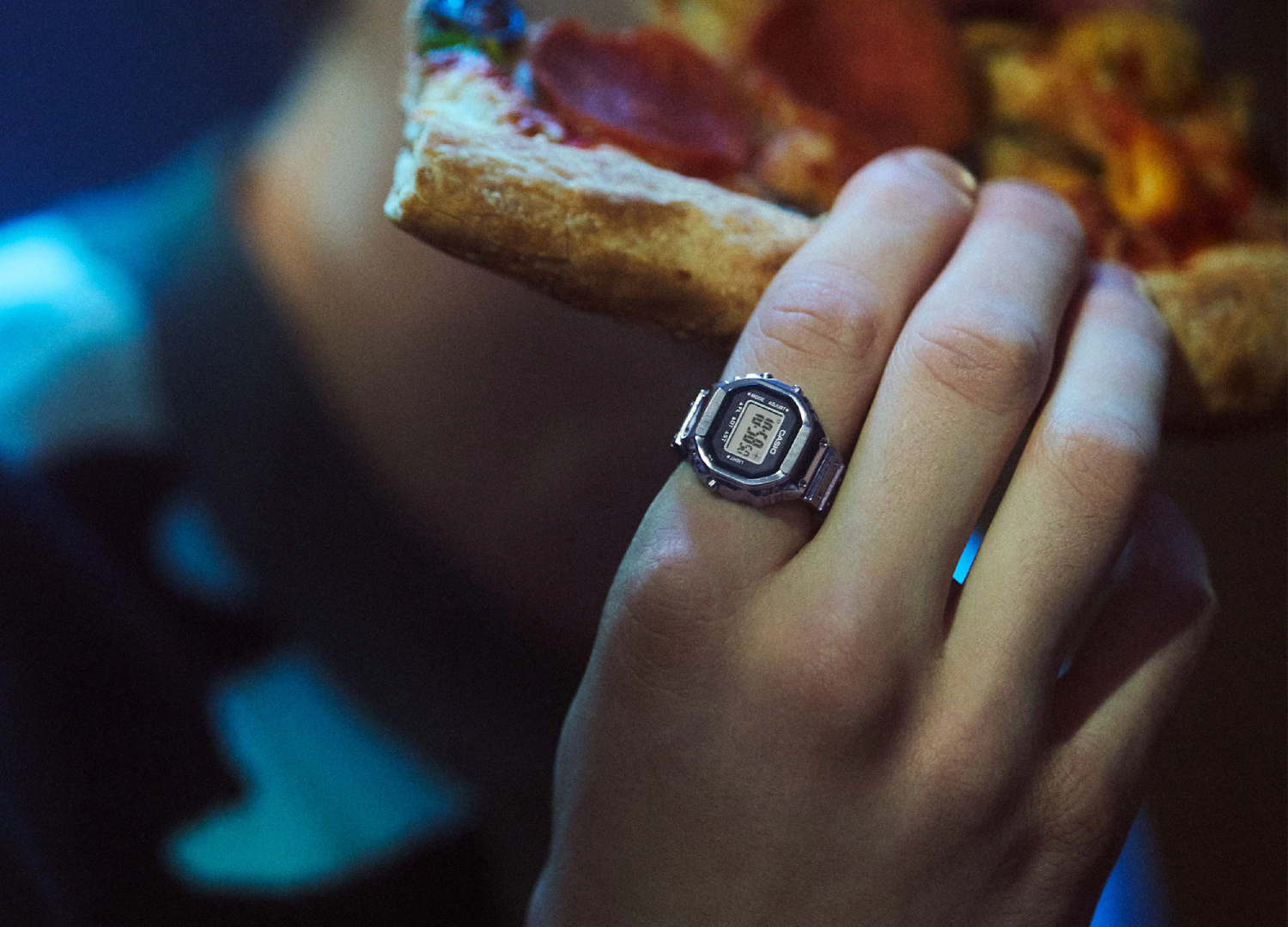
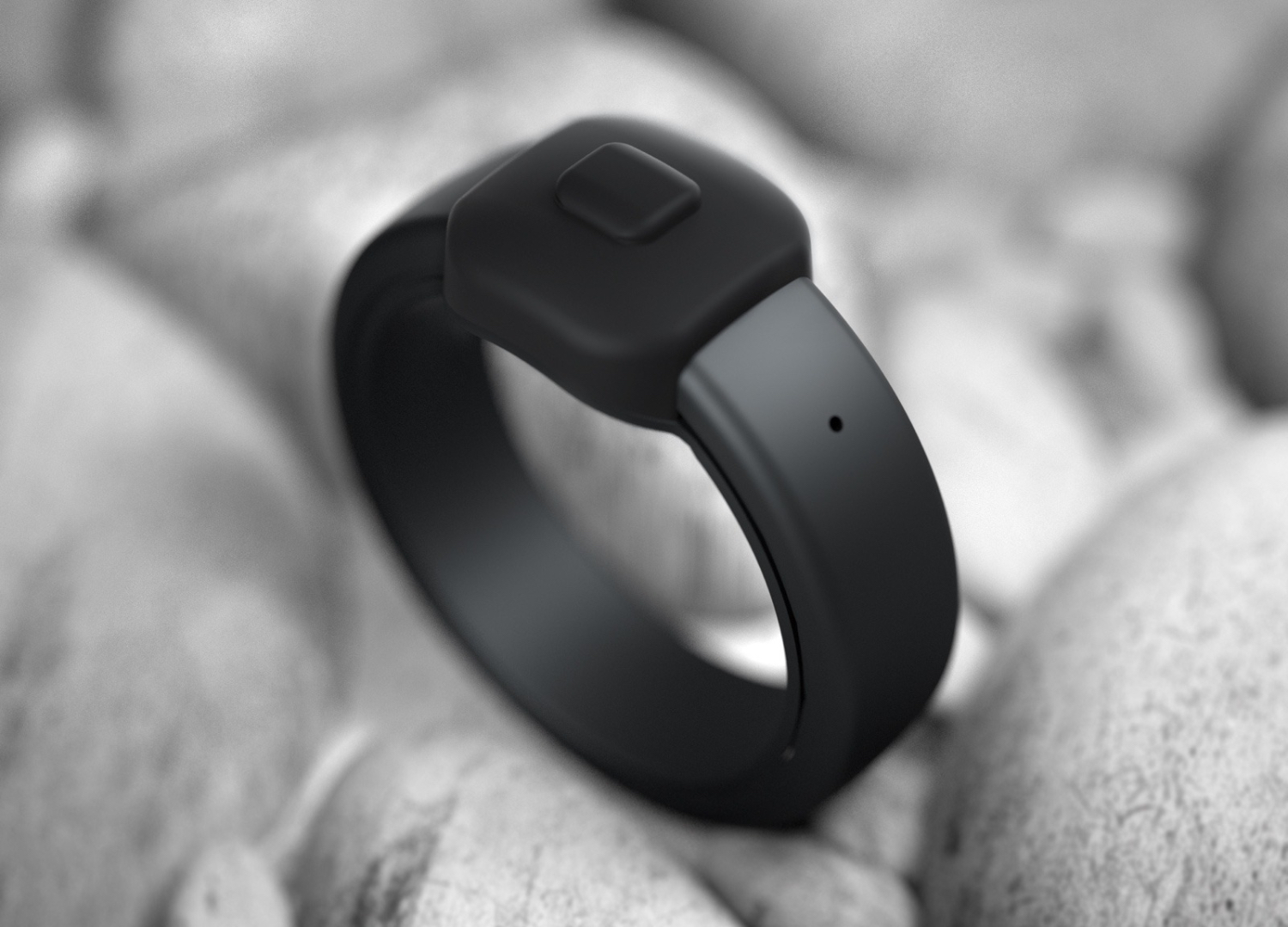
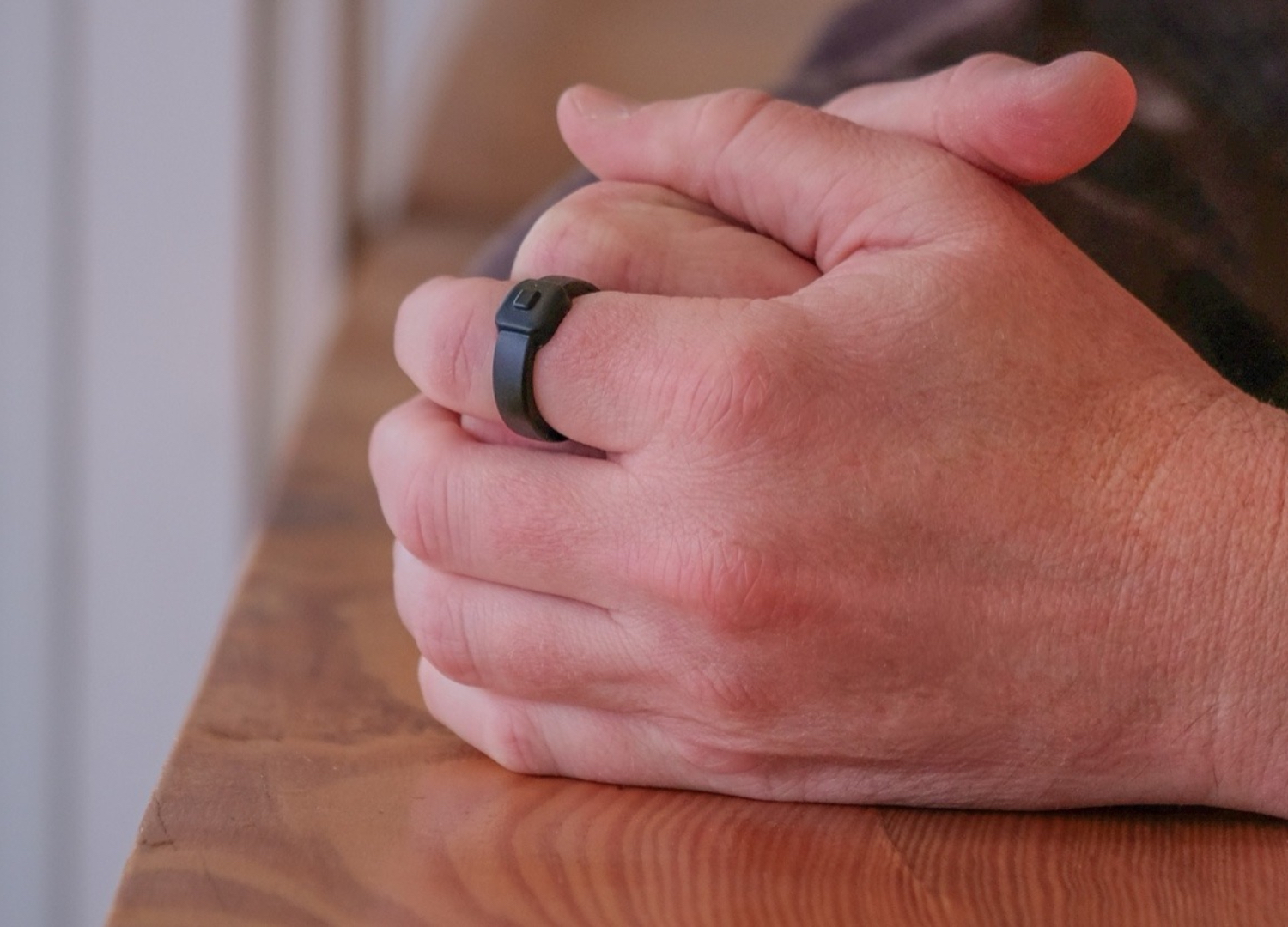
Some rings choose not to keep track of whatever the users are feeling or experiencing. Pebble Index 01, shown at the CES tech event in 2026, uses a microphone to listen to the users and send notes, reminders, and transcription to their phones at their command. The famous Casio watch ring, which was a toy during its first release, has evolved into a digital timekeeper around the finger. And then there’s the Tamagotchi ring, a shrunken version of the already-miniature handheld device, so users can always bring and take care of their digital pets all the time.
Some studies have looked into rings as a much more ideal place for a photoplethysmography sensor when it comes to reading the body for accurate data. The finger is rich with blood vessels, and its cutaneous vascular walls have a strong response to the heart pumping, so the signal from the finger has a higher amplitude, which is fitting for some health tracking.
They’re also comfortable to wear and don’t take up much space and weight, unlike when we store medical reading devices at home, even if they’re already compact and portable. Unlike smartwatches, the rings look more discreet while still being fashionable, plus there’s no screen fatigue – at least for now – so users don’t have to keep looking at a display (except for the Tamagotchi device, but, to argue, it has a tiny full-color LCD display).
Rings have also become a testing platform for new technologies, which can help advance our modern needs. Casio uses Metal Injection Molding (MIM) to build its ring watch, and that allows them to create tiny metal shapes that were too hard to cut in the past. Batteries are also getting smaller and better, and Bluetooth technology, like BLE 5.4, uses very little energy to talk to a phone. Modern rings also use advanced biocompatible polymers and Grade 5 Titanium to make the outer shell strong but very light. These features were once just ideas, and rings, to name a few, have helped translate them into fully available technologies.
Even the smartest ring may read inaccurately
But let’s not be fooled, because technology is an ever-evolving field, so at times, these smart rings can malfunction and give inaccurate readings. Back in 2024, the U.S. Food and Drug Administration (FDA) issued a warning against ring devices that measure blood sugar (glucose) and added that no smart ring or watch was authorized to track it without a needle.
These sleep trackers may also trigger those who have orthosomnia, or the obsession with having perfect sleep data, especially when smart devices report low scores in terms of sleep patterns and habits. We also go through different stages of sleep — such as light sleep, deep sleep, and REM (Rapid Eye Movement) sleep, and so to truly measure them, doctors use Polysomnography (PSG), with wires attached to the head to read brain waves. Smart rings don’t read these brain waves, so they might not be able to fully understand the user’s patterns, only the surface of it and what the sensors can detect.
Regardless of these concerns, the rings are definitely here to stay, and they’re in shape to be taken up by creatives who can give them a renewed purpose instead of being a static, aesthetic-only figure around the finger. But if they keep falling into the hands of corporate brainiacs who only lust for money-making machines, then these rings are just trendy, hippy cloaks that max out credit cards for bogus, unnecessary reasons, and it’s best we don’t fall for them.