How conductive liquid metals suggest new human-object interactions
WINT Design Lab’s Soft Interfaces research with the Fraunhofer Institute explores this new technology and results in a physical product, an interactive lamp sensitive to human touch.

In recent years, one of the new frontiers in the world of fabrics is smart textiles: a series of “intelligent” products thanks to the union between fiber and integrated technology. The interdisciplinary research project Soft Interfaces is positioned precisely within these experiments and seeks to study how fabrics can perceive and respond to human touch through integration with conductive liquid metals (such as Galinstan).
This is a laboratory-phase experimentation that has not yet been brought into product development. For this very reason, Robin Hoske and Felix Rasehorn of WINT Design Lab collaborated for a year through workshops and research with Lukas Werft and Christian Dils of the Fraunhofer Institute for Reliability and Microintegration IZM.
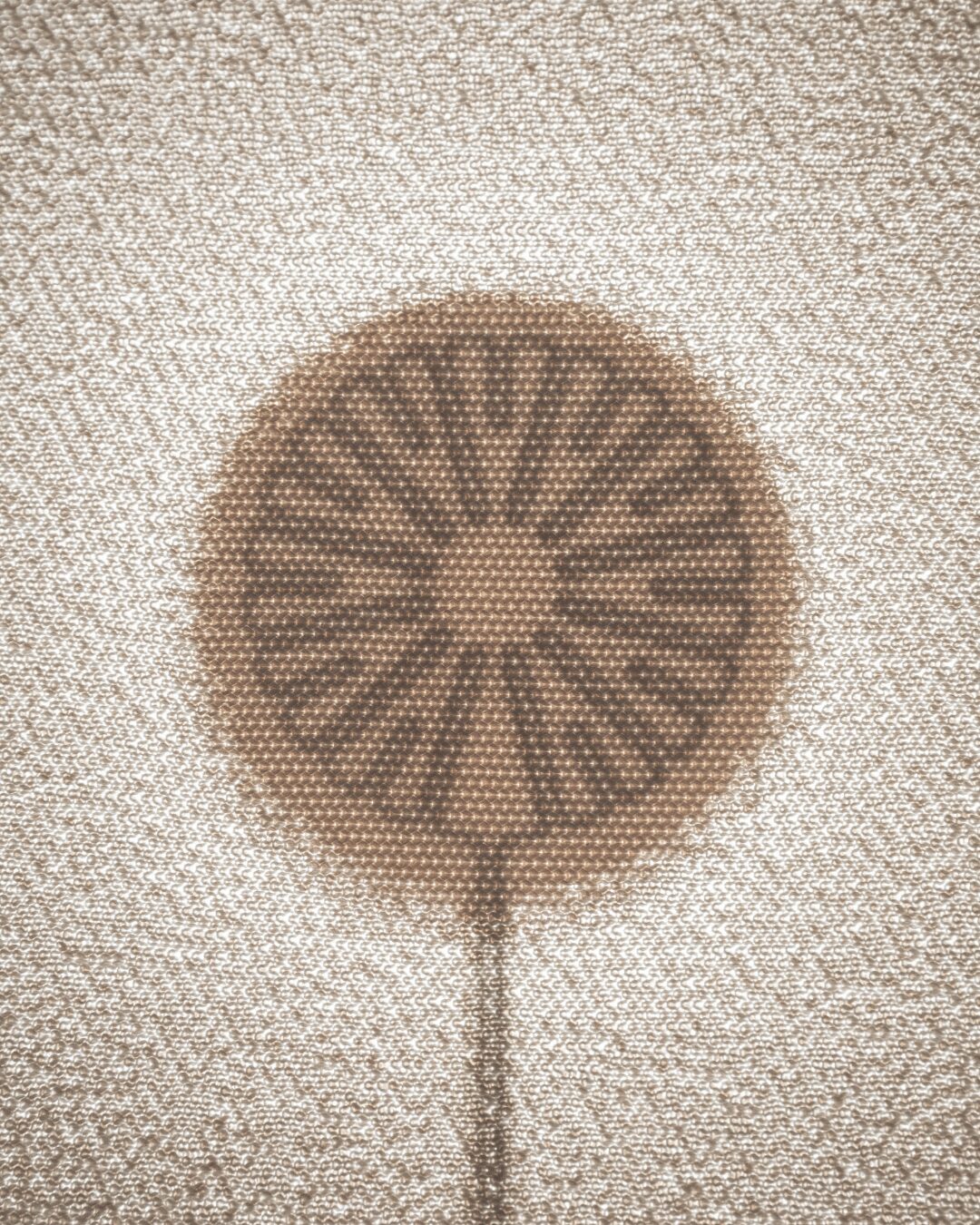
The project started from an in-depth study of several aspects: the modification of materials to obtain a printable ink, the encapsulation of the liquid metal, the creation of precise conductive circuits, and their integration into customized knitted fabrics. The team experimented with different varieties of patterns and textile structures, pushing the limits of technology and bringing production processes to new levels of scale and precision.
Gallery
Open full width
Open full width
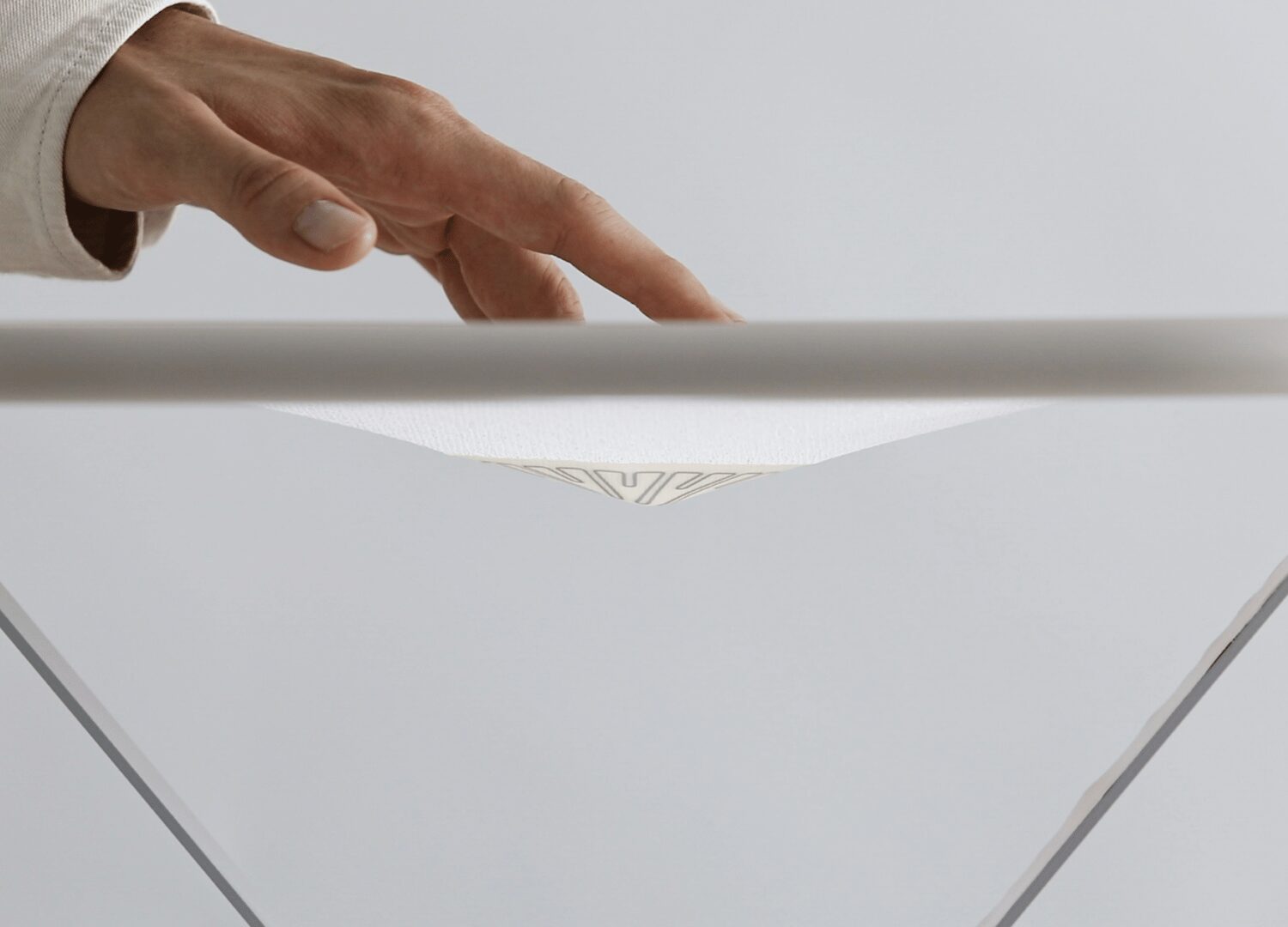
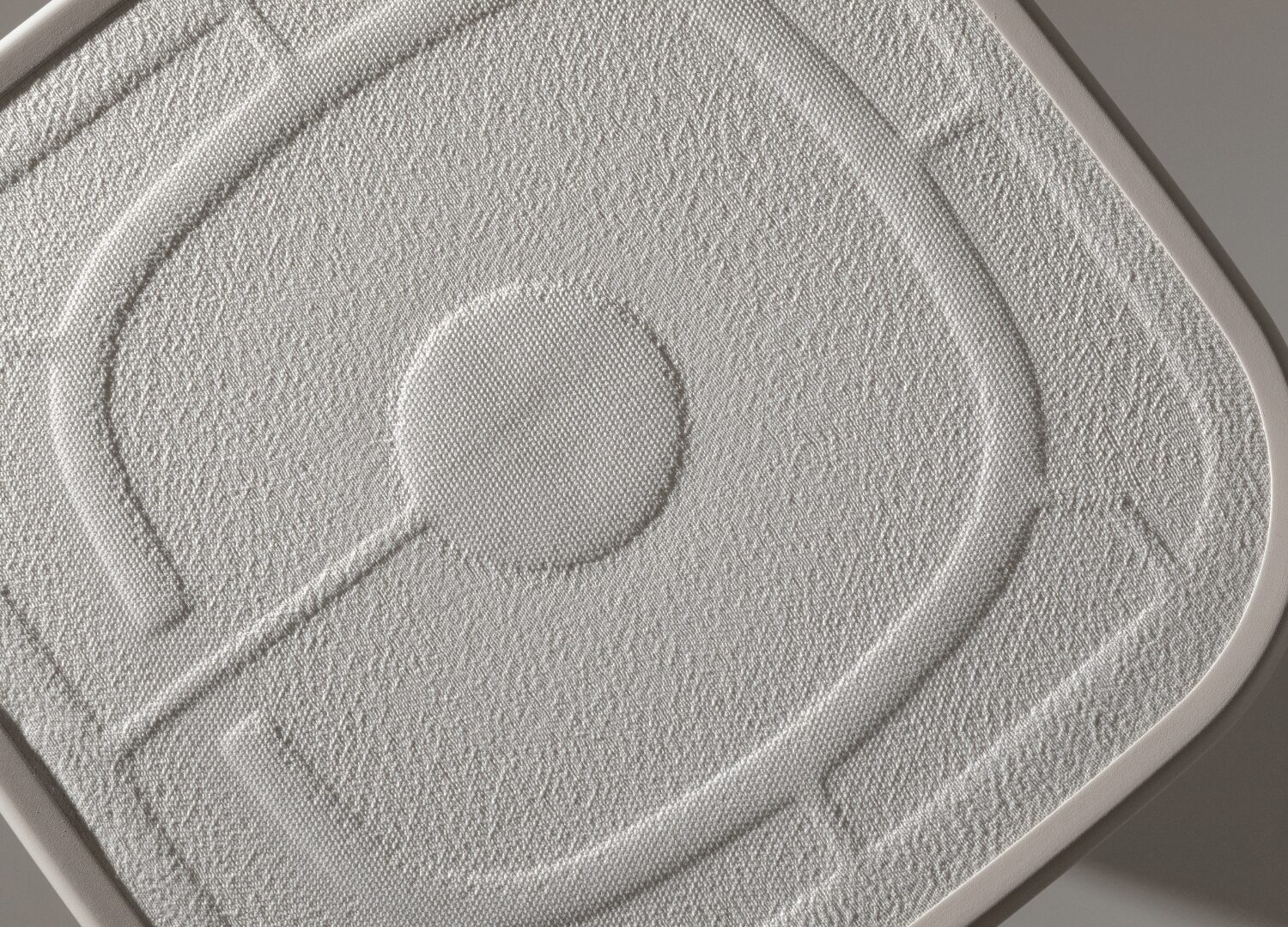
After acquiring the necessary knowledge and understanding the potential and limits of these applications, conductive liquid metals were incorporated into elastic fabrics, creating a tactile, interactive, and flexible textile screen. Together with the scientists of the Fraunhofer Institute, the method and principles of user interaction were defined.
The final result is the creation of a lamp which, equipped with the new fabric, responds even to the most delicate touch: through pressure, the material stretches, creating a variation in the paths of the liquid metal that the system reads and encodes to regulate the temperature and intensity of the light.
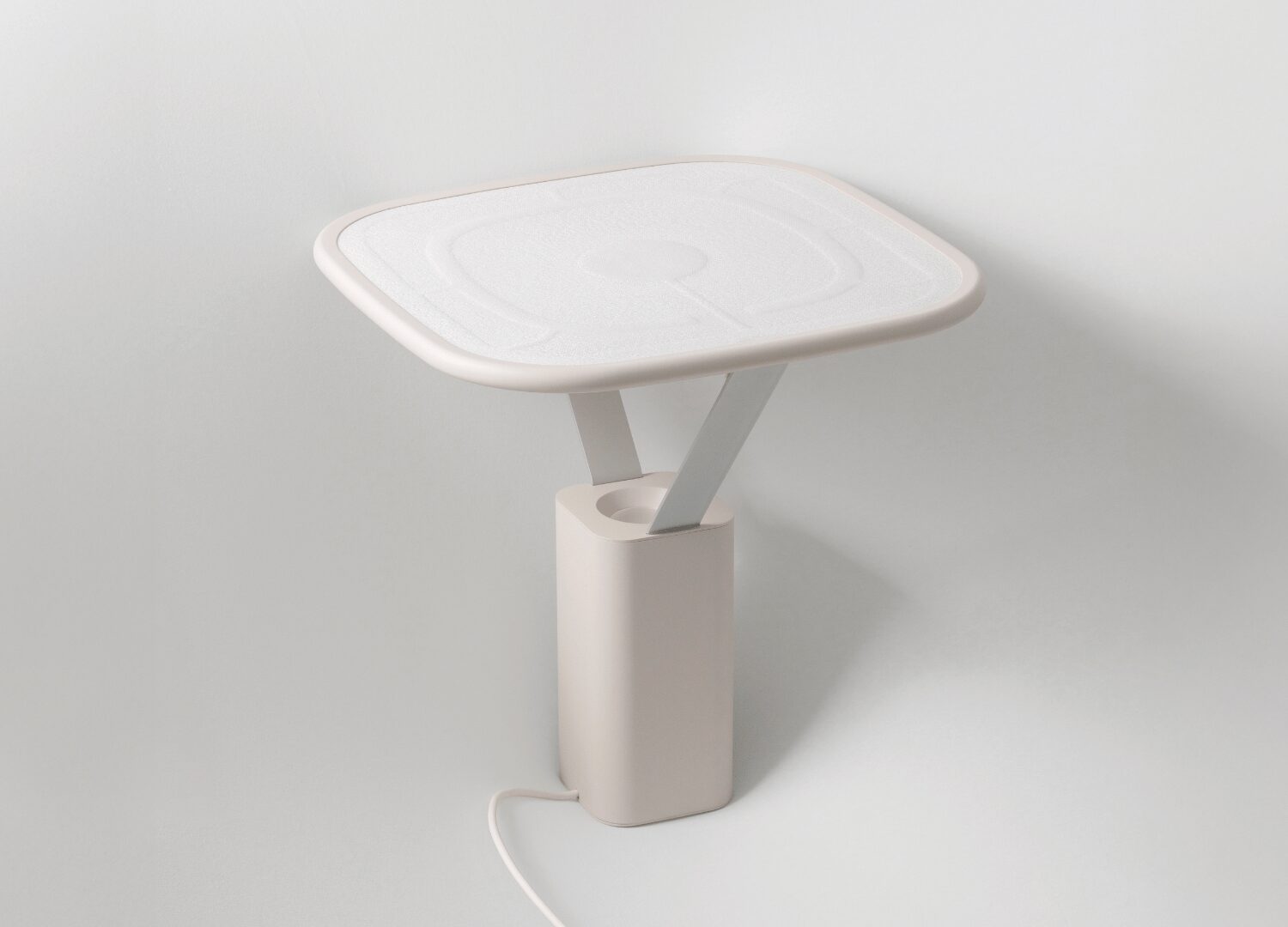
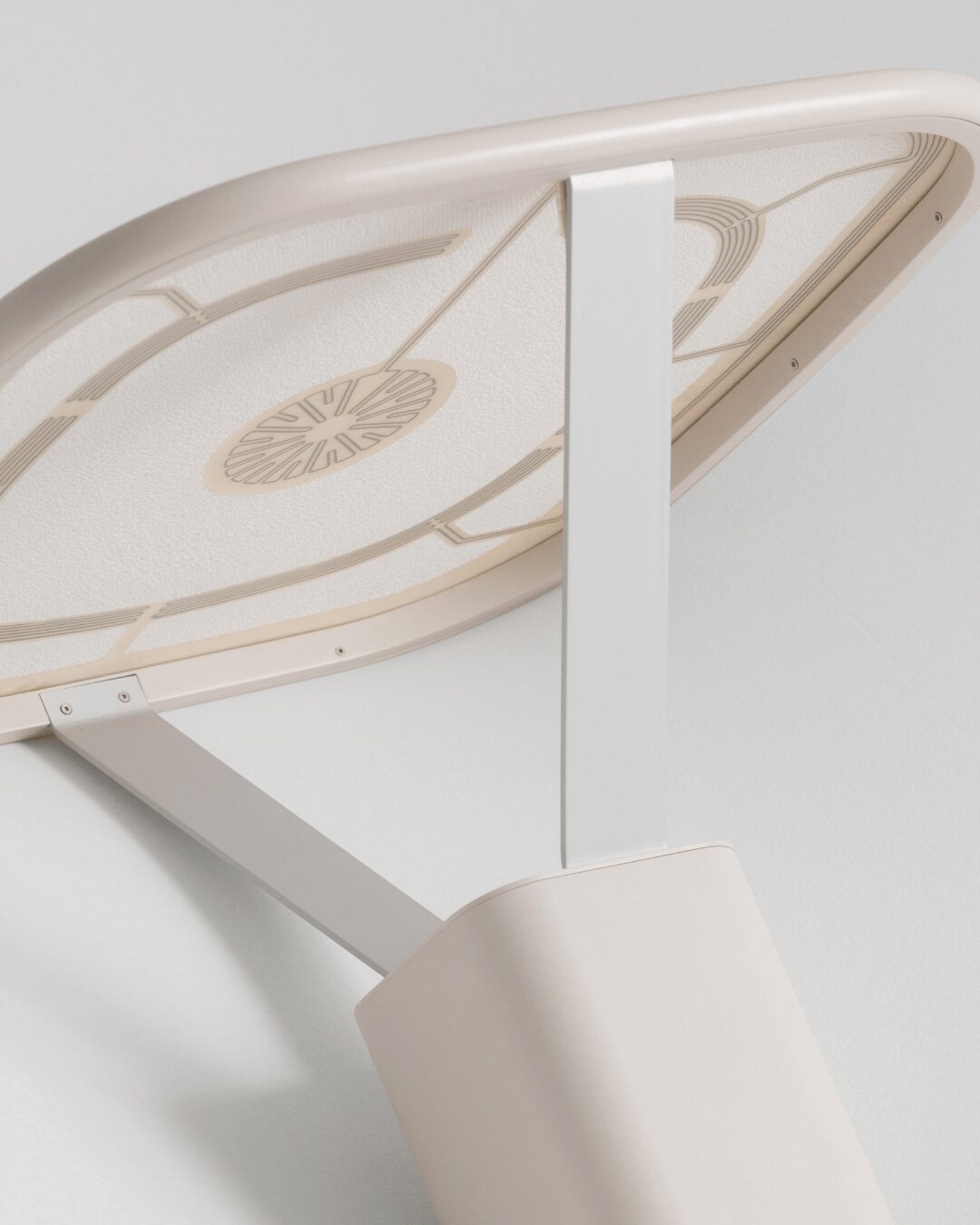
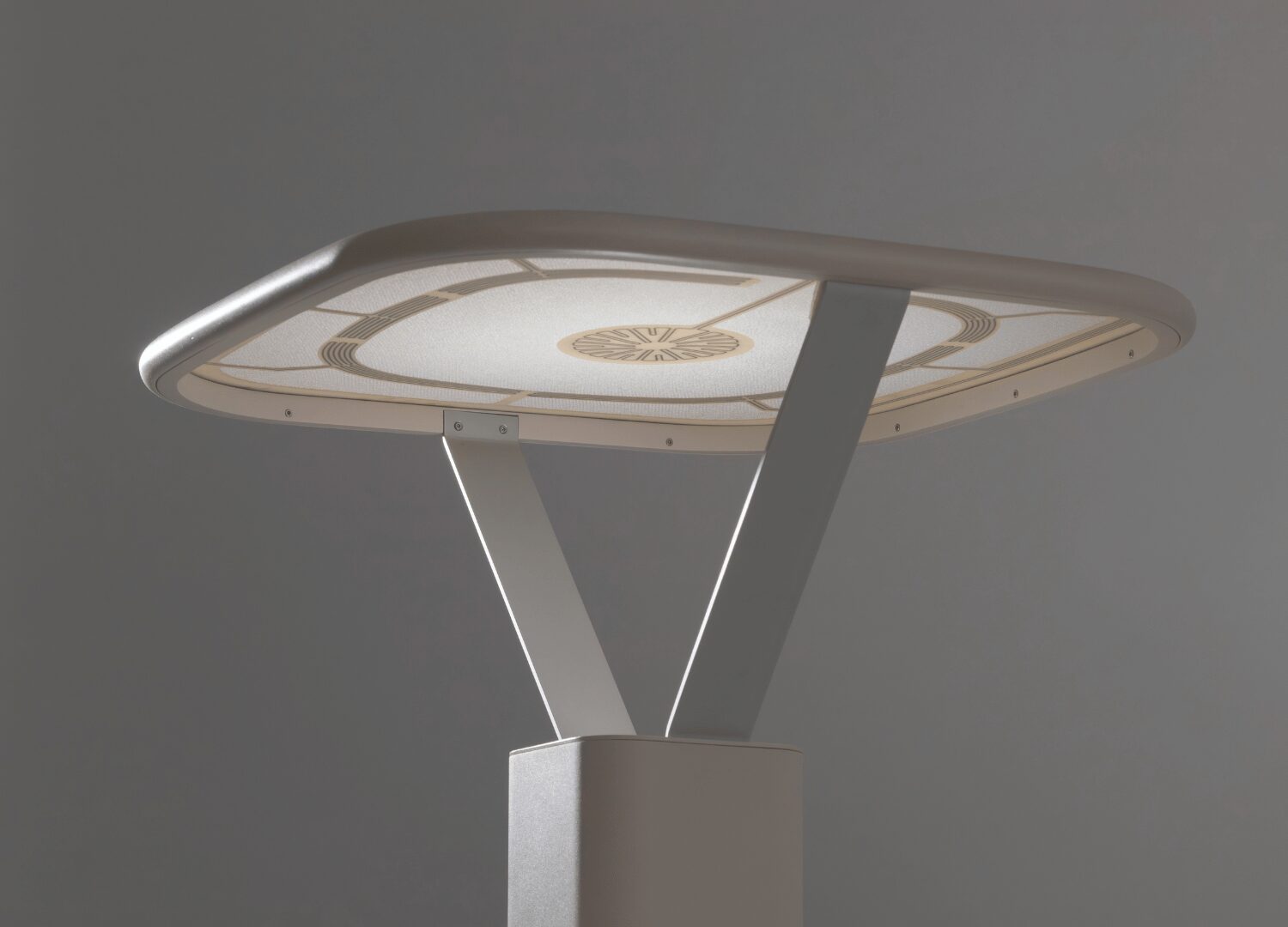
The product design features a simple base that houses the light source and contains all the technical components, including cooling systems and drivers, ensuring smooth and immediate interaction. From the top of the volume depart two metal supports that hold a custom frame in which lies the textile disc that, in addition to collecting and translating external stimuli, also serves to shield the eyes from direct glare and diffuse reflected light into the environment.
The textile design of the screen was developed with the Berlin studio Case Studies, specialized in fabrics, which also created custom yarns for the project. Their color and composition are selected based on the reaction with the light temperature: with a warm tone, the screen evokes a sunset, while with cool tones it recalls morning light. The alternating knit texture highlights the interactive areas of the circuit, guiding the user through the tactile experience. Thanks to the integrated circuit created with the liquid metal dispersion technology, the lamp does not require additional screens or extra electronics.
From a mechanical point of view, the lamp’s circuits surpass conductive yarns and other elastic sensors, while washability and production efficiency show promising potential for scalability. This technology could be integrated into automotive interiors, home fabrics, HiFi systems, or medical devices, helping to create more durable and energy-efficient products.
This touch-based control suggests a new generation of human–object relationships that could lead to more intuitive, body-centered engagement, reconnecting users with the sensory qualities of the objects and environments around them.