From swimming pool to learning hub, a sustainable transformation for Waltham Forest College
A retrofit project by Studio DERA that chooses adaptation over demolition, collaboration over prescription, and long-term resilience over short-term expediency, modeling sustainable practices for the future.
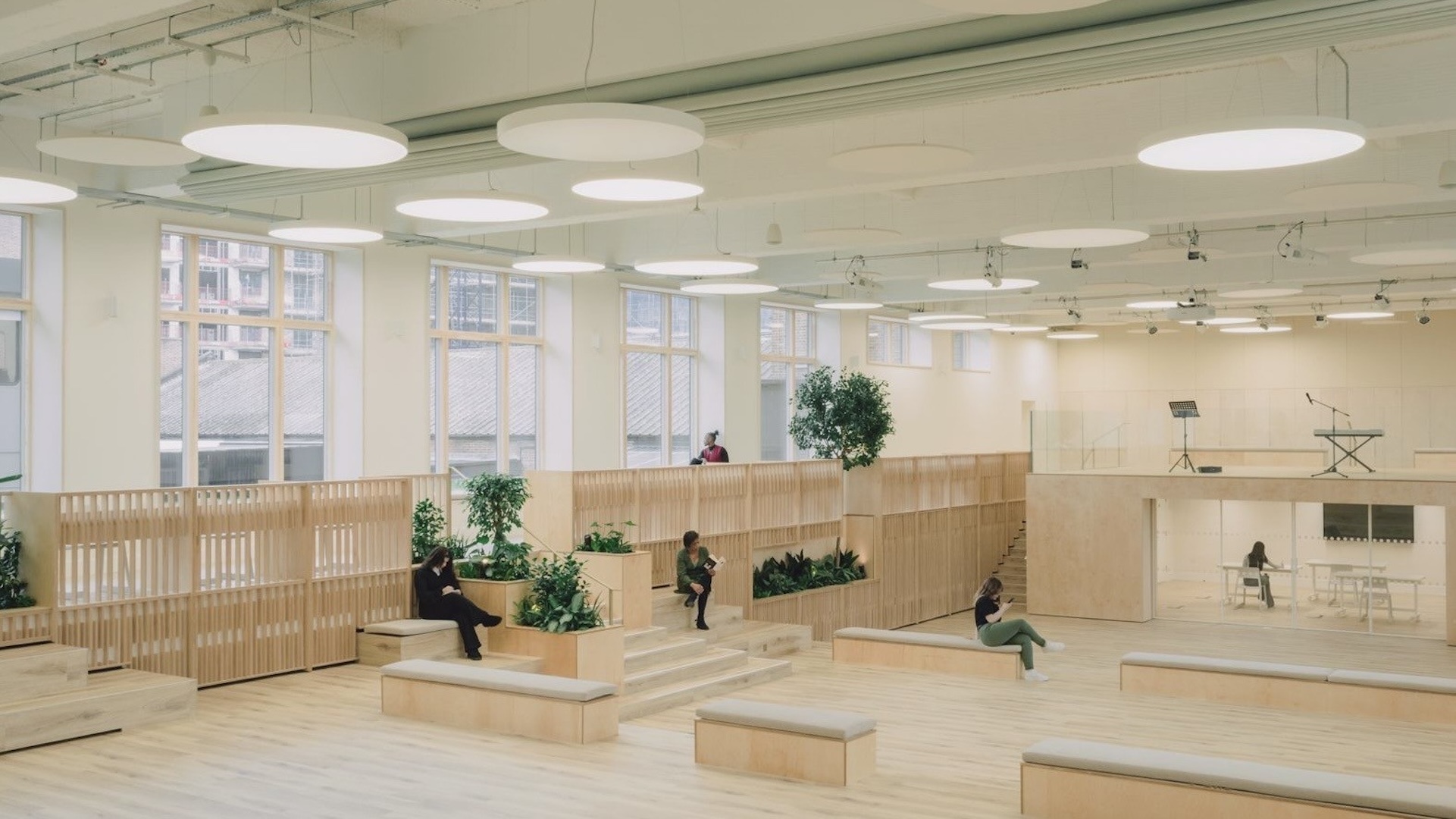
Real design is socially relevant when shared – not just as a purpose, but as a moment of co-creation. This becomes even more compelling when abandoned educational infrastructure sits at the heart of that purpose. The work of innovative architecture studios must improve the quality of life through the repurposing of existing buildings, transforming them into new spaces for the community. It is in this specific context that the work of Studio DERA at Waltham Forest College proves both relevant and important. The architects accepted the challenge to repurpose an abandoned educational infrastructure through a sustainable retrofit that preserves embodied carbon.
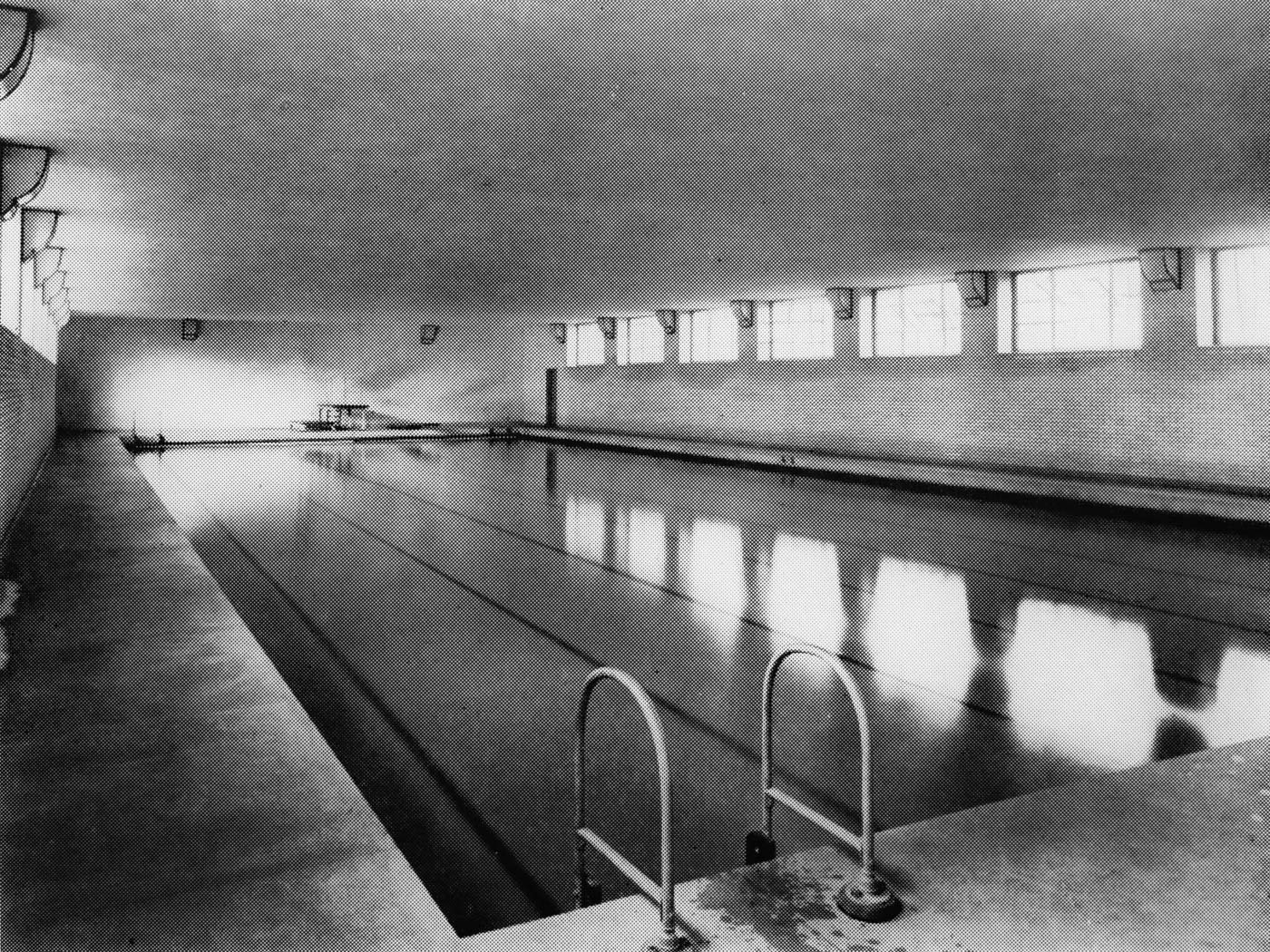
We are in London, 2025: the rapid expansion of Waltham Forest College in terms of need and space has become pressing. The college required refurbishment with new elements but without new construction, approaching architecture with avant-garde, forward-thinking design. Studio DERA came to the rescue following Principal Janet Gardner’s invitation to reimagine the disused swimming pool. The studio had already established a relationship with WFC through hempcrete workshops exploring innovative materials, as well as work on a new community center. After a thorough assessment of the space, the studio decided to retrofit rather than demolish.
Gallery
Open full width

Open full width
This decision defines what makes the project remarkable: its sustainability strategy. The operation preserved embodied carbon by retaining the existing structure and reducing waste through adaptive reuse. Triple glazing and enhanced insulation upgraded thermal performance, enabling investment in all-electric systems. This approach reduced predicted operational energy to a maximum of 90 kWh/m² per year, achieving a 60-year design life for climate resilience – an impressive achievement that demonstrates how preservation can enhance a building’s original character rather than compromise it.
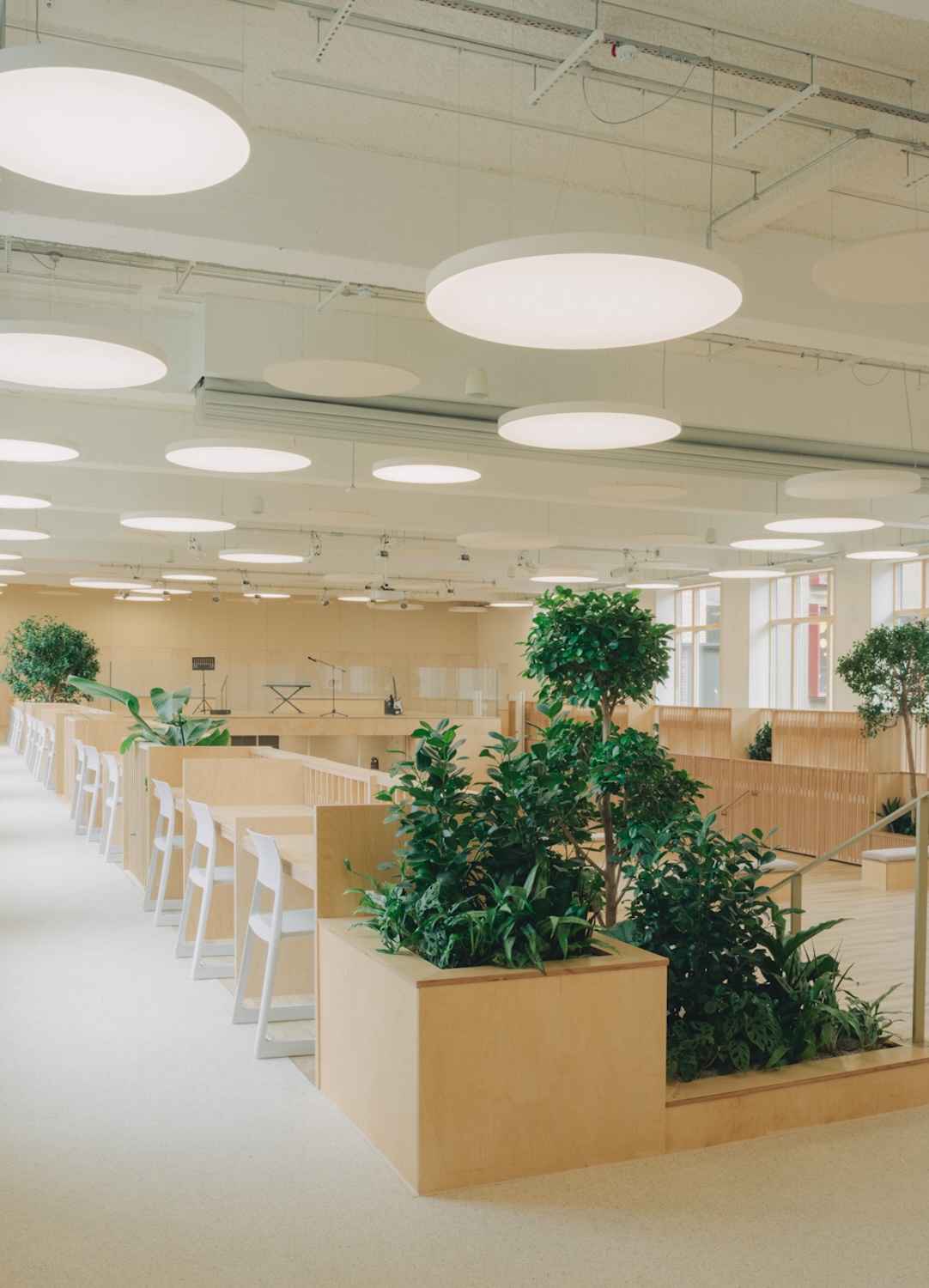
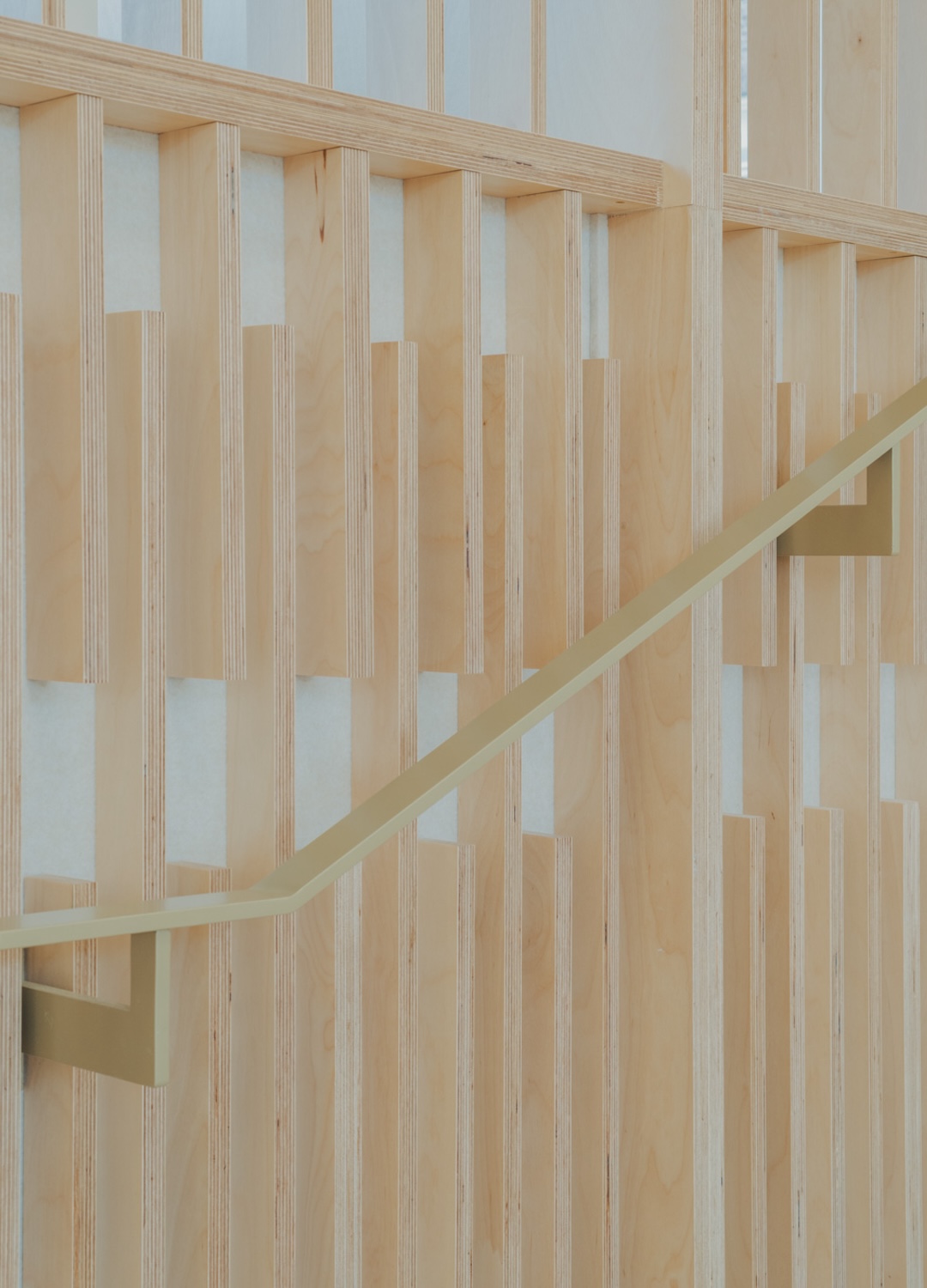
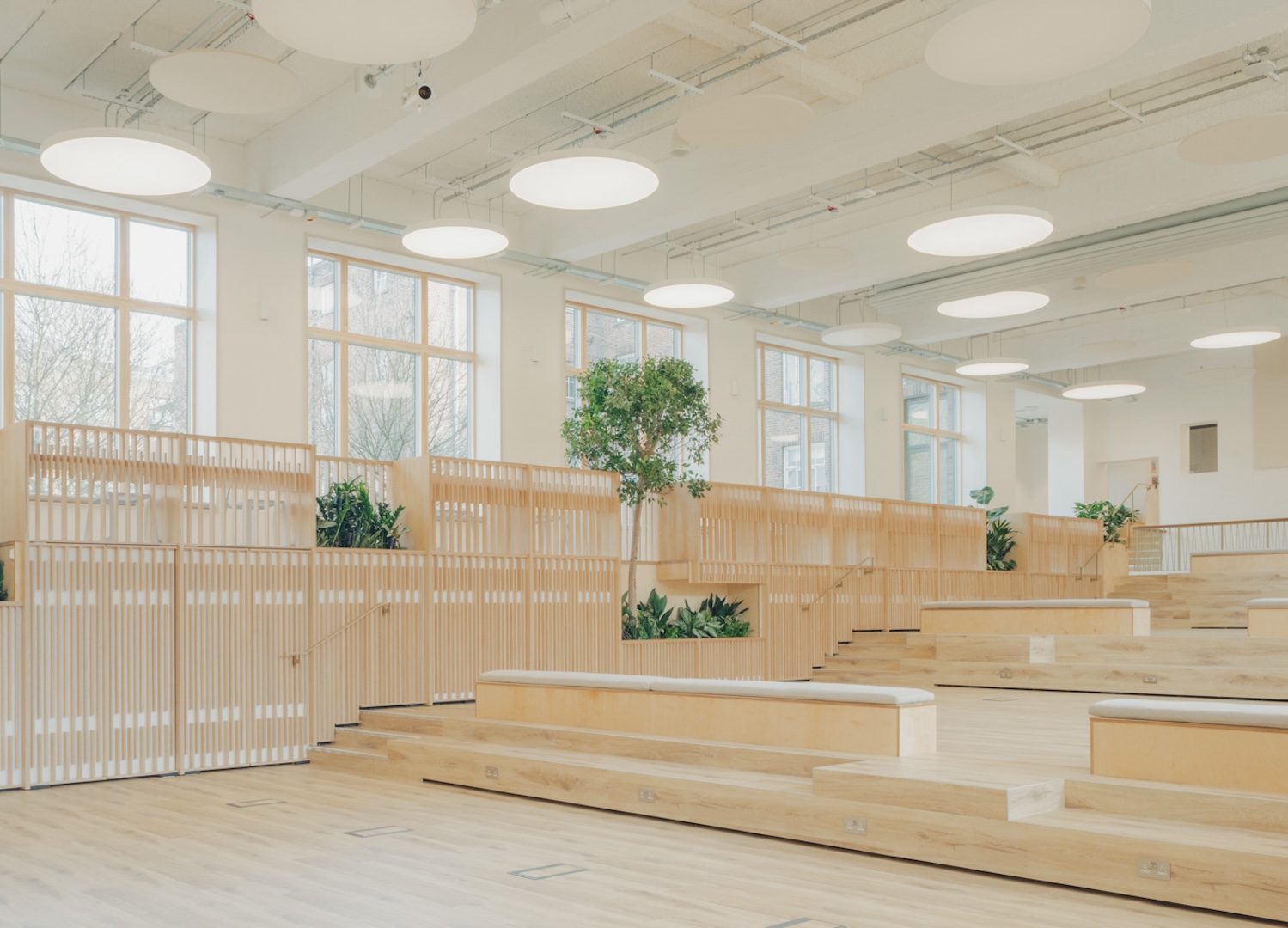
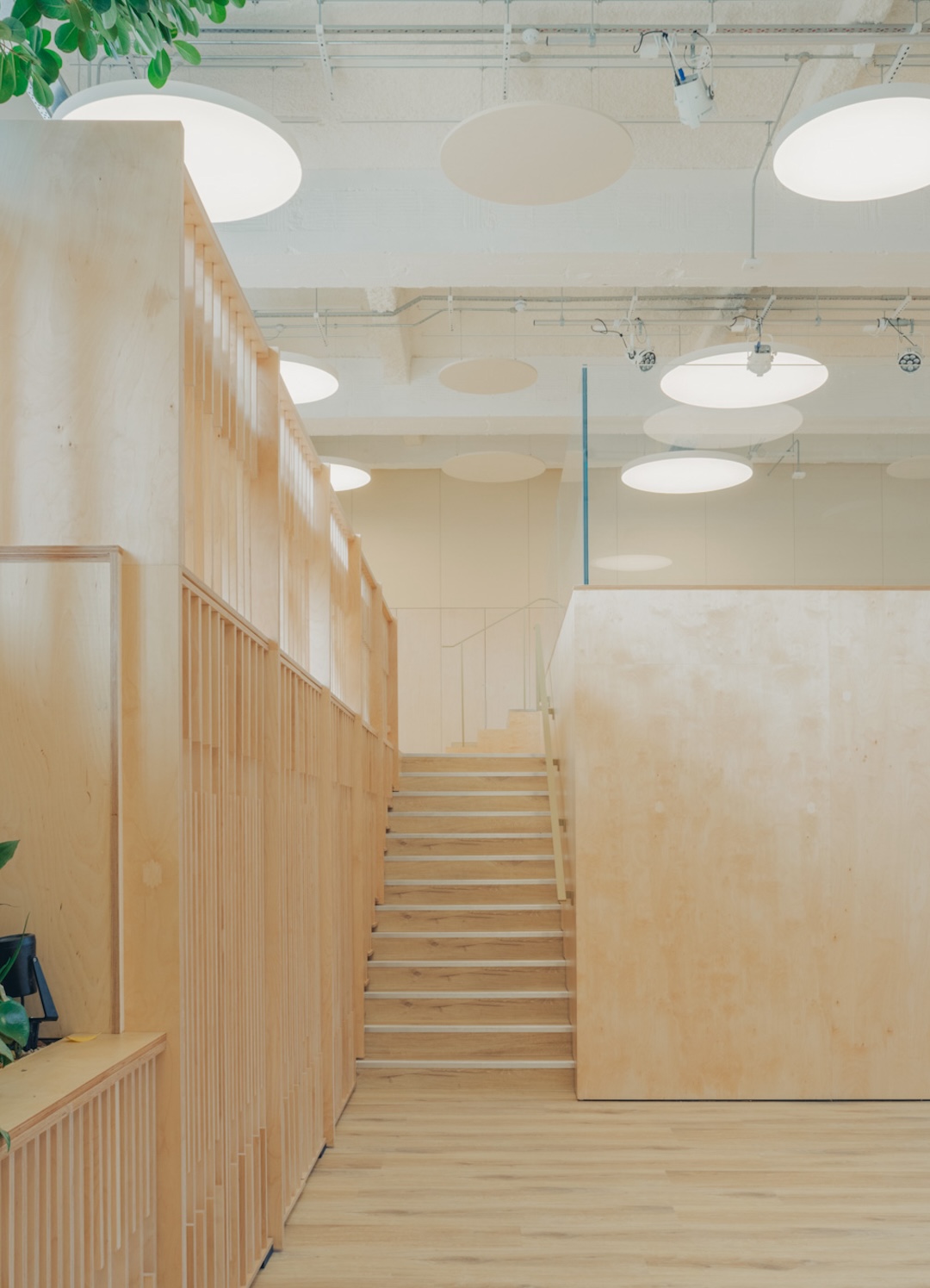
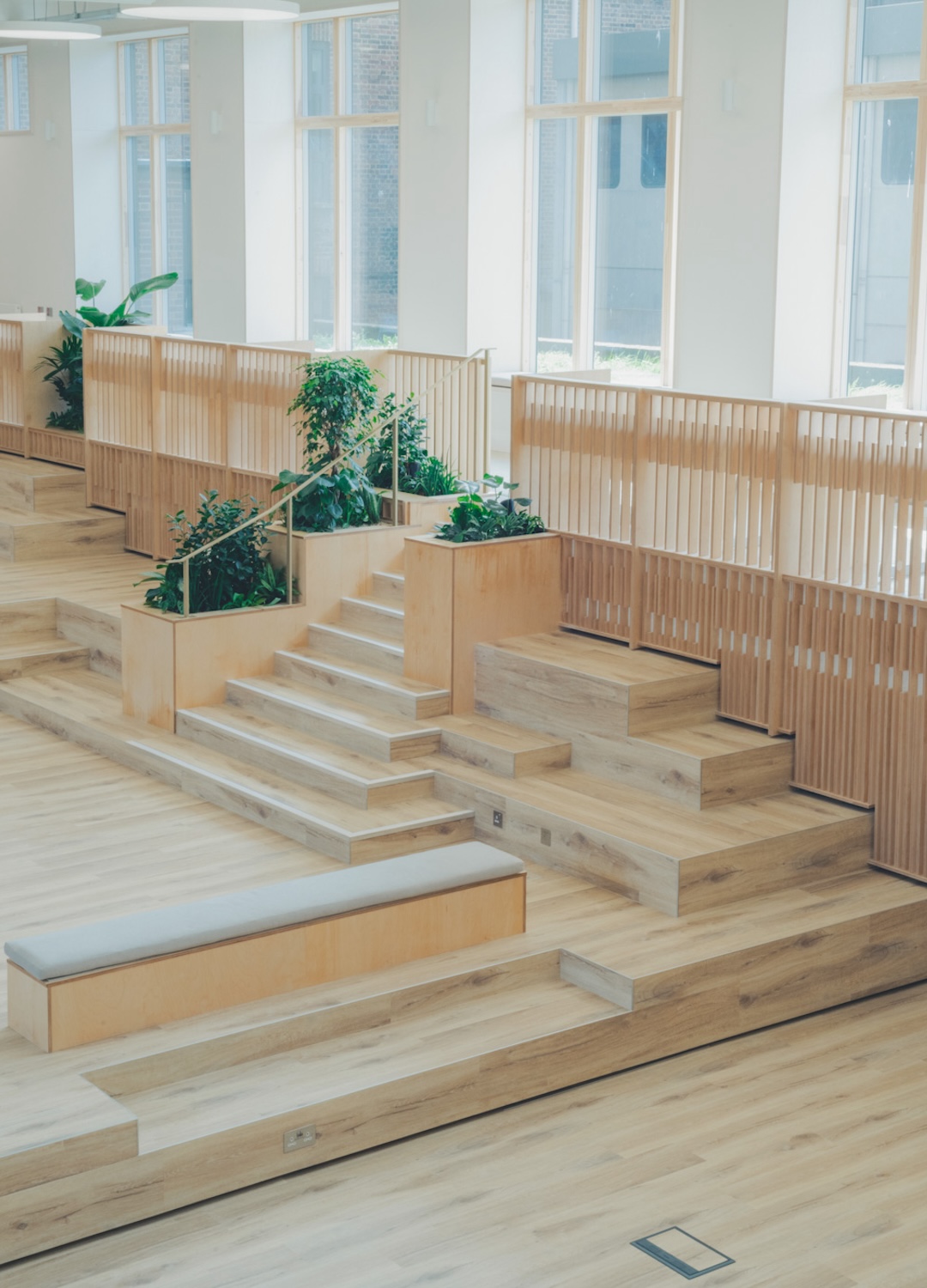
The material strategy reinforced this sustainable approach. Extensive thermal upgrades included high-performance insulation throughout the existing envelope, while triple-glazed windows maximized natural light without sacrificing energy efficiency. The retention of the pool’s structural framework – its concrete shell and distinctive spatial volumes – meant thousands of tons of embodied carbon remained in place rather than being demolished and replaced. New interventions employed low-carbon materials where possible, with timber elements for the multi-level stage and adaptable furniture systems that could be reconfigured rather than replaced as needs evolve.
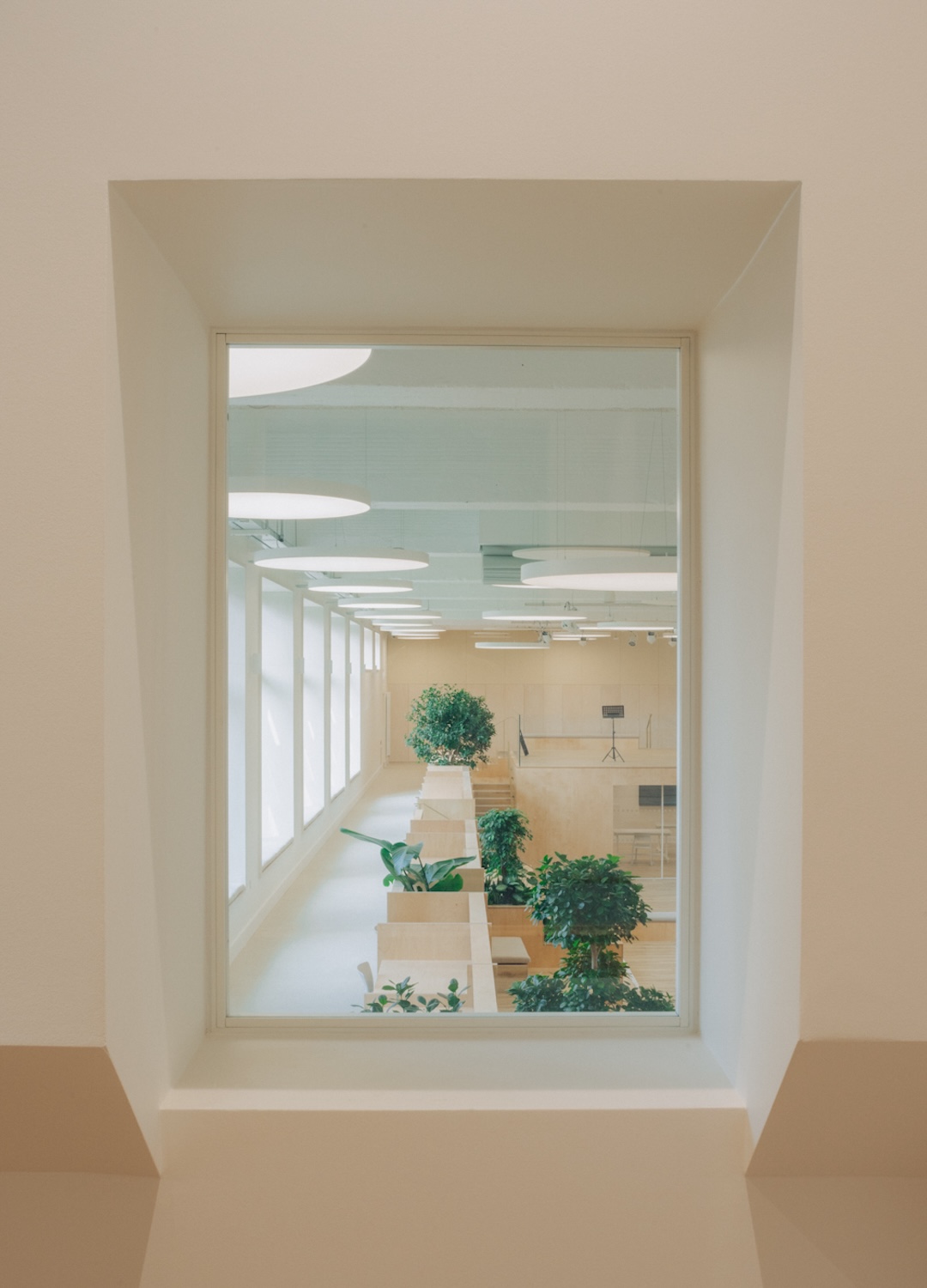
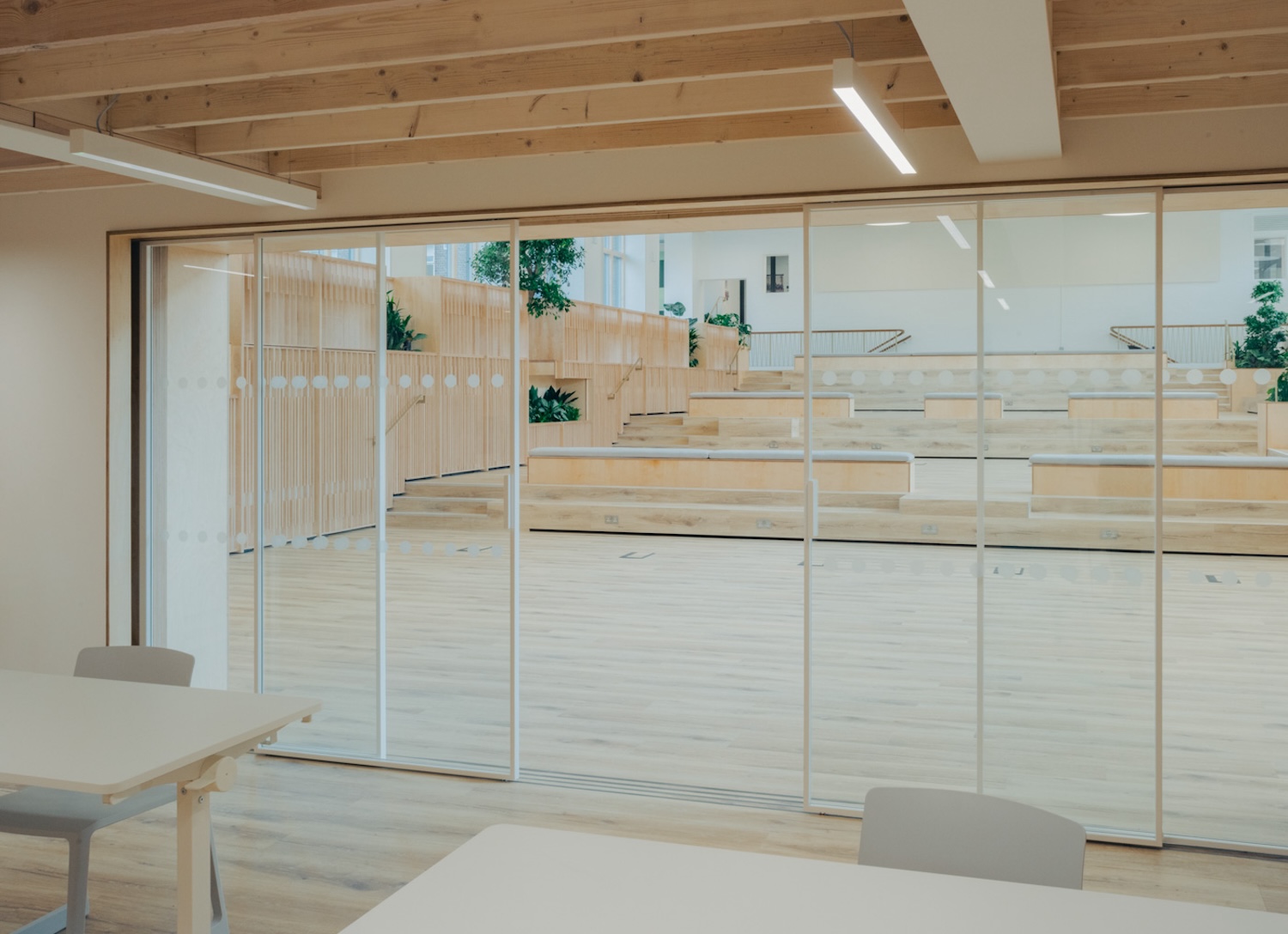
Another crucial aspect of the design was making the process participatory, involving staff and students, and synthesizing their needs, values, and requirements. The plan became flexible, following an open layout; the stage became multi-leveled for versatility; the furniture system was conceived as adaptable; and biophilic design elements emphasized wellbeing. The concept behind this transformation opened up almost 1.000 square meters of space for a broad range of uses: collaborative teaching, independent study, performances, and conferences. This flexibility constitutes a vital component, supporting diverse educational needs while community engagement created new opportunities for examining space and its functionalities.
Studio DERA’s transformation sets a new benchmark for educational retrofit projects, demonstrating that sustainability and spatial quality need not be mutually exclusive. The project achieves an exceptional balance: high energy efficiency without sacrificing comfort, flexible programming without compromising architectural coherence, and modern performance standards while respecting the building’s heritage. The uplifting environment, enriched by natural light, biophilic elements, and adaptable spaces, fosters both wellbeing and focus – essential qualities for contemporary learning environments.
Perhaps most significantly, the project offers a replicable model for institutions facing similar challenges. Educational buildings across the UK and beyond contain underutilized spaces, like pools, gymnasiums, and assembly halls, that could be transformed rather than abandoned. The studio’s approach proves that with thoughtful design, community engagement, and a commitment to sustainability, these dormant assets can become inspiring centers for learning and community life. The future-ready design, with its 60-year lifespan and minimal operational carbon, demonstrates how retrofit can outperform new construction on both environmental and experiential grounds.
The Waltham Forest College project represents more than an architectural intervention, it embodies a fundamental shift in how we approach educational infrastructure. By choosing adaptation over demolition, collaboration over prescription, and long-term resilience over short-term expediency, Studio DERA has created a space that serves immediate needs while modeling sustainable practices for the future. The transformation from abandoned pool to thriving learning hub proves that the most innovative solutions often lie not in building anew, but in reimagining what already exists. In doing so, it challenges educational institutions everywhere to reconsider their own underused spaces and the possibilities they hold for reinvention.
About the author

Ludovica Proietti, journalist, design historian and curator, teaches in universities and curates events, always exploring projects with fresh, unconventional perspectives.
Instagram