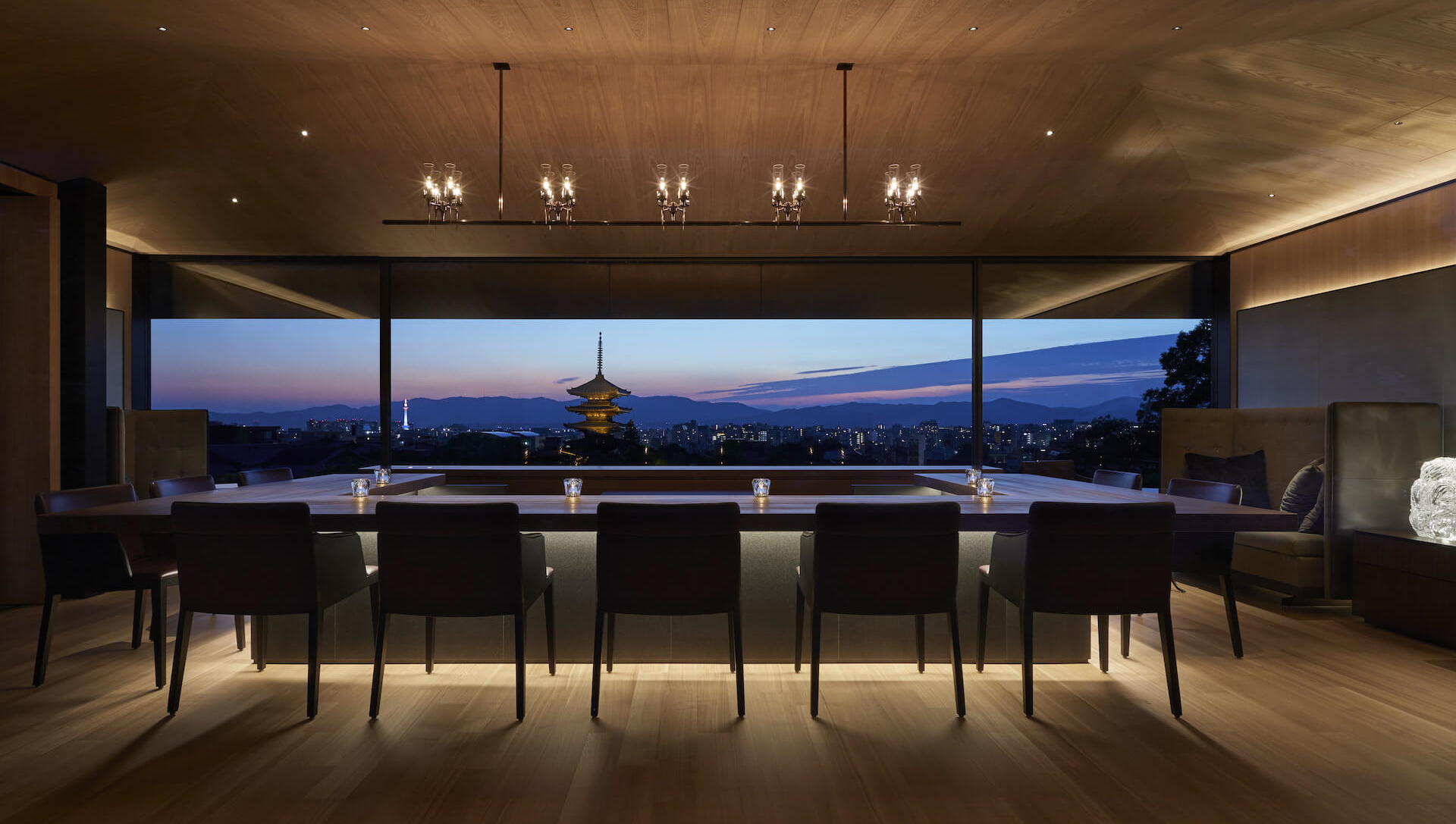
Contemporary design meets Tokyo’s urban pulse: The Lively Azabujuban
Located in one of Tokyo’s most exclusive districts, this property features 62 design-led rooms across three categories, serving as a vibrant crossroads for travellers, creatives, and locals.
What began as a small collection of boutique hotels has grown into one of the most compelling presences in Japan’s hospitality scene, driven by a question: what can a hotel truly be? The answer, for The Lively Hotels and Global Agents, has always pointed beyond rooms and check-in desks, toward something more alive.
The brand’s mission has been to build genuine urban crossroads: places where travellers, creatives, and locals don’t simply share a building, but share a moment, an idea, a conversation. From that intuition, the group has shaped a portfolio of six hospitality concepts and twelve hotels across Japan, each one reading its neighbourhood closely and translating what it finds into space, atmosphere, and experience.
Gallery
Open full width
Open full width
Every property is imagined as a small world of its own, one that mirrors the character of the city around it, while weaving together contemporary interior design, art, technology, and a style of hospitality that puts personalization and well-being at its centre. Not only for guests, but for the people who bring these places to life every day.
Azabujuban is not an obvious choice for a lifestyle hotel — and that’s precisely what makes it right. One of Tokyo’s most layered districts, it carries the quiet confidence of a place that has never needed to announce itself: a shopping street with over 300 years of history, high-end residences, foreign embassies, and a nightlife scene that balances sophistication with a distinctly downtown ease.
It’s into this context that The Lively Tokyo Azabujuban arrived in November 2019, designed by Tokyo-based Studio Crow under the direction of designers T. Fujimoto and N. Sueki. To understand the vision behind the project, DesignWanted spoke with Takeshi Yamasaki, CEO of The Lively Hotels and Global Agents.
You often describe your properties as “urban crossroads.” When it came to Azabujuban, how did you and Studio Crow practically translate this concept into spaces that genuinely encourage people to connect?
Takeshi Yamasaki:
“At LIVELY HOTELS, we often describe our properties as “urban crossroads.” Places where different people, cultures, and ideas naturally intersect. With THE LIVELY TOKYO AZABUJUBAN, the challenge was translating that philosophy into physical space, together with Studio Crow.
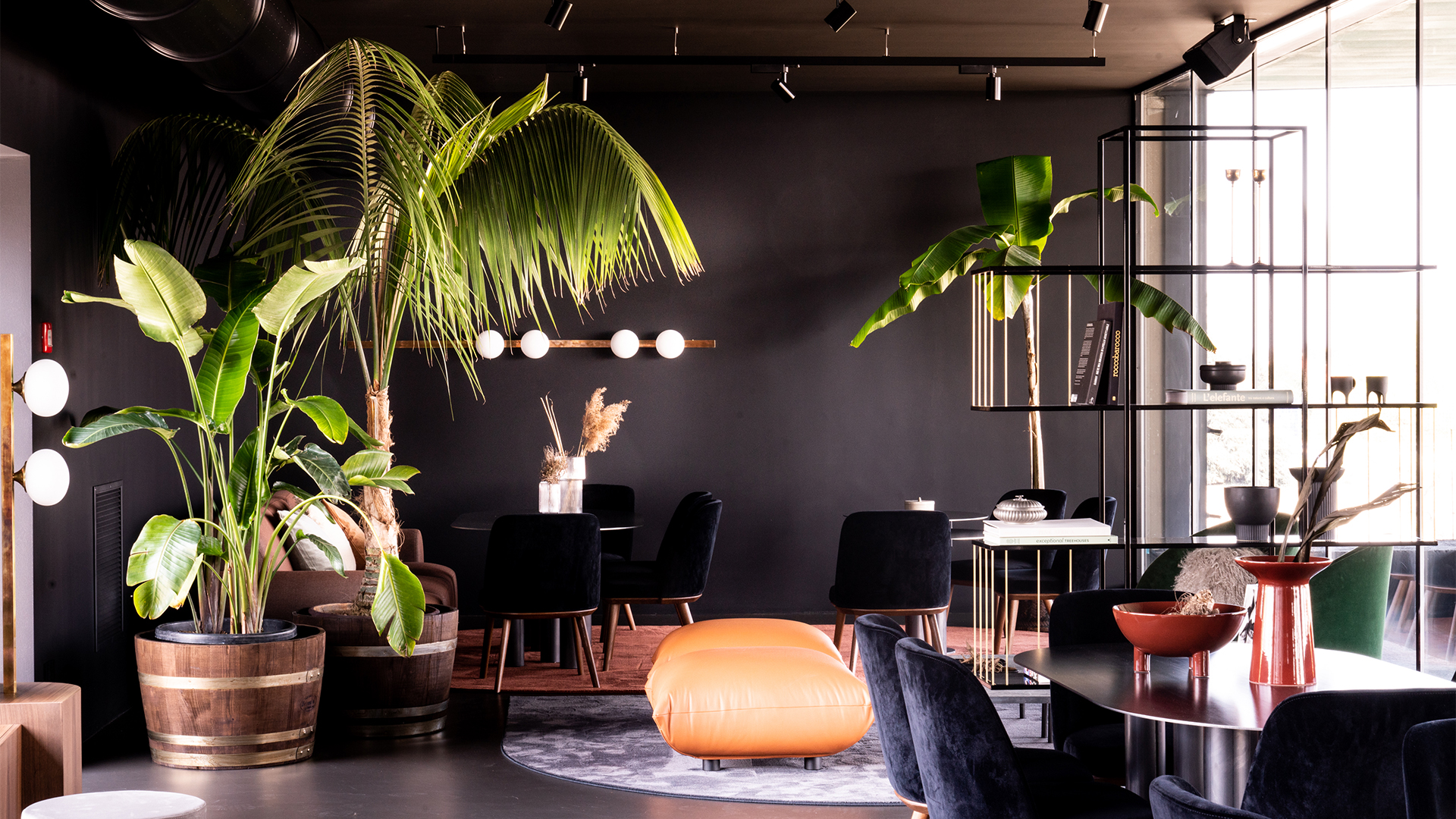
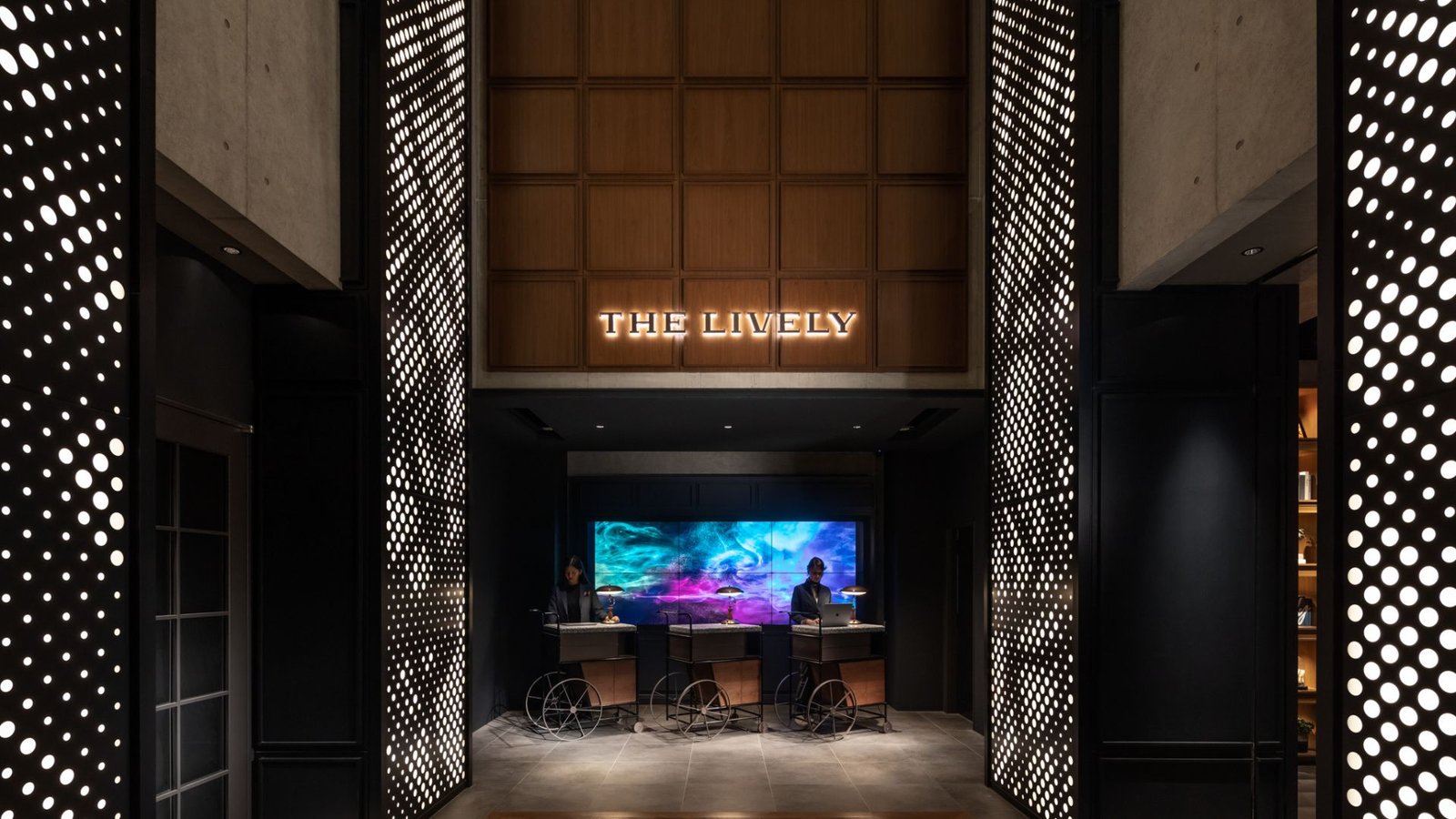
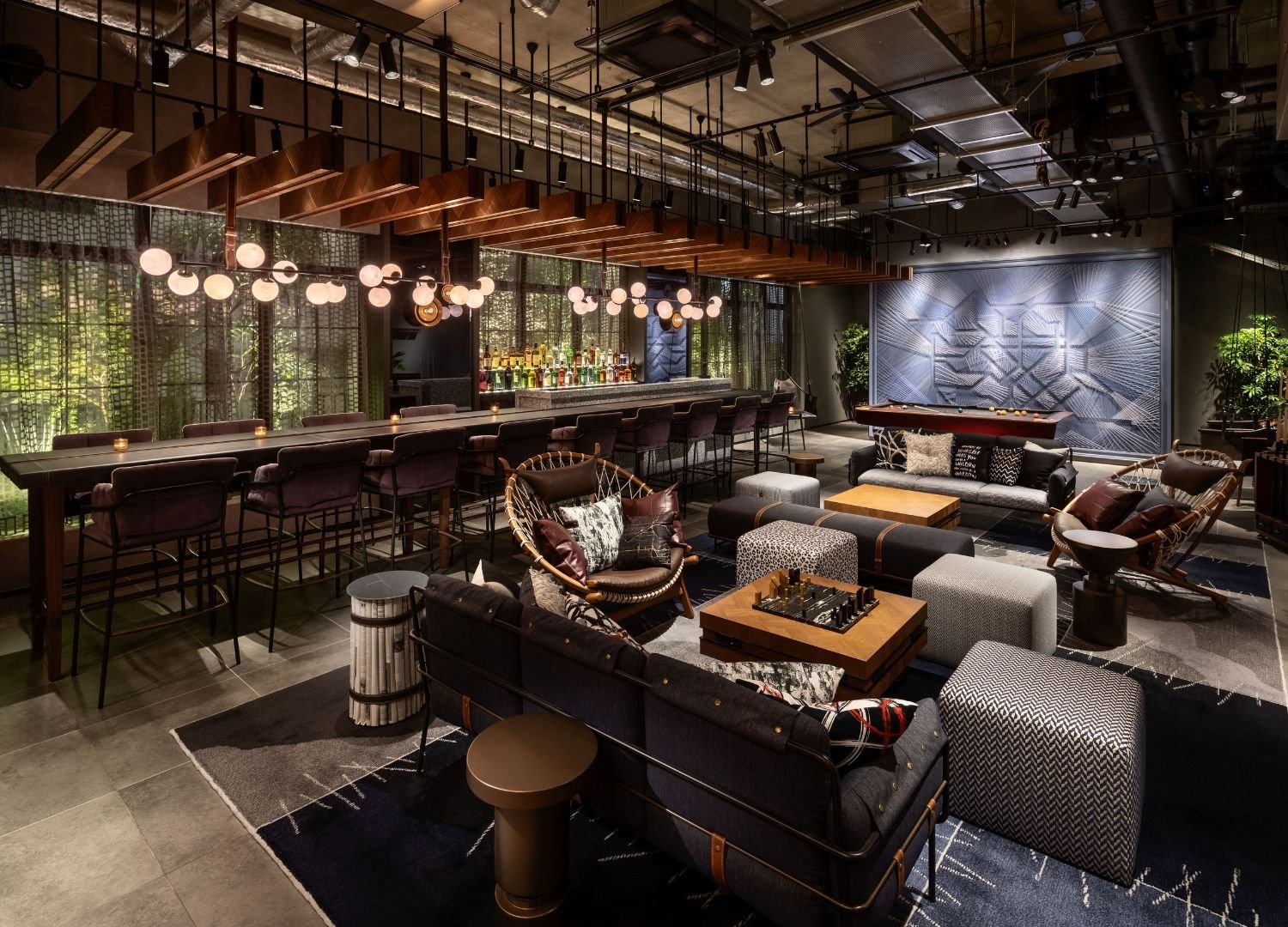
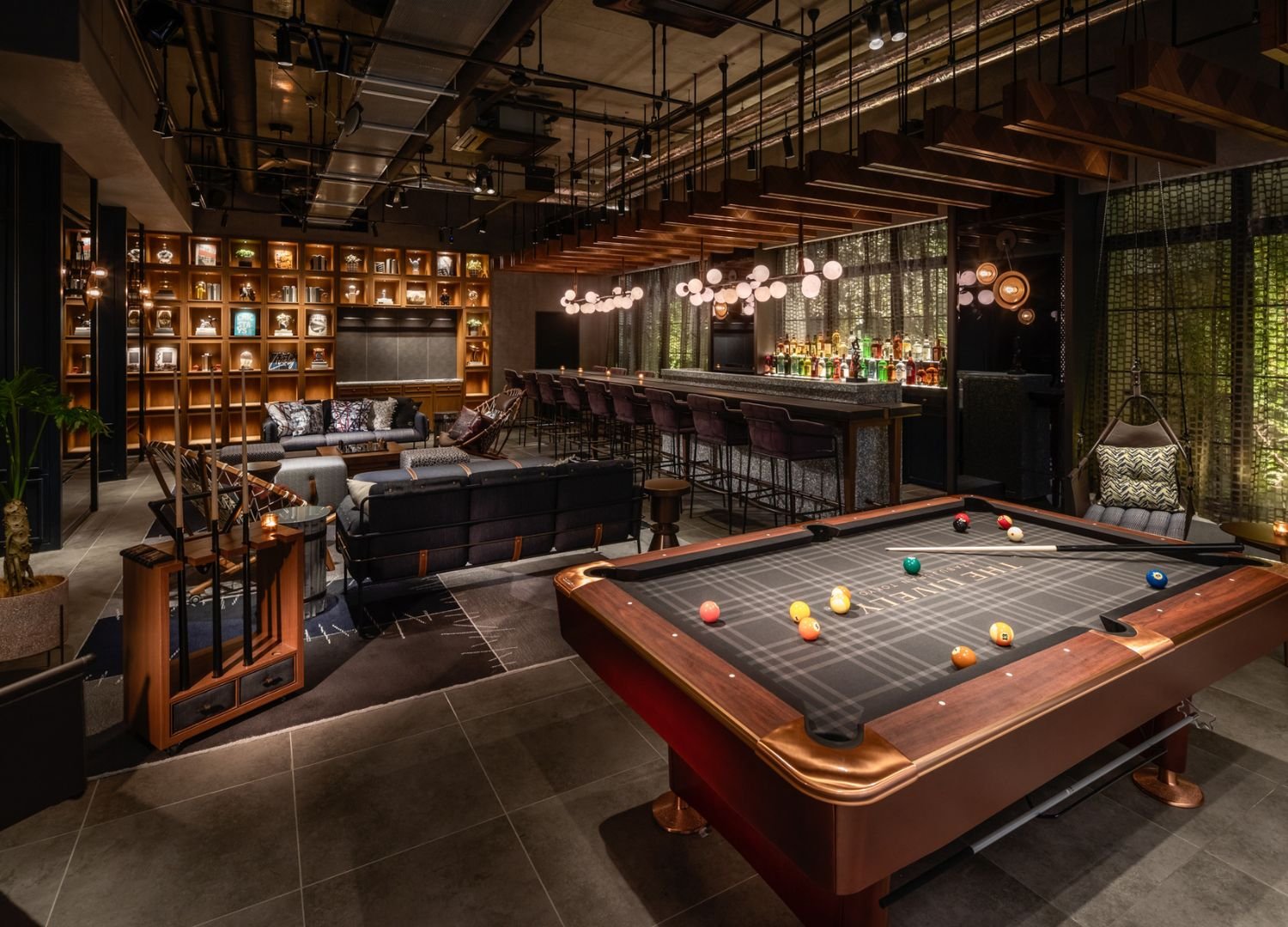
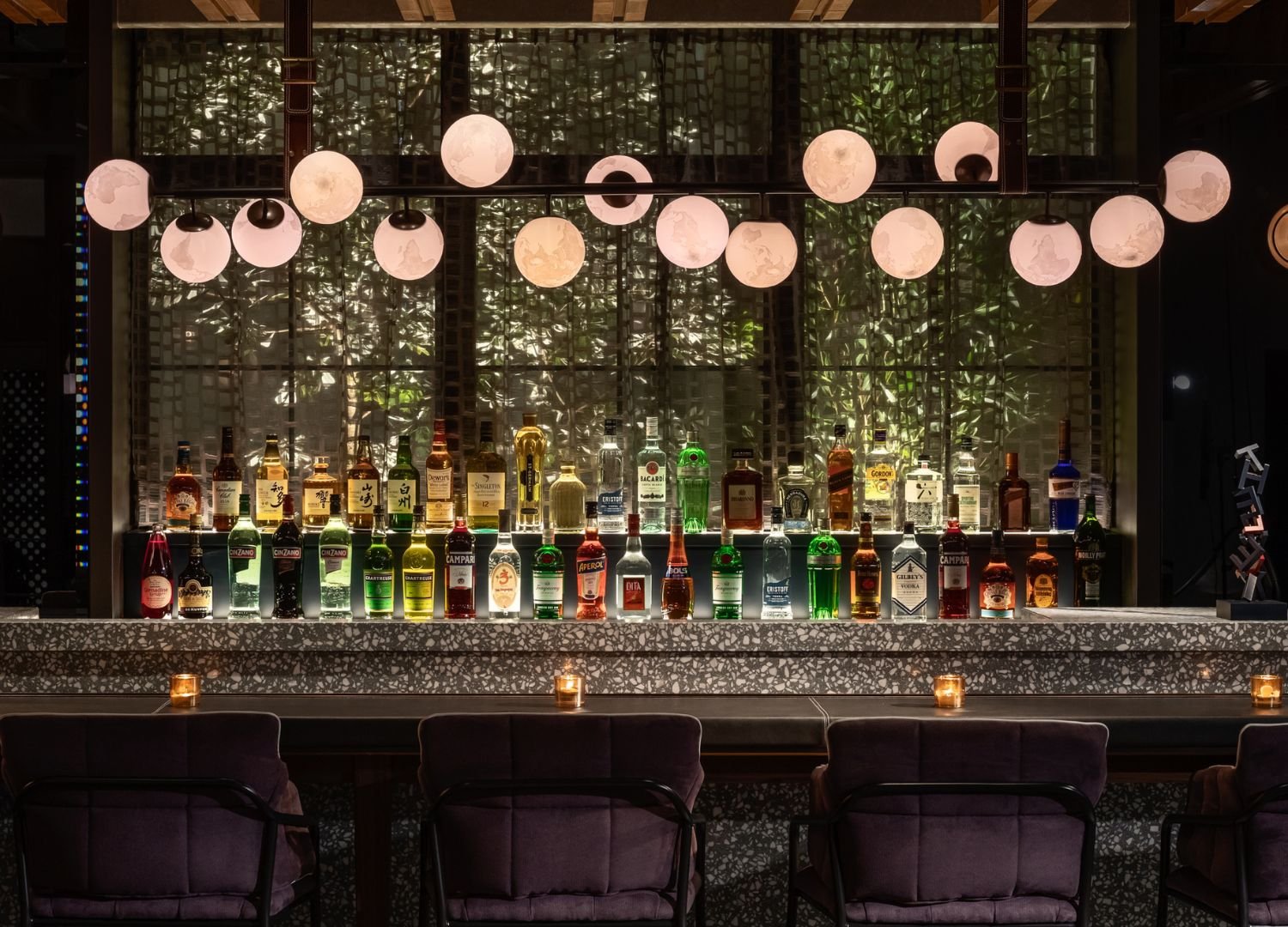
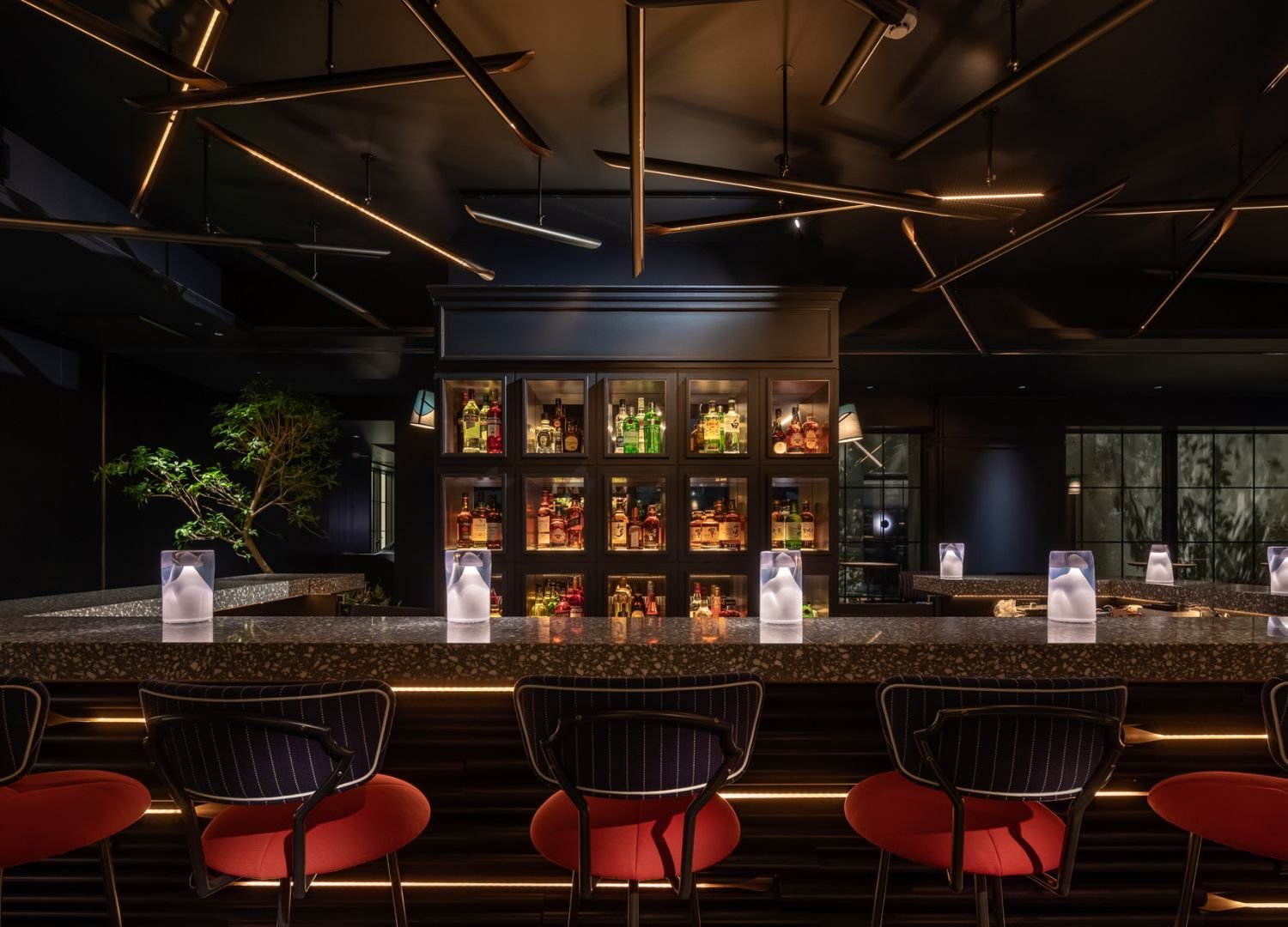
Rather than designing a traditional hotel lobby that functions mainly as a transition zone, we approached the ground floor as a layered social environment. The lobby lounge, bar, and communal tables are intentionally integrated into one continuous space, encouraging guests to move freely between working, relaxing, and socializing. Furniture layouts, lighting, and sightlines were carefully designed so that guests remain visually connected to the activity around them, naturally lowering the barrier to interaction.
Programming also plays an important role in activating the space. Every evening we host a complimentary happy hour with free beer and cocktails for guests. While it’s a simple gesture, it transforms the lobby into a lively gathering place where travelers from different countries can easily start conversations and share experiences before heading out to explore the city.
Azabujuban itself is a neighborhood where traditional Tokyo culture meets a cosmopolitan international atmosphere, and the hotel reflects that balance. The design combines contemporary urban aesthetics with warm, comfortable materials that invite guests to stay and spend time in the shared spaces.
Our goal was not only to create a stylish boutique hotel, but to design an environment where interaction happens naturally, where architecture, atmosphere, and small moments of hospitality come together to spark connection.”
The Lively now has twelve hotels across Japan, each with its own character. What makes Azabujuban distinct within the portfolio, both in terms of the design choices and the kind of experience you set out to create?
Takeshi Yamasaki:
“Across LIVELY HOTELS, each property reflects the character of its neighborhood, and Azabujuban is perhaps one of the clearest examples of how location shapes design.
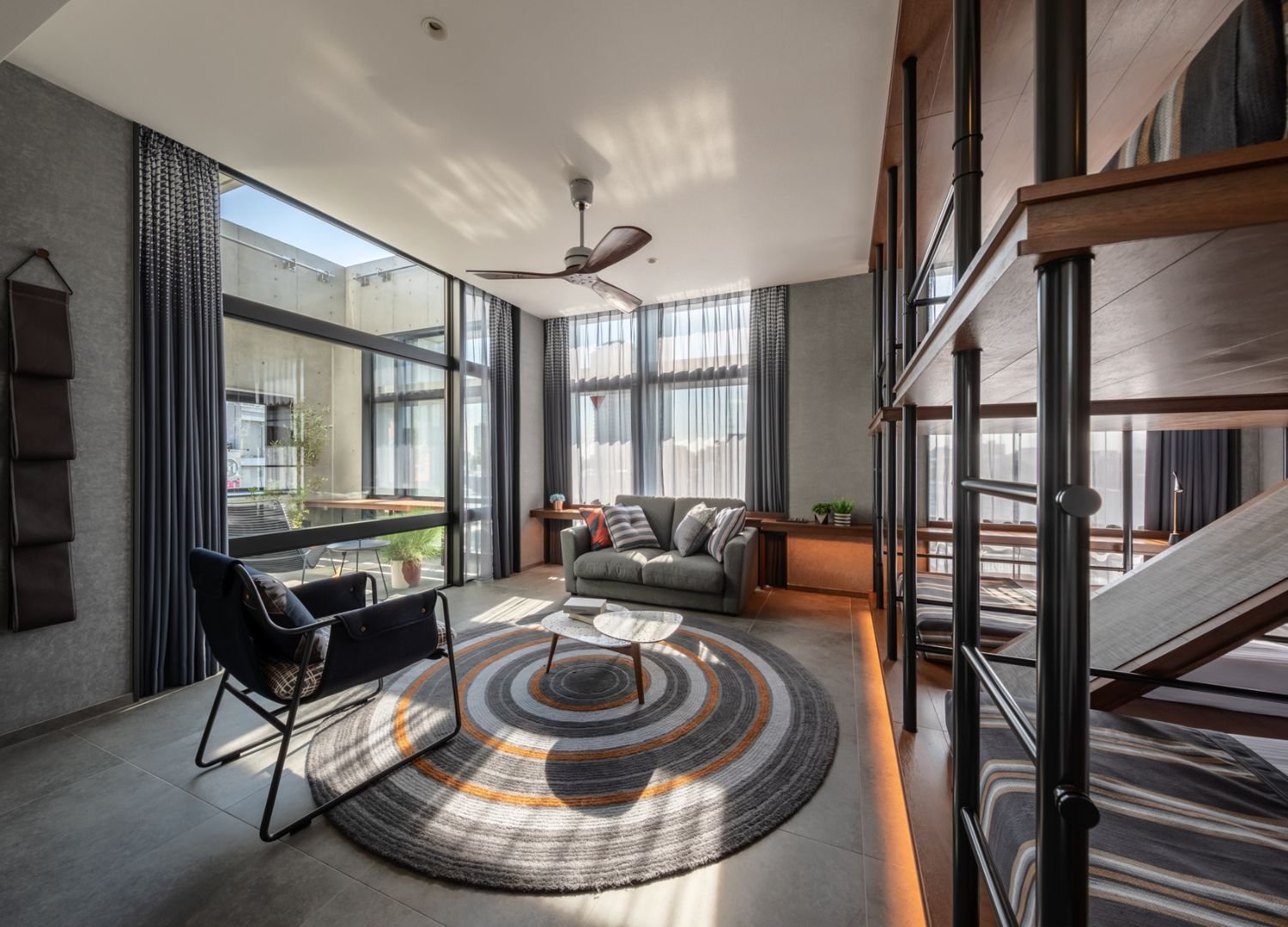
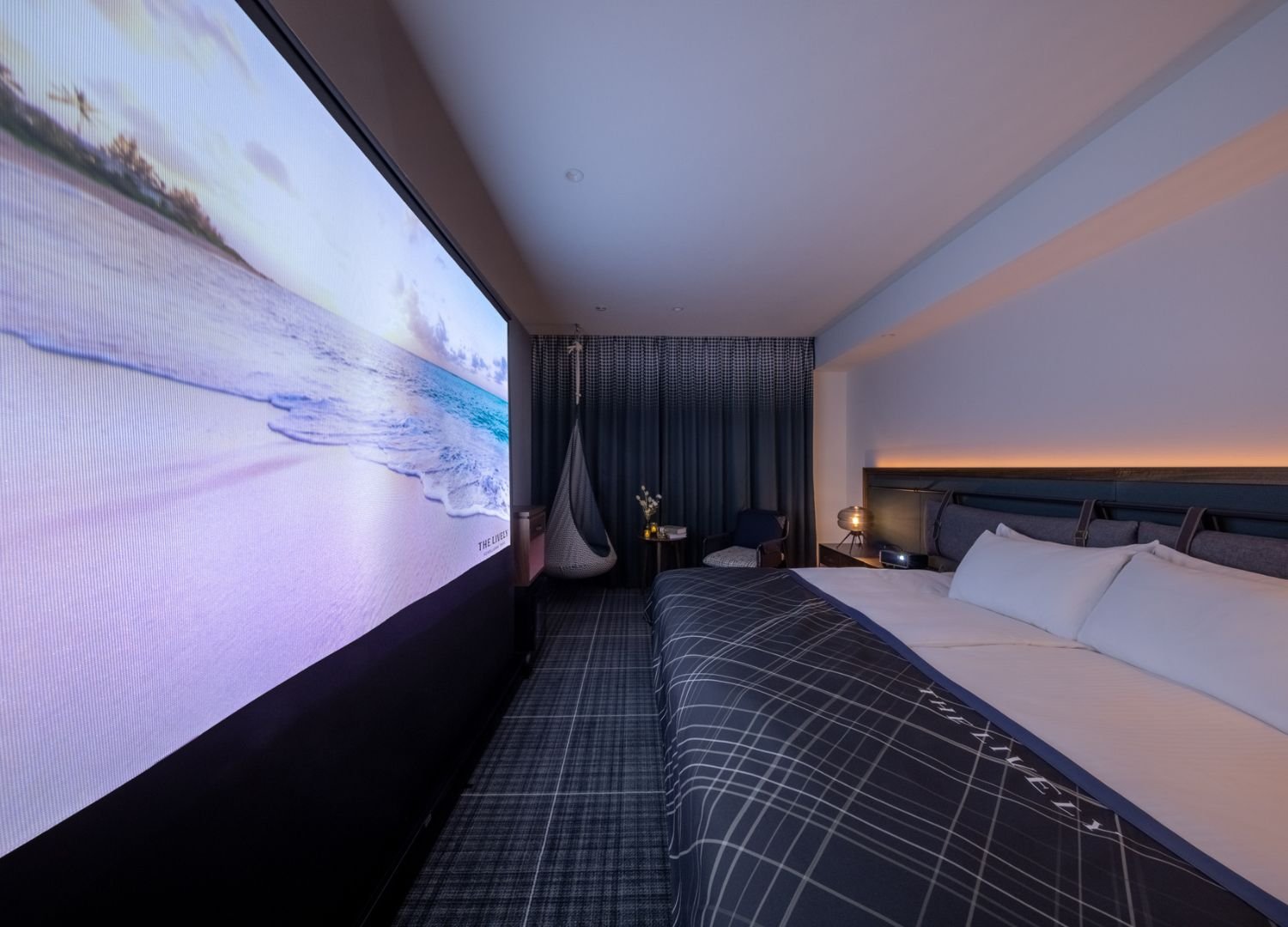
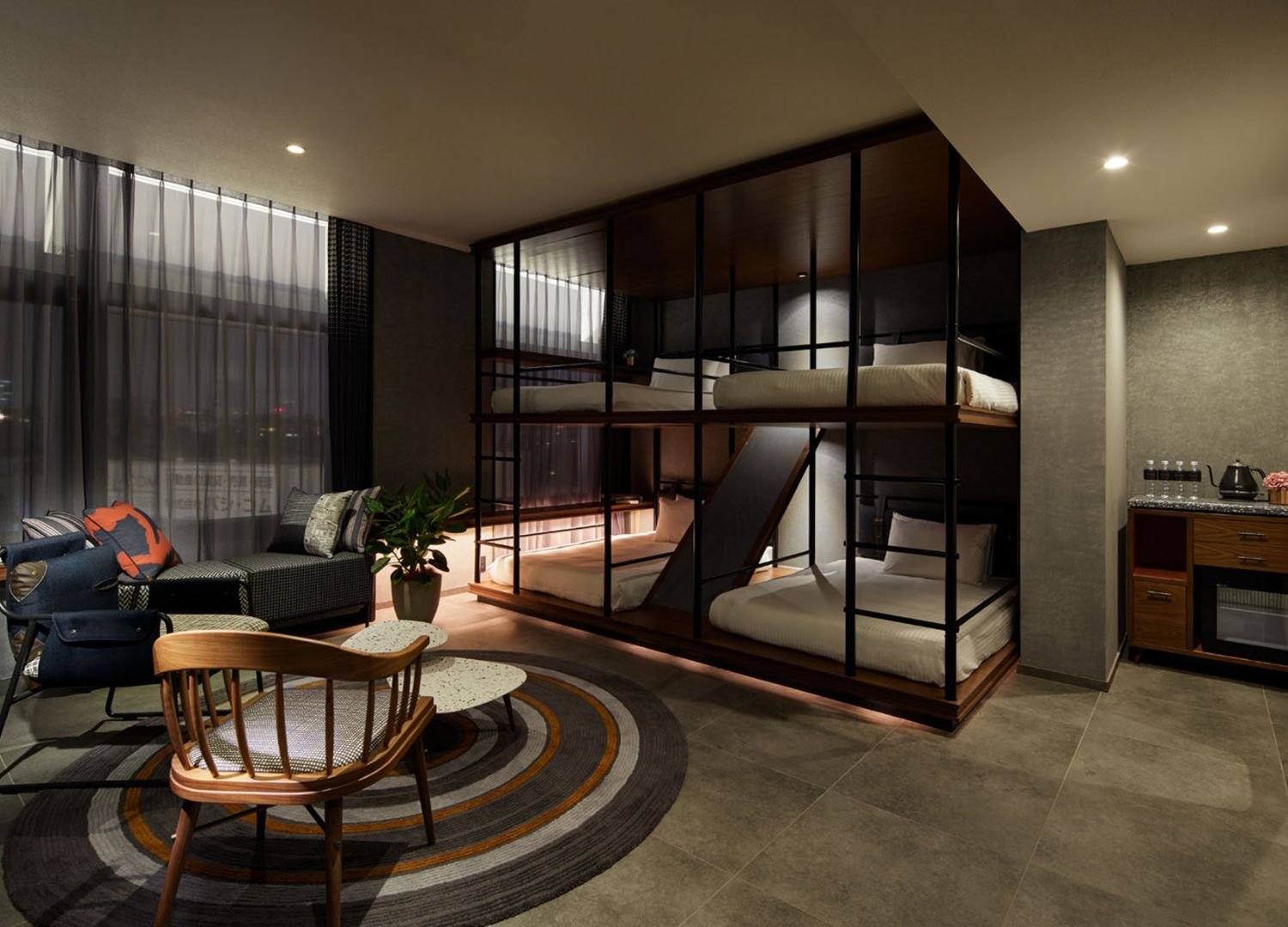
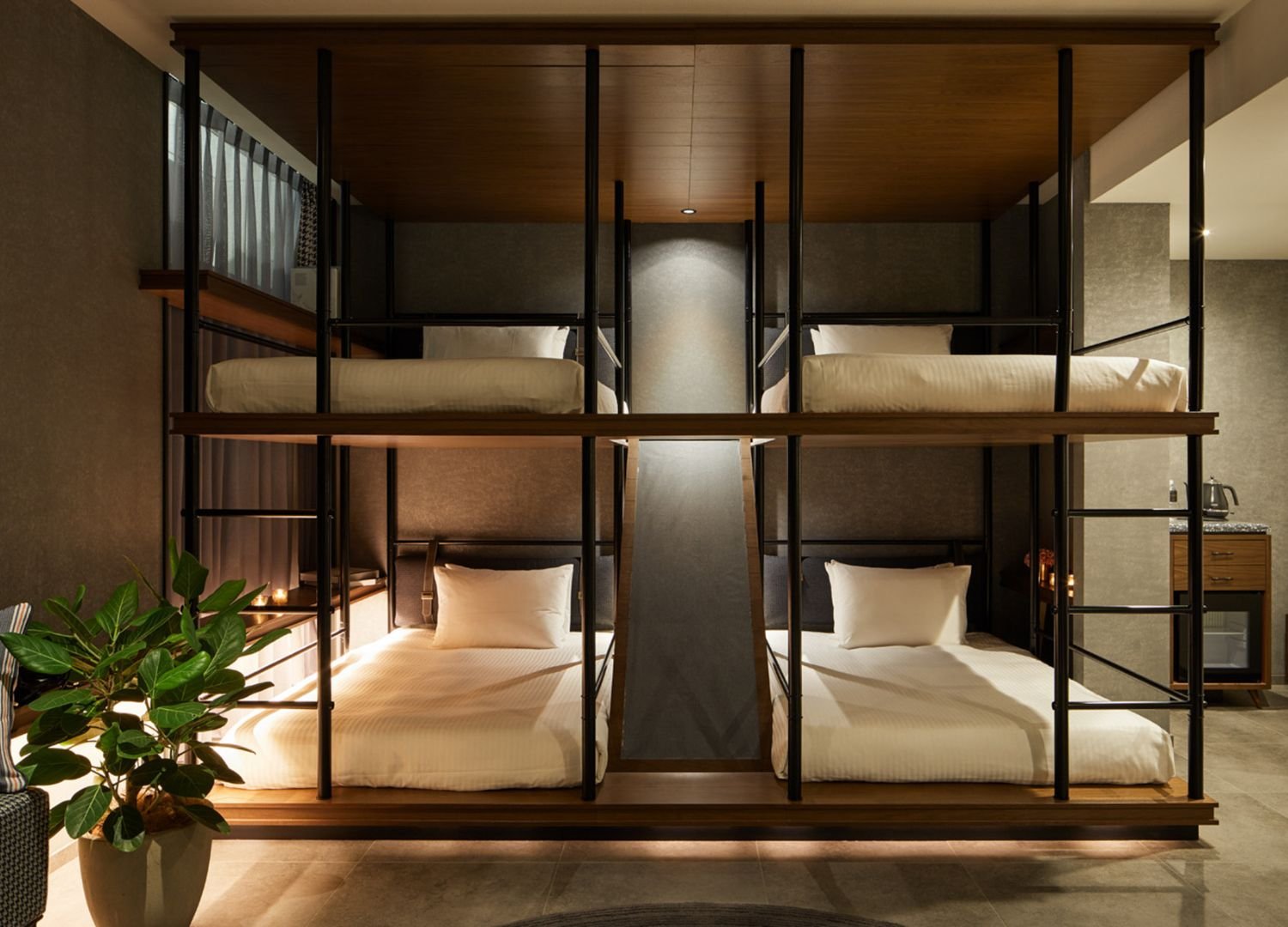
Azabujuban is a historic Tokyo district known for its traditional shopping streets and vibrant international community, but it is also an area where space is extremely limited. This constraint pushed us to think very carefully about how every square meter could work harder and smarter. Together with our design partners, we approached the rooms almost like small urban studios, where flexibility and functionality were key.
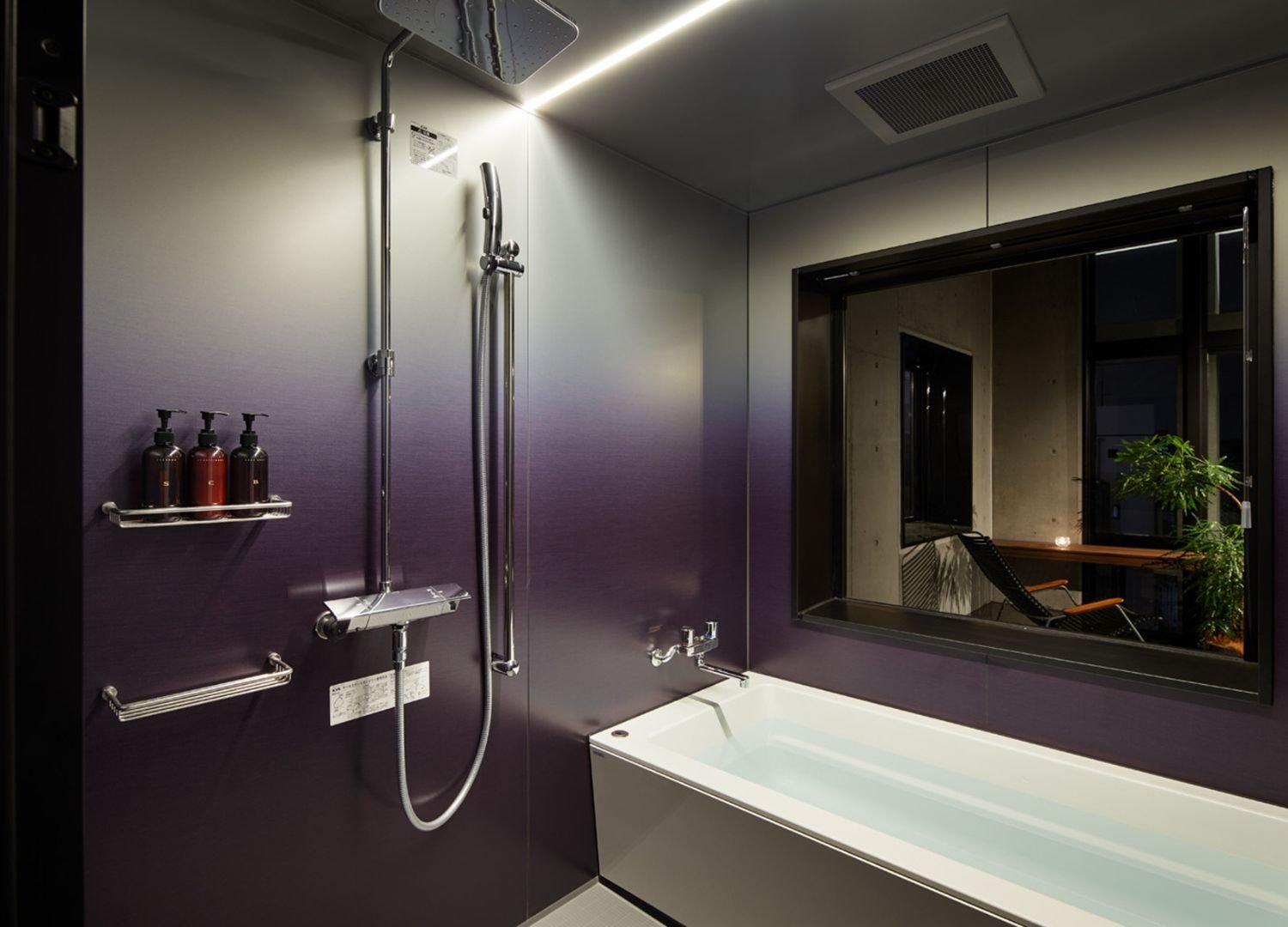
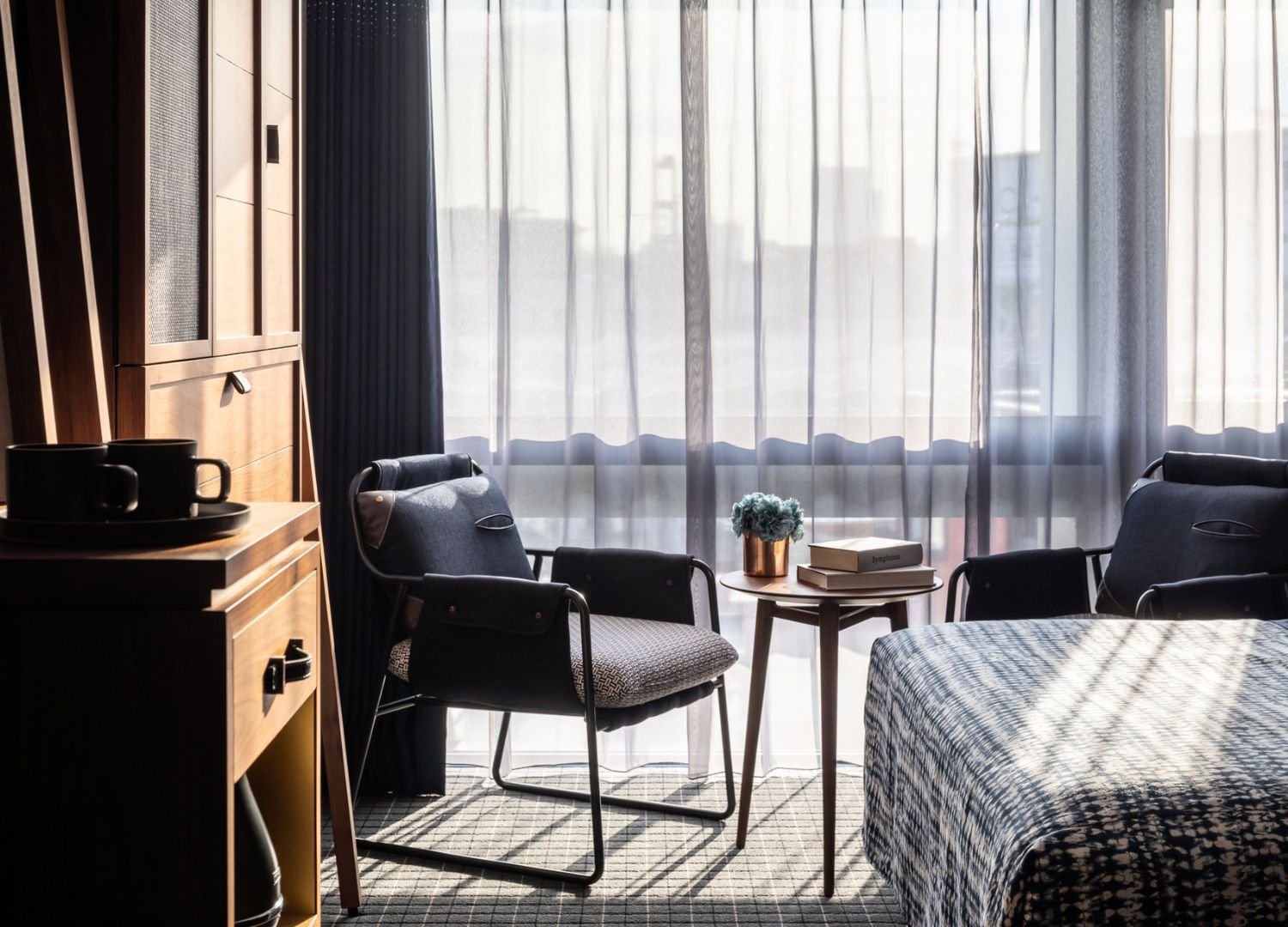
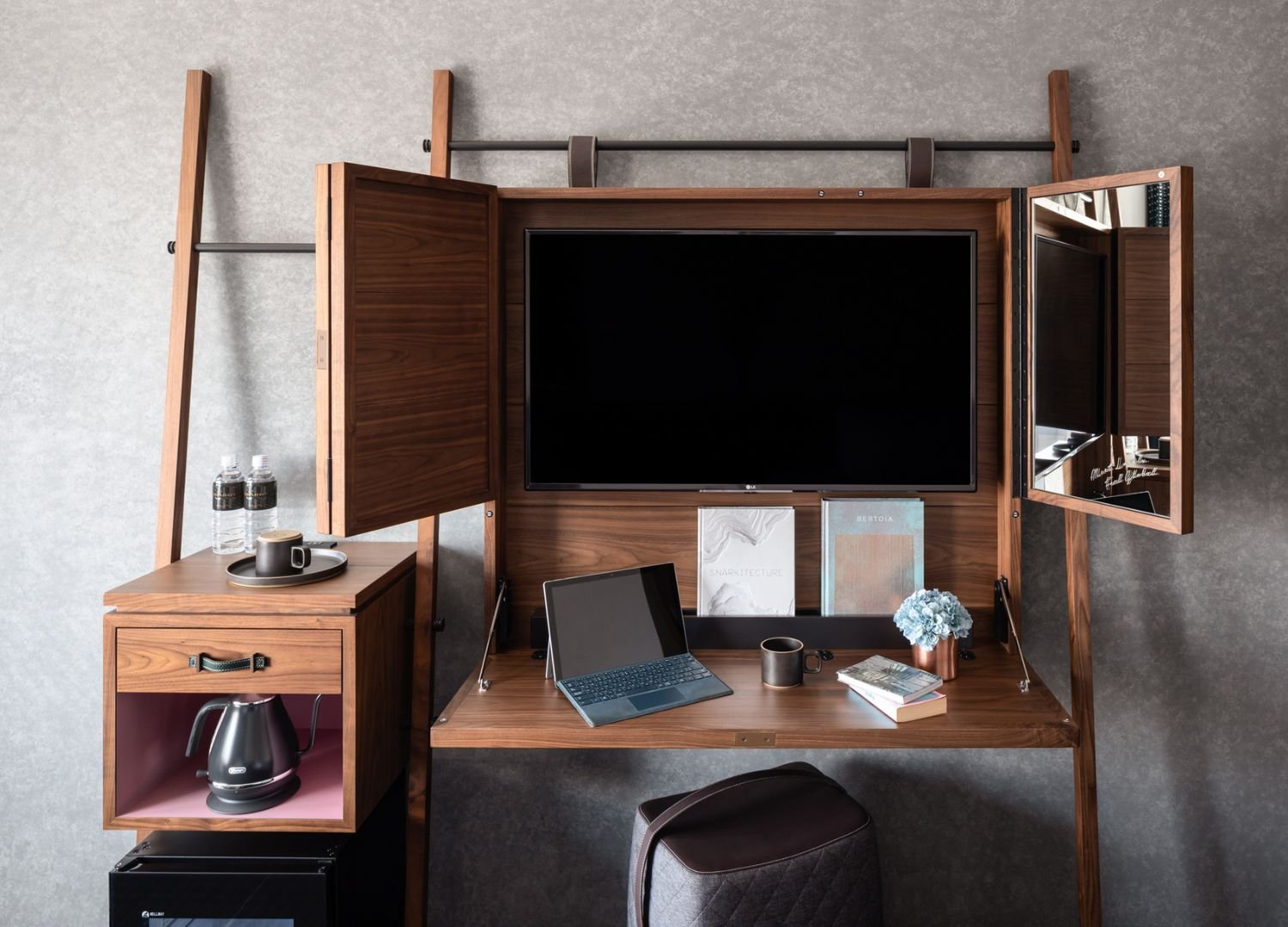
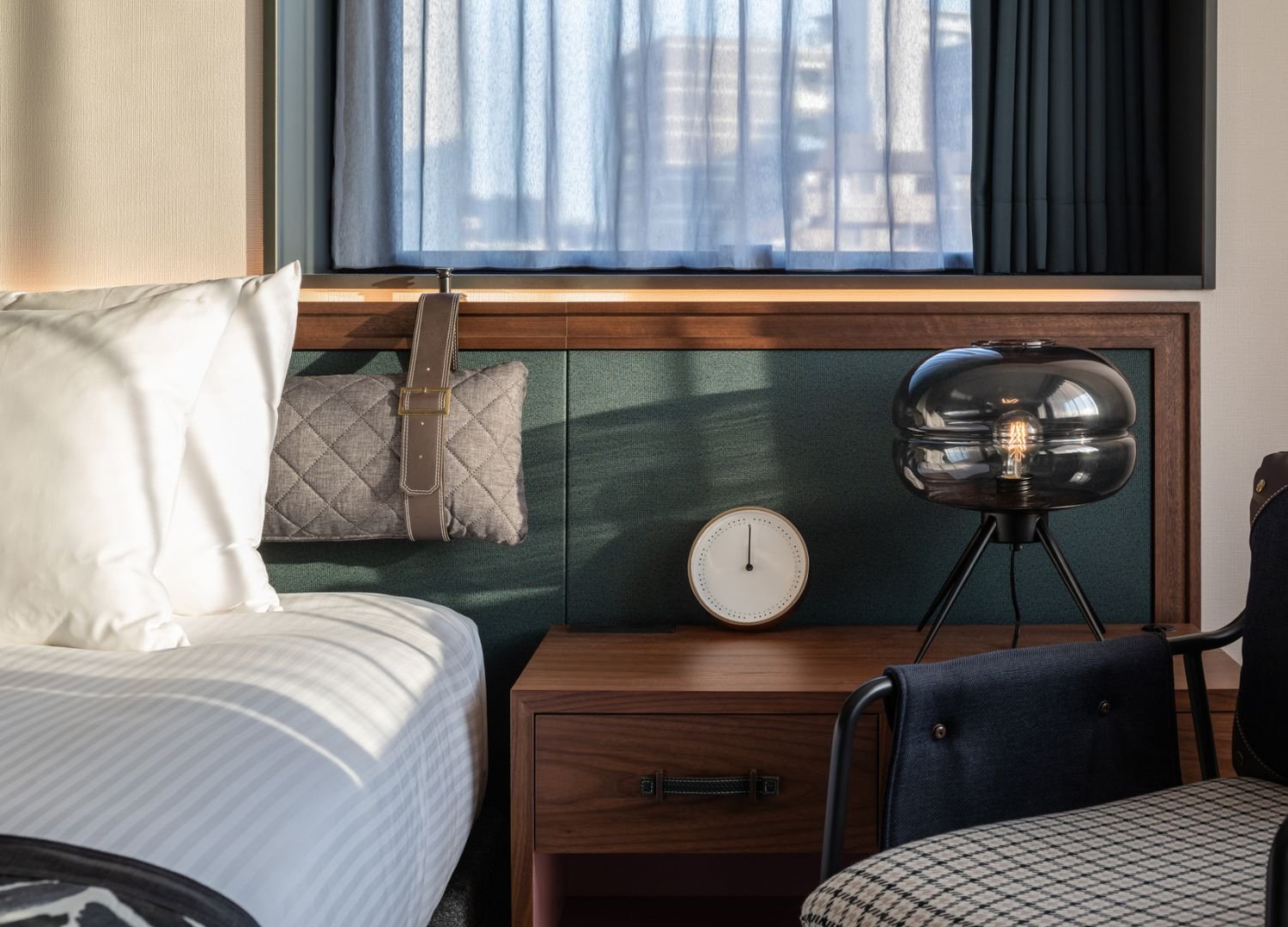
Many of the design choices revolve around adaptable furniture and spatial efficiency. For example, the TV cabinet can unfold to become a desk, allowing the same area to serve different purposes throughout the day. Hidden seating and integrated storage help keep the rooms open and uncluttered, while maintaining the comfort expected from a boutique hotel. Even within a compact footprint, we ensured that the shower, toilet, and wash area remain independent, and we equipped every room with large 30-centimeter pocket coil mattresses from SERTA to prioritize rest and comfort.
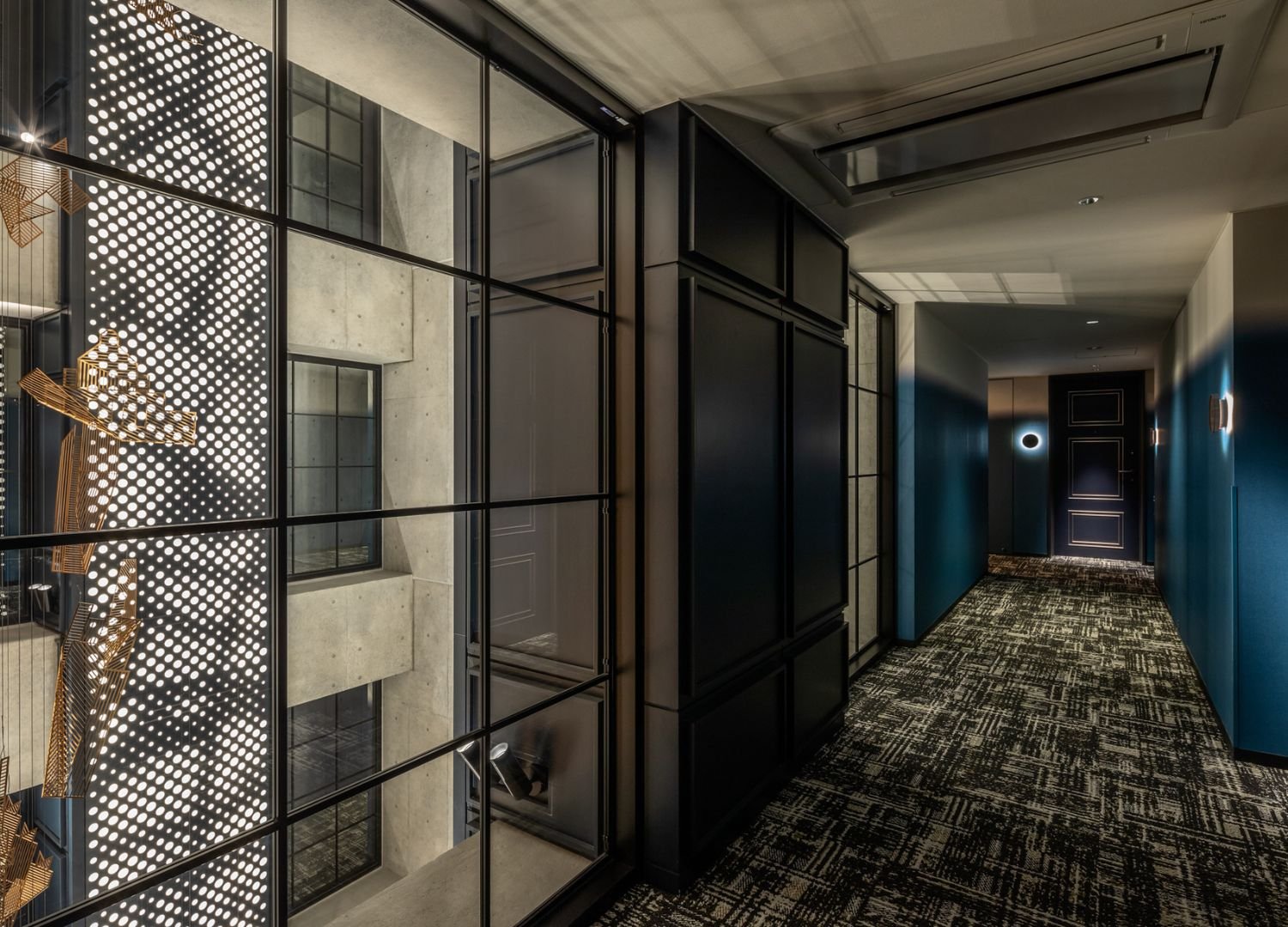
Visually, the hotel also carries a distinctive design language that emphasizes verticality and openness. You can particularly notice this in the lobby, where the dramatic atrium draws the eye upward and creates a strong sense of spatial movement. In a dense urban environment like Tokyo, this vertical rhythm helps the space feel dynamic and expansive, while reinforcing the energetic atmosphere that defines THE LIVELY experience.
Our Azabujuban location stands out as a project where constraint became an opportunity for innovation. It demonstrates how thoughtful design can transform limited space into a flexible and enjoyable living environment, while still delivering the energetic and social experience that defines our brand.”
Looking ahead, how do you see the role of hotels evolving in cities like Tokyo? Do you imagine them becoming even more integrated into the fabric of local communities, or heading somewhere entirely new?
Takeshi Yamasaki:
“In cities like Tokyo, where space is limited and urban life moves quickly, I believe hotels will increasingly evolve beyond their traditional role as simply a place to sleep. They have the potential to become meaningful gathering places within the city. Environments where travelers and locals can naturally intersect.
We have always been interested in creating what we call “micro-communities” within dense urban environments. Whether through shared lounges, events, or curated public spaces, we design our hotels so they can function not only as accommodation, but also as social hubs where dialogue and cultural exchange can happen organically.
Another important direction is deeper integration with the local community. We work closely with local artists, designers, and businesses so that each hotel reflects the neighborhood around it. This helps guests experience the city in a more authentic way, while also supporting the local creative ecosystem.
Looking ahead, I think the Tokyo hotel market will continue to shift toward experience-driven hospitality. Travelers today are less interested in standardized stays and more interested in discovering places that feel connected to the neighborhood around them. Hotels will increasingly act as gateways to the local culture, collaborating more closely with local businesses, artists, and creators to reflect the unique character of each district.
Sustainability and technology will also continue to shape how hotels operate. Over the past few years, we have been implementing digital services such as online check-in and paperless operations, as well as encouraging resource-conscious practices like optional linen changes. These initiatives are small but meaningful steps aligned with the United Nations Sustainable Development Goals, which we have committed to as part of our long-term vision.
Ultimately, I believe the future hotel in cities like Tokyo will be less about isolation and more about connection: connecting travelers to the city, connecting people to each other, and creating spaces that contribute positively to the urban community around them.”