The new languages of Mexican design at Zona Maco 2026
From volcanic stone metates to translucent resin vessels, Mexico City’s top art fair demonstrated how local designers are translating their heritage into contemporary objects with global perspectives.
Every February, Mexico City transforms into one of the Americas’ key creative hubs, and Zona Maco 2026 proved why the fair has become essential for enthusiasts worldwide. Held from February 4 to 8 at Banamex Centre, the show’s 22nd edition hosted more than 200 international galleries specialised in diverse practices, ranging from photography to antiques. While mainly focused on the arts, the event has been featuring an increasing number of designers, creating an intriguing multidisciplinary environment.
This article features a selection of works that were presented in the Diseño and Diseño Emergente categories by local designers and companies, with projects spanning from indigenous ritualistic celebrations to contemporary collectable lighting, all unified by exceptional craft and contemporary concepts. The design range reflected founder Zélika García’s vision, seeing the art week as “a cultural and market node, where local and international audiences converge.”
Gallery
Open full width
Open full width
Zona Maco 2026 – Highlights:
Just Enough Is More by Milton Glaser, for Odabashian
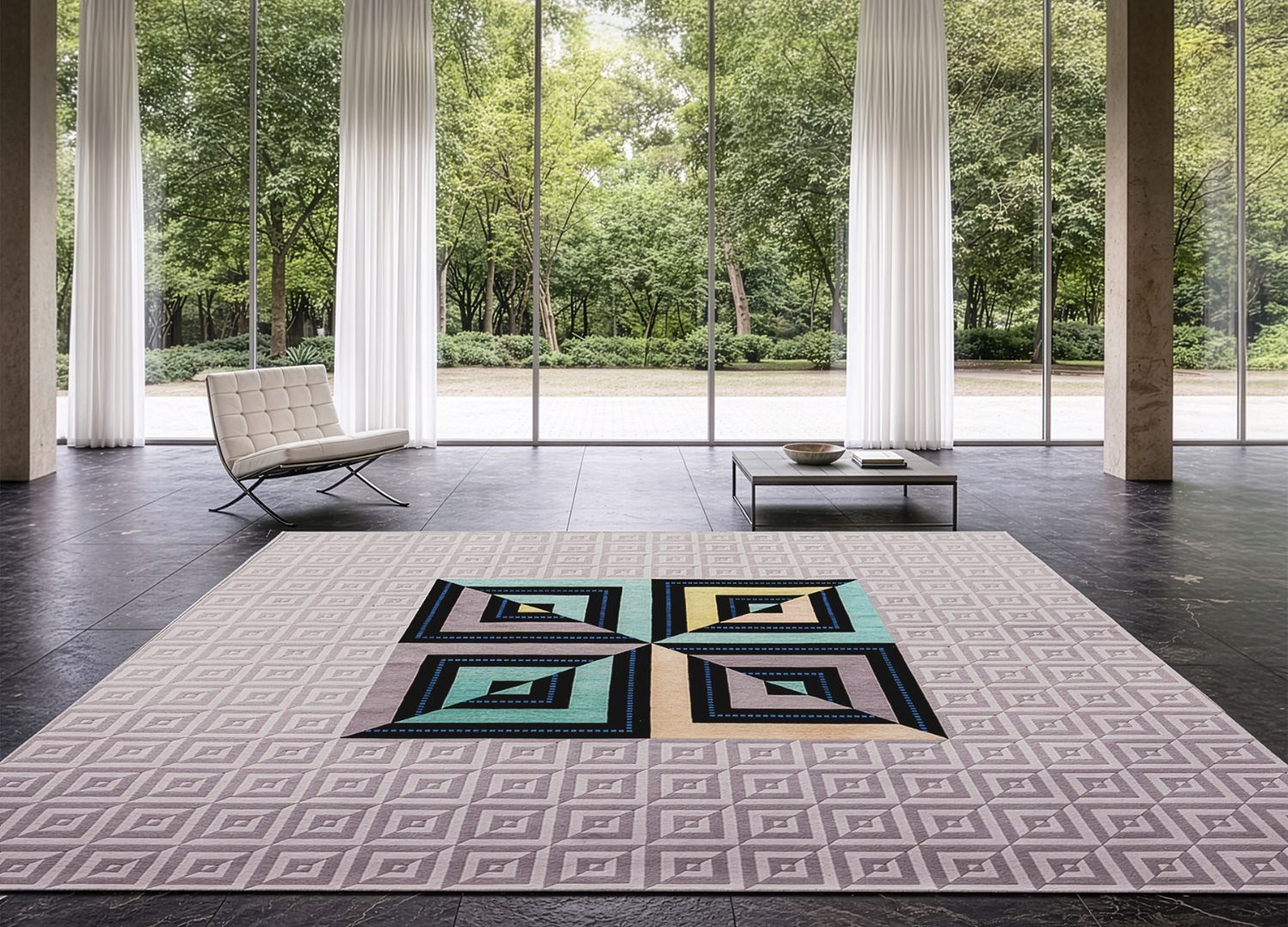
Just Enough is More is a limited-edition rug developed with Milton Glaser and inspired by his ’10 things I have learned’, a list of ten design commandments where he challenges the modernist idea of “less is more“. The concept is expressed through abstract geometry on the rug, playing with the ideas of restraint and decoration, and offering a kind of visual complexity that does not feel excessive.
Odabashian is one of the oldest rug makers in the Americas, founded in Mexico City by an Armenian family who immigrated to the area. Khoren Odabachian brought the Persian rug tradition to the new continent, where it was not so well-known yet. Now, the company focuses on collaborating with contemporary artists and designers to offer new aesthetic and conceptual possibilities, while maintaining its traditional artisanality.
TLD by Euclid
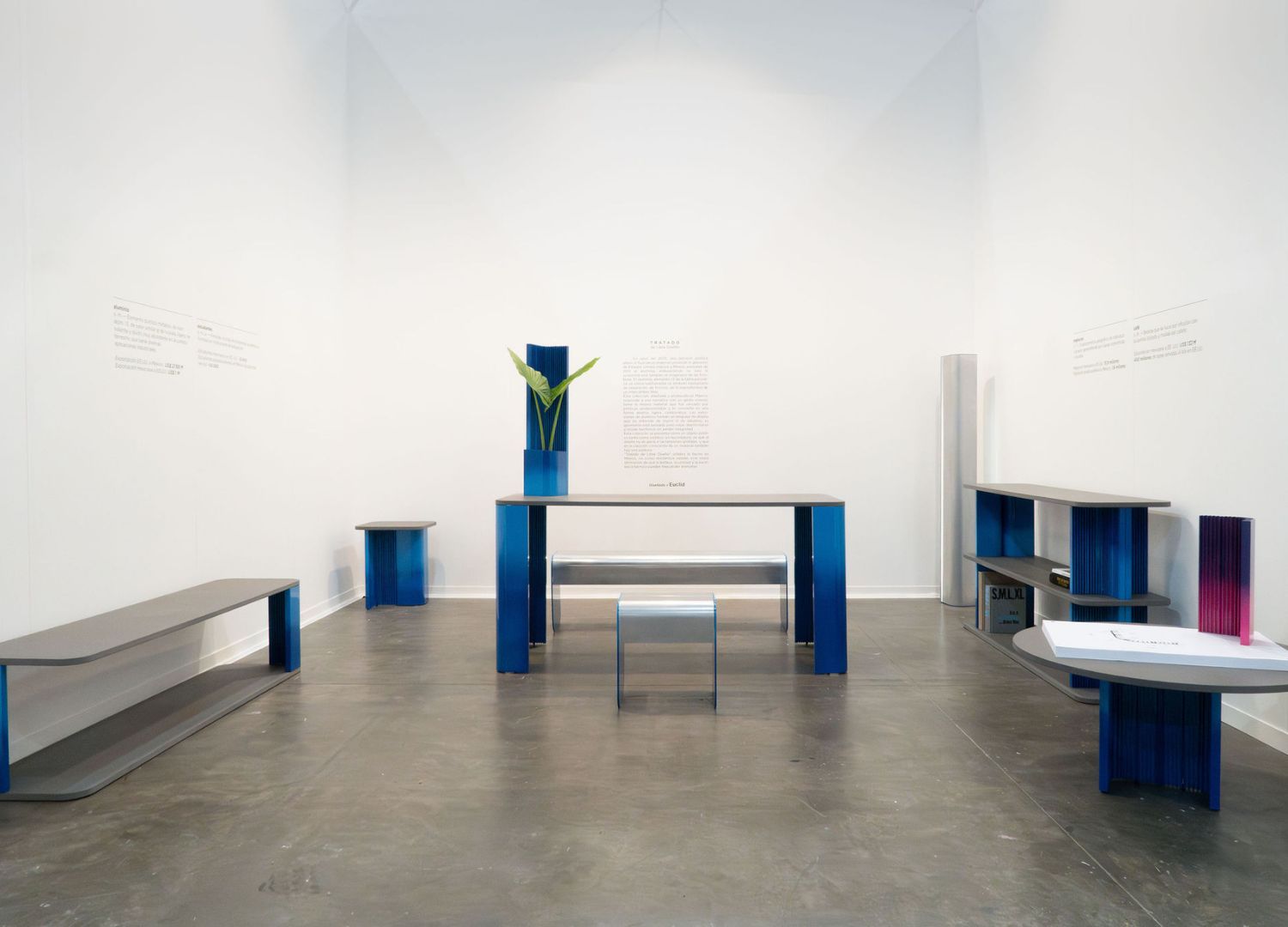
While design is commonly perceived as a free and creative discipline, it remains inextricably embedded within broader socio-political frameworks that condition its possibilities, circulation, and reception. When in 2025 the US government imposed a 50% tariff on aluminium coming from Mexico, they changed the relationship of the industry with this material, which became a symbol of separation.
TLD stands for Tratado de Libre Diseño, and is a collection of aluminium furniture based on a single extrusion profile. During the fair, Euclid distributed the technical drawing of the profile freely, following an open source philosophy to oppose the idea of borders as barriers. This sharing of knowledge liberated the drawing and the material itself, allowing for the object to be replicated by circulating outside of tariffs, outside of political control.
Bruma by Kenya Rodríguez and Antonio Pedroza, for Difane
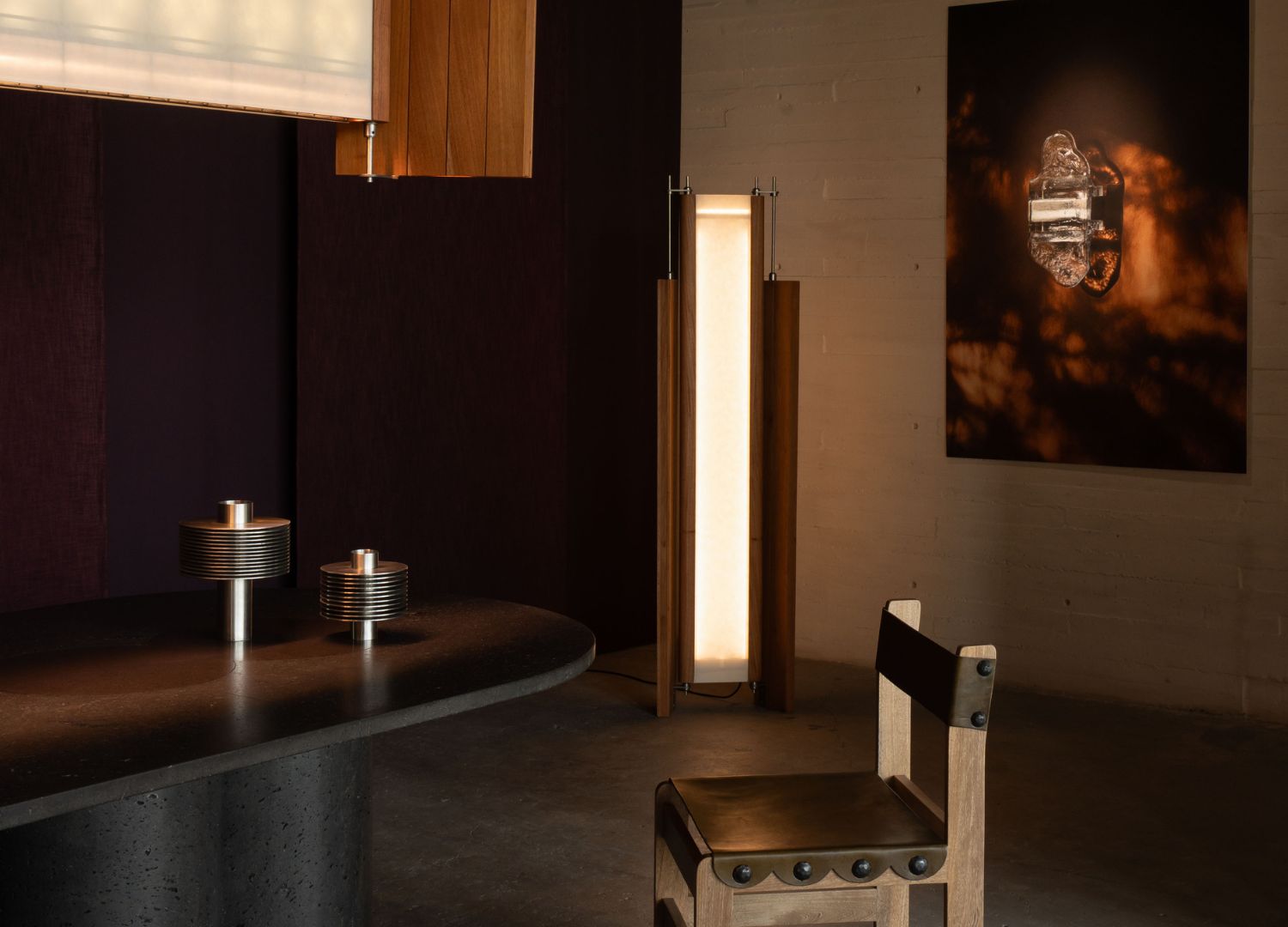
Inside Elle Decor’s corner called “Mundo Material”, curated by Fernanda Sela, is a contemporary lamp rooted in cultural design. Bruma is a lighting collection designed by Kenya Rodríguez and Antonio Pedroza, which contrasts Japanese delicacy and sophistication with advanced manufacturing from western Mexico. The lamp creates a diffused and soft light through Japanese paper, held upright by precise wooden structures.
The lighting collection was first presented through Difane’s event during Mexico Art Week, a multidisciplinary studio and gallery representing emerging and established Mexican designers.
ENSO by Ukma
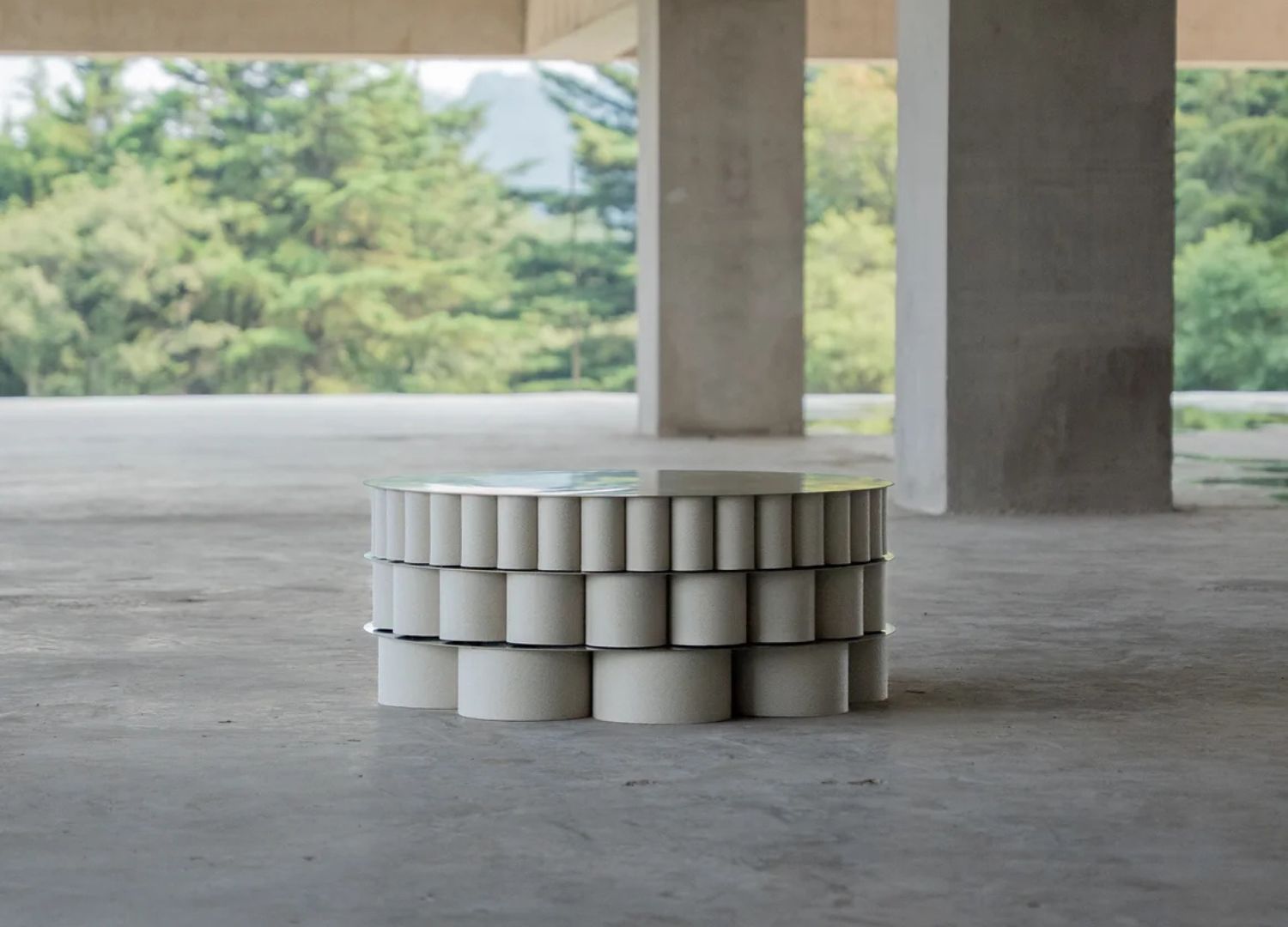
Ukma is a Mexican design company which started by focusing on creating high-quality sculptures for interior design at a reasonable price. After conquering financial sustainability, they decided to tackle environmental sustainability in their latest collection, Ecocentrismo, which uses 3D printing technology to create sculptures and furniture with recycled polymers or biopolymers made from olive pits and coffee beans.
Enso draws inspiration from the way nature multiplies the essential to create the extraordinary. Like atoms bonding or cells replicating, it reminds us that beauty arises from the small connections that, together, shape all that exists. It is a tribute to those invisible patterns that sustain life, where each union is part of a larger network that grows in balance, harmony, and purpose.
Licha by Andrés Gutiérrez, Los Patrones
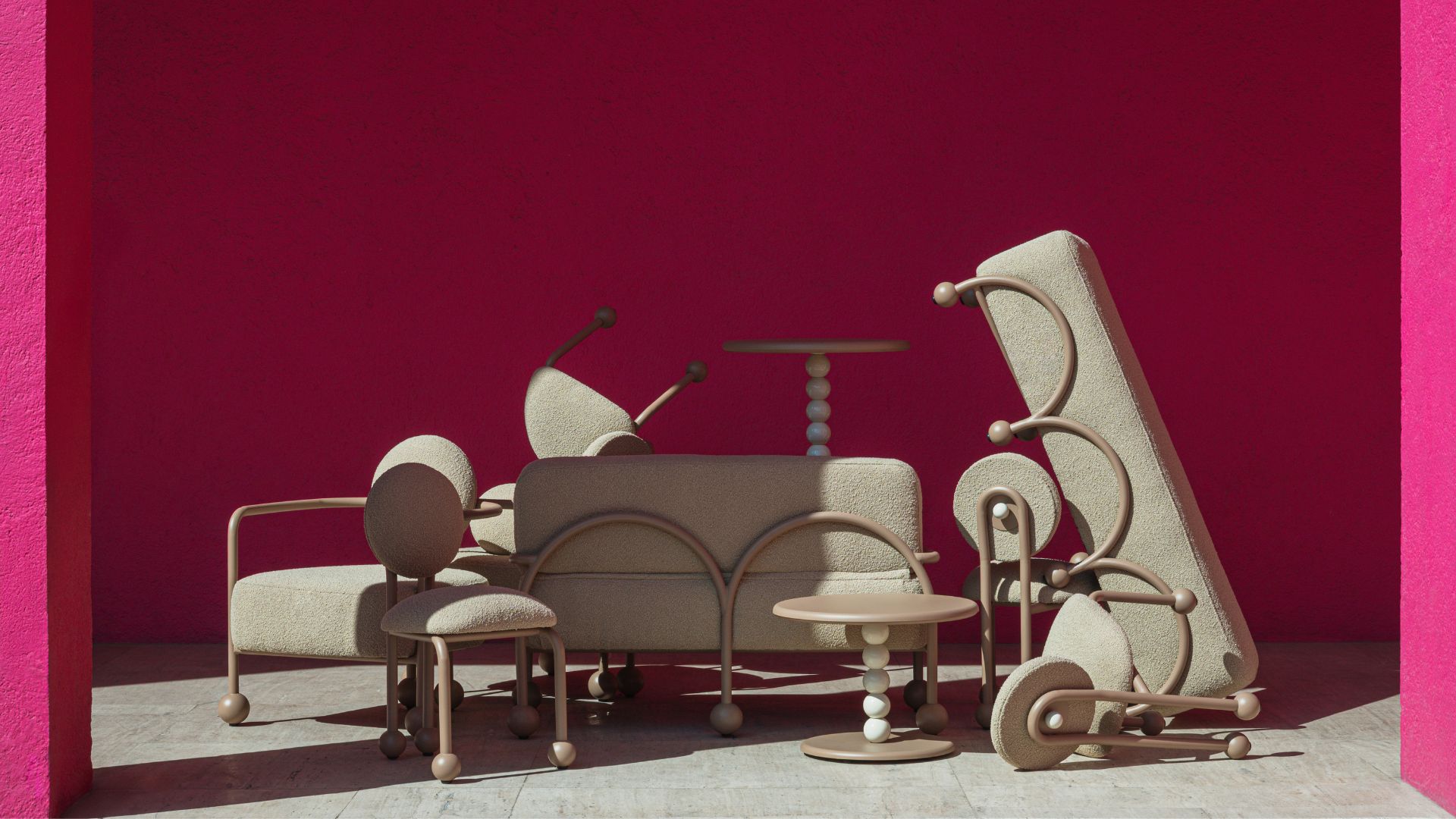
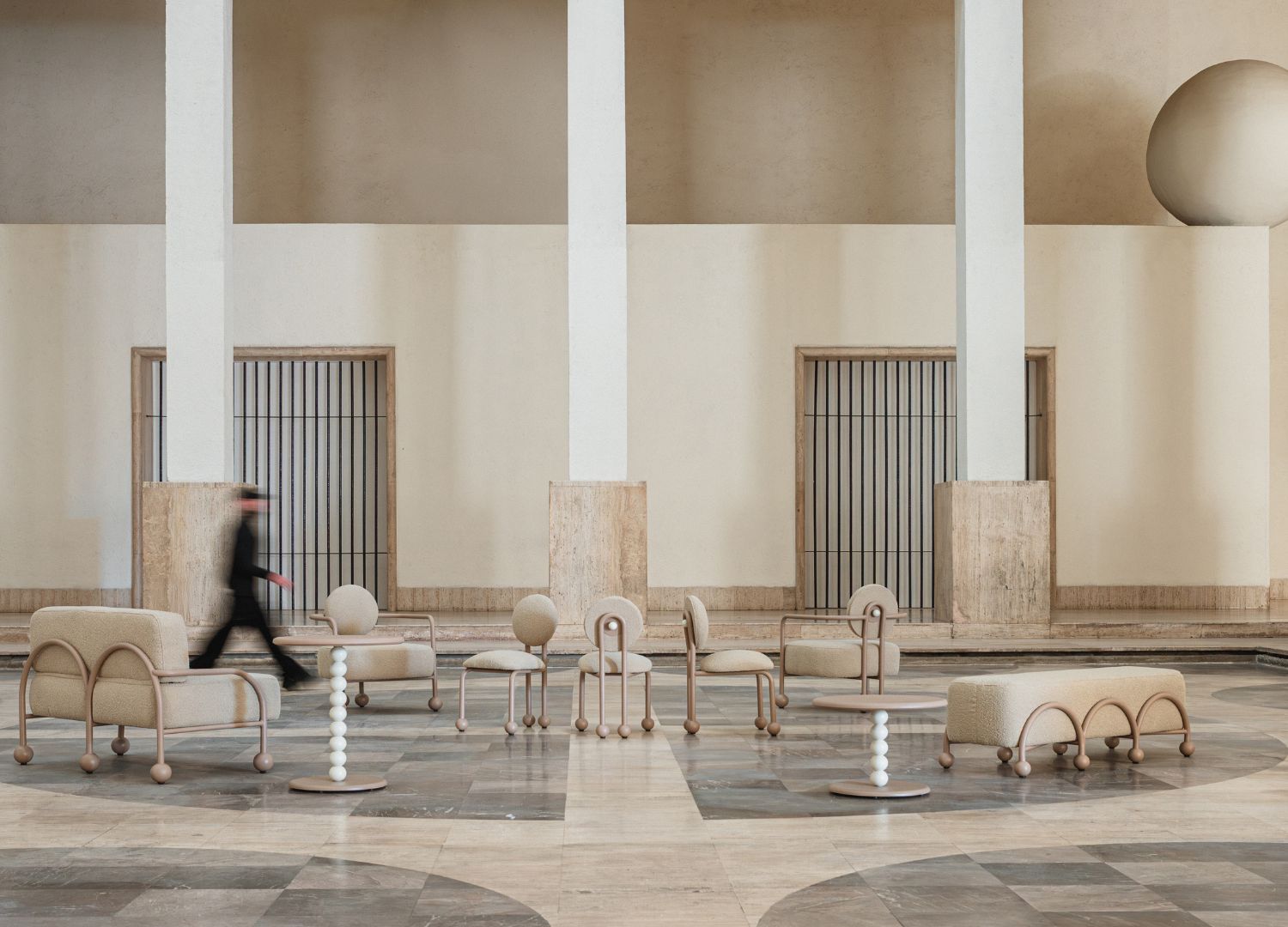
Conceived byAndrés Gutiérrez of A-G Estudio in collaboration with Los Patrones, the collection translates a personal family memory into material form. Licha is inspired by the designer’s aunt Alicia and the central role her furniture played in Gutiérrez’s memories, for example, the rubber balls she had put on the legs of her dining chairs to dampen the noise of the steel on the floor.
The collection is made entirely of steel with electrostatic paint and customisable upholstery to adapt to multiple contexts. The furniture can work both indoors and outdoors, providing flexibility and durability without compromising on its character.
Basalto by Ana Cecilia Luque, Daniela Ampudia, and Ana Galicia
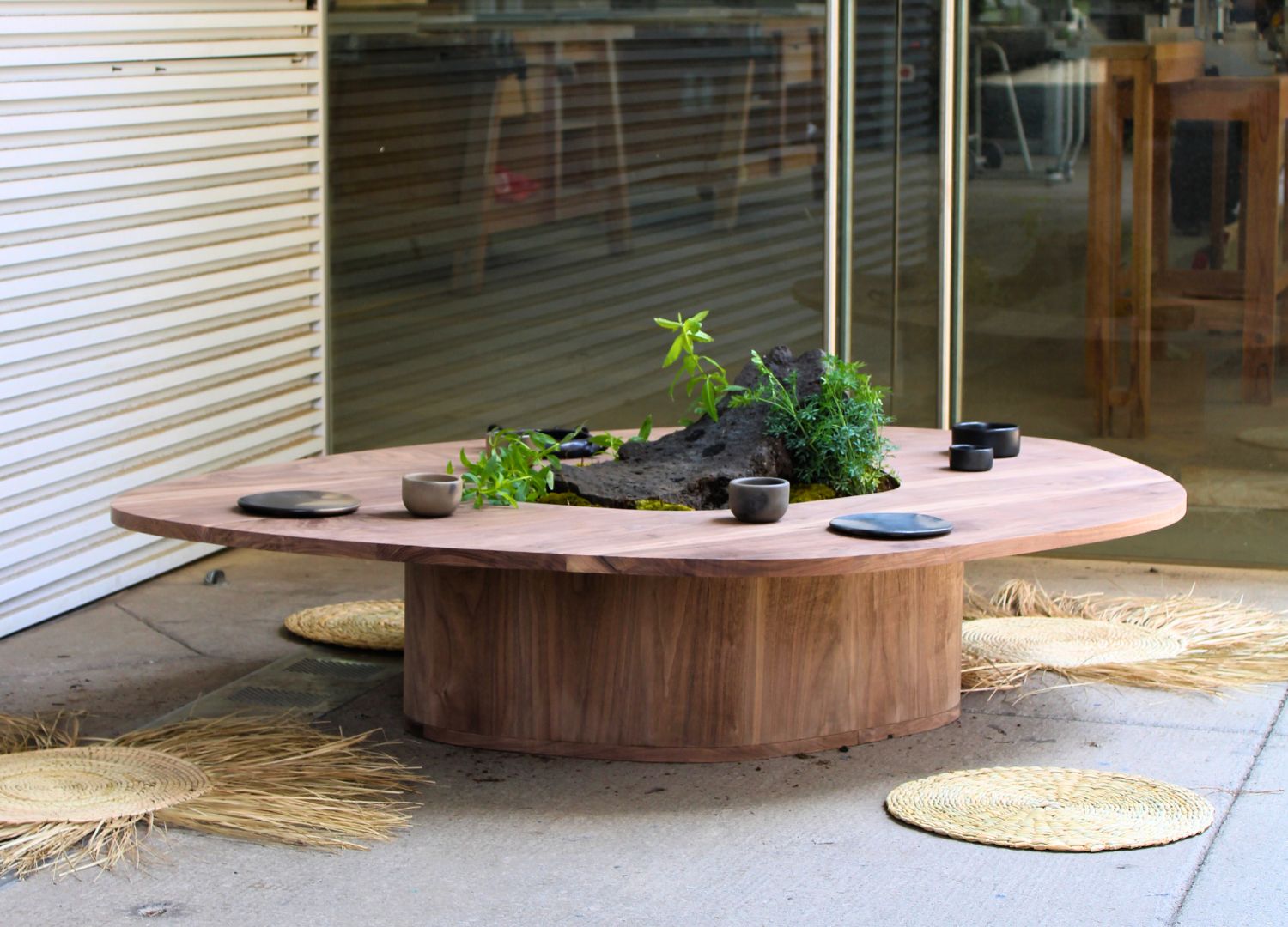
Part of the Zona Maco Diseño Emergente category, Basalto is a table created by young designers Ana Cecilia Luque, Daniela Ampudia, and Ana Galicia. The table is inspired by the rituals of the Zapotec people, following an ethnographic research in Xobé, Miahuatlán de Porfirio Díaz. The piece centres on a basalt metate, an ancestral grinding stone forged by volcanic eruption and commonly used in Oaxacan kitchens.
Rather than extracting the material for aesthetic appreciation, Basalto positions the metate as the conceptual heart of the piece, staging the table as an altar for rituality and community. The design insists that objects can carry the weight of spirituality, inviting users not simply to eat but to engage in presence and awareness.
VICÚS by Domingo Seminario De Col, Barón & Vicario
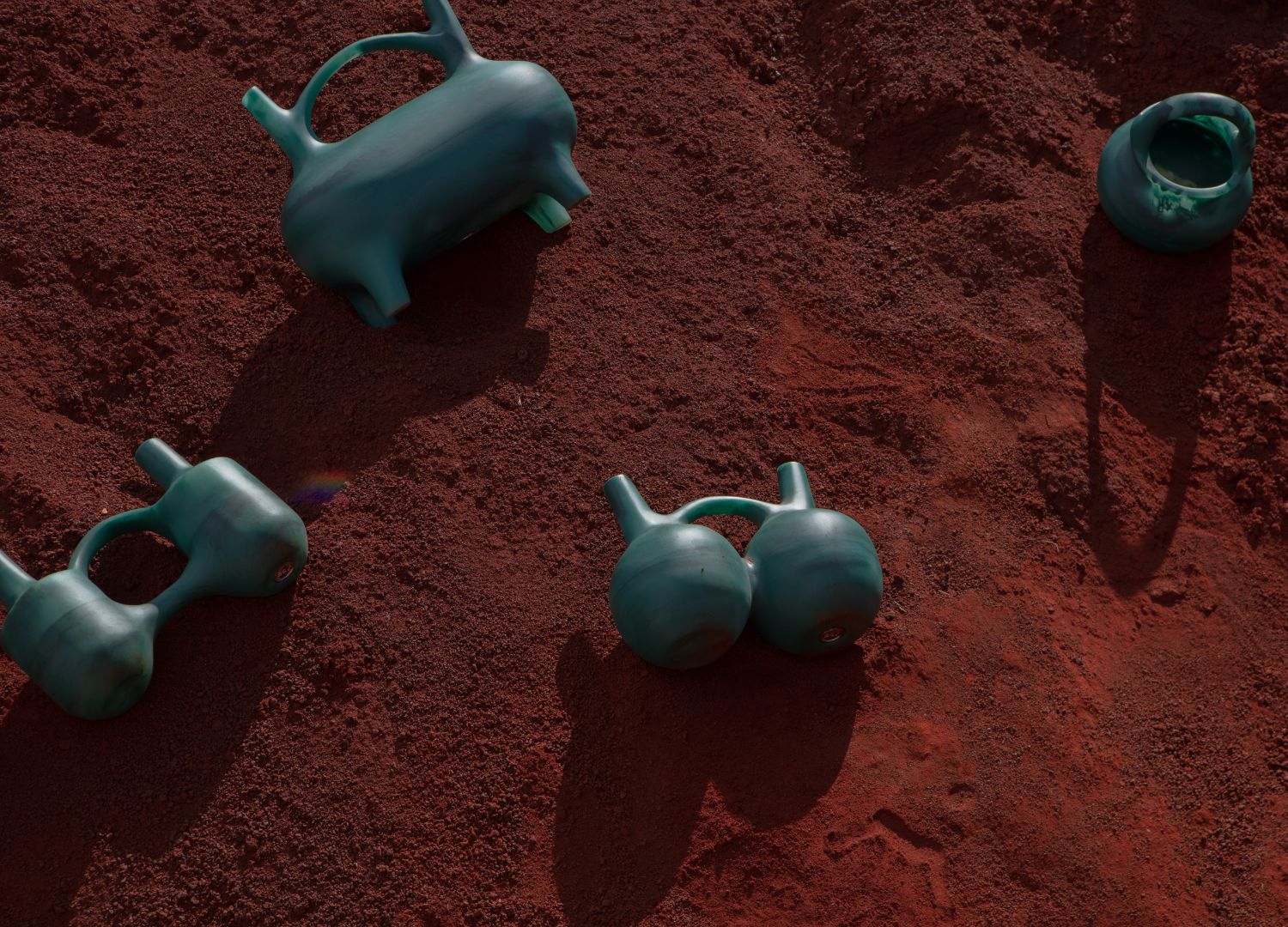
Developed by Barón & Vicario in collaboration with Peruvian architect Domingo Seminario De Col, the project channels the formal language of Peru’s ancient VICÚS culture through the brand’s signature resin material. This material choice transforms the typical opaque ceremonial clay into colourful, contemporary volumes that feel both removed and connected from their pre-Hispanic heritage.
The collaboration carries a personal significance for the architect, whose grandfather dedicated his entire life to preserving and promoting VICÚS artefacts. Launched during a period of geopolitical unrest, the collection proposes the creative community as a non-territory where Mexico and Peru can connect through culture, craft, and form.
Podio by Syntagma
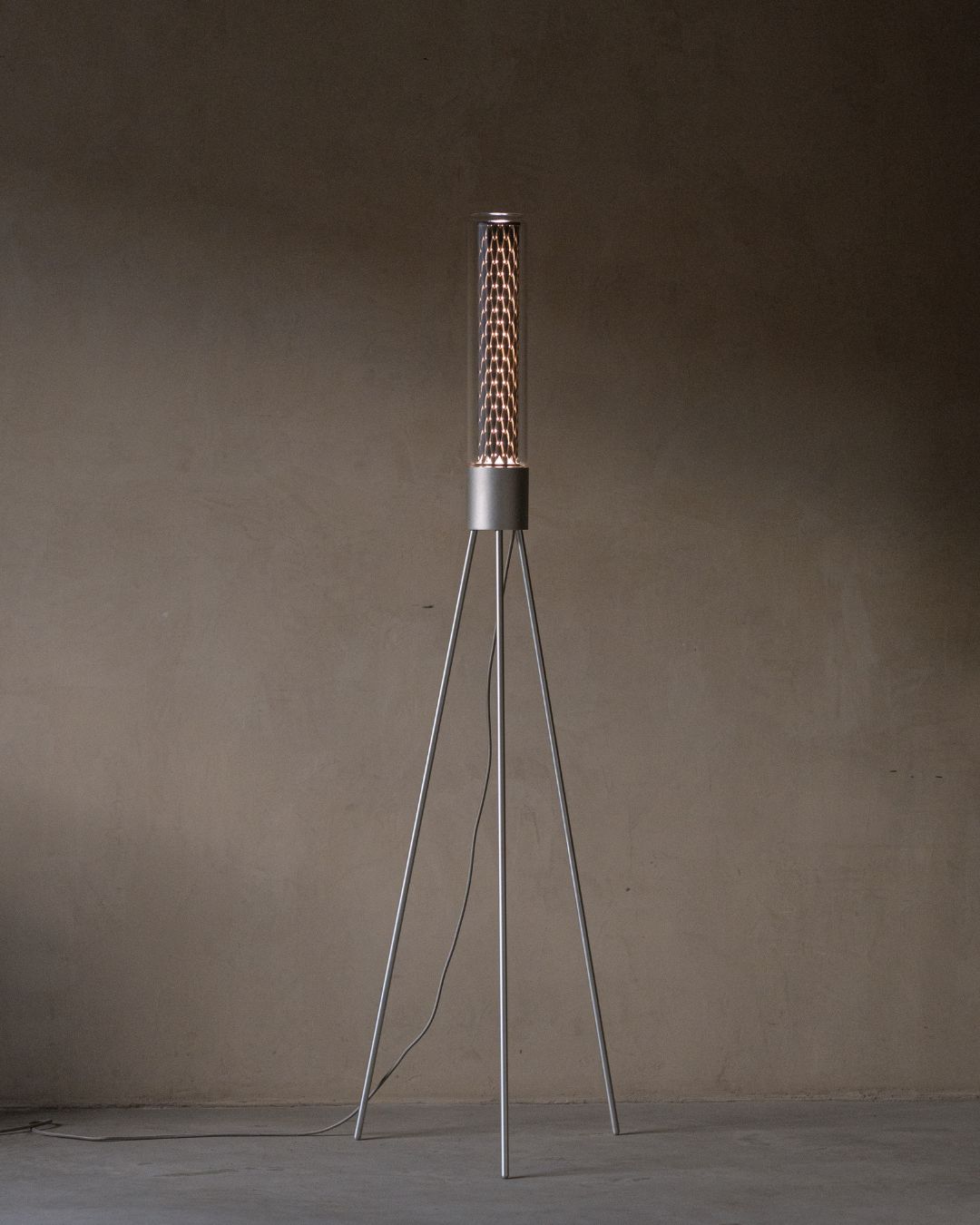
Podio by Syntagma is another project in the Zona Maco Diseño Emergente category, created by recent graduate Jorge Ramos. It is a modular lighting system which offers new possibilities in versatility, offering variations to both the light and the structure.
The three legs of the lamp can be removed to make it a table lamp, for a cozier and more intimate setting. The light can also be modified by adding a module made with SLS printing technology, to dim its strength and create indirect illumination. In this way, the object become sdynamic, creating different responses and relationships with its users.
00:00 by ORITA
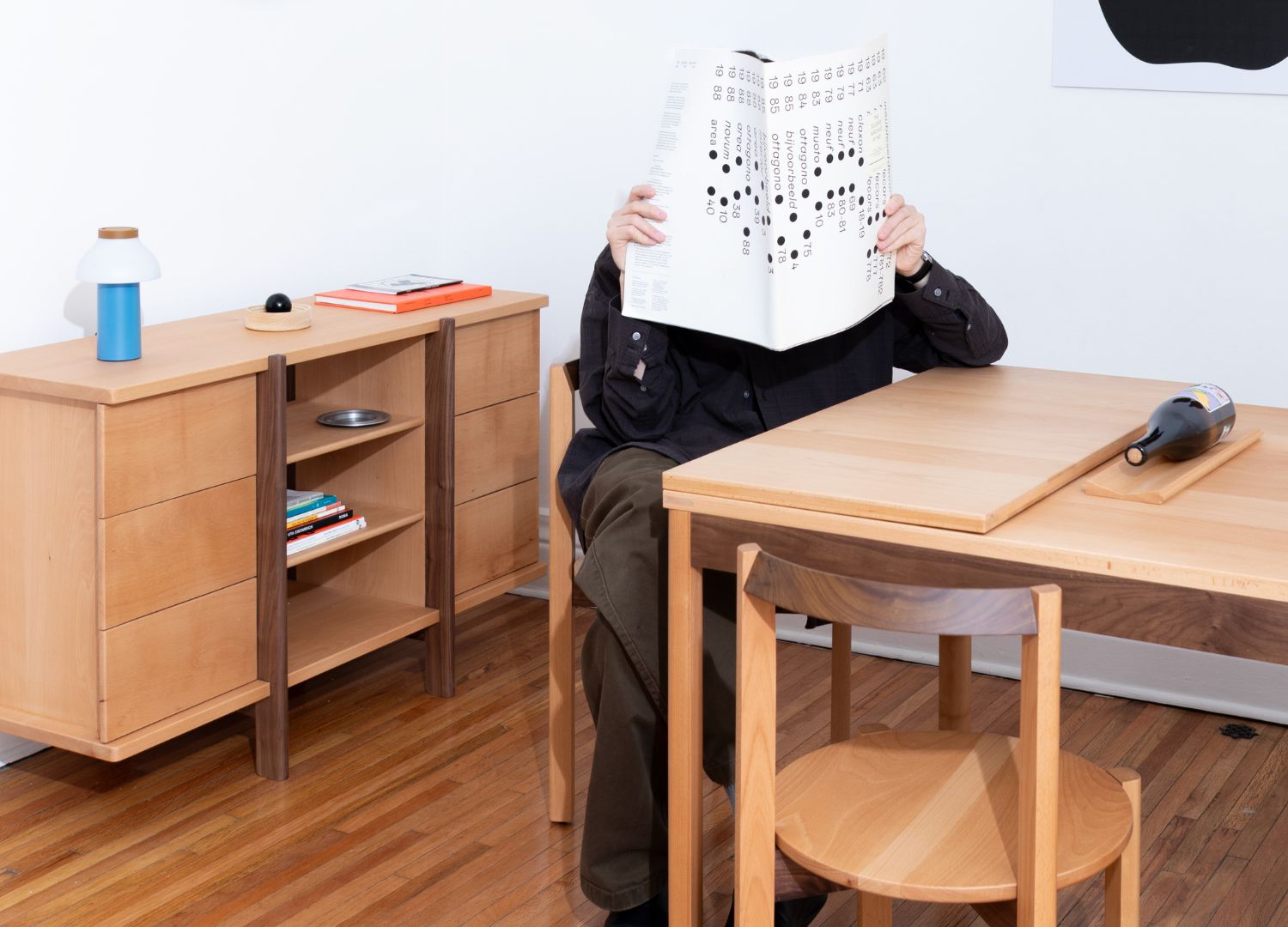
ORITA is a new independent furniture brand born in Mexico, conceived as a platform focusing especially on young designers. Their first collection 00:00 confronts the realities of compact living in urban environments, investigating spatial scarcity and nomadic domesticity through six pieces in solid beech and walnut. Each object operates as a “hybrid”, defined by adaptive versatility across the living room, which is understood as the social nucleus of the home.
The brand’s design ethos follows four principles: the tension between hand and machine, objects’ evolution alongside daily life, collaboration as a research methodology, and circularity as a long-term commitment. The result is furniture that truly responds to contemporary living patterns and to the needs of its clients.
The works shown at Zona Maco 2026 reveal a Mexican design landscape that refuses to choose between tradition and innovation. From the ritualistic reverence of Basalto, to Euclid’s political resistance, these pieces demonstrate that cultural background is not a constraint but a creative foundation. The fair shows designers that are actively translating their heritage and cultural memory into objects that speak to contemporary concerns about sustainability, political borders, urban living. As Zona Maco continues to grow its design presence, it has become clear that Mexican design is creating a distinct voice in the global conversation.