Design starting from real human needs: 7 inclusive projects by MEDUM
From daily challenges to inclusive solutions: the Tokyo-based studio transforms office furniture, helmets, and wheelchairs with design that prioritizes users’ needs, combining intuition, technology, and social impact to enhance everyday life.
Design is more than an exercise in style or form. In today’s world, increasingly dominated by complexity and an overload of ideas, few studios manage to bring design back to its essence: creating solutions that truly matter. Among them is MEDUM, founded in Tokyo by Shintaro Monden, a practice that transforms intuition and technology into products and services that genuinely enhance everyday life.
Its mission is clear and strong: to develop intelligent objects where functionality, inclusion, and aesthetics coexist in harmonious balance. The studio’s approach starts with real human needs: innovation isn’t complexity for its own sake, but a careful balance of creativity, methodology, and attention to detail. At the heart of their work is the principle ‘right issue, right solution’, identifying and studying the specific problem first, then designing targeted interventions that deliver tangible benefits for both users and the wider community.
Gallery
Open full width

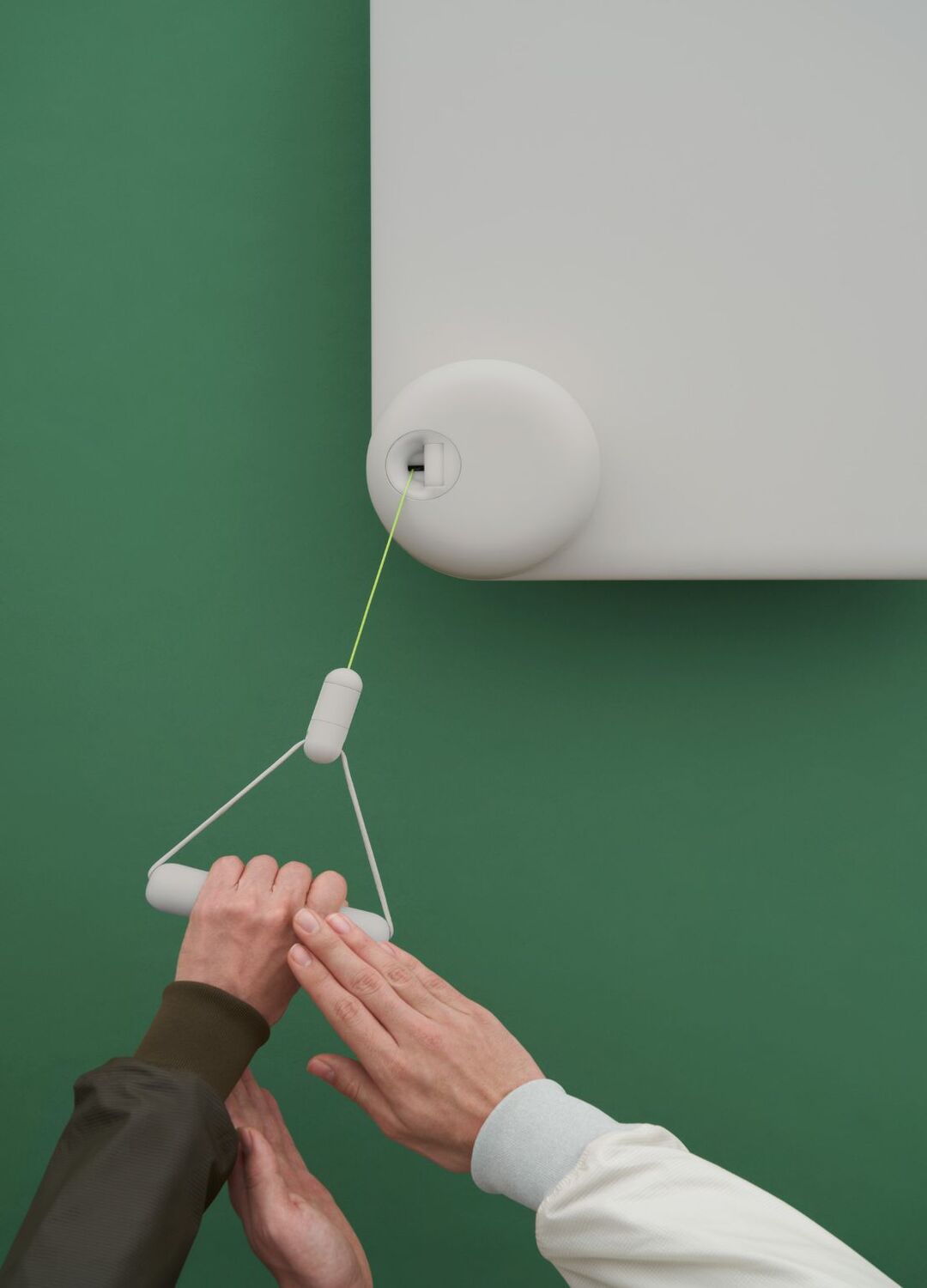
Open full width
Working across sectors, scales, and contexts – from modular office furniture to lightweight, inclusive wheelchairs, to a sustainable helmet made from scallop shells – the studio demonstrates deeply multidisciplinary expertise that translates into lasting social impact. This forward-thinking, research-driven vision has been recognized internationally with awards including iF Design Award, Red Dot Design Award, and Dezeen Awards – Project of the Year. Here are seven projects that show how MEDUM truly drives product innovation, turning design into a tool that is both simple and revolutionary for people’s everyday lives.
Design that transforms life: 7 inclusive MEDUM projects:
cocoe – The brand reinventing the way we listen
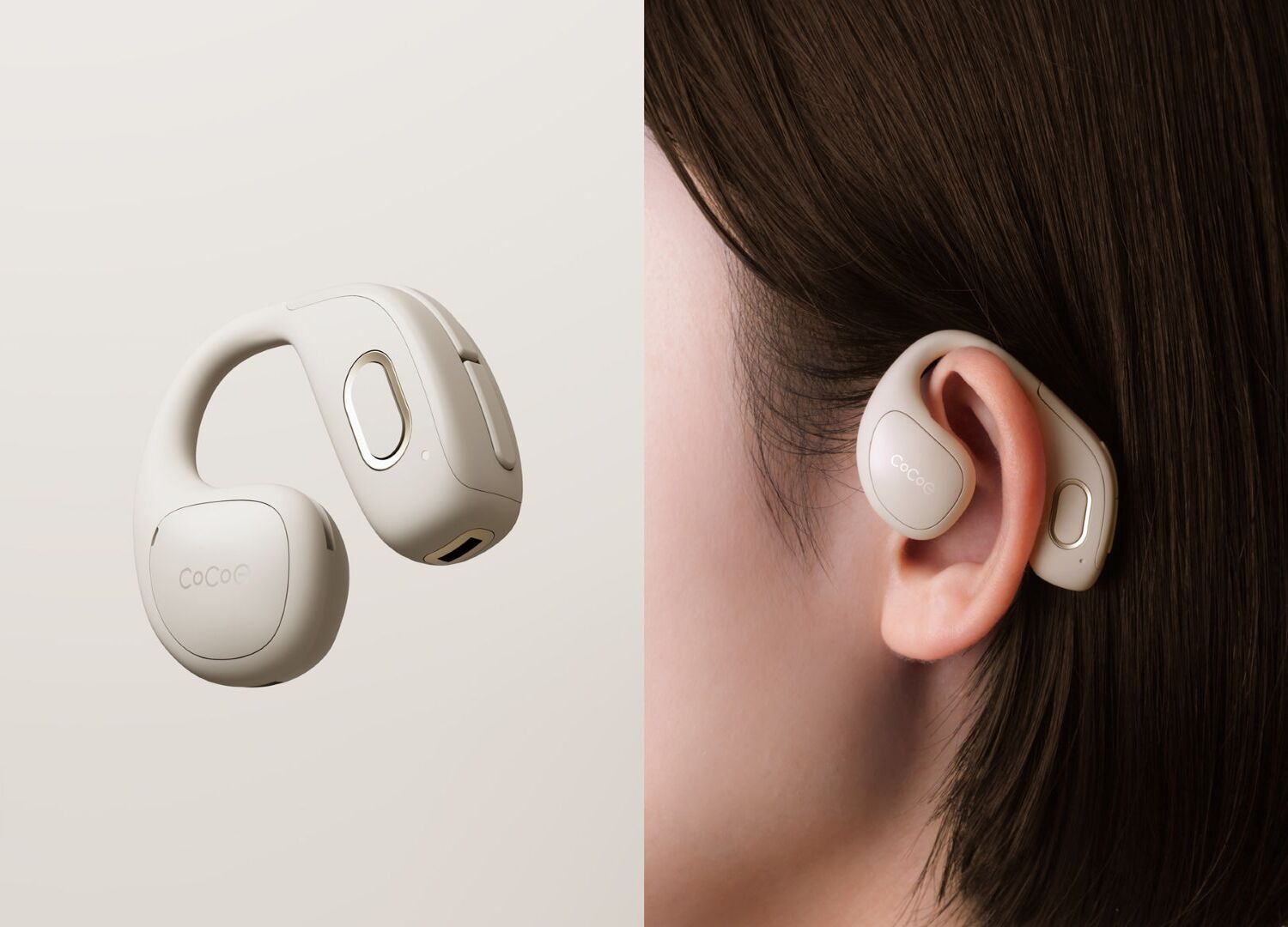
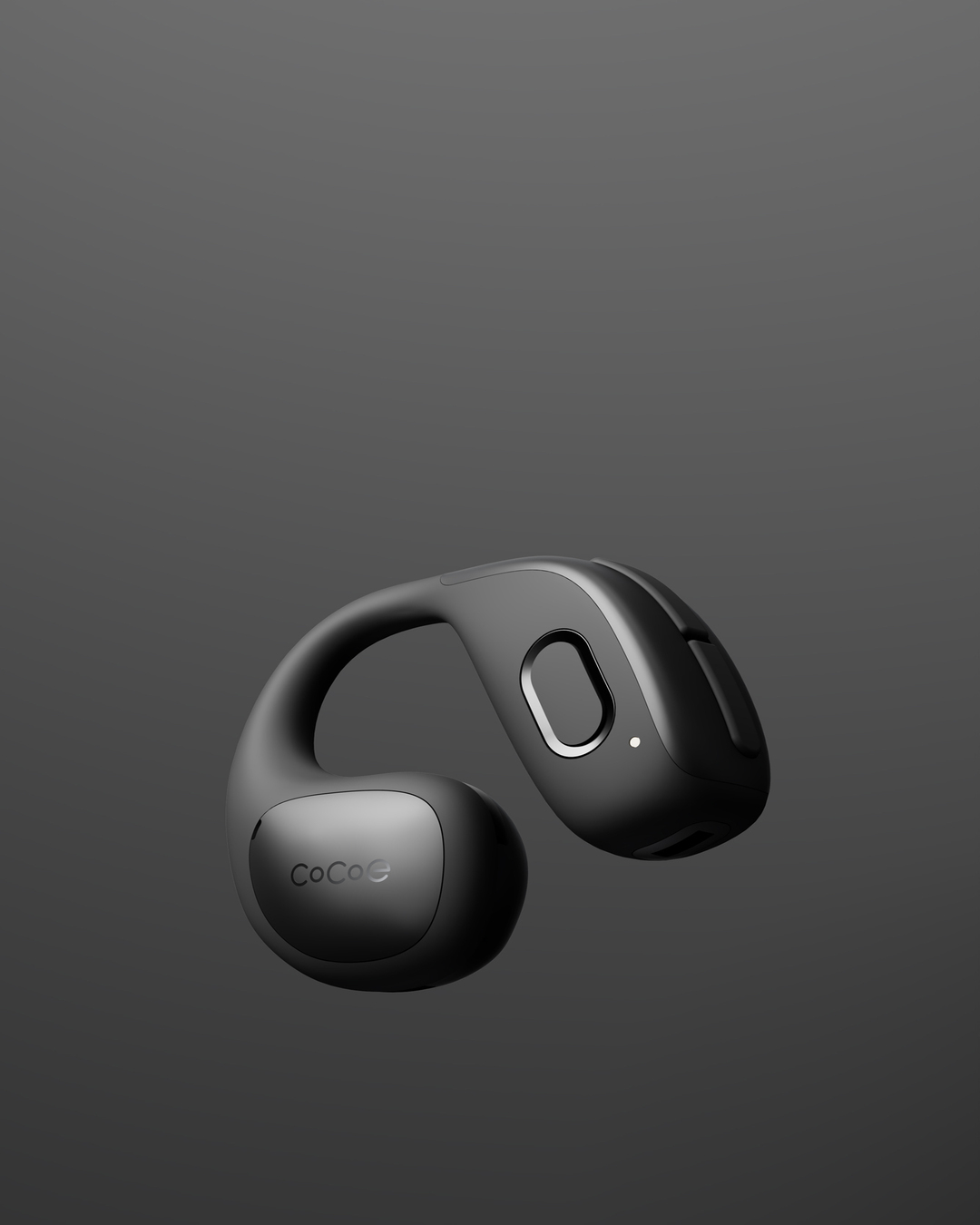
Developed by MEDUM using acoustic technologies from NTT Sonority, cocoe is a brand designed to improve the lives of people with hearing difficulties, reducing isolation and social fragility. Its first product, cocoe Ear, is an open-ear hearing device that amplifies softer frequencies for clear listening, without blocking the natural sounds of the environment. The lightweight, ergonomic design, combined with a simple interface, makes daily use easy and allows users to fully participate in conversations and shared activities.
KIKOALE – Megaphone-lantern as a safety tool
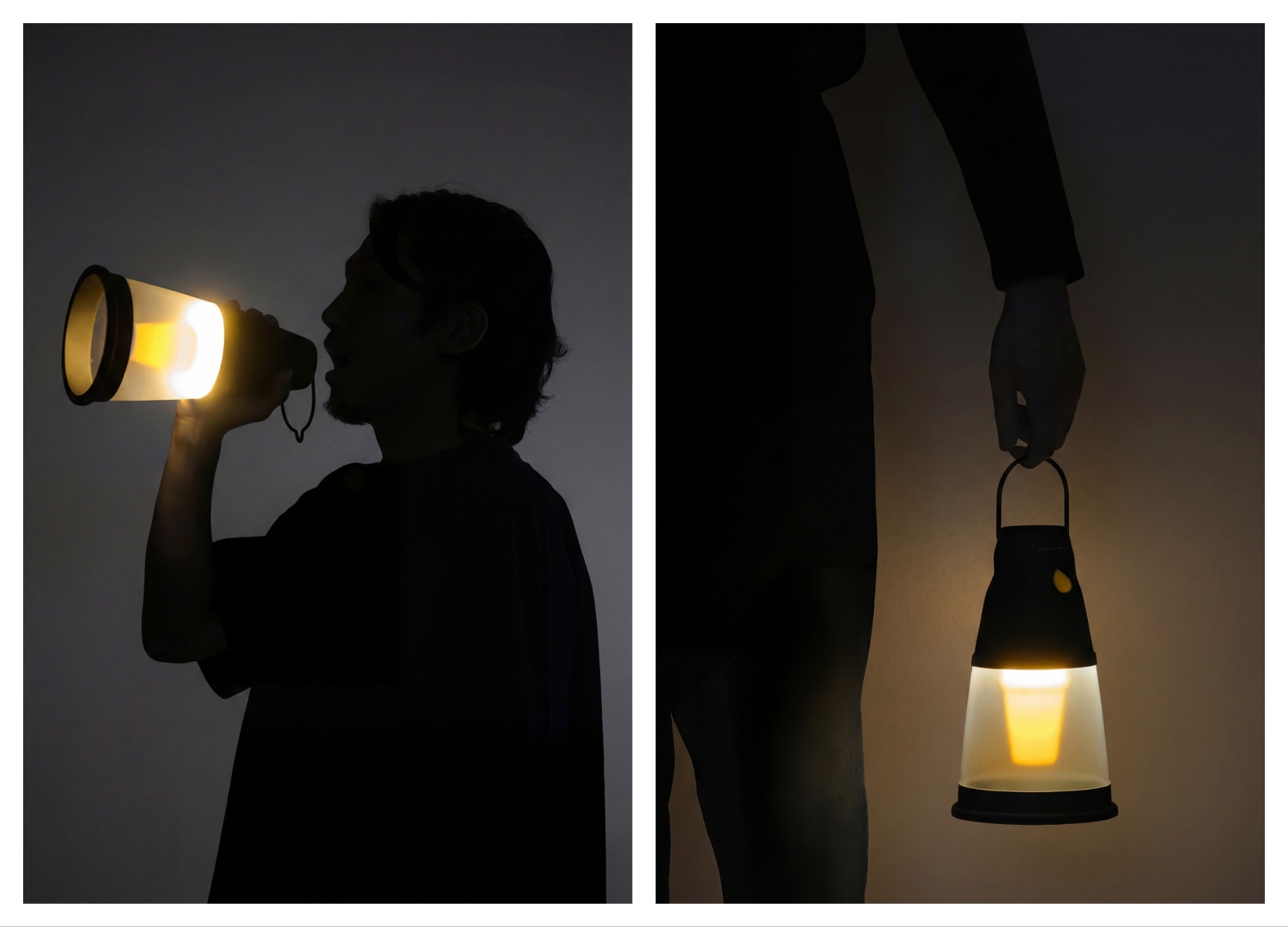
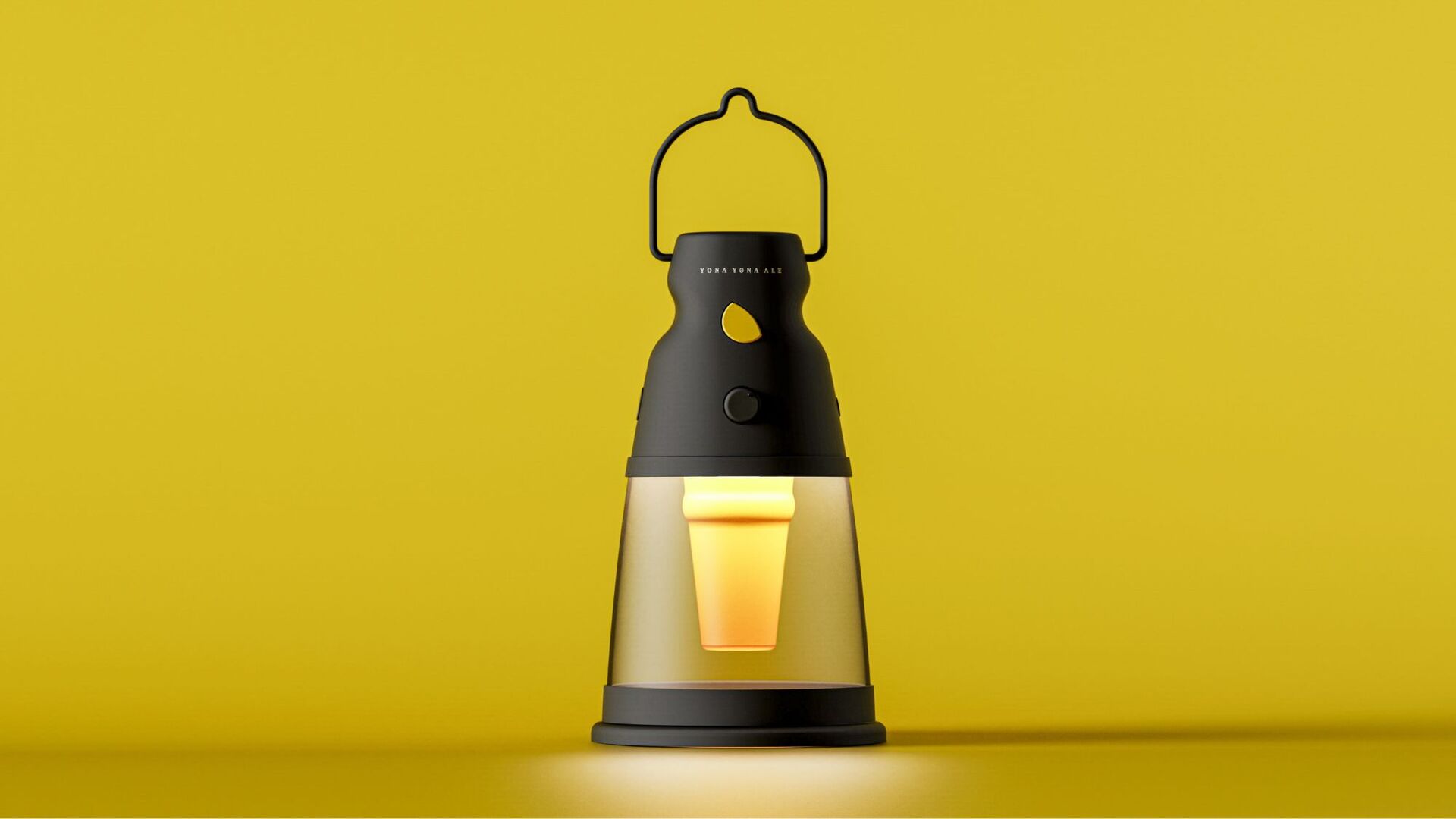
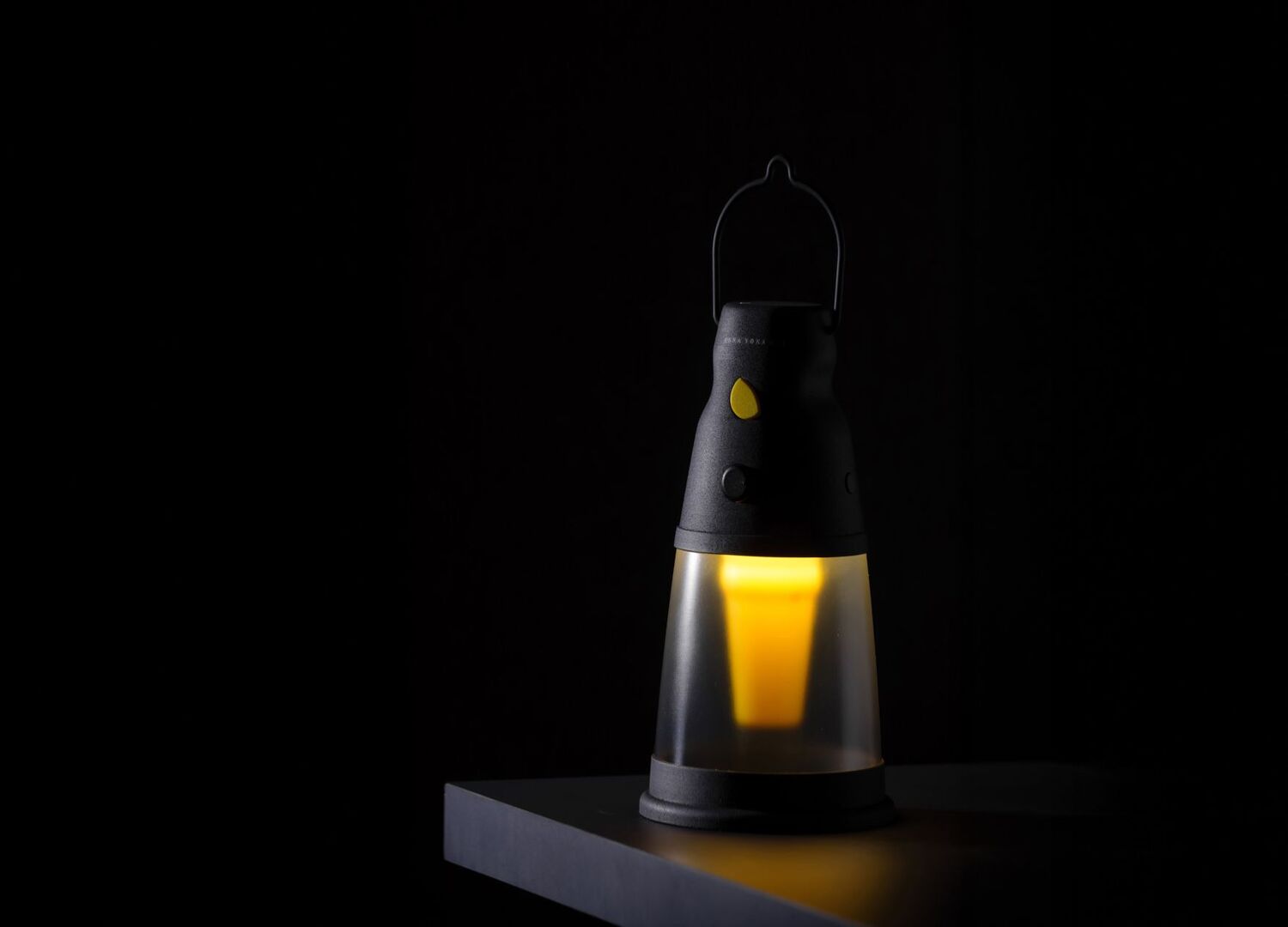
Discreet in form yet highly functional, KIKOALE is a megaphone-lantern designed to enhance safety in crowded spaces, developed as part of a disaster-prevention project by Yoho Brewing. In everyday use, it appears as a lantern-like object, seamlessly integrated into the interior, but in emergencies, it transforms into a megaphone ready to guide people. Its technology shifts the voice into higher frequencies between 3,500 Hz and 5,000 Hz, making communication audible even in noisy environments, while the built-in light marks evacuation routes in darkness. Combining design, innovation, and vision, KIKOALE embodies a tool that is ready for any situation.
Shellmet – The helmet turning scallop shells into sustainability
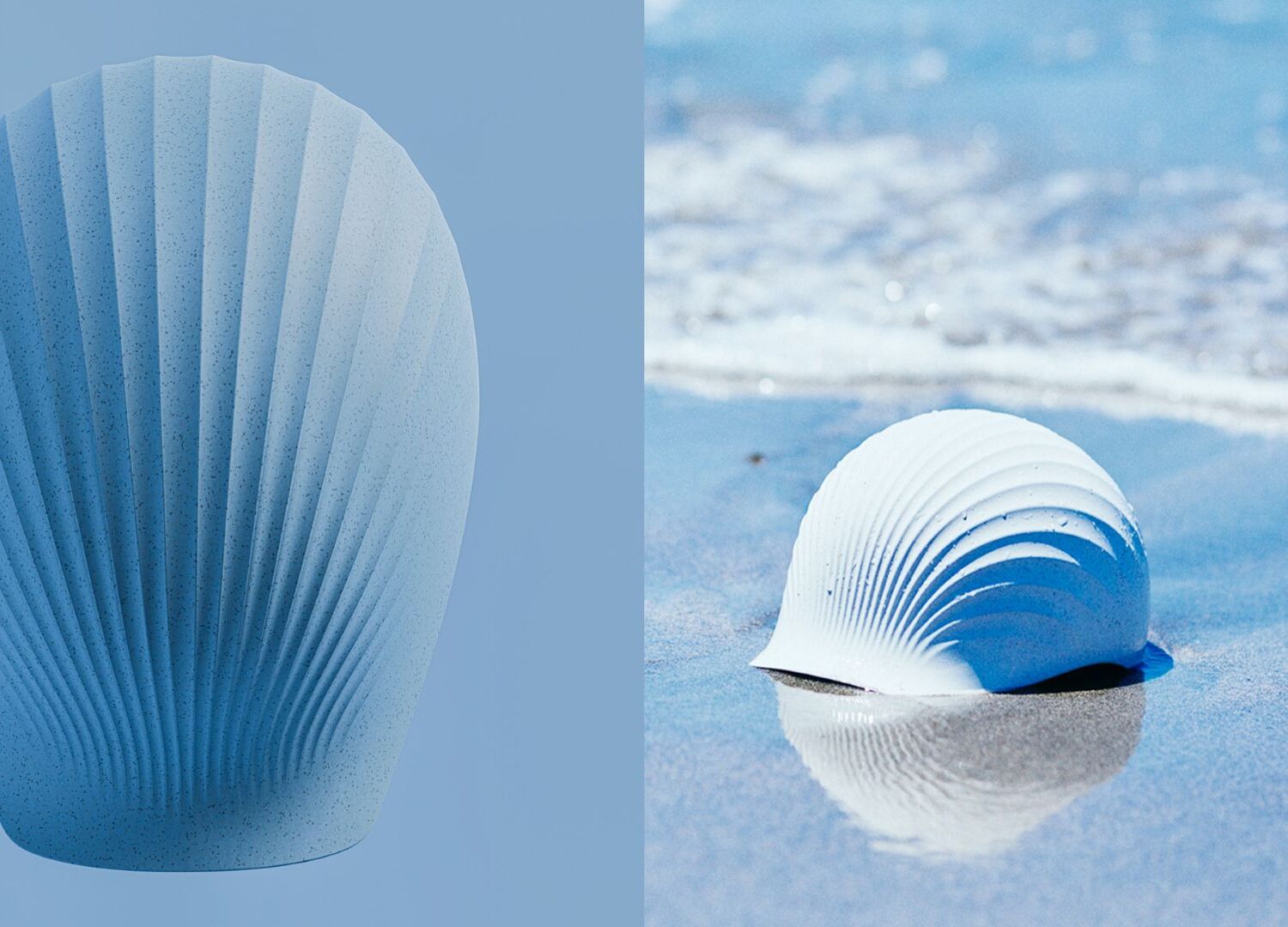
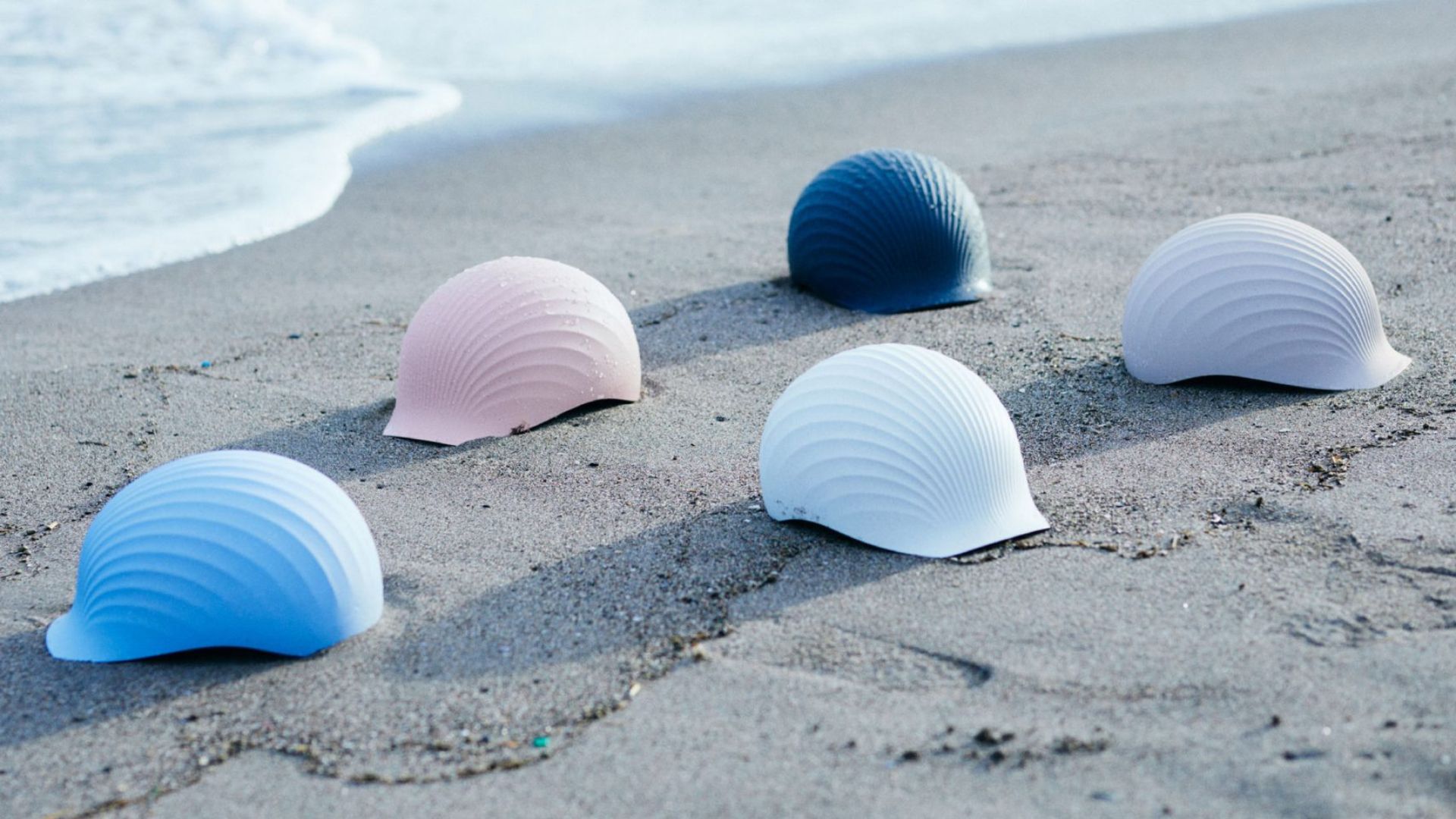
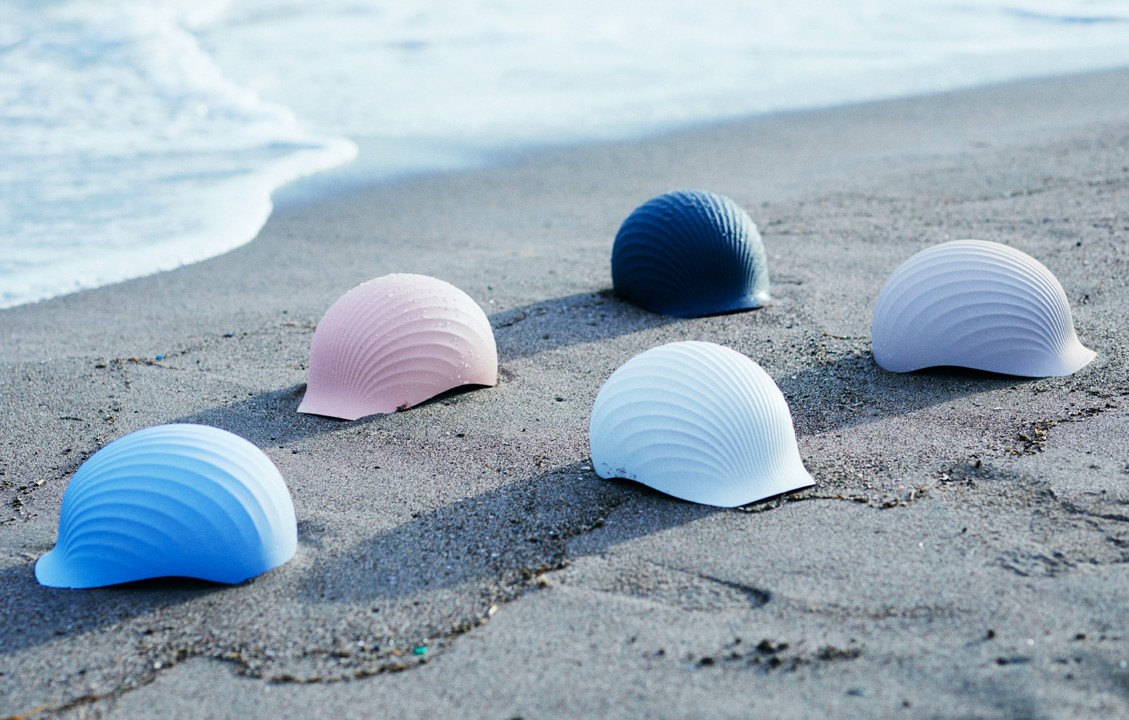
Innovative in concept and form, Shellmet is a helmet made from Shellstic, a recycled plastic derived from scallop shells, reducing CO₂ emissions by up to 36% compared to virgin materials. The project addresses an environmental challenge in the village of Sarufutsu, Hokkaido (Japan), where 40,000 tons of shells are discarded annually and, in this case, transformed into a valuable resource. Inspired by biomimicry – the imitation of natural mechanisms for technological applications – the helmet uses the ribbed structure of shells to ensure lightness and strength, combining sustainability, functionality, and a design language grounded in organic geometry.
Wheeliy – The wheelchair for moving freely
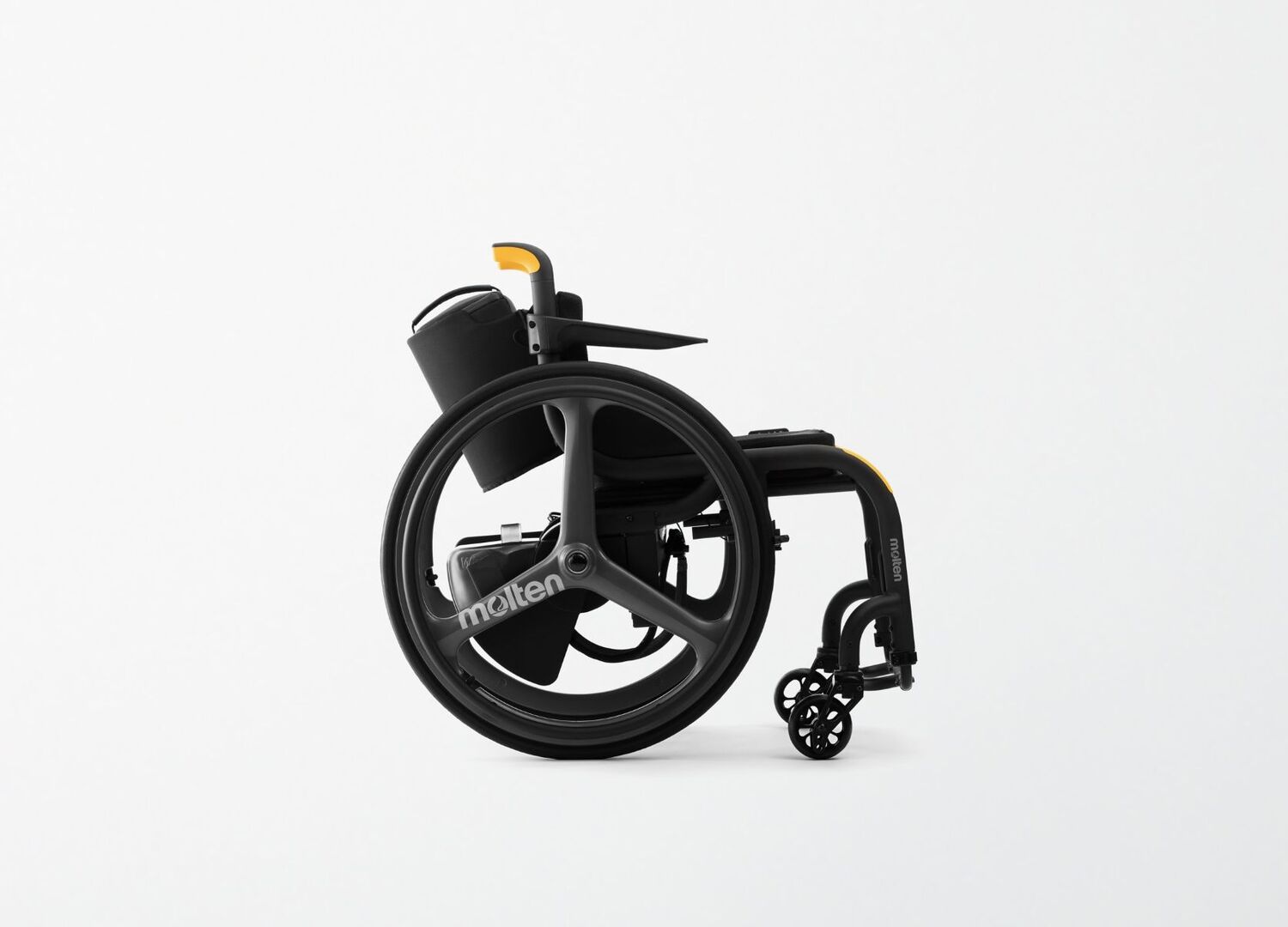
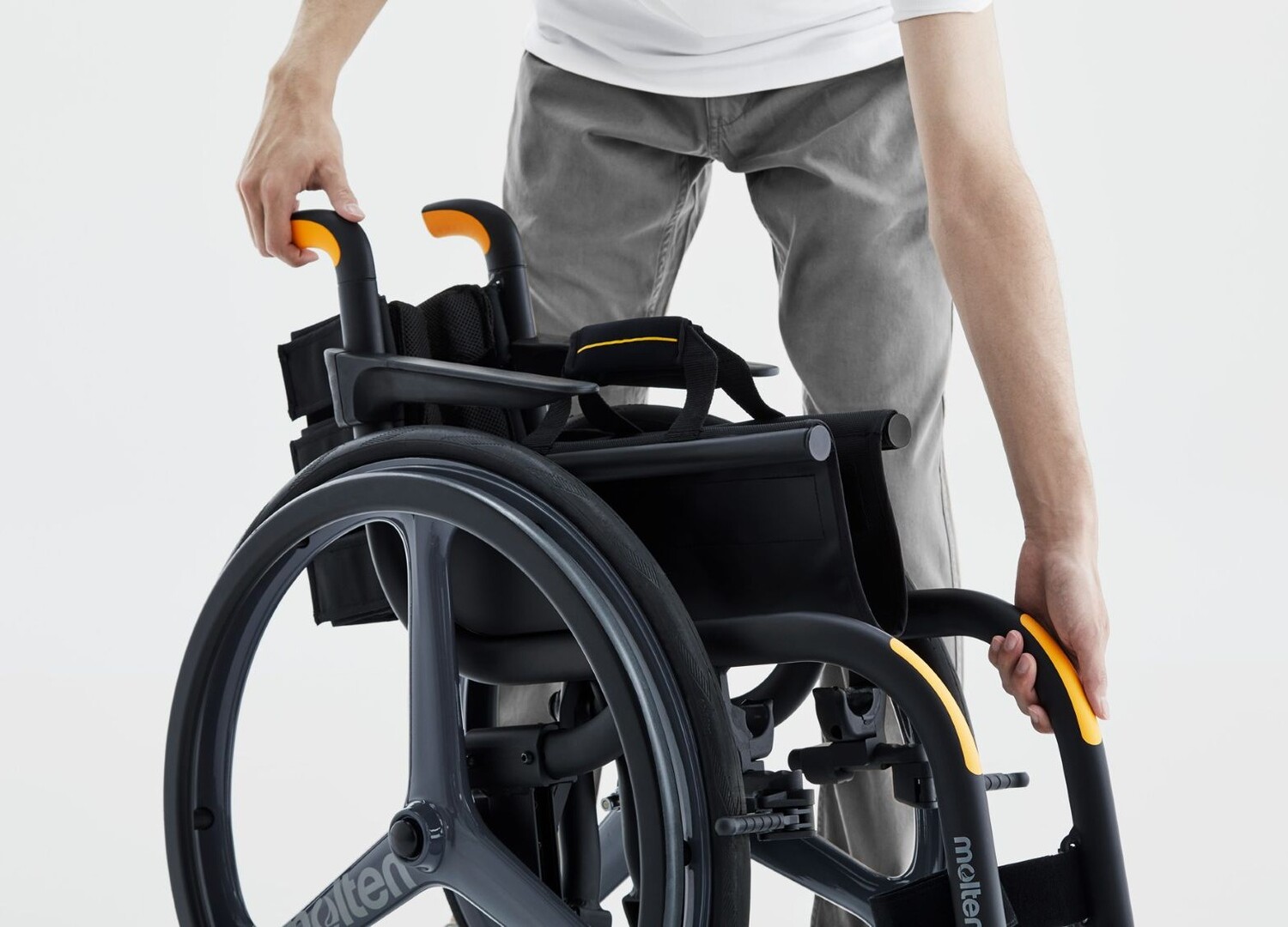
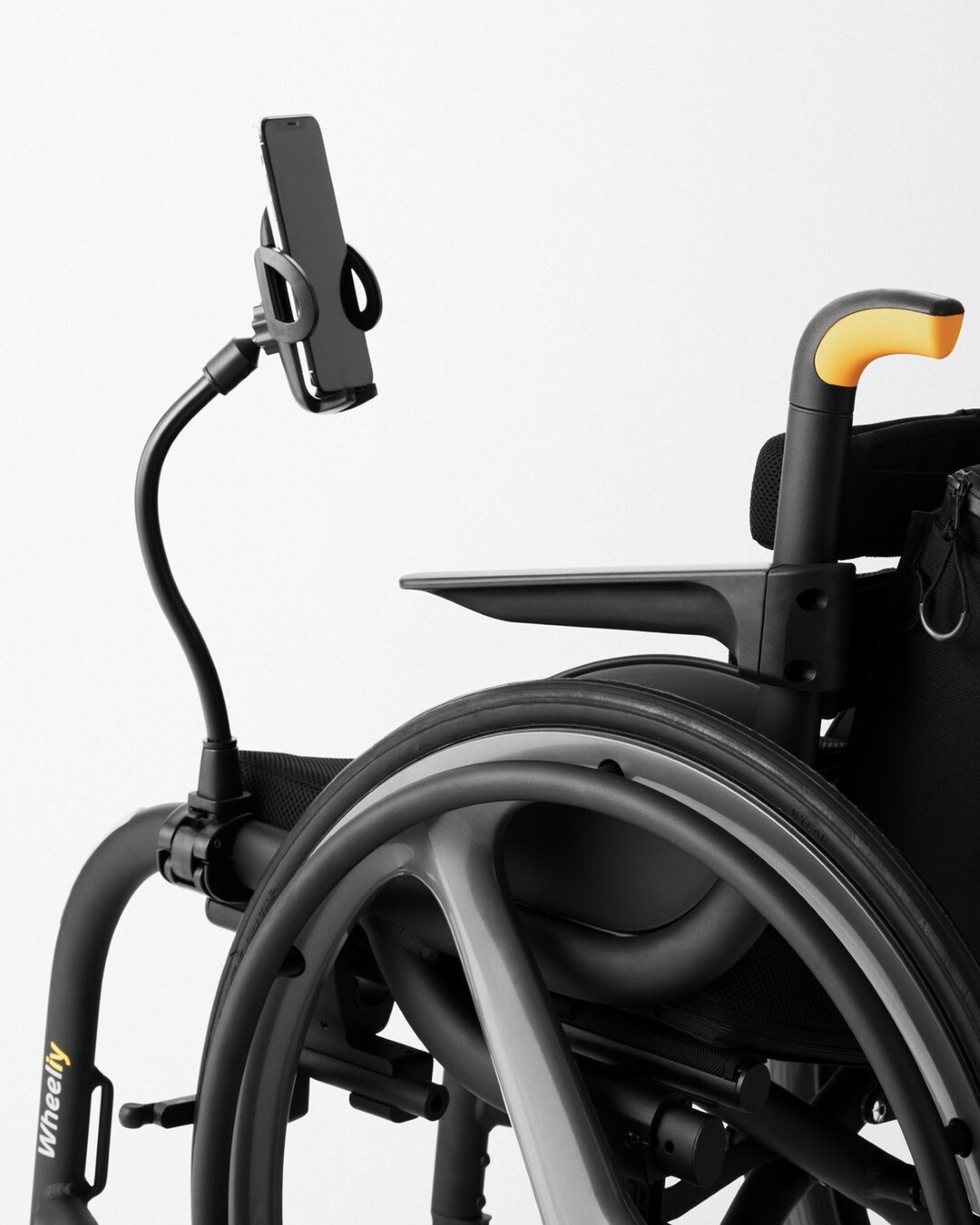
Designed to make daily mobility easier for people with disabilities, Wheeliy is a wheelchair developed by MEDUM in collaboration with Molten, a manufacturer of medical and assistive equipment. Intuitive color-coded guides simplify lifting and folding, making the chair easier to handle even for those unfamiliar with wheelchairs. It features Power Drive, which allows instant switching between assisted and manual modes, and Power Cushion, an adjustable air cushion that reduces the risk of pressure sores. Based on extensive user research, Wheeliy prioritizes autonomy, safety, and comfort, supporting independence and social participation for active users.
PARA Ping Pong Table – Telling the story of para-athletes’ game
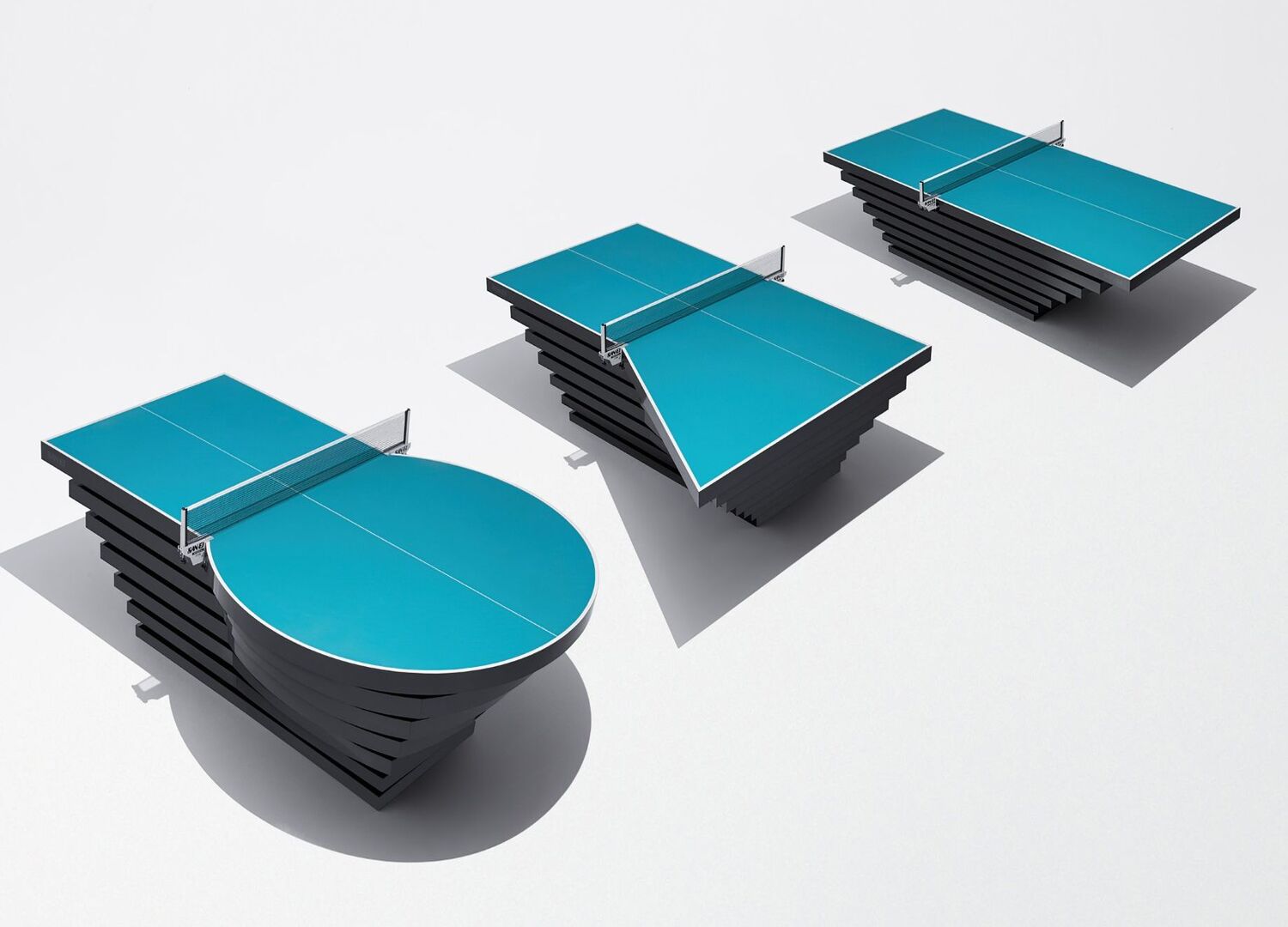
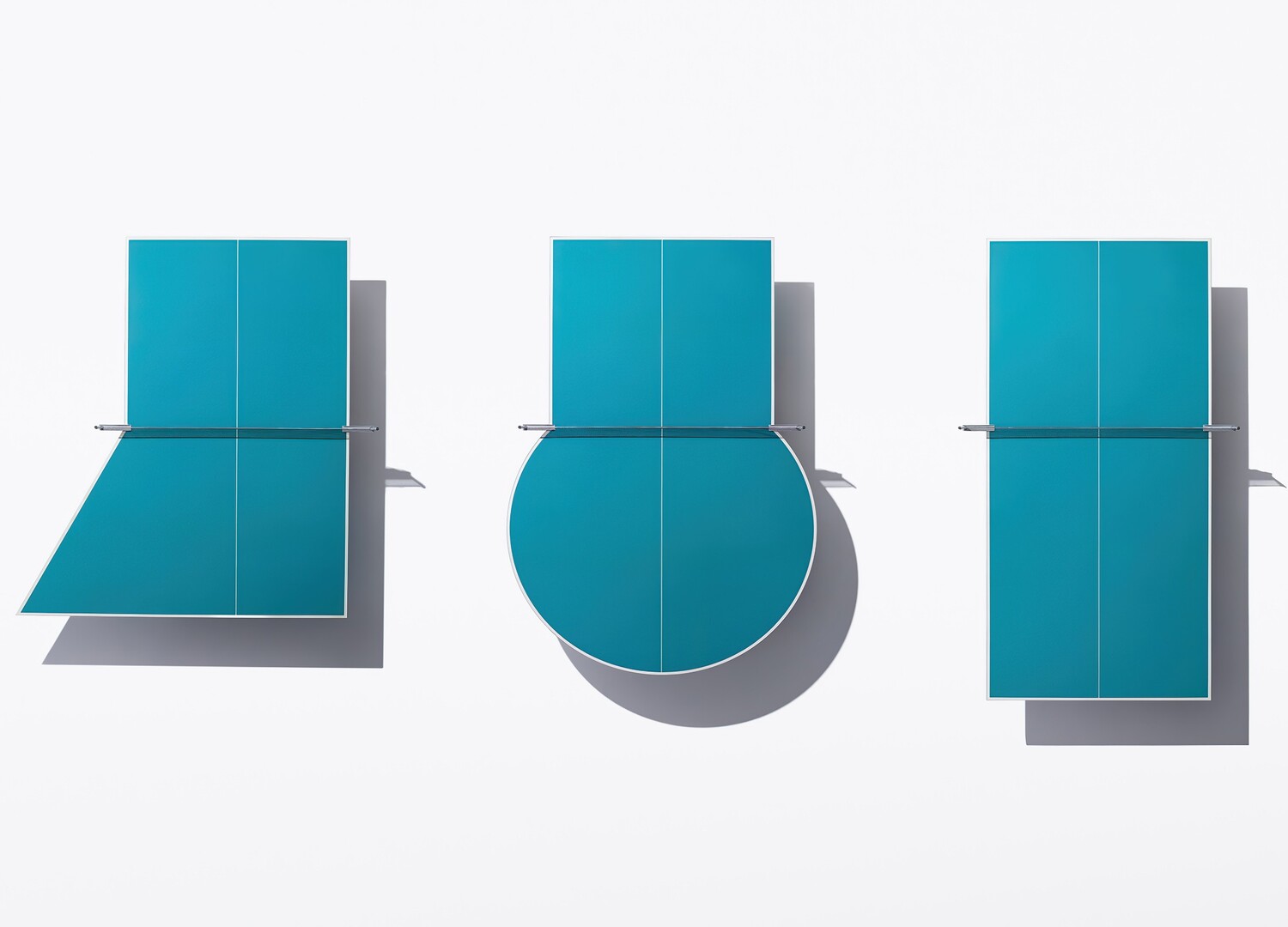
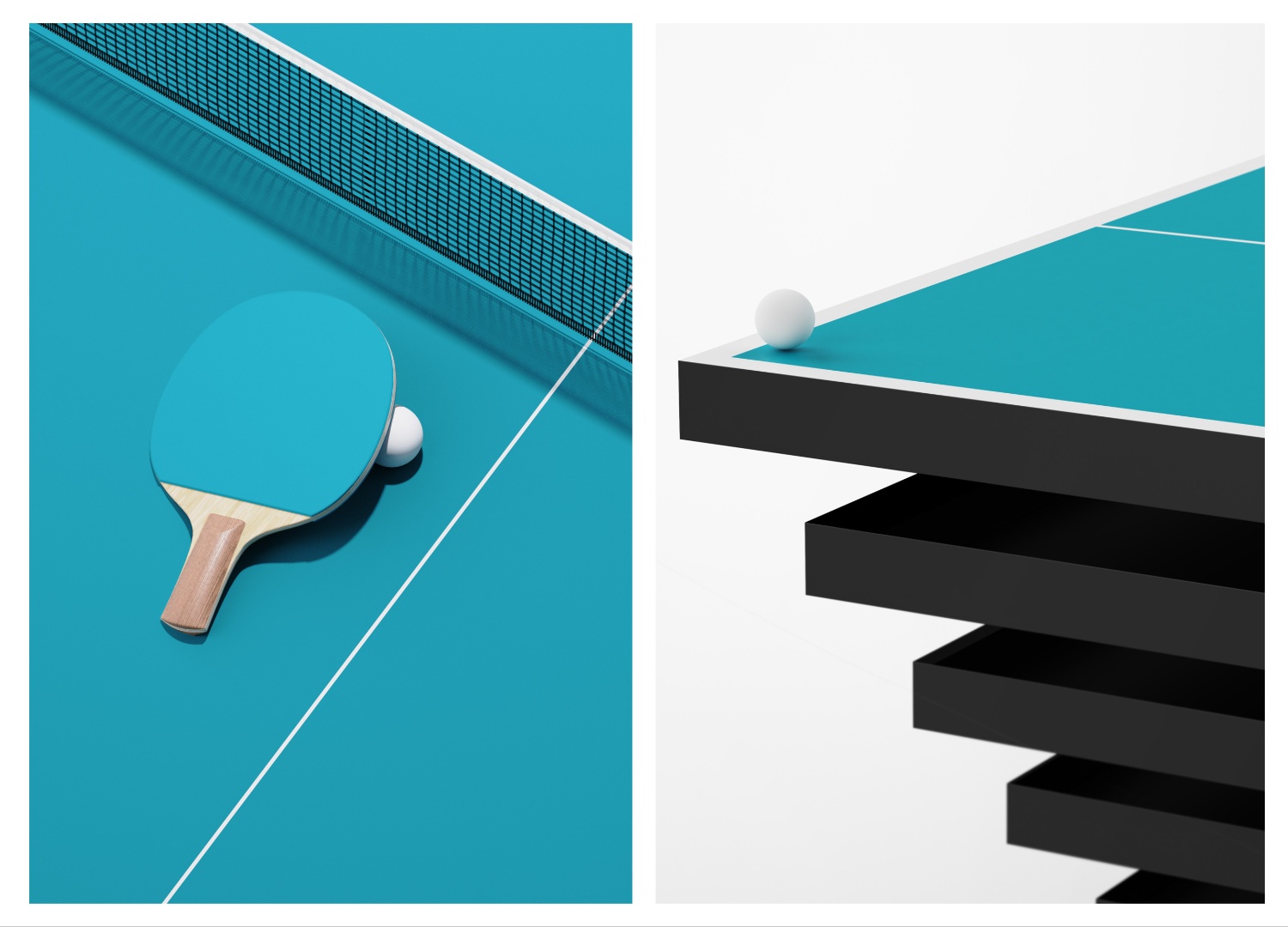
Developed with the Japan Para Table Tennis Association, PARA Ping Pong Table is a game table designed for athletes with disabilities. Each player experiences it differently: wheelchair users perceive it as longer, while those unable to put weight on their left foot see one side as farther away. Following an analysis conducted with the athletes themselves, MEDUM transformed these differences into a design that preserves the classic proportions while gradually altering the surface, making it immediately clear that “every player sees the table in their own way.” The result is a solution that allows spectators to understand the challenges faced by para-athletes, raising awareness through a project that combines innovation and inclusion—even in play!
ext. – Modular furniture for the evolving workplace
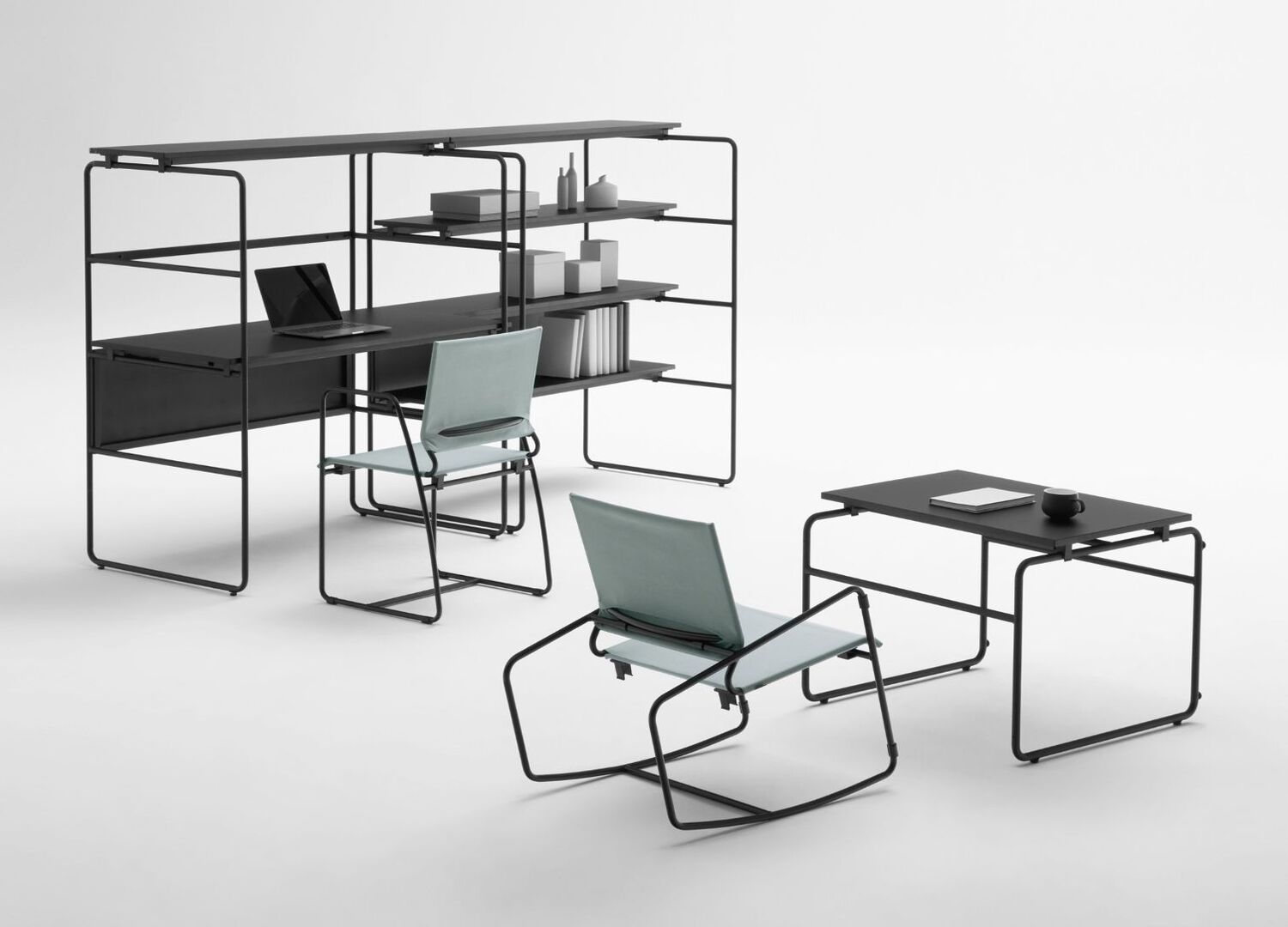
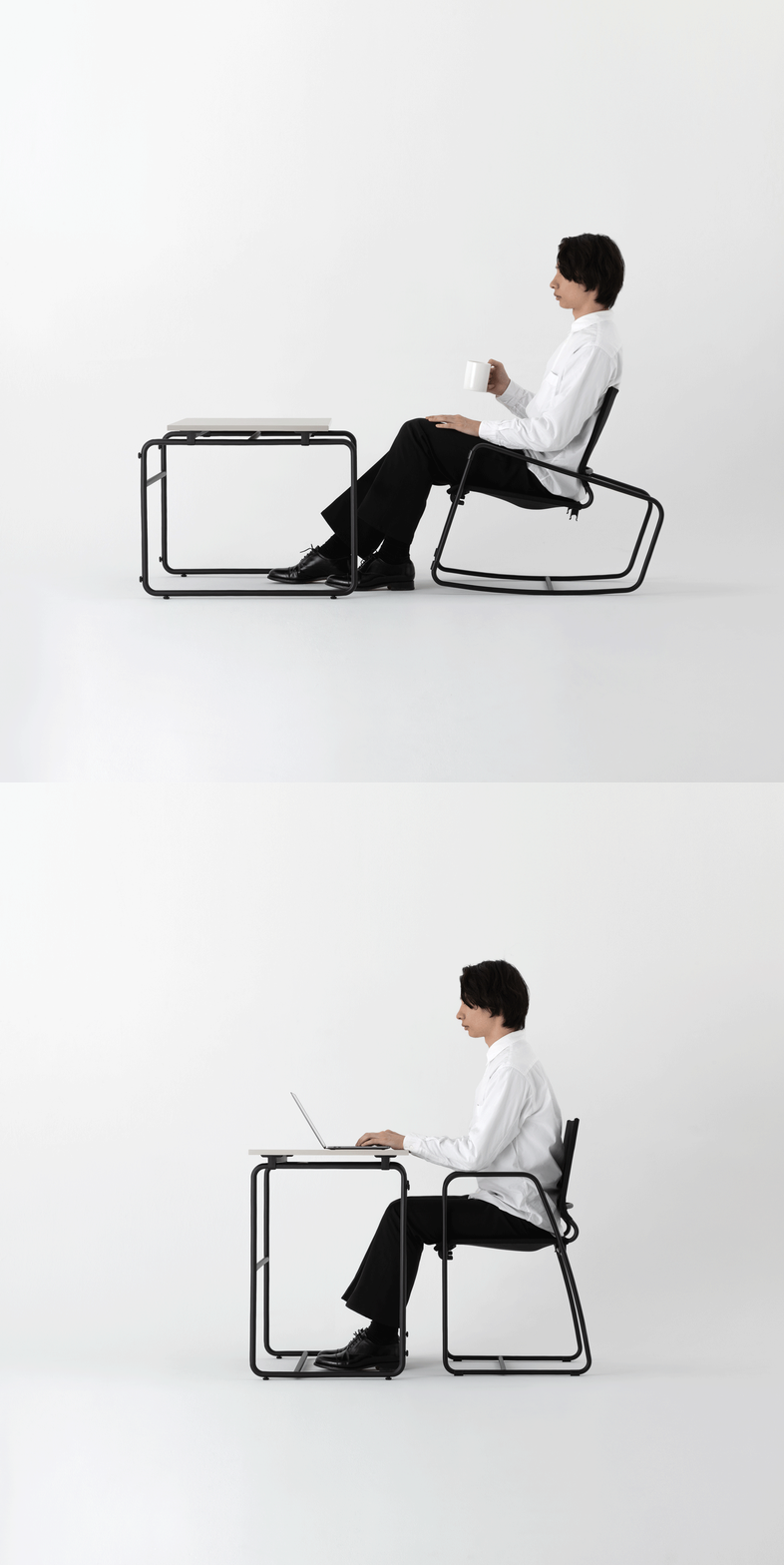
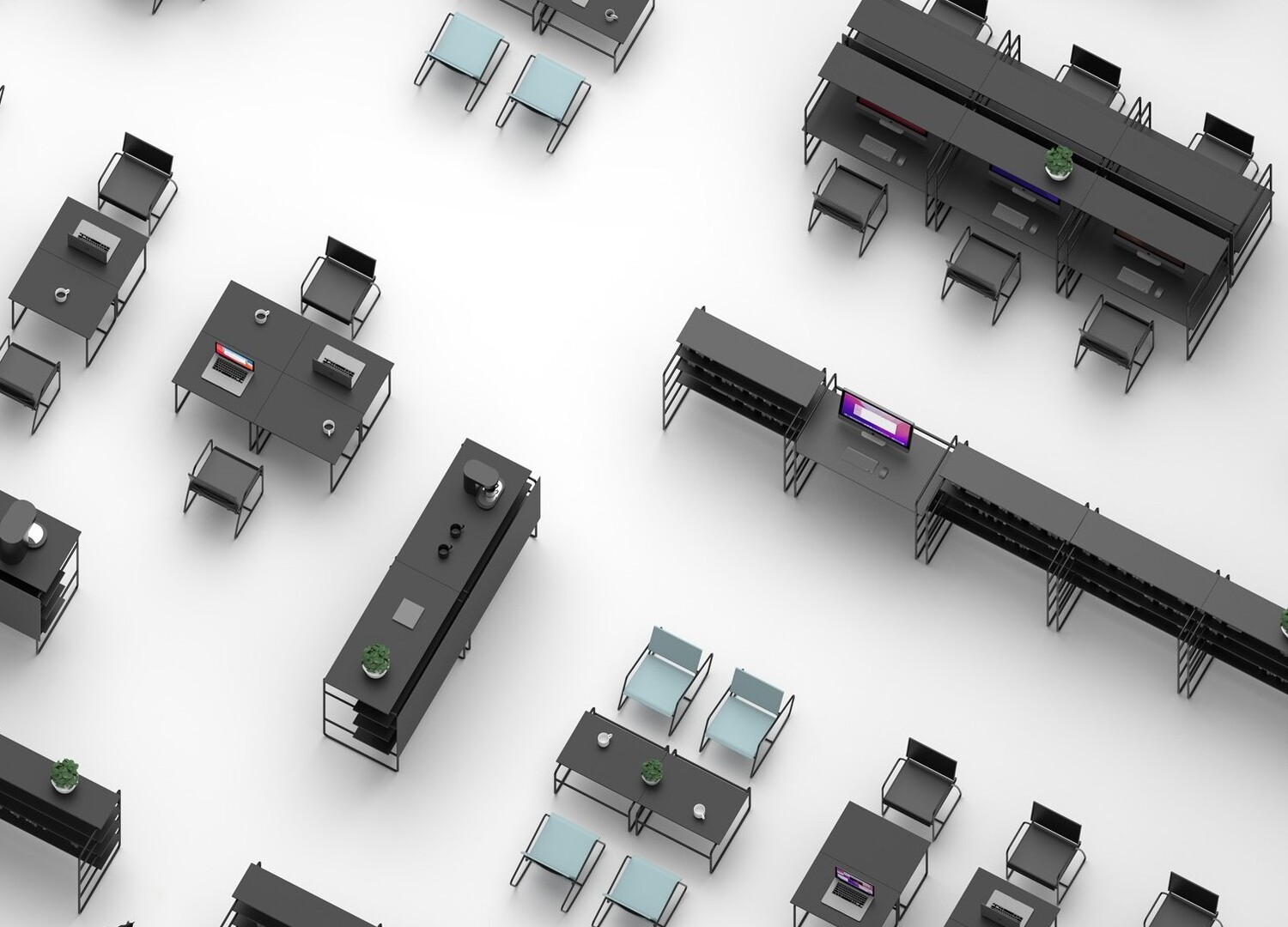
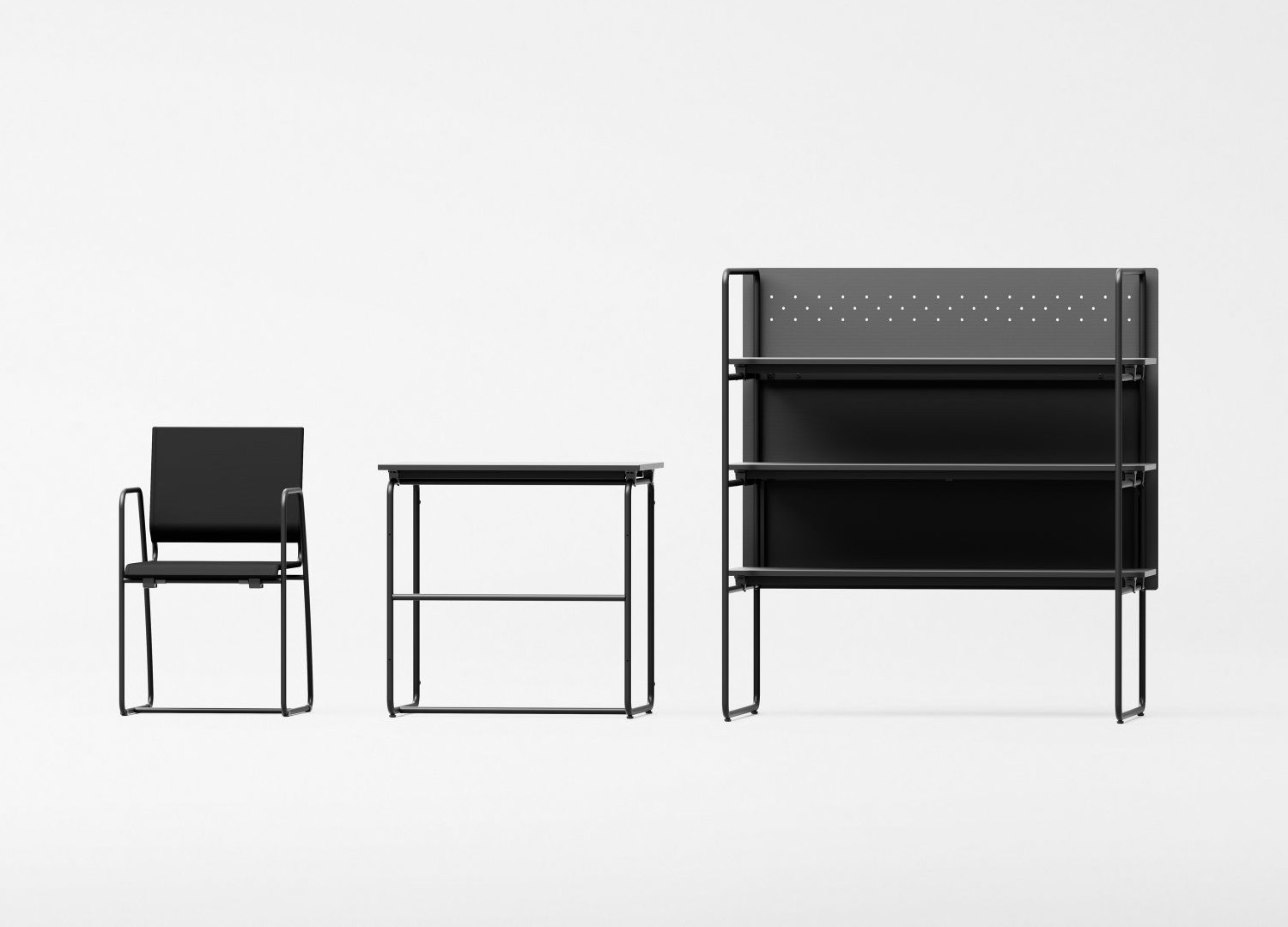
Designed to optimize the office experience, ext. is a series of creative furniture developed by the studio for Okamura, capable of adapting easily to different work styles. Comprising a desk, chair, and shelf, the system allows modular combinations that meet a variety of organizational needs, from individual tasks to group meetings. Thanks to custom-designed clip joints, each piece can be assembled or disassembled without tools, while height and configuration can be adjusted effortlessly. This flexibility makes it possible to reconfigure spaces without replacing furniture, connecting people and environments, and supporting the evolution of the office over time.
walkey – A new era for walking autonomy
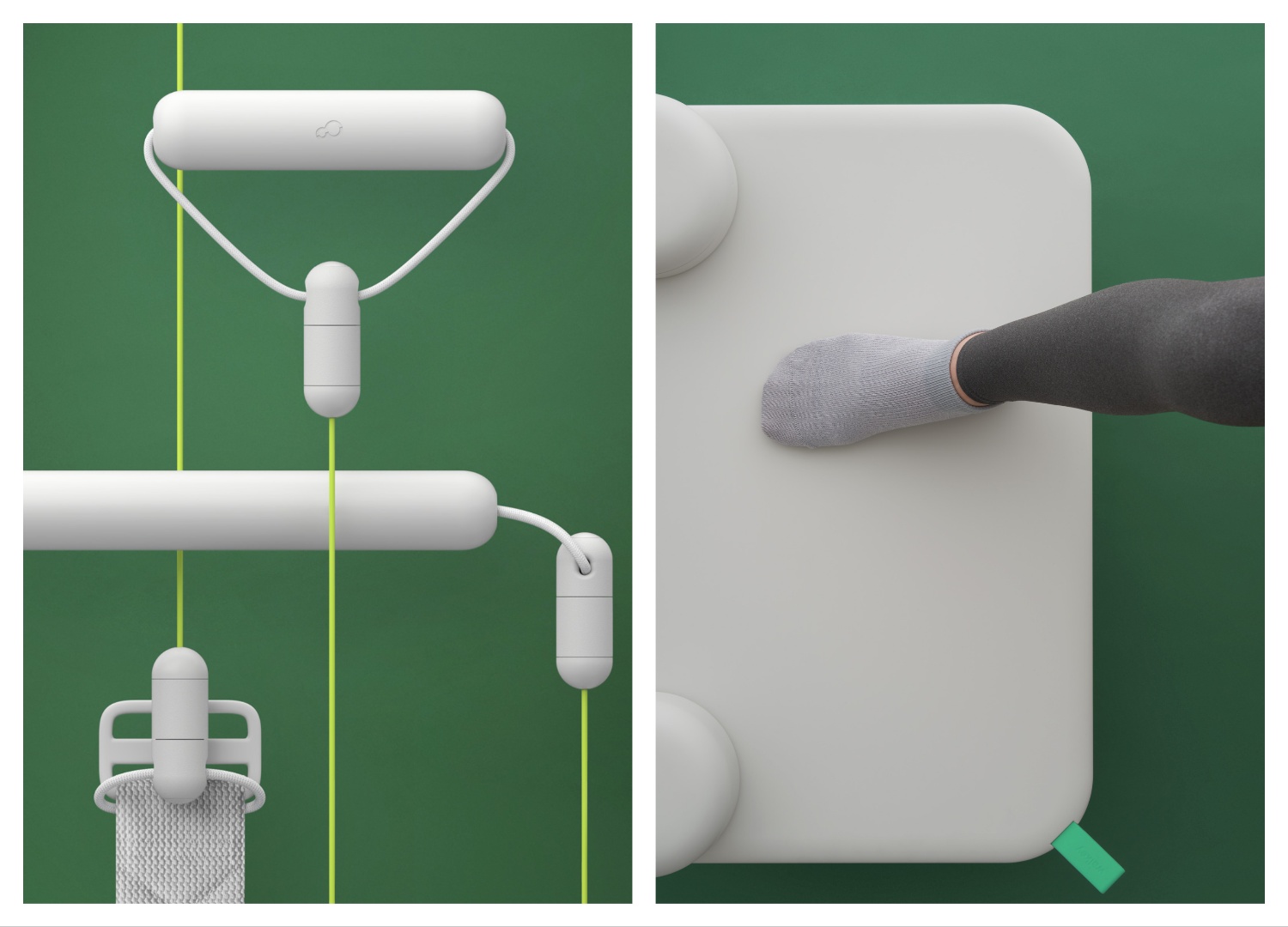
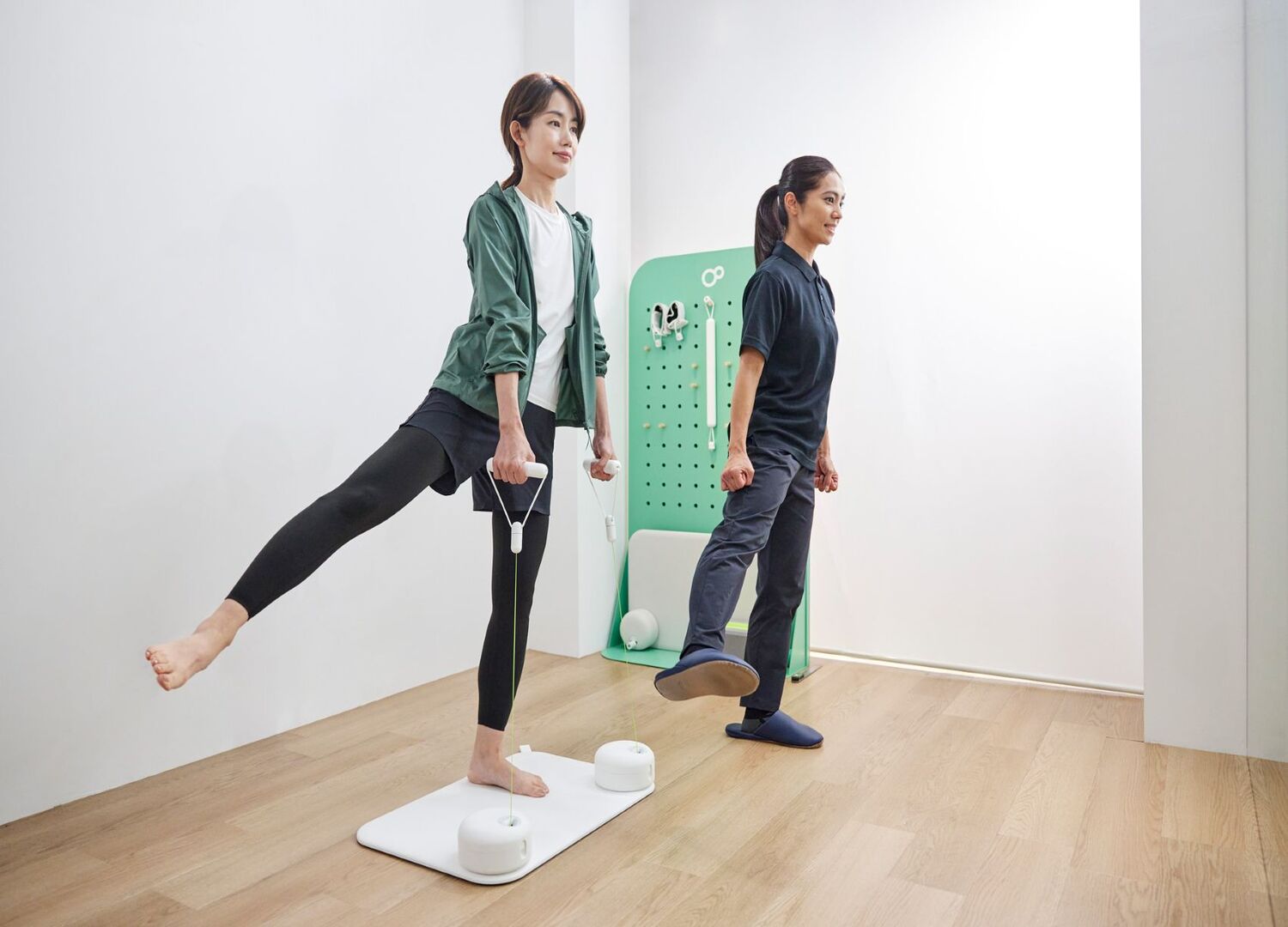
walkey is a walking training service developed in collaboration with Asahi Intecc, designed to promote long-term mobility and overall well-being. The personalized program – coordinated in all phases by the Japanese studio – analyzes around 70 areas of the body and offers over 120 exercises carefully selected by professional trainers. Regular cycles of home training combined with periodic check-ins ensure a progressive path suitable even for older adults or users with frailties. Ergonomic, safe, and intuitive devices – designed without sharp edges and made with comfortable materials – make the experience accessible, enjoyable, and inclusive, allowing users to train continuously and confidently.
MEDUM’s visionary approach will be on full display at Milan Design Week 2026, in the Tortona district at Back12, with ‘Light is Shadow’, an installation showcasing prototypes created through the innovative use of inorganic electroluminescent (EL) materials. The exhibition – and the studio itself – offers a unique opportunity to explore how design can anticipate the future, turn ideas into tangible experiences, and redefine the relationship between technology, aesthetics, and everyday life.