


This episode of Behind, DesignWanted’s video series exploring the minds and methods behind contemporary design, takes us to the Milan studio of Raffaella Mangiarotti. Trained as an architect and active across product, furniture, and industrial design, Mangiarotti has built a career around a simple yet enduring question: how can objects create a better relationship with the people who use them?
After graduating from Politecnico di Milano, Mangiarotti began her professional journey in architecture before gradually moving toward industrial design. Together with Matteo Bazzica Lupo, she founded Deep Design, a studio whose name reflects an ambition to look beyond appearances and investigate the deeper meaning of technical objects. Rather than treating products as purely functional or technological devices, the studio sought to understand how they fit into everyday life and how they could become more approachable, intuitive, and meaningful.
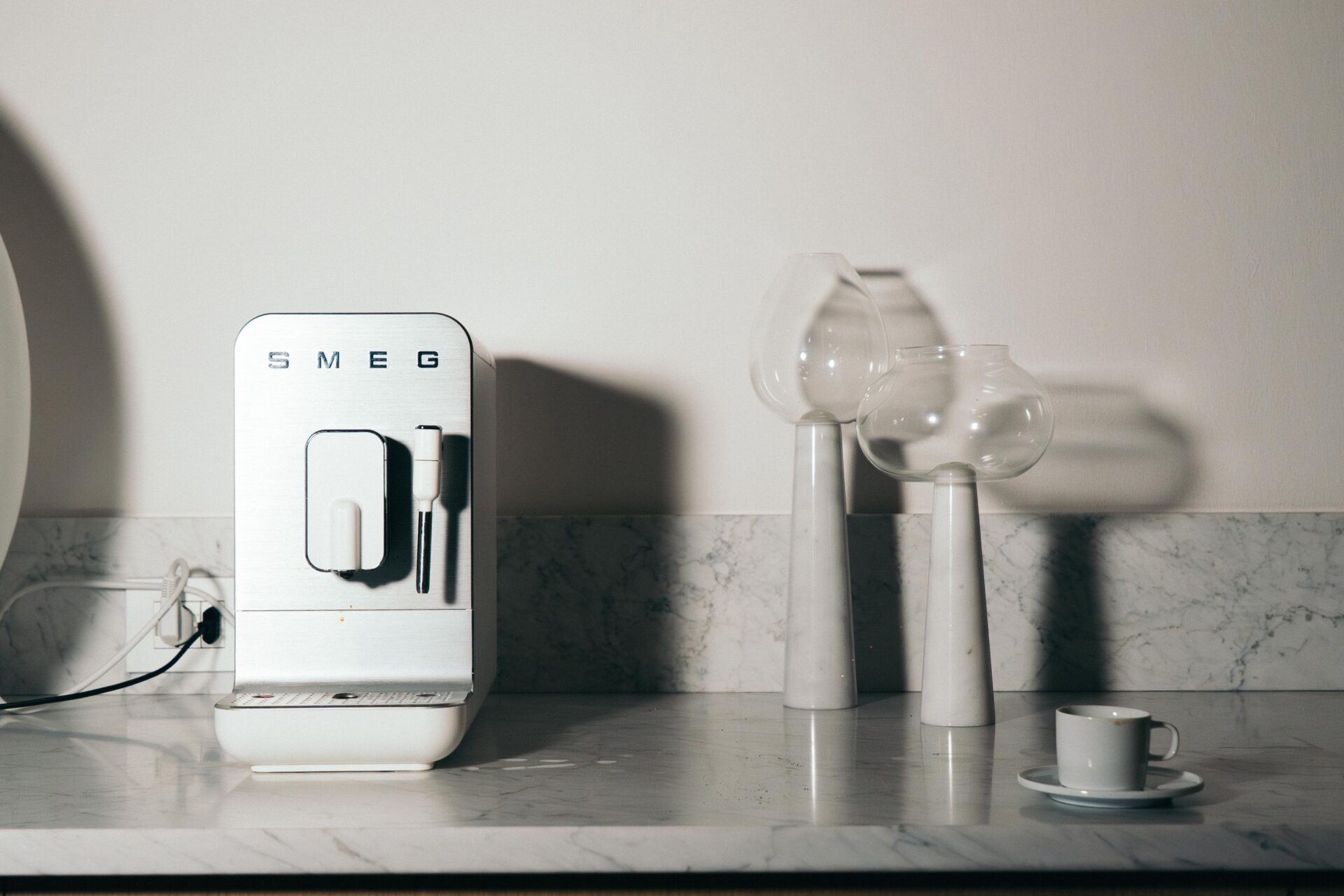
This perspective emerged at a time when few women were working in sectors such as home appliances and consumer electronics. Mangiarotti recognized an opportunity to contribute a different sensibility to the field, one rooted in empathy and attention to people’s needs. She often describes her work through the concept of care, a value that has remained central throughout her career. Originally interested in becoming a doctor, she eventually found another way to express the same impulse: designing objects capable of improving people’s daily experiences.
Care, however, is not understood as an abstract principle. For Mangiarotti, it takes shape through countless decisions that influence how a product is perceived, used, and integrated into everyday routines. Innovation is not primarily about technological advancement or anticipating future trends. Instead, it is measured by an object’s ability to simplify life, reduce friction, and create moments of comfort and pleasure.
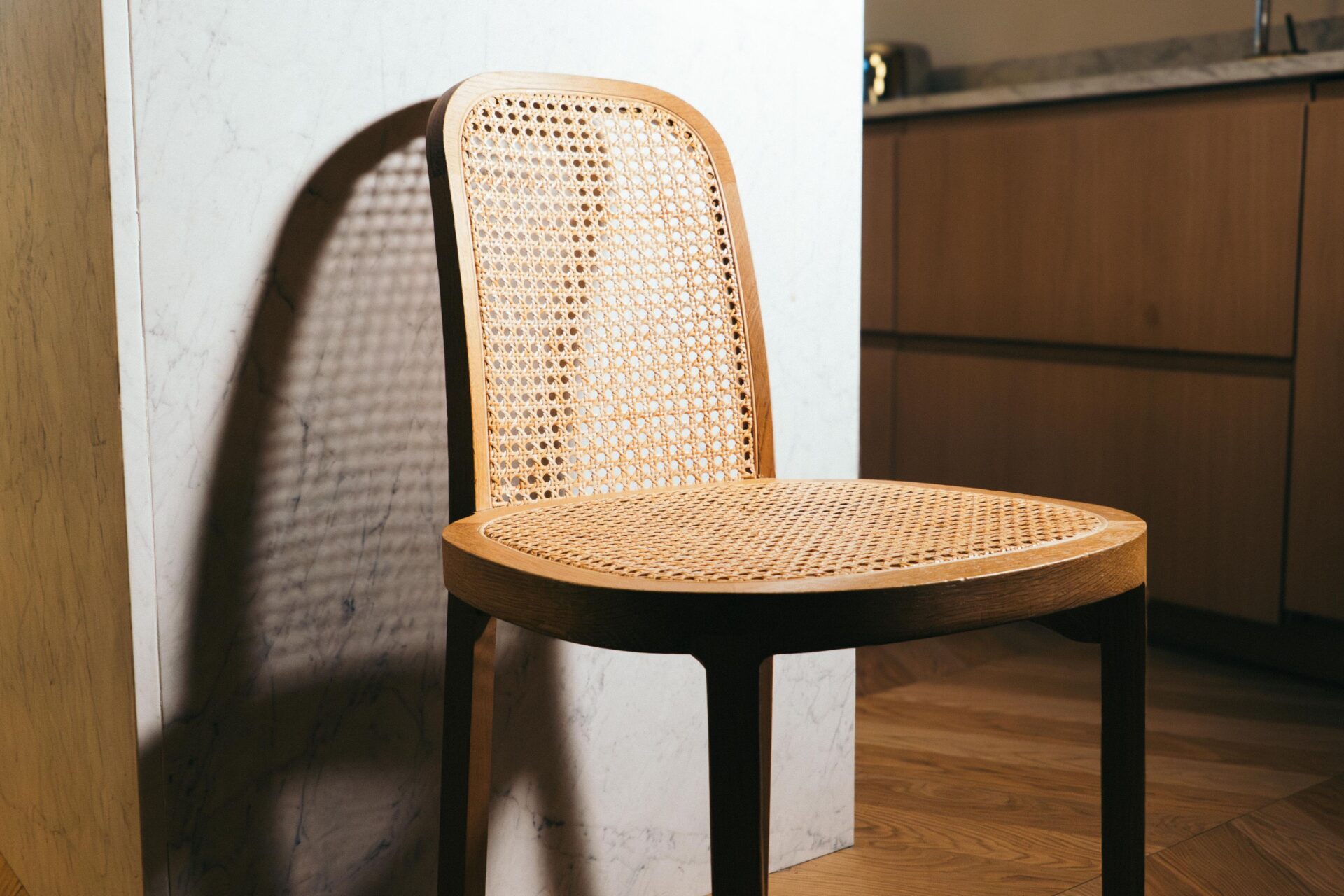
This human-centred approach continues to guide her work across different disciplines. While industrial products often require working within technological constraints and established engineering platforms, furniture design offers a contrasting rhythm and methodology. Over the past fifteen years, Mangiarotti has increasingly explored furniture design, attracted by the direct relationship it creates with materials, craftsmanship, and making.
In furniture projects, the process becomes more tactile and immediate. Prototypes can be touched, modified, and experienced firsthand. Dialogue with artisans allows ideas to evolve through physical experimentation and for the Italian designer, this dimension feels closer to sculpture and artistic practice, where material presence becomes an essential part of the design conversation.
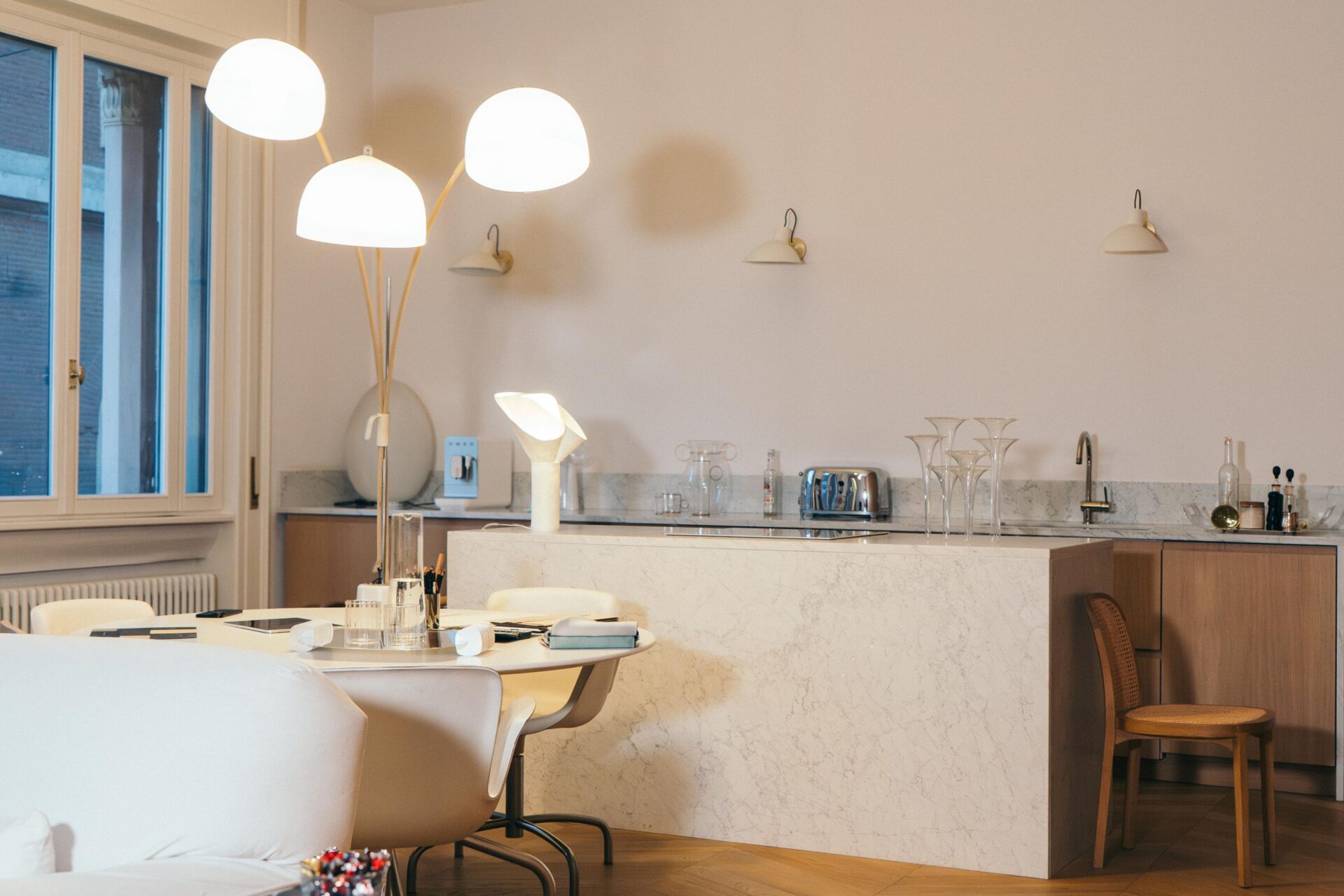
Yet regardless of scale or category, her creative process rarely begins with a predetermined formal language. Inspiration can emerge from unexpected sources: an advertisement glimpsed in a magazine, a detail in a piece of jewellery, an old construction joint, or the qualities of a particular material. What matters is not the source itself but the possibility it reveals.
Nature also plays a recurring role in Mangiarotti’s thinking. She is fascinated by its essentiality and by the hidden systems that govern natural forms. Leaves, trees, and organic structures appear spontaneous, yet they are shaped by precise geometric and functional principles. For designers, she suggests, there is much to learn from this balance between complexity and simplicity.
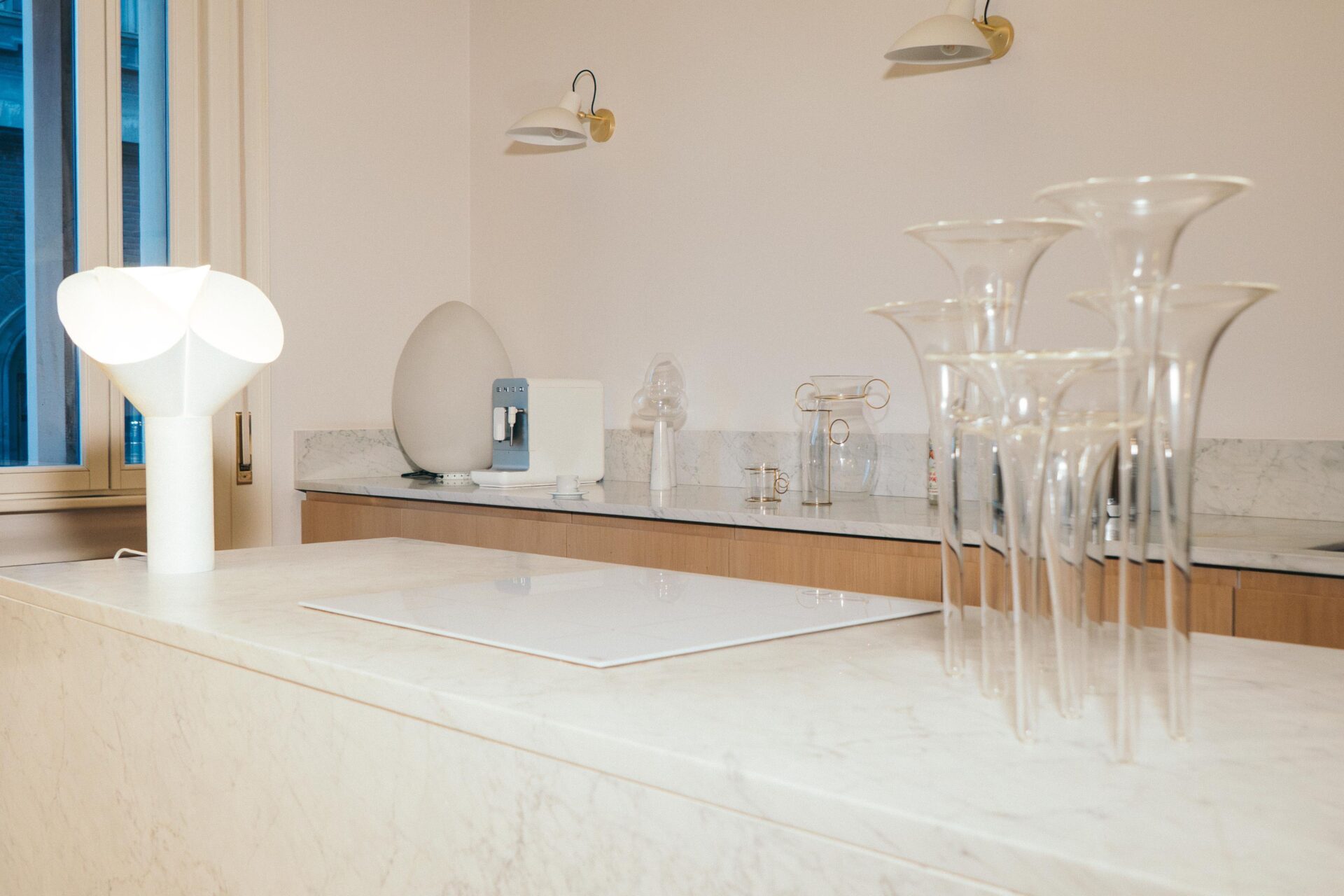
The concept of essentiality remains a constant thread throughout her work; she seeks to identify what is truly necessary. This search for clarity aligns with her broader understanding of design as a tool for improving everyday life. Objects should not overwhelm users with technology or formal excess; they should support people quietly, naturally, and effectively.
Mangiarotti sees design as a responsibility as much as a profession. Designers have the opportunity to contribute to a world that is more functional but also kinder, more welcoming, and more beautiful. In her view, even small improvements can have meaningful effects when multiplied across daily experiences.
This belief explains why emotional qualities remain central to her practice. While some designers focus primarily on formal innovation or visual experimentation, Mangiarotti is interested in the emotions objects can communicate. Not emotion as spectacle, but as a sense of warmth, kindness, and connection. For her, design succeeds when form goes beyond appearance and becomes a vehicle for something more human.
In a field often driven by technology and novelty, Raffaella Mangiarotti’s work offers a reminder that innovation can begin with a different question: not what objects can do, but how they can make people feel.
The original BEHIND series comes to life thanks to the invaluable support of our trusted partners: