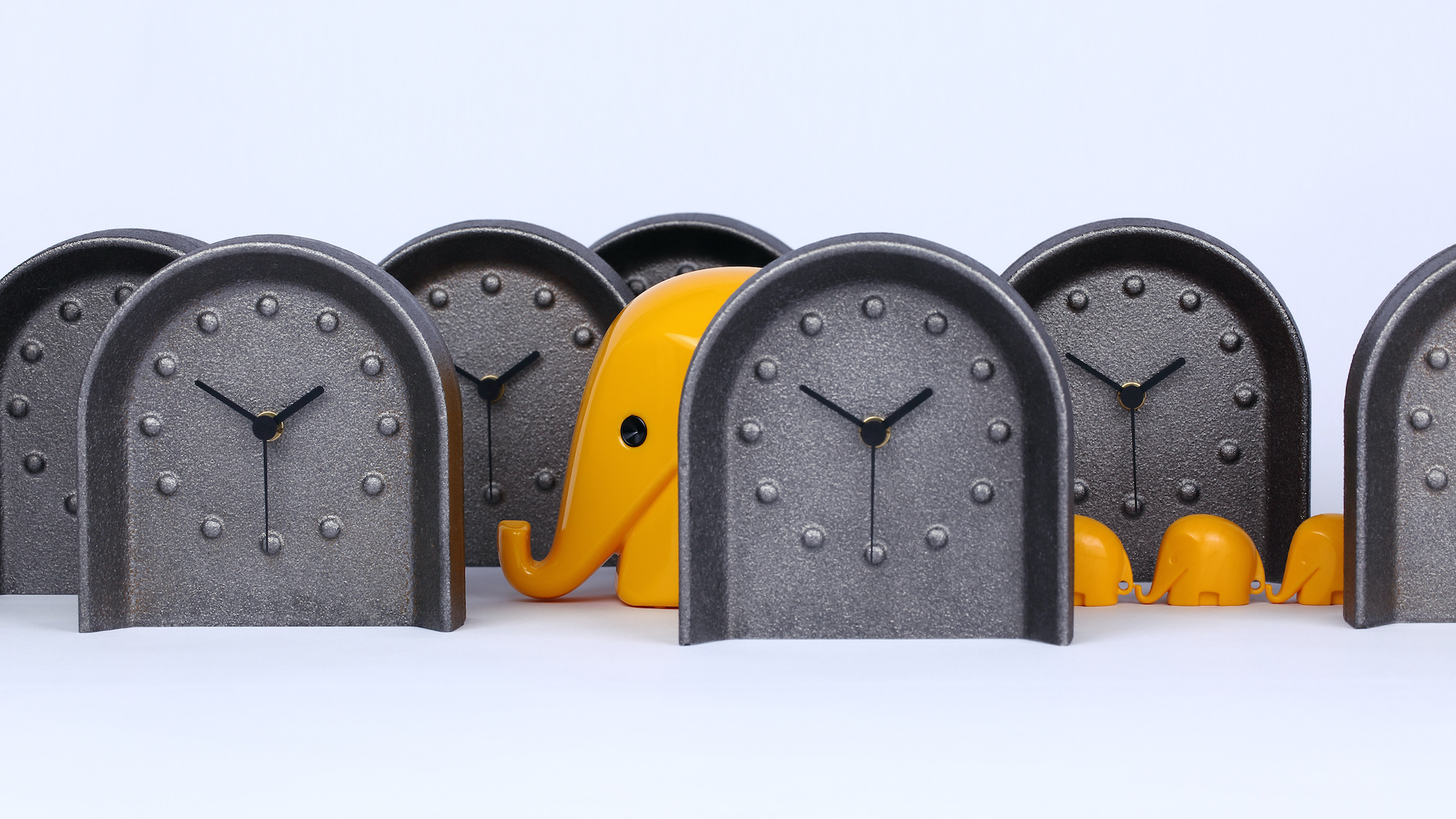
Design ‘In’ Conflict, an exhibition on how to live in instability
Part of We Design Beirut 2025, the research project aimed to empower students and offer everyone a platform to critically engage with urgent issues through architecture, design, and art.
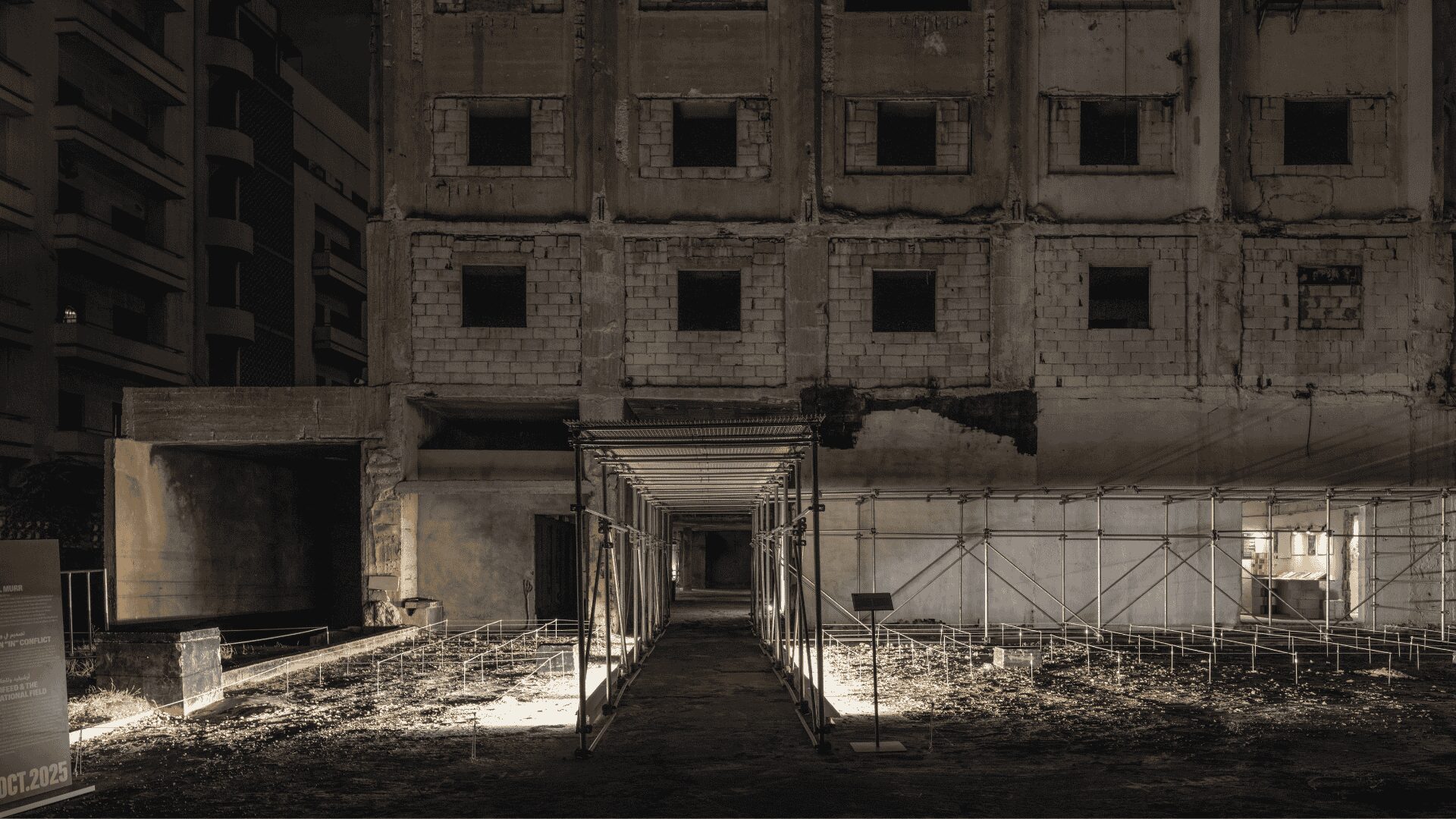
Marked by various conflicts, Design ‘In’ Conflict turned the Lebanese capital into the ideal stage to understand how war goes beyond destruction and becomes an urban and social condition that shapes space and reality. This is not a post-conflict analysis, but a collective research project aiming to investigate how the world of design can engage with a perpetual condition of instability.
Curated by Archifeed founders Teymour Khoury and Yasmina Mahmoud with Tarek Mahmoud and Youssef Bassil, the exhibition was divided into four acts: the Design and Architecture Student Showcase, the Amphitheater space, the Alumni Showcase, and the Vertical Survey installation.
The curators explain: “This exhibition has been a year in the making. It was born as a reaction to the intensification of Lebanon’s long running conflict with Israel in the fall of 2024. These violent episodes have been occurring at a high rate over the past 50 years, not sparing a single generation of Lebanese citizens. Conflict here is therefore a mode of existence, a lens through which the built environment, material landscapes, and lived realities are continuously reconfigured.
Gallery
Open full width





Open full width
The disciplines of architecture and design must engage with that reality by operating within the instability that emerges from it. In such extremes, the primary shaping force is the context being designed for. Interventions must therefore be based on an objective understanding of the circumstances a conflict imposes, through its impact on the built environment and the people that inhabit it, with the aim of improving living conditions within that instability.”
In the first part, students from nine schools across Lebanon (AUB, LAU, LU, ALBA, USEK, USJ, AUST, NDU, and Phoenicia) developed a series of projects that attempt to respond to the climate of political uncertainty and social precariousness. Real solutions and tools that helped visitors understand the daily living conditions in Lebanon.

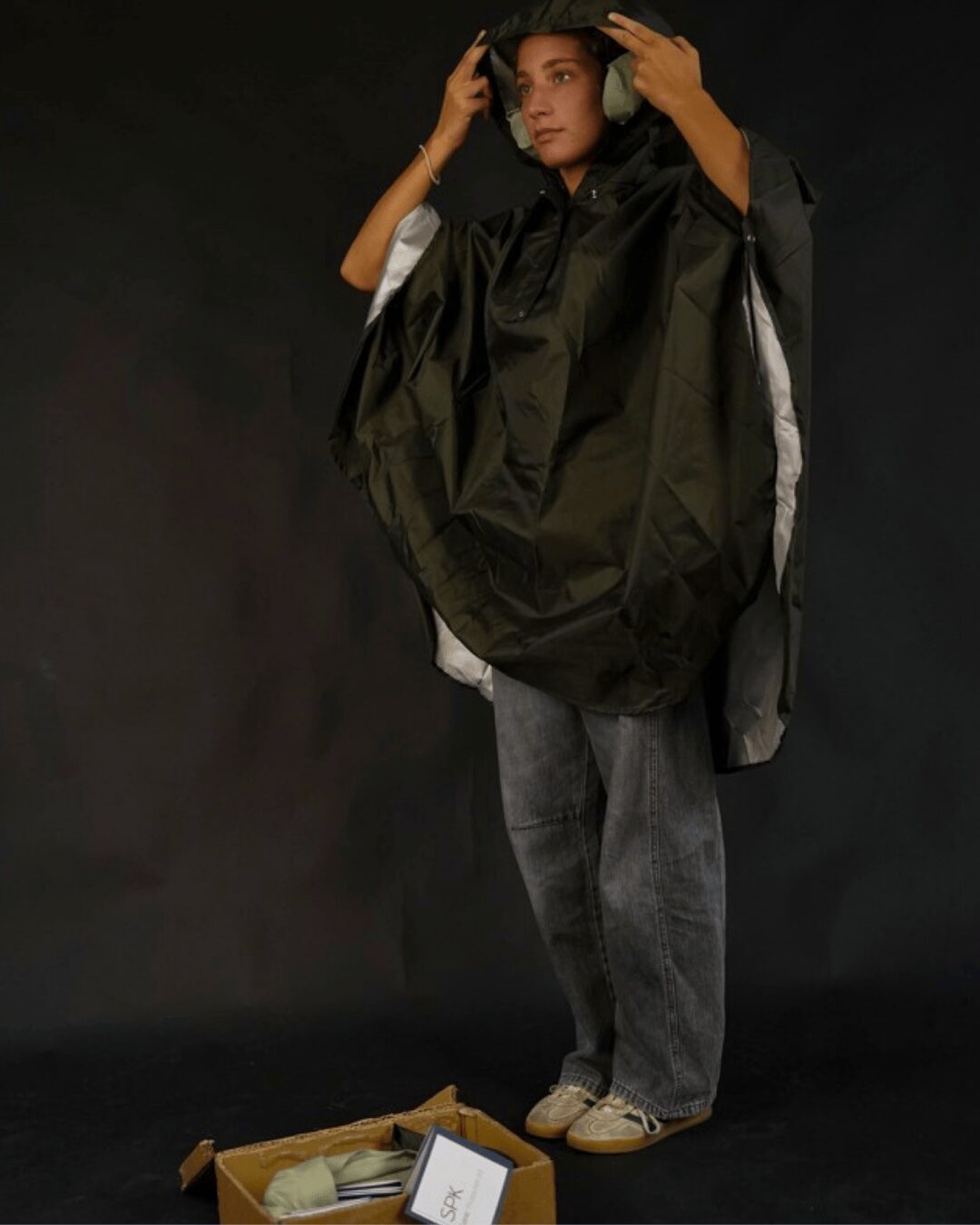
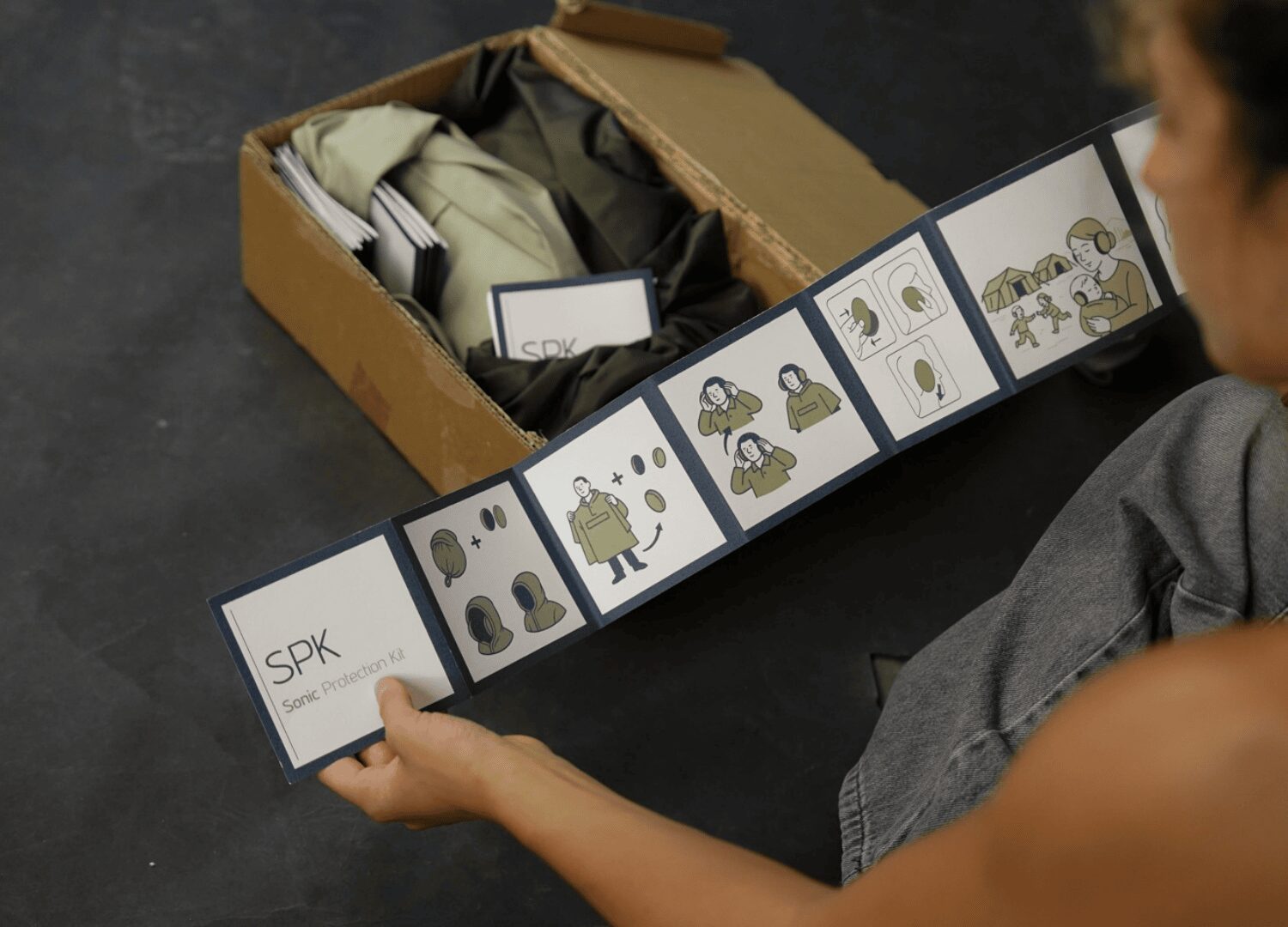
Among the exhibited projects is Rhea Bassil’s SPK – Sound Protection Kit: in war, sound has become a weapon that can have invisible yet profound effects on human health (trauma, anxiety, post-traumatic disorders, insomnia, developmental delays, and sensory fatigue). Designed for large-scale production and easy packaging, the kit is intended to provide psychological relief and consists of a sound-absorbing ear cover, similar to noise-cancelling headphones, integrated with a soft fabric hood. It can be worn by people of all ages, from infants to adults, and folds into a format suitable for rapid distribution alongside common emergency kits.
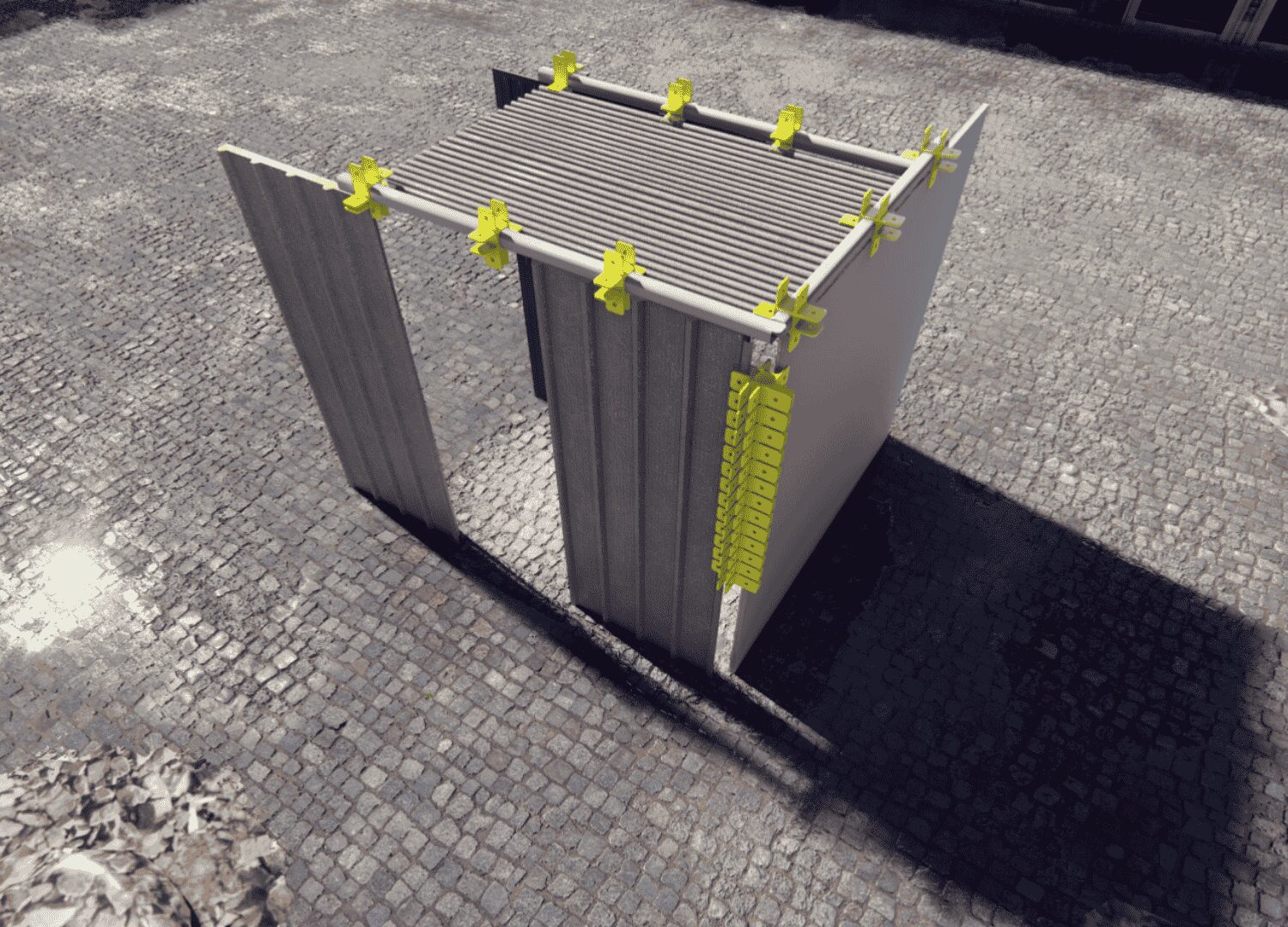
Moving to the concept of space and reconstruction, Antoine Yazigi proposed the Multi-Slot Connector, a panel joint fundamental in modular construction, particularly in post-war or post-disaster rebuilding contexts. The connector offers a flexible and scalable solution to reassemble living spaces using materials salvaged from collapsed buildings.
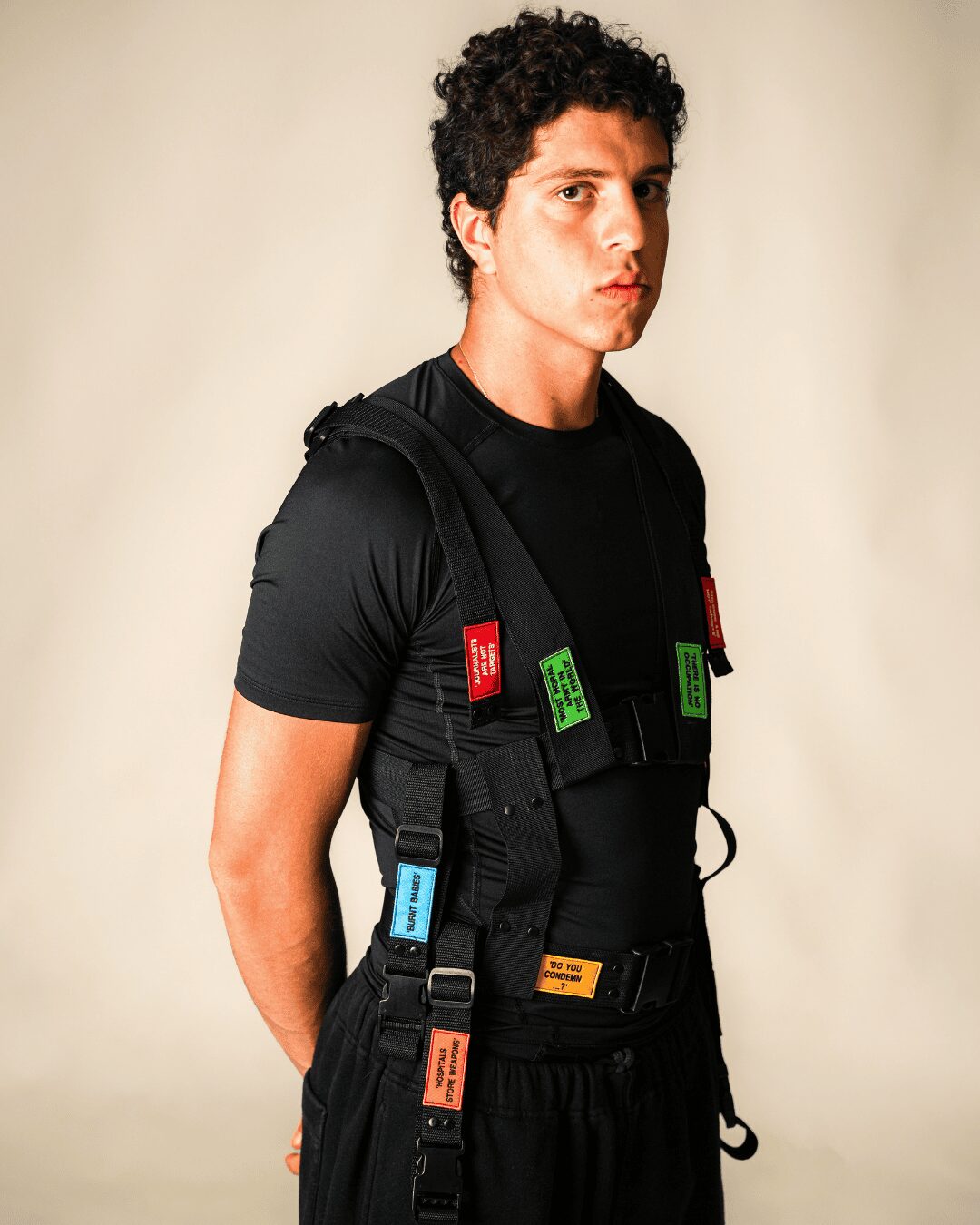
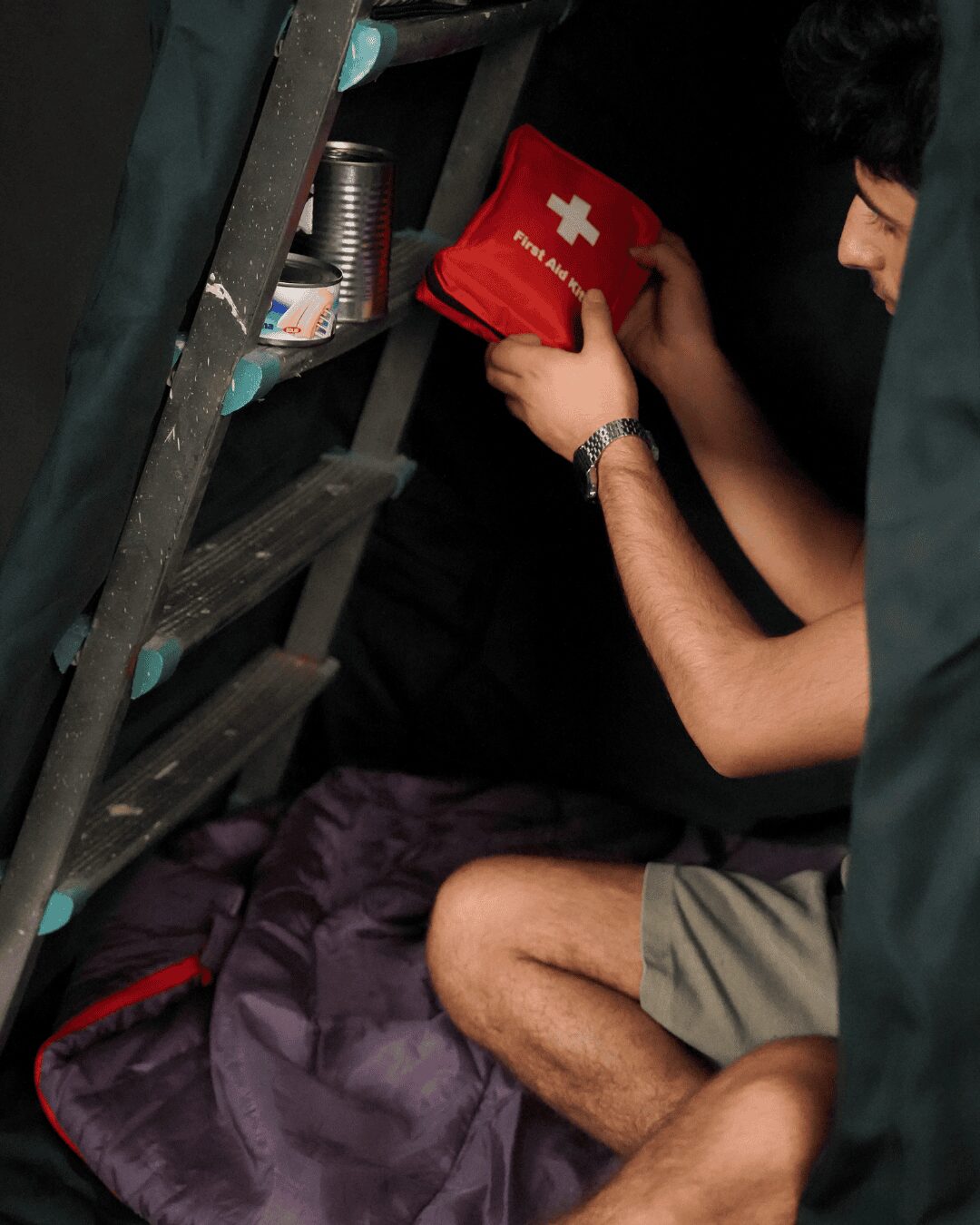
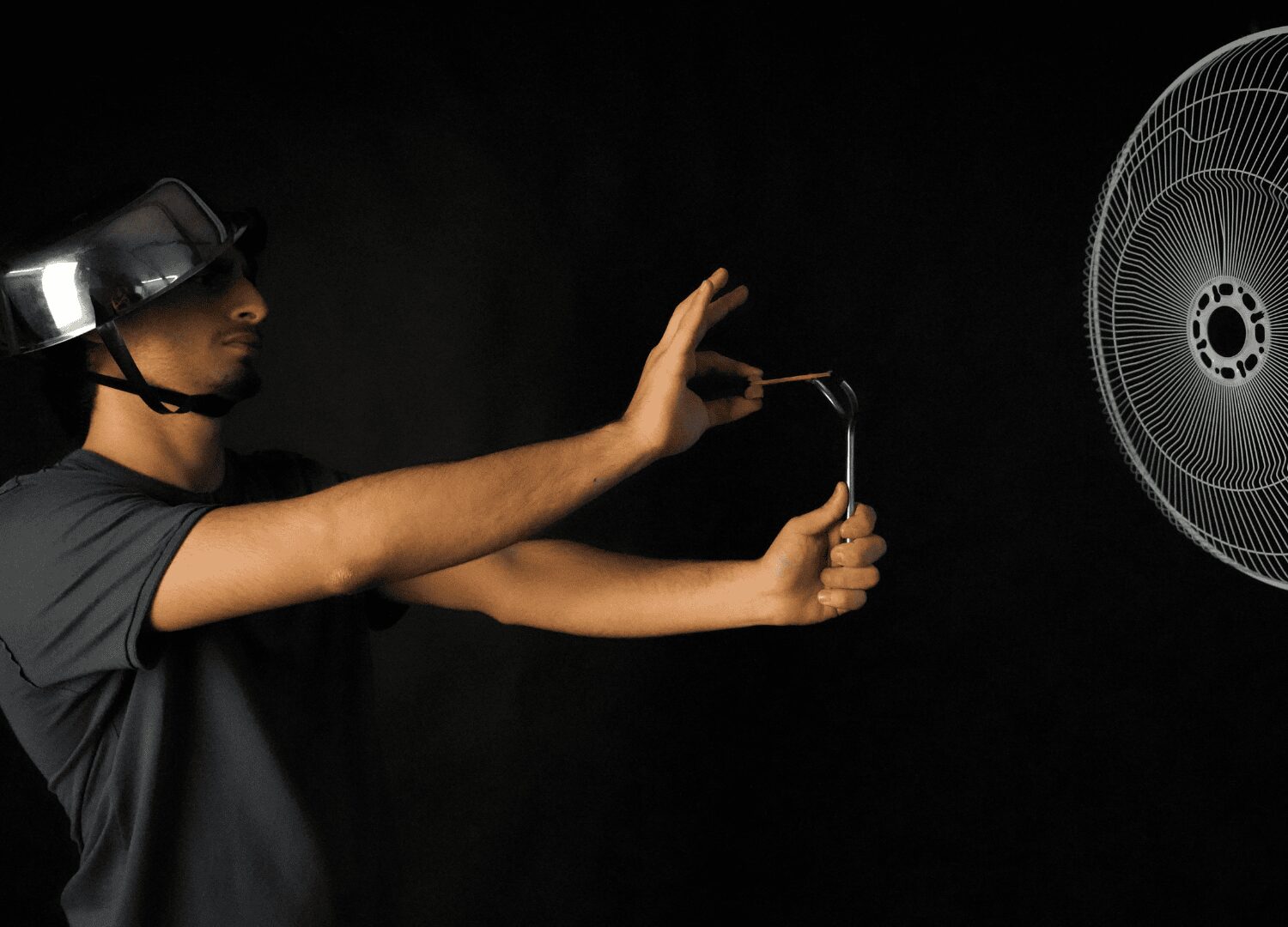
Other more provocative projects included Marc Khalil’s Survive, Live, Thrive, which creates a series of objects that anyone, anywhere, could make. Everyday objects are repurposed to meet the brutal demands of survival, such as a hanger turned into a bow for shooting arrows. The project also helps us understand what it means to see your daily life disrupted by conflict.
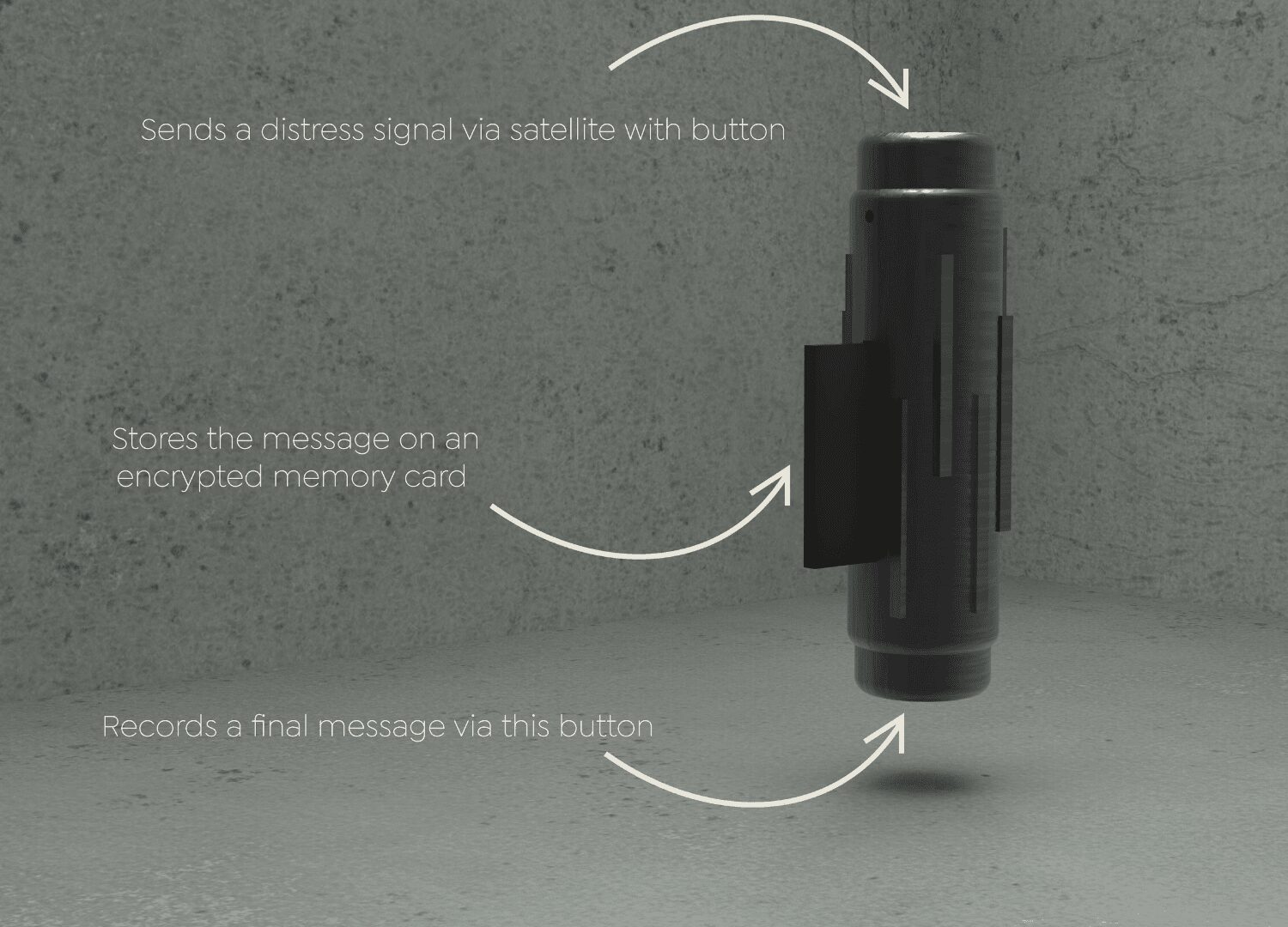
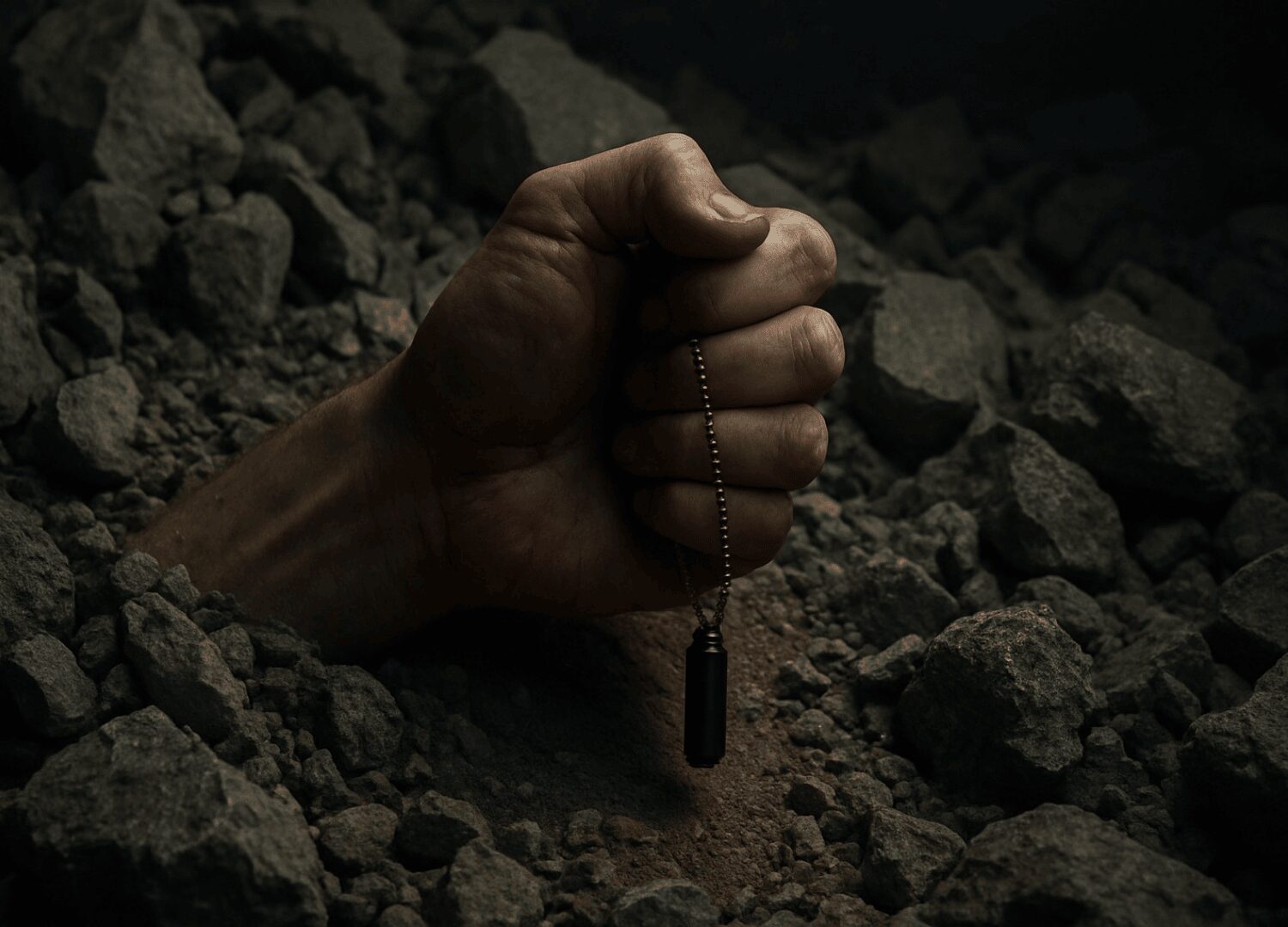
Human Black Box, as the name suggests, is a data recorder for humans. Highlighting the absence of tools or products designed to trace victims’ bodies or record their final moments, Zoe Sakr proposed a tracking mechanism capable of locating those who disappear and leaving a last testimony, both as a legacy for the family and as evidence of war.
The second section of Design ‘In’ Conflict was the Amphitheater, divided into four components: interviews, cinema, performances, and debate. Voices in Condition: Through Conflict collected testimonies from Lebanese thinkers, artists, and designers who face instability as a transformative force. Cinema was represented by the short film Even Rocks Flew Away by Anis Nassereddine, a student at the Lebanese University (LU). The film addresses cycles of violence through a reading of the materials of Beirut’s built environment and Southern Lebanon. Drama students from the Lebanese University (LU) staged Riviera, a work that, through words, gestures, and fragility, composes a layered portrait of war. Completing the Amphitheater program were two public panels: Conflict as a Spatial Condition and Conflict as Structure: The Social Fabric of Instability.
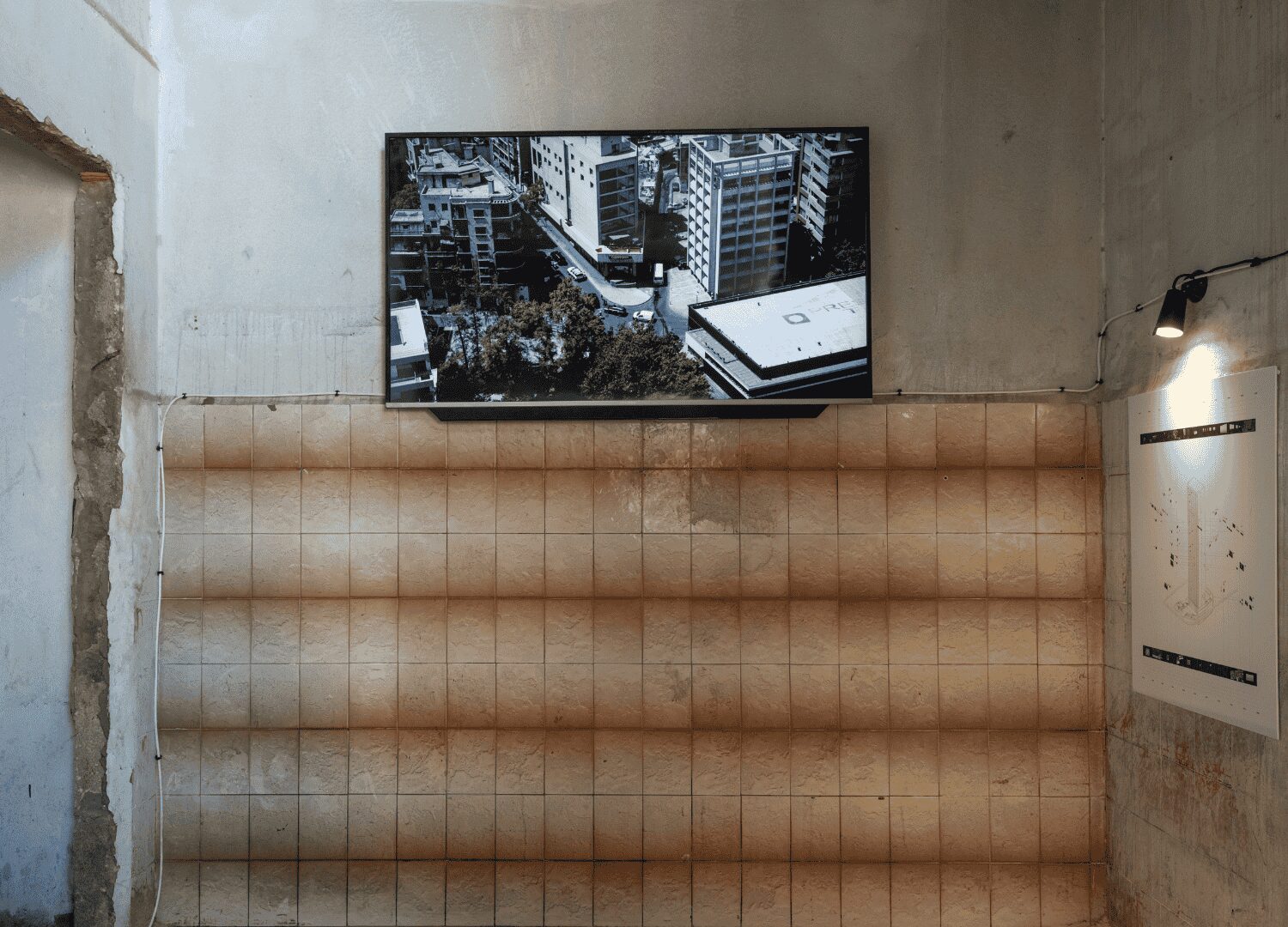
The Alumni Showcase revisited the same theme as the student exhibition but invited young professionals to present their perspectives. Among the notable works was Paolo Barkett’s Coordinates Of Agency: a research project exploring how the openings of Burj El Murr became instruments of surveillance and transformation, reconstructing how the tower projected geographies of restriction over Beirut. The final section was Vertical Survey, an installation where the location served as a site for forensic inquiry: through method and analysis, it documented how the tower’s deterioration is a symptom of broader political, urban, and social erosion.
Design ‘In’ Conflict is a multifaceted collective exhibition, a true research project that presents different approaches to the theme of conflict. We asked the four curators what value design holds in times of instability and what international designers can learn from the engaged practice of Lebanese design:
“Rather than fetishizing or glorifying wars, the works displayed during the exhibition stem from a rigorous understanding of a conflict’s material reality. Together they tell stories rooted in the Lebanese experience of conflict, presenting a more rational dimension of design and architecture — one that remains deeply concerned with human needs. This compendium of works offers a model for grounded, responsive practice wherever uncertainty exists.”