Kooij: a design model built from tools, not slides
What happens when a designer builds not only the product, but also the machine behind it? Kooij is a self-contained factory where doing comes before planning.

Design Models is a series about companies and studios that don’t just design products – they design how products come to life. Kooij, the studio founded by Dutch designer Dirk van der Kooij, is a factory built not from strategy decks, but from experiments, recycled materials, and a deep belief in process.
Kooij – Highlights:
Gallery
Open full width

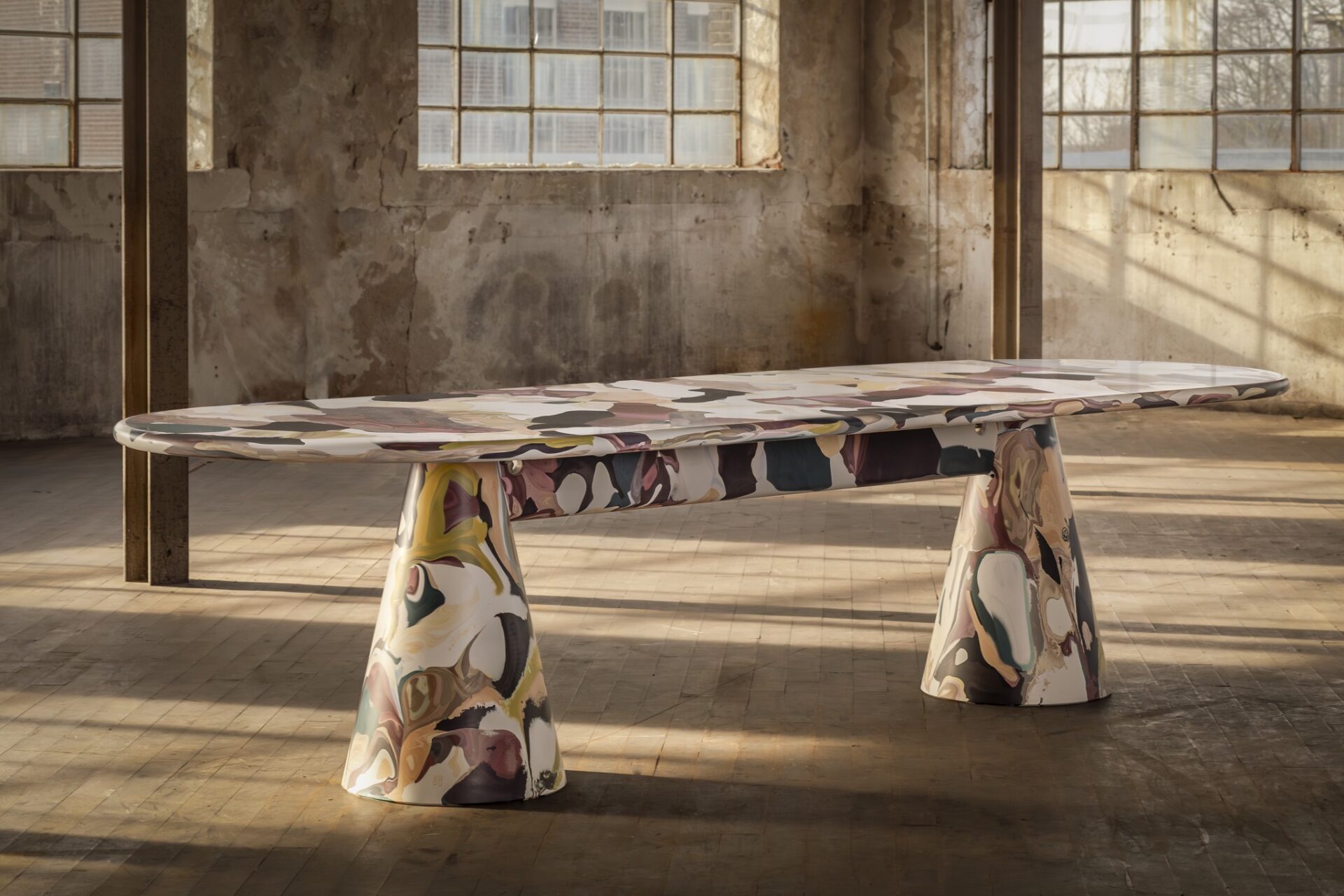
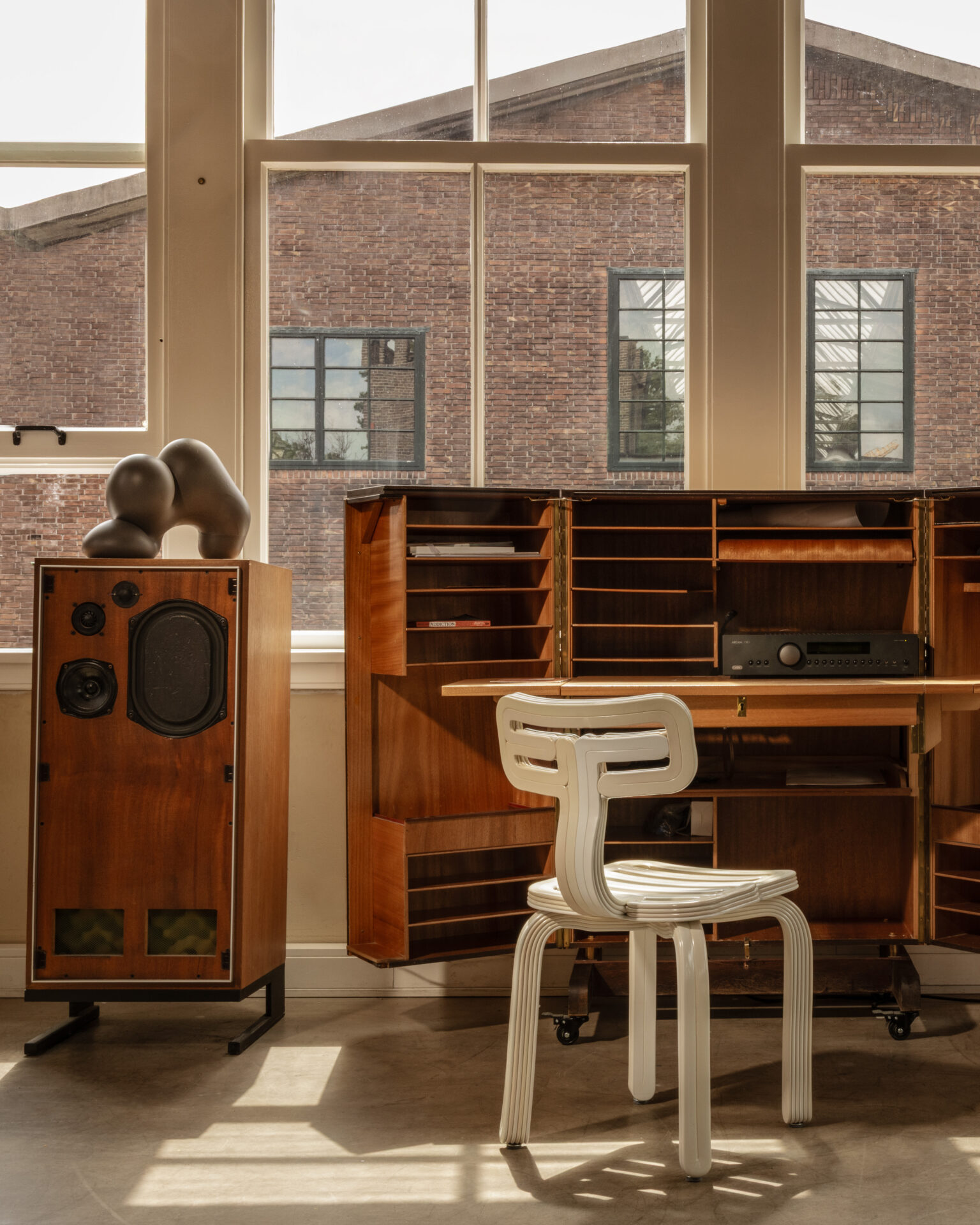
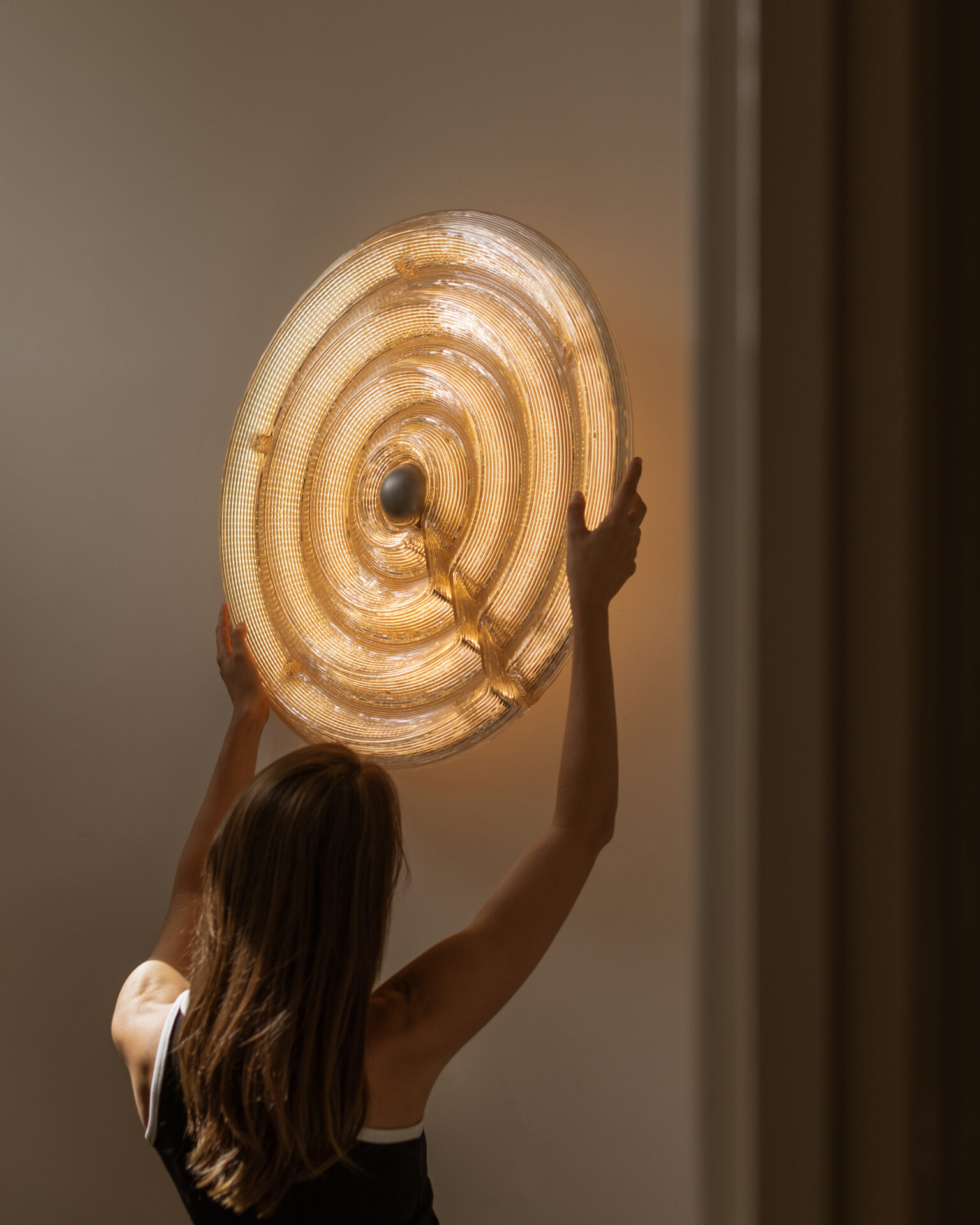
Open full width
Where everything started
One of the most fascinating aspects of Dutch design is how many stories start with a graduation project and Dirk van der Kooij’s is no exception.
While still a student, he theorized that a robotic arm – usually used for industrial applications – could be adapted for large-scale 3D printing. At the time, he only had a prototype to prove the concept, but the idea was bold: use recycled plastic and a repurposed robot to create furniture that shows exactly how it’s made.
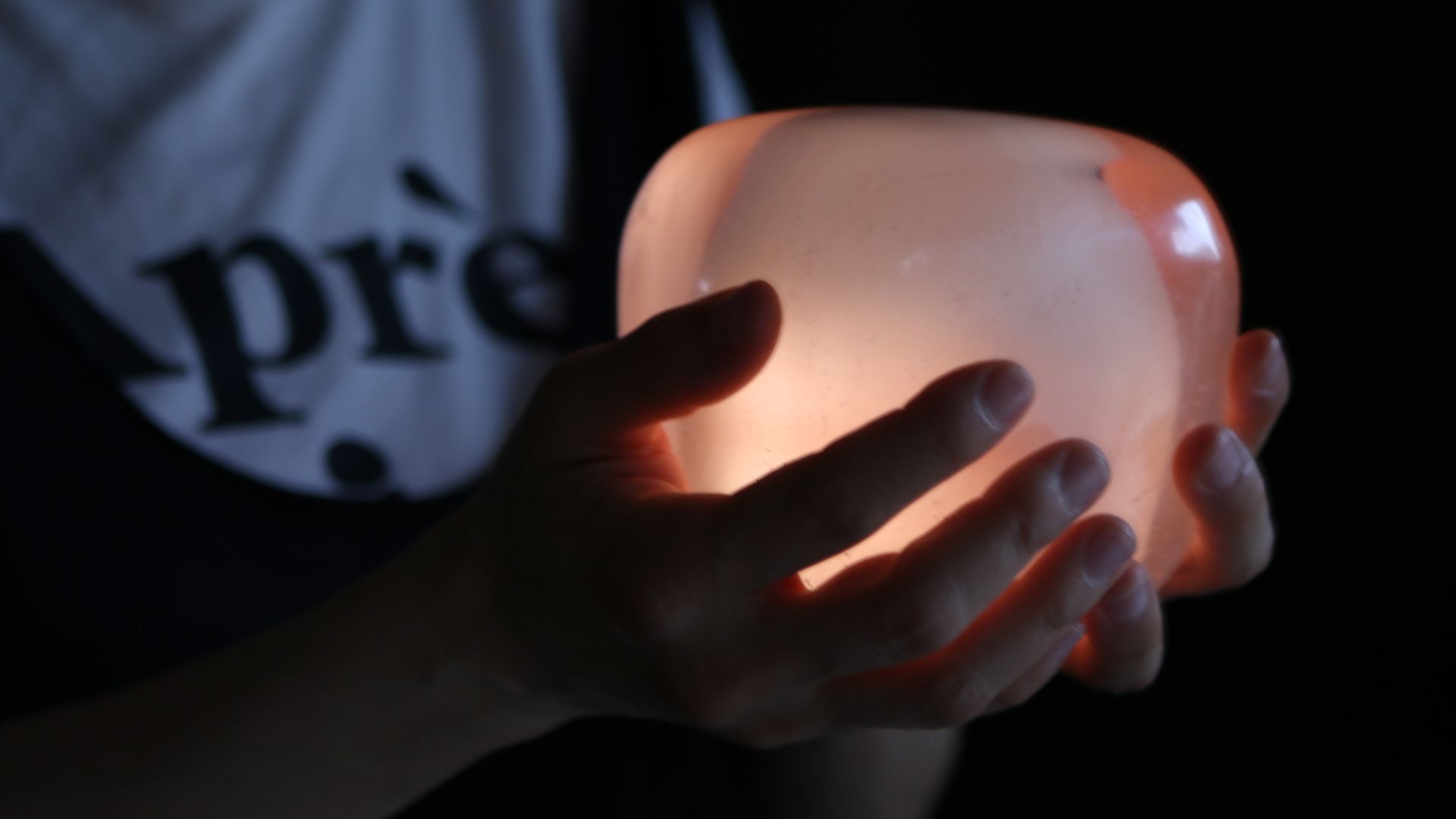
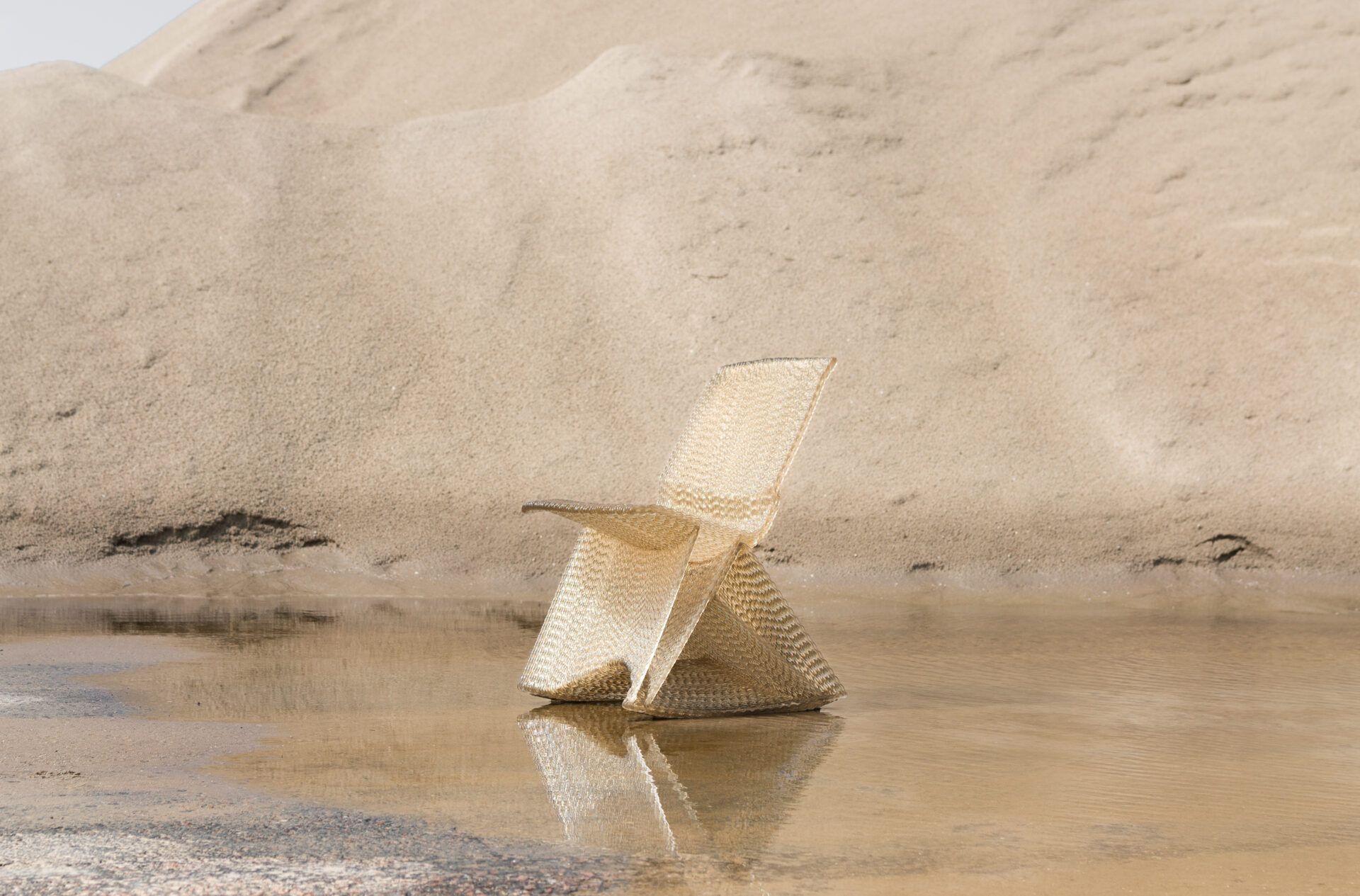
Over the following two years, he developed the process and turned that prototype into a real product: a chair built with visible layers, raw textures, and a direct connection to its method of production. The final piece wasn’t polished to hide its origins, it was proud of them. It became a manifesto for a new way of designing with waste, where the aesthetic is not a cover, but a consequence.

From carpentry to machine-making
Before enrolling in design school, Dirk trained as a carpenter. He had a natural inclination for building things, and that hands-on mentality carried into his design practice. That led to something rare: a designer who not only imagines the object, but also designs the machine needed to produce it. If something doesn’t exist, he builds it. That’s where the shift happens, from a design studio to a design factory.
Most design studios follow known workflows: sketches, 3D models, prototyping, then outsourcing. Kooij works differently. It’s not about passing a file to an engineer. It’s about closing the loop inside the studio itself. The tools, the production, the testing, everything happens internally.
This creates a unique model. The workflow is no longer about trying to fit into existing systems, it’s about building your own. And that’s something we rarely see.
The ecosystem model
Because everything happens under one roof, Kooij works like a living ecosystem. Ideas emerge from doing. Machines evolve to solve specific problems. Scraps from one product become raw material for another. Even the different collections seem to “talk” to one another. They share textures, colors, and sometimes even material origins. The circularity isn’t only environmental, it’s conceptual.
This setup also affects team dynamics. Today, 14 people work in the studio, and most of them are involved in production. Ideas come from Dirk, who guides the process from sketch to prototype. Once a method is locked in, the team activates: materials are processed, machines are adjusted, and the product comes to life.
The communication is just as intentional. Each photo is carefully crafted, yet never over-designed, it tells the story of the object, the process, and the material without adding noise.
The images are highly professional, but what they highlight is always the essential: how the object is made, what it’s made of, and why it matters.The value is visible. You can see the process in the piece. And because of the production method, each product is slightly different. Even within a series, no two pieces are identical.
That’s how Kooij reconciles industry and craft.
A vision that resists compromise
When I spoke with Dirk, I asked a few tricky questions about how structured his business is. The answer wasn’t a spreadsheet – it was a way of thinking. Where decisions are made in the workshop, not in meetings. Where the machine shapes the object, and the object defines the structure of the business.
In many design companies, the fuel comes from targets and KPIs. At Kooij, the fuel is challenge, exploration, and the desire to push materials further.
Plastic is still the main character. Dirk’s work gives it identity, keeps its imperfections visible, and maximizes its yield. The goal is not to pretend it’s something else, but to make it valuable on its own terms.And despite running a full business, Dirk’s creative freedom hasn’t been diluted.
Ideas still come from the workshop, not the market. Deadlines still come from exhibitions, not quarterly reports. The product cycle still starts with “let’s try” – not “what’s trending?”
Sustainable, in every sense
Since the beginning, Kooij has grown slowly, organically and very deliberately. No overstructure. No inflated teams. Just enough support to keep the ecosystem alive. And despite the international exposure – from Dutch Design Week to Milan – the company still operates with the clarity and honesty of a workshop.
That’s probably why people connect with it so strongly. There’s no invented story, no fake minimalism. Just a transparent process, visible value, and a lot of intelligence in how things are made. The result is a design model that doesn’t shout, but lasts. It’s built not to impress, but to work.
Kooij stands out for one reason: it doesn’t adapt to existing structures, it builds its own. And in doing so, it reminds us that innovation in design doesn’t always come from what we make, but from how we choose to make it.
If you are curious to check it out more similar cases, have a look at our article about Vantot or Mario Tsai.
About the author
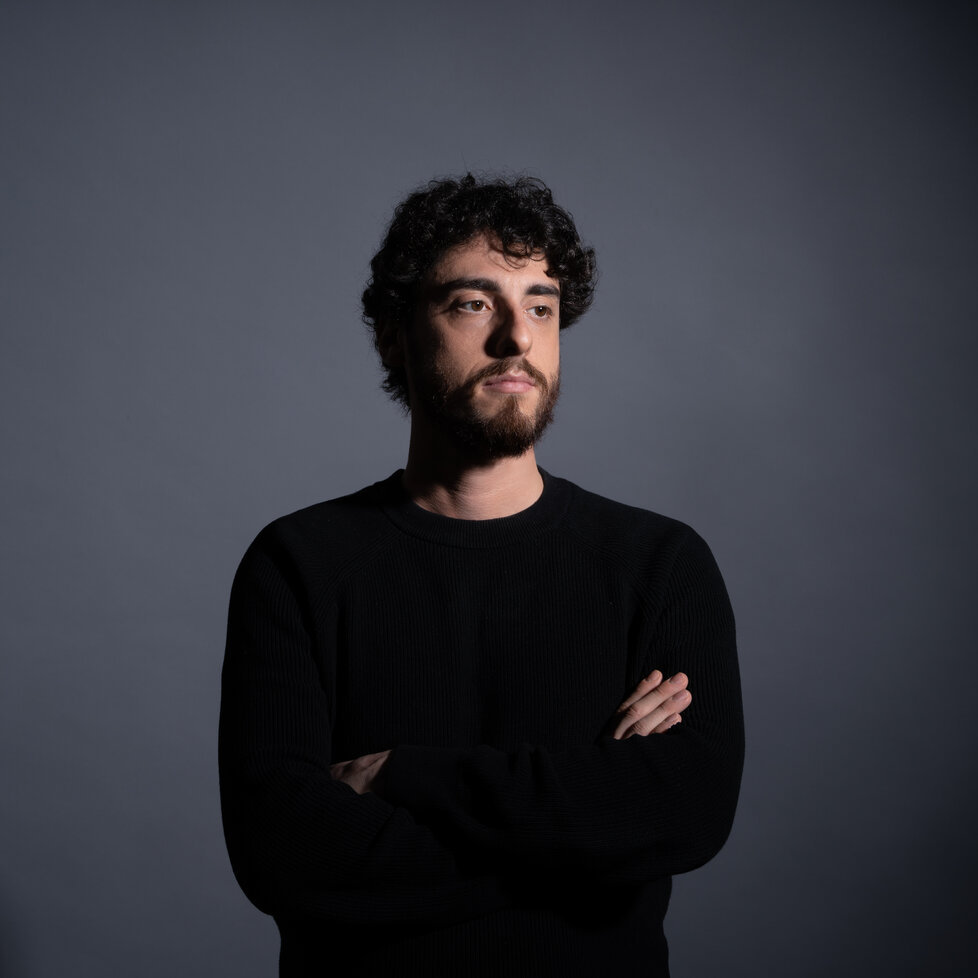
Mario Alessiani, founder and creative director of the Italian namesake design studio, specializes in product, lighting, and furniture design. His clients include companies such as Umbra, Fabbian, and Axolight. Mario also teaches at the University of Camerino, IED Rome and Sichuan Normal University in China. His work has been exhibited at prestigious events like the ADI Design Museum in Milan, Eindhoven Design Week, and Milan Design Week, earning him awards like the IF Design Award and Archiproducts Design Award.
WebsiteInstagramLinkedin