Between seeing and being: Mirrors as narrative objects
From symbols of recognition to critical devices, mirrors reveal how identity is constructed through perception, external gaze, and cultural tension, challenging certainty and exposing the instability of the reflected self.
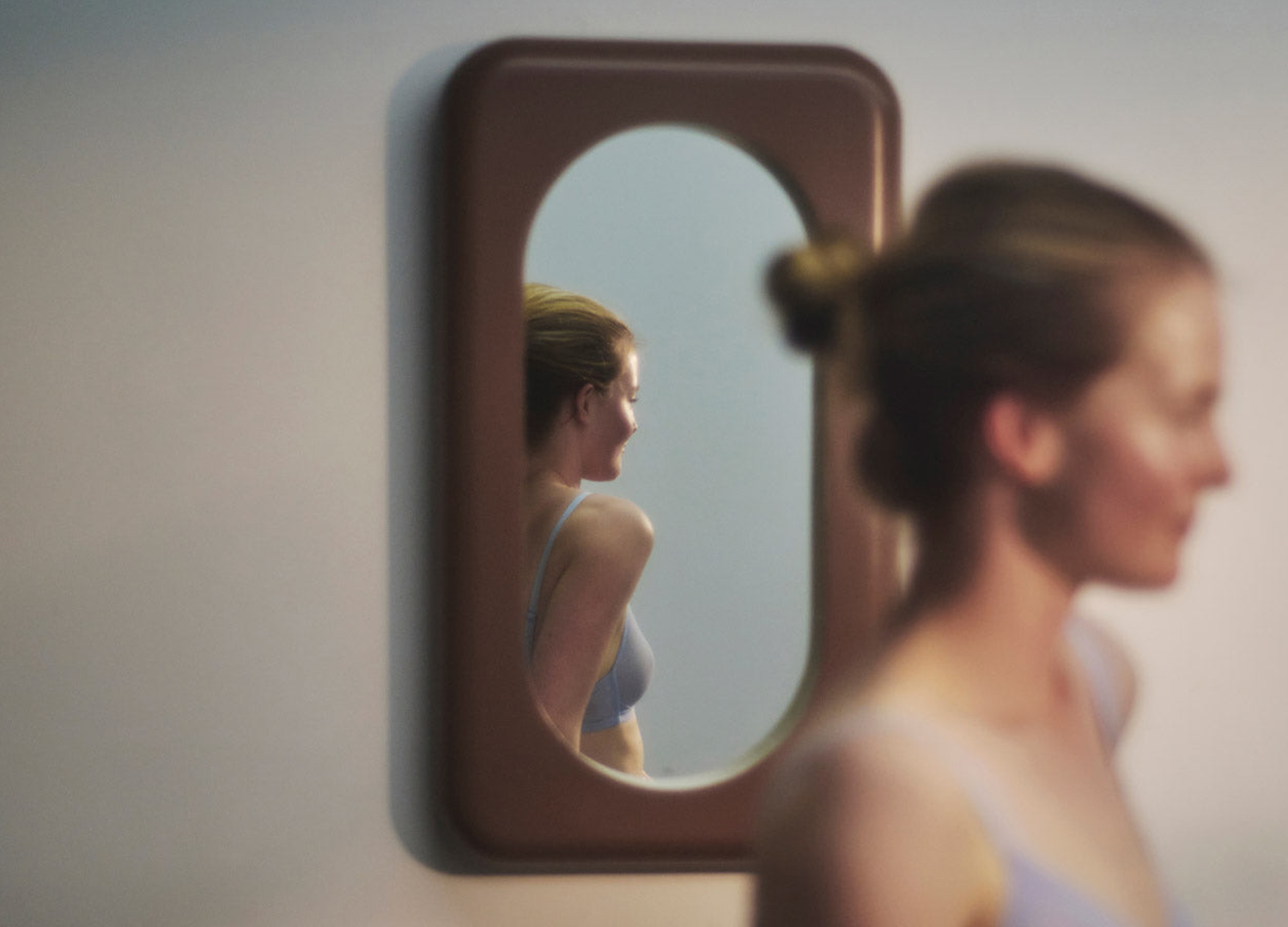
In an age of constant self-exposure and digital reflection, the mirror is no longer a neutral object. Today, it scales from being just a symbol of recognition to being the site of inquiry, as evident in its reflection of splitting identities, the construction of self, and the conflict of viewing and being viewed. That which once assured now lends ambiguity. It does not pose the question Who am I? but rather, How do I appear? And to whom?
Yet the mirror has never been an entirely private or innocent object. Long before becoming an element of design, it functioned as a social and cultural device. To look at oneself has always meant to confront the gaze of others, the expectations we internalize, and the roles we learn to perform. Sociologist Charles Horton Cooley described this dynamic as the looking-glass self: we construct our identity by imagining how we are perceived. The act of reflection is therefore never isolated—it is relational.
Gallery
Open full width

Open full width
This tension between self-perception and external gaze is already present in myth. From its earliest appearances, the mirror embodies both fascination and risk. What the story of Narcissus finally speaks to is not vanity at all but misrecognition: an image mistaken for the self, a reflection that seduces precisely because it conceals its distance from reality. From the start, these object showed how identity can be shaped—and destabilized—by what we see of ourselves.
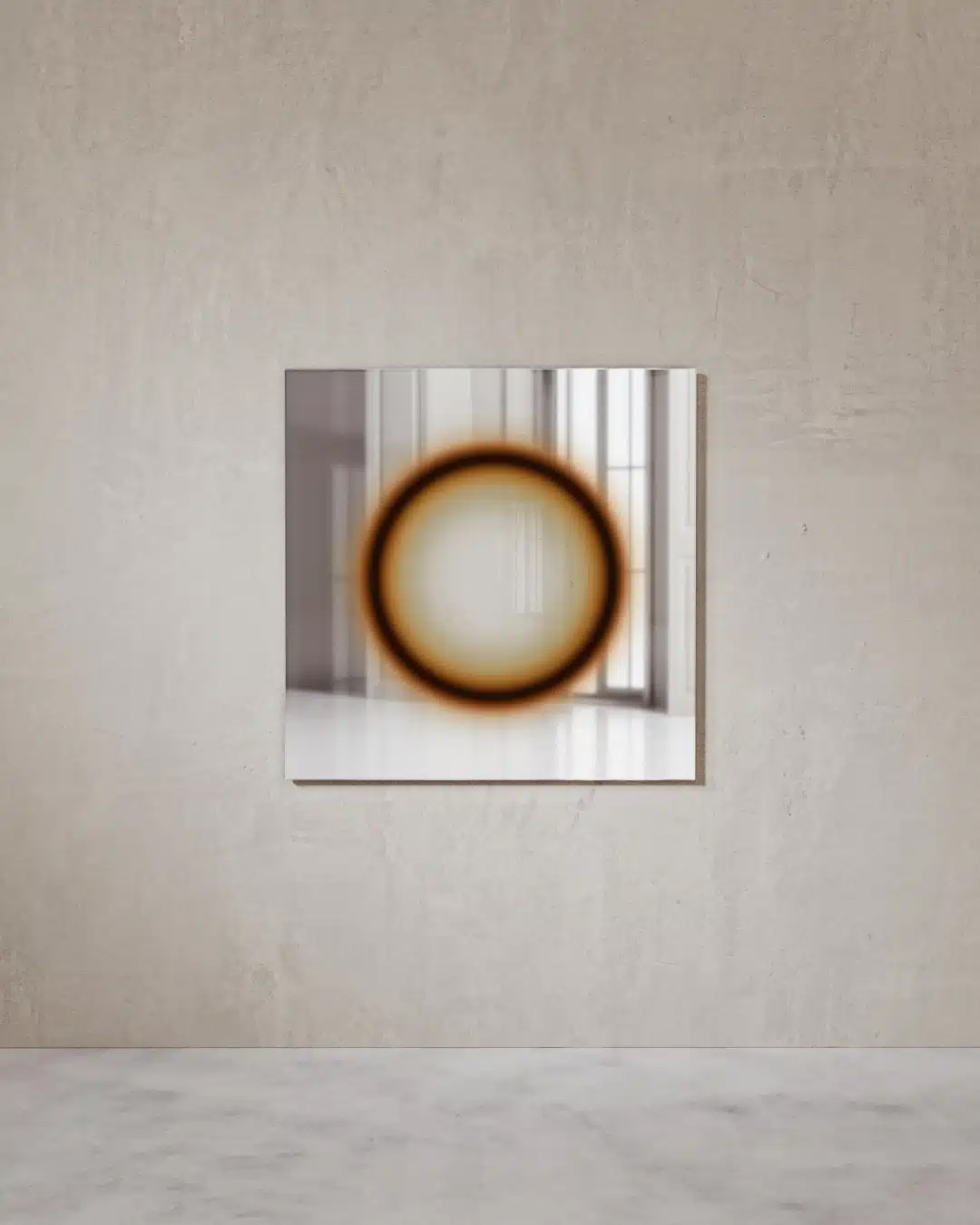
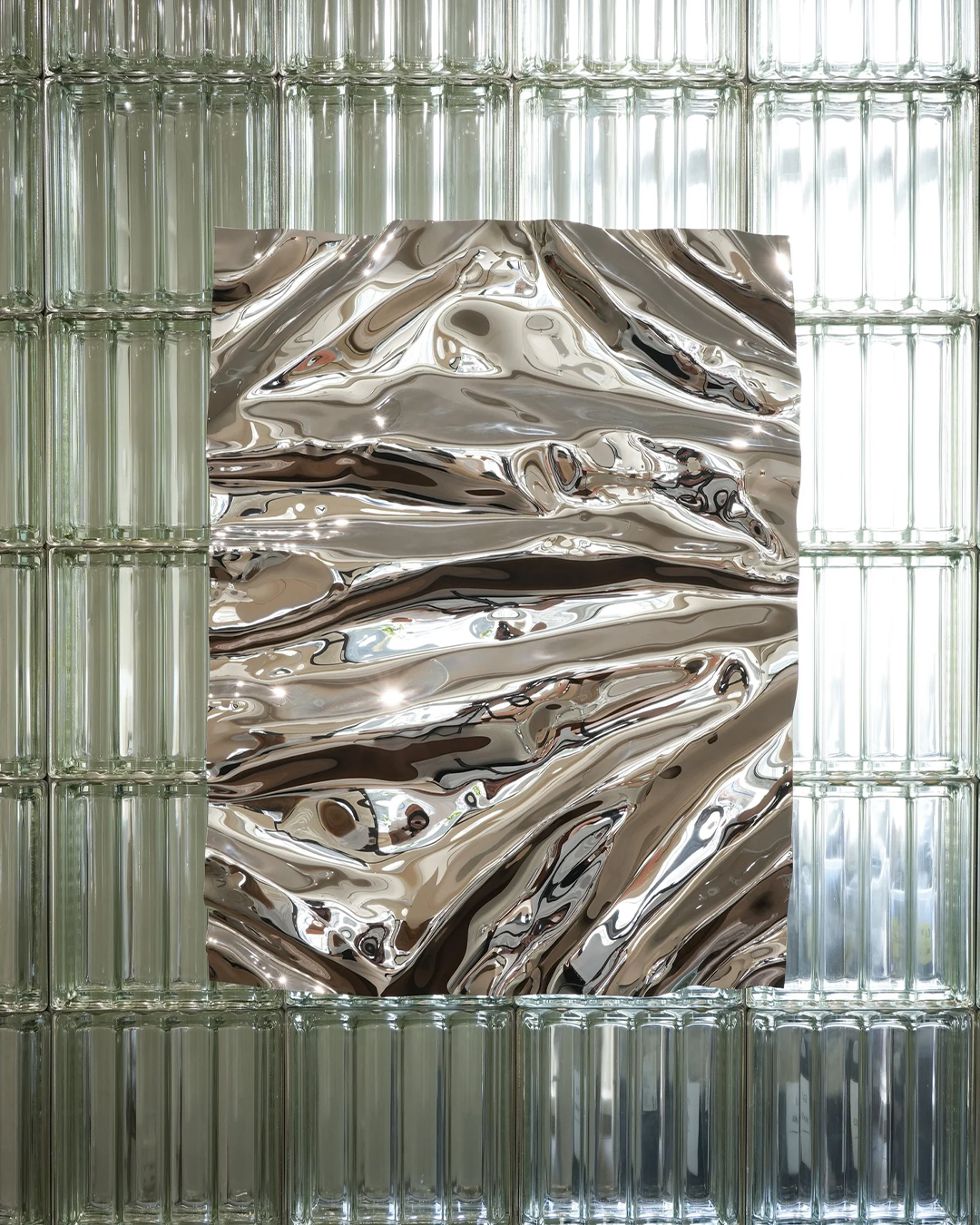
This approach finds strong resonance in the work of Costantino Gucci, who was presenting his first solo exhibition on sculptures, objects, and spatial interventions at Movimento Gallery in Milan. The show brings together works that trace the development of the Florentine artist’s research in light, reflection, and material experimentation.
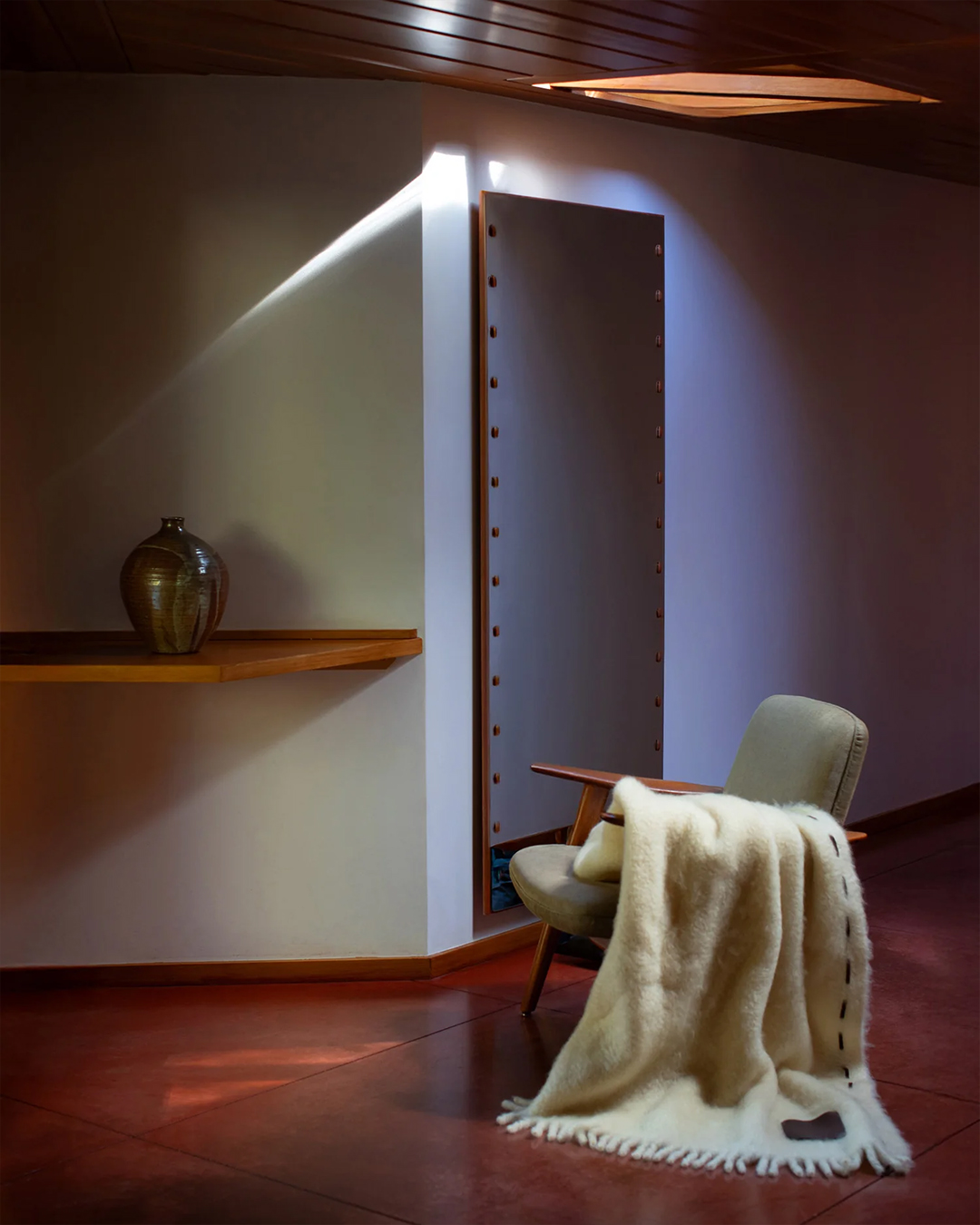
Born into a family of artisans and trained in Product Design at Central Saint Martins, Gucci developed a practice that easily straddles the realms of art and design. In 2021, he founded Studio Celo, focusing his research on reflective materials, particularly glass and mirrors. For Gucci, reflection is not an inert return but a perceptual device-one that collapses distance between observer, space, and matter.
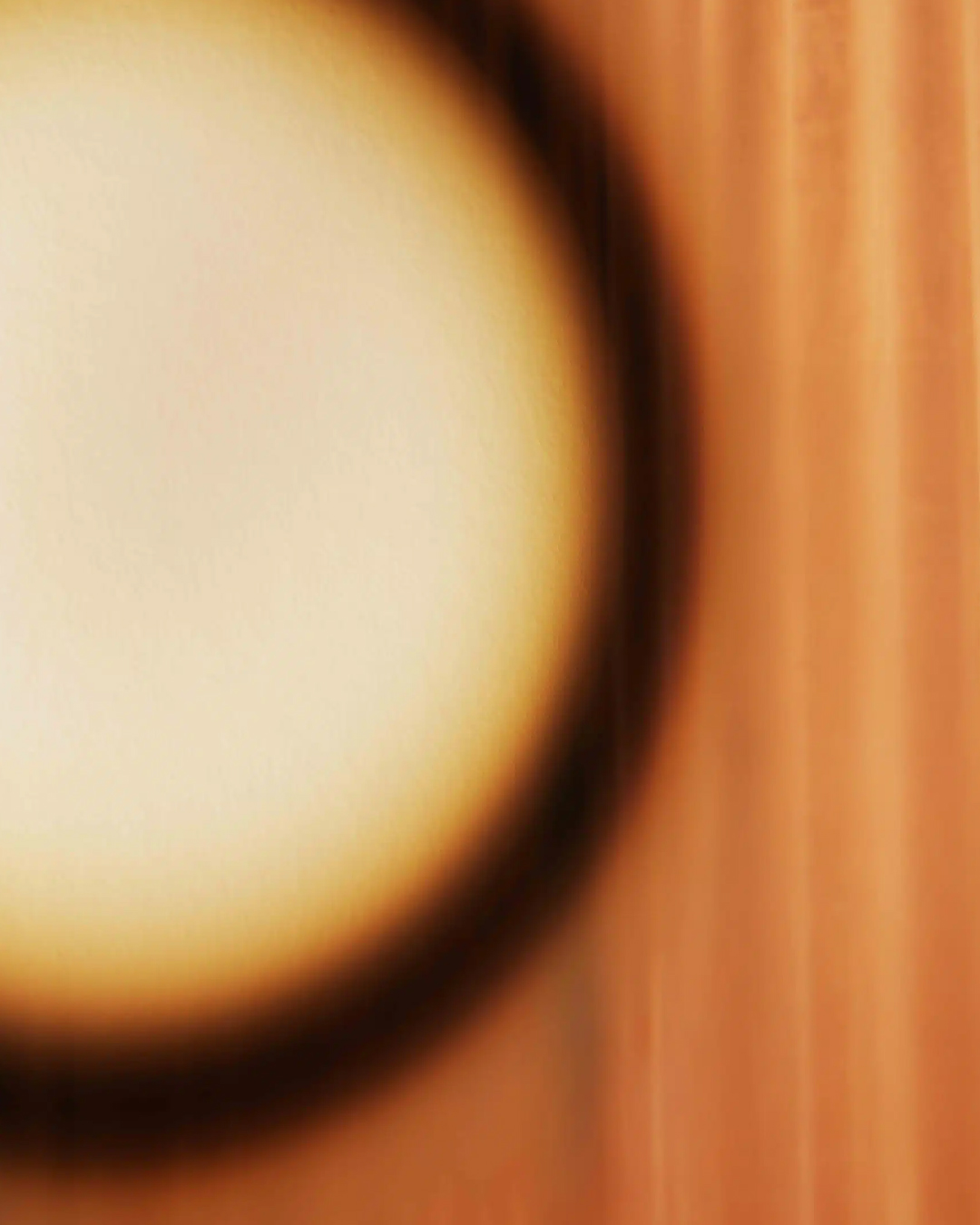
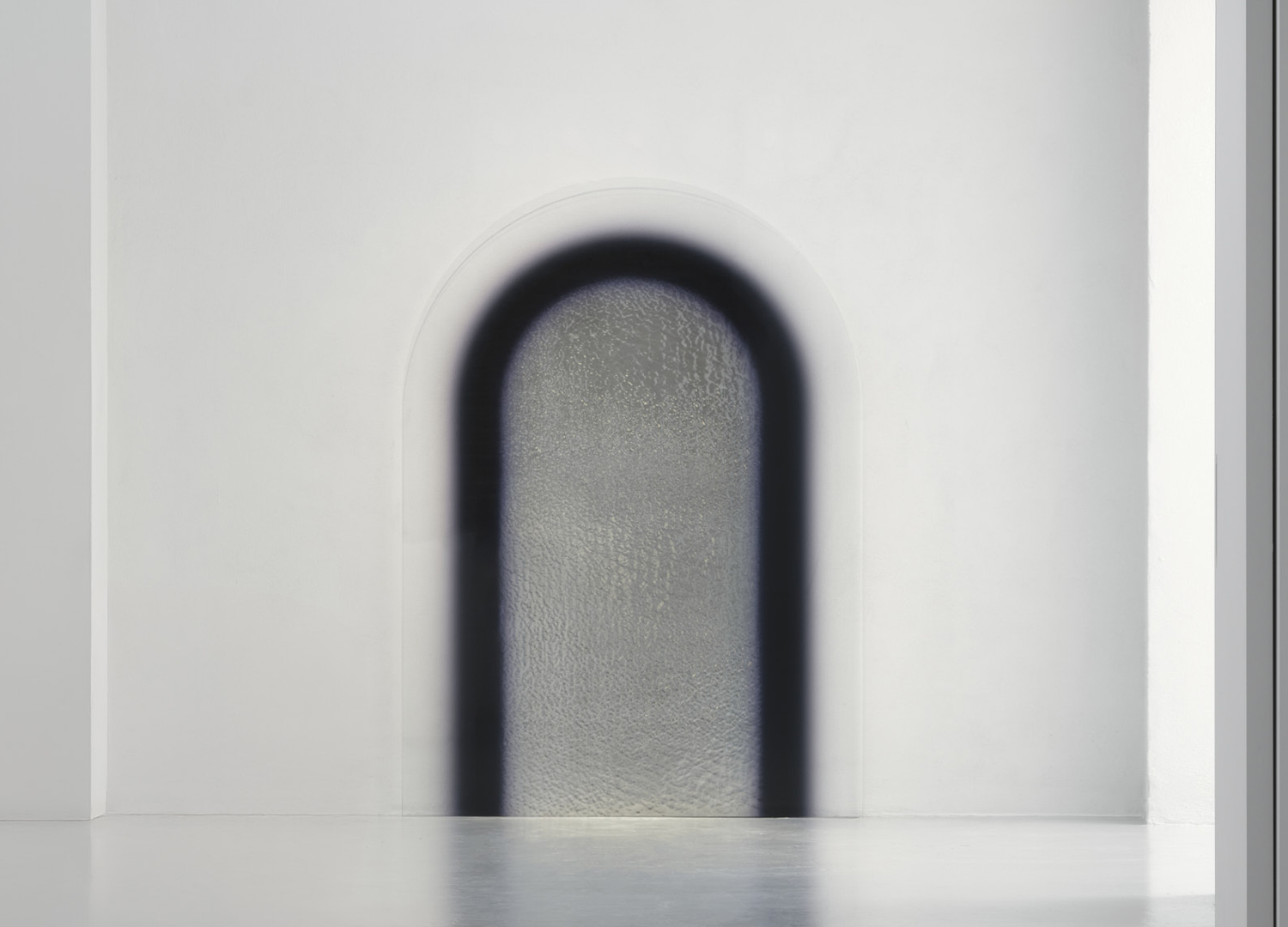
This is the vision encapsulated in Portal 0, an object which is “a threshold rather than a surface,” writes the artist about her work, in which the fluid reflection varies according to the location of the spectator in relation to it and melts away into the surroundings. In “Sol”, a square mirror and a circular glass with an orange gradient that symbolizes the passage from night into the dawn suggest the process of reflection in terms of transformation, symbolized by the light creating a “halo” effect.
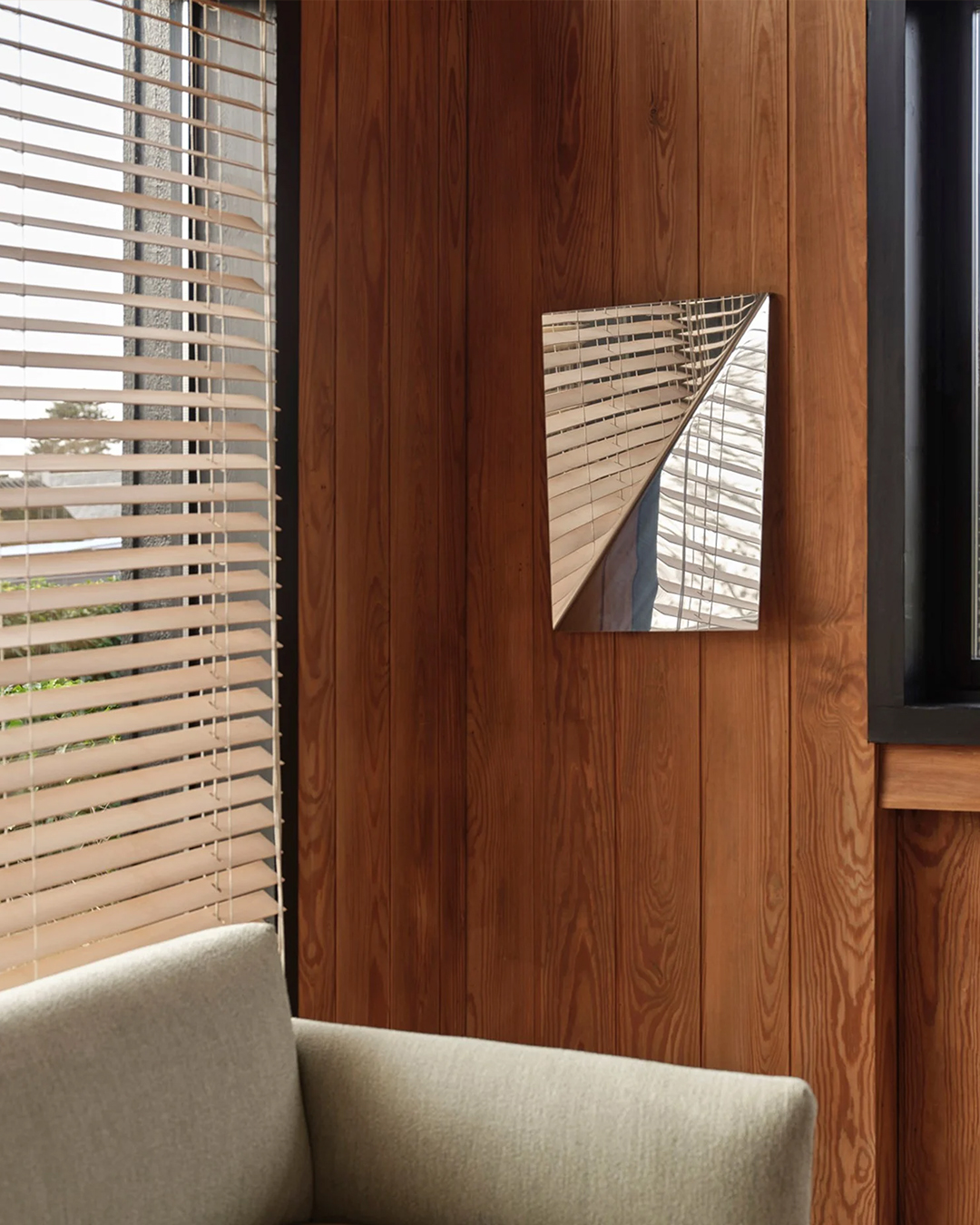
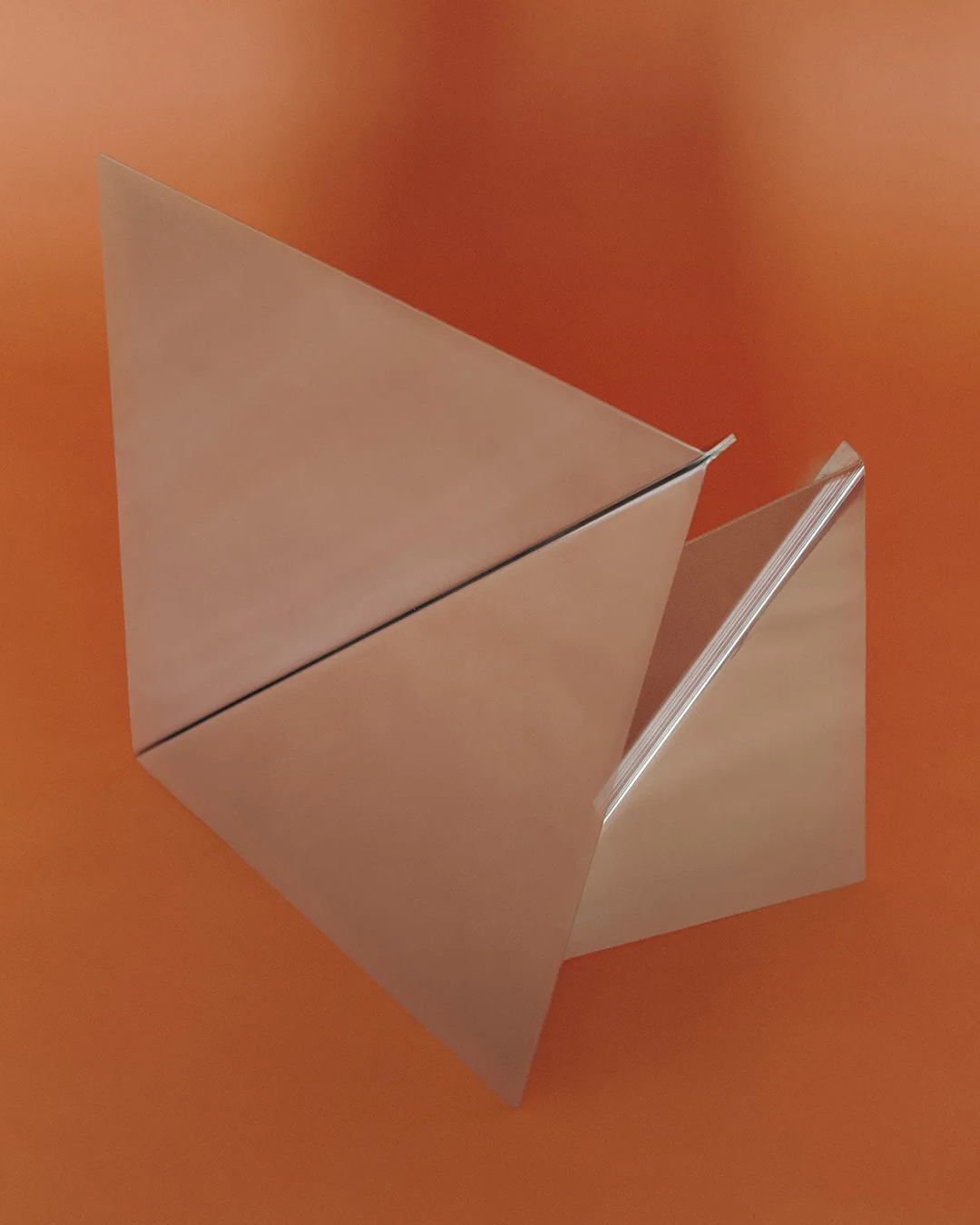
In this respect, design mirrors today acquire a renewed value. They cease to be merely utilitarian objects and become signs that experiment with proportions, materials, and perceptions — distorting, dissecting, or blurring the surface reflecting an image. As narrative objects, they reflect not only physical bodies and spaces, but also cultural conflicts and identities in a way that challenges the power of the image and returns to uncertainty in the gaze. Across these works, Gucci’s mirrors become narrative objects: sensory, introspective, and alive; inviting the viewer not simply to see themselves, but to experience reflection as an ever-changing condition.
If Costantino Gucci’s mirrors approach reflection as a perceptual and almost meditative threshold, Ready To Hang (RTH) translates a similar sensitivity into the language of contemporary living. Moving from the gallery space to the domestic interior, reflection remains central but is reinterpreted through accessibility, style, and everyday interaction.
Founded in New York City, RTH is a reference to ready-to-wear and reflects the fusion of furniture and personal style. Fashion is a mediator between self and space, and each piece by RTH is a mediator between self and space, suggesting an environment that is as expressive and intuitive as a personal fashion statement. This is made possible by Jeffrey Renz’s creative direction, which seamlessly merges aesthetics from the world of designers and the world of art. Such is the form given to this approach through the creation of pieces like the Bezel Mirror, produced in New York with a materials palette of pine wood and clear glass.
The Stitch Mirror, in walnut and clear glass, reveals construction as a visual gesture, making structure into expression. The Squeeze Mirror, also in pine wood, introduces a subtle distortion that coyly plays with the stability of the reflected image.
If Ready To Hang translates reflection into a language of personal style and everyday expression, Gaze Mirror by Phil Procter for Muuto introduces a quieter, more essential interpretation-one rooted in clarity, reduction, and material intelligence. Based in Rotterdam, British designer Phil Procter designs with a balance of utility and expression pinpointed exactly. His studio works across furniture, lighting, and spatial design, developing objects that feel both considered and effortless. Rather than adding layers, Procter’s work often removes them, allowing form and function to coincide.
This attitude is realized to its fullest extent in the Gaze Mirror, the latest collaboration between Procter and the industrial design firm Muuto. The product itself might best be described as an integrated system with no separation between the reflection and the structure—a single surface that functions both to reflect and to support without the necessity of frame and background and decoration. This elimination of the mirror itself might well be described as conceptual rather than merely formal. Thus, the project strips away the object to its naked essentials and zeroes in on the act of gazing.
Whereas the Gaze Mirror by Phil Procter reduced reflection to its most reduced state, the Porthole Mirror for NO GA by Willo Perron expanded it out thereInto system, into rhythm, into spatial composition. Reflection in it becomes no longer singular and self-containment but rather modular and scalable, intended to multiply itself across space and context.
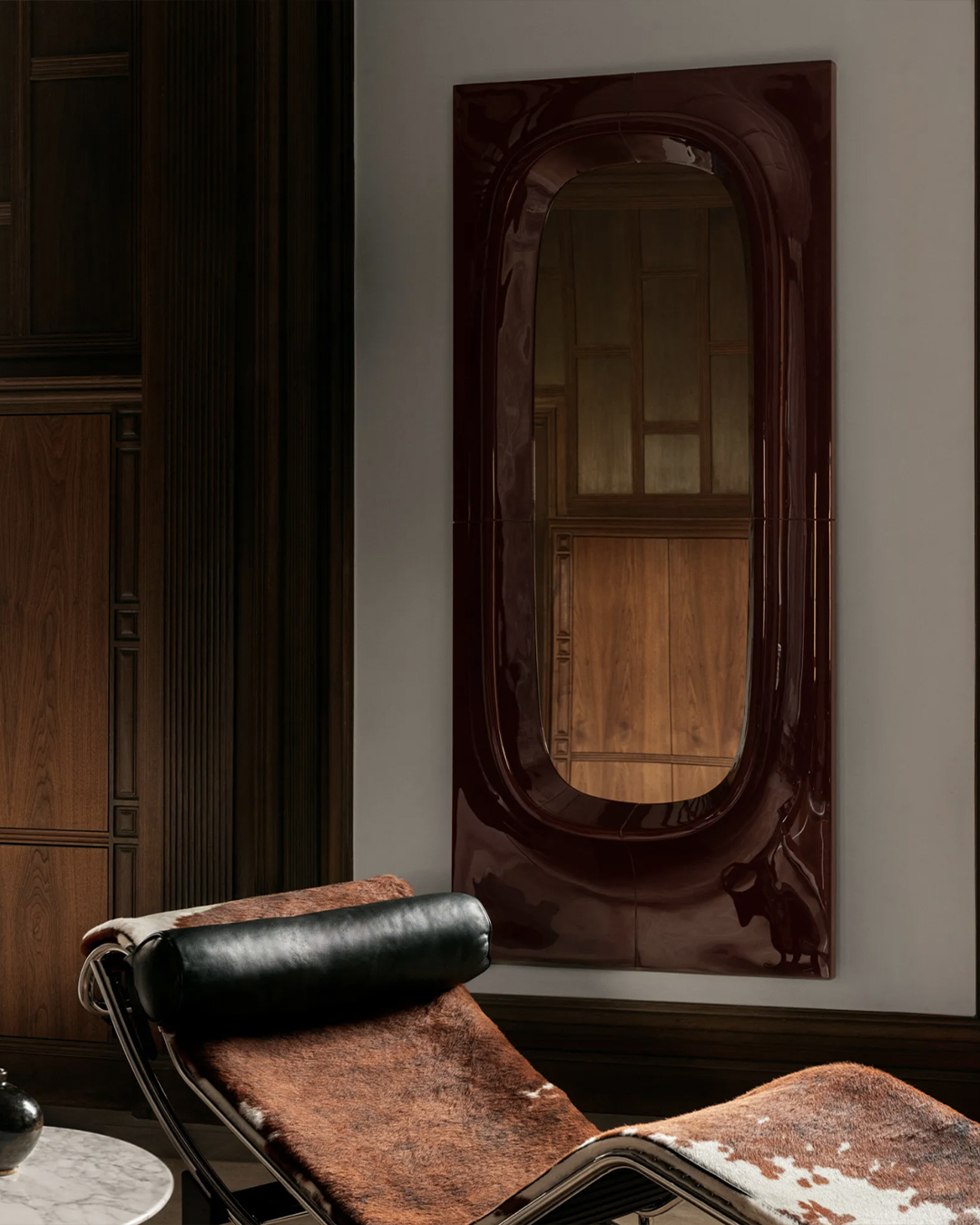
As part of an extensive series designed through the concept of modularity, the Porthole Mirror is part of a series of two products of varying sizes, designed to be stacked in multiple arrangements. Either standing alone or configured in larger formations, it is versatile in its placement, turning the wall from a passive background into an active surface.
Created through an entirely handmade process in fiberglass cast in molds that are subsequently polished by hand multiple times for its high gloss finish, each of the Porthole Mirrors comes in five colors: white, brown, green, red, and gray. Added to its reflection is its colorful aesthetic, thus further buttressing its sculptural nature.
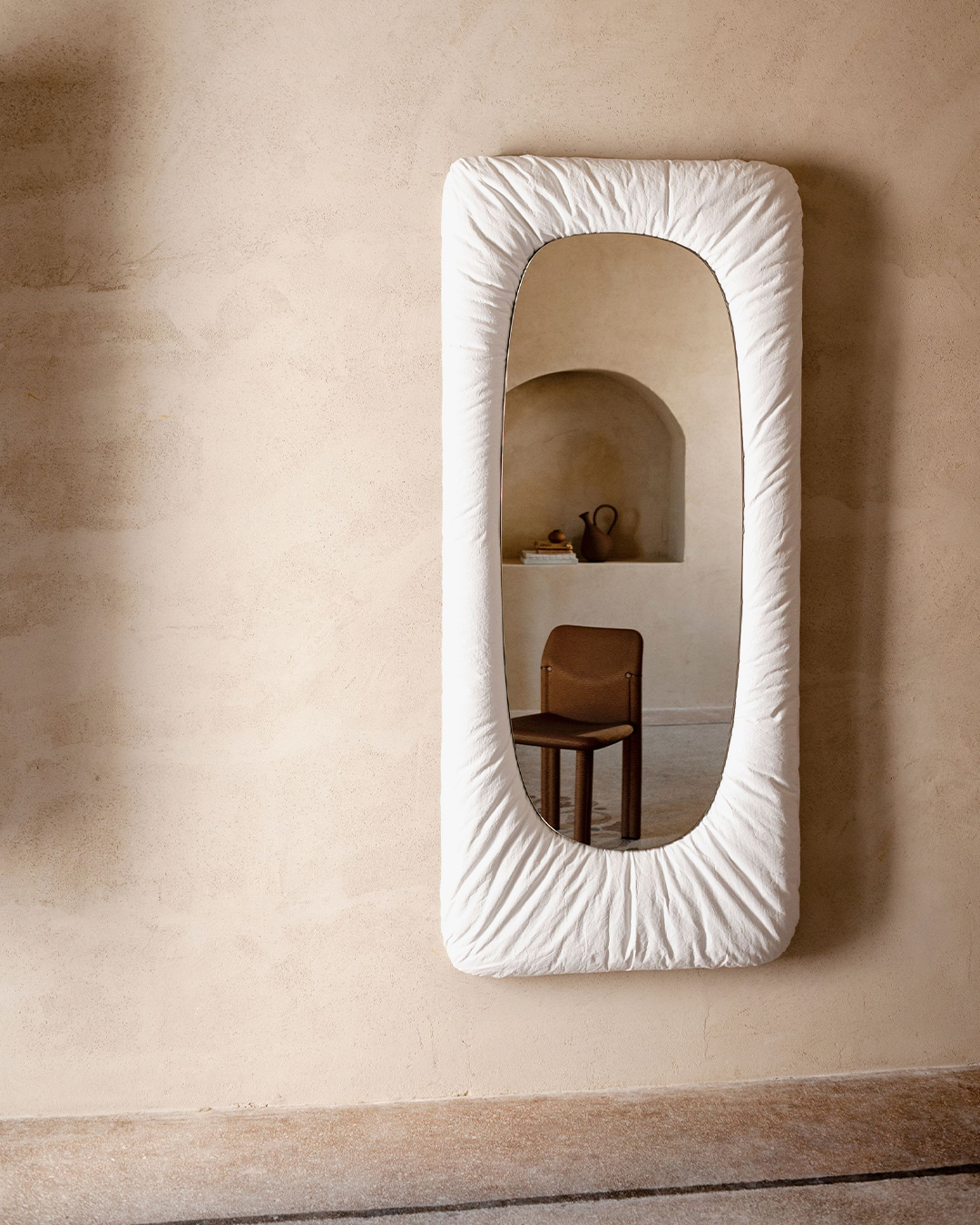
Where Willo Perron’s Porthole Mirror proliferates reflection through modular aggregation, the Stellar Mirror by Tacchini, with design by Faye Toogood, resituates it at the center, this time as a unitary, sculptural experience. Reflection here does not spread out through space to proliferate but coalesce around form, concentrating around the point of gravity and not repetition.
A UK-based artist and designer, Faye Toogood is celebrated for her practice that stems from material-led research and experimentation, often encompassing furniture design, sculpture, and fashion. Her oeuvre is characterized by graphic, three-dimensional forms that evolve naturally to become objects. This is what has already made collections like Roly-Poly so iconic: soft, rounded, and powerful.
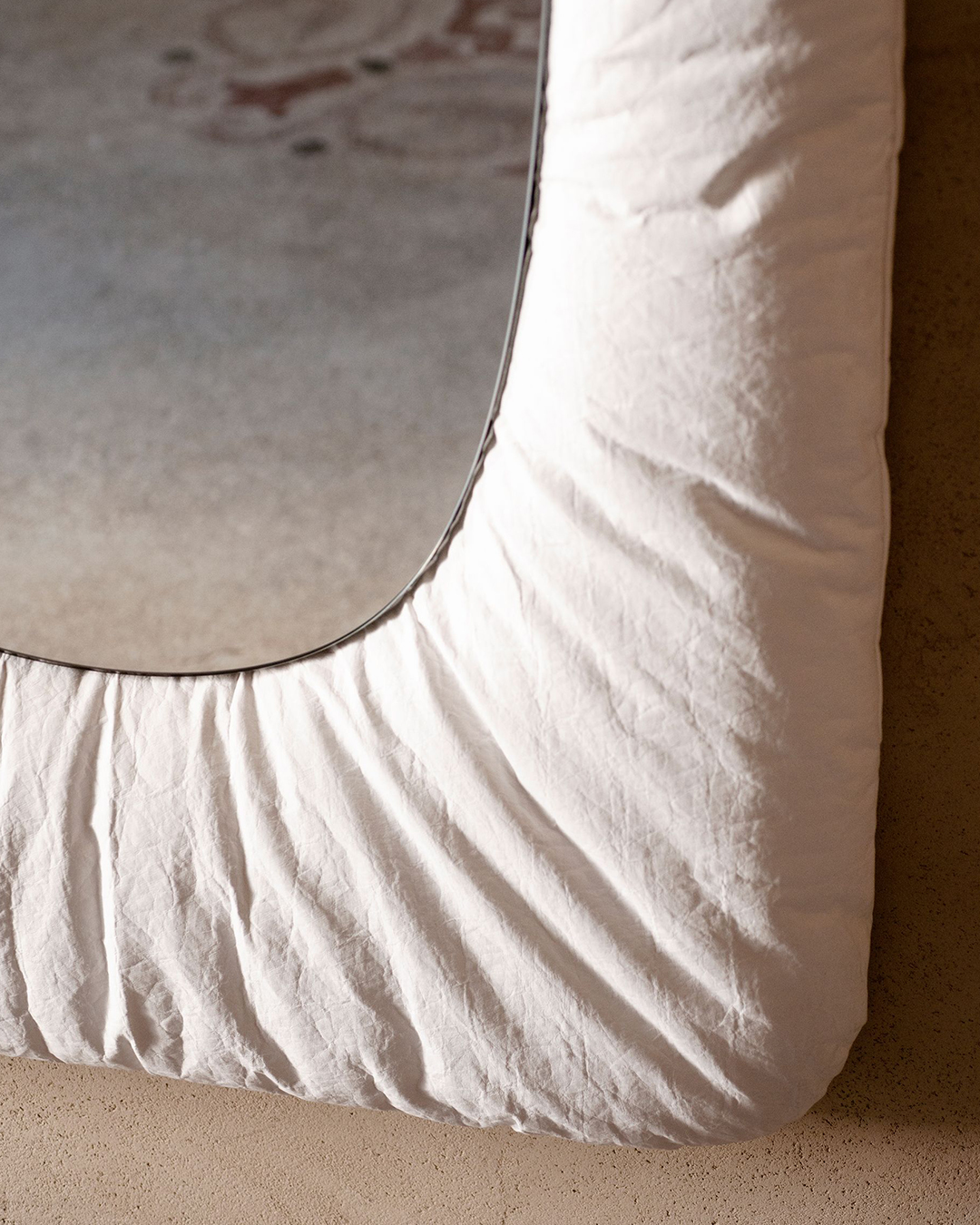
With Stellar Mirror, it is no less. Instead of being a reflective surface, it becomes a body; a presence that emerges as a mass of sculptural material. Instead of dividing the reflection into segments or framing it, Toogood chooses to emphasize three-dimensional presence to make reflection a physically experienced phenomenon.
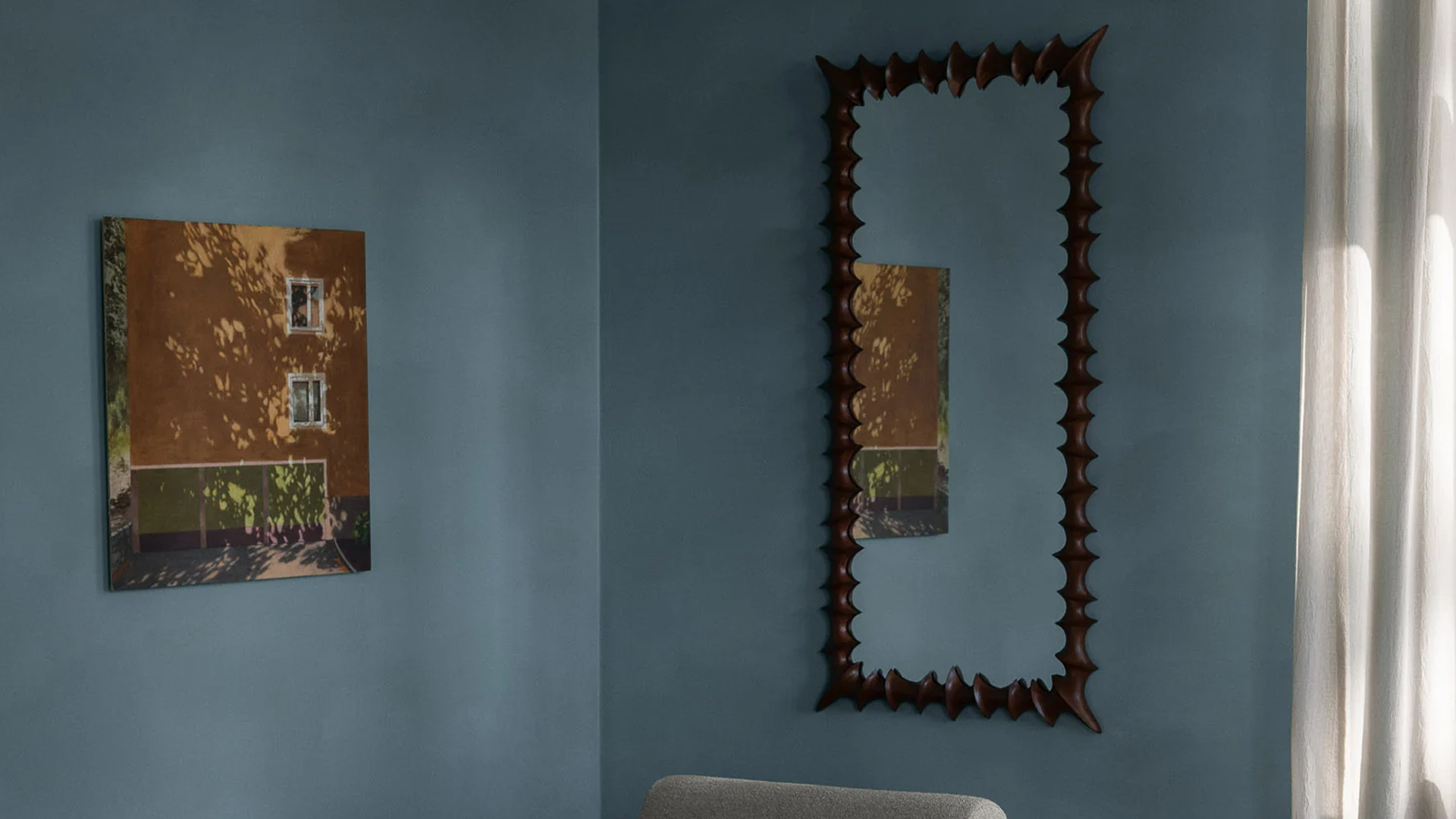
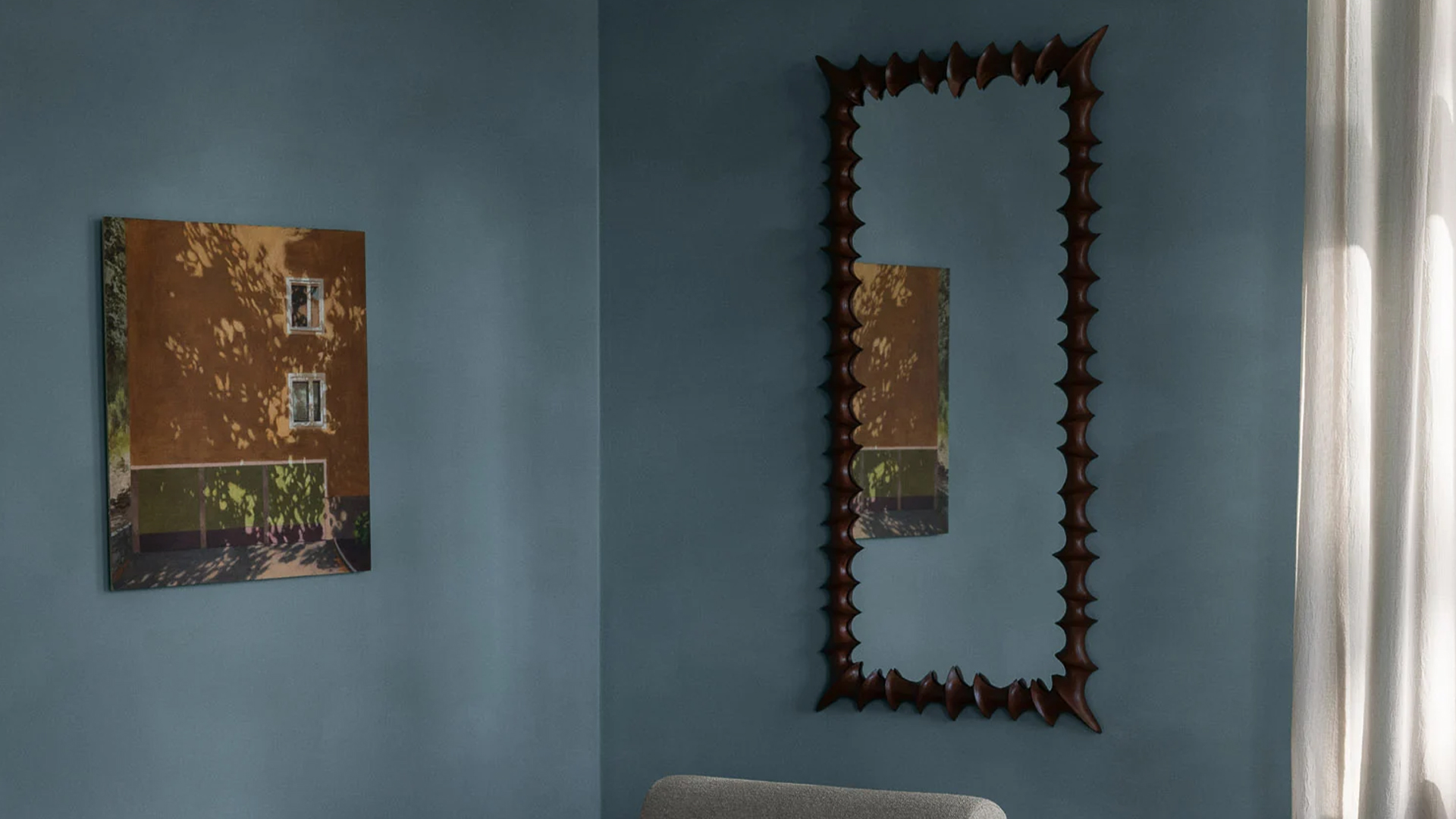
The Brutalist Mirror Large – Black by Dusty Deco, designed by Edin & Lina Kjellvertz, introduces a more architectural expression. Here, reflection is framed by structure, weight, and geometry—drawing directly from the visual language of Brutalism.
Characterized by a strong geometric shape, the object becomes a sculptural piece of interior design, symbolically related to Brutalist architecture and minimalism. The manually crafted frame features strong lines and a hint of texture, symbolically offering a tactile experience of interaction with natural or artificial light sources.
Made of deep black color, it radiates an aura of raw and refined beauty, symbolically reflecting the style of Dusty Deco in modern interior design, where the presence of materials and the functionality of an item co-exist. The Brutalist Mirror achieves the successful qualities of power and sophistication by incorporating reflection as an architectural feature, not just an aesthetic one.
Whereas the Brutalist Mirror by Dusty Deco anchors the reflection in the power of architectural structure, the movement in the Psychedelic Mirror by Caia Leifsdotter unrolls the reflection from the realm of structure, instead privileging the fluid. The reflection, here, is organic, expressive, and even fluid, moving from the domain of structure to sensation.
Hand-finished in Copenhagen, each Psychedelic Mirror in resin over MDF is a sculptural object where light and material are in constant interplay. Its flowing contours and lustrous surface evoke a sense of motion, making it a kinetic feat of sight that changes with every perspective and shift in surrounding light. Slight variations due to the artisanal process make each piece singular, reinforcing the brand’s commitment to craftsmanship and individuality.
More than a decorative accent, the Psychedelic Mirror dissolves the boundary between art and utility. Its tactile, expressive silhouette introduces softness and rhythm into space while complementing both minimalist and eclectic interiors. While light is captured, diffused, and refracted across its surface, the mirror animates its surroundings, turning reflection into an ever-changing experience.
After the fluid, almost liquid surfaces explored in Caia Leifsdotter’s Psychedelic Mirror, reflection takes on a markedly different character in Teun Zwets’ Splitted Mirror. Here, movement gives way to interruption, and continuity is replaced by a deliberate act of fracture.
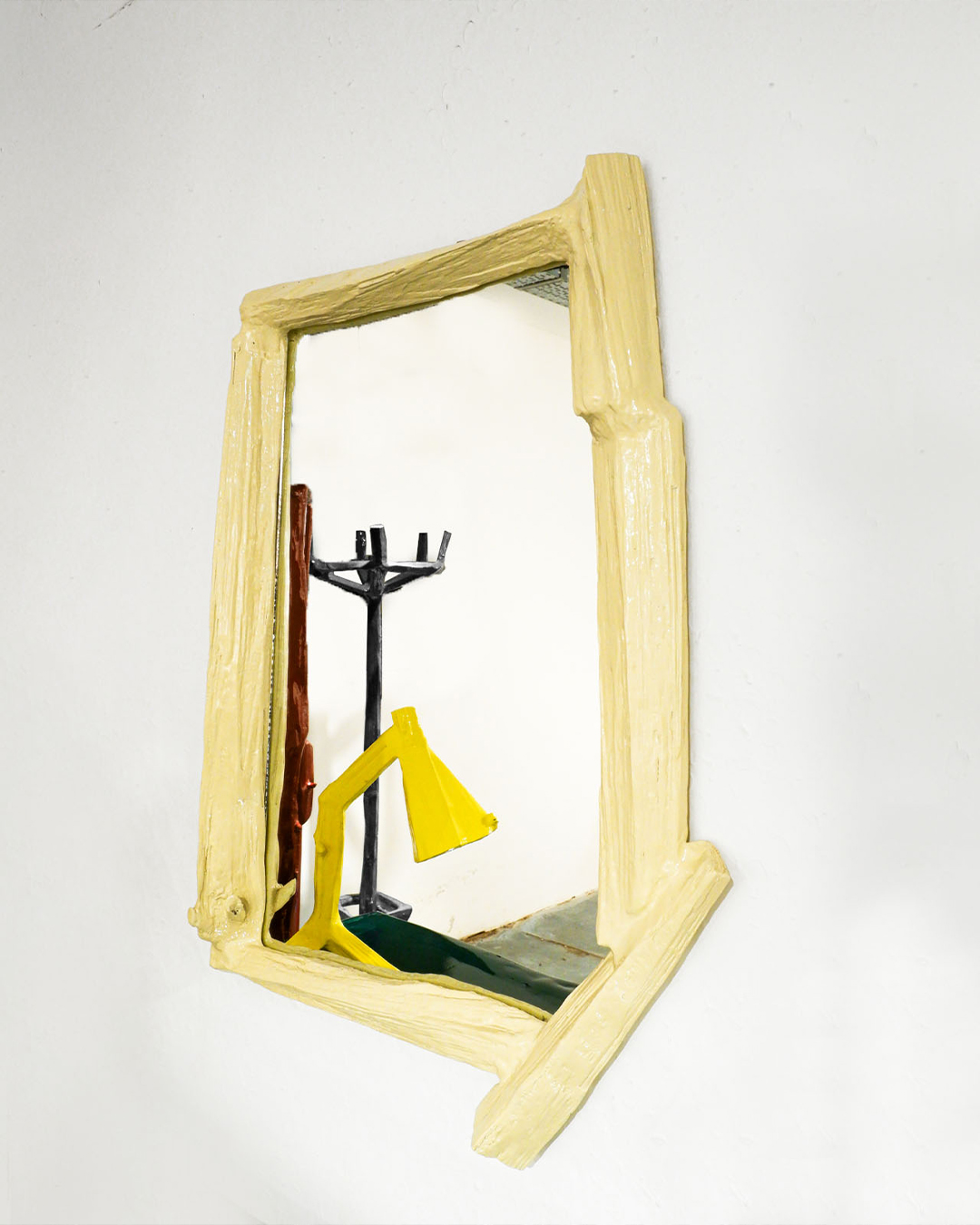
The mirror is part of the Splitted furniture series, and it is made of Douglas Fir wood, which is split using an axe, revealing the “raw and unpredictable beauty” of the wood. Every piece is unique, and this uniqueness is achieved through the use of force rather than accuracy, where the wood is split naturally, depending on its grain rather than the need for geometry. Splitting the wood becomes the process and the idea, which allows the wood to naturally form the piece.
After the splitting of the wood, the pieces are carefully worked by sanding the wood extensively and priming with paint, which is then finished with a high-gloss lacquer. The object reveals the manufacturing process by retaining the point of splitting as an identity.
To stand in front of a mirror today is no longer simply to recognize oneself, it is to negotiate identity. This may be why these objects continue to fascinate designers and viewers alike: they are among the few objects capable of holding together intimacy and spectacle, presence and performance, seeing and being seen. But in a world shaped by constant exposure and mediated images, what kind of reflection are we still searching for, and what do we truly expect to find when we look back at ourselves?
About the author

Multidisciplinary art director and storyteller crafting contemporary narratives across design, technology, politics and fashion, between Milan and Rotterdam.
Instagram