MobiDent’s vision and Analogy’s design: the Mobile Dental Clinic
Born to address a structural oral healthcare problem in India, the startup collaborated with Analogy Design studio to bring its idea to life and create the first mobile clinic for personal oral healthcare.
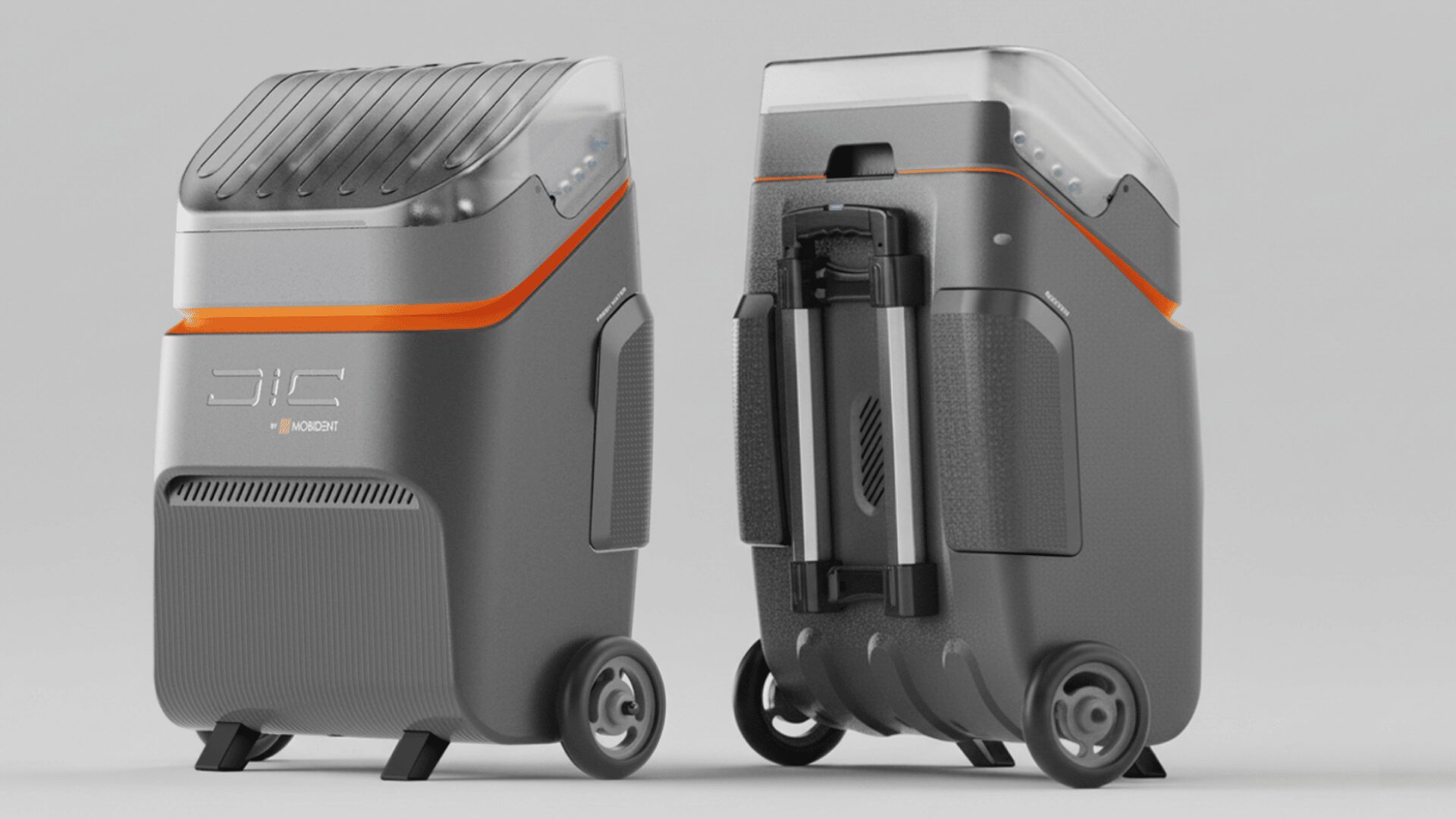
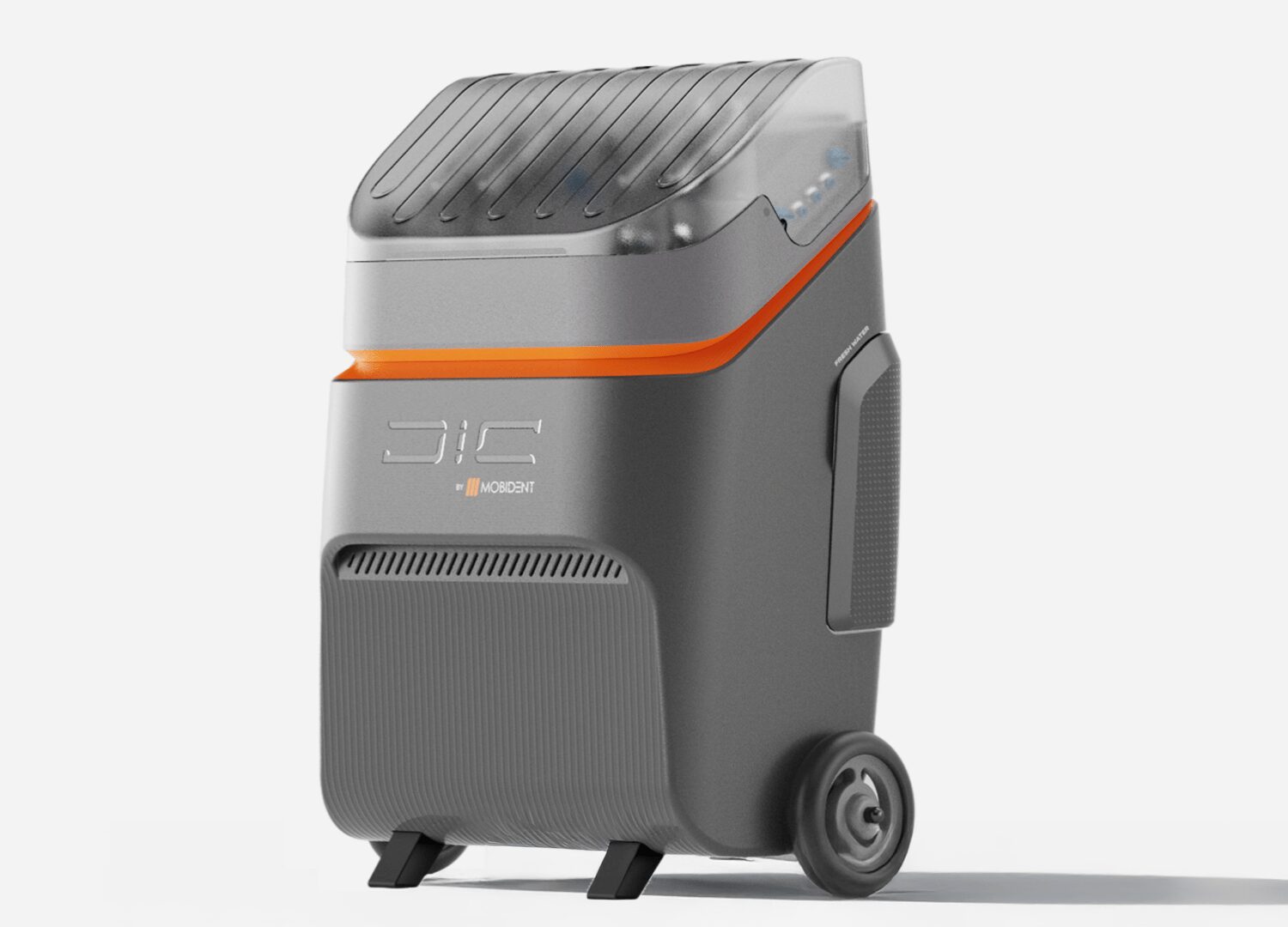
In India, dental diseases are a widespread problem, with around 90% of adults affected by dental caries and more than 50% of the population affected by gum disease. To find a solution to the problem, Vivek Madappa, founder of MobiDent, collaborated with Analogy Design to transform the sector and develop the first mobile dental clinic.
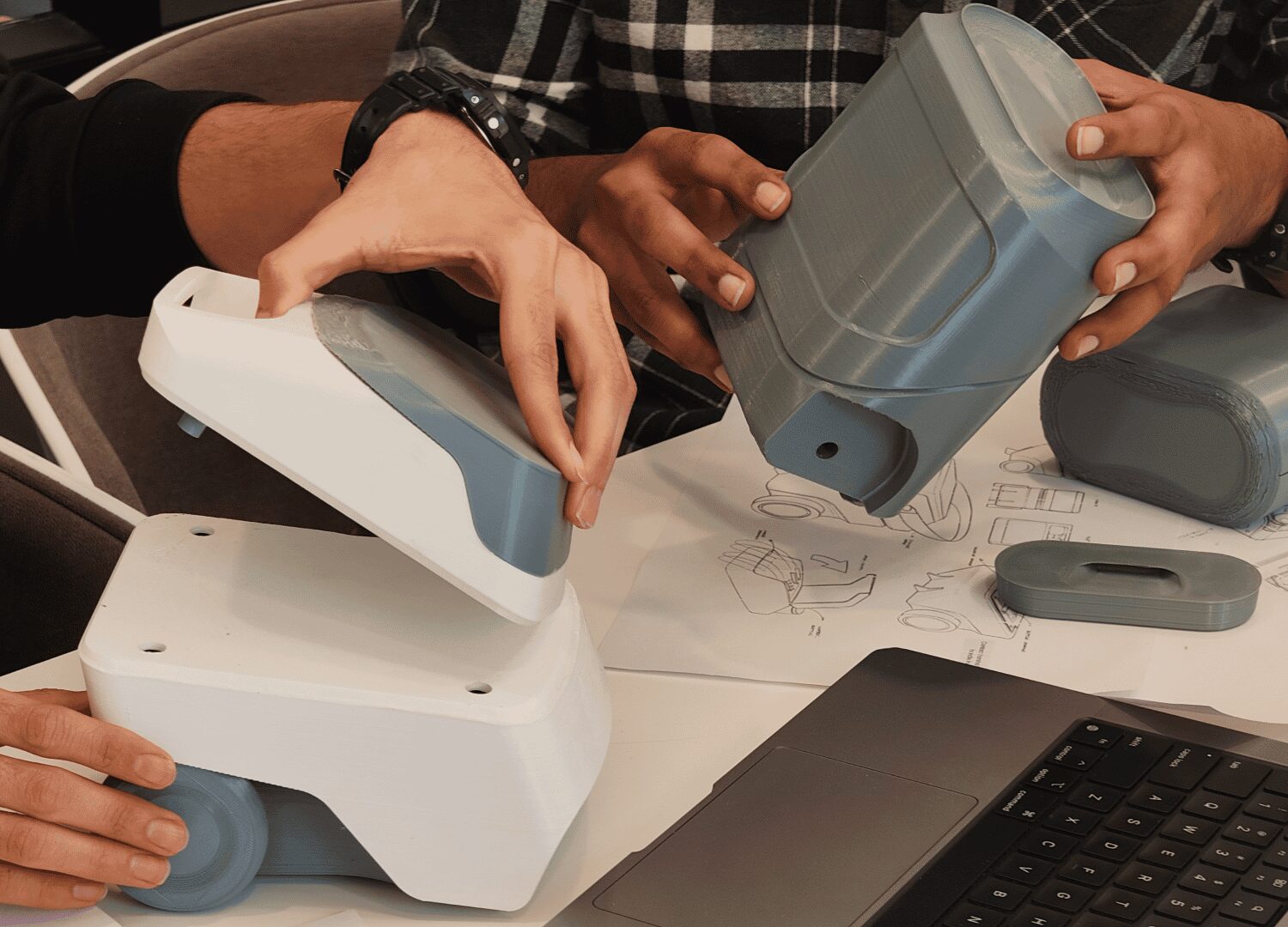
The award-winning Bangalore-based studio worked to make MobiDent’s vision feasible, giving the product a clear direction through a methodical and engineering-driven approach. Thanks to its expertise, Analogy supported the startup throughout all stages of the project, from concept to launch. This collaboration earned the team the title of 2025–26 India’s Best Design Studio at the IBDA Awards.
Gallery
Open full width
Open full width
MobiDent’s vision and Analogy’s design:
MobiDent, the clinic that brings the dentist to the patient
Data on India from the Oral Health Observatory (OHO) – a project launched in 2014 by the FDI World Dental Federation to collect information on oral health directly from dental practices and patients – has revealed a steady decline in routine dental visits after the age of 35–44. Secondary findings also show that untreated oral diseases have a greater economic impact than preventive measures.
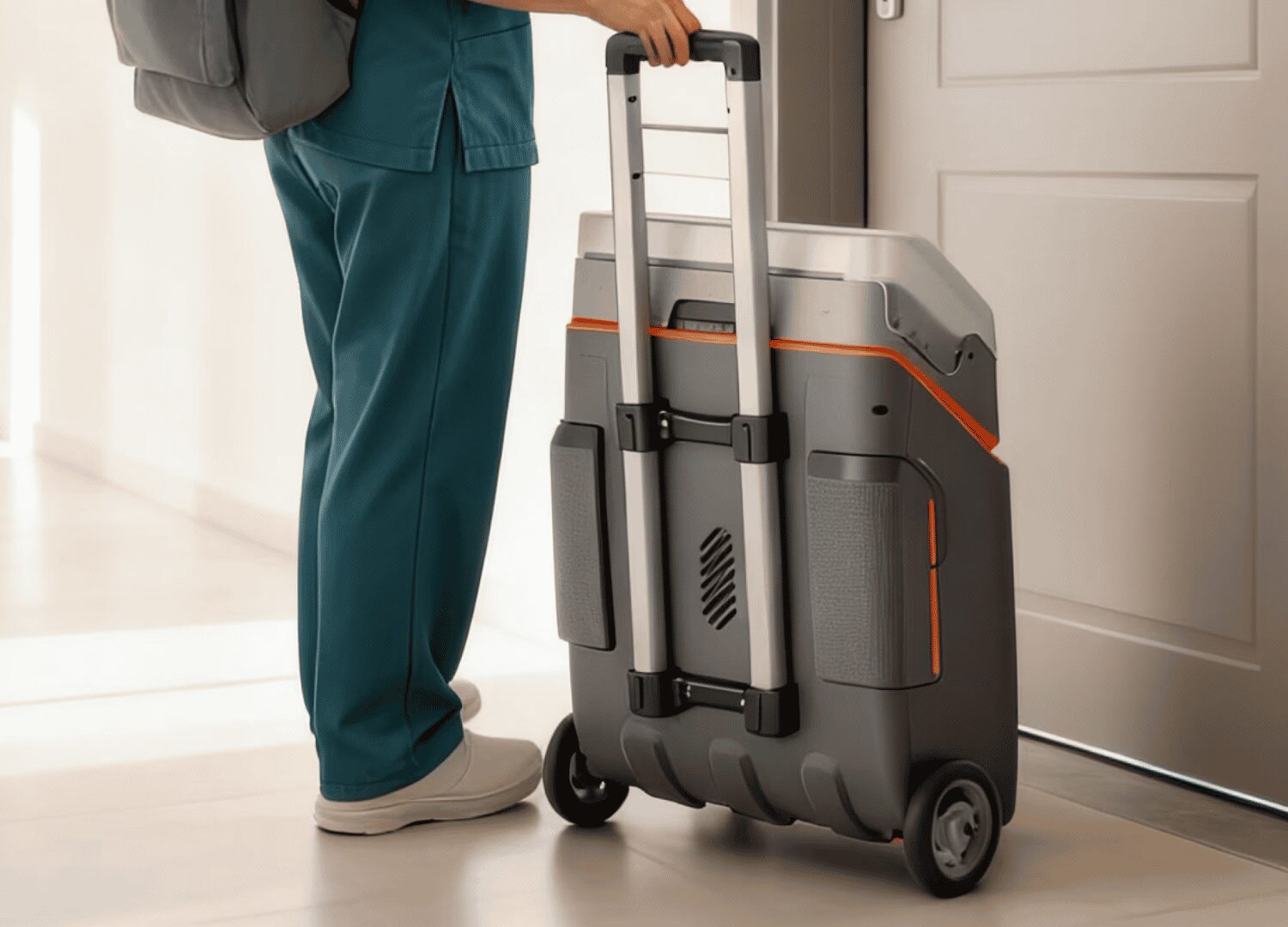
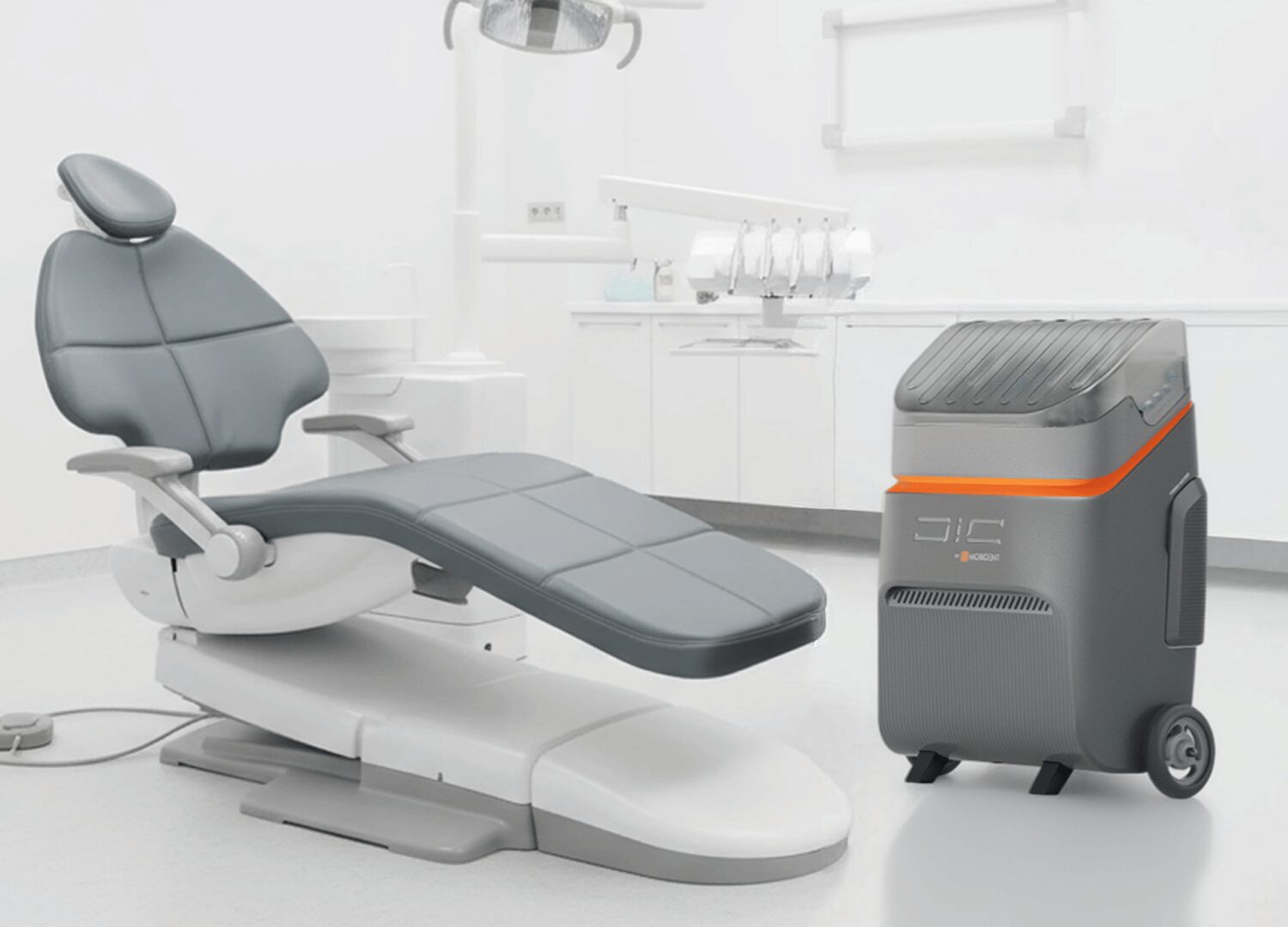
The study highlights the need to raise consumer awareness, adopt strategic policies, and develop sustainable healthcare models. This is where MobiDent’s idea originated: a mobile clinic that brings dental care to patients, eliminating the need to travel to a dentist. A simple way to reach everyone, including rural and marginalized communities where access to care is most needed.
After eight years of fragmented development, the startup turned to Analogy Design, which immediately took on the challenge.
“Meeting Analogy was a turning point,” said Vivek Madappa. “Their approach to market research and form design is exceptional, but where they truly stand apart is in the ‘last mile’: translating vision into rigorous engineering design for manufacturing.”
Analogy Design and the development of the Mobile Clinic
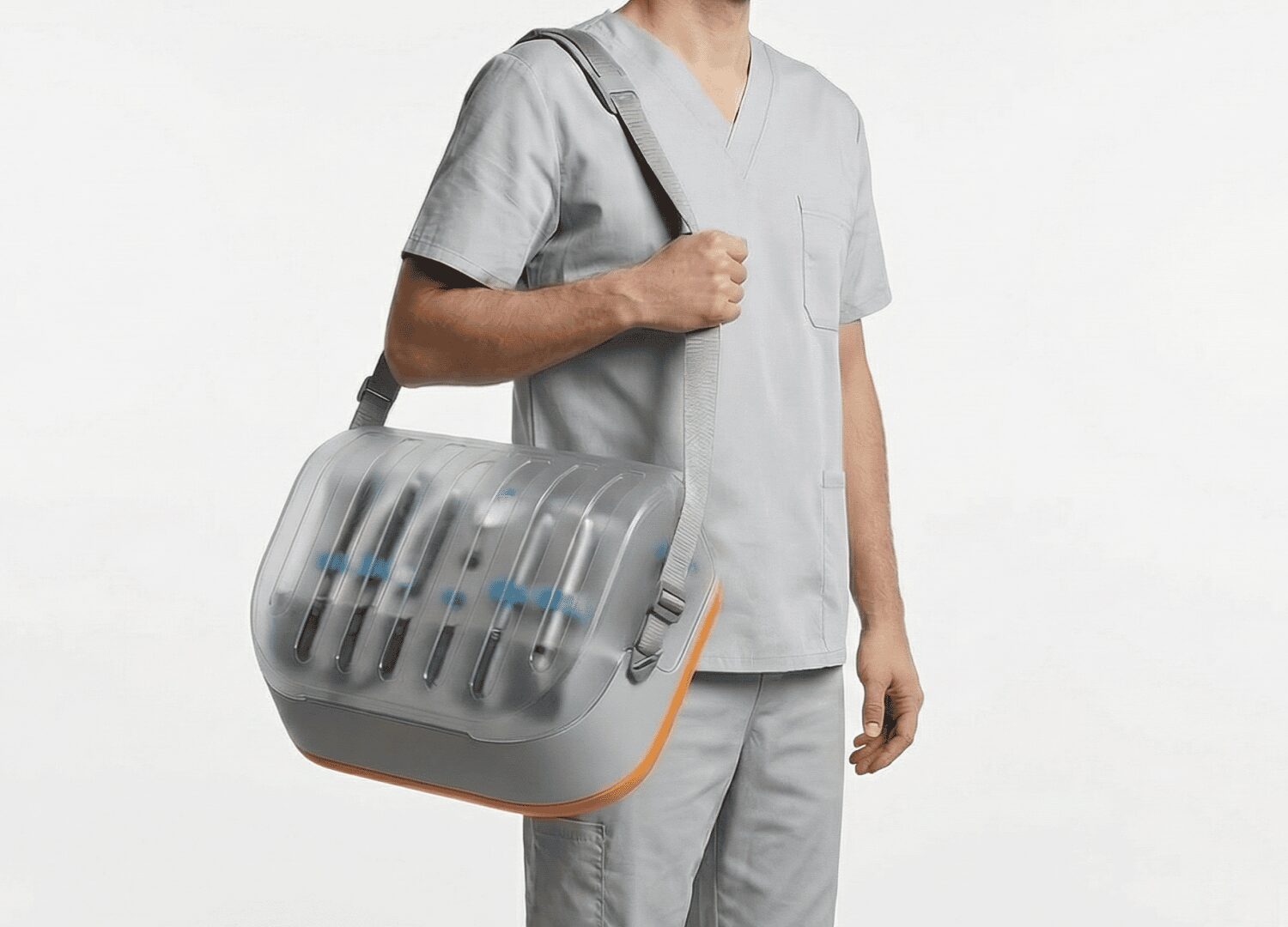
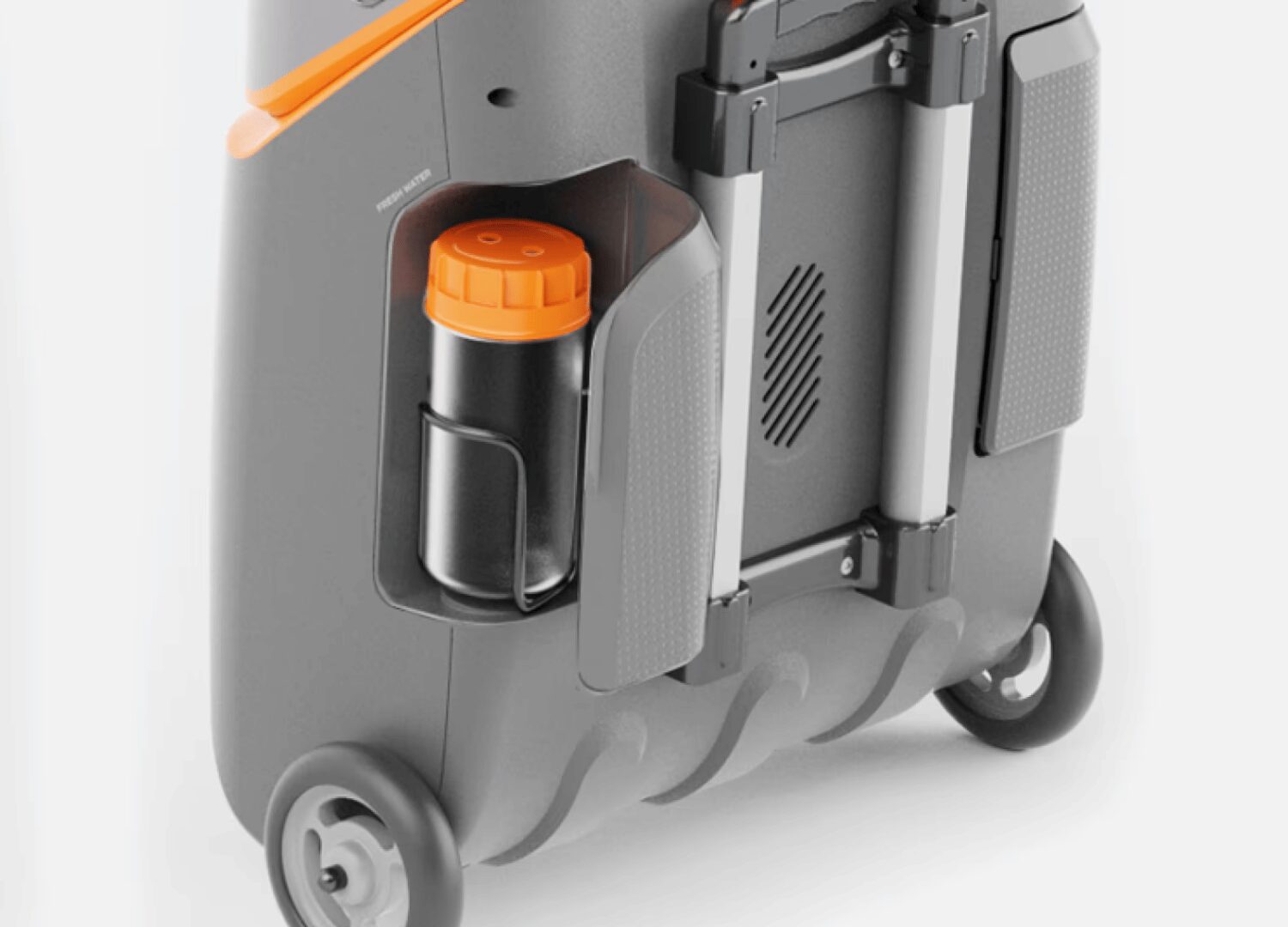
The challenges the studio had to address were multiple: making the standard configuration of a dental practice – with numerous instruments, cables, and accessories – compact and suitable for transportation, designing a product that was easy to clean to prevent hygiene risks, and, above all, ensuring the functionality of a full-scale setup.
Through mechanical engineering, industrial and medical product design, Analogy Design developed a solution that simplifies the system through the use of pressurized air and water, reducing the number of components and the internal volume by half.
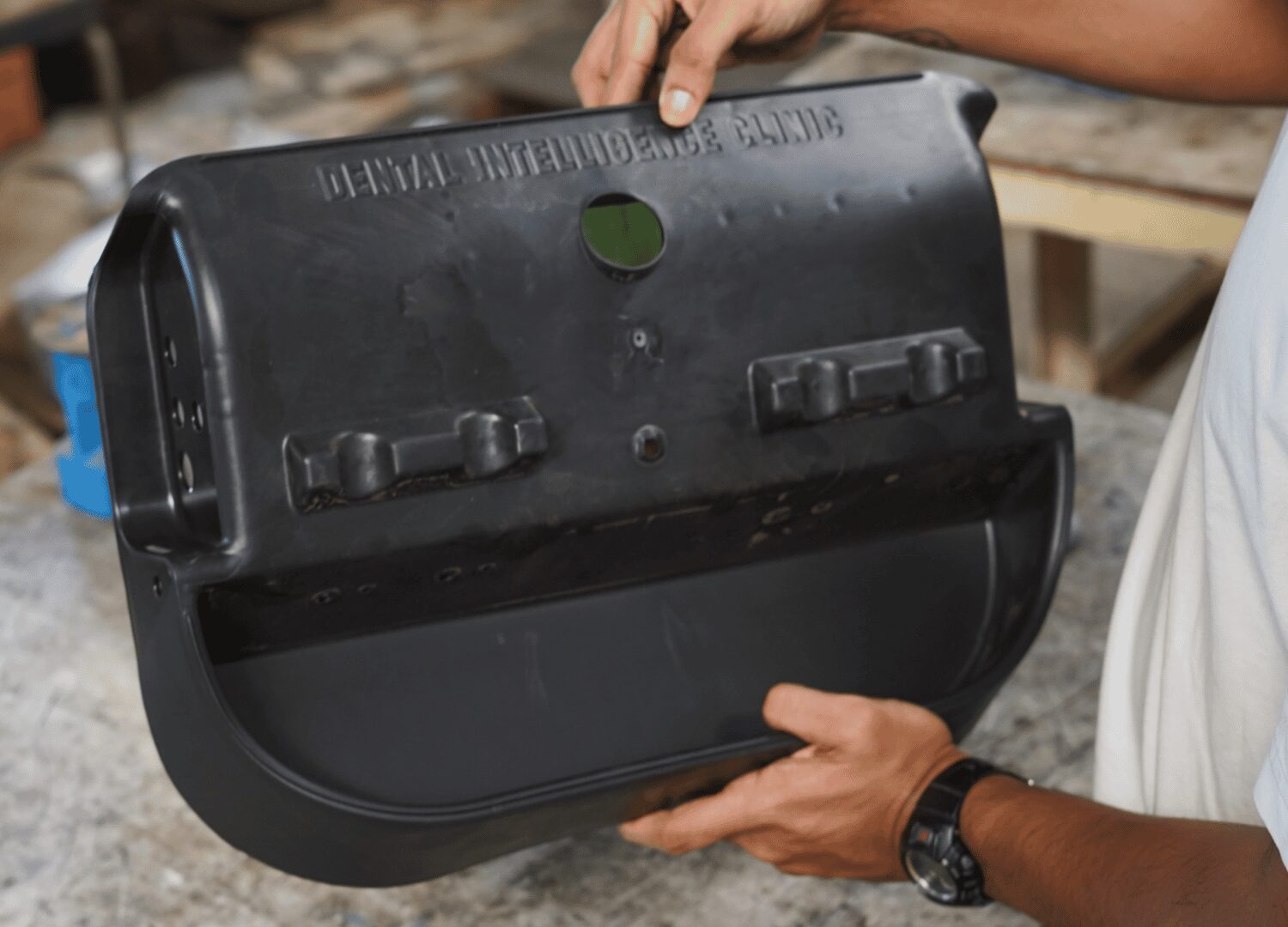
Production and assembly costs were reduced through a rational internal configuration: applying usability engineering to reduce the dentist’s cognitive load, the studio developed a two-part modular system that separates the personal instruments from the compressor unit, allowing for a faster and simpler setup. To address hygiene risks, the mobile clinic was designed with easy-to-clean surfaces and durable materials were used.
Mobile dental clinic, a new infrastructure for oral healthcare
By combining medical device design with usability tailored to real-world conditions, Analogy Design helped MobiDent develop a scalable and accessible solution that genuinely removes existing barriers.
While the studio focused on reducing overall operating costs, simplifying procedures, and enabling dental care to be delivered in hard-to-reach areas, the project also contributes to the feasibility of a product that plays a fundamental role in improving access to healthcare and provides a foundation for a range of potential community-based healthcare programmes.