ZEUGMA: The hyperbaric chamber that was designed to feel like a space capsule
Tolga Kabak, CTO and co-founder of Istanbul-based HPO.TECH, has spent his career turning hyperbaric oxygen chambers from intimidating clinical machines into architectural objects of beauty, comfort, and human-centered design.
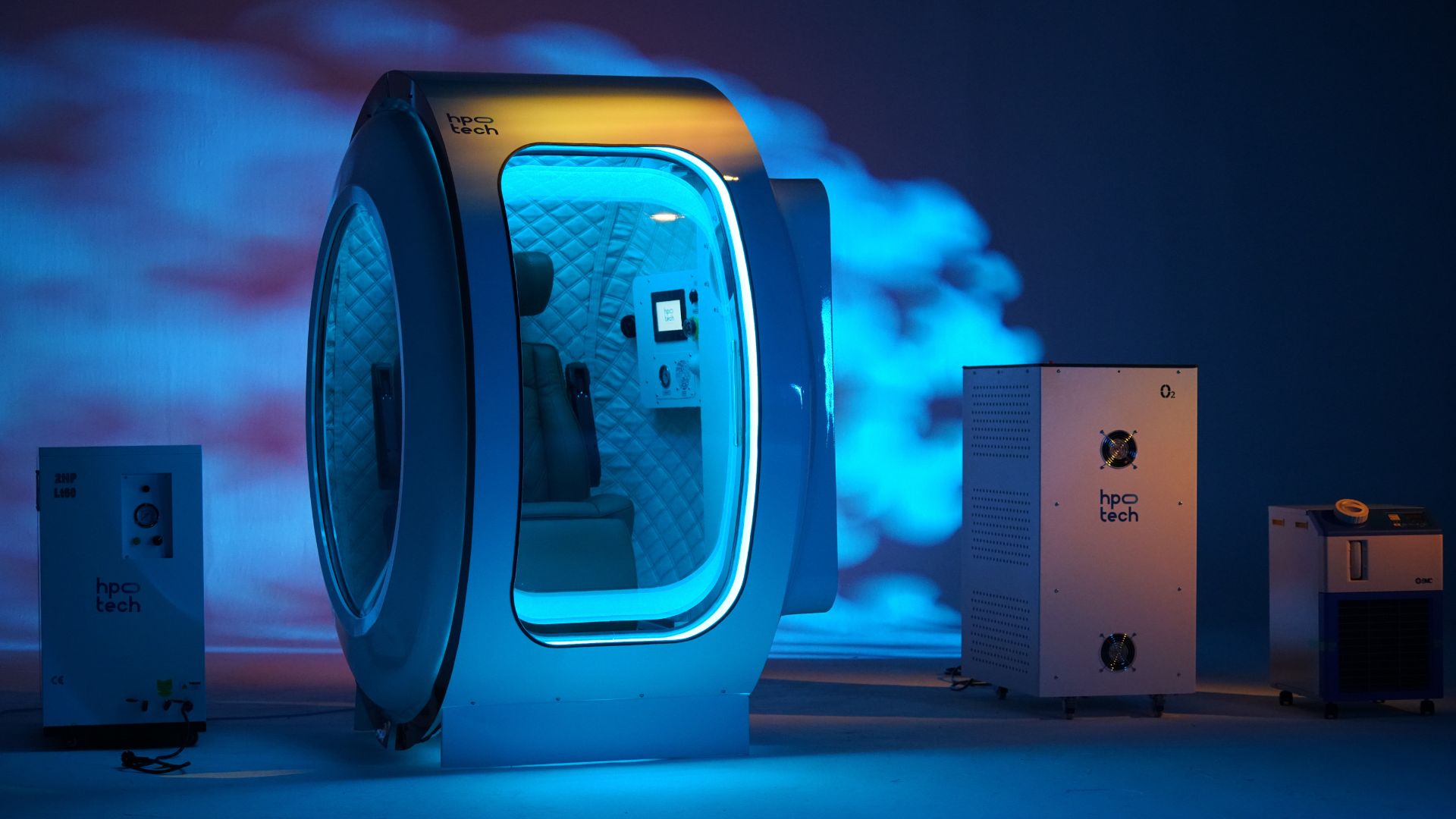
Most people have never heard of hyperbaric oxygen therapy — until they suddenly need it. Used across wellness centers, elite sports teams, and medical clinics to treat everything from athletic recovery to non-healing wounds, hyperbaric oxygen therapy and the pressurized chambers that deliver it have quietly become one of the more consequential technologies in modern medicine and longevity science.
What most people don’t know is that the design revolution behind these chambers didn’t come from a Silicon Valley startup or a European industrial design studio. It came from Istanbul, and it’s largely the work of one person: Tolga Kabak, CTO and co-founder of HPO TECH Hyperbaric Systems.
Gallery
Open full width

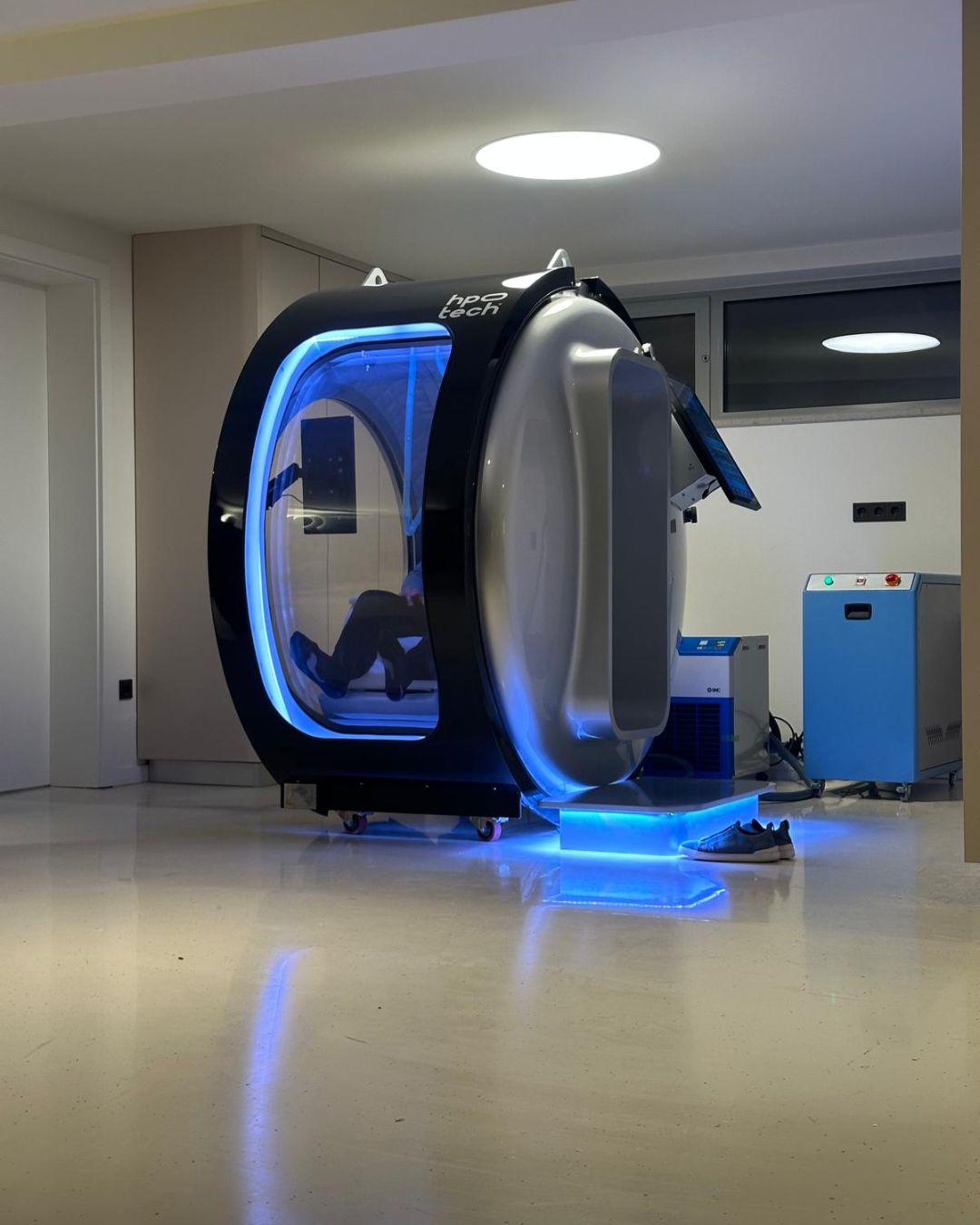
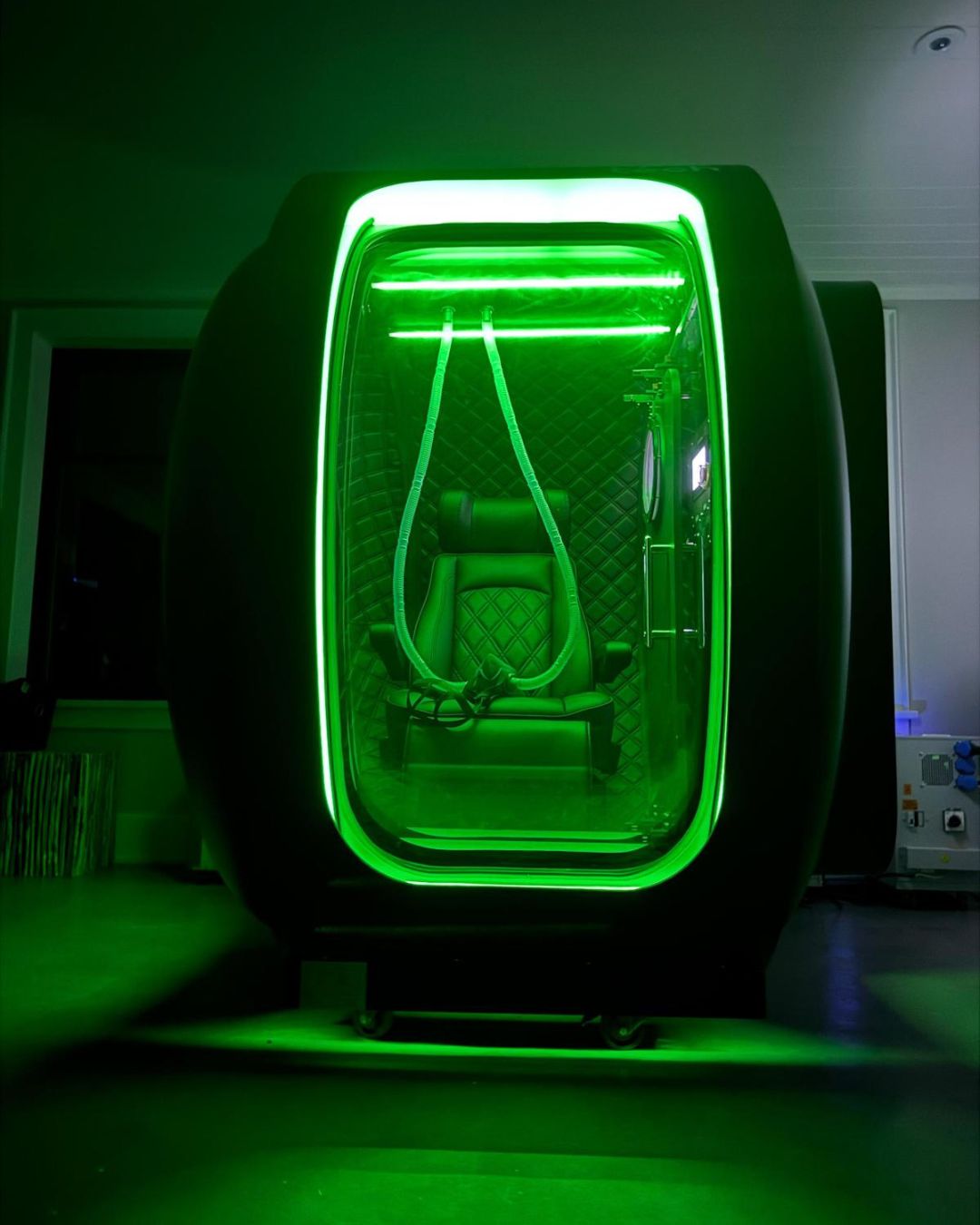
Open full width
HPO TECH operates at a rare and demanding intersection: diving technology, aerospace-grade engineering, and clinical science. Its chambers are used by biohackers, professional athletes, and hospitals alike. And the reason they look nothing like what you’d expect a medical device to look like is entirely deliberate.
Engineering meets architecture
Hyperbaric chambers are pressure vessels. By definition, their primary engineering mandate is structural integrity under high pressure — not comfort, not aesthetics, not the psychological experience of the person inside. That was the accepted orthodoxy of the field for over a century. Tolga Kabak decided to question it.

A mechanical engineering graduate of Trakya University, with a master’s degree specializing in hyperbaric oxygen chambers, Kabak spent years directing operations at several hyperbaric companies before concluding that the industry was solving the wrong problem. The technology worked. The design didn’t.
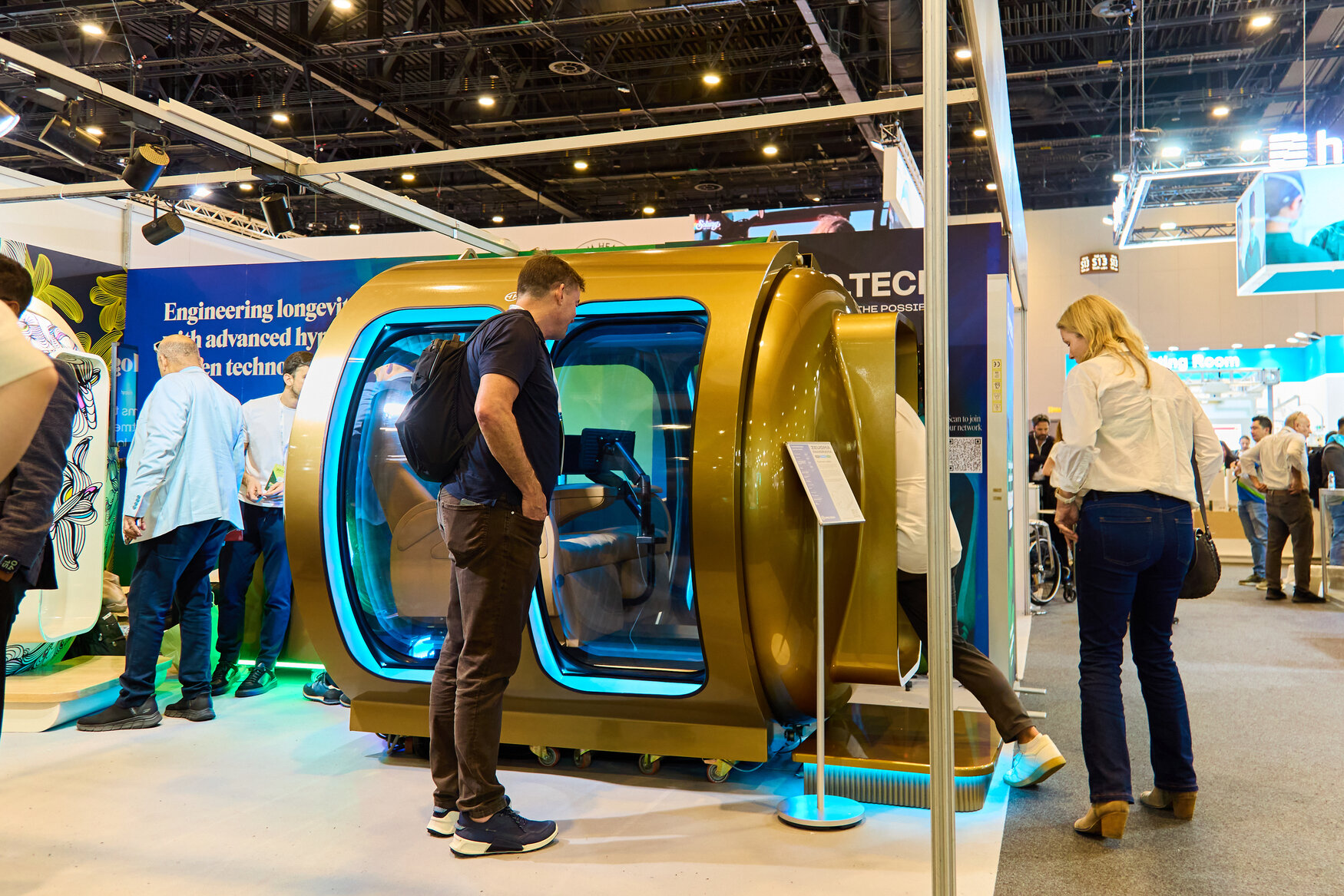
His response was to create the ZEUGMA hyperbaric chamber — now one of the most replicated hyperbaric designs in the world, adopted by high-profile figures including longevity pioneer Bryan Johnson. The insight behind it was disarmingly simple: a chamber is not just a pressure tank. It’s a space where people spend hours of their lives. It should be designed accordingly.
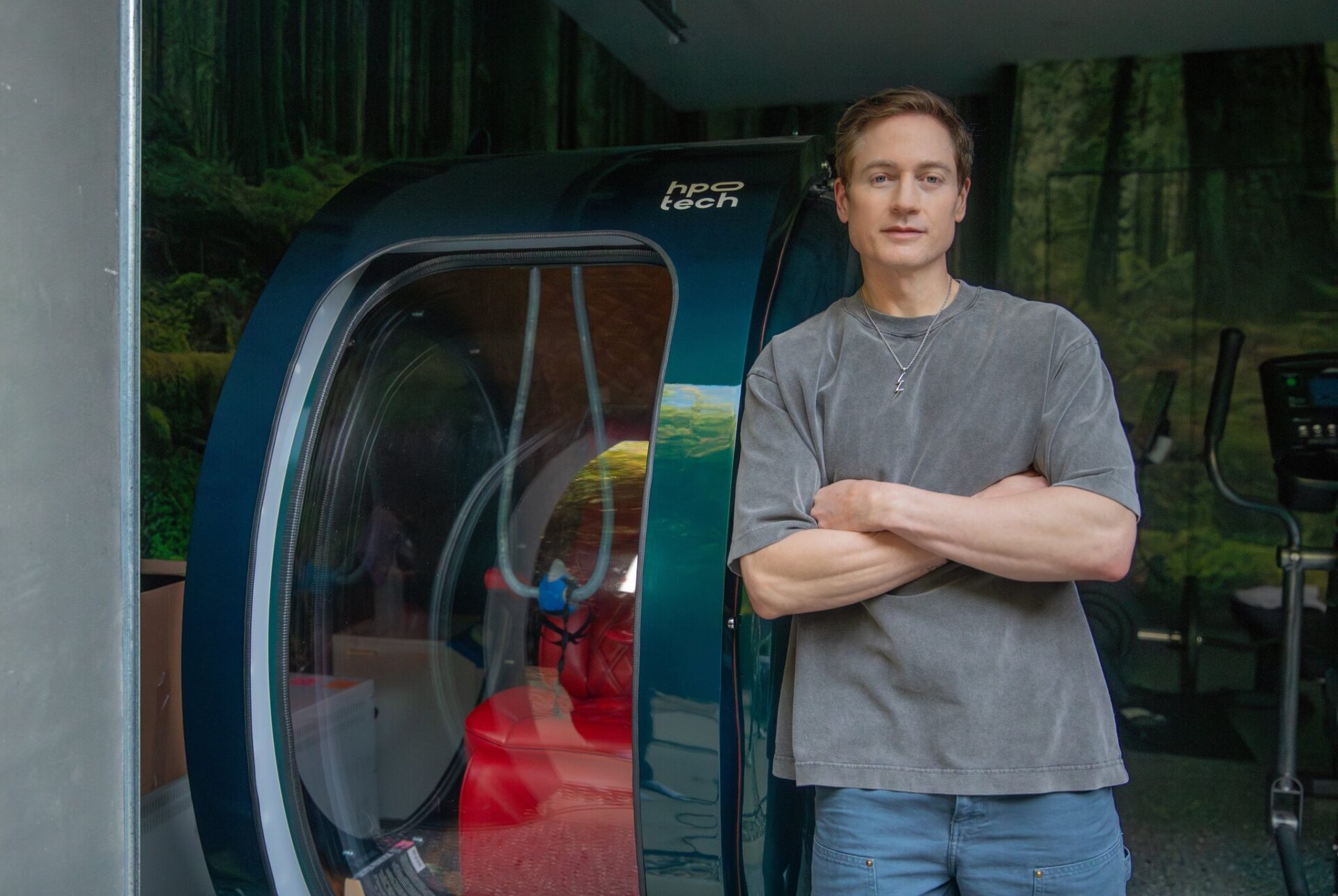
“Traditional hyperbaric chambers are designed almost entirely from an engineering perspective,” Kabak explains. “Safety and pressure resistance are naturally the primary priorities. However, my team and I at HPO TECH asked ourselves a simple question: why should a life-saving technology look like a machine that people are afraid to enter?“
His answer shaped everything that followed. “I do not see it merely as a pressure tank, but rather as an architectural environment operating under pressure. I paid special attention to spatial perception, light and visibility, interior volume, materials, and psychological comfort during the design process. My design philosophy is very simple: advanced engineering should not prevent the creation of beautiful and comfortable spaces.”
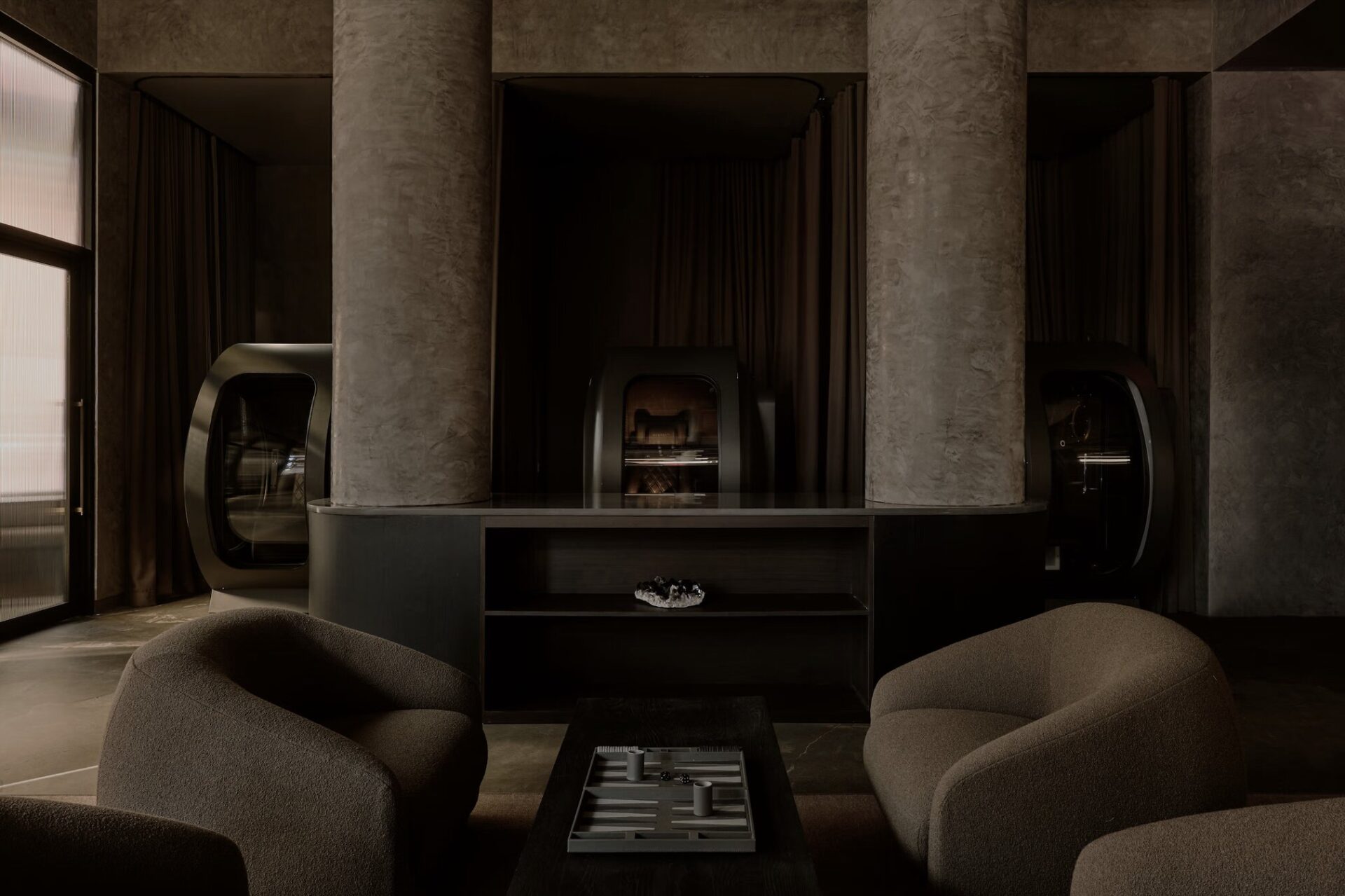
Designing for human experience
Claustrophobia is one of the most common barriers to hyperbaric therapy. Many patients feel significant anxiety the first time they enter a chamber — a reaction that is entirely understandable given how most chambers look and feel. HPO TECH approached this not as a clinical problem to manage, but as a design challenge to solve.
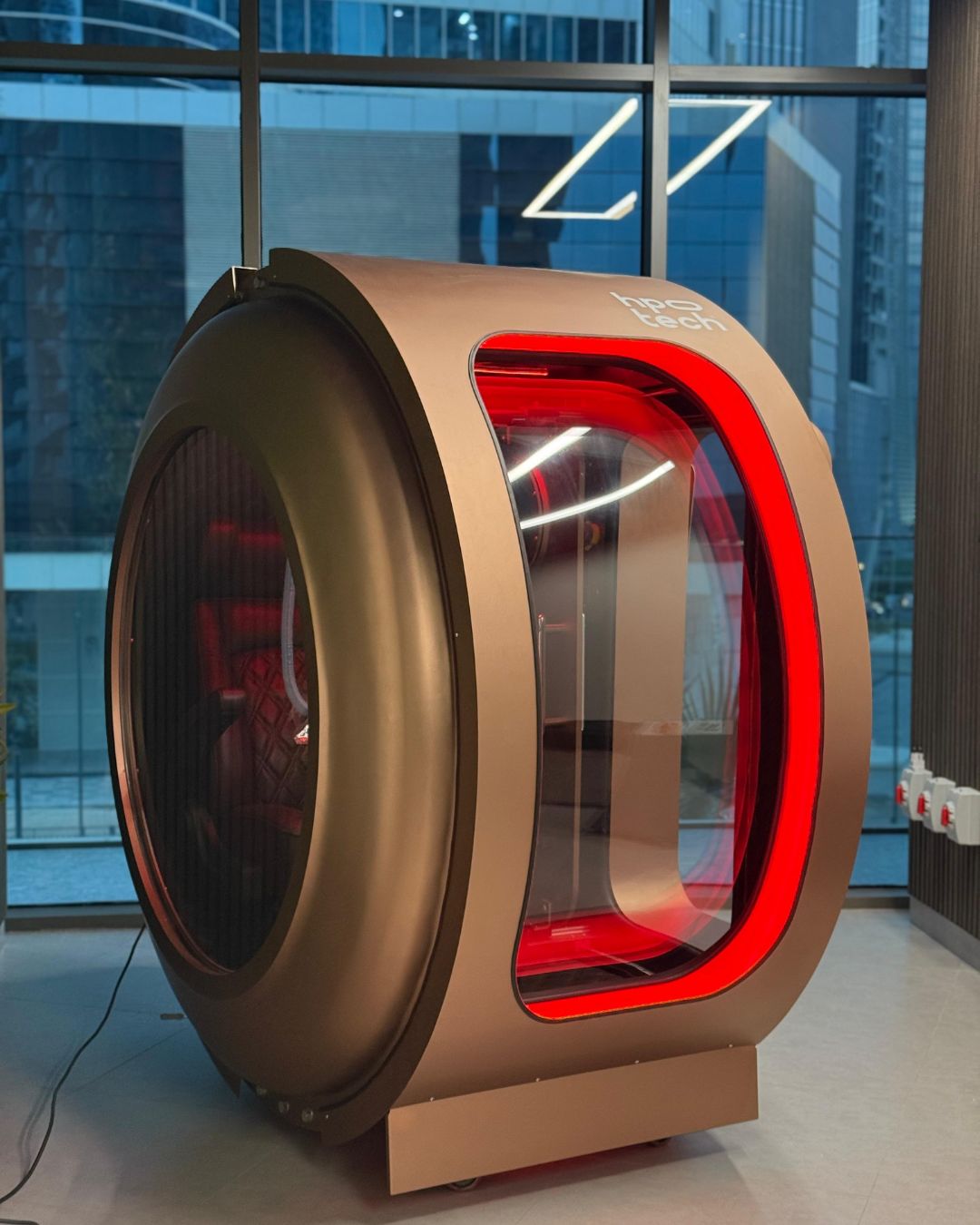
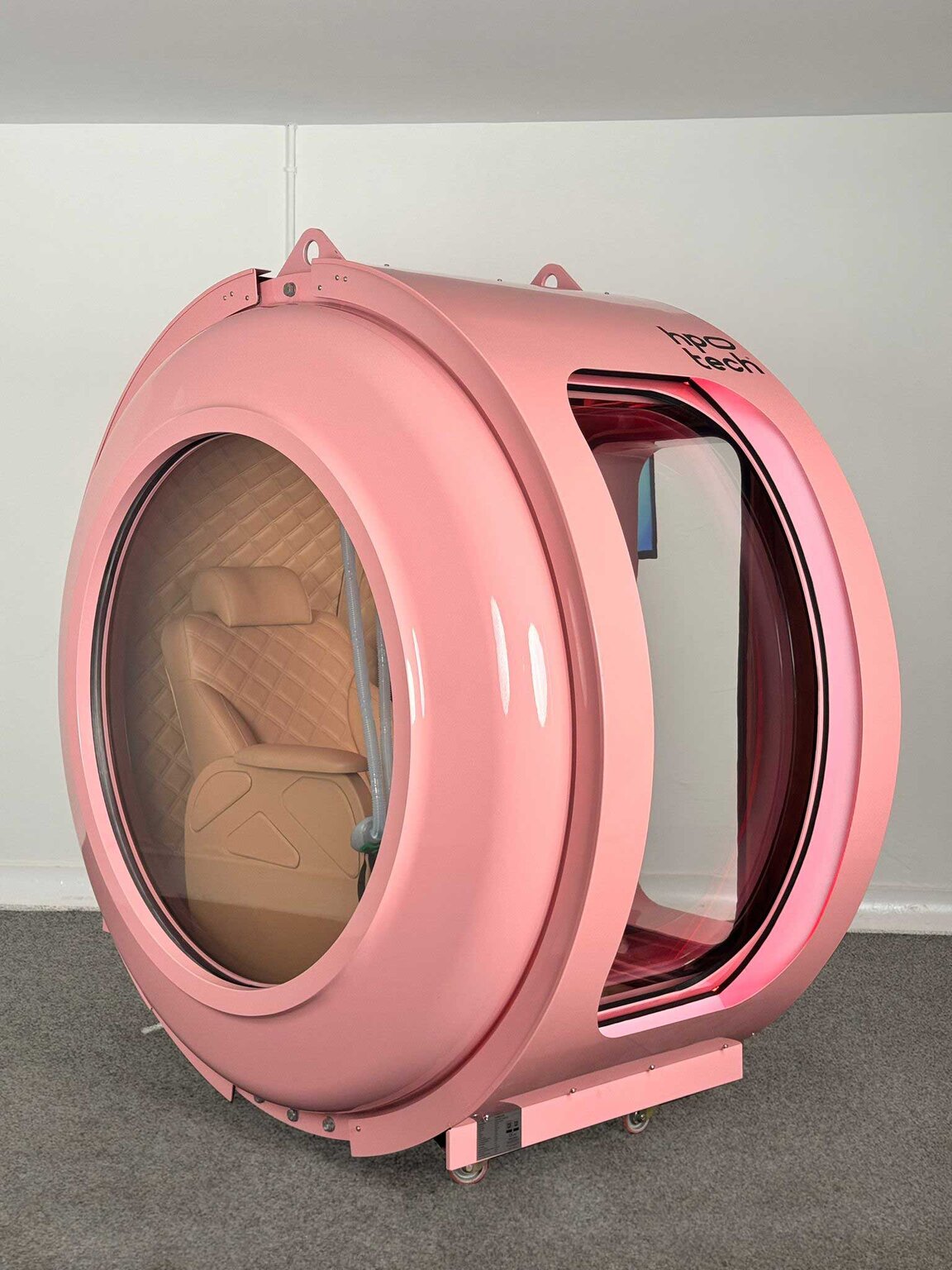
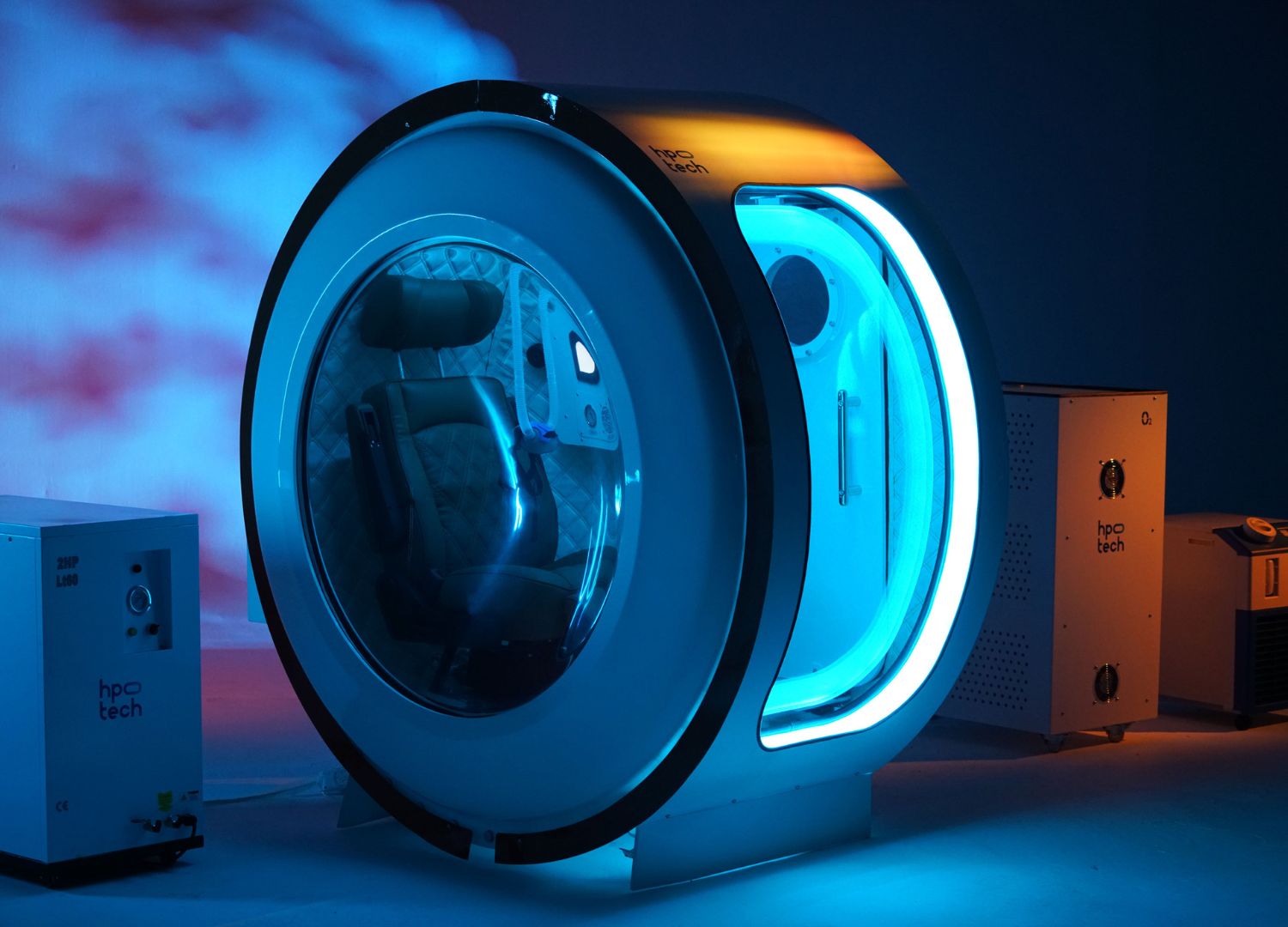
The solution centered on transparency and openness. HPO TECH chambers feature panoramic observation windows — unusually large by industry standards — alongside spacious interior volumes, soft linings, and ergonomic seating and reclining configurations. Multiple window sizes and arrangements are available depending on the application.
The result is something that consistently surprises first-time users. As Kabak notes, most people stepping inside for the first time say it feels more like being in a space capsule than a medical device. That reaction, he says, is precisely what the team aims for.
Making this possible was not straightforward. Integrating large windows into a pressure vessel is, in Kabak’s words, one of the most challenging problems in hyperbaric engineering. Any opening in a structure designed to safely contain pressure affects structural integrity — which is why conventional chambers keep their windows small.
HPO TECH took a different approach, designing transparency in from the beginning rather than treating windows as elements to be added later. That shift in methodology — from engineering-first to experience-first, without compromising either — is what sets the company’s work apart.
Design language as a love language
What drives someone to spend a career pushing the aesthetic and experiential boundaries of pressure engineering? For Kabak, the answer connects back to a lifelong fascination with systems where human experience and extreme engineering constraints collide — aircraft, submarines, space capsules, advanced medical technologies.
“What fascinates me about these systems is that the laws of physics impose very strict limits. In my view, the most interesting design emerges precisely under those conditions. Constraints do not reduce creativity; they strengthen it.“
It’s a design philosophy that feels closer to architecture or industrial product design than to medical device manufacturing — and that cross-disciplinary thinking is arguably what has allowed HPO TECH to disrupt a field that hadn’t considered itself disrupted.
The future: beyond therapy, toward research
HPO TECH is not stopping at therapy. The company is currently developing multi-baric systems — platforms that can simulate both hyperbaric pressure and hypobaric altitude environments within a single unit. The TAMPA project is the most visible expression of this direction: a technology now being used in research into longevity, anti-aging, neurological recovery, and sports performance at Arizona State University.
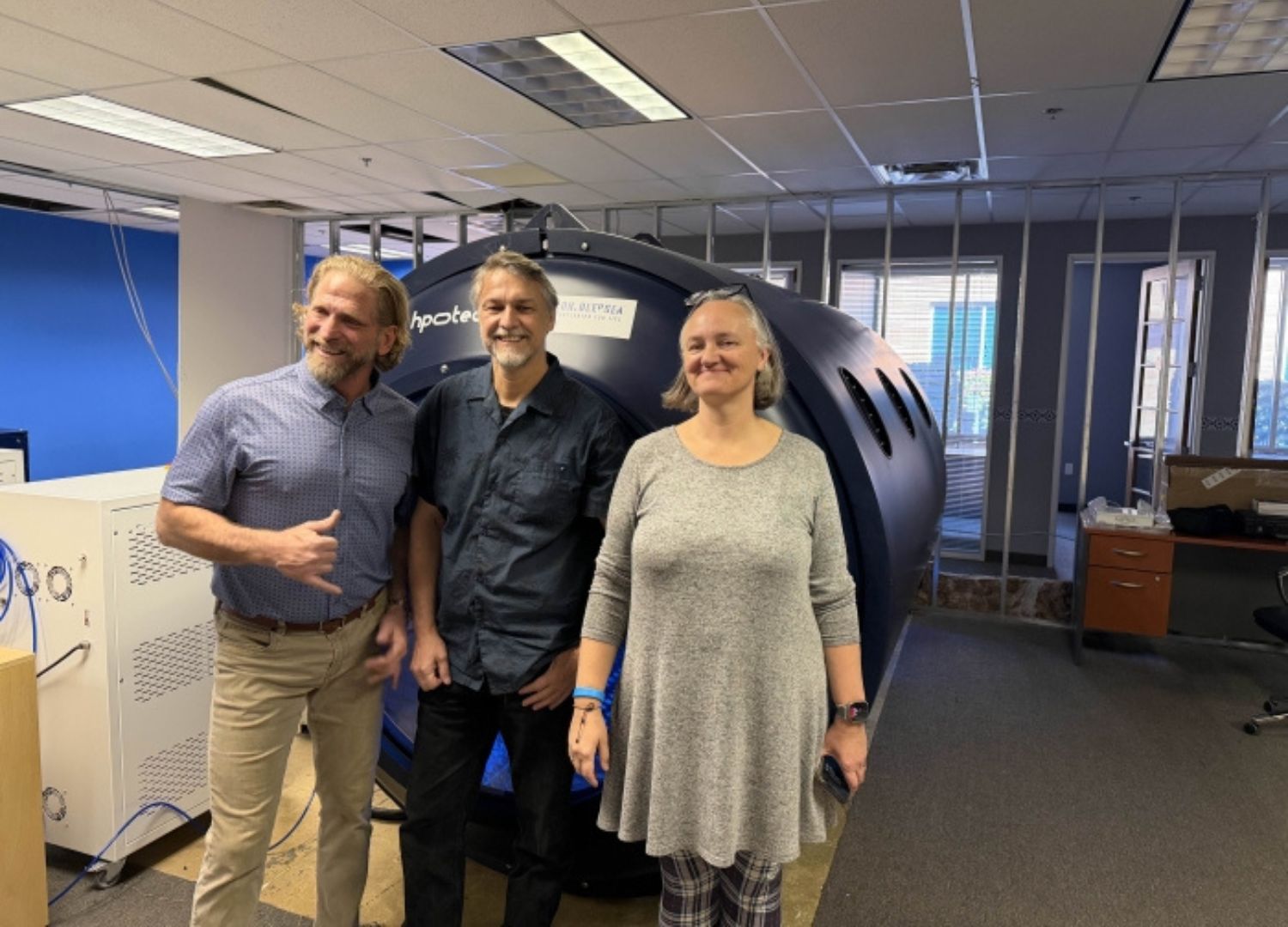
That research has already attracted global attention. Using HPO TECH’s technology, Joseph Dituri and Arizona State University’s Healthspan team reached the semifinals of the $101 million XPRIZE competition — selected from 765 teams worldwide — for their work on reversing aging.
“It is likely that hyperbaric systems will evolve beyond treatment devices and become advanced scientific research platforms,” Kabak reflects. “From both a technological and design perspective, this transformation will redefine how we think about human environments in medicine.“
It’s a vision that feels entirely consistent with everything HPO TECH has already built: a future where the most demanding engineering constraints don’t produce cold, functional objects, but environments where people feel calm, curious, and cared for. In a field defined by pressure — literally — that might be the most radical design statement of all.
Next-level engineering: OYSTER
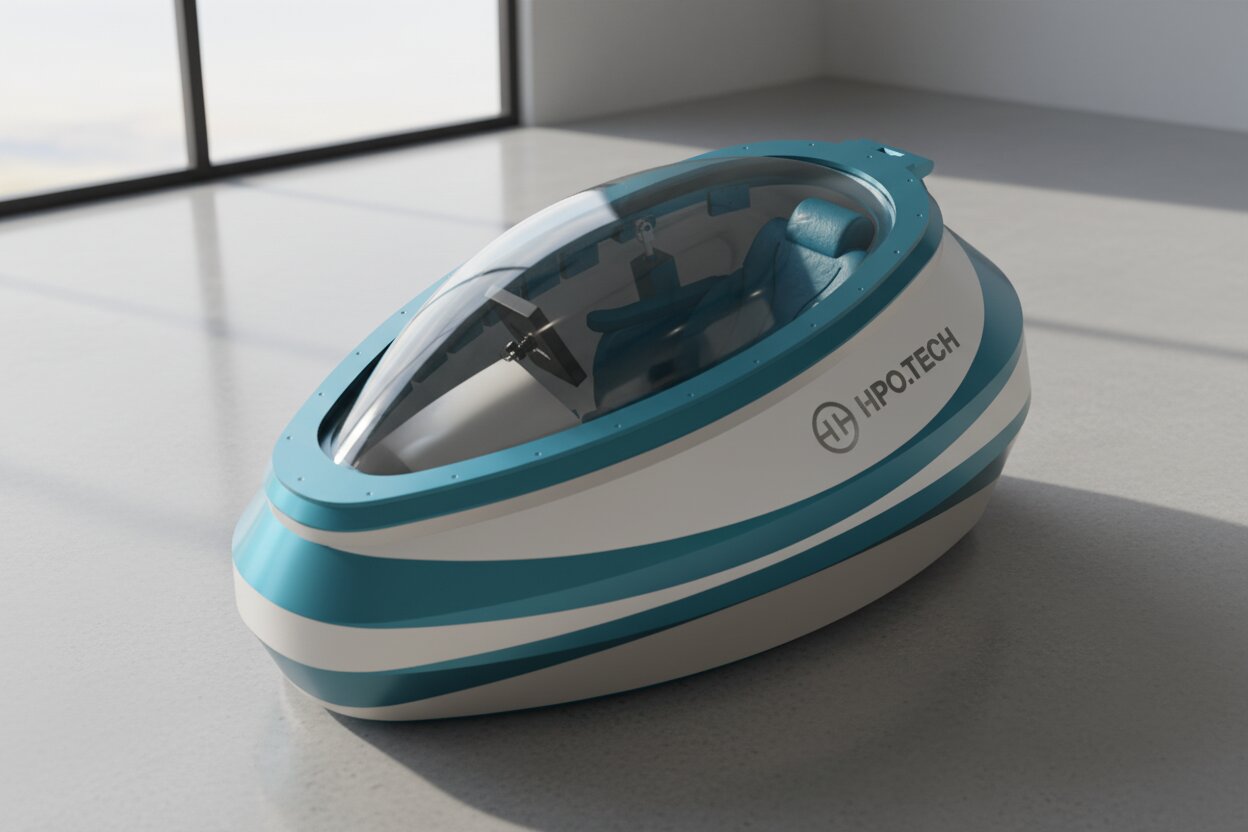
Having redefined what a hyperbaric chamber could look and feel like, Kabak is now working on something more ambitious still. Codename: OYSTER.
The premise is a complete rethink from first principles. As Kabak puts it: “The design of pressure vessels has remained largely unchanged for more than a century. Most systems are still cylindrical steel structures. With OYSTER we decided to forget everything we thought we knew and just design a hyperbaric chamber completely from scratch, using the best materials and the best science we have access to today.“
The name reflects the form. Inspired directly by the shape of an oyster shell, OYSTER features an oval, organic geometry rather than the traditional cylinder. Its upper lid opens upward, shell-like. Inside, the system is modular — users can sit or lie down depending on the configuration. The prototype is currently in production. “OYSTER is not just a pressure vessel,” Kabak says. “It is designed as a new type of human-centered living capsule.”