Releaf: the design challenge of making sustainable plastics desirable
Presented at Masterly – The Dutch in Milano, the installation presented by Studio Nienke Hoogvliet in collaboration with Releaf brings recycled and bio-based plastic to a practical, industrial, real level.
During design-related events, new materials have become a kind of background noise. Bio-based, recycled, regenerative, circular: the vocabulary has settled into common use to the point where it has lost almost any descriptive force, and what remains genuinely rare is seeing a material innovation take the next step – moving out of the territory of technical claims and into the culture of design.
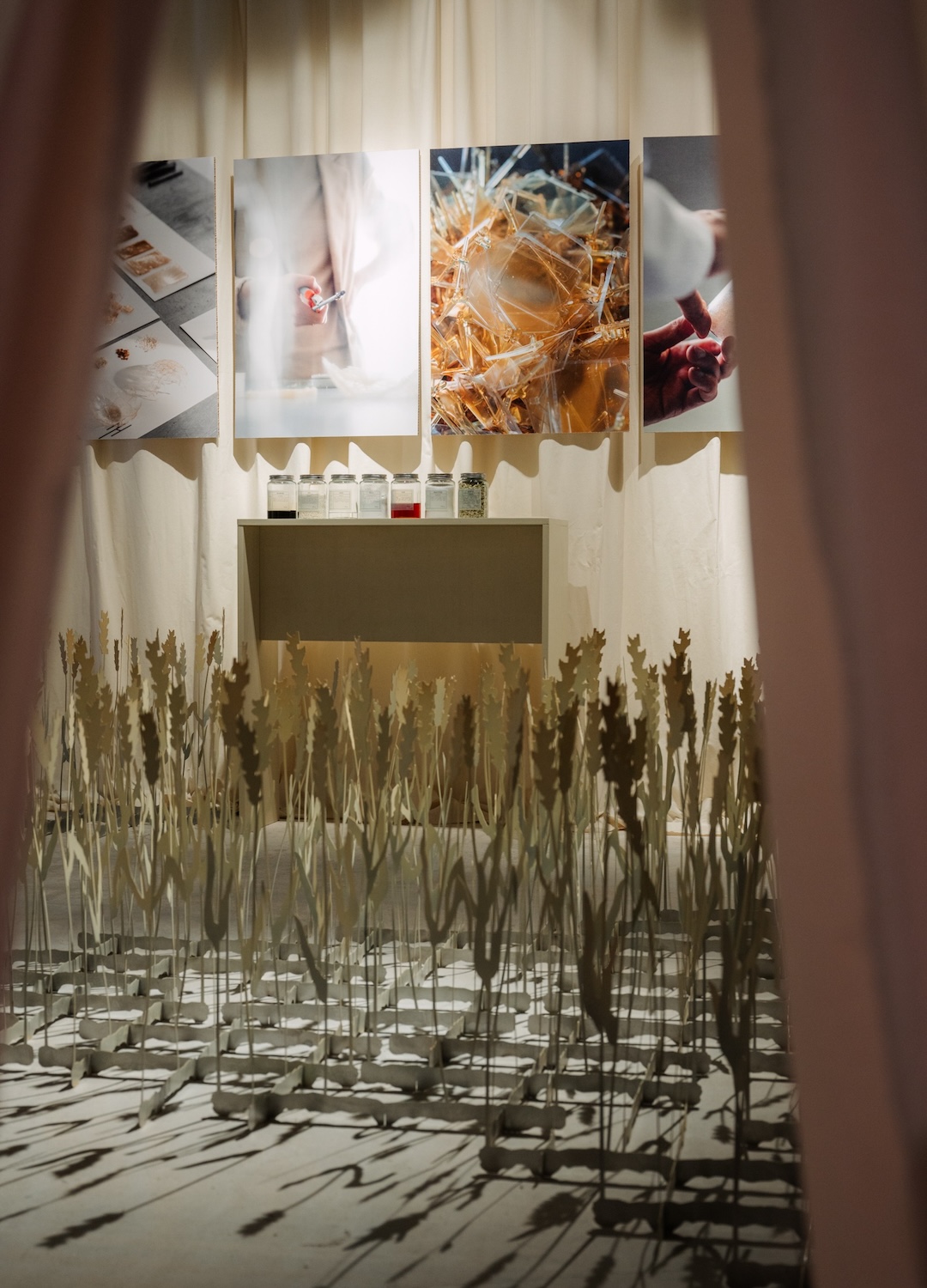
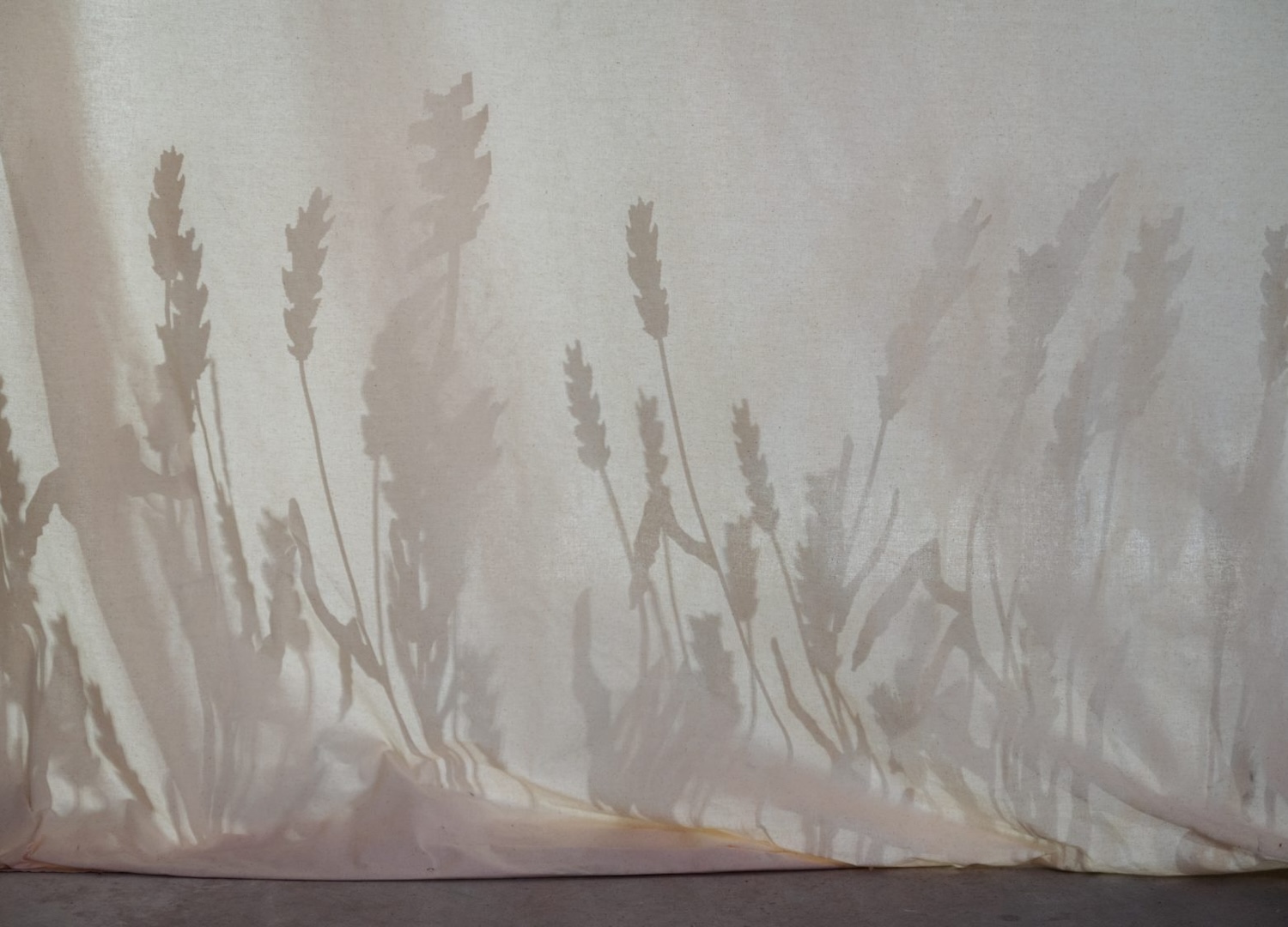
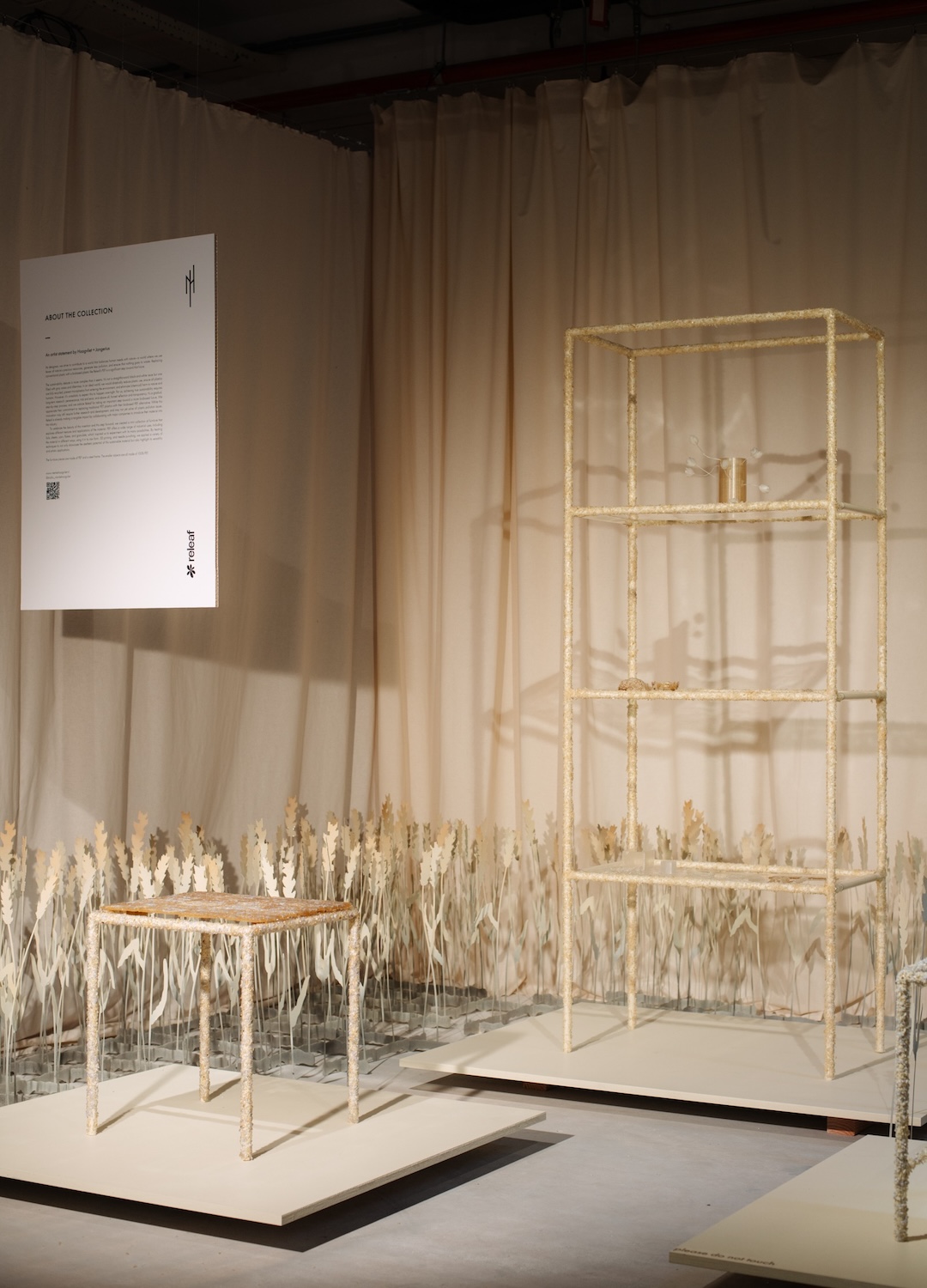
The ambition behind From Plants to Plastic is strictly related to this concept, and the installation presented by Dutch Studio Nienke Hoogvliet in collaboration with Releaf by Avantium and curated by Nicole Uniquole at Masterly – The Dutch during Milan Design Week 2026 explicates that it is not enough to document a technology through samples, cross-sections or process diagrams. It is necessary to explore the conditions under which a next-generation material can be translated into objects that people understand, touch and ultimately want, and how this new material can be part of industrial production. Materials without application become easily just a style exercise of research.
Gallery
Open full width
Open full width
So, at the centre of the installation is Releaf, the commercial brand under which Avantium markets PEF – polyethylene furanoate – a plant-based polymer derived from renewable feedstocks and developed as an alternative to conventional fossil-based plastics. Its barrier properties have frequently positioned it alongside PET in packaging applications, where it combines recyclability and a significantly lower carbon footprint with the performance requirements of industrial sectors spanning textiles, packaging and consumer goods. The Milan presentation, however, decides to shift the conversation elsewhere: Releaf is not being tested as a packaging material but as a design material.
Releaf:
From archetypal to real production
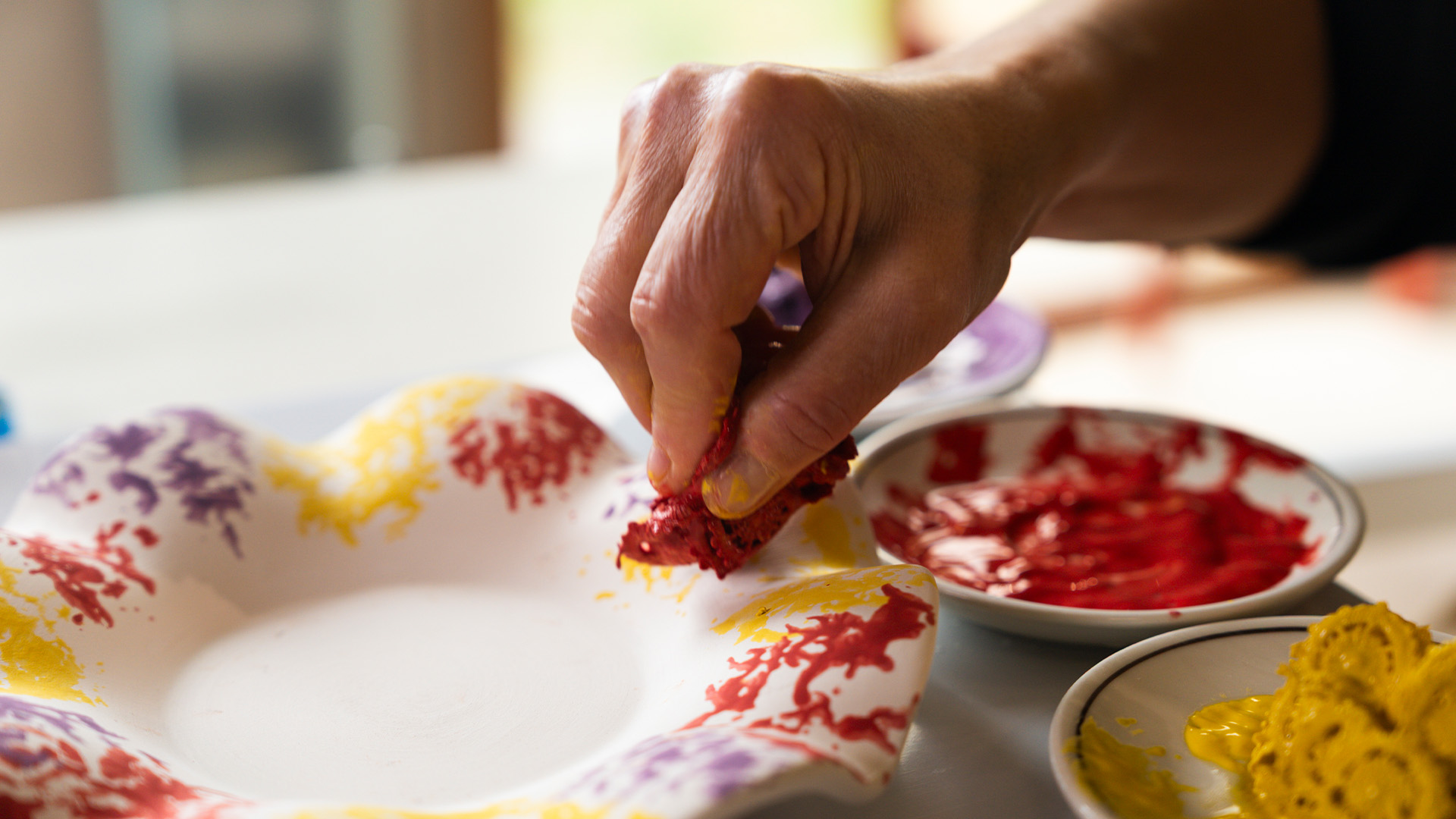
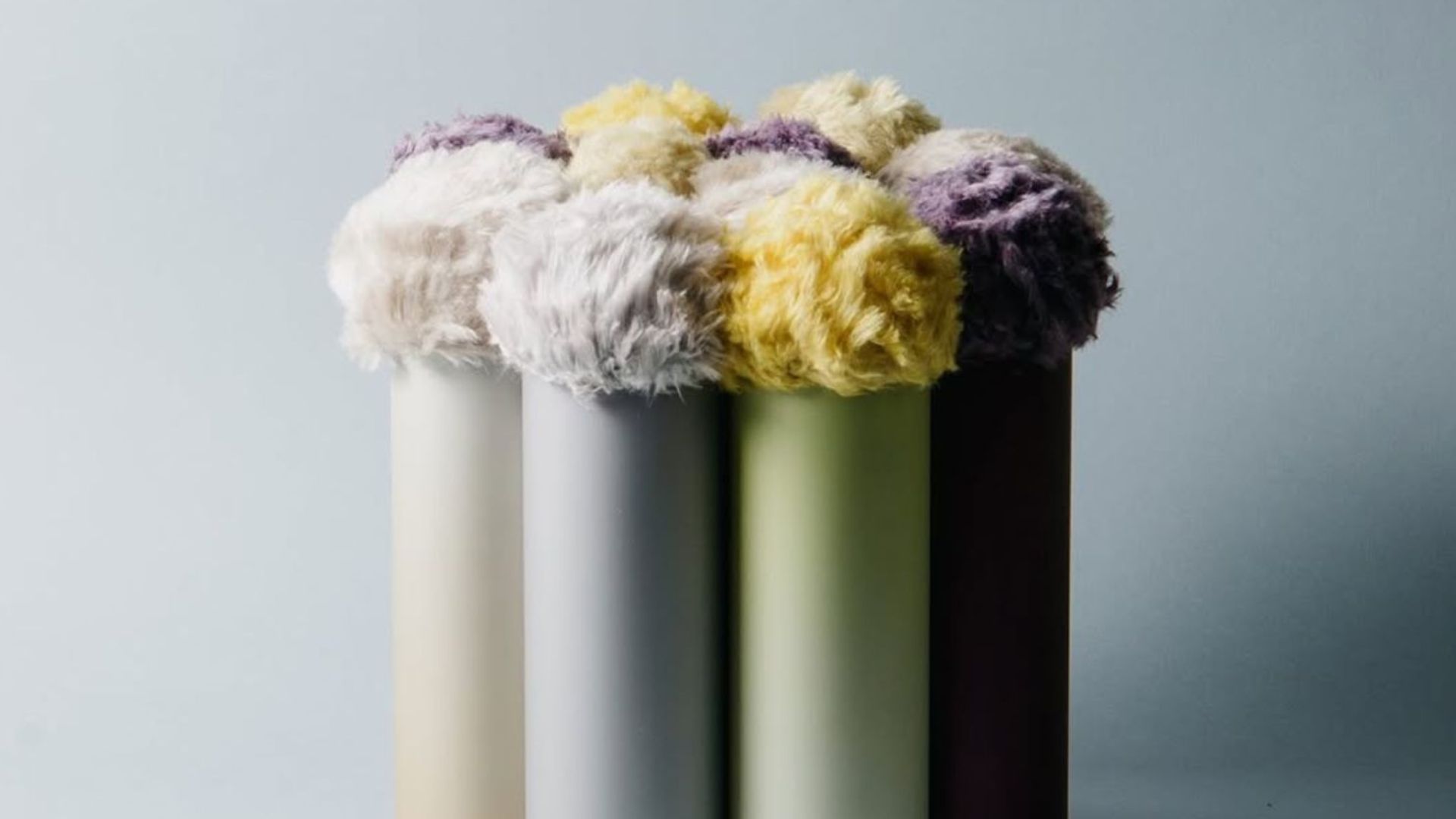
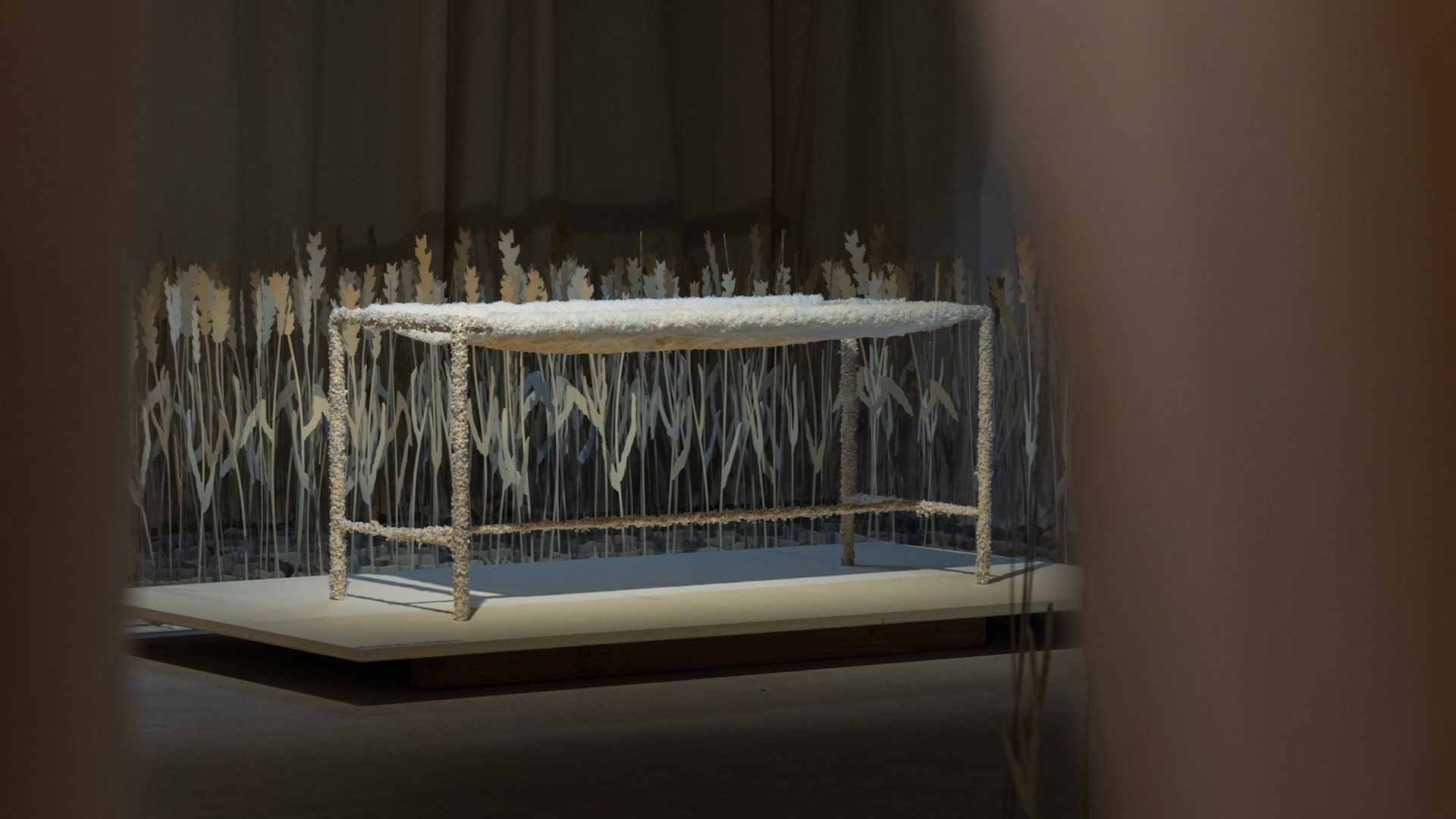
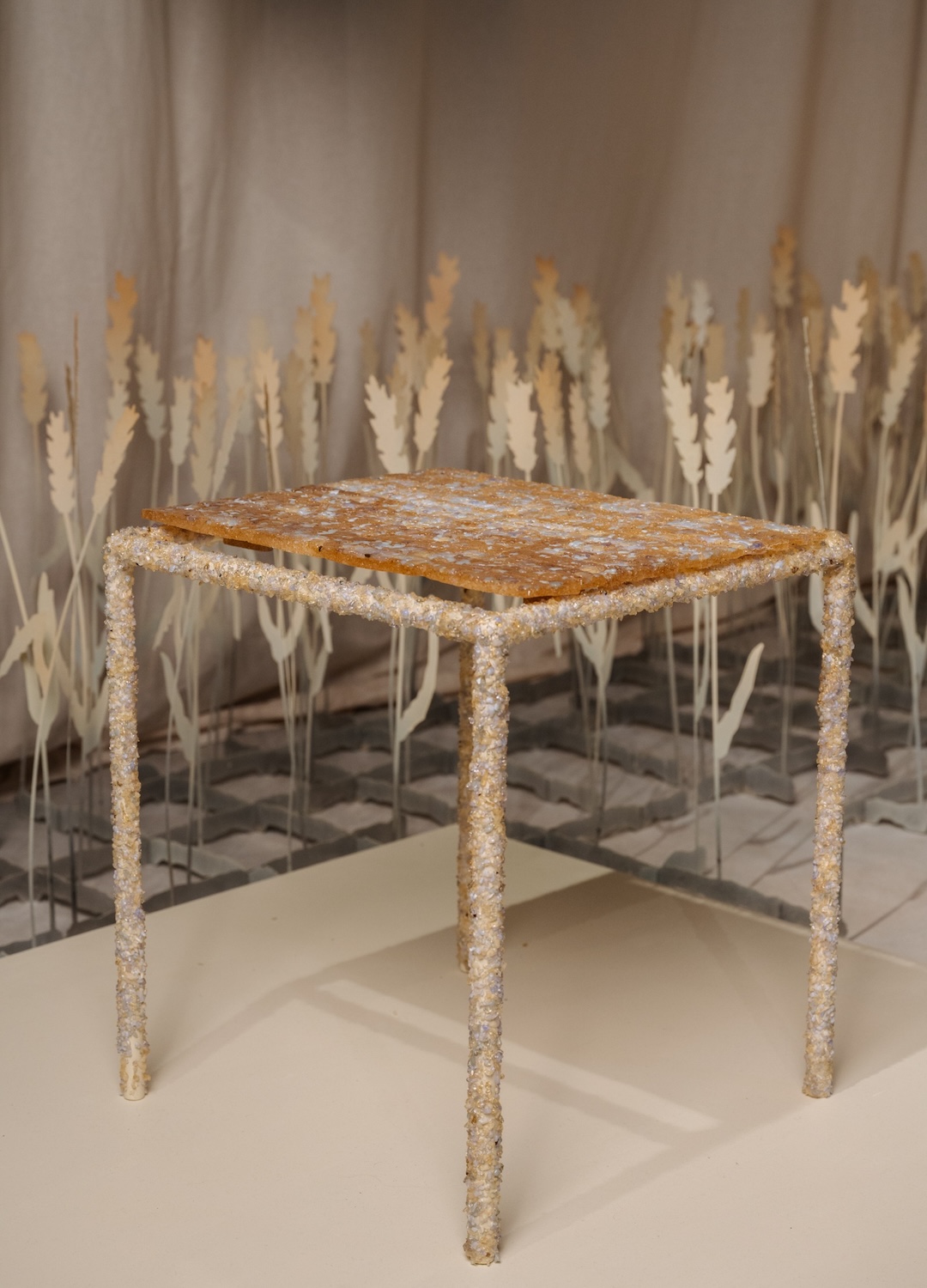
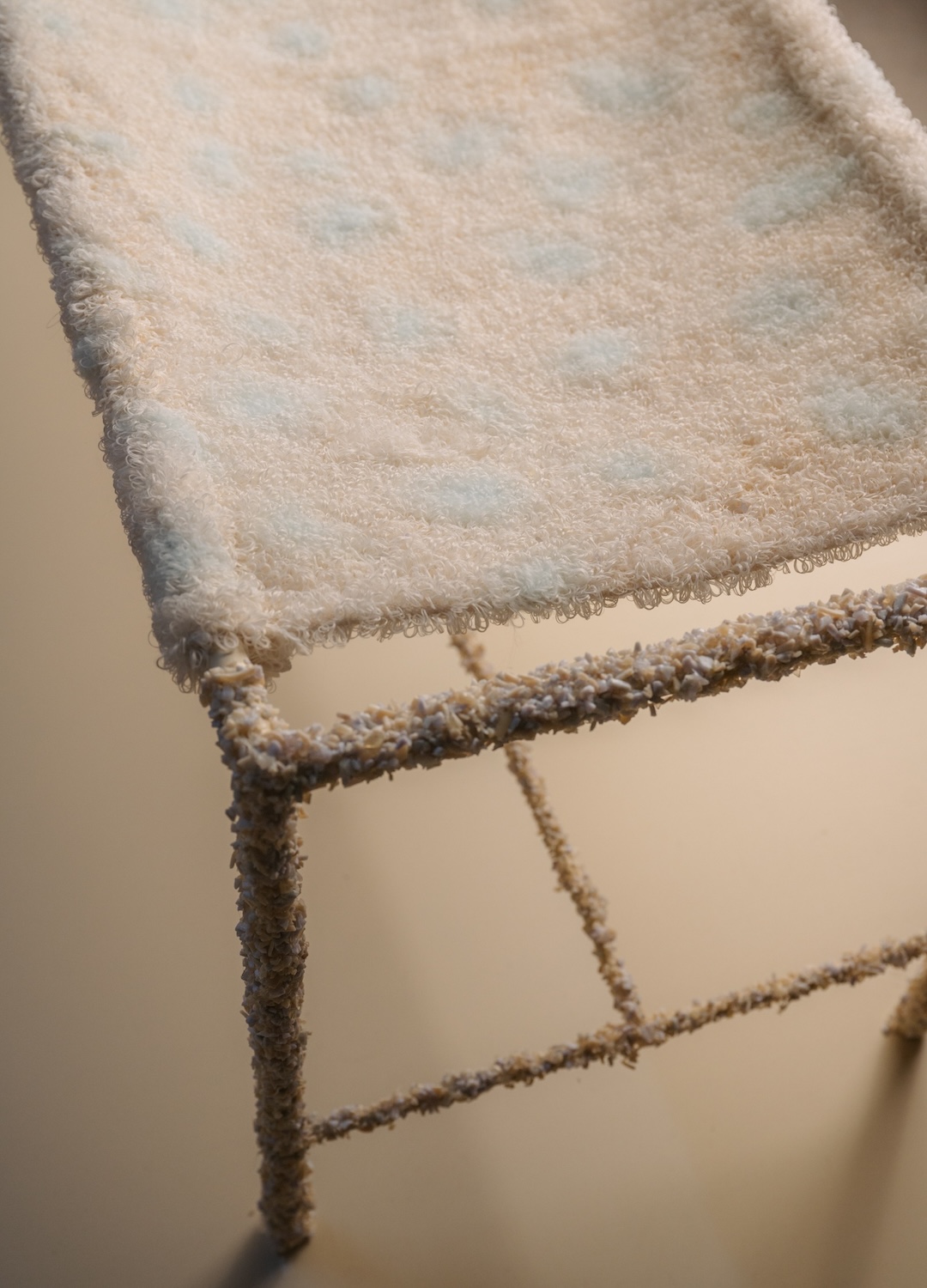
The collection, developed by Studio Nienke Hoogvliet, includes a cabinet with decorative PEF surfaces, a yarn-covered bench, a flake-moulded side table and a family of stackable bowls. Relatively simple objects, almost archetypal, with a choice of simplicity that is not seen as a limitation, but rather embraced as a decision: the collection allows the material itself to be read, with the full range of expressions it is capable of generating, and figured in the everyday domestic landscape of each and every one of us.
As founders of Studio Nienke Hoogvliet, Nienke Hoogvliet and Tim Jongerius have developed a collaboration that balances research and industrial production with precision. On one hand, Hoogvliet defines herself as an ‘artivist’, working at the intersection of ecology, material culture and industrial innovation to develop objects and installations that propose alternatives rather than simply document problems. On the other hand, Jongerius brings to the collaboration a practice rooted in product design, art direction and spatial installation, with a particular sensitivity to process and technique.
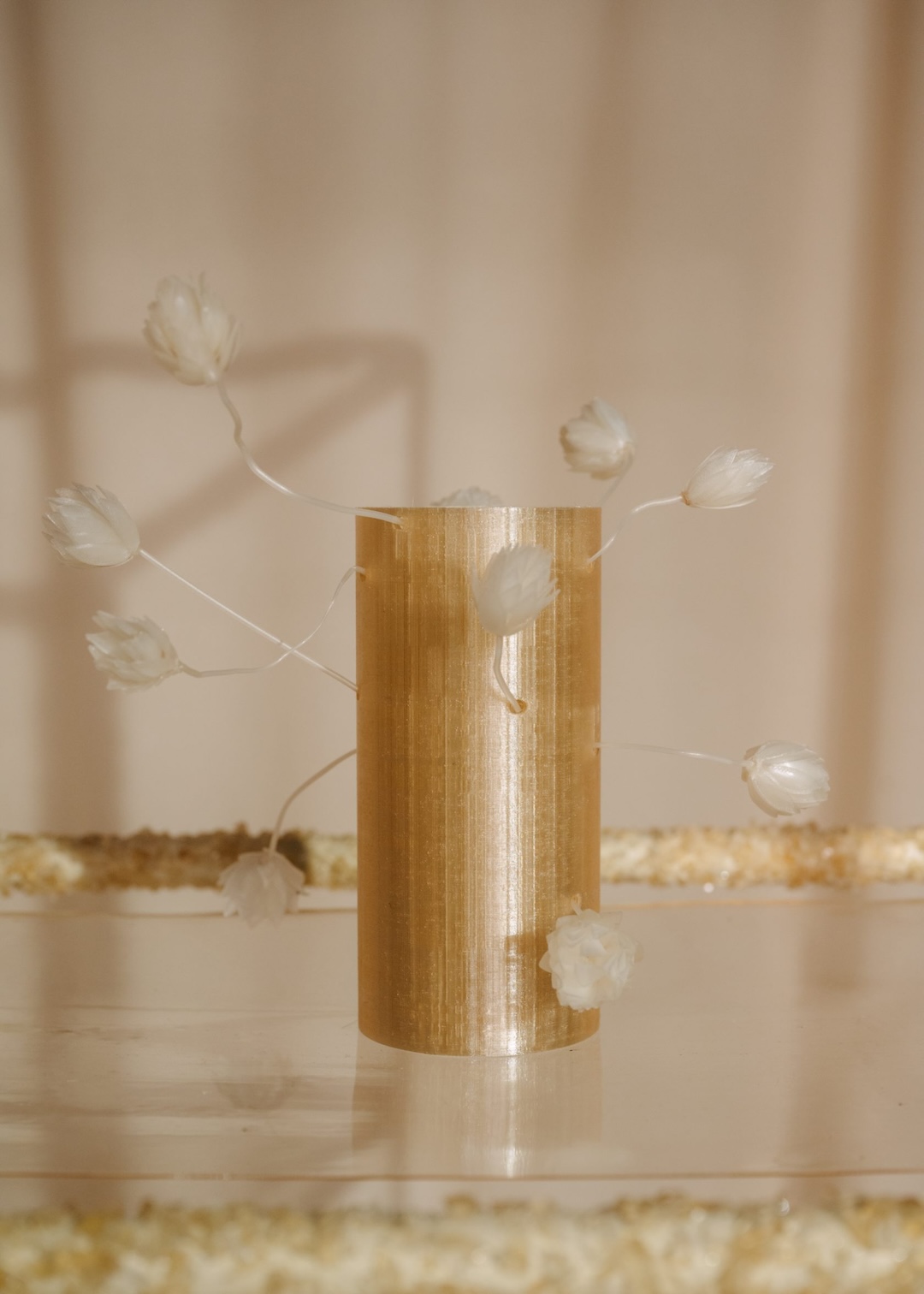
With their complementary spirit and approach, the two designers channelled their complementary approaches into a sustained material investigation – testing Releaf across heating, 3D printing and needle punching, moving between its industrial formats to map its aesthetic and functional range.
A material versatility
This versatility is perhaps Releaf‘s most compelling quality, because, unlike many sustainable materials that arrive already marked by a recognizable aesthetic – rough, deliberately imperfect, visibly recycled- PEF appears less prescriptive. It can become fibre, film, rigid surface or moulded object; it can be structural or decorative; it can enter existing production and creative processes without imposing a new visual language as a precondition. In design terms, this flexibility matters because it opens the material to territories that would otherwise remain closed to it.
The challenge facing sustainable plastics is a challenge of cultural acceptance, rooted in the way plastic itself has been perceived across decades: first a symbol of progress, affordability and limitless possibility, then an icon of environmental excess. Every new generation of polymers inherits this double register, where both being bio-based and not recyclable is not enough nowadays, because to gain relevance, these materials must also generate emotional engagement and aesthetic value – they must, in some measure, become desirable and immersed in the cultural and industrial paths of production.
The contribution by Studio Nienke Hoogvliet suggests that designers can act as translators between industrial innovation and public perception, transforming technical samples into furniture and domestic objects and returning material research to a human scale. Visitors may have no familiarity with polymer chemistry, but they know texture, colour, tactility and use: through design, an abstract material proposition becomes something tangible and, potentially, something worth wanting.
PEF: practical and poetic
The timing matters. Across Milan Design Week 2026, conversations around materials shifted increasingly away from novelty and toward questions of longevity, circularity and resource management, with materials ceasing to function merely as a means of production and becoming, in their own right, a subject of design discourse. Within this context, Releaf occupies a particular position: unlike many experimental biomaterials that remain confined to limited editions or research prototypes, PEF is being developed with industrial scalability as an explicit goal, which transforms the installation from a speculative exercise into an exploration of applications that could eventually reach a broader market.
Whether PEF will become a mainstream material remains an open question, and the history of sustainable innovation is well supplied with promising technologies that never managed to cross the threshold of niche adoption. What From Plants to Plastic demonstrates, however, is that the future of materials will depend as much on perception as on performance – and that design, in this equation, is not an accessory to technical research but one of the conditions that determines whether that research ever becomes relevant at all.
About the author

Ludovica Proietti, journalist, design historian and curator, teaches in universities and curates events, always exploring projects with fresh, unconventional perspectives.
Instagram