

Material
Material choices influence the appearance, performance and environmental impact of design. Natural materials, recycled resources, bio-based alternatives and advanced composites find applications across architecture, interiors and products. Research into their properties and production methods connects experimentation with practical use, showing how material development informs design decisions and expands creative and industrial possibilities.

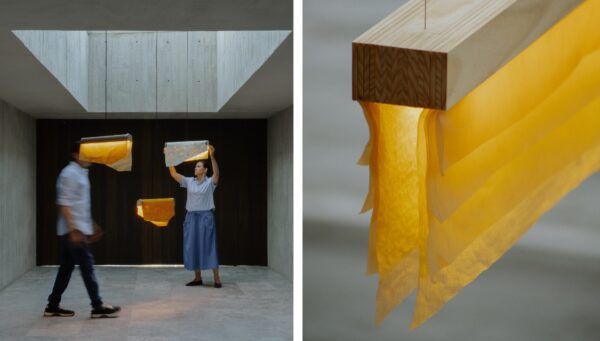
What happens when a material is grown rather than manufactured?
This gives rise to projects like Cenit and Lomo, which explore the potential of Celium™, a cultivated cellulose-based biomaterial grown using bacteria fed with agro-industrial waste. Developed by…
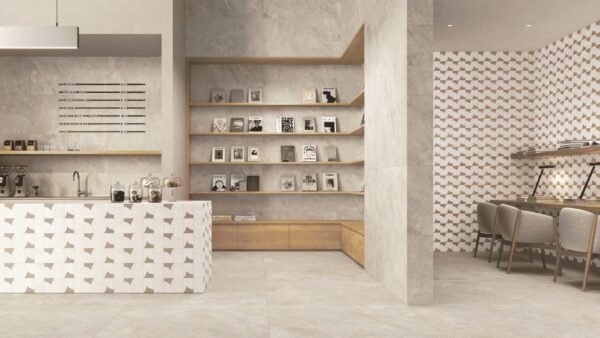
Grace Atelier: Three stone inspirations, one design language by Ceramiche Keope
Inspired by Europe’s geological heritage, the brand brings together three collections that explore the beauty and character of stone, alongside a mosaic system that introduces a distinctive decorative…
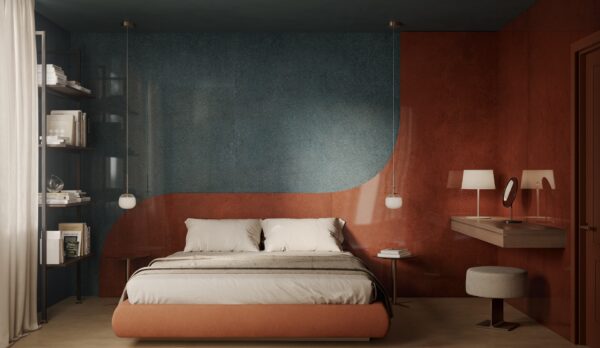
Grande Lume by Marazzi explores color and light at an architectural scale
Expanding the visual language of Crogiolo Lume into large-format porcelain stoneware, Marazzi’s Grande Lume collection brings depth, glossy surfaces and mineral-inspired colors into contemporary interiors.
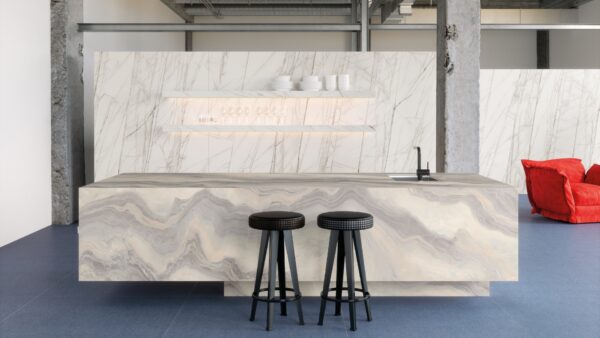
Iris Ceramica Group’s new releases present surfaces you can read with your eyes closed
For its 2026 releases, Iris Ceramica Group pairs two new Reloaded Color Blocks by Diesel Living with new surfaces from Fiandre, Ariostea and Sapienstone.
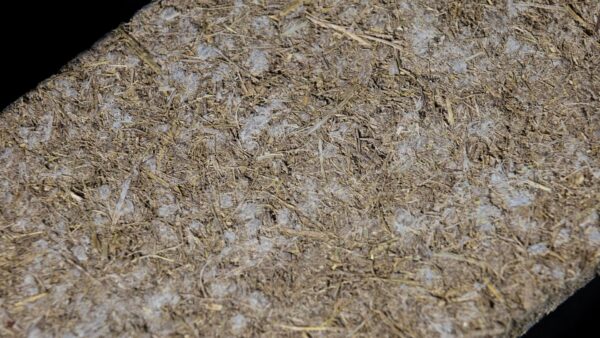
Waste, reconsidered: debris turned into cement-alternative building materials
Highlighting the emerging intersection of material science and circularity within the construction sector.
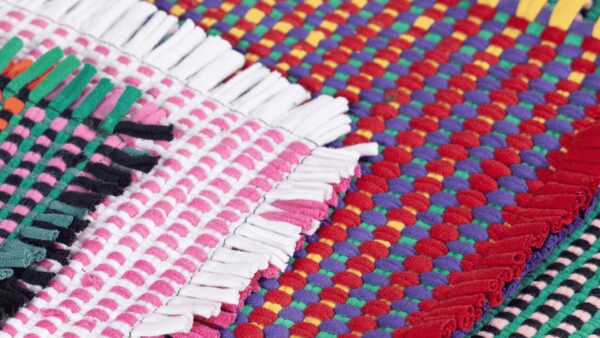
The Or Foundation: driving systemic change through textile waste
From organising waste collection teams to developing material solutions from discarded clothing, such as Cassaboard and Tarnty, and providing emergency financial support to the community. The Or Foundation…
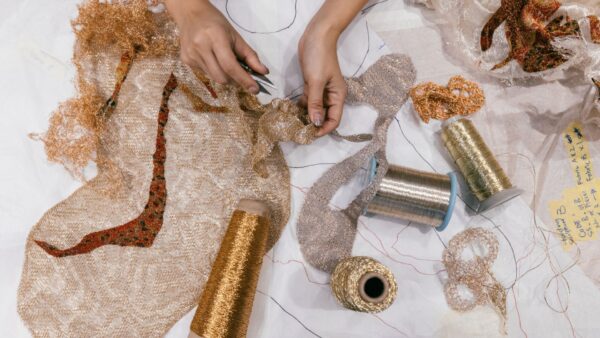
Mad scientist of thread: inside The Fabrick Lab
How Elaine Yan Ling Ng is rebuilding textile design as a consolidated discipline, moving between craft and advanced technologies.
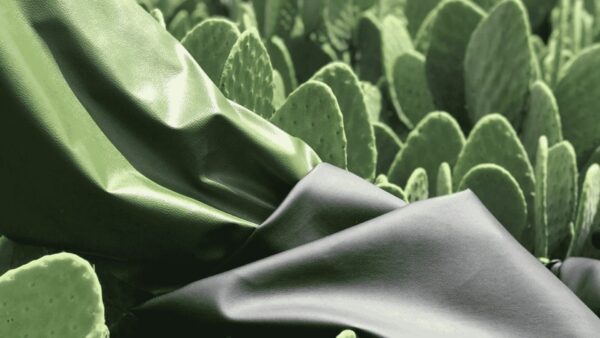
Desserto’s approach to sustainability: from cactus to responsible design
The Mexican brand was founded with the goal of creating a material that does not harm the environment. From its origin and cultivation to its production process, Desserto…
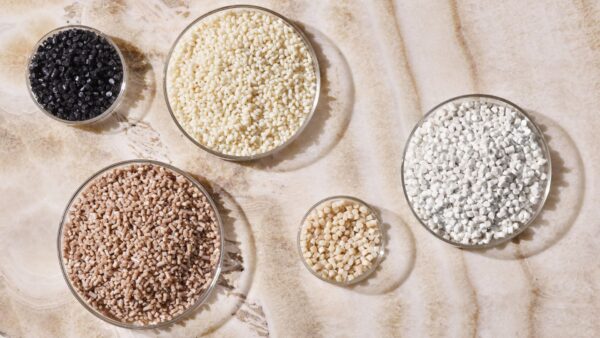
Flexible plastic alternatives designed for high-performance tailored applications
BioCir® is a family of new-generation materials easing the adoption of circularity strategies in product design.
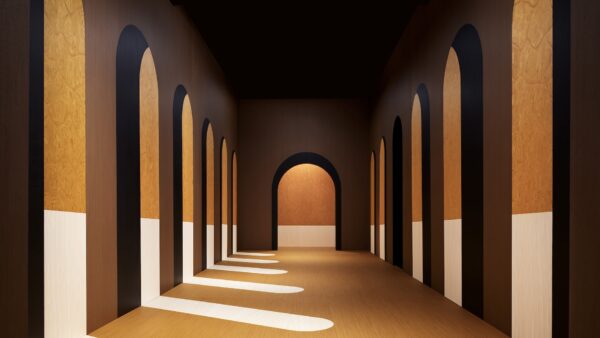
ALPI and GamFratesi design a three dimensional silent landscape in wood
The historical wood design company brings a metaphysical installation to the Danish exposition and fair to show new qualities and technologies in an installation inspired by De Chirico.
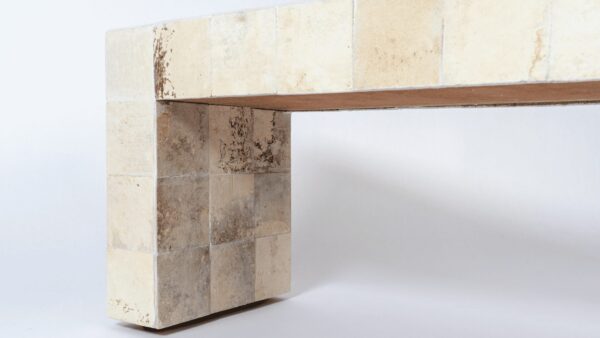
3 Thai biomaterials for circular design: MyraShell, Mush Composites, and Wasoo
Three brands explore new approaches to circular design with three resources – mycelium, organic waste, and agricultural waste – that become innovative biomaterials that support local economies and…
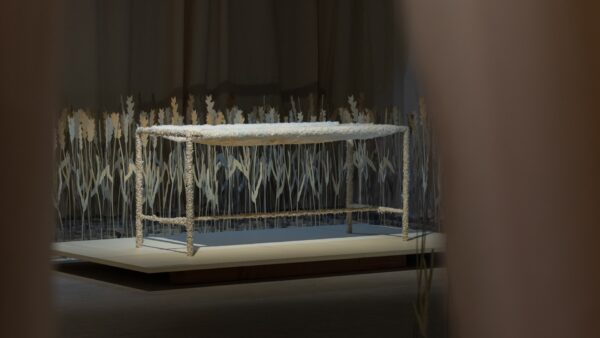
Releaf: the design challenge of making sustainable plastics desirable
Presented at Masterly – The Dutch in Milano, the installation presented by Studio Nienke Hoogvliet in collaboration with Releaf brings recycled and bio-based plastic to a practical, industrial,…