The Or Foundation: driving systemic change through textile waste
From organising waste collection teams to developing material solutions from discarded clothing, such as Cassaboard and Tarnty, and providing emergency financial support to the community. The Or Foundation works on the ground to drive change in the fashion industry.
The rapid spread of the fast fashion model – which prioritises volume over value alongside a progressive decline in garment quality – is having such a significant impact that, beyond affecting local producers, it also reaches places thousands of kilometres away, such as Accra, Ghana. It was here, in 2011, that The Or Foundation was founded, a non-profit organisation working on the ground to promote a transition from a linear to a circular economy.
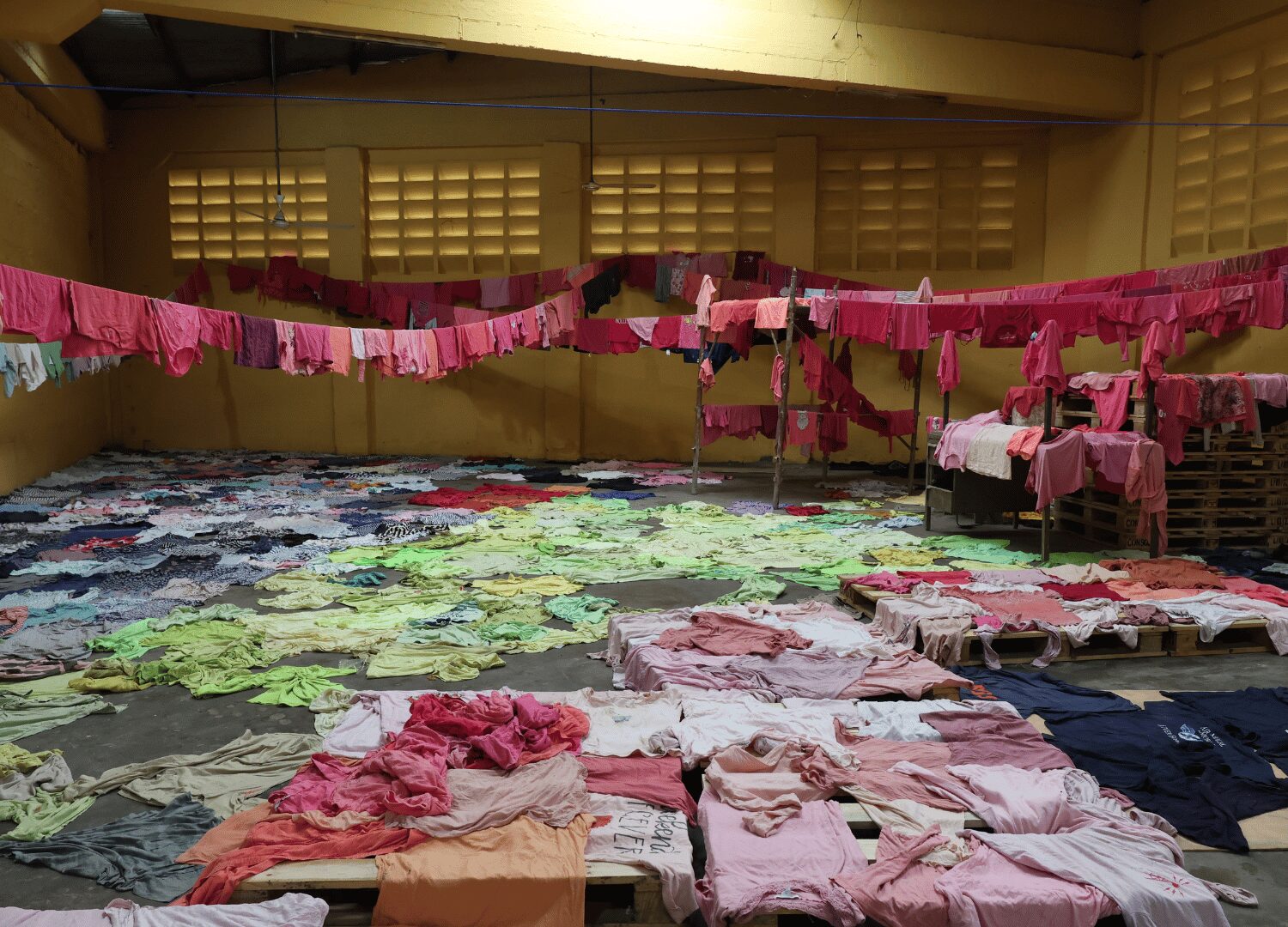
The Foundation’s work focuses on one of the capital’s markets, Kantamanto. Every week, approximately 15 million second-hand garments arrive here, exported mainly from the UK, Europe and North America. This quantity is so high that it is placing the market at the centre of an increasingly serious crisis. The Or Foundation aims to reduce waste, regenerate the environment and create dignified economic opportunities through recycling, upcycling and fibre decomposition processes.
Gallery
Open full width
Open full width
The Or Foundation:
Environmental justice, education and fashion development
Too much clothing. Not enough Justice.
Too often a consumer. So rarely a human.
It is time to recover. You are invited.
This is the mission of The Or Foundation, a non-profit organisation also based in the United States, which operates “at the intersection of environmental justice, education and fashion development.” It works to identify and develop alternatives to the current model that can promote ecological prosperity, encouraging people to develop a relationship with fashion that goes beyond their simple role as consumers.
Concretely, it works across several levels: through immediate intervention and direct action against human rights violations and environmental abuses, educational and awareness programmes aimed at changing individual behaviours, research into textile waste, and advocacy activities to influence new policies and investments at a systemic level.
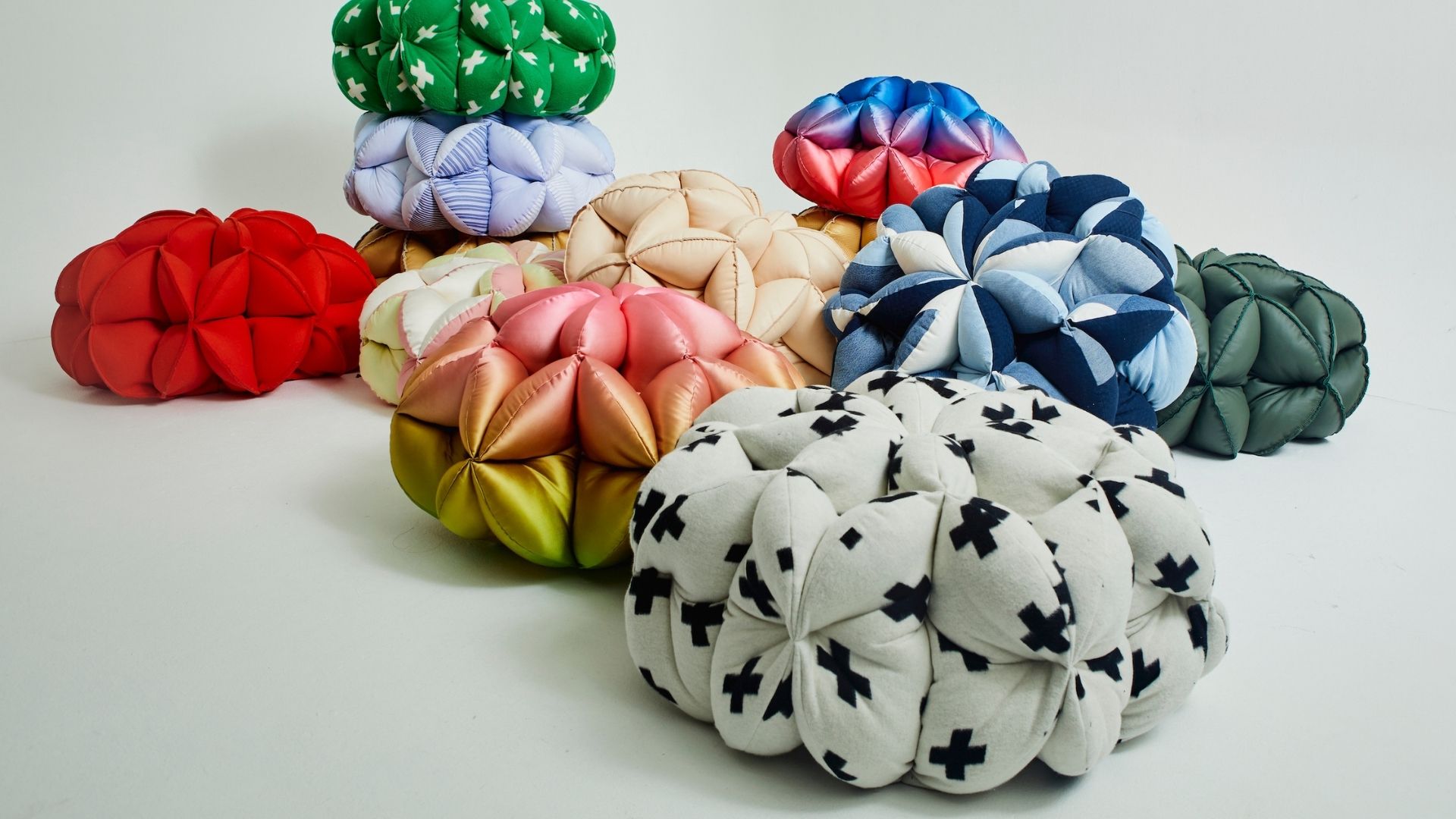
It is precisely through this research that, through the Material Technology and Transformation Lab (MTTL), a team of engineers, designers and citizen scientists at The Or Foundation has developed two pathways for transforming textile waste collected from the market. The result is two new materials ready to be used: Cassaboard and Tarnty.
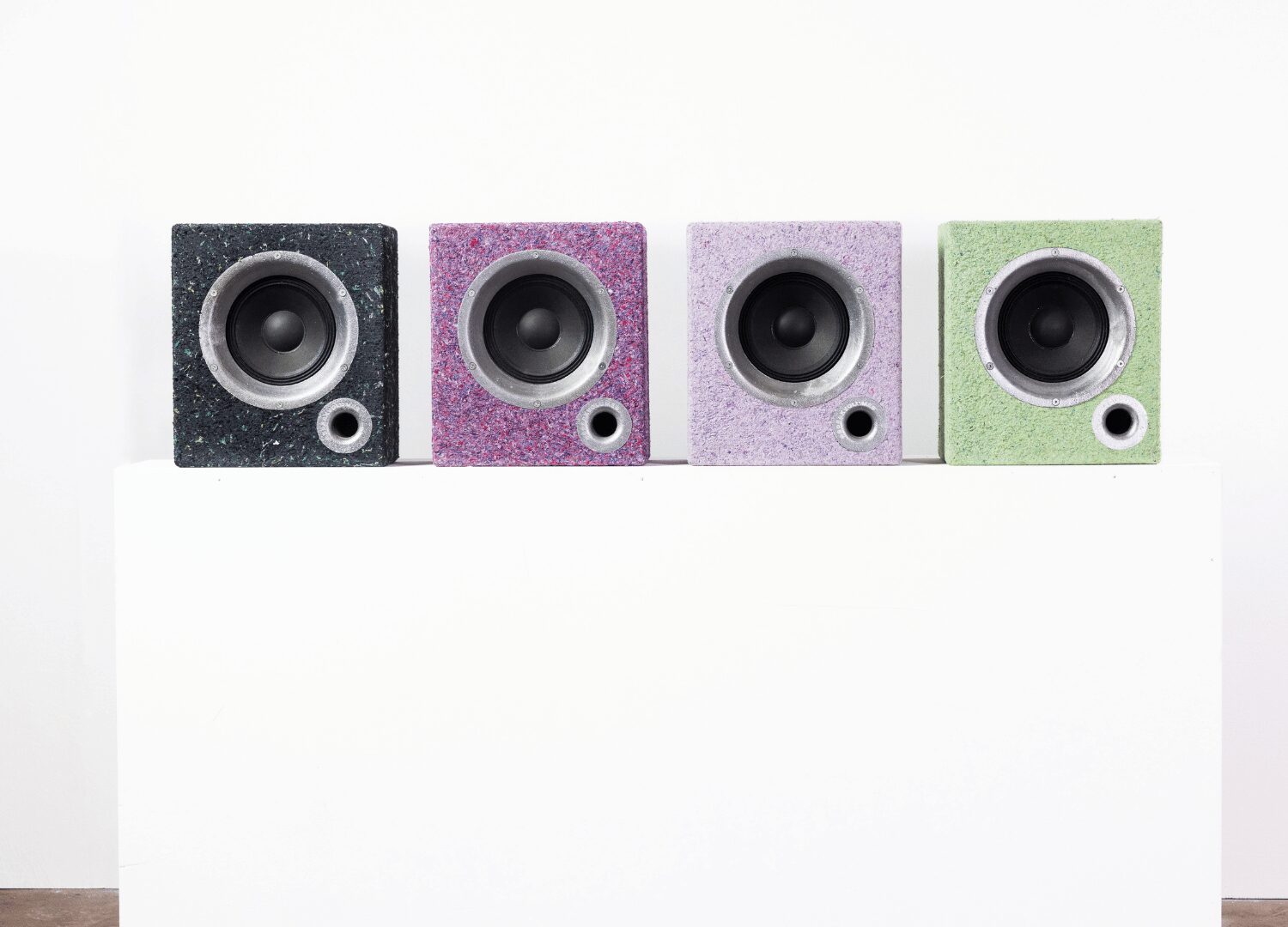
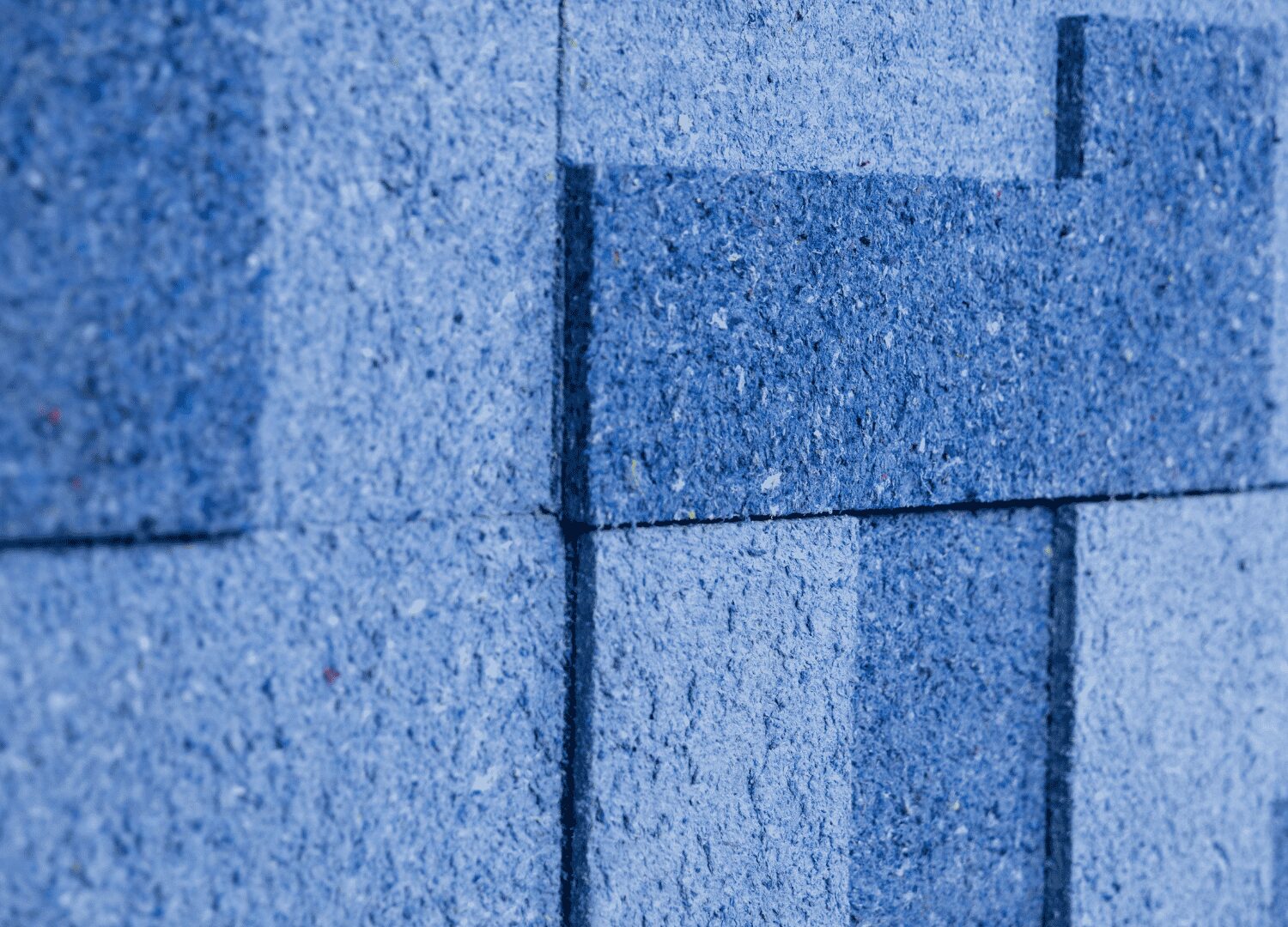
Cassaboard, building panels from second-hand garments
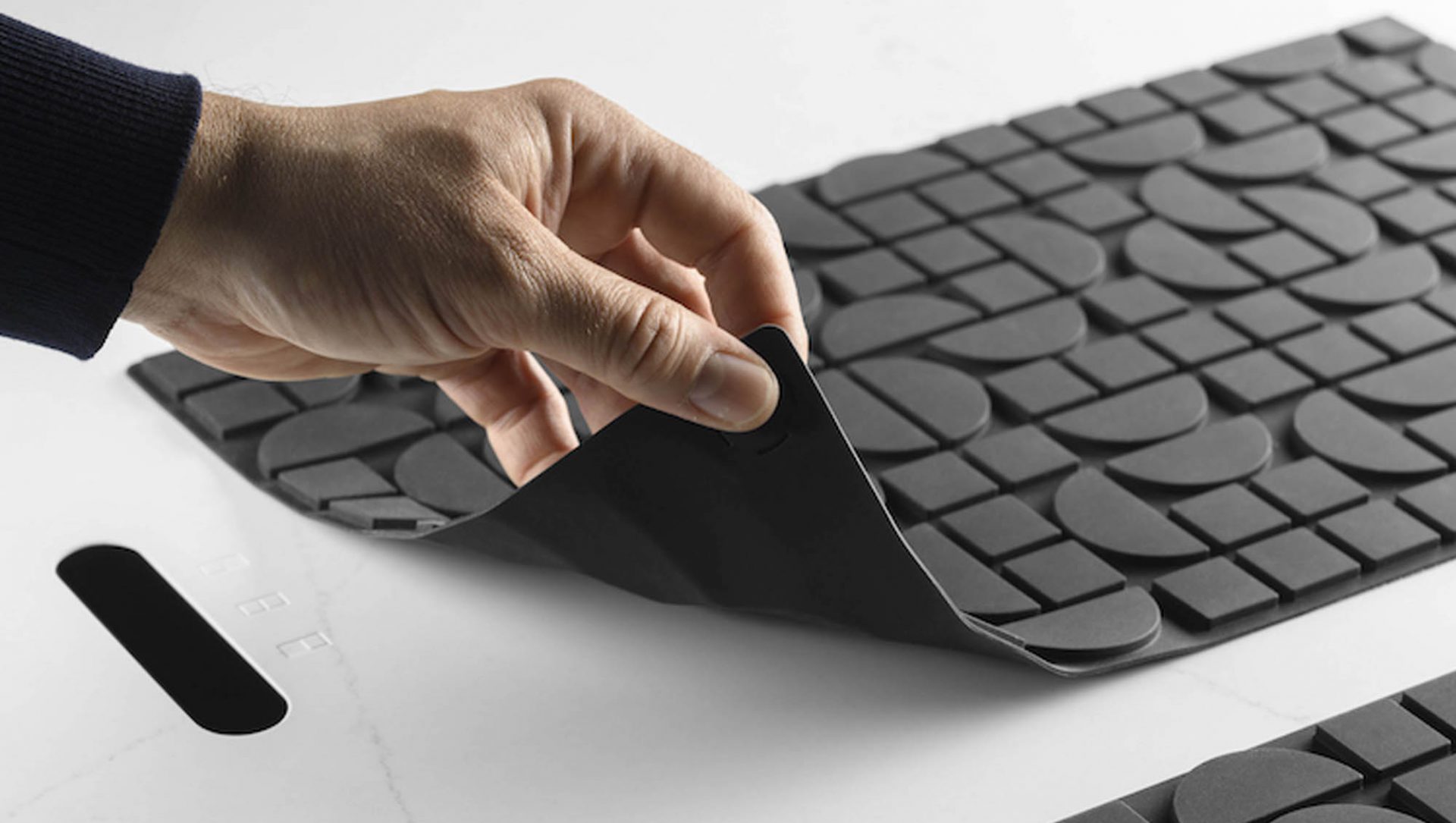
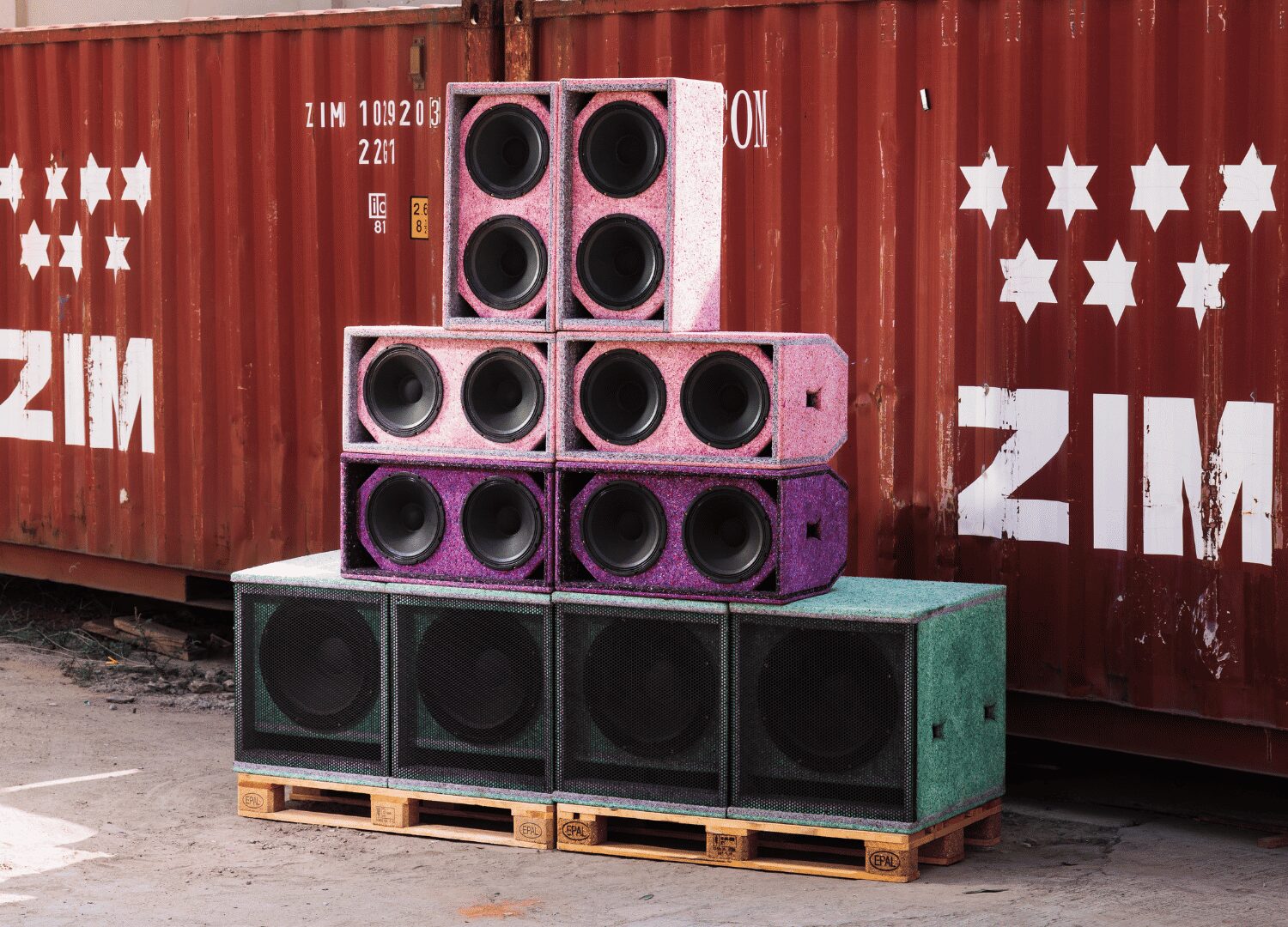
The first solution,Cassaboard, is an innovative recycled biocomposite made from post-consumer clothing waste and cassava-based binders – one of the country’s main food crops and local products. The combination of these two ingredients creates a durable material that can also be used as an interior building panel.
In line with the Foundation’s mission, Cassaboard creates a new value stream for waste while supporting local circular economy initiatives and reducing the environmental impact of the fashion industry.
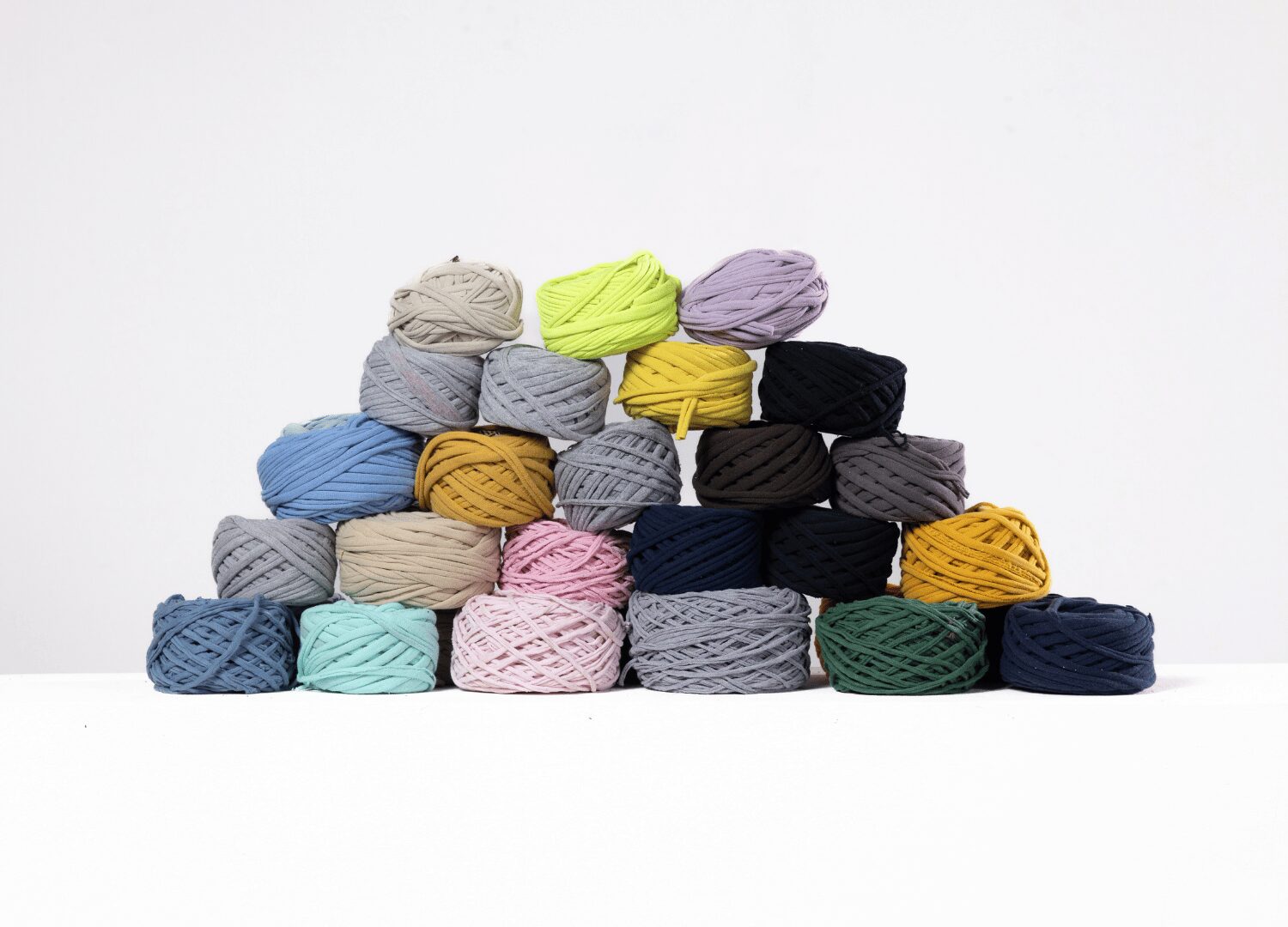
Tarnty, one T-shirt = one ball of yarn
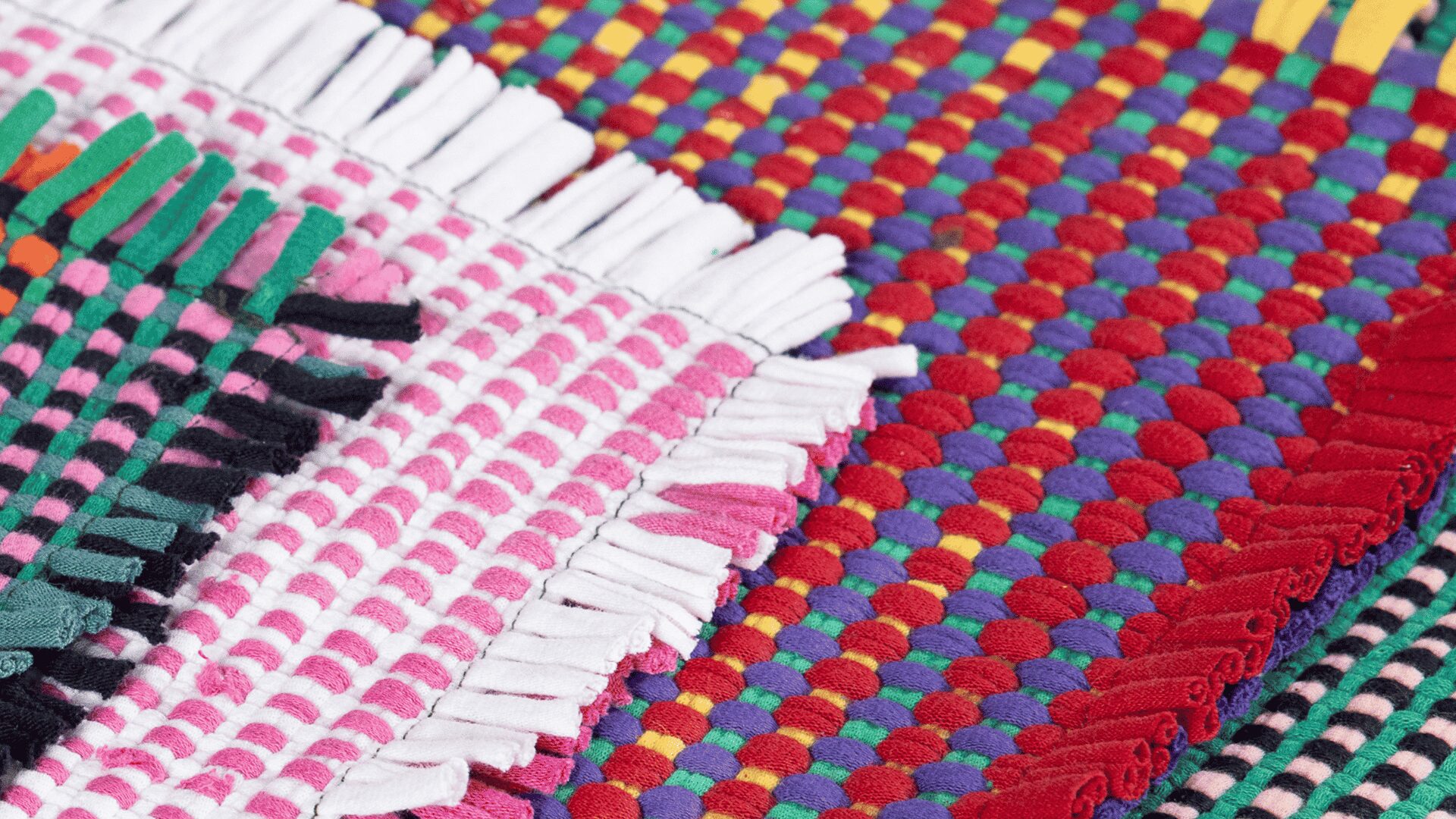
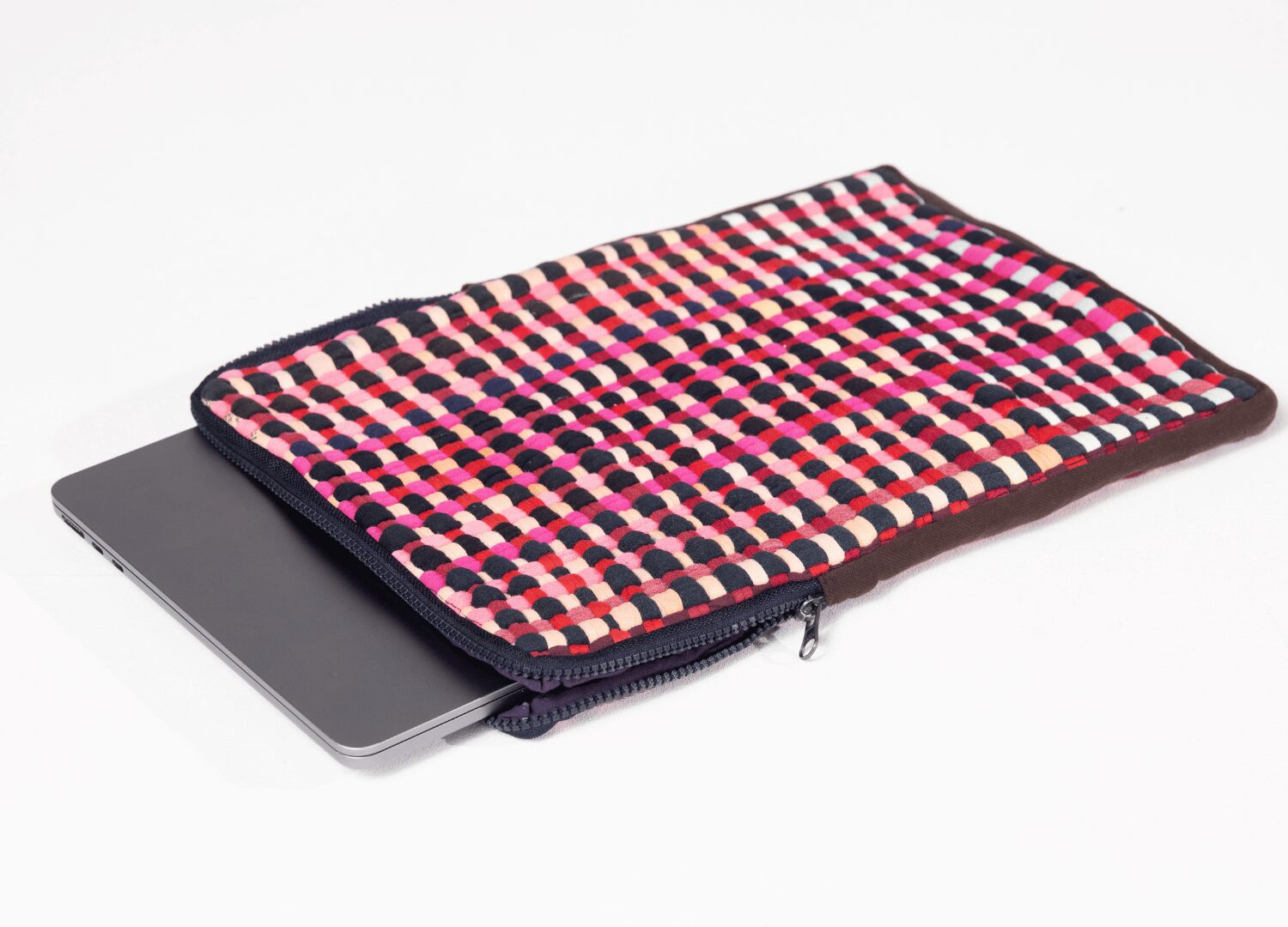
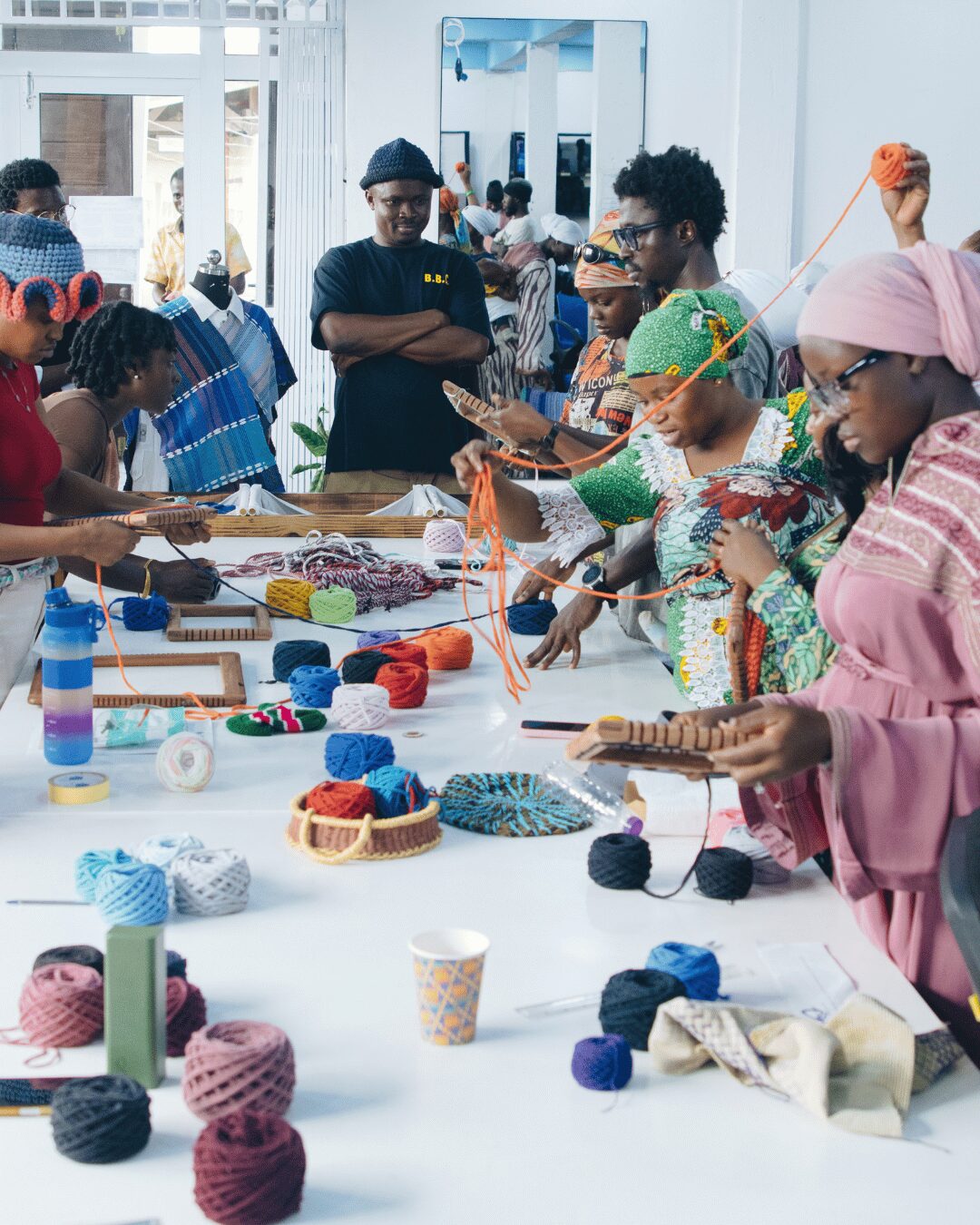
Another solution developed to reduce the impact of fashion is Tarnty, a circular yarn suitable for knitting, crochet, weaving and other craft activities. Made from discarded T-shirts, it was developed after identifying this type of garment as one of the most common among those that remain unsold in the second-hand market. Each ball of yarn is made from a single T-shirt.
Both materials will be presented for the first time at Material Matters in London, taking place during London Design Week 2026, from 12 to 20 September.
On-the-ground work, from recycling to community services
Among other activities is its on-the-ground work to collect waste, in collaboration with Accra’s waste management department and other community clean-up groups. The team, made up of more than 50 paid workers, removes and disposes of more than 18 tonnes of textile and plastic waste from the capital’s beaches every week.
Another concrete project is the Secondhand Solidarity Fund, which helps the market community respond to emergencies and adopt a long-term approach to planning for transformation. This ranges from distributing emergency funds directly to traders following fires and floods to supporting essential needs identified by the community, such as basic firefighting equipment. The Community Engagement team oversees the distribution of hundreds of thousands of dollars through the fund, along with hundreds of fire extinguishers and other forms of support.
As the Foundation itself explains, “at every level, the organisation’s initiatives are founded on the belief that justice, within the violent yet beautiful world we share, begins with three principles: Reckoning, Recovery and Reparations.” Through its initiatives, The Or Foundation works towards systemic change, helping build a more equitable, circular and environmentally conscious future.