Ceramic surface technologies meet a historical setting in Milan’s Sonder building
Ariostea’s ceramic surfaces were chosen to decorate a new contemporary landmark in the heart of the city, joining a natural material aesthetic with modern performance requirements.

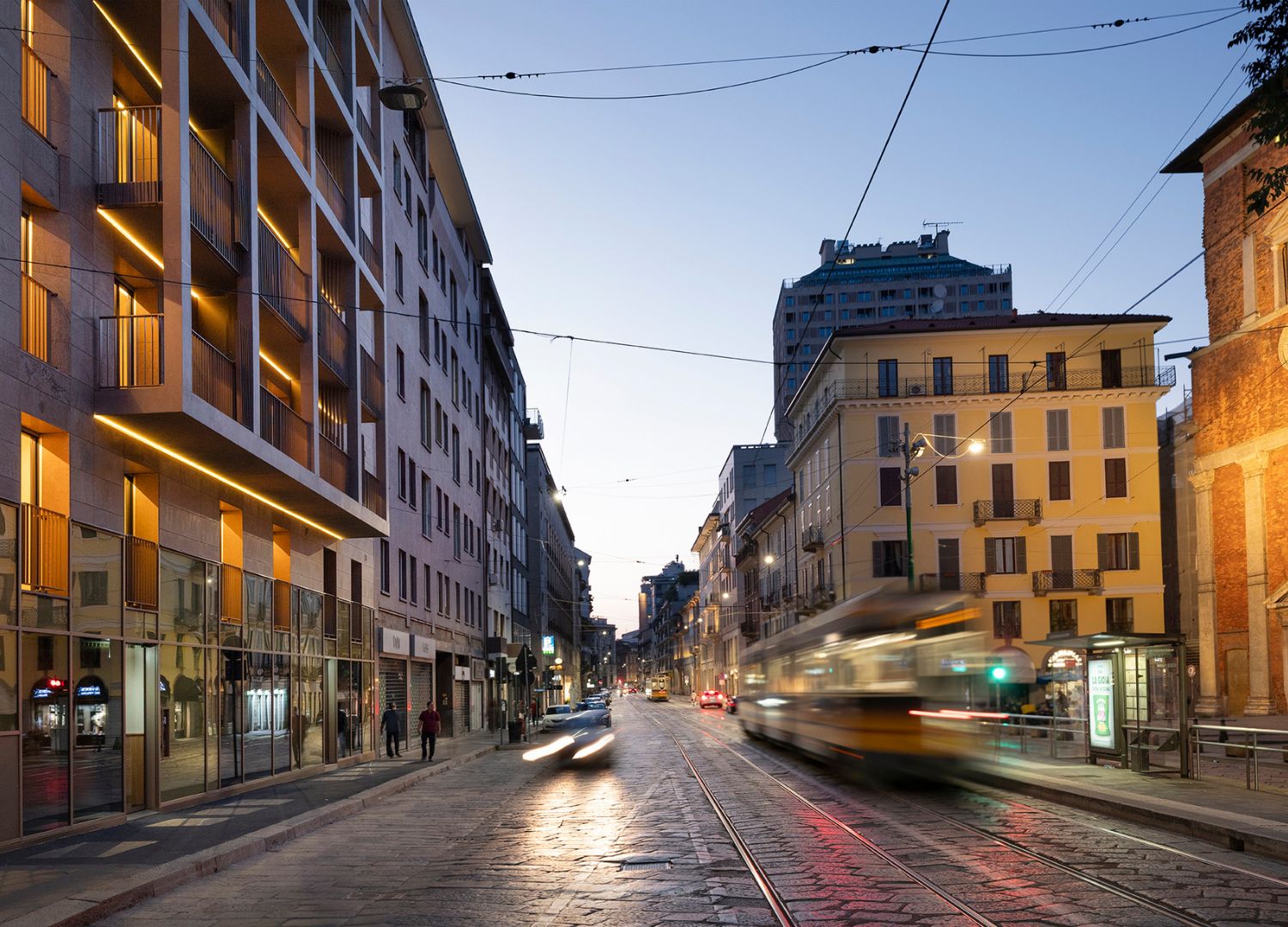
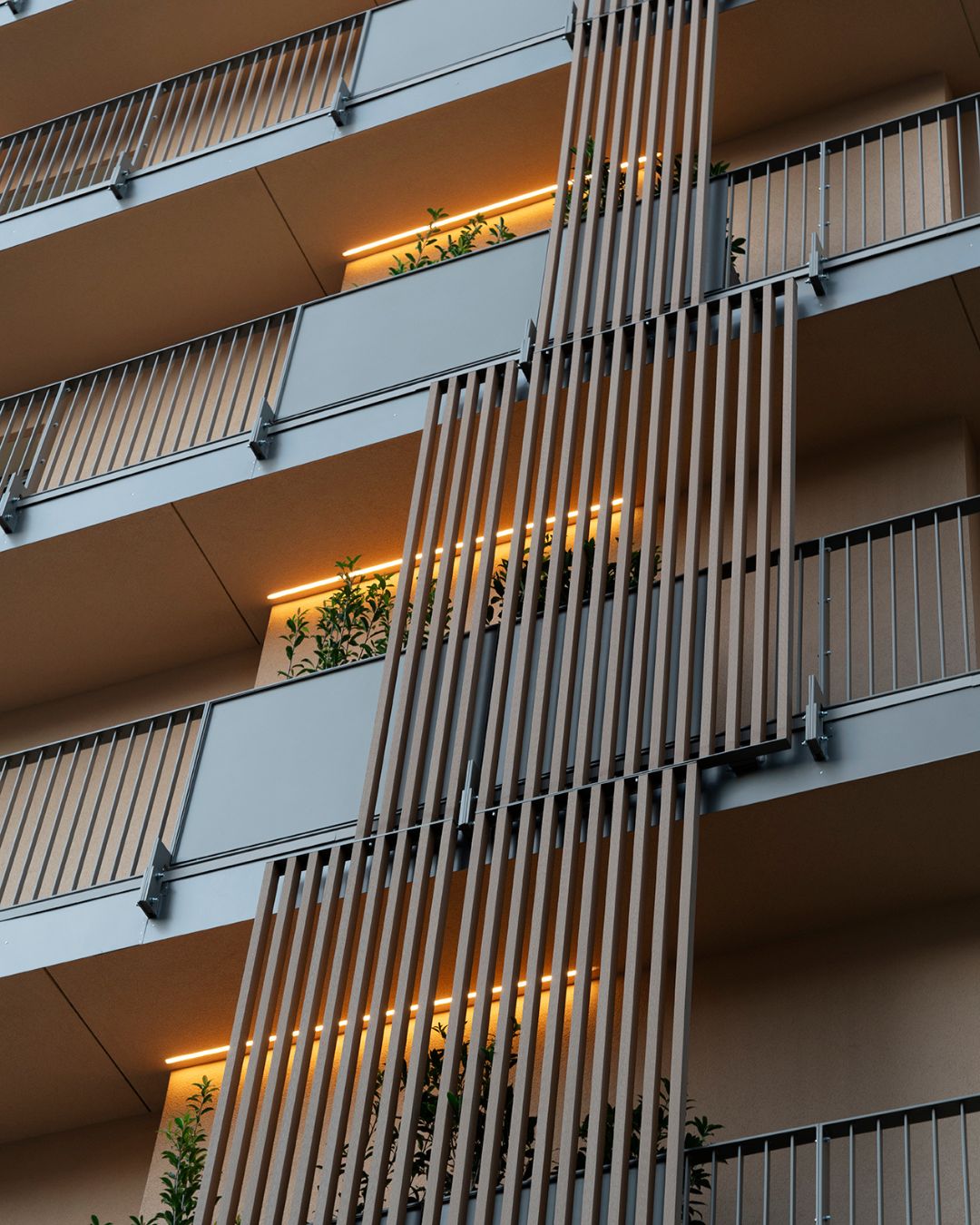
The newest addition in Milan’s prestigious Corso di Porta Romana is the Sonder Building, which introduces the global hospitality group for the first time in the city. Rising eight storeys and extending across almost 3,000 square metres, it is located in a historical setting, in conversation with nearby landmarks such as the Velasca Tower and Piazza San Nazaro in Brolo.
The building stands in place of the former Lloyd Hotel, a structure dating back to the 1960s. After a renovation, it now contains 38 modern luxury suites and apartments run by Sonder. The project was conducted by Angus Fiori Architects, who selected Ariostea ceramic surfaces for interior cladding, addressing the building’s requirements for aesthetics, durability, and maintenance.
Gallery
Open full width
Open full width
Angus Fiori Architects is a practice based in Milan with twenty years of experience in residential and commercial projects. The firm is led by Angus Fiori, whose father, Leonardo Fiori, worked on design projects for Olivetti and founded several architectural publications, including Costruire. The studio focuses especially on an innovative and sustainable approach to architecture, working with energy-efficient envelopes, bioclimatic design, renewable technologies, dry construction, and prefabrication.
The project involved the demolition and partial reconstruction of the structure, maintaining the original building outline, addressing local preservation requirements while creating a modern hotel. The renovation was completed in 2024 and incorporates sustainability measures based on a Life Cycle Assessment analysis, resulting in a LEED Gold certification from the Green Building Council.
As mentioned, the architects chose Ariostea for its interior ceramics. This is relevant because hotel and apartment environments present specific challenges for interior surfaces, given the high foot traffic and frequent cleaning. Ariostea was founded in 1961 and specialises in porcelain stoneware production. It is part of Iris Ceramica Group, and manufactures surfaces that are designed to replicate natural materials, but with enhanced technical properties.
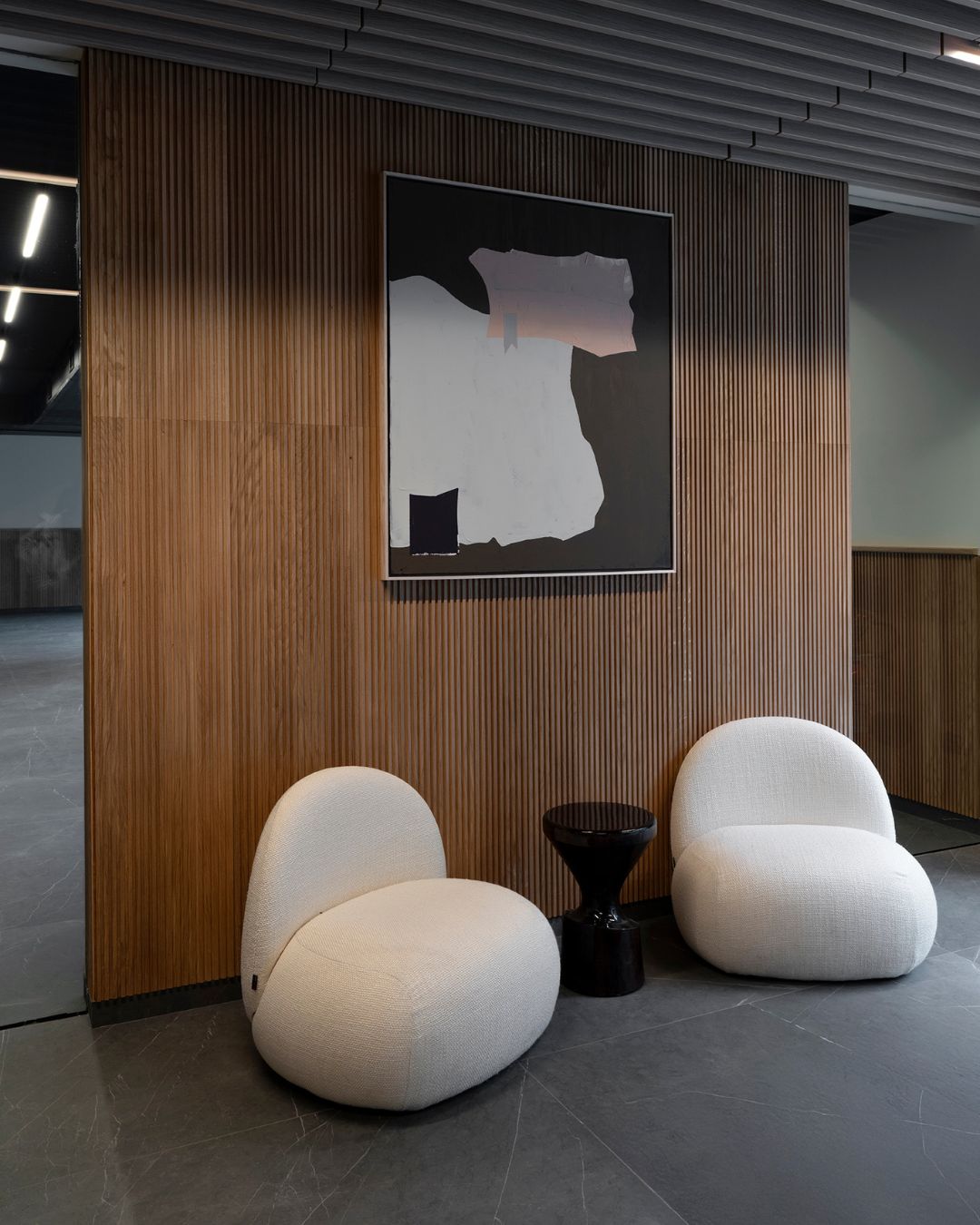
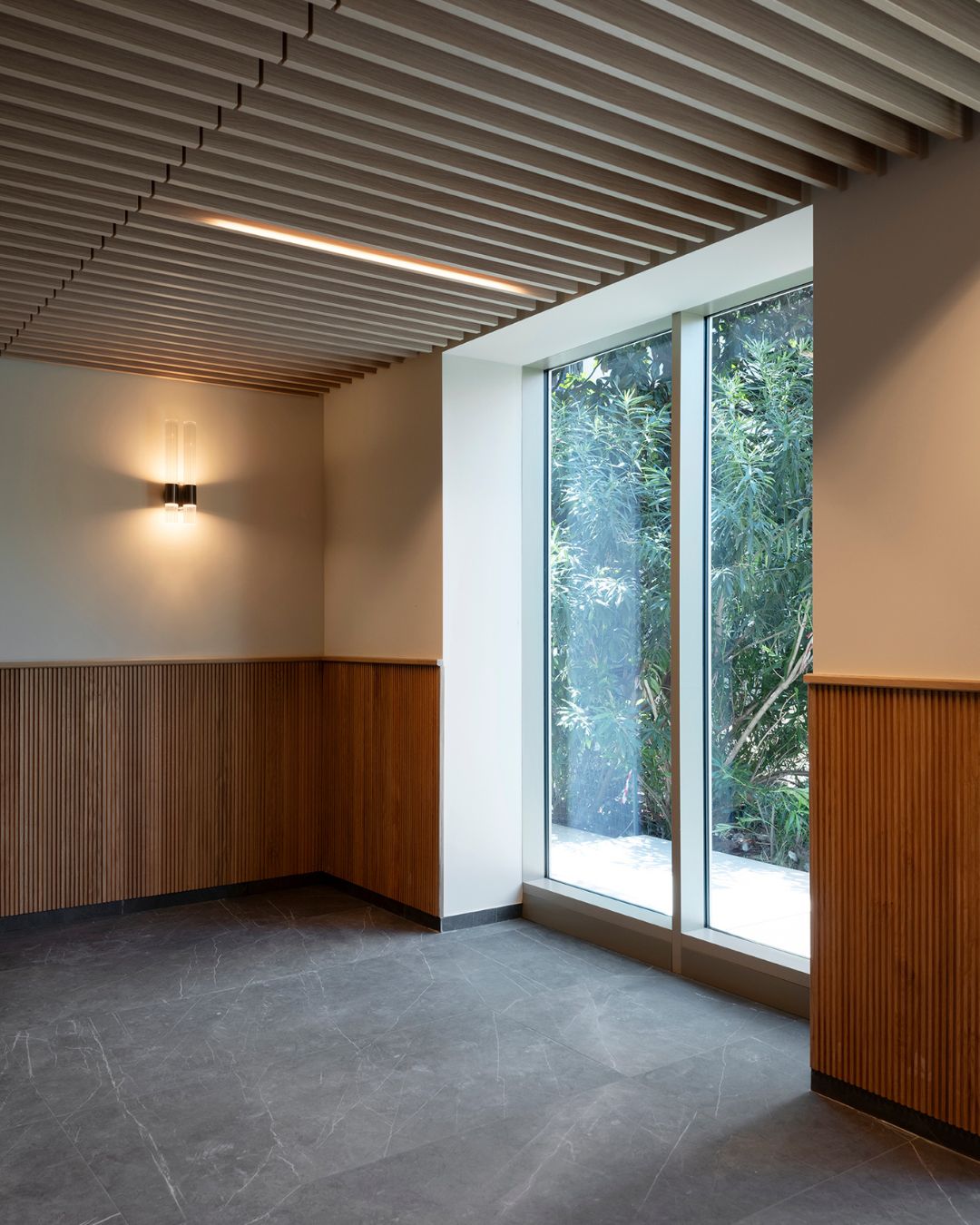
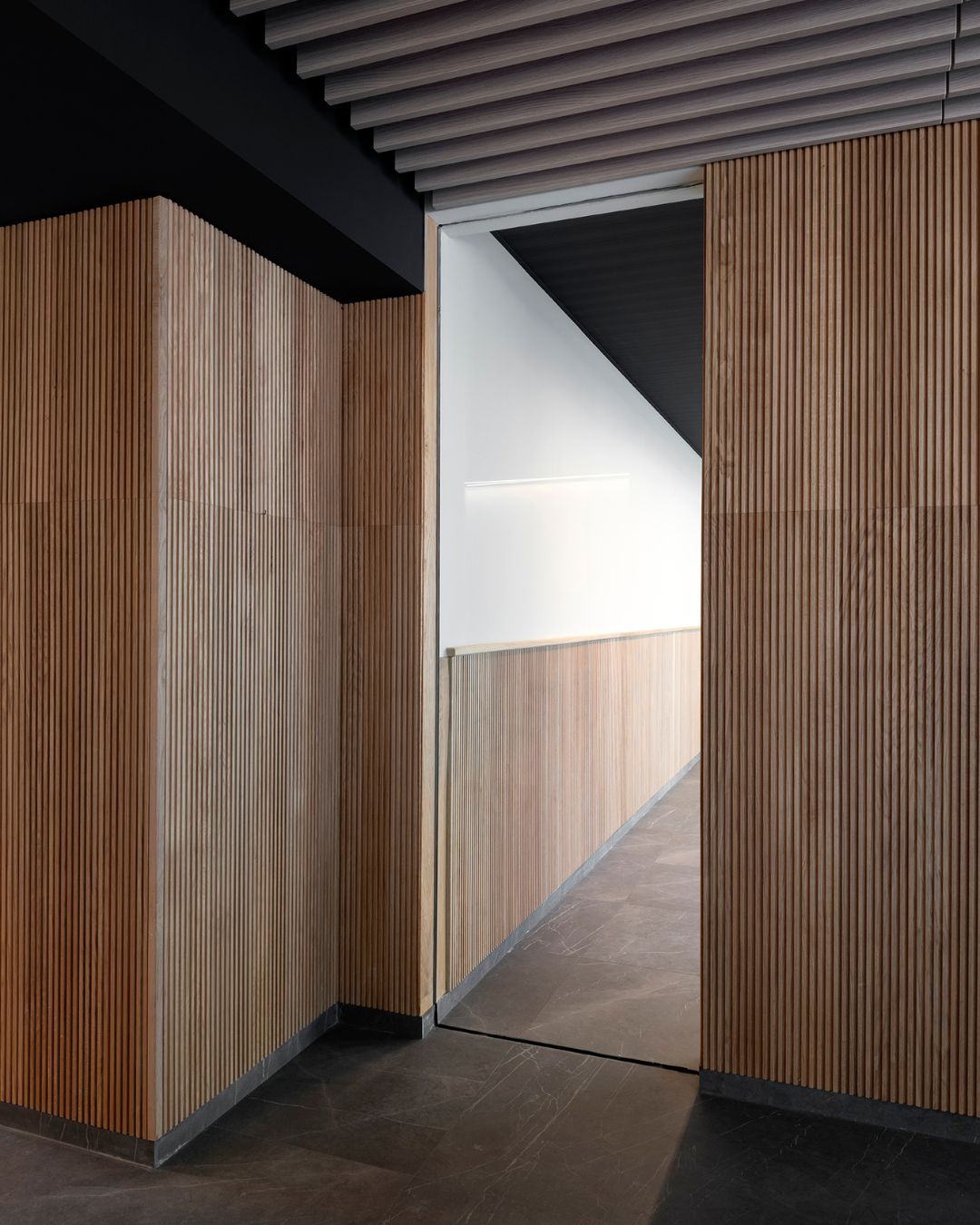
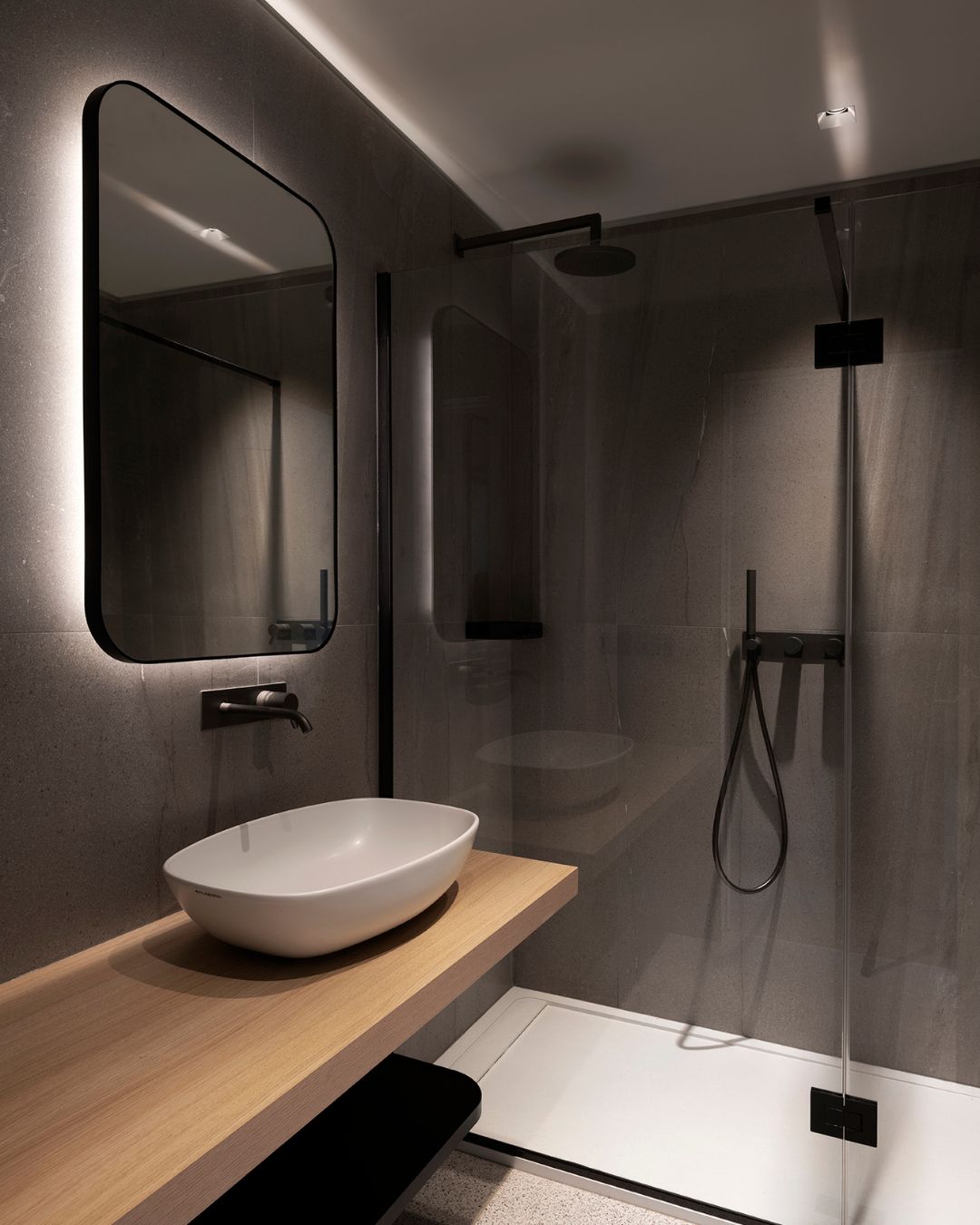
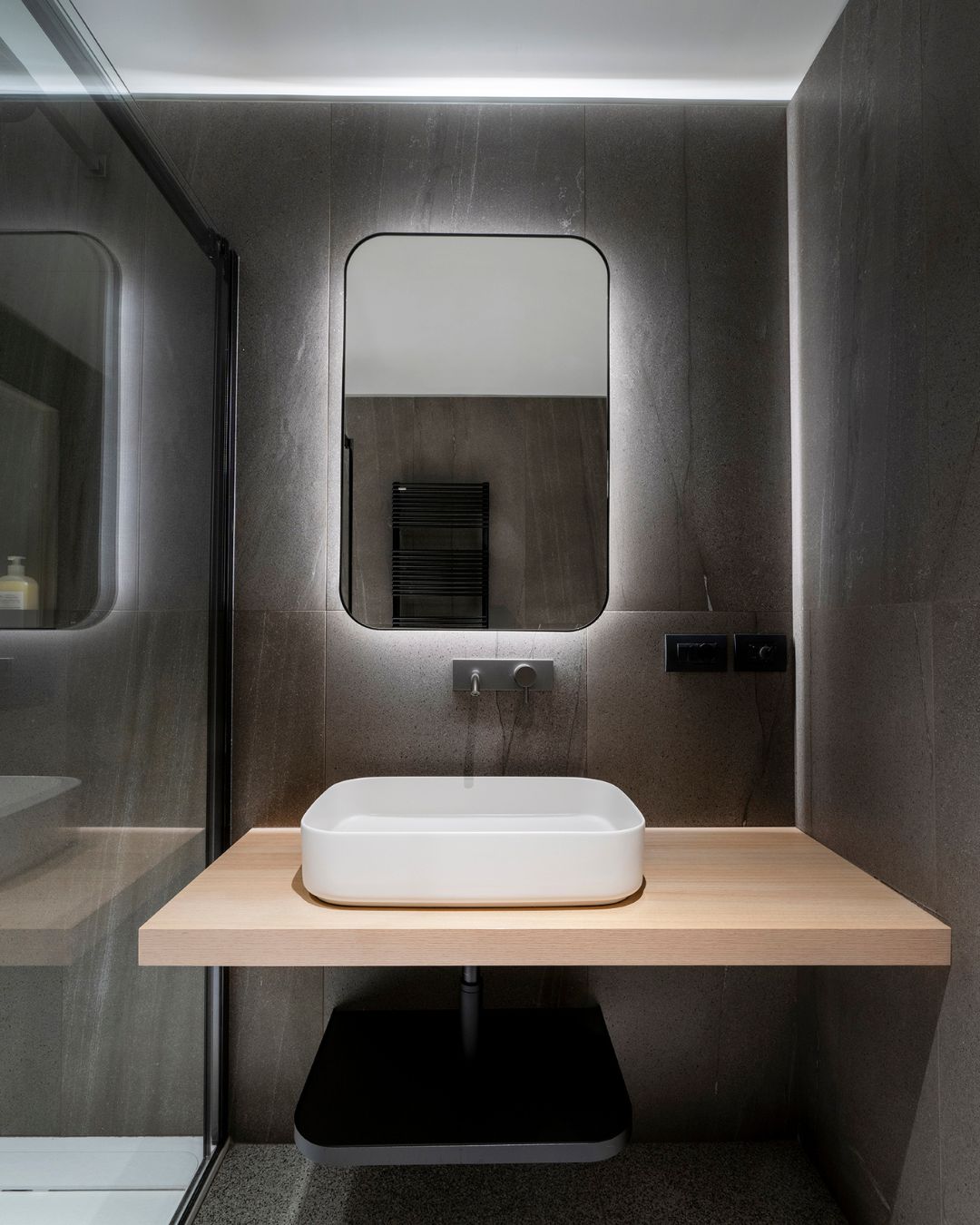
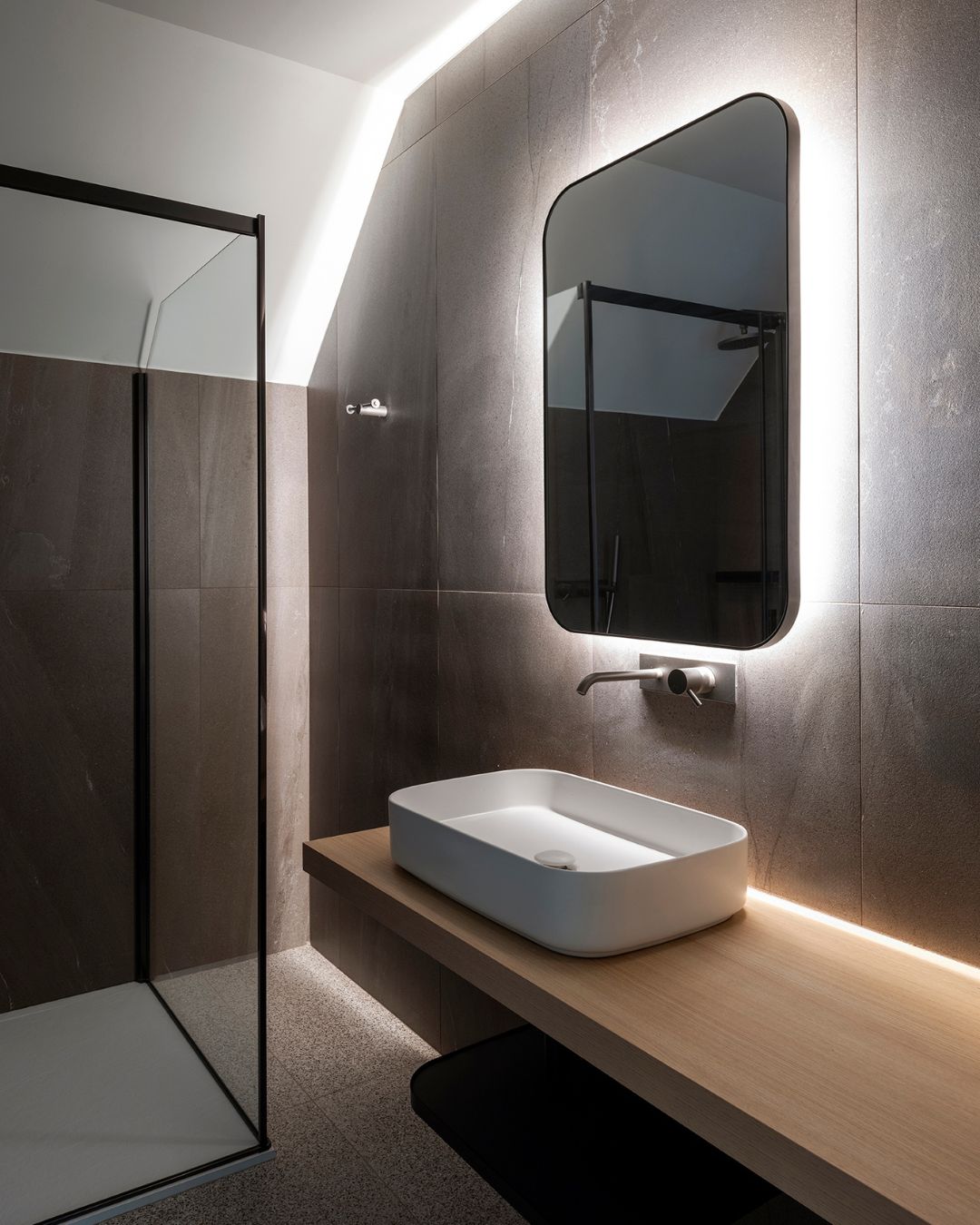
In the Sonder building, the lobby and commercial spaces use Ultra Marmi Grey Marble slabs, a large-format installation that reduces visible joints and has simplified maintenance protocols. The material’s non-porous surface resists staining and can be cleaned with normal products without the risk of discolouration. The rooms’ bathroom spaces incorporate multiple products: Pietra Basaltina and Pietra Basalto Moka for the walls, paired with Full Body porcelain stoneware, featuring the Accademia Venetian terrazzo effect in the colour variants Bellini and Tiepolo, which evoke the understated luxury of aristocratic palazzos.
The choice of materials is clearly an important factor in the building’s LEED Gold certification. Ceramic production involves significant energy input for high-temperature firing, however the material’s durability and low maintenance factor into the environmental calculations. The longevity of porcelain stoneware, which typically exceeds the life of many competing materials, means that replacement is much less frequent and so is the associated resource consumption. The material is also recyclable at the end-of-life, although ceramic recycling infrastructures are not so common.
The Sonder building is one of many applications that show ceramic technology’s qualities for hospitality’s requirements. The use of Ariostea surfaces addresses many objectives: aesthetics, references to traditional materials, durability, maintenance efficiency, and sustainability criteria. The building’s integration into the Porta Romana district also reflects broader urban development patterns, where historic structures are adapted for contemporary use, and material technologies that allow such adaptation while maintaining a classical flair are a key component to these renovations.