Brutalist look, sustainable materials: Transparent’s unexpected design language
Exploring how the Stockholm audio brand is rewriting its design DNA through the Brutalist Speaker, continuing on its inspiring mission to be the first-ever circular tech brand.
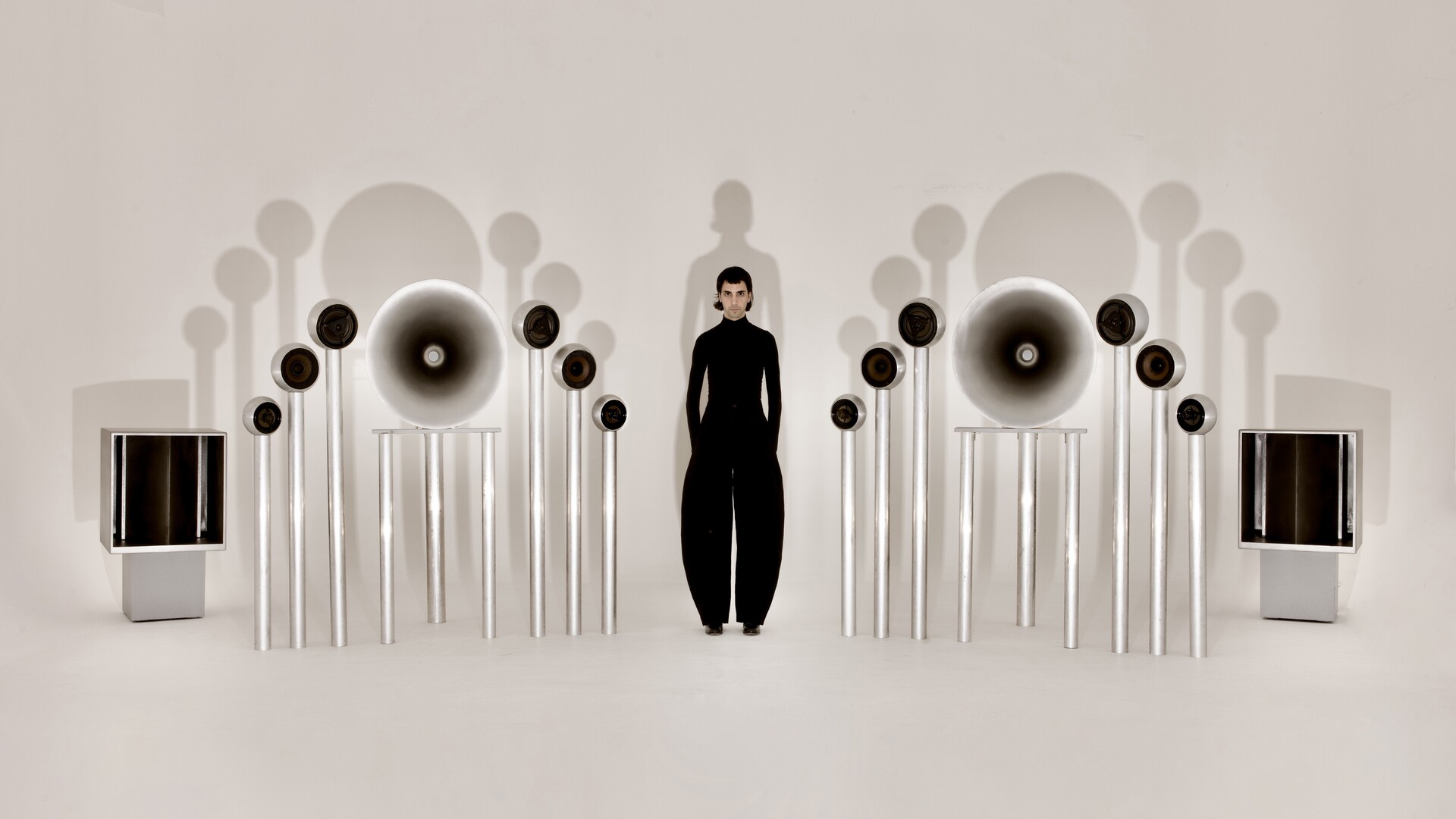
For over a decade now, Transparent has been the audio industry’s aesthetic darling. Born in Stockholm in 2012 from the creative minds of Per Brickstad, Magnus Wiberg, and Martin Willers, the brand built its reputation on a radical idea: speakers made from tempered glass and aluminium, revealing their inner workings, inspired by the 1970s high-tech architecture.
Transparency was not just an aesthetic preference, but a way to convey the company’s mission towards becoming the first-ever circular tech brand. Glass allowed them to show their products for what they really are, with materials that were chosen for their durability and recyclability. But with the launch of the Brutalist Speaker, Transparent is now pivoting towards another style, rooted in raw, industrial monumentalism.
Gallery
Open full width

Open full width
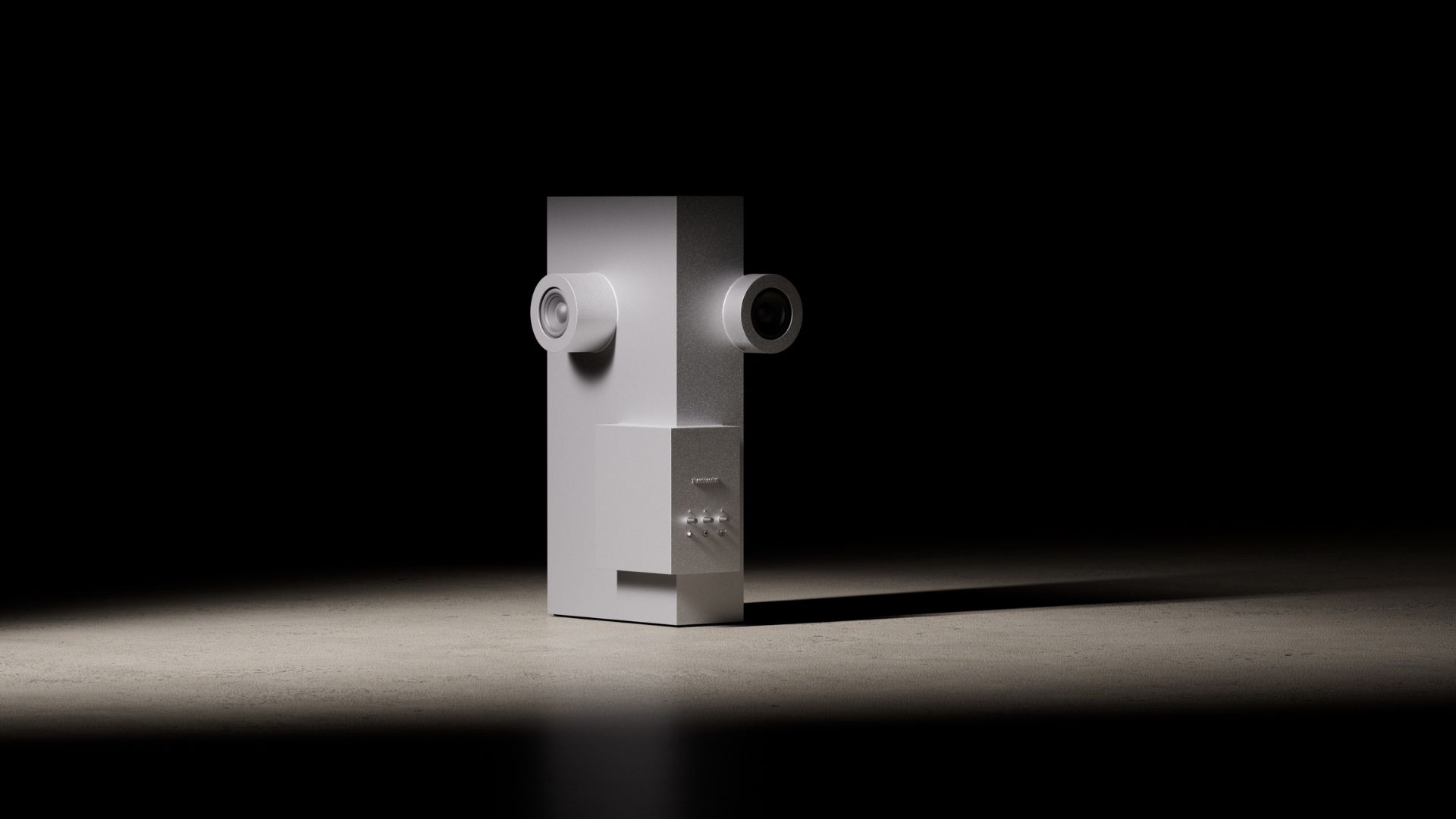
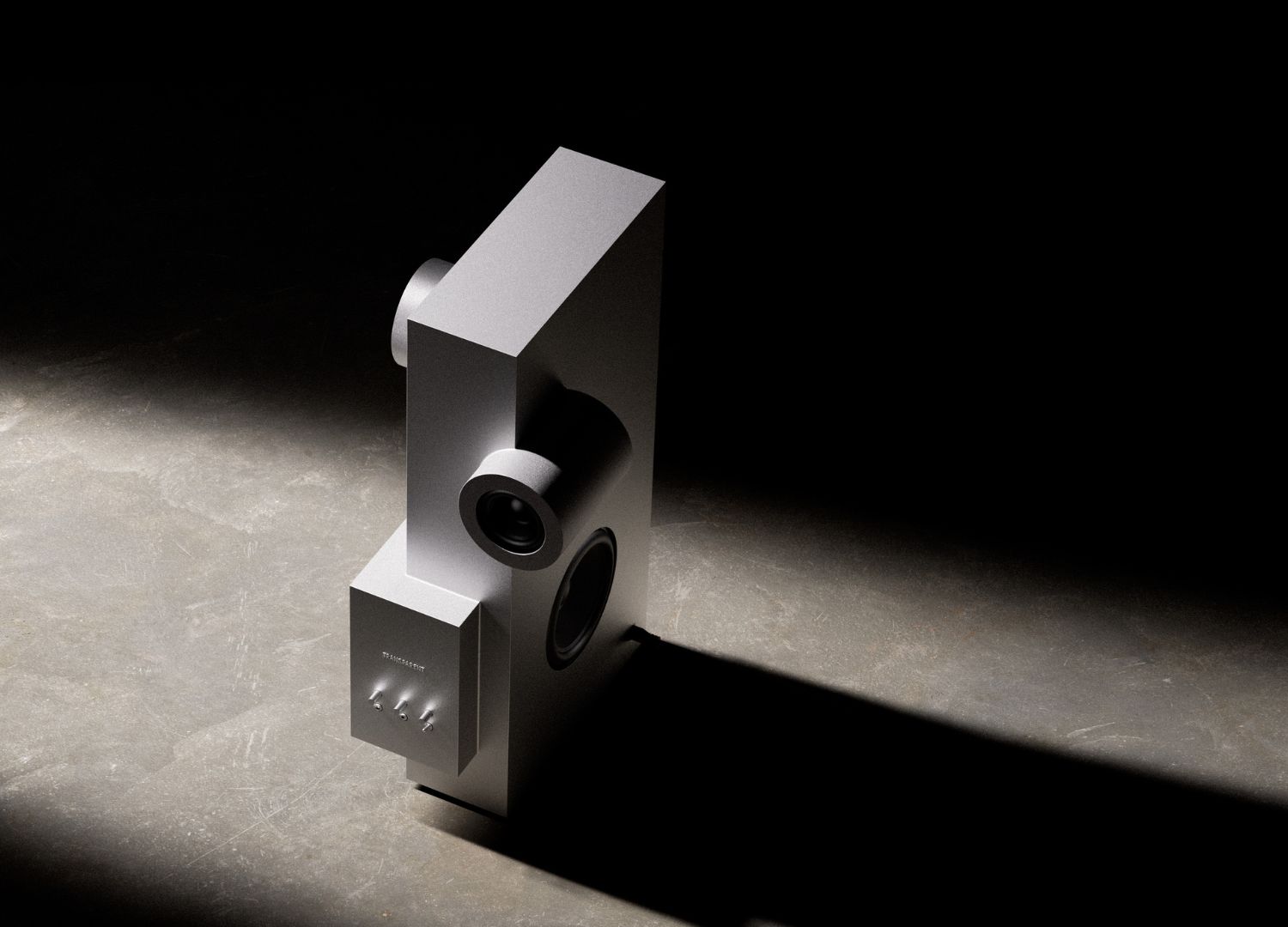
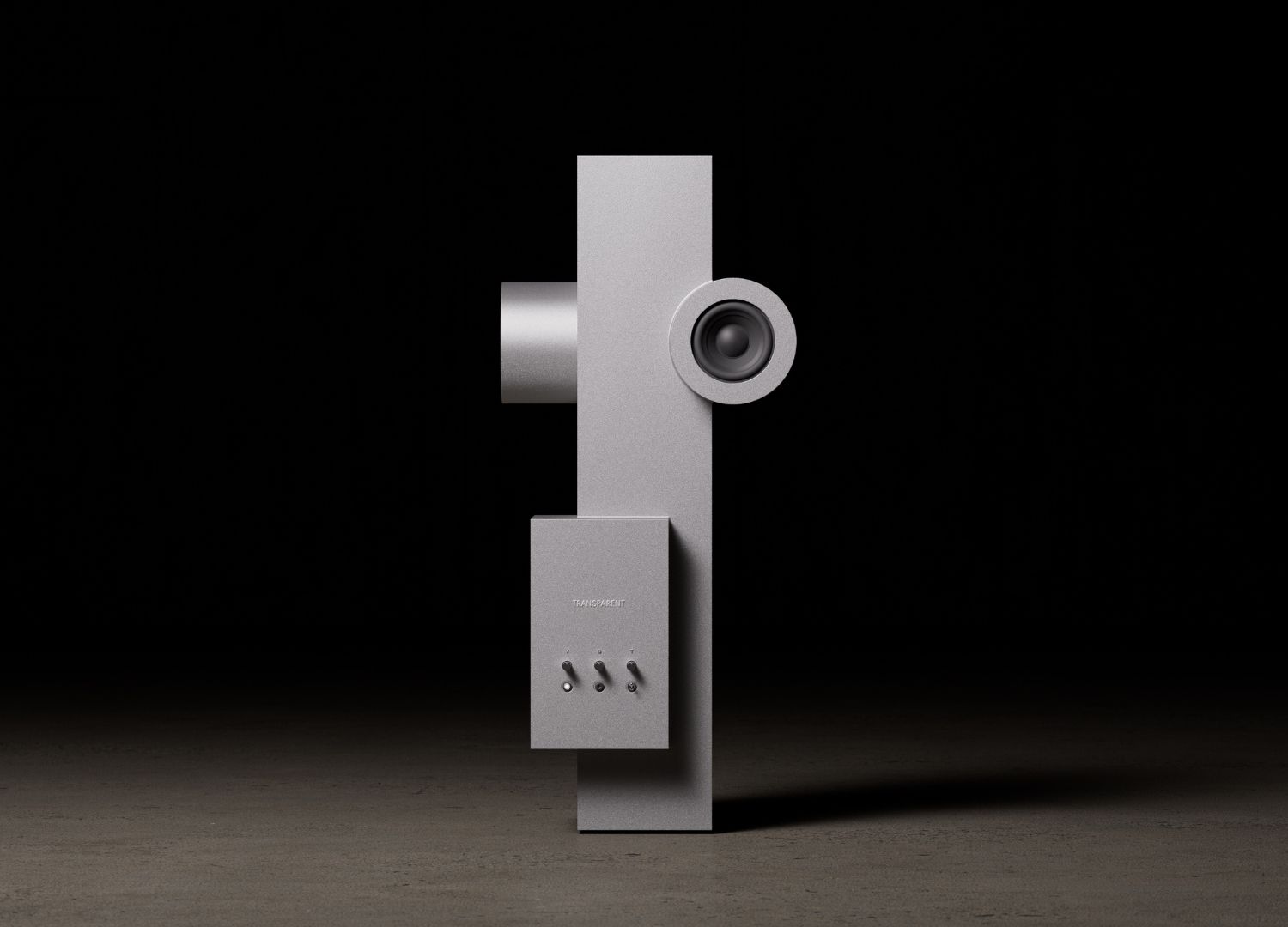
The Brutalist speaker uses solid, geometric forms made from 70% post-consumer recycled aluminium. The design pays homage to Brutalism, an architectural movement born in the UK in the 1950s, known for geometrically simple yet powerful buildings, made of raw concrete and steel. “It is exciting to bring this legendary architectural style into people’s homes, and to bring the worlds of architecture and design closer together,” says Per Brickstad, the brand’s creative director and co-founder.
Brutalism is clearly a current trending aesthetic for many young, tech-loving people, a Gen Z evolution of Millennials’ previous love for minimalism. But other than that, it is curious to see Transparent using this kind of reference to convey its values, as the Brutalist architectural movement was highly criticised for its resource-intensive production, high maintenance costs, and poor performance overall. Maybe it is a way to show that the style can be reworked into being better for the planet, and also that sustainable design is not tied to a singular aesthetic.

The shift is substantial: while the glass speakers referenced minimalism and authenticity, the new design is angular, towering, and demands attention, a monolithic presence that will be at the epicentre of its living rooms. This is also due to the product’s dimensions, at 59 x 36 x 26 cm and weighing 12 kg, it is significantly larger and heavier than its predecessors. This design evolution is not just external, as the company has evolved and upgraded the speaker’s internal architecture and acoustic engineering.
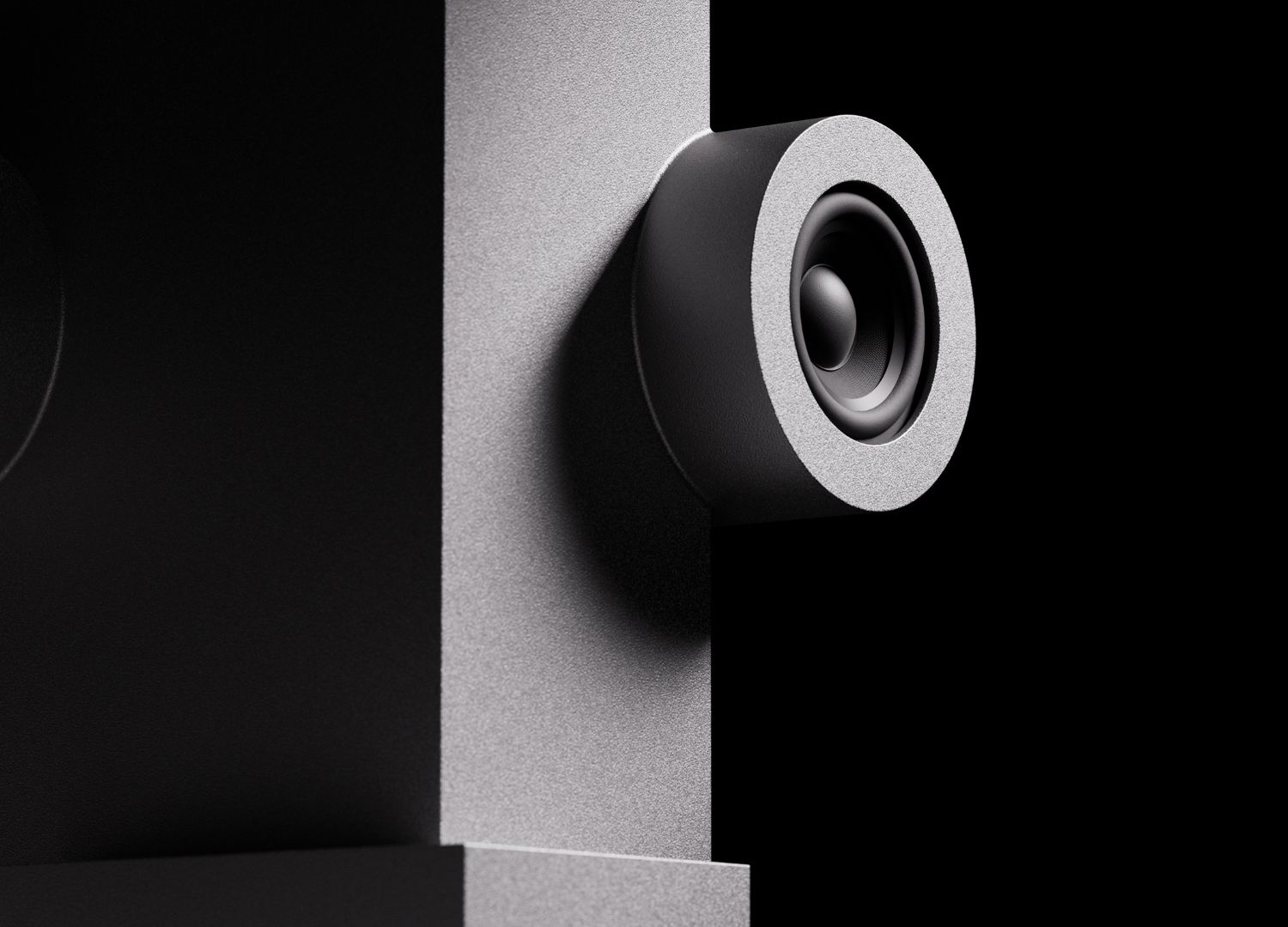
The Brutalist Speaker features an 18-litre acoustic volume, nearly double the original 10-litre cabinet of the Transparent Speaker. This larger internal space, combined with a carefully engineered system, delivers what the company describes as a massive yet effortless bass response. The tweeter configuration is made up of two 3-inch tweeters positioned at 90-degree angles from elevated points, allowing the Brutalist Speaker to reach more ears with detailed high-frequency sound. When placed in a corner, it uses acoustic reflections from the walls to create an even more immersive soundscape. The speaker also comes pre-mounted with a WiiM Mini streaming module, which delivers audio up to 192kHz 24-bit via digital outputs, and supports modern streaming standards like Spotify and Amazon Music.
While the aesthetic has shifted, Transparent’s core sustainability mission remains unchanged. The speaker maintains the company’s modular philosophy, with a dedicated module for the wireless component, which allows it to be upgraded or replaced as technology evolves. The use of 70% recycled materials is an excellent achievement for the tech world, which is usually known for its wasteful production. The product demonstrates to the market that these accomplishments can go hand in hand with performance quality and incredible design, making no excuses for other companies to continue producing unsustainably.