Designing off the beaten track with Rory Cahill
Desire paths are unplanned trails that naturally occur because of human instinct. What if one pursued their desire path within art and design? We spoke with Rory Cahill, the designer who is doing exactly that.
There is a particular kind of beauty in unconsequential human disobedience. Walk through any park and you will find a curious version of it: a desire path. Unofficial routes created not by urban planners but by human instinct: the shortcut across the corner, the diagonal through the grass, mapping the way people actually move versus how they are supposed to.
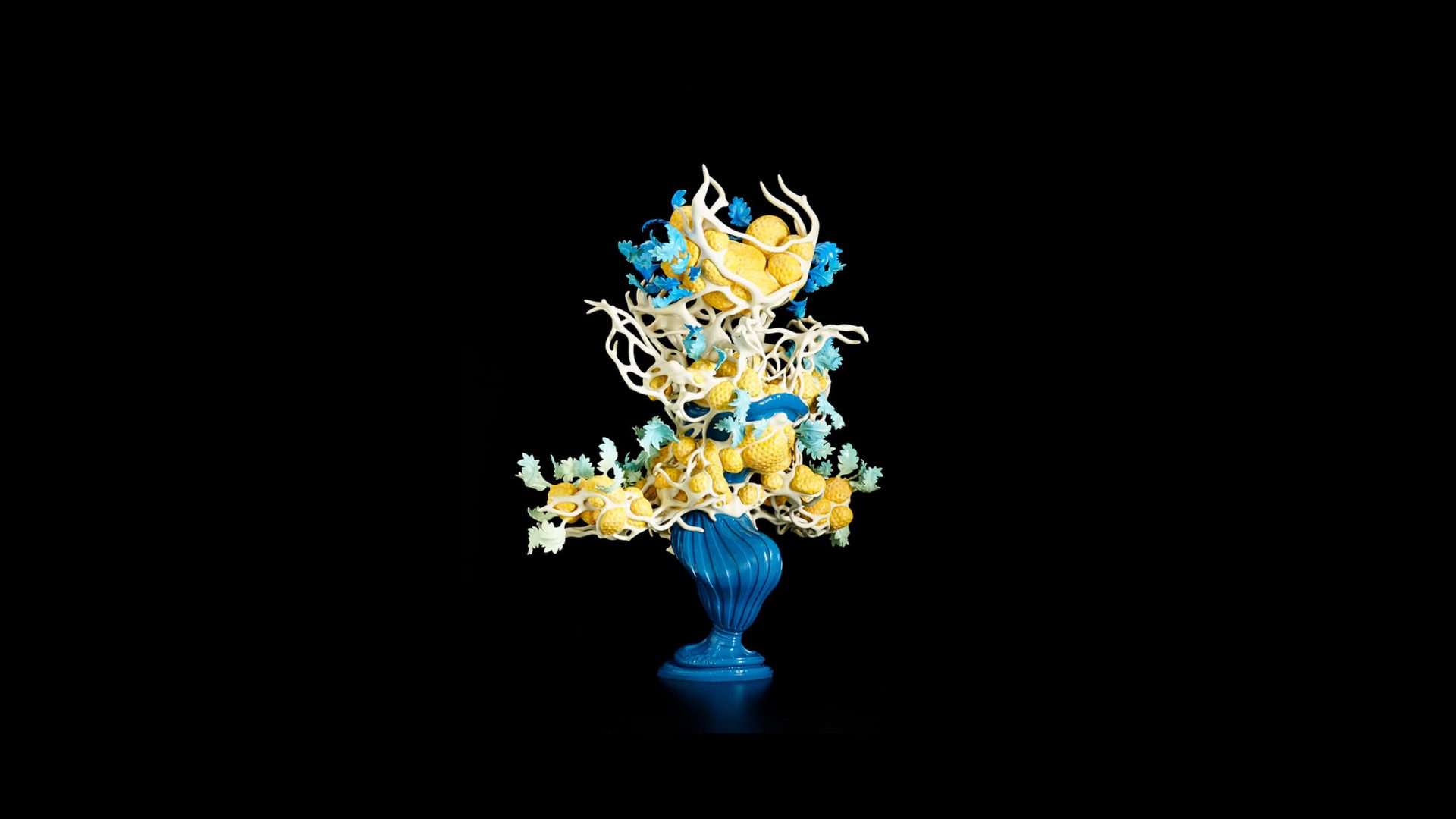
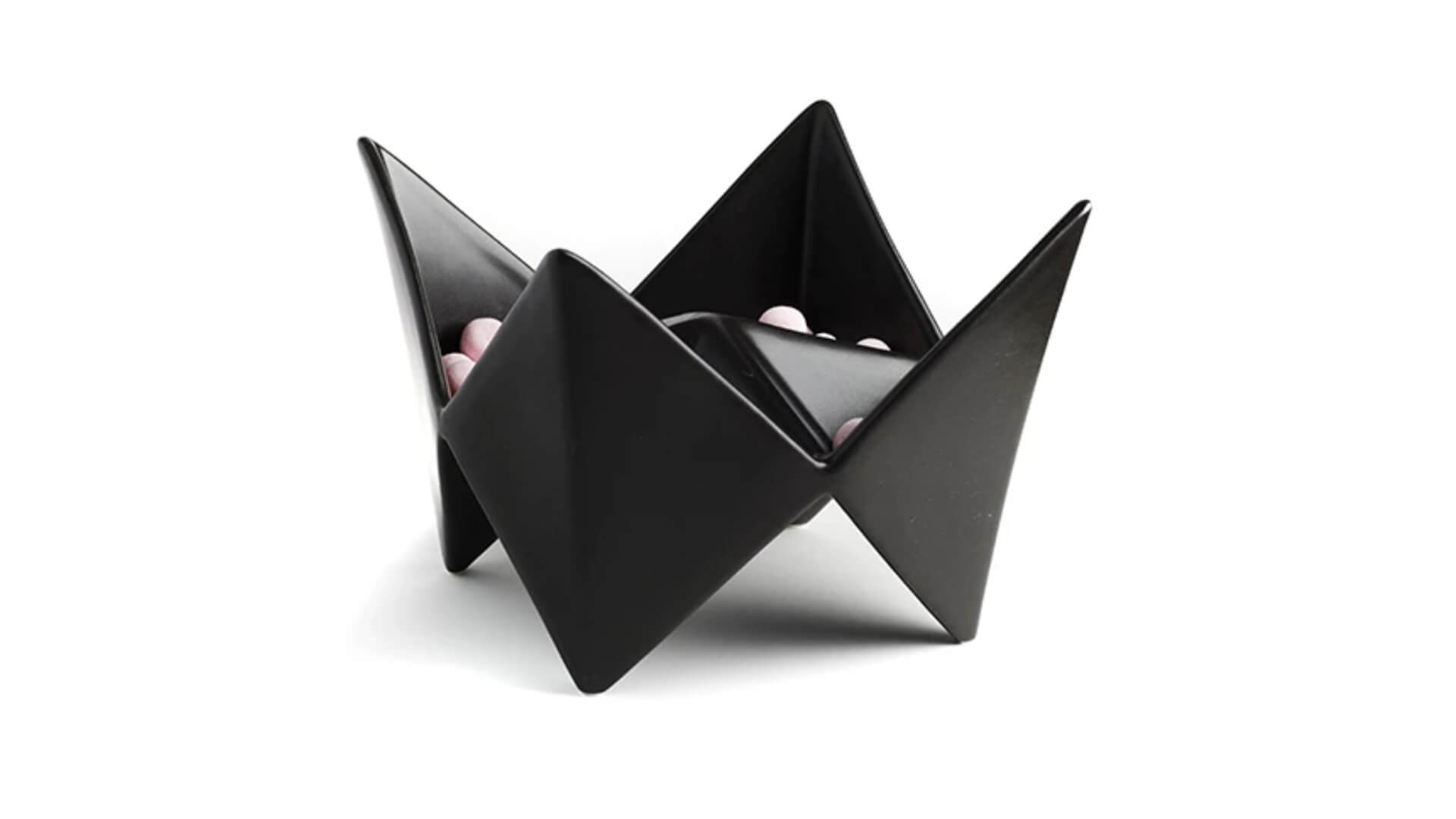
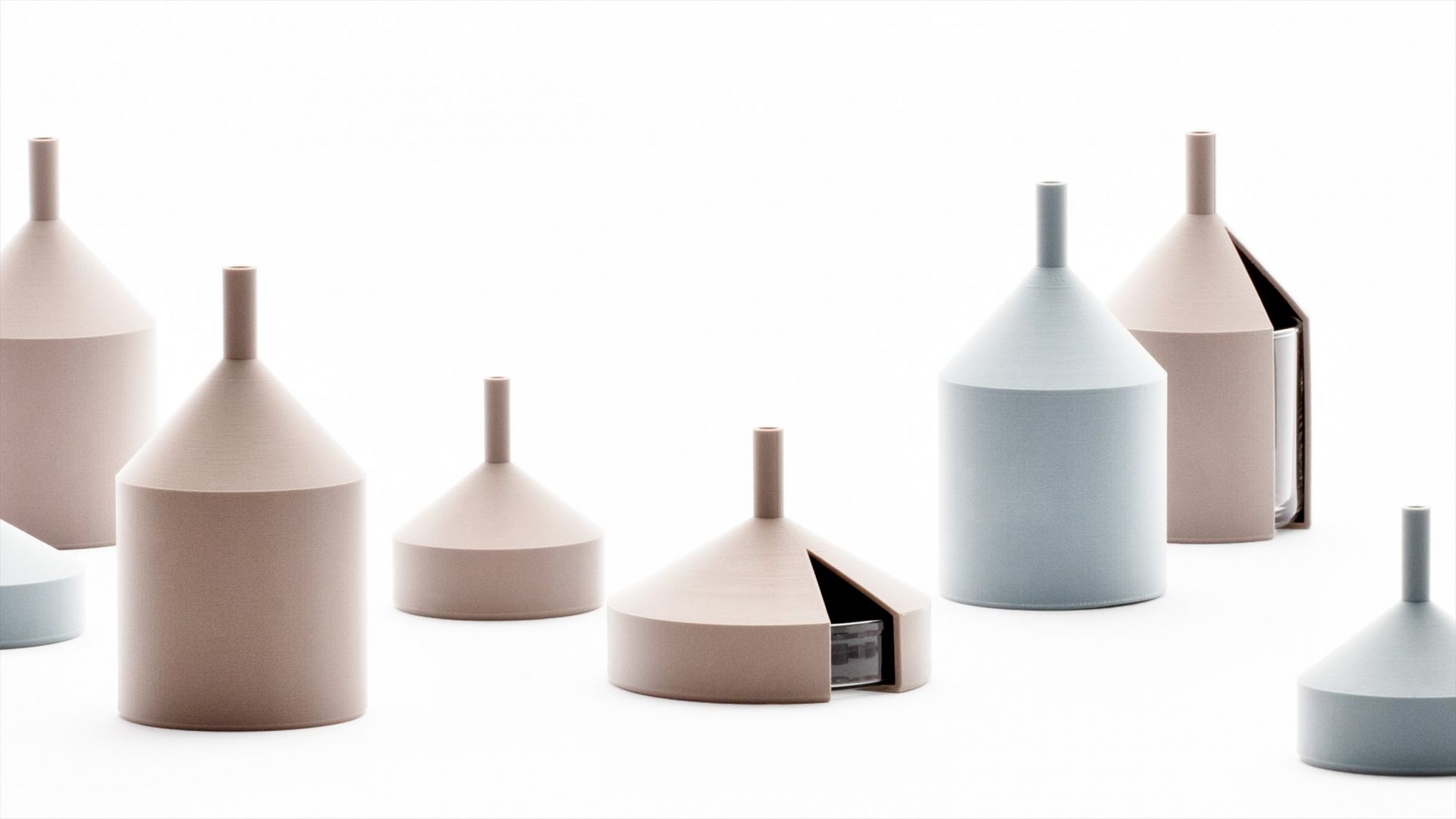
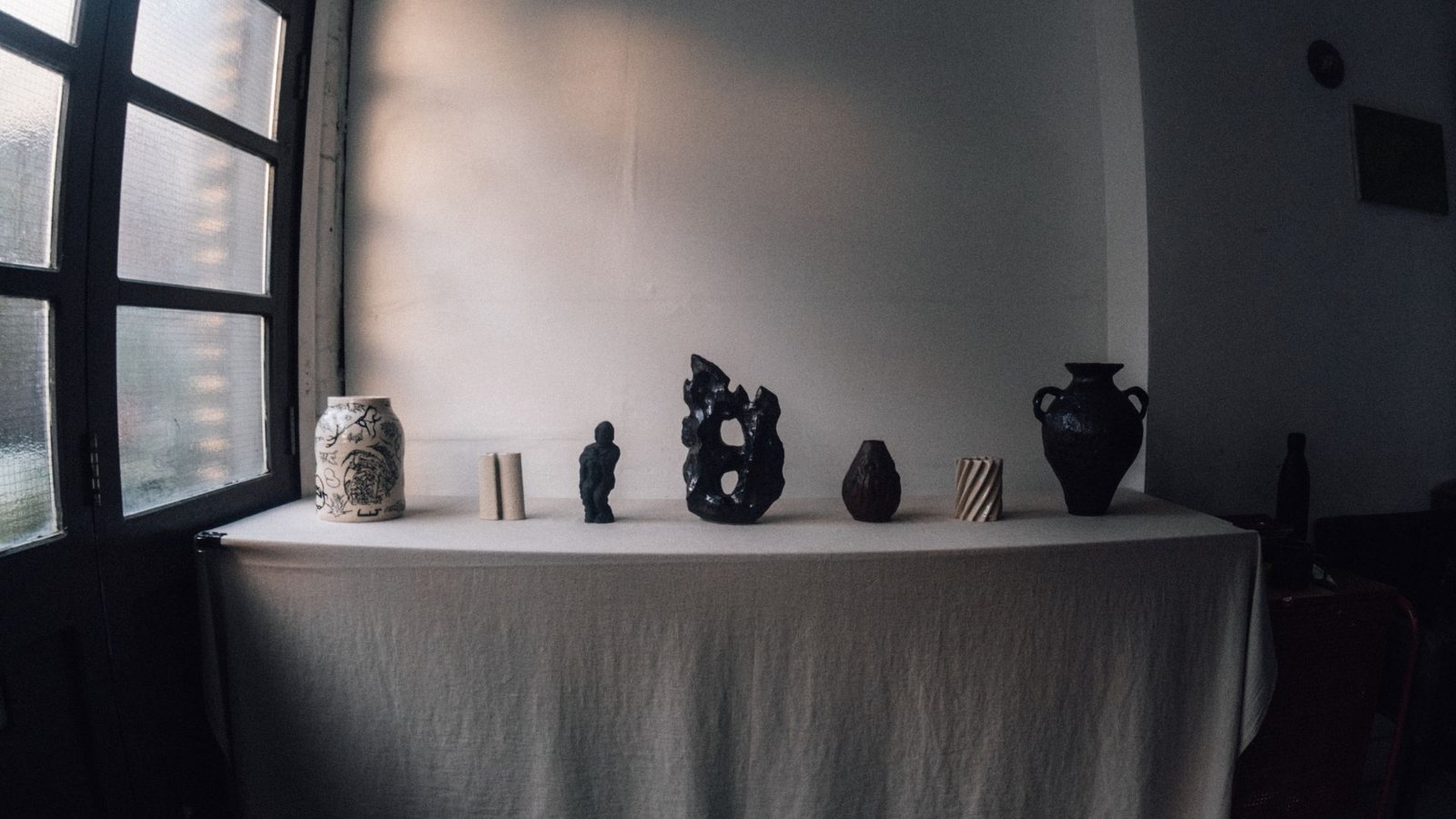
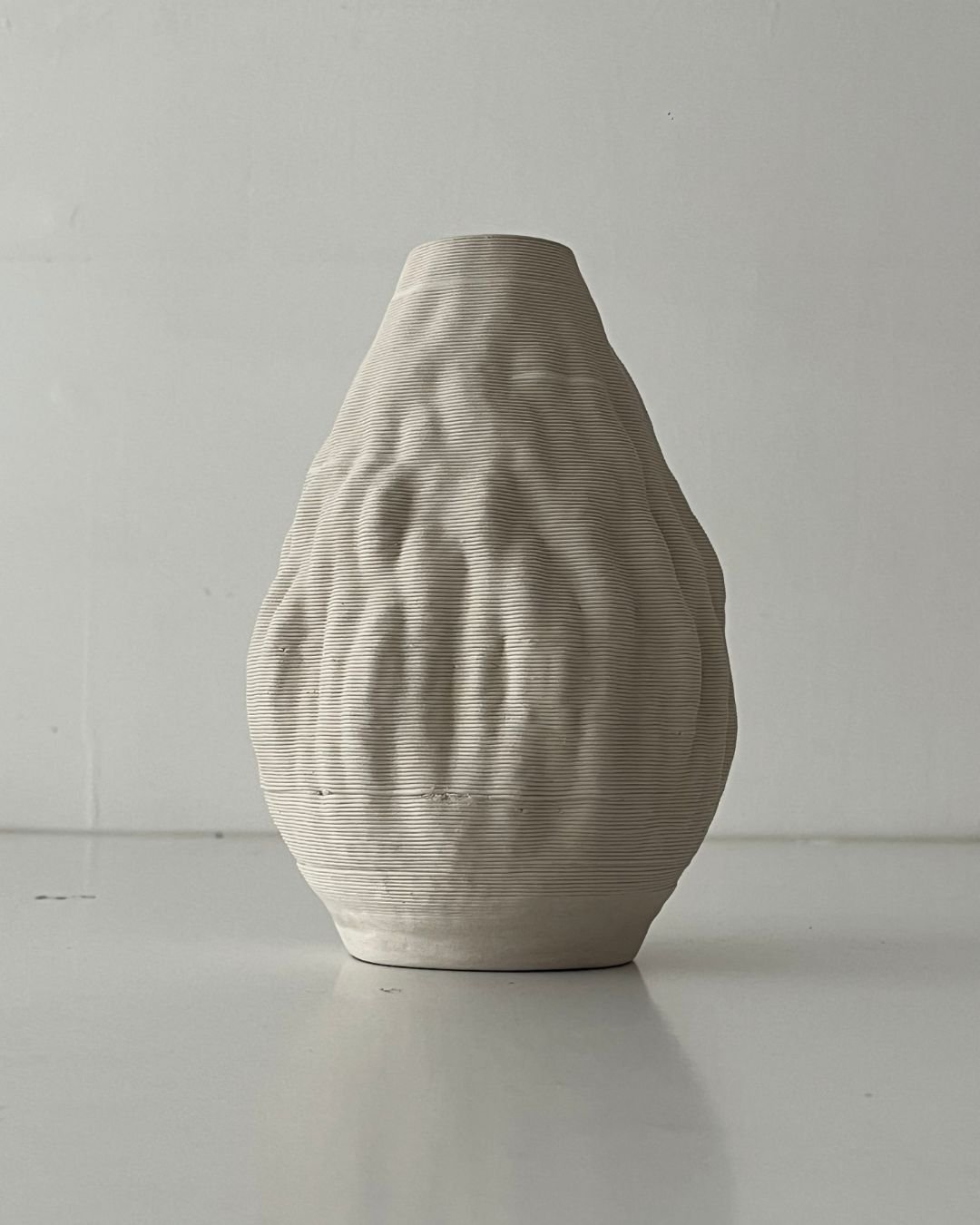
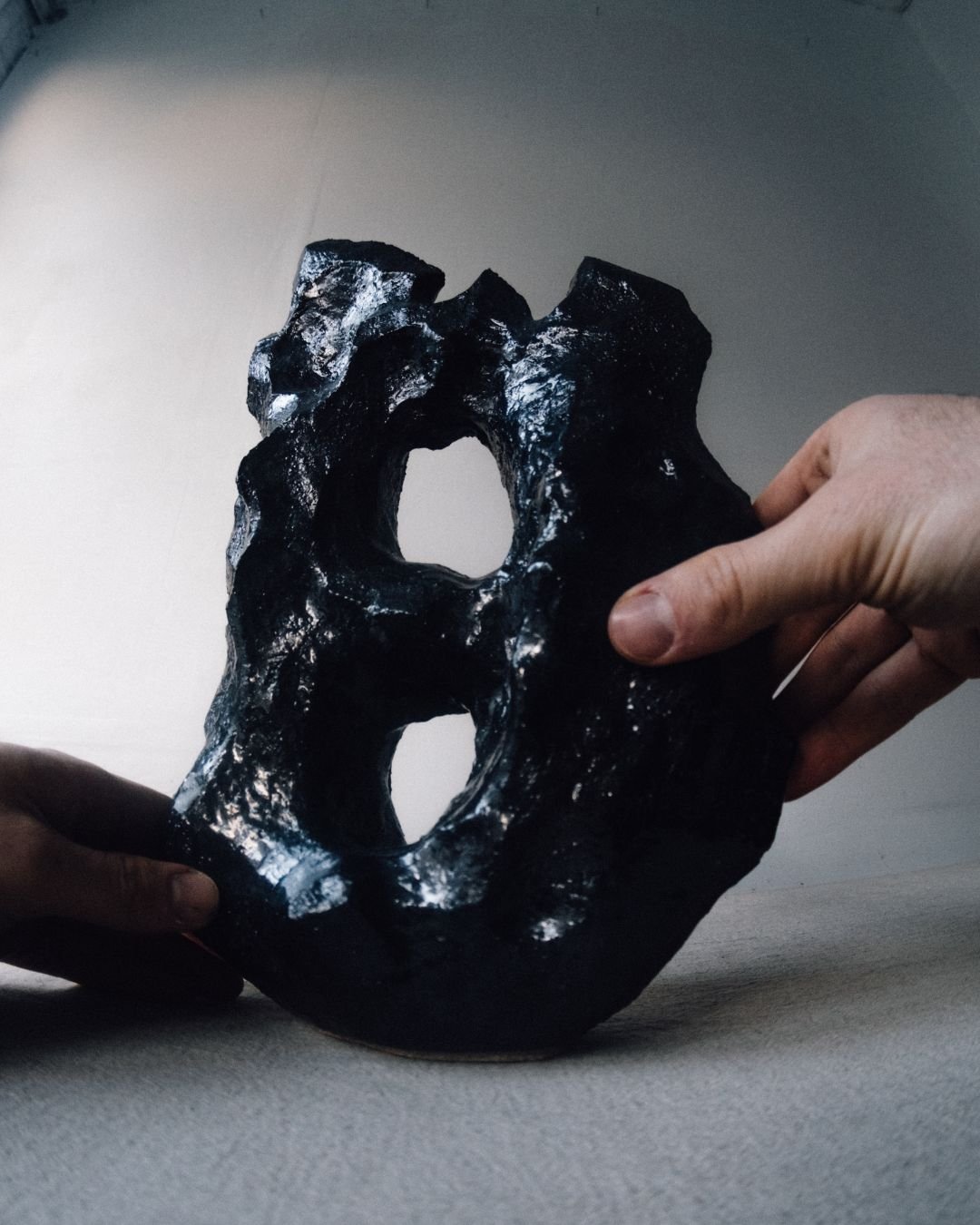
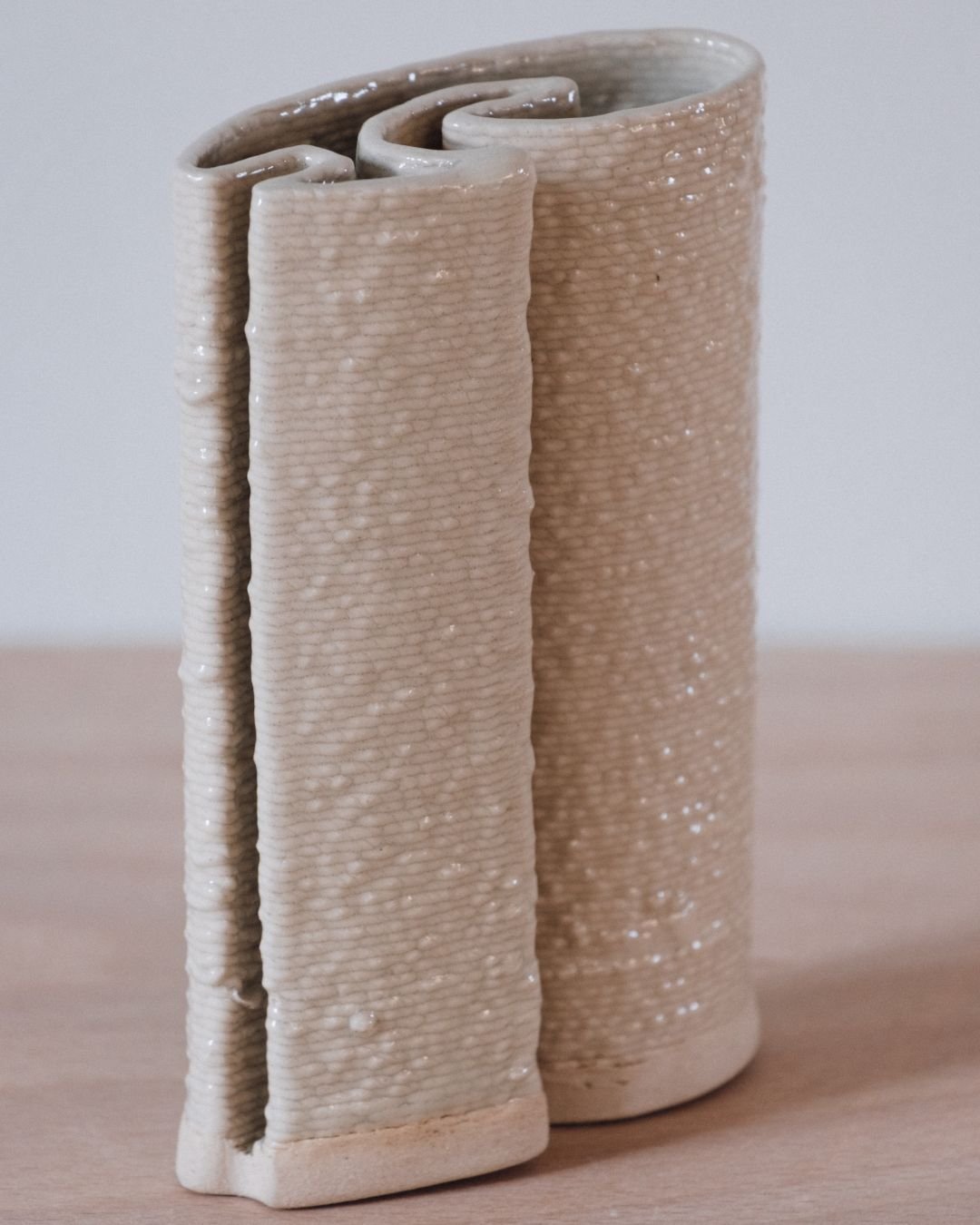
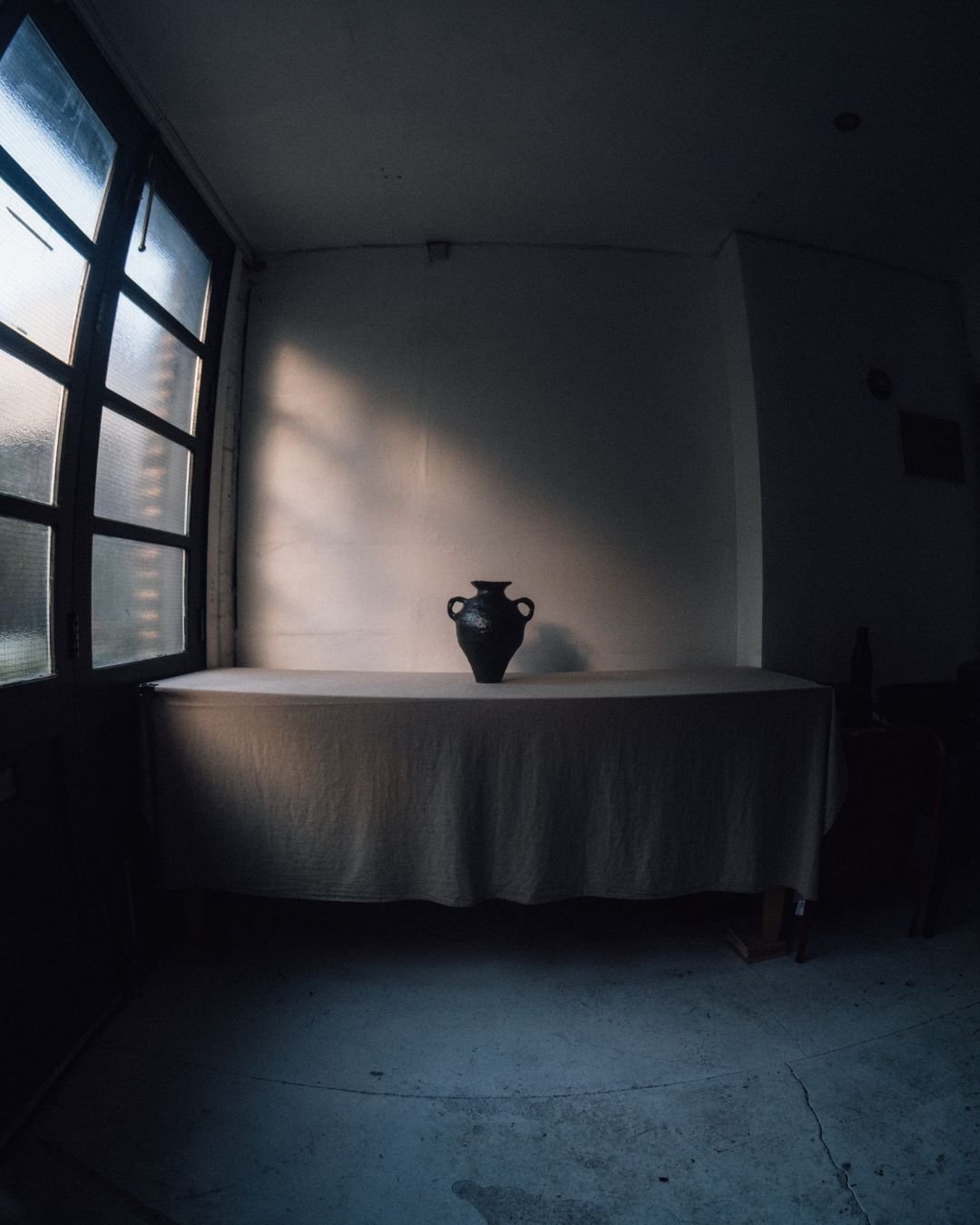
Rory Cahill has named his practice after them, aiming to pursue his own off-track path. Desire Path is the studio he launched after taking a break from a decade-long career as a creative director in fashion, luxury, and tech occupies precisely that kind of natural but unofficial route. Cutting across the boundaries between digital and physical, with AI-generated glyphs and 3D printed ceramics, his objects are, like desire paths themselves, the evidence of someone choosing to move differently.
Gallery
Open full width
Open full width
His practice starts with friction and ambiguity, overlapping the realms of code and craft, and working with the tension they create. When asked to describe the journey from the first idea to the finished object, he is particularly resistant to the idea of there being a legible direction:
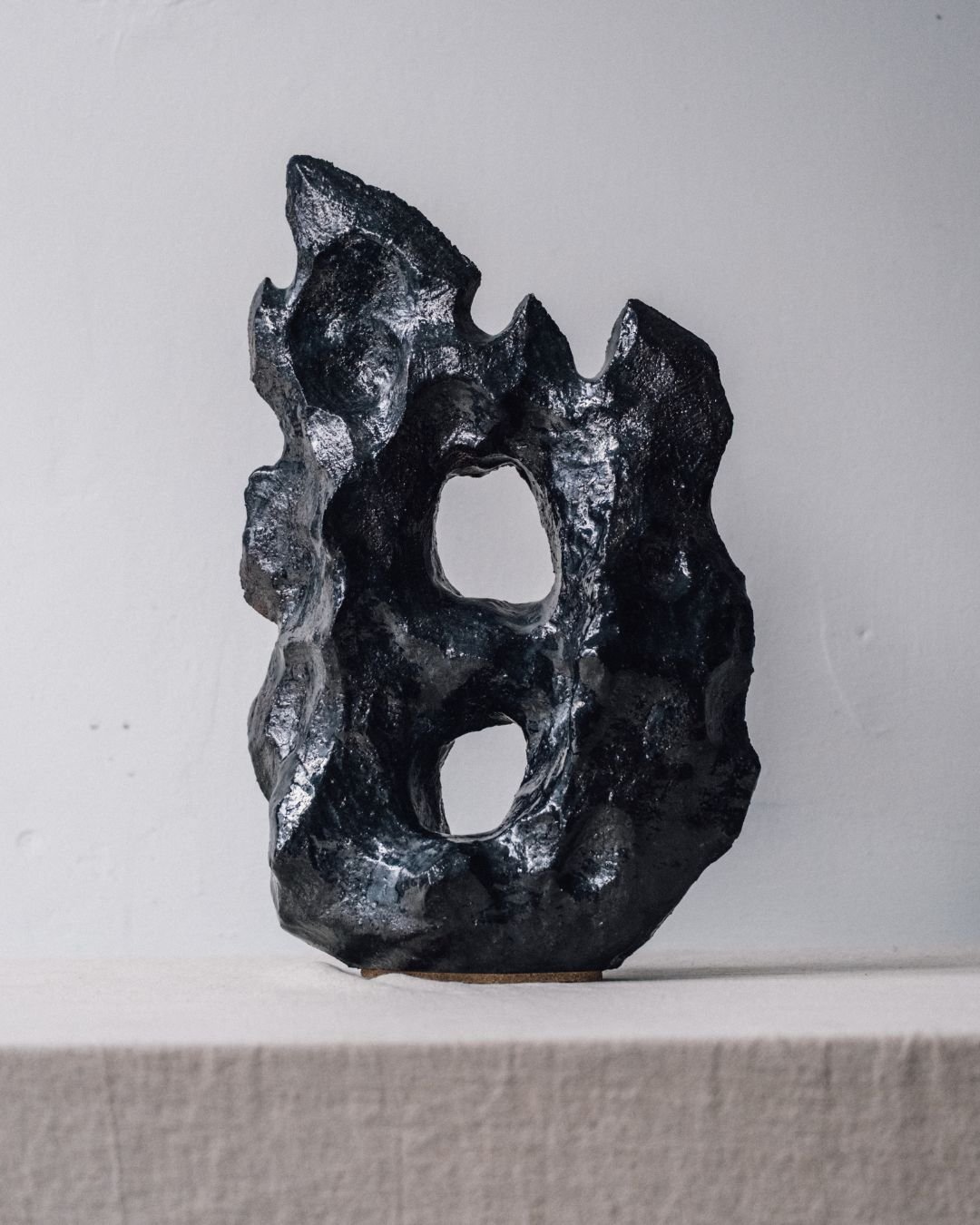
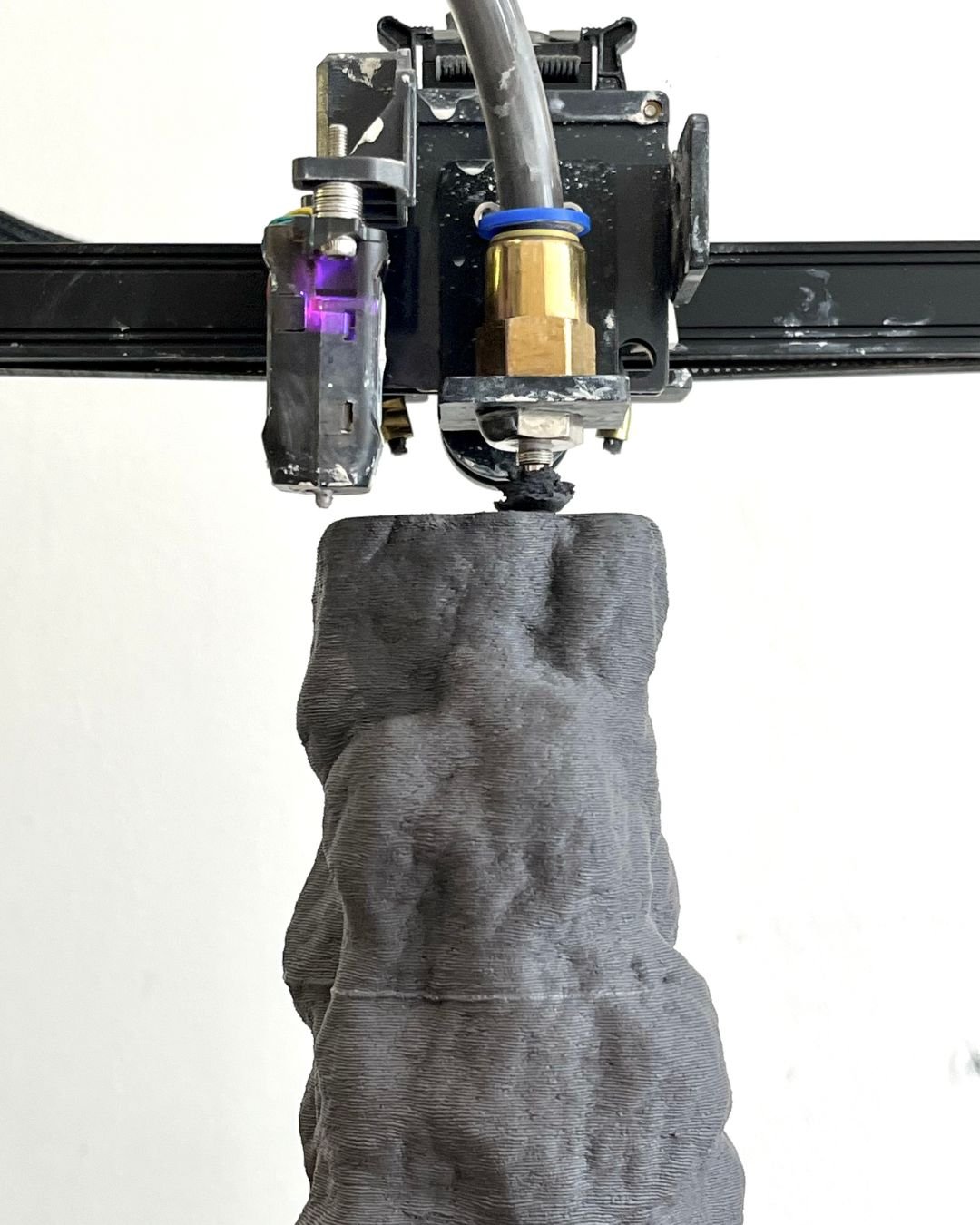
“My pieces don’t follow a linear path from ideation to production and instead are markers along the shifting sands of trial and play. When creating a printed object, the start can either be physical, through the scanning of a real object, or digital, with the creation of a new form. Both of these approaches go through conversion for 3D printing, which in itself involves iteration. Can the form be printed using a single extrusion of material?
Are there any steep overhangs that will affect structural integrity? These practical considerations will likely affect the final shape. The actual 3D printing is the most sacred and exciting part of the ritual. The crossover point between the digital and the physical. Type of clay, consistency, flow rate, nozzle size, print speed all leave their own mechanical marks on the form, which is birthed layer by layer. Finishing, glazing, and firing introduce an extra dimension of physical randomness and chance.”
Another particularity of Cahill’s work is his relationship with AI, which is always a contested territory for contemporary artists. While digital environments have almost fully embraced it at this point, used to speed up the processes that were once manual, physical art has remained more on the conservative side. Where many artists see AI as a threat, Cahill sees it more as another machine to have a conversation with.
“I’ve always seen the machine as a collaborator. A push and pull that started as a kid playing video games. I would try and break the system – can I travel outside of the bounds of a map? Get a vehicle or object somewhere it isn’t supposed to be? This curiosity bled into imagemaking and the unexpected outcomes can happen when layering effects, or trying different tools. I spent years completely immersed in digital creation but always with this push and pull of control in mind.
AI is another digital tool that makes this collaboration a bit more fluid. Leave everything to the machine and you get slop. Work with it, have a push and pull of control, have taste and an idea and you might get something interesting as an output. I love leaning into the artifacts and the errors, the weirdness and the mistakes.”
Desire Path is still a young practice, and Cahill sees a lot of space for it to grow. The current body of work is deliberately intimate, small pieces that invite you to get closer. The next step for a practice about building worlds is to take up more space in this one. “I see an infinite horizon in terms of exploration. I’m looking towards bigger pieces, working towards showcasing objects in a physical setting, exploring new approaches, mediums and materials to blend the real and the digital. It’s a mix, God is a DJ.”