Universal design in action: restoring access to books for visually impaired readers
What if blind people could read any book, not just those designed to be accessible for them? Through a minimal design and recent technologies, the Feel Book is a device that can make any physical book inclusive.

Behind every accessibility barrier is a person, someone whose talents, curiosity, and passion are blocked by systems that weren’t built with them in mind. For the 43 million people worldwide who are blind, and the 295 million with moderate to severe visual impairments, the possibility of reading books has been a source of frustration and exclusion. Visual impairments don’t just affect the way people can navigate the world, they can also fundamentally change access to knowledge.
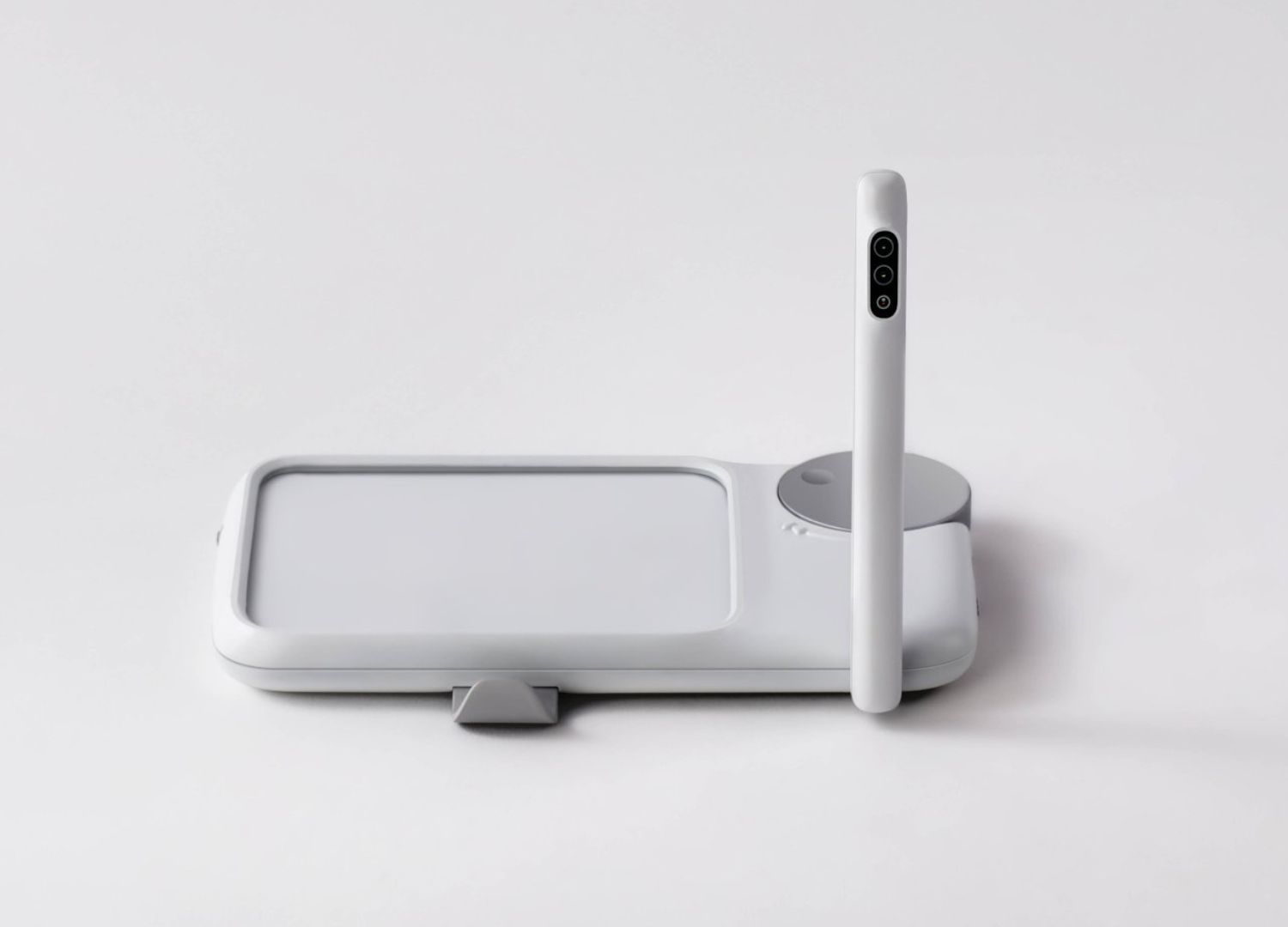
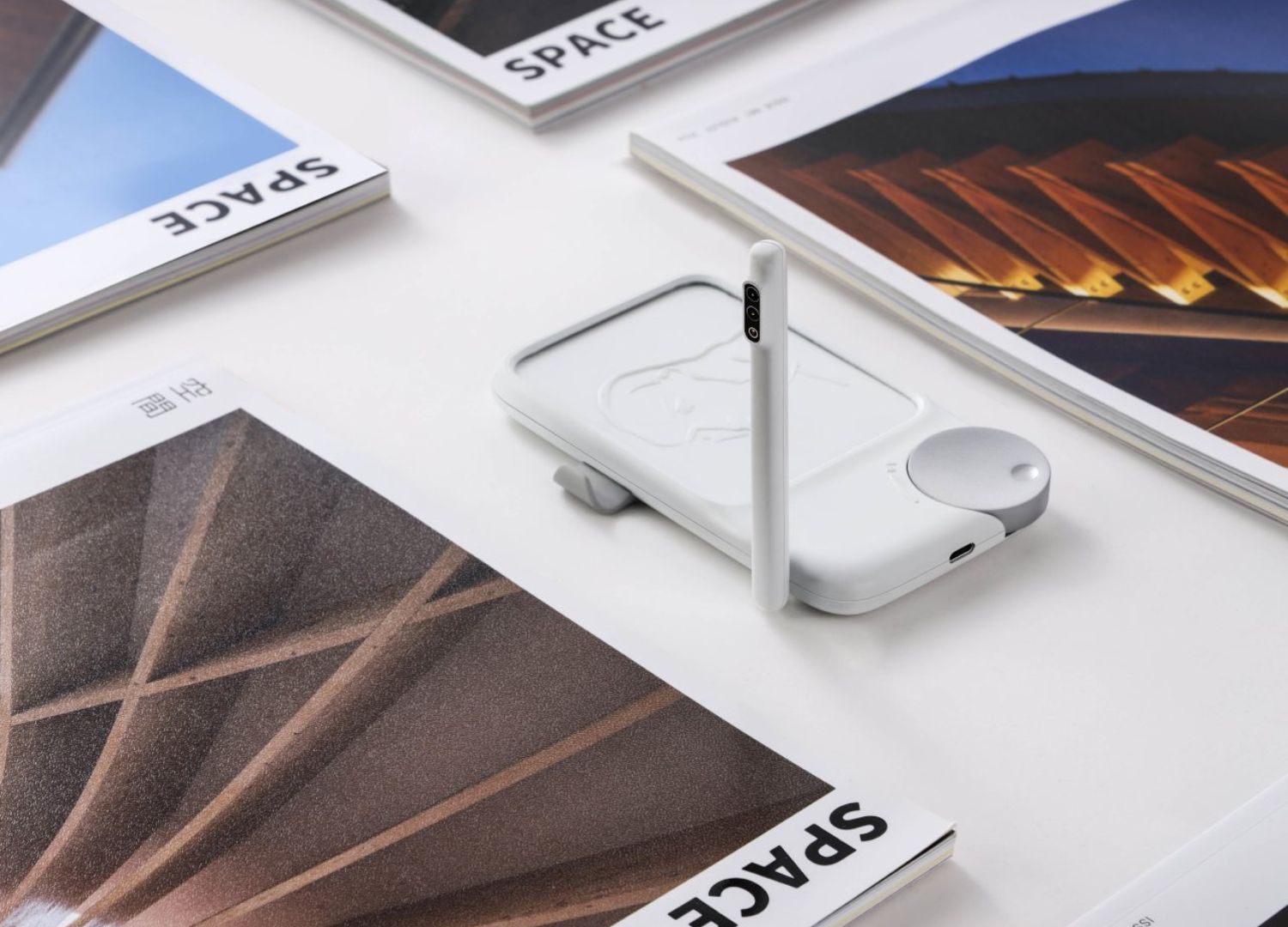
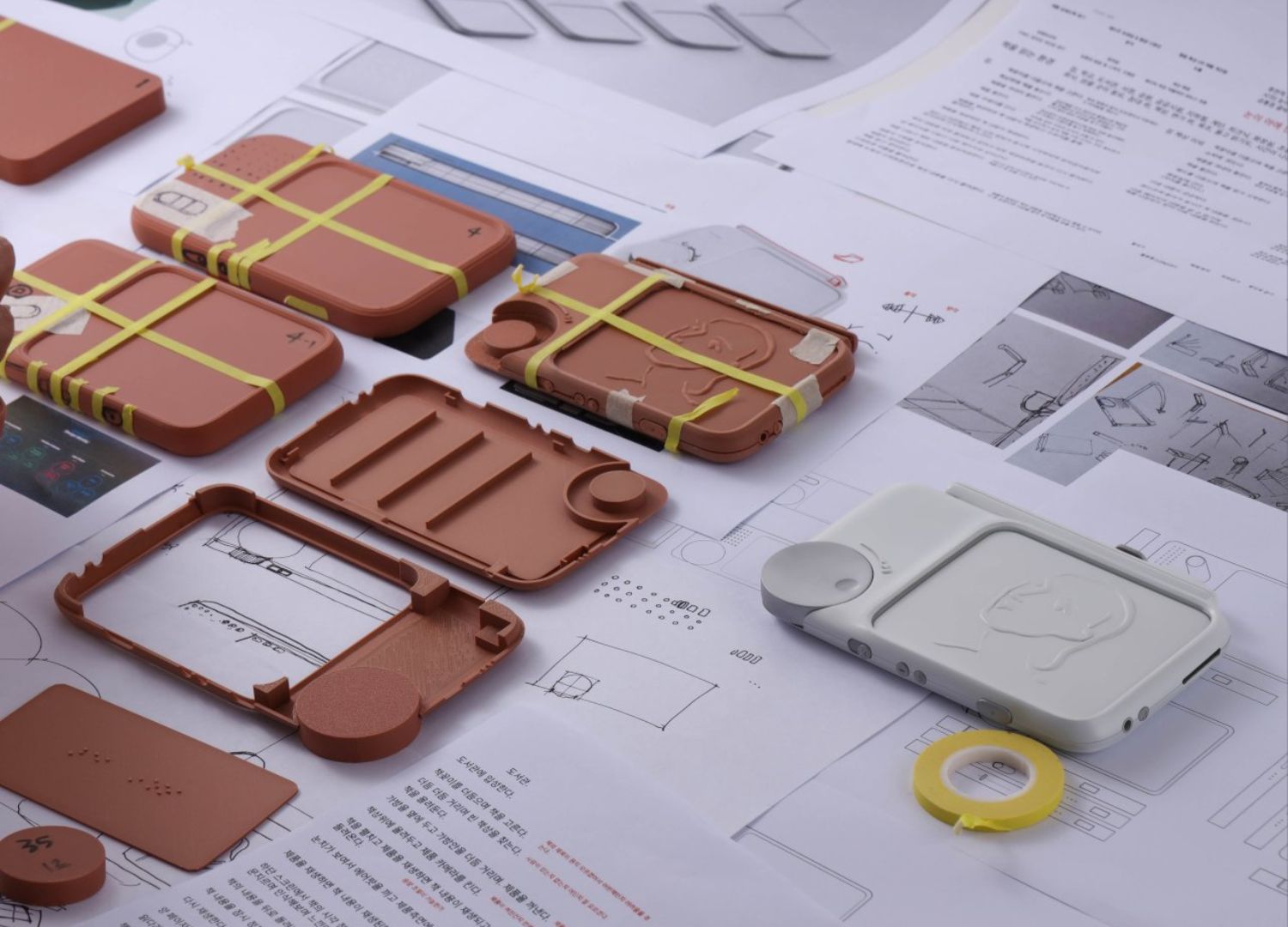
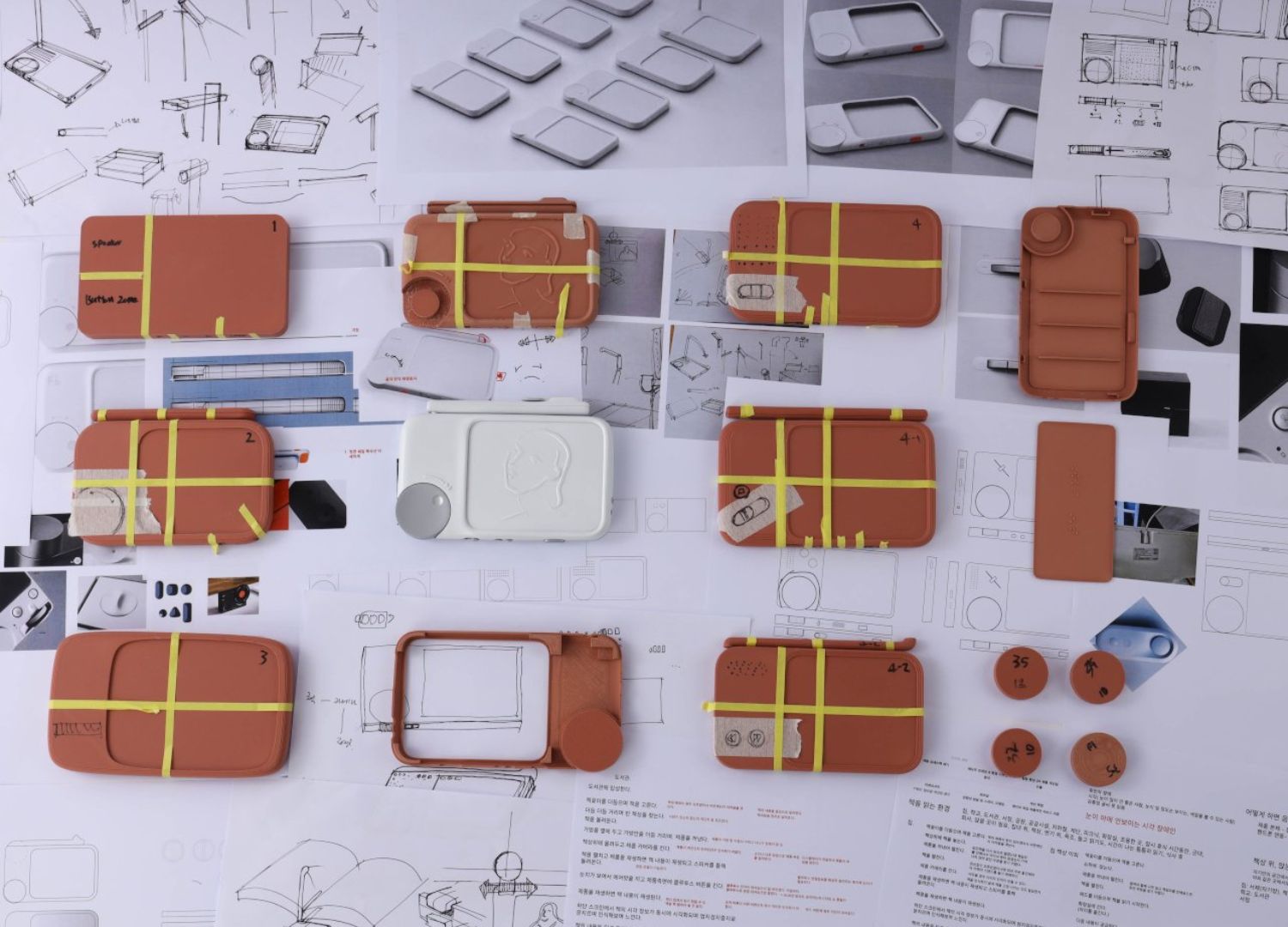
Feel Book is an innovative AI-powered reading device which removes critical barriers that have long prevented visually impaired individuals from accessing books, ensuring that everyone can experience the full joy of reading. While still being a concept product, by Korean designers Young Jin Jeong and Don il Lee, the project instils hope for a more accessible future through design.
Gallery
Open full width
Open full width
Traditional reading options for people with visual impairments are limited and impractical. Braille books expand a single printed novel into four thick volumes, creating a storage and portability nightmare. Audiobooks are more accessible, but they represent only a fraction of books, and completely miss images most of the time. This system forces these people to shop and read in a specifically accessible section of books, instead of having access to full libraries, vintage books, magazines, and everything else the print world can offer.
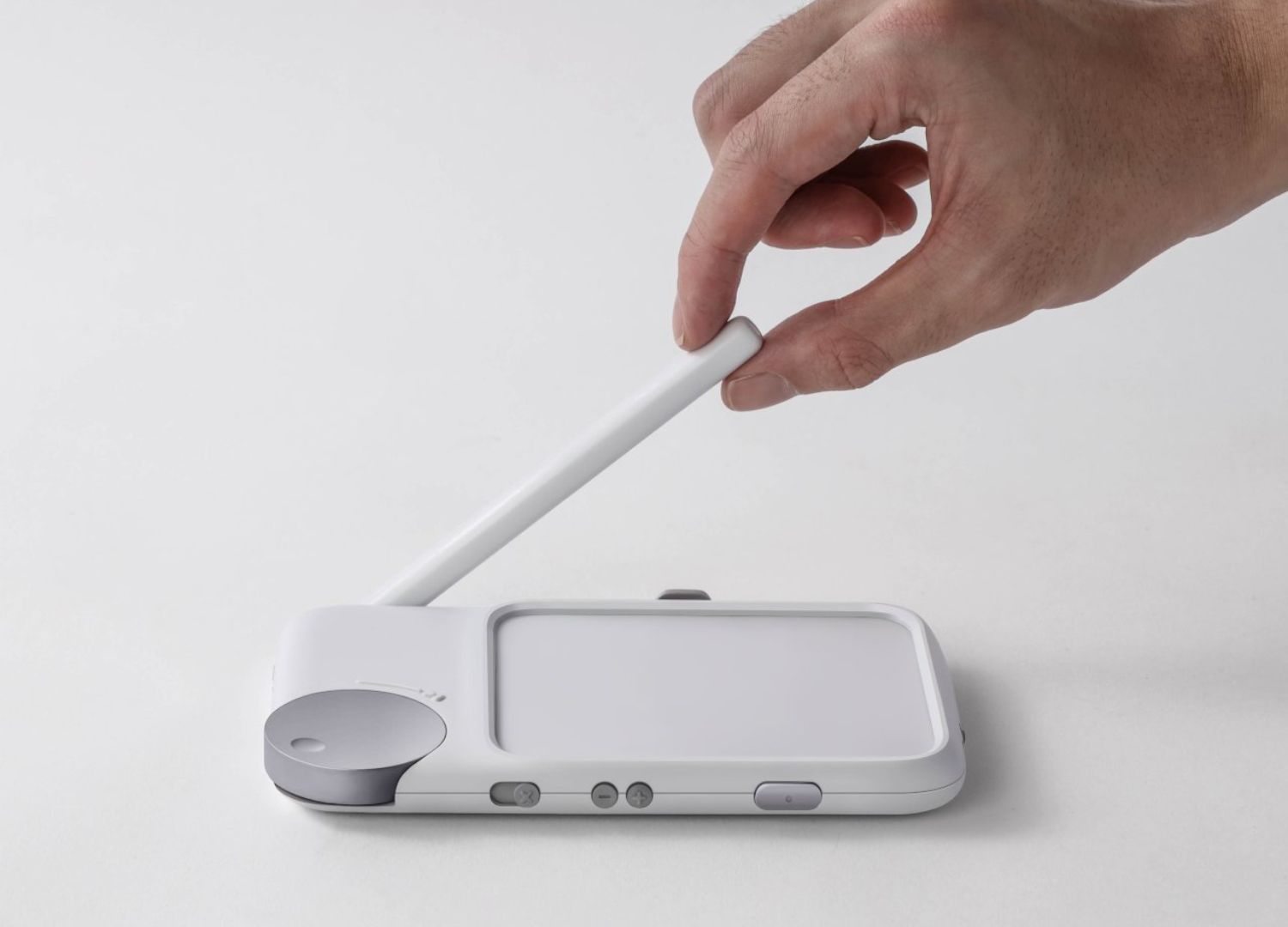
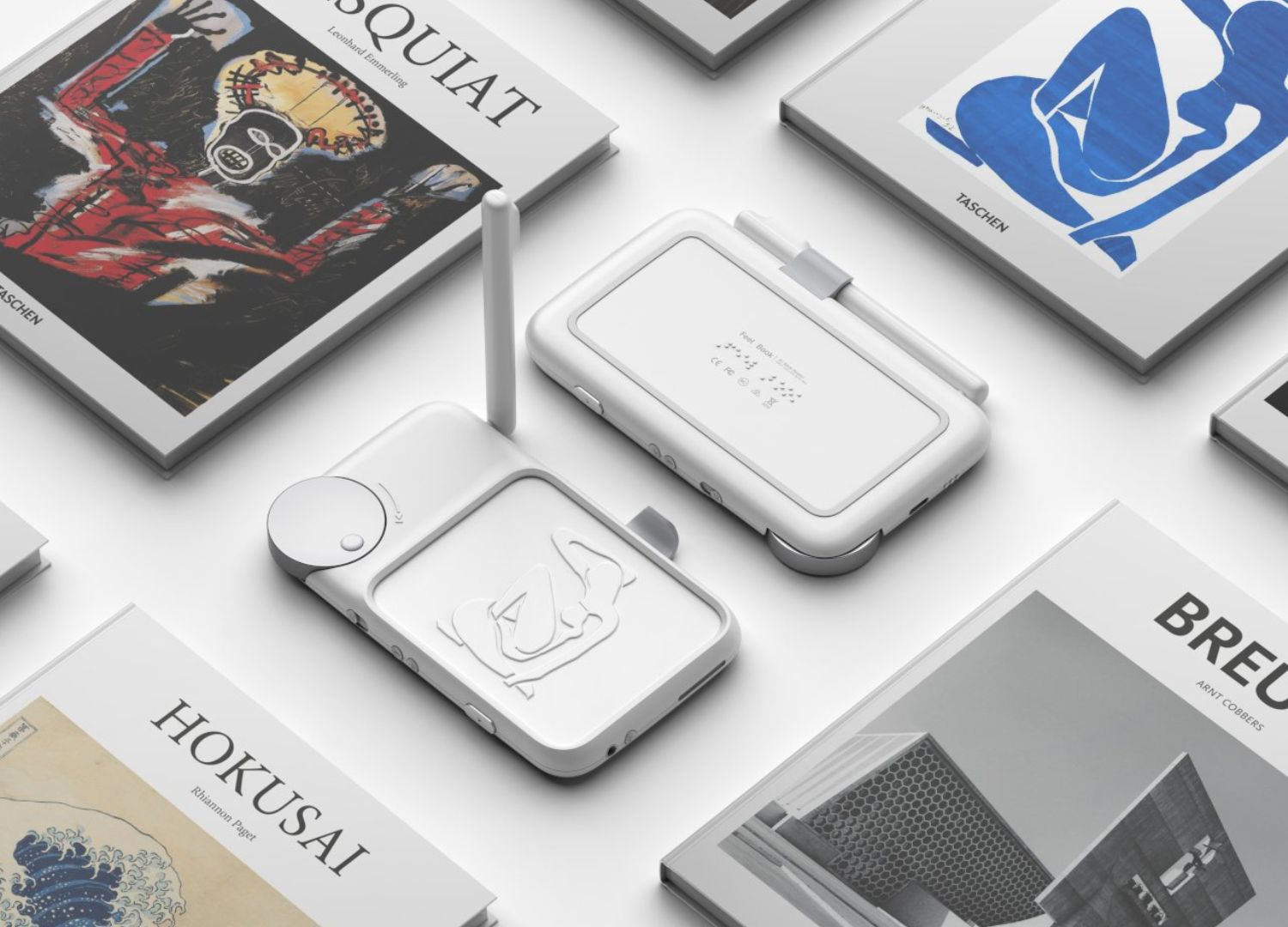
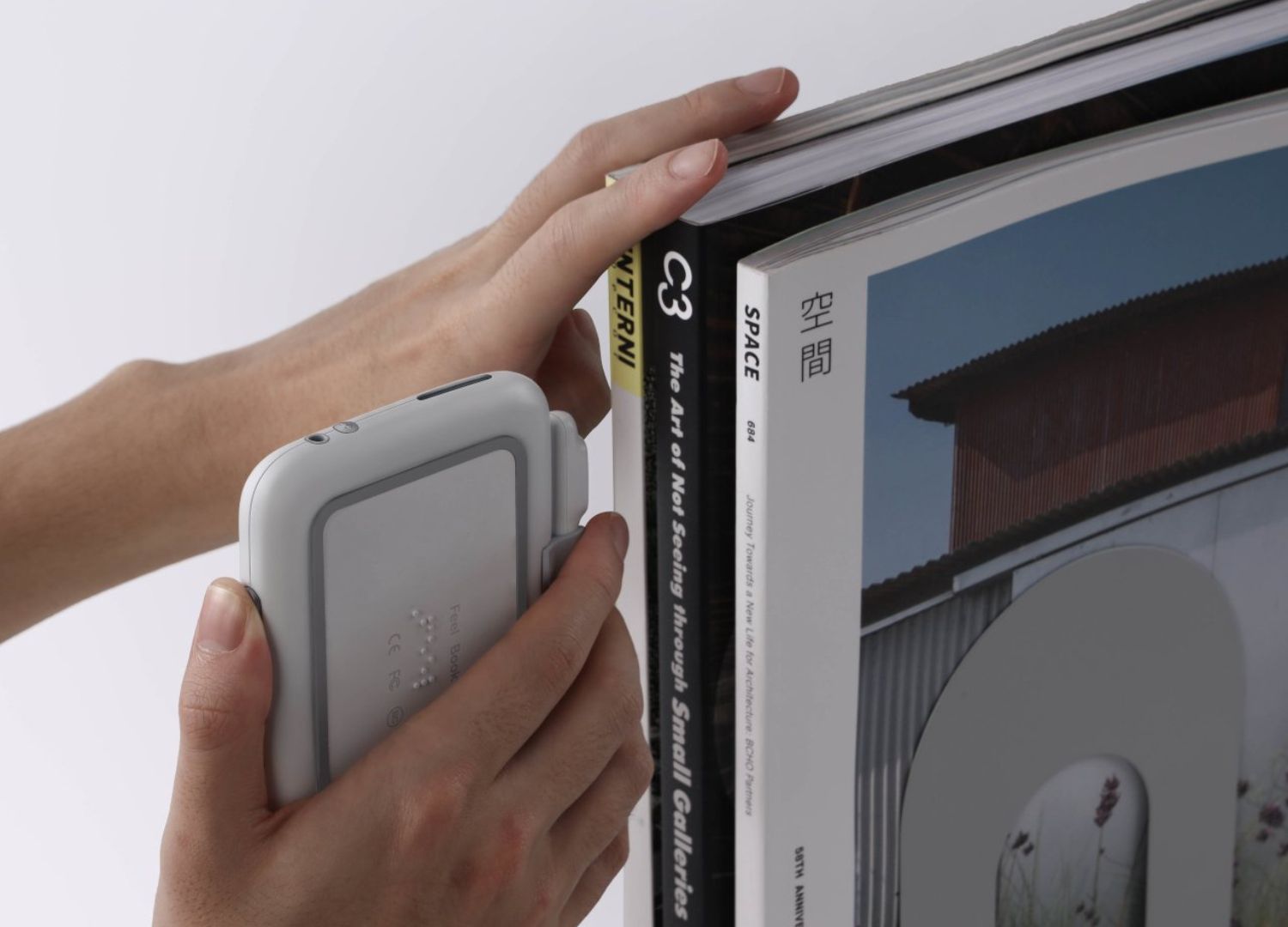
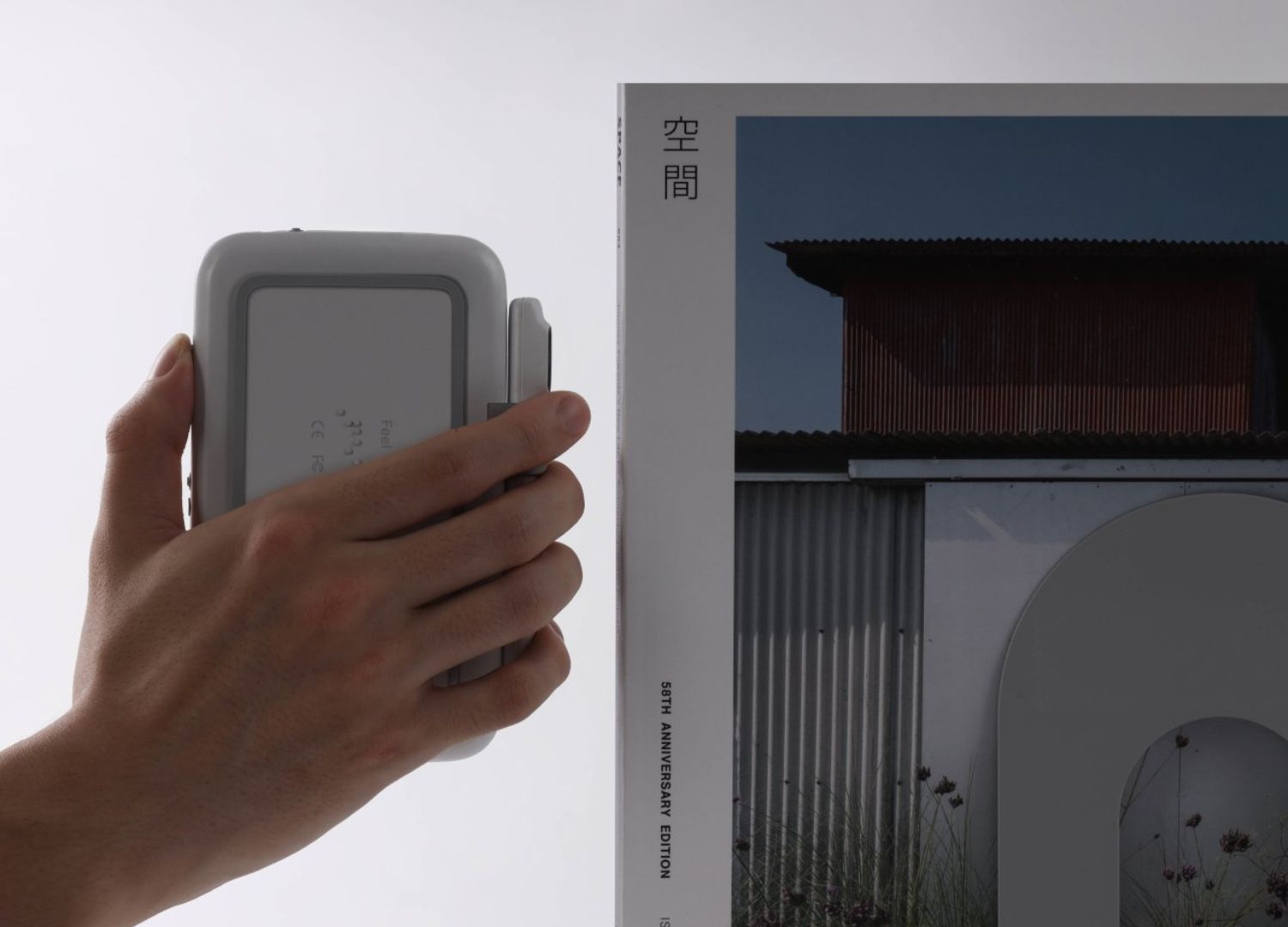
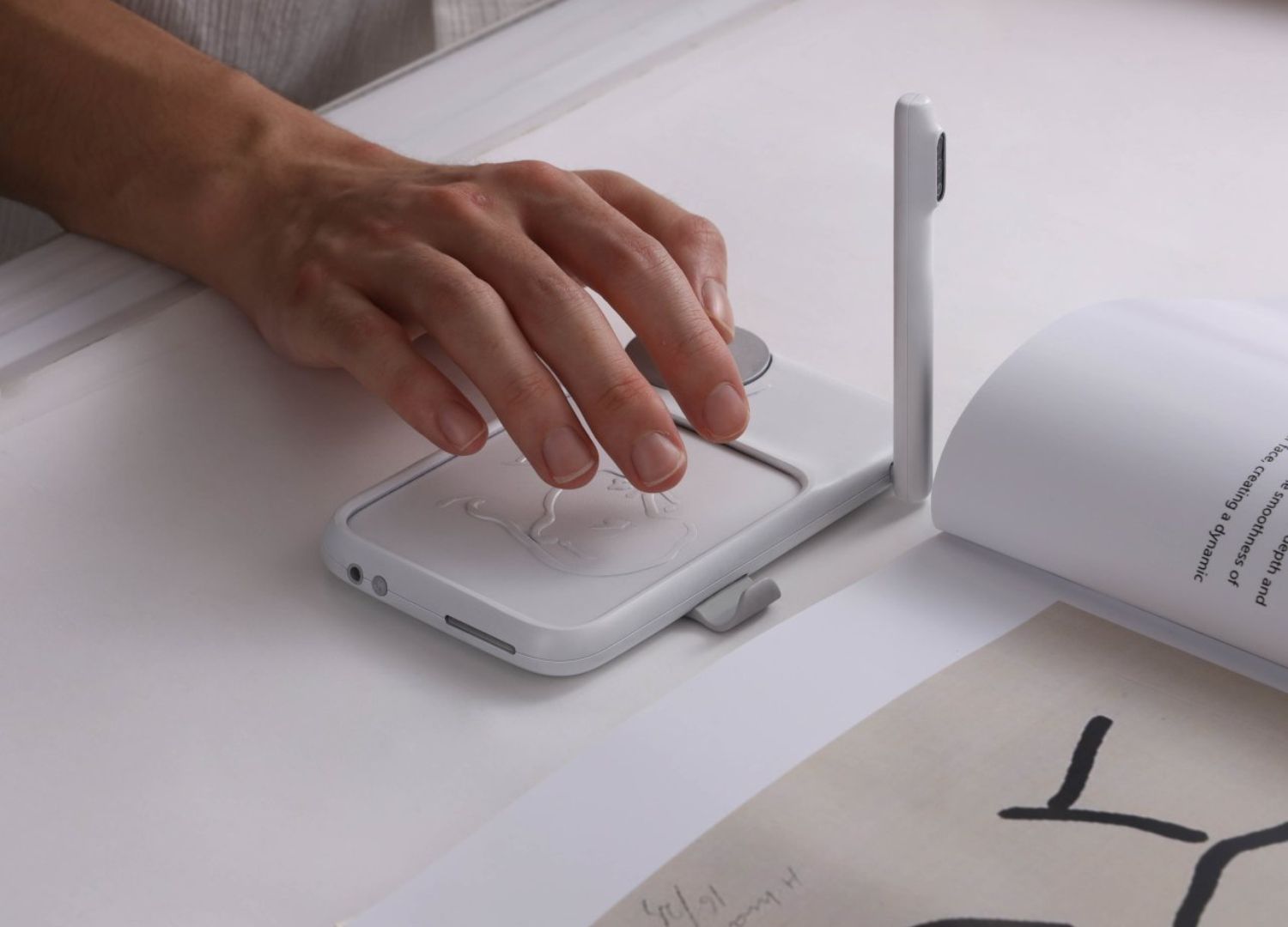
The Feel Book addresses these challenges through technological innovation. The device combines artificial intelligence with an intuitive design to create a truly accessible reading experience. Through an integrated AI camera, the device recognizes text and images within any physical book, reading the text aloud while displaying images on a tactile screen. This dual approach aids the user’s engagement with the story, fully immersing them in the reading experience and making it fundamentally different from simply listening to a podcast or a movie.
The device features a dial interface and tactile buttons, optimised for using Feel Book with just one hand. It is compact and lightweight, making it remarkably user-friendly and allowing users to carry it anywhere without the burden of heavy equipment. This flexibility allows for its use in many other scenarios than just books: it can be useful for reading shop signs on the streets, menus at restaurants, or even just medicine information leaflets.
Feel Book is a statement about inclusion. While the digital revolution promised to democratise information and make knowledge universally accessible, it forgot to include all groups of people in the process. This inequality is not just a lifestyle issue, it limits educational opportunities, professional advancements, and participation in contemporary culture and discourse. Feel Book challenges this injustice, proving that with all the technological tools we have today, accessibility is possible when design is used with intention and inclusion in mind.