Rethinking the brief: how MIDJ builds meaningful collaborations with designers
Direction, trust, and cultural alignment turn the brief into a space where designers—especially emerging ones—can truly thrive. A conversation with Rudy Vernier, Chief Operating Officer & Product Director at MIDJ.

In design, the brief is often misunderstood. Too rigid, it suffocates creativity. Too vague, it leads to incoherent results. For many designers, it’s something to “work around” rather than work with. And for many companies, it becomes a checklist—useful for control, less so for generating meaningful products. MIDJ takes a different stance.
Rather than starting from a list of requirements, the company begins from something far less tangible but far more decisive: identity. Values. Vision. A clear idea of what MIDJ wants to become over time. The brief, in this context, is not a set of limits, but a tool to create alignment—between designers, brand, and long-term strategy. This approach has allowed MIDJ to build a catalogue that balances continuity and experimentation, welcoming both established designers and emerging talents without losing coherence. It has also led to an internal process where listening, interpretation, and even deviation from the brief are not only accepted, but encouraged—when they add meaning.
Gallery
Open full width
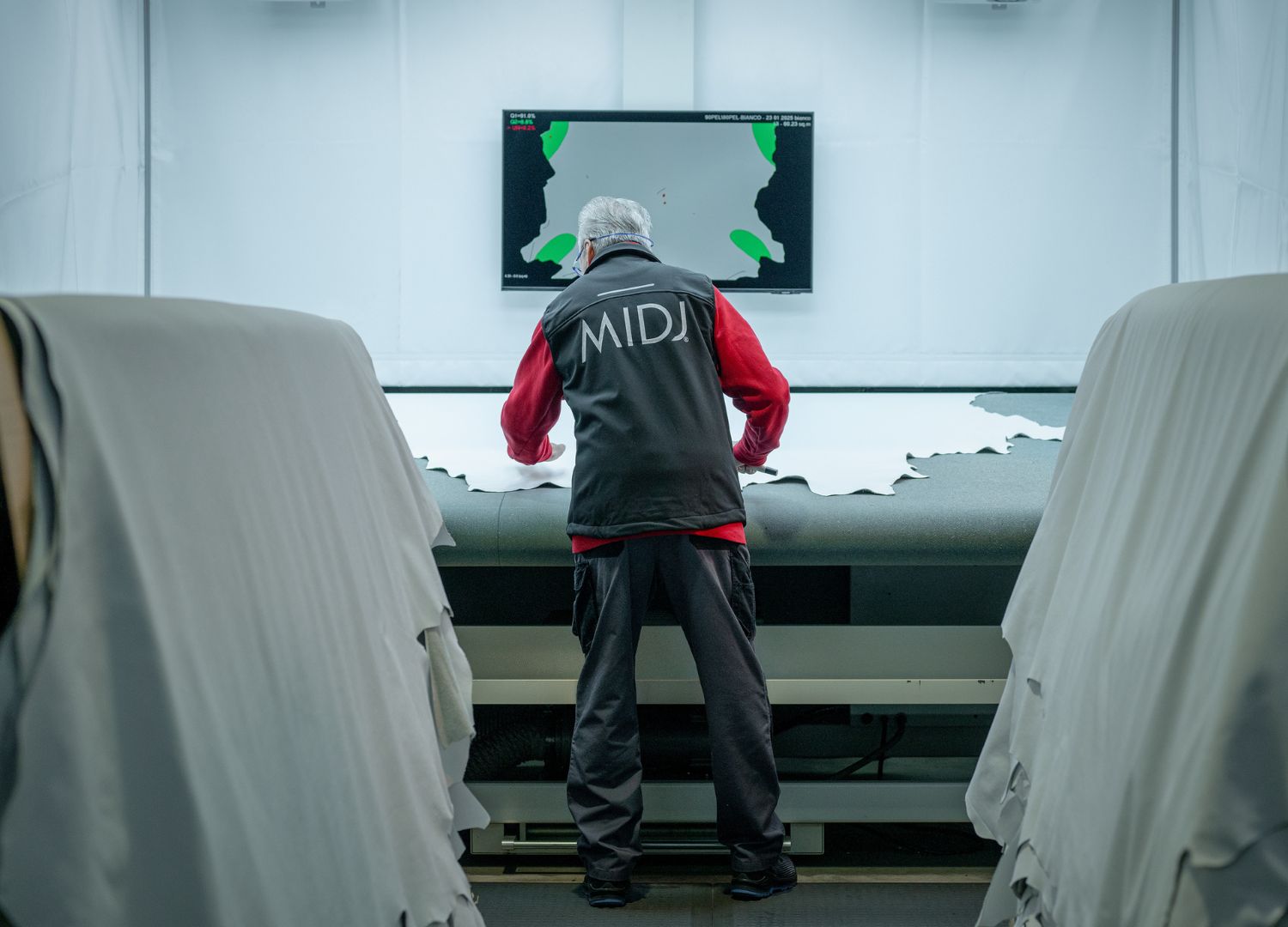
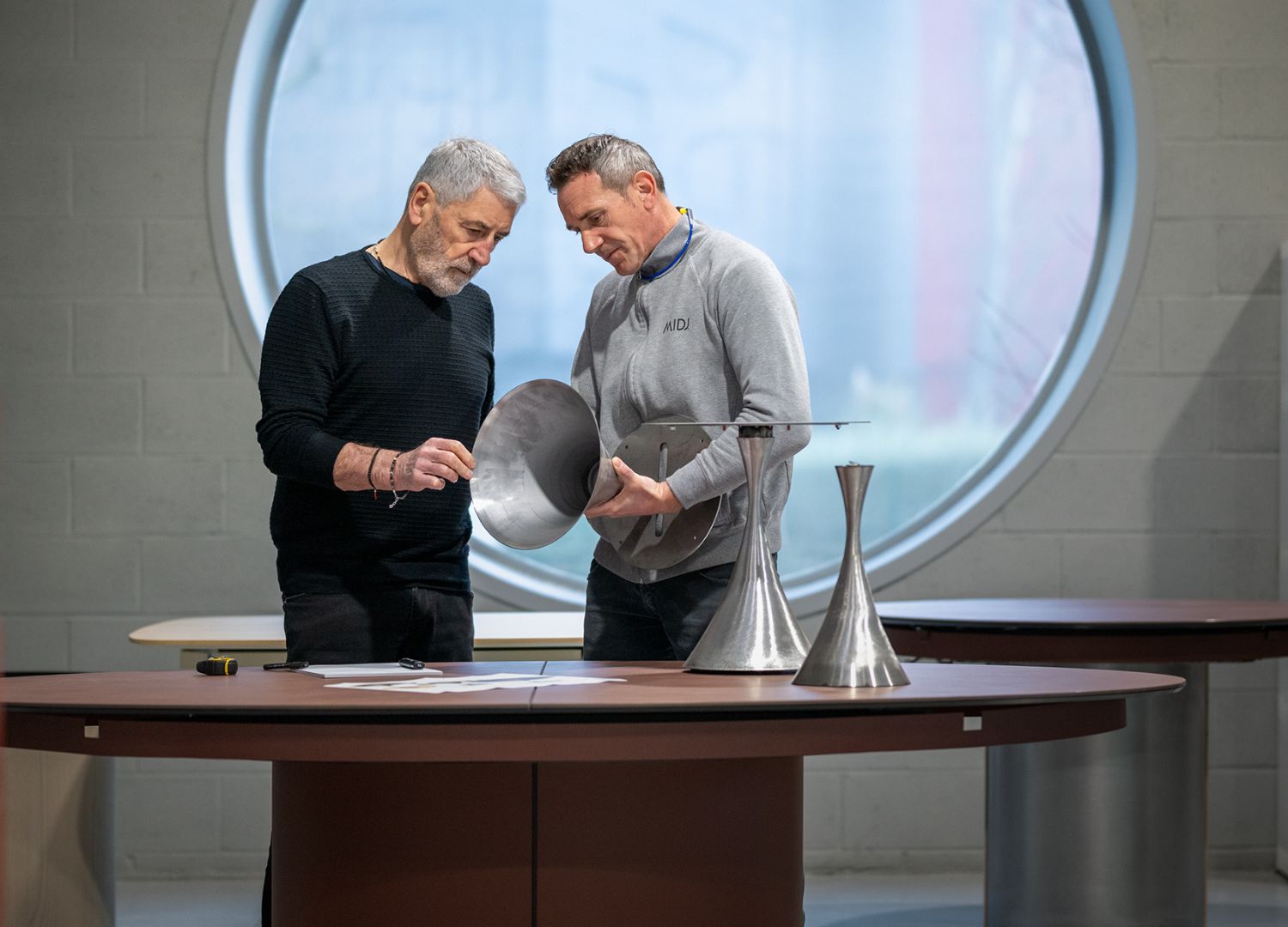
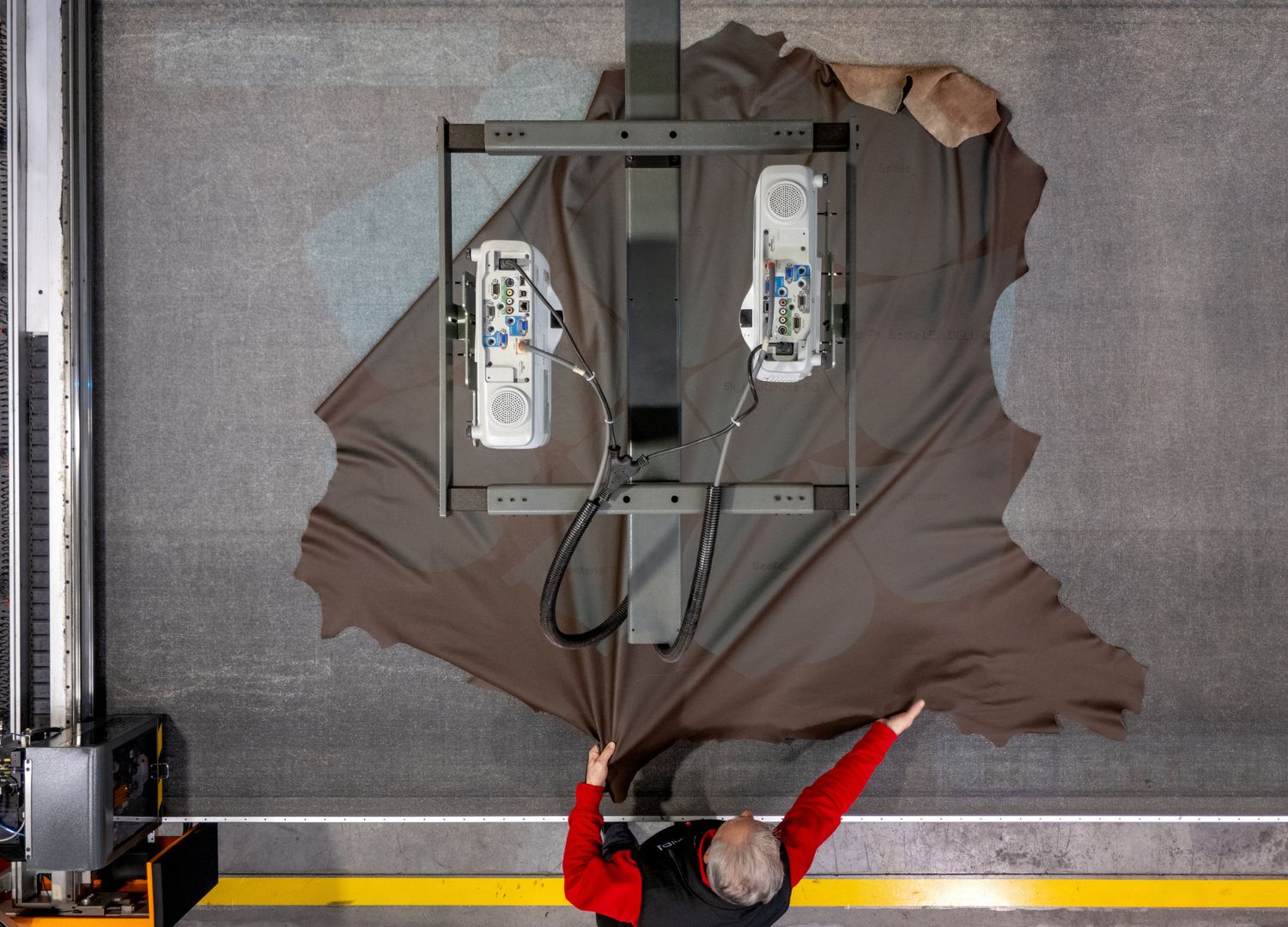
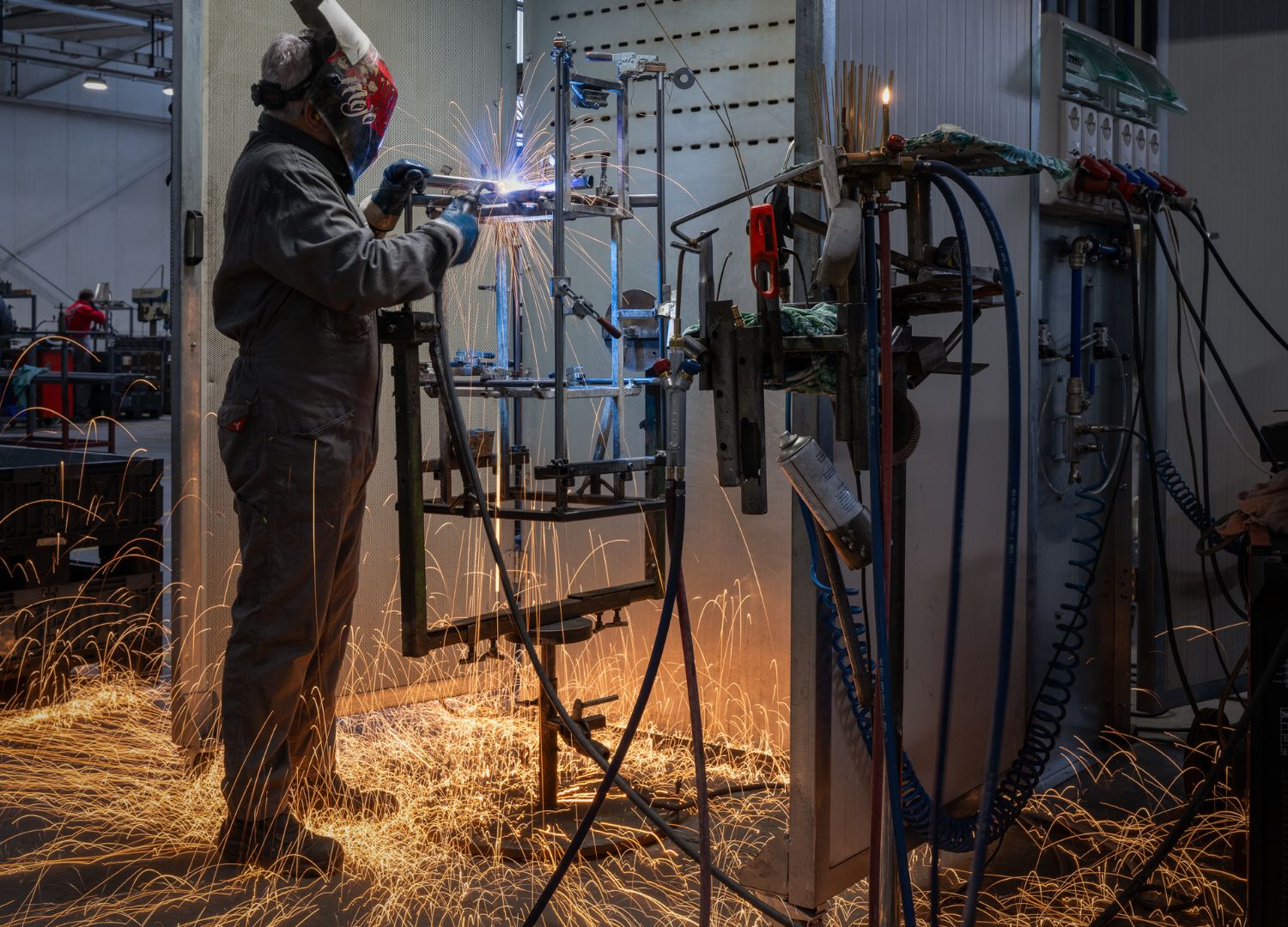
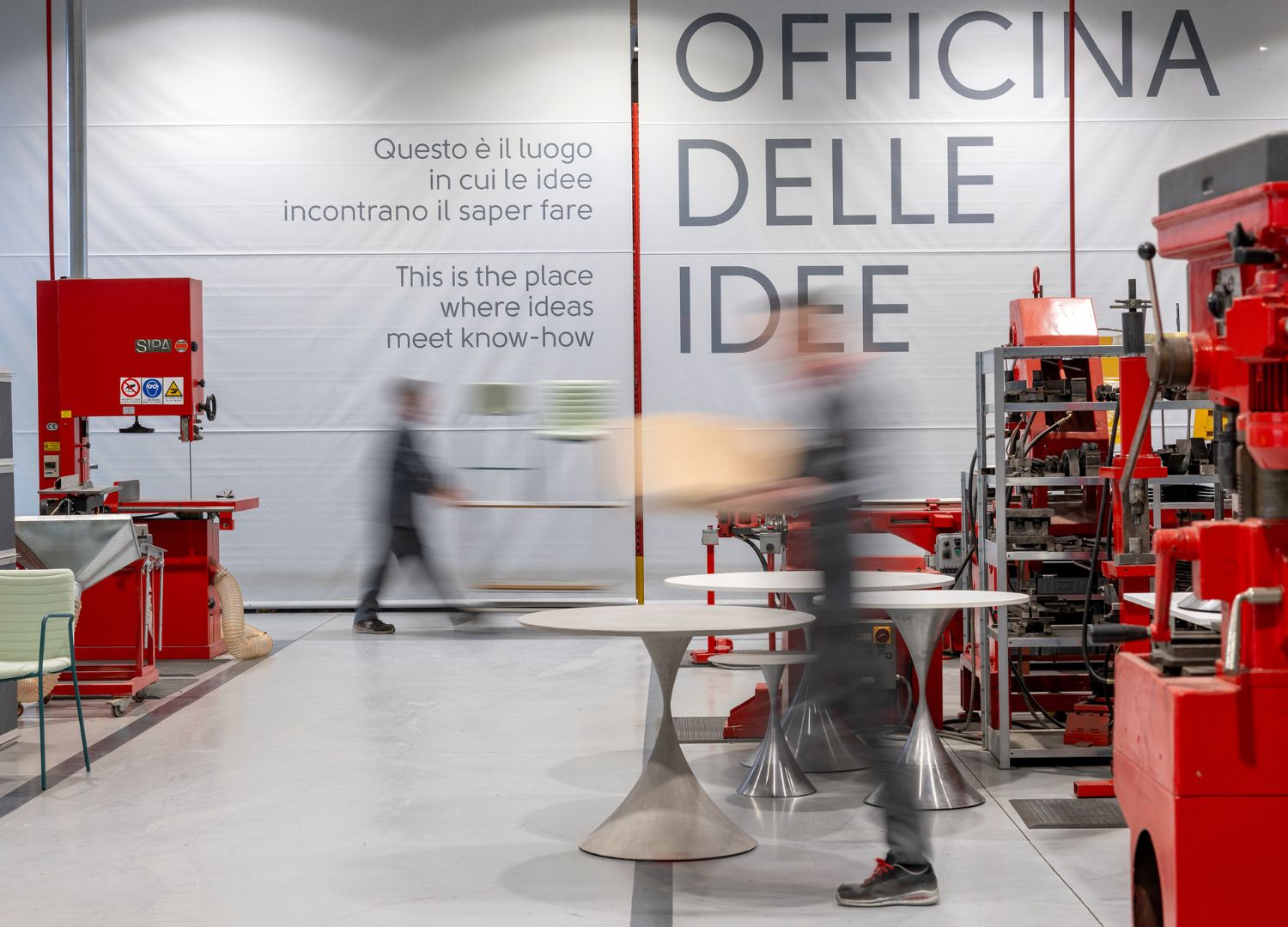
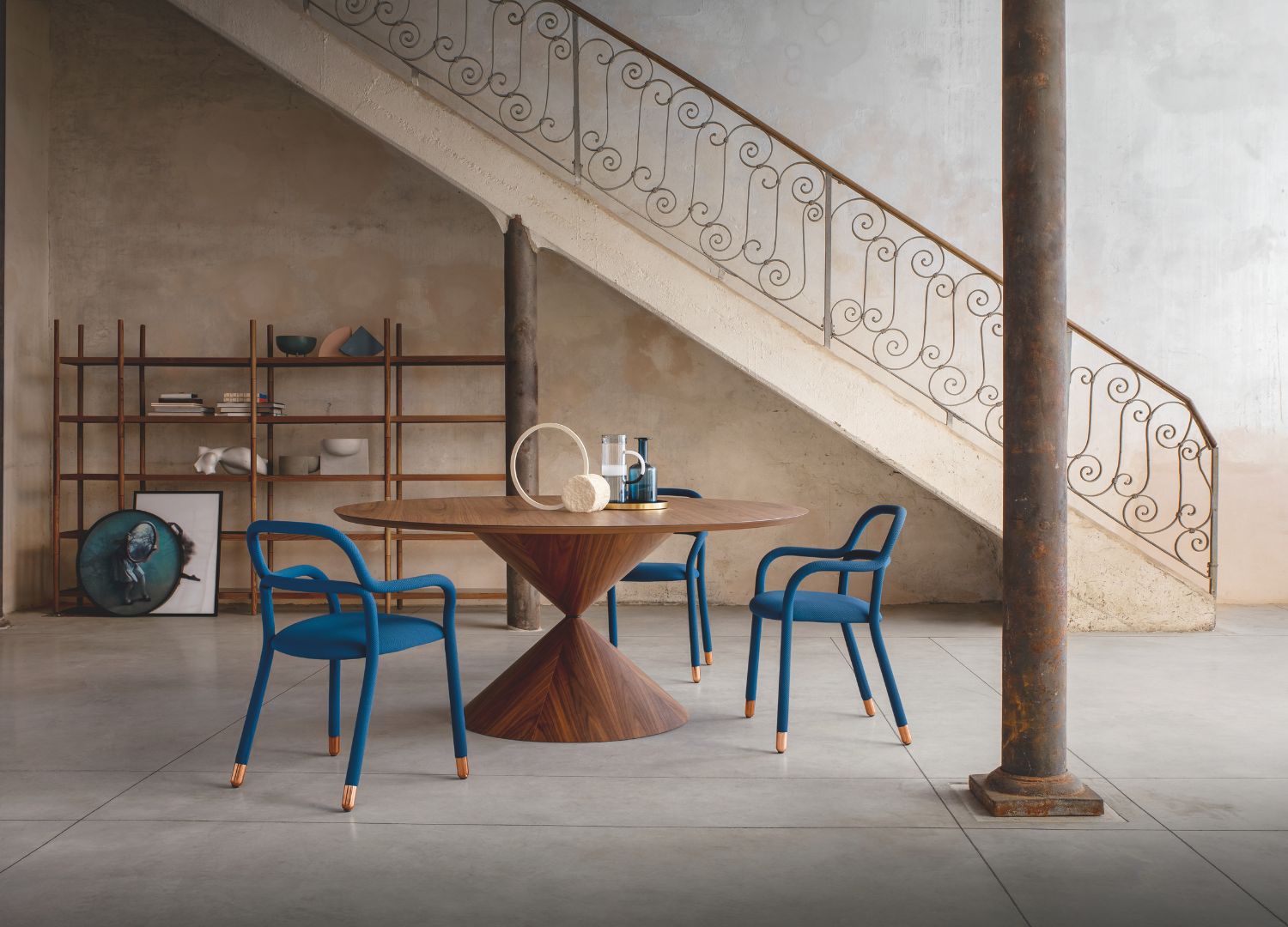
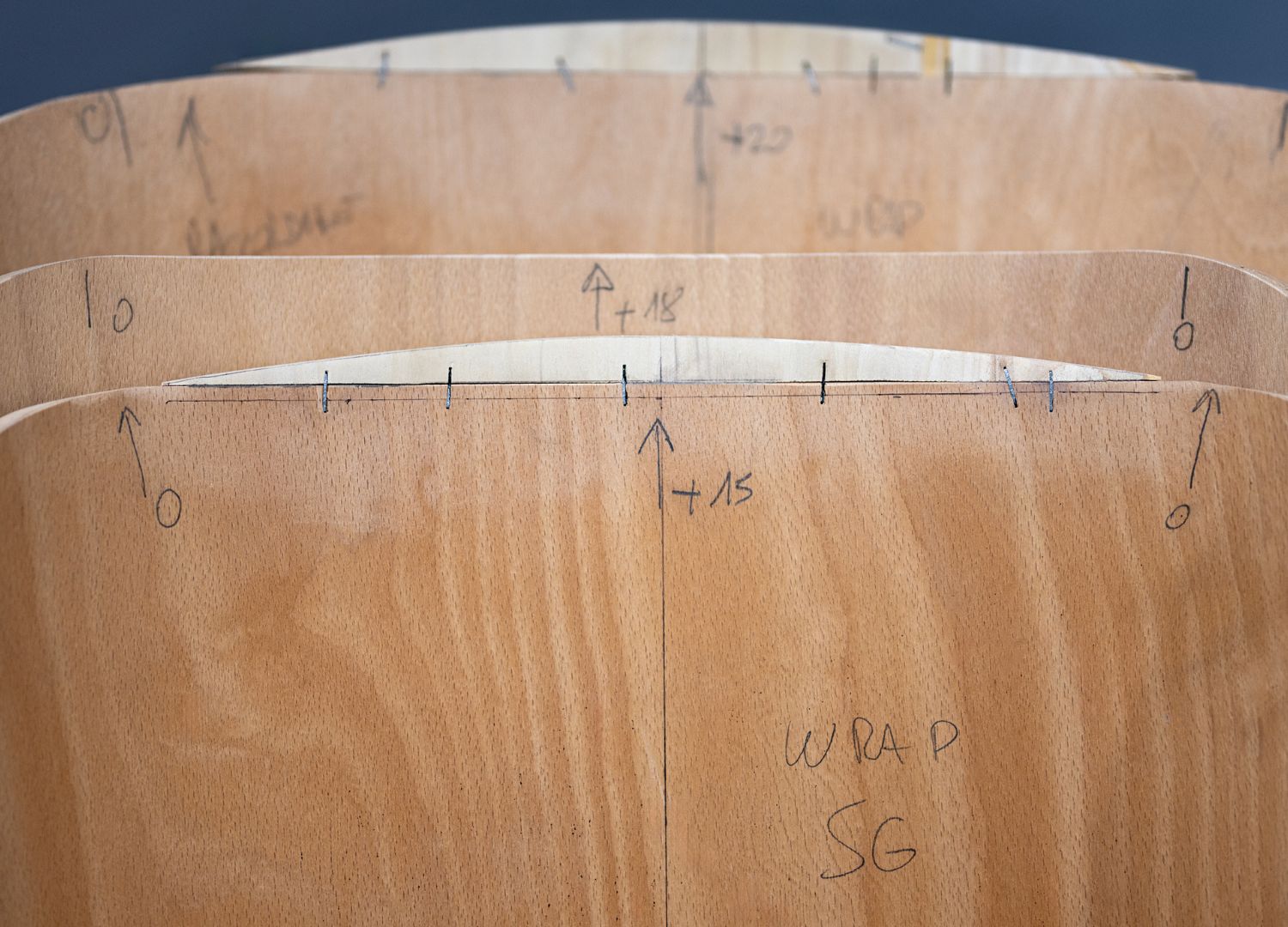
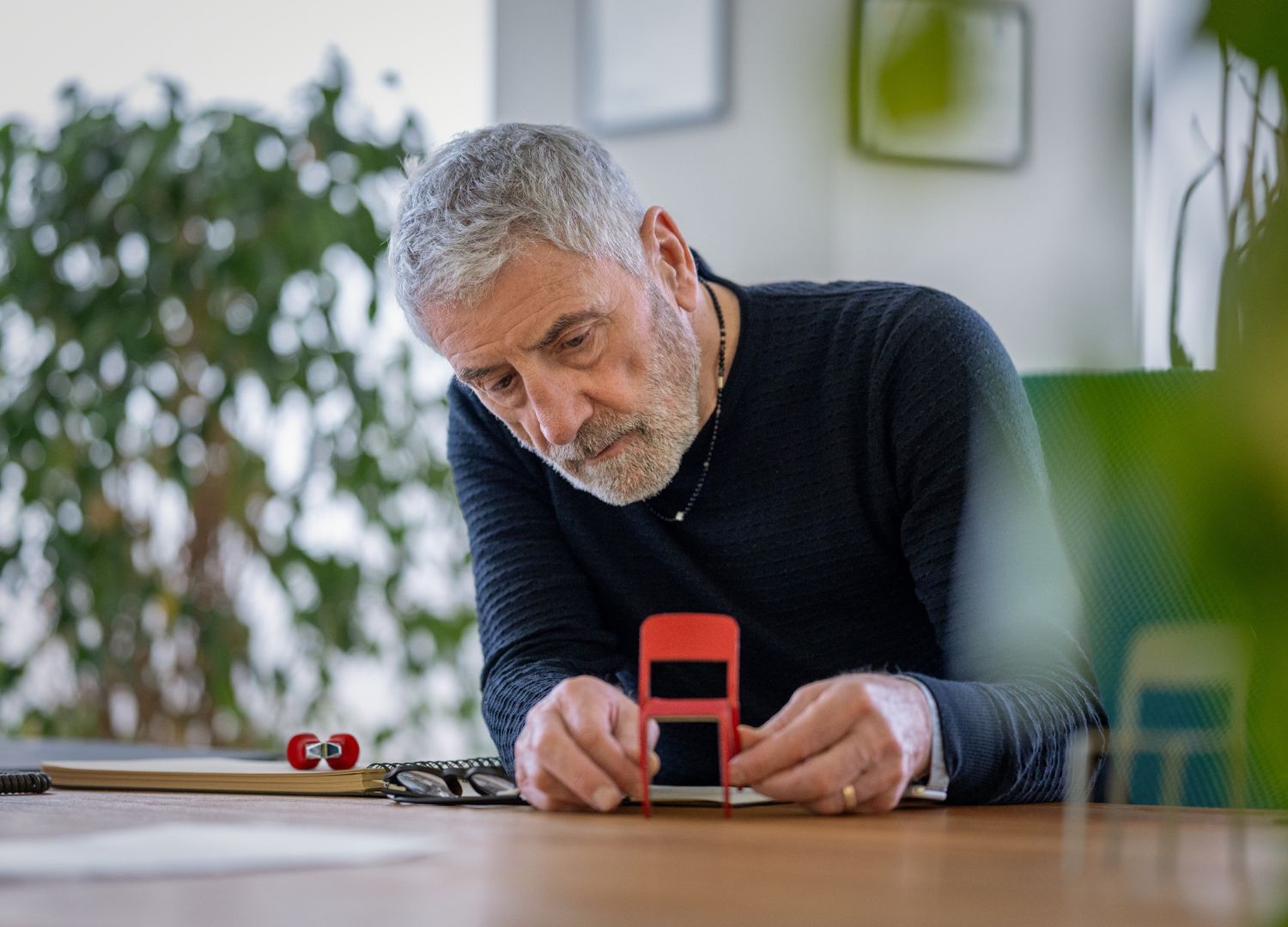
Open full width
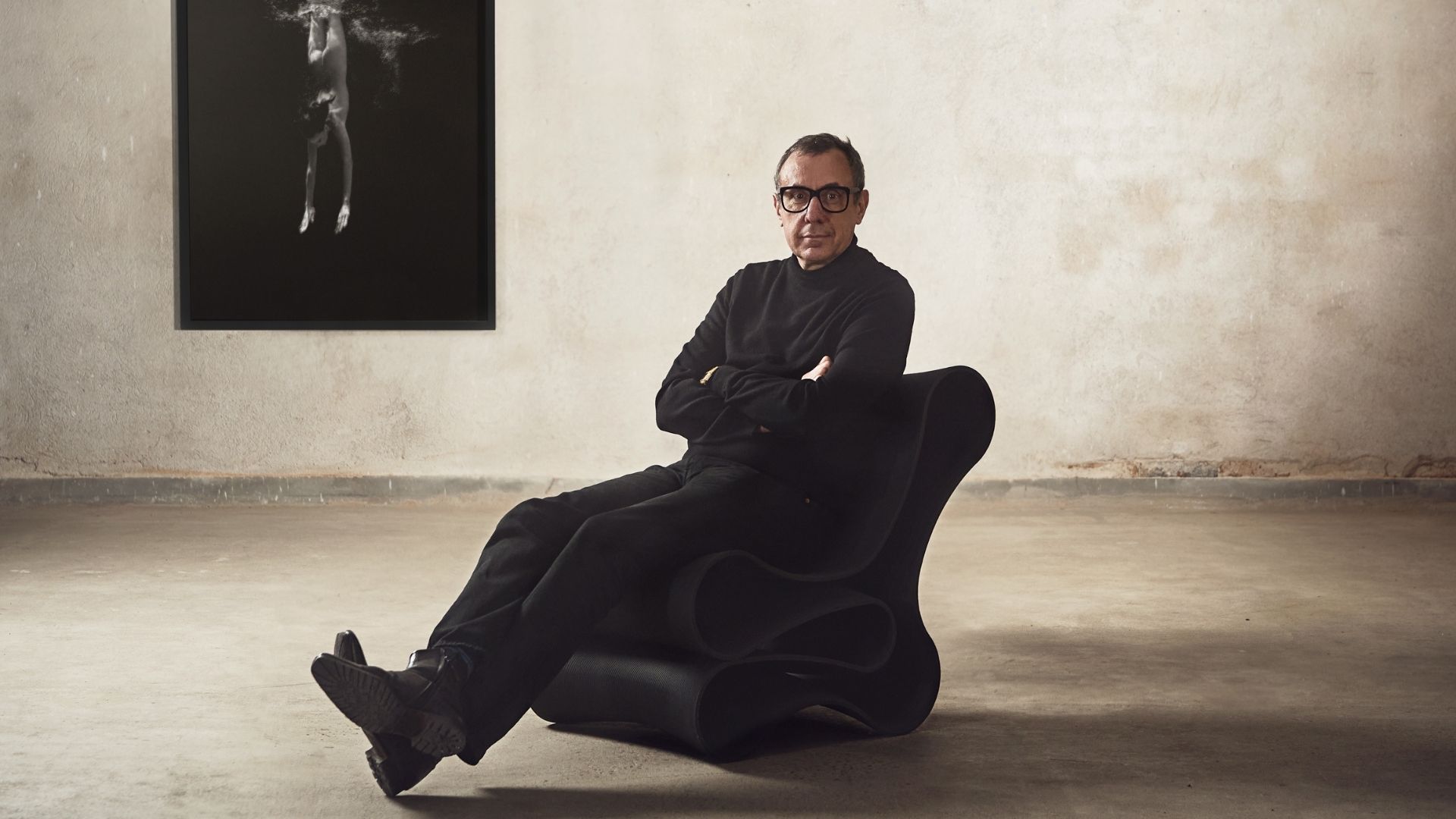
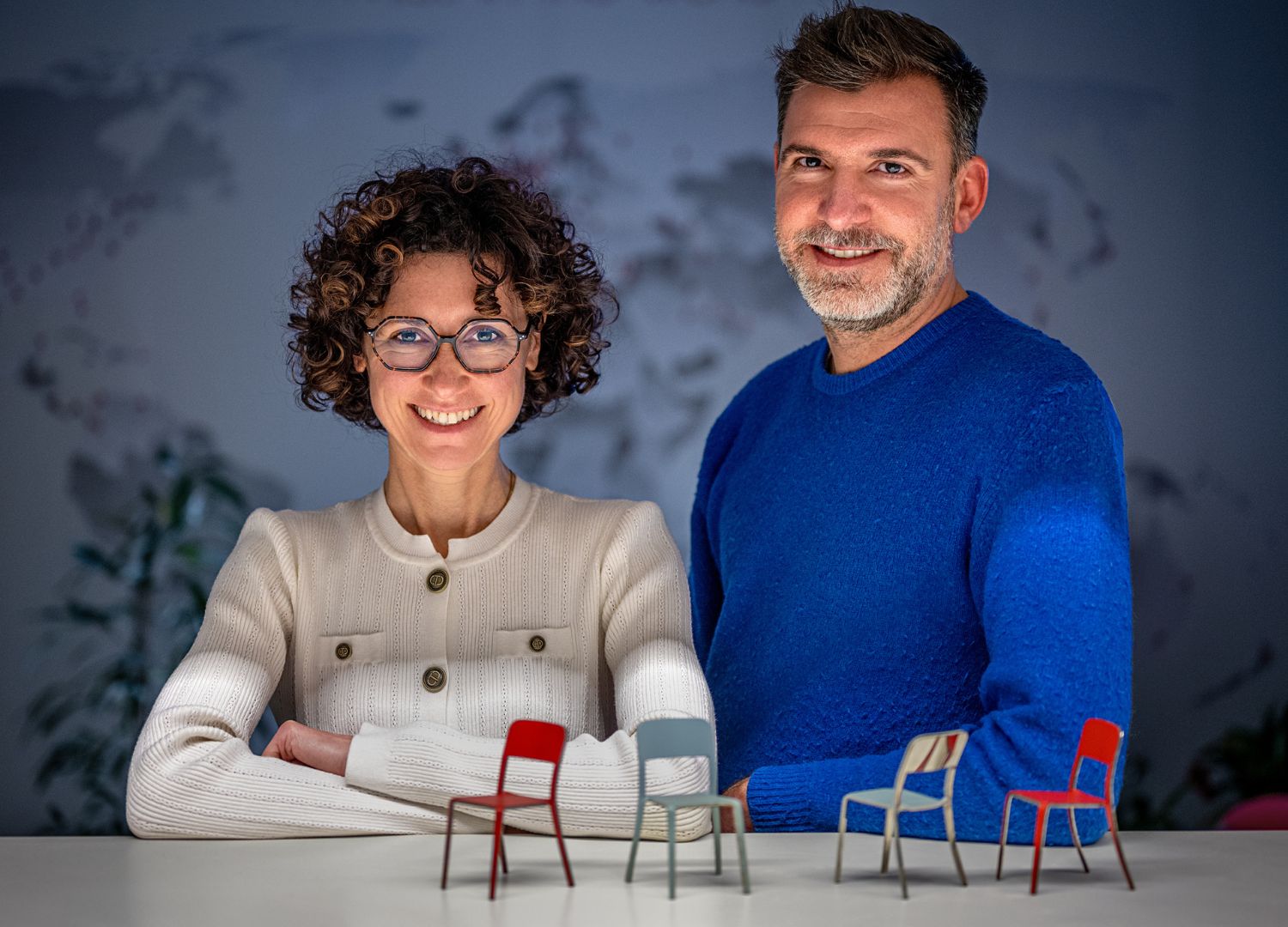
In this interview, Rudy Vernier, Chief Operating Officer & Product Director at MIDJ, reflects on what makes a brief truly effective, why unexpected ideas often come from outside its boundaries, and how companies can create the conditions for designers—especially younger ones—to deliver stronger, more relevant projects.
From my perspective, MIDJ stands out for how thoughtfully you build a brief. What are the key ingredients you always want in a brief before a project really starts?
Rudy Vernier:
“Rather than starting from the brief itself, we begin with MIDJ. Before introducing a theme or request to designers, we invest significant time in communicating who we are as a company—our brand values, our beliefs, and our long-term vision for MIDJ and what we aim to become. Without this shared foundation, it’s difficult to generate meaningful, high-quality responses. The designers who truly excel tend to understand and appreciate this approach, and as a result are able to engage with the brief in a much more focused and aligned way.”
Can you walk me through your brief process from first intuition to final go-ahead—who’s involved, and how do you make sure the brief stays both inspiring and realistic?
Rudy Vernier:
“It’s a secret—and if I tell you, I won’t be able to let you go afterward! Just kidding…of course! Everything begins with listening. As in any healthy relationship, you first take the time to listen and truly understand one another—only then can everything else follow. The same principle applies to developing new products. Designing objects requires responsibility and professional maturity: every product has an impact on both people and the environment, and our goal is to create objects that are useful, original, and, above all, thoughtfully conceived.
Listening naturally leads to analysis. Once ideas and feedback have been absorbed, it’s important to step back, observe them from a different perspective, and reorganize them—finding coherence, connections, and meaning. From there, the process is enriched by imagination and experience. These two elements infuse the work with a distinctly Italian sensibility and represent the true added value of the entire process.”
How do you balance market needs (pricing, positioning, production constraints) with leaving space for designers to propose something unexpected?
Rudy Vernier:
“In this phase, designers are extremely capable and able to navigate the process independently. At times we provide price guidelines, at other times material references or examples of existing products—and sometimes we provide none of these at all. It all depends on the objective of the project and on how critical precision is for us in that specific context. Beyond this, there is also what we call the Extrabief.
We always leave space for proposals that move outside the boundaries of the brief, and we evaluate them with the same attention as any other project. The Extrabief is our internal code for the unexpected: a deconstructed idea, driven purely by creative instinct. It’s a blank page where designers are free to explore, reflect, and articulate their thinking—and to share that narrative with us.”
When you collaborate with young or emerging designers, what do you look for beyond the portfolio? Are there signals that tell you someone will thrive inside MIDJ’s process?
Rudy Vernier:
“Yes, we read these signals not only through a designer’s portfolio, but also through their attitude and the way they present an idea—their cultural depth and, as we like to say, their “pencil.” We recognize this sense of alignment in both established designers and emerging talents, and experience certainly plays a key role in developing that sensitivity. When it comes to younger designers, it naturally takes a more careful and patient approach, as there is less personal history and fewer reference points to draw from. But when genuine talent emerges, it’s immediately evident—you’re struck by it, and there’s simply no ignoring it.”
Briefs can either guide or limit. What’s a moment where a designer—especially a younger one—challenged the brief and actually improved the project? What did you learn from that?
Rudy Vernier:
“An indication—at least as we intend it—is meant to suggest a direction rather than impose a boundary. When approached superficially, it may appear limiting; but when explored in depth, it reveals countless ways to respond to a need. This requires digging deeper, questioning assumptions, and stepping outside established patterns. Those who embrace this process see the indication as guidance, while those who stop at the surface tend to experience it as a constraint.
Many designers respond to briefs by asking questions or adding their own notes, and we see this as extremely valuable. It helps us refine our thinking and grow. Through this exchange, we learn a great deal by placing ourselves both in the designer’s position and in the client’s, deliberately pushing beyond our comfort zone. It’s a highly stimulating and constructive exercise. For designers, the brief represents a professional opportunity—one that should be approached as a springboard for experimentation, learning, and the development of experience.”
Looking ahead, how is the brief phase evolving for MIDJ? Are new materials, digital tools, or sustainability targets changing the way you frame projects for designers?
Rudy Vernier:
“We no longer treat sustainability as a separate topic, because for us it carries the same weight as comfort and quality. These are not themes to be addressed individually, but intrinsic values that must be embedded in every product—non-negotiable foundations of our design approach. We believe that true contemporaneity, today and even more so in the future, lies in the substance of a project rather than in its form. What we seek are objects with a soul, with a story to tell. Materials and technology will continue to evolve, but in our view they are not the true drivers of the future; meaning, intention, and content are.”
About the author

A marketer in love with Design. Founder & CEO of DesignWanted. International speaker. Professor at Istituto Marangoni - Design School (Milan).
Linkedin