Why Nothing’s new smartphone comes with a set of dice
Reveland’s dice accessory wins the company’s open call by rejecting the norms of the tech industry through an accessory that’s beautifully dumb.
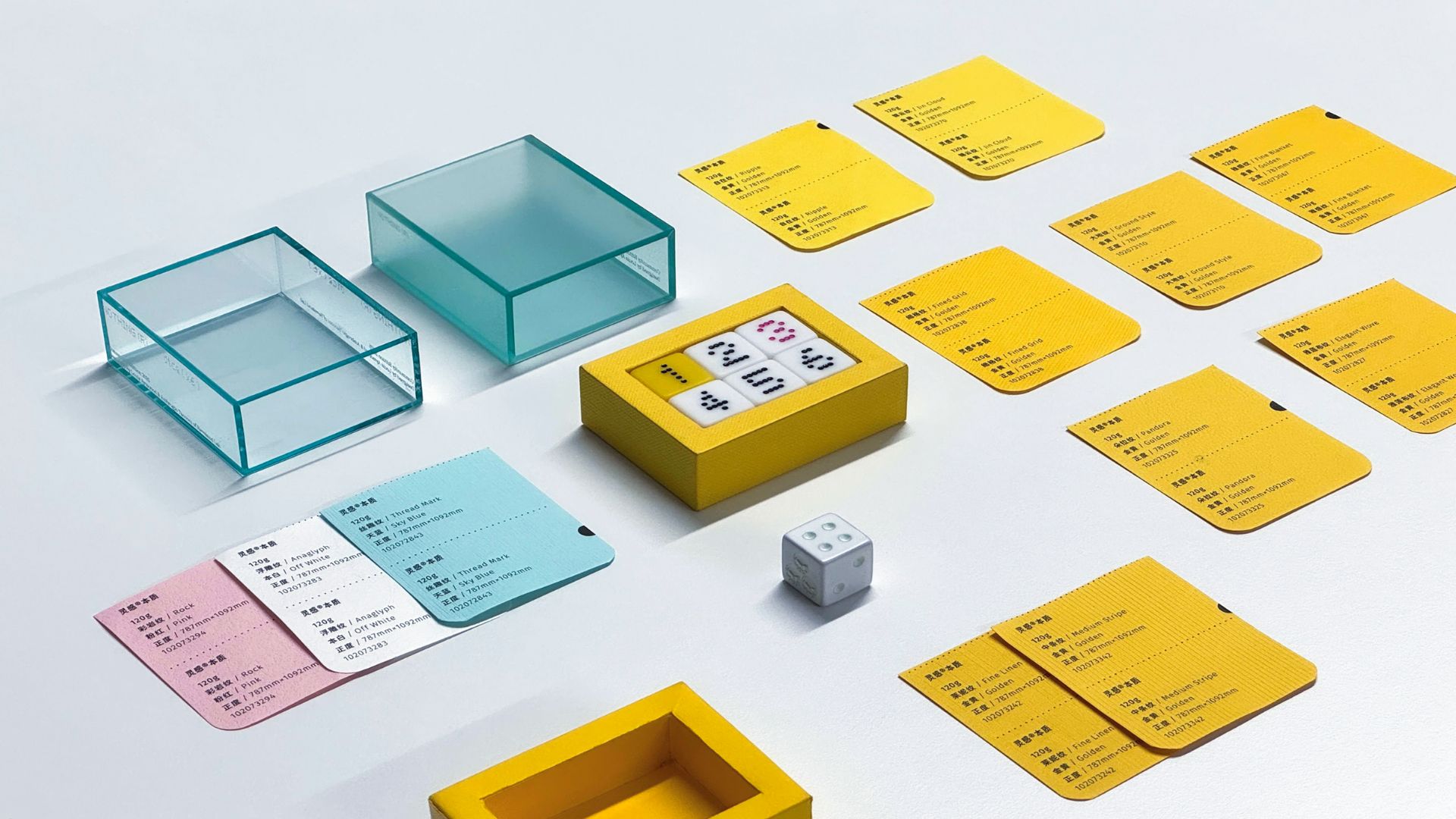
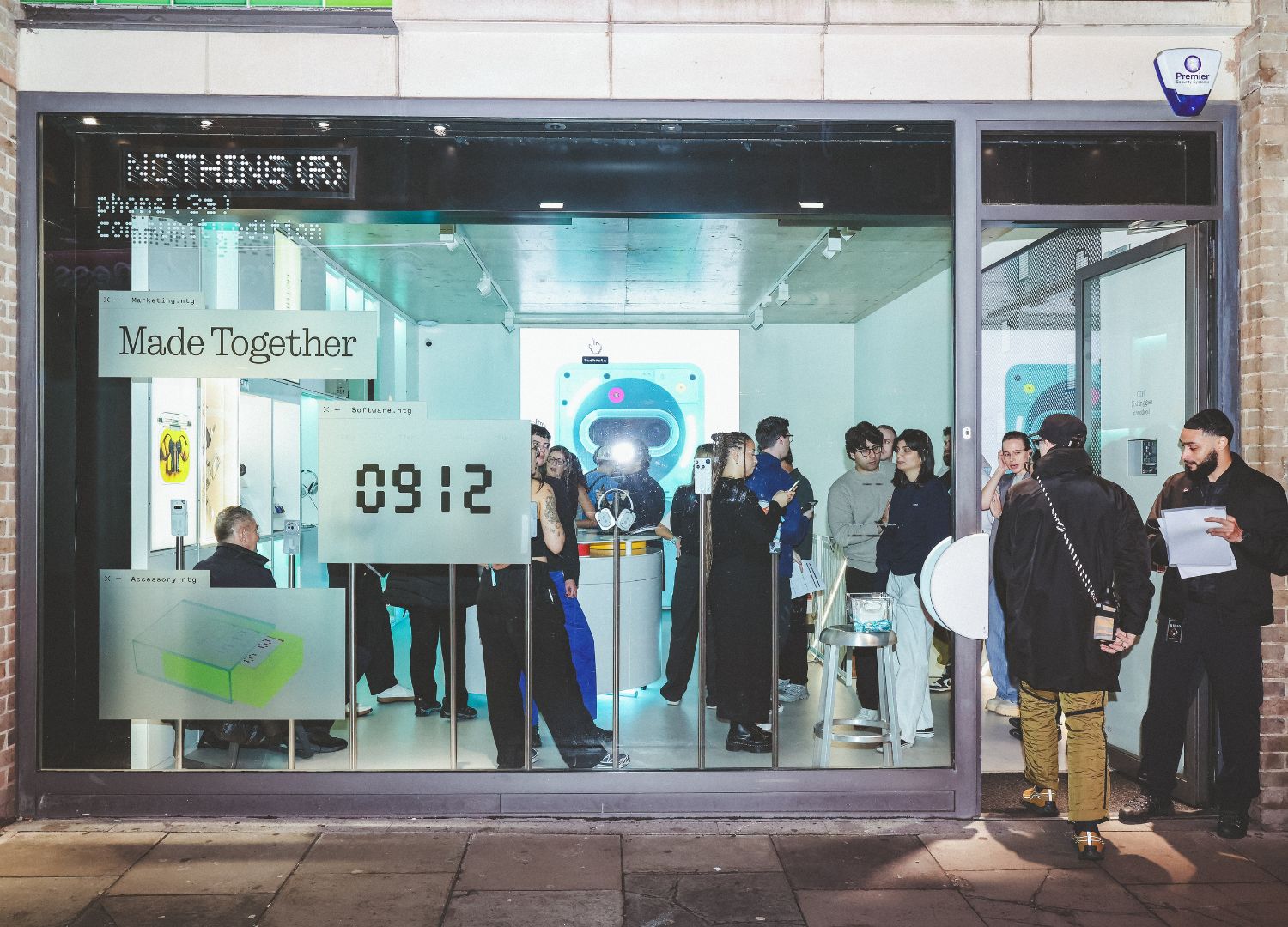
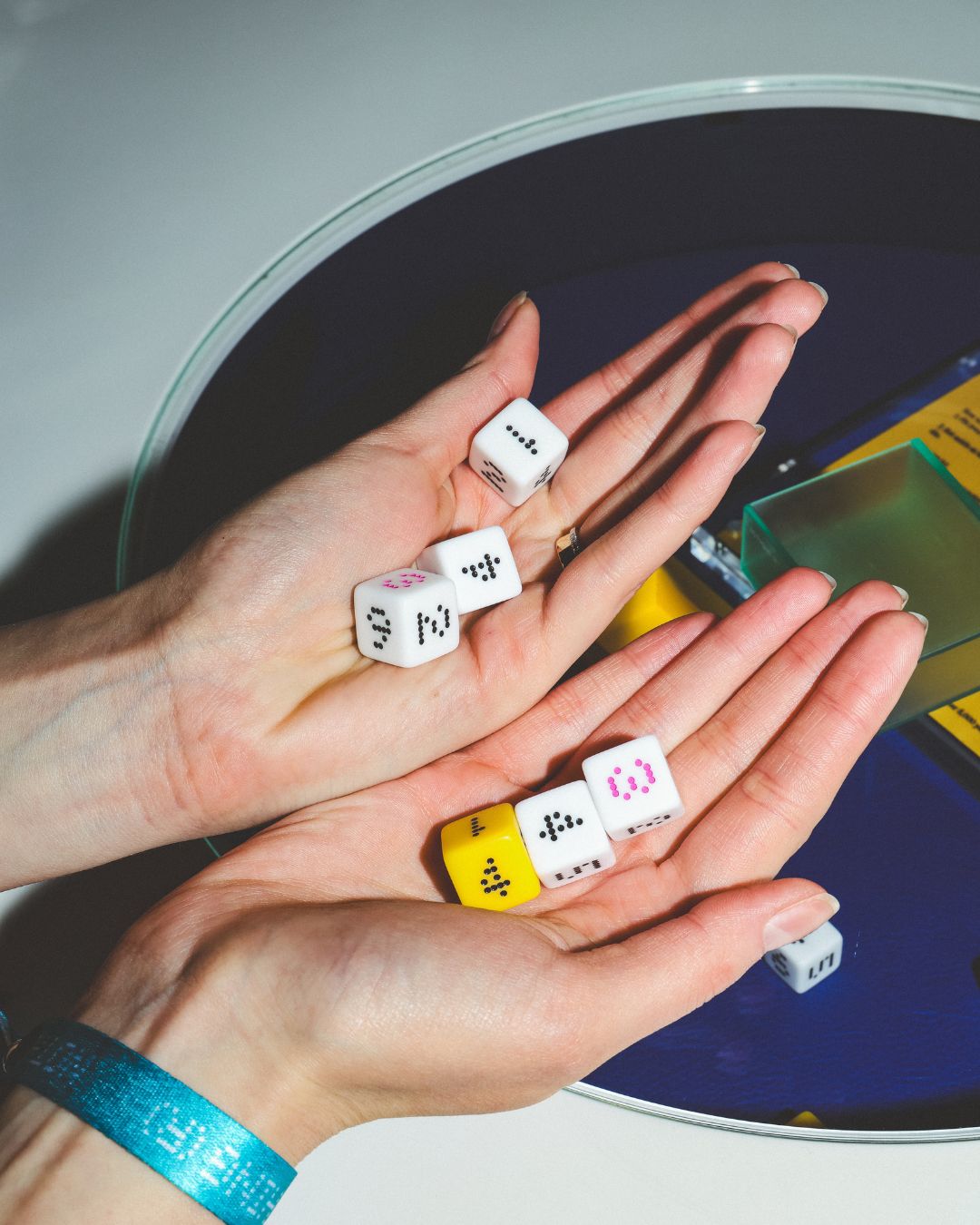
While most tech companies just announce their product launches, Nothing asked its community to design one. The result includes a transparent teal phone reminiscent of gameboy aesthetics, retro digital clock widgets, and, most unexpectedly, a set of six dice with absolutely no technology.
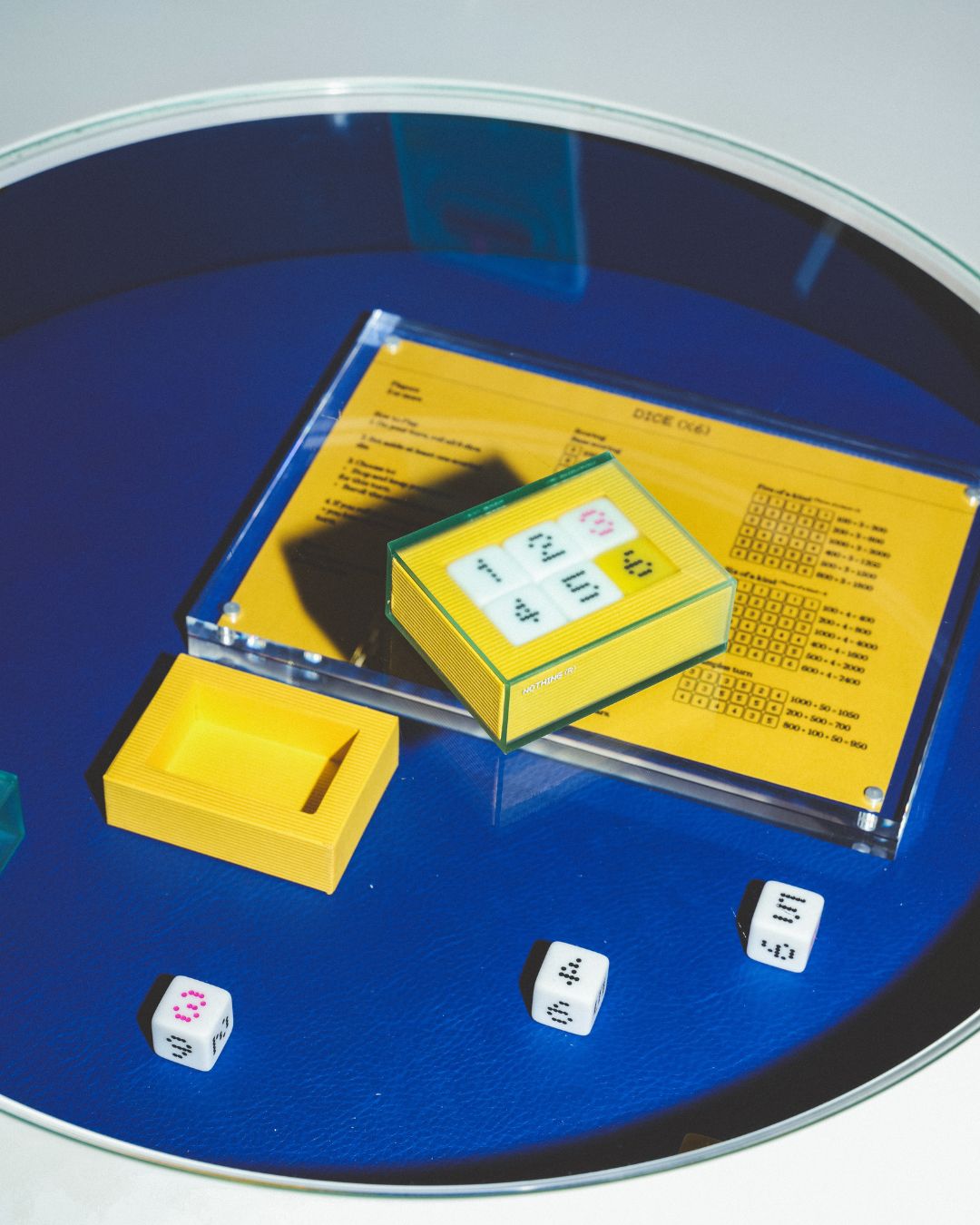
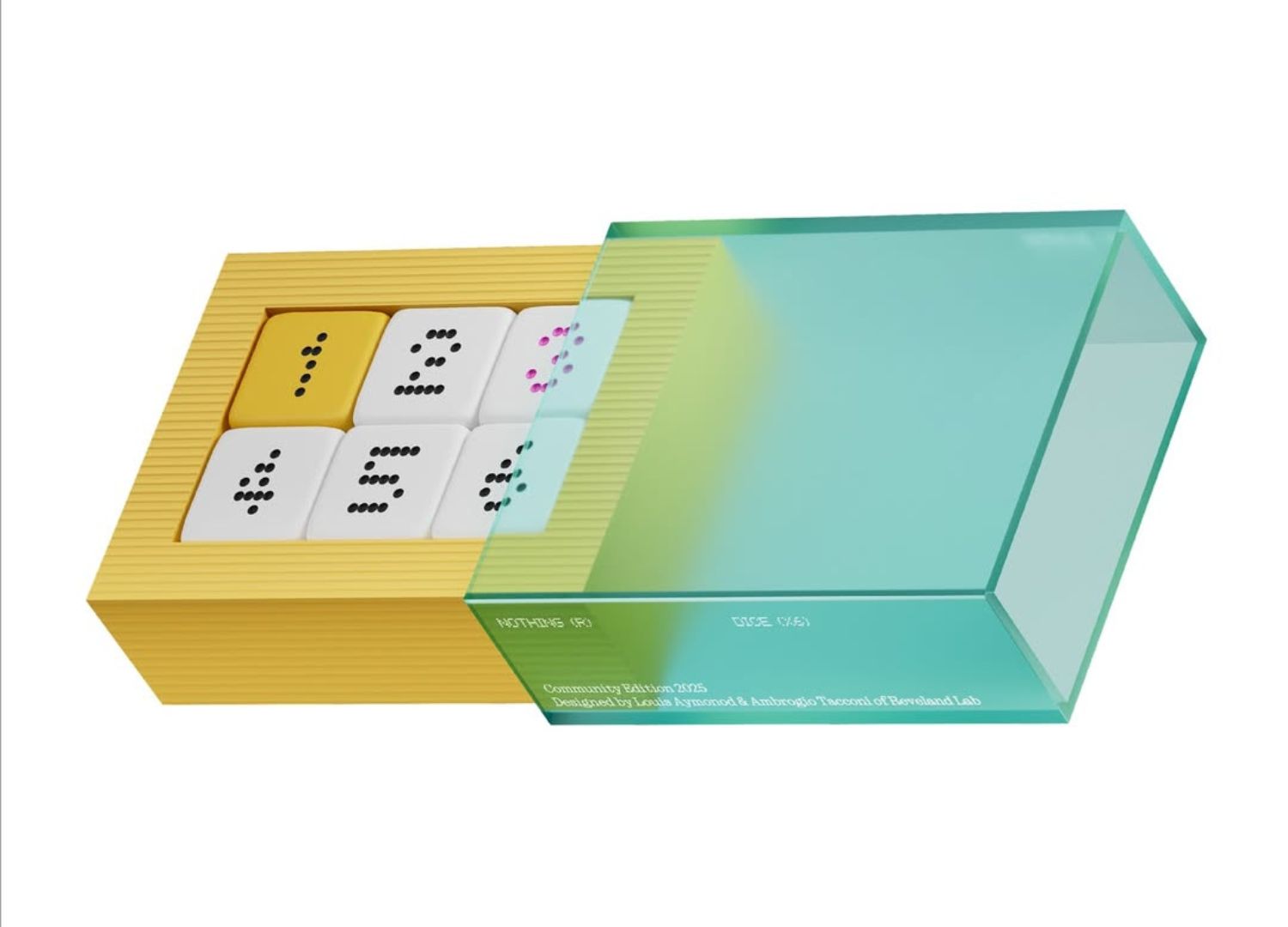
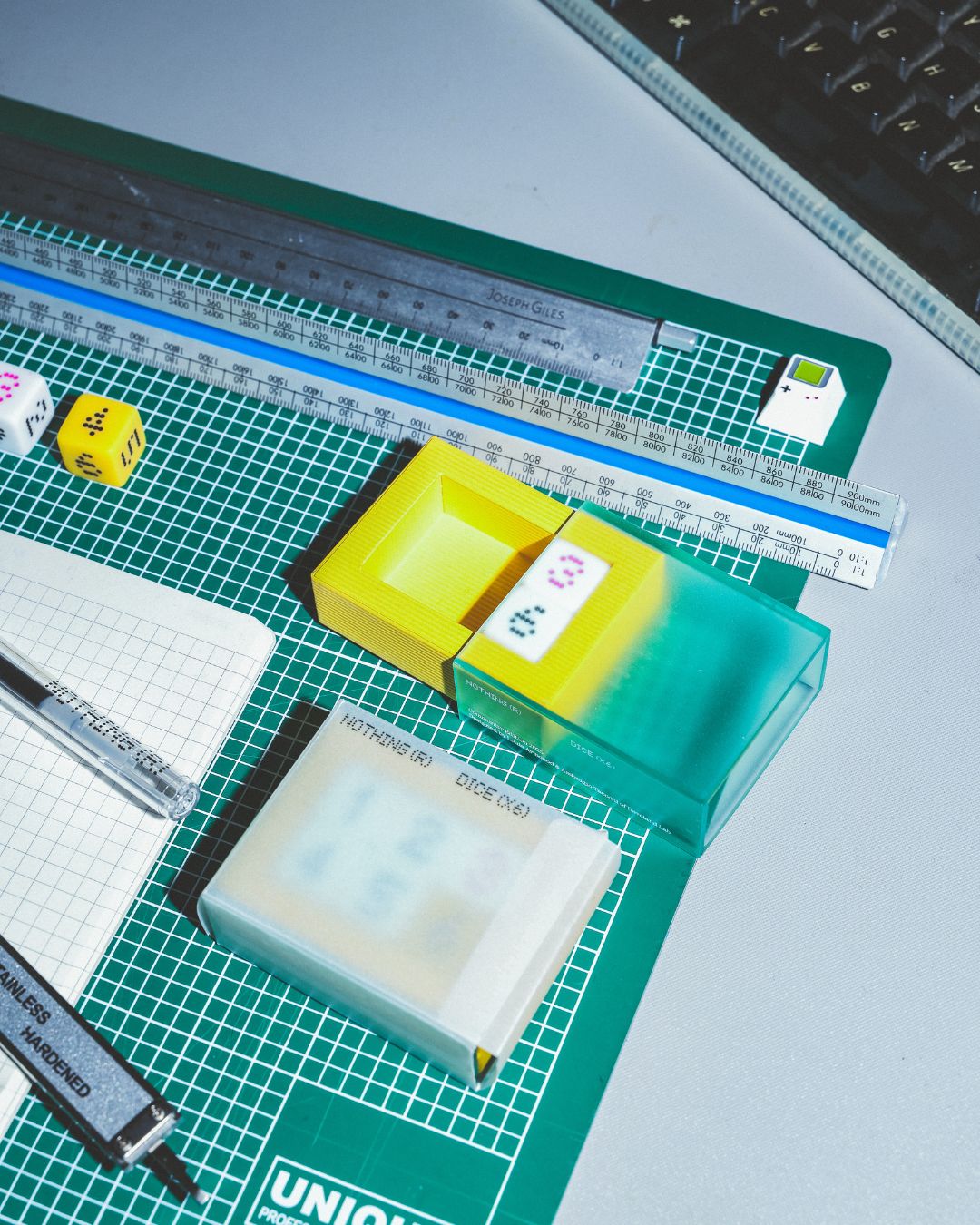
The dice are called Dice (X6), and are designed by Reveland, a Milan-based creative studio. The result is a deceptively simple accessory that exemplifies Nothing’s design aesthetics while introducing an element of analogue play and chance into the brand’s ecosystem.
Gallery
Open full width

Open full width
To create this collaborative project, the company opened submissions across four categories: hardware, software, accessories, and marketing. Over 700 community members submitted concepts, of which the finalists were chosen through public voting and an internal jury. Reveland’s winning proposal was a set of analogue dice, designed in the brand’s aesthetic, that will be offered as an accessory to the Phone (3a). Beyond Reveland, the winners include Emre Kayganaci for hardware, Jad Zock for software, and Sushruta Sarkar for the marketing campaign. Each of them spent six months collaborating with the London design team to refine and realise their concepts.
Reveland is an Italian multidisciplinary design studio working across art direction, industrial design, and 3D animation. Founded by Ambrogio Tacconi and Louis Aymonod, the studio merges art and technology through a forward-looking vision. About their design philosophy, they say, “we see our role less as creators and more as translators, turning complexity into forms that resonate and ideas into experiences people can feel and remember.”
Louis and Ambrogio were inspired by one of the world’s oldest games, reinvented through the company’s design language. “The idea came from a very simple, almost accidental moment. We were working remotely from the Canary Islands and knew we wanted to submit something for Community Edition, but without forcing a concept. One evening, after a couple of beers, we started playing a basic dice game. That moment sparked something interesting: dice are among the oldest designed objects in human history, and after more than 5,000 years they’re still relevant, universal, and perfectly functional.” The dice will probably be one of the tech company’s few products that will never become obsolete, not requiring updates or patches.
Approaching from outside the institutional mindset, Reveland saw the opportunity to create something more conceptually ambiguous, an object that partners with technology by being deliberately non-technological. “What made it special was that we were both developing something unknown from the very beginning. We were working on an object that has existed for thousands of years and has remained almost unchanged, especially in its graphic layout, so proposing a new dice layout was unexpected and immediately sparked enthusiasm, even from the industrial partner.”
Nothing’s Community Edition project is a genuine experiment in collaborative design. By inviting the brand’s own users and admirers to become creators, the design process becomes democratic and bottom-up. In an industry dominated by top-down hierarchies, this approach inverts the traditional decision-making structure. As gen AI and automated design tools become more prevalent, the value of human collaboration increases, especially when it includes diverse and independent voices.