Tangent Lamp: when a simple gesture becomes light
A minimal touch turns the ordinary into the extraordinary: RK Lab, the internal experimental laboratory of Relvãokellermann, imagines the act of creating light as a poetic, interactive experience beyond convention.
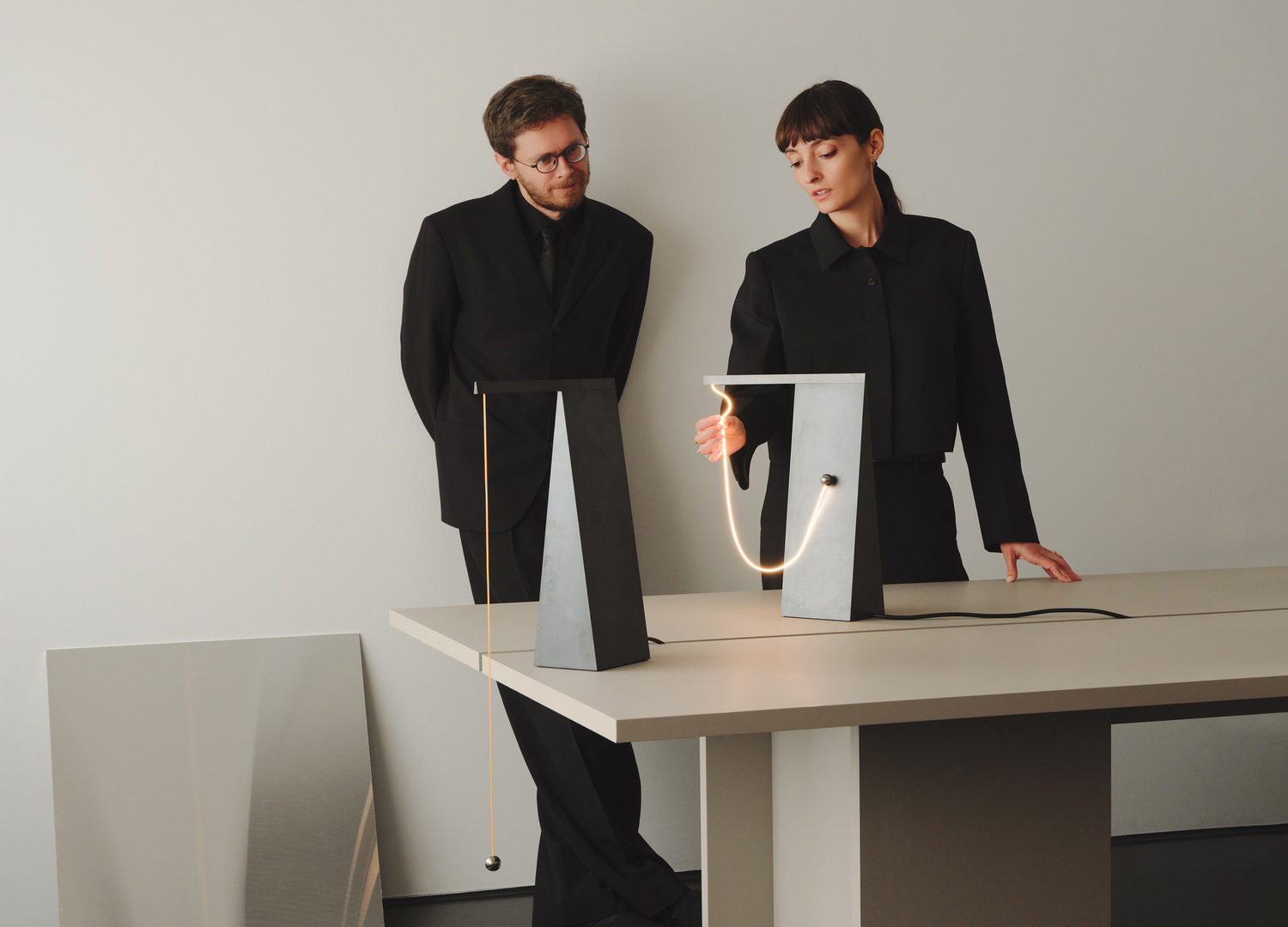
What if a simple gesture could trigger light and transform an everyday action into a completely new experience? This is the case with Tangent Lamp, a project developed by RK Lab, the internal experimental laboratory of the German studio Relvãokellermann, founded by Ana Relvão and Gerhardt Kellermann, where innovation and creative freedom become the playground for redefining ordinary objects.
Within Relvãokellermann, RK Lab represents the most experimental core of the studio: a space where established ideas and preconceptions can be questioned, allowing new ways of experiencing objects to emerge. This “studio within a studio” acts like an incubator of creativity and naturally reflects the designers’ philosophy, founded on a fundamental principle: every project must originate from a consideration of function and culminate in a form that follows naturally from it.
Gallery
Open full width
Open full width
The duo deliberately avoids decorative gestures, focusing instead on the essential aspects of a project: its construction, the most suitable materials, and the user’s intuitive experience. This attention to the essence and purity of the object aligns with a constant commitment to explore what is technically possible today and what might become desirable tomorrow, in dialogue with the evolving needs of society and the intrinsic functionality of objects. Within this conceptual and creative landscape, RK Lab thus becomes an independent field of possibilities, where experimentation can unfold freely, unconstrained by production requirements, and where products like the Tangent Lamp can emerge from a single intuition and evolve to transform a daily gesture into a subtle perceptual experience.
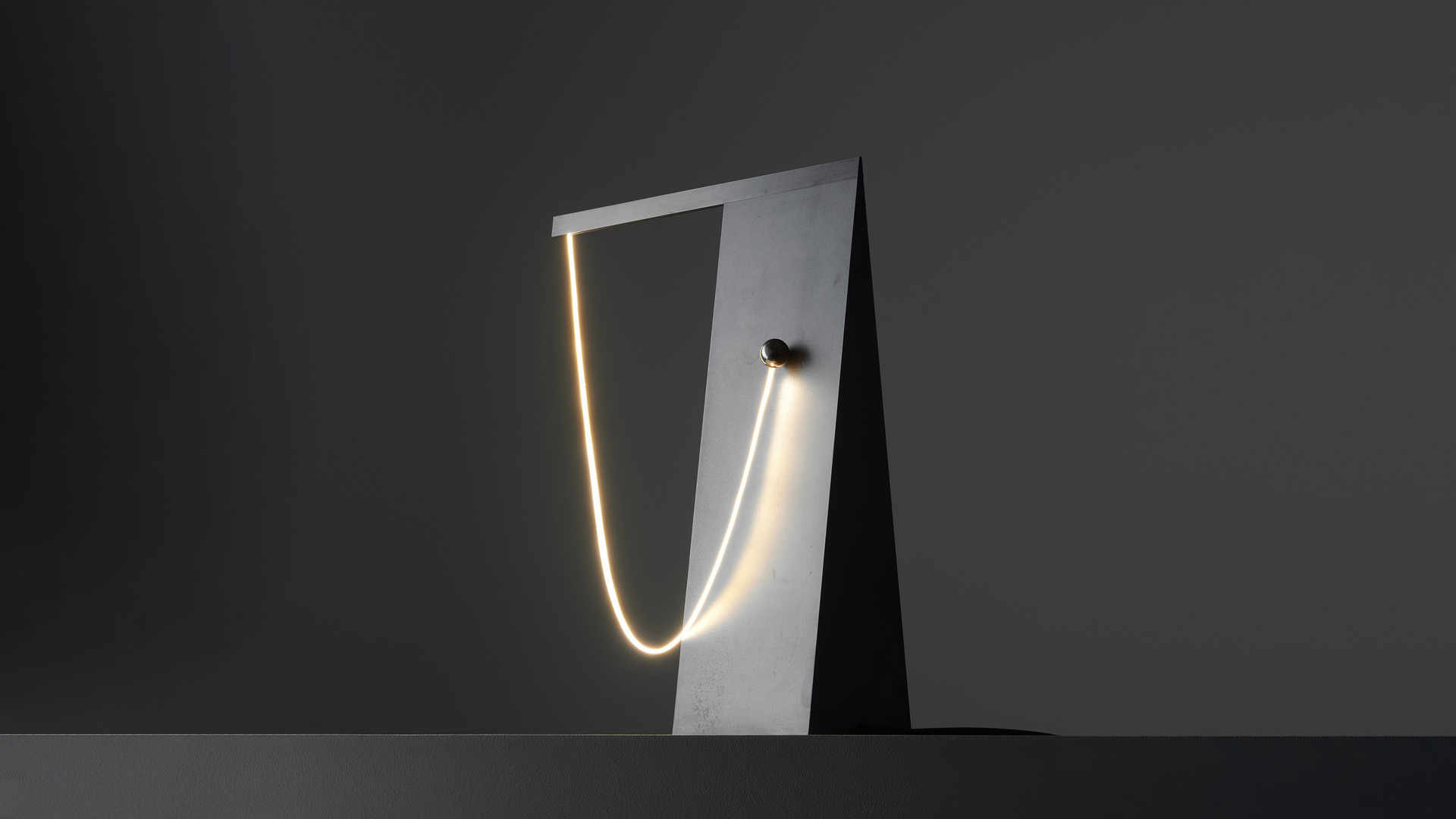
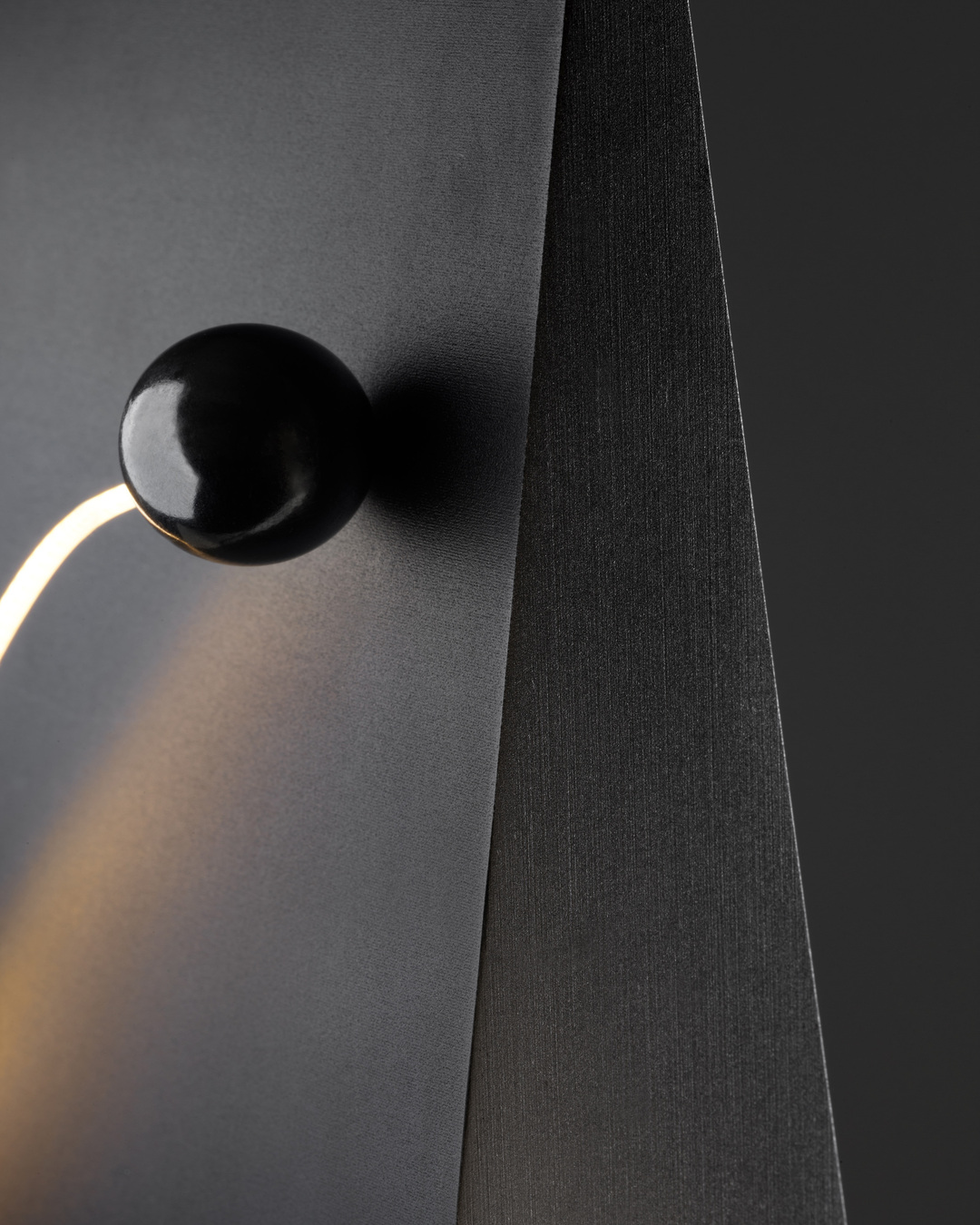
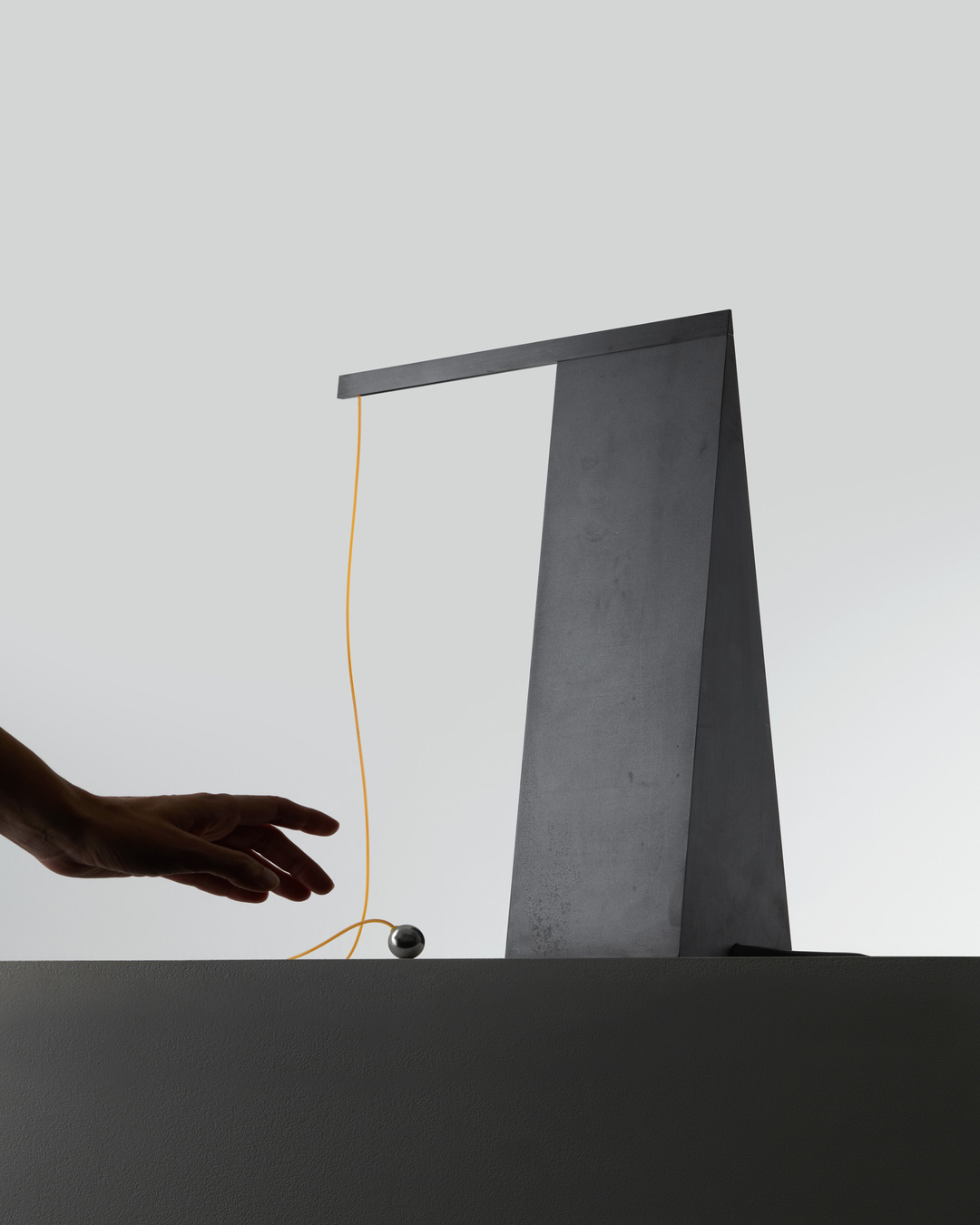
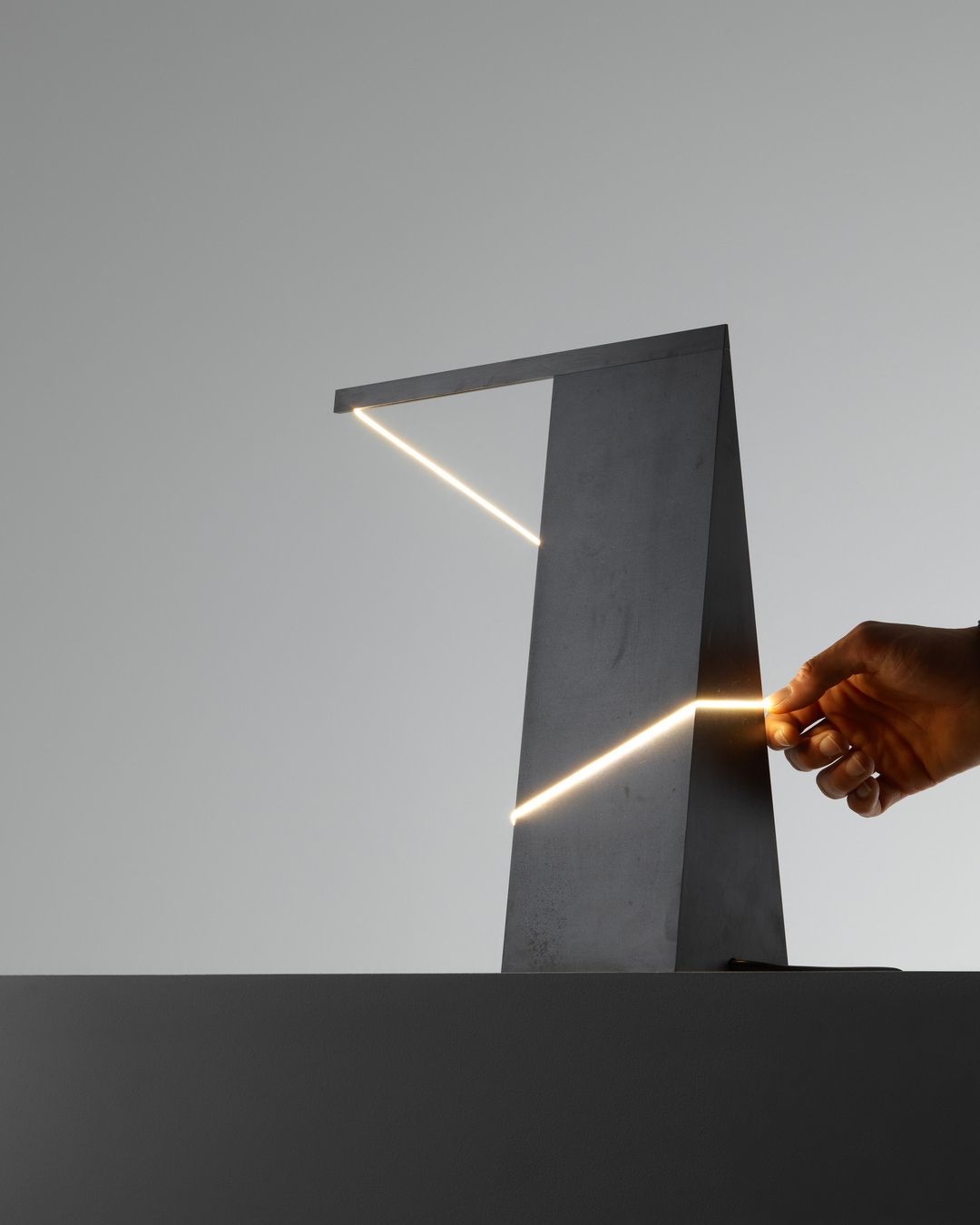
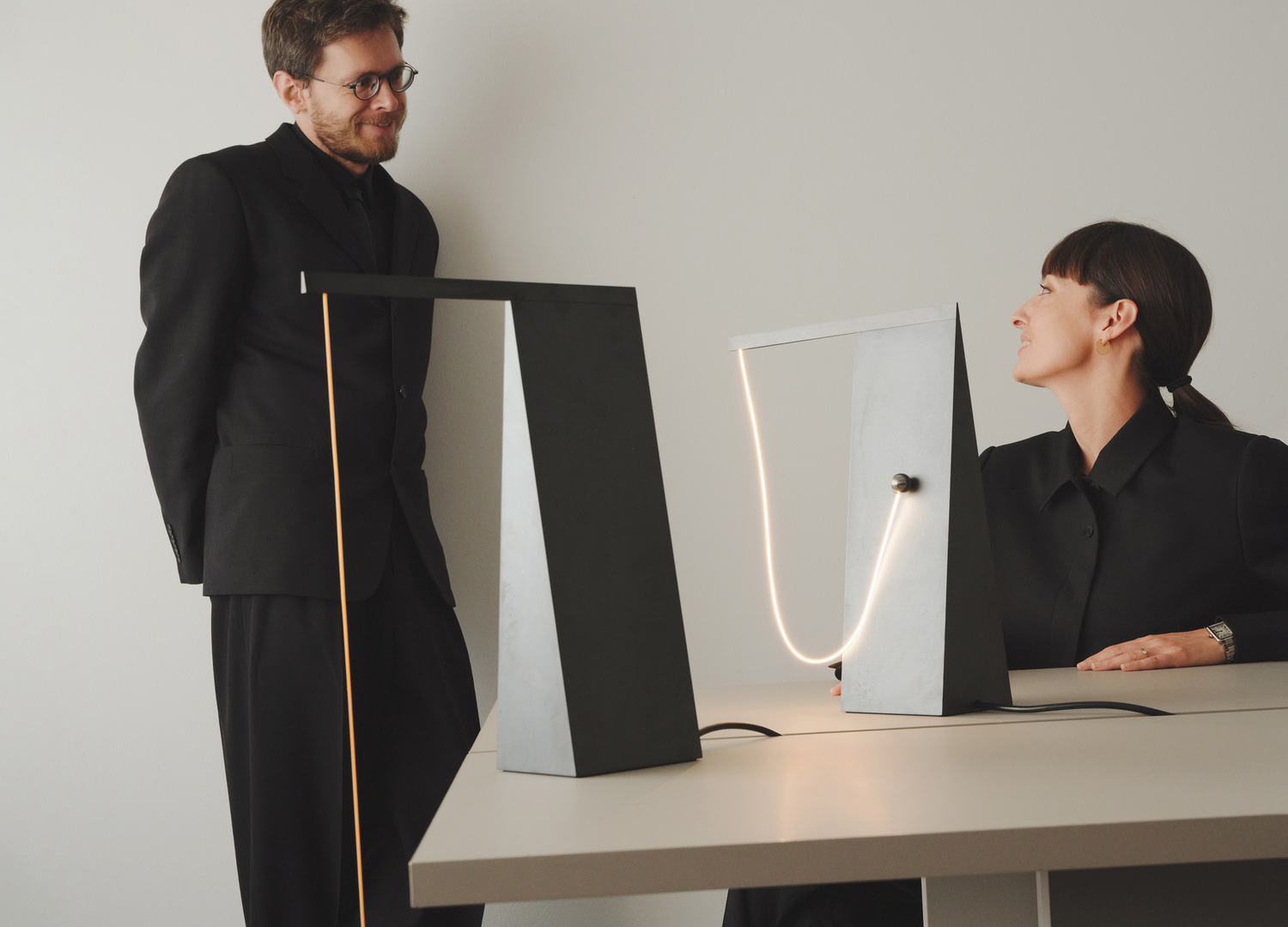
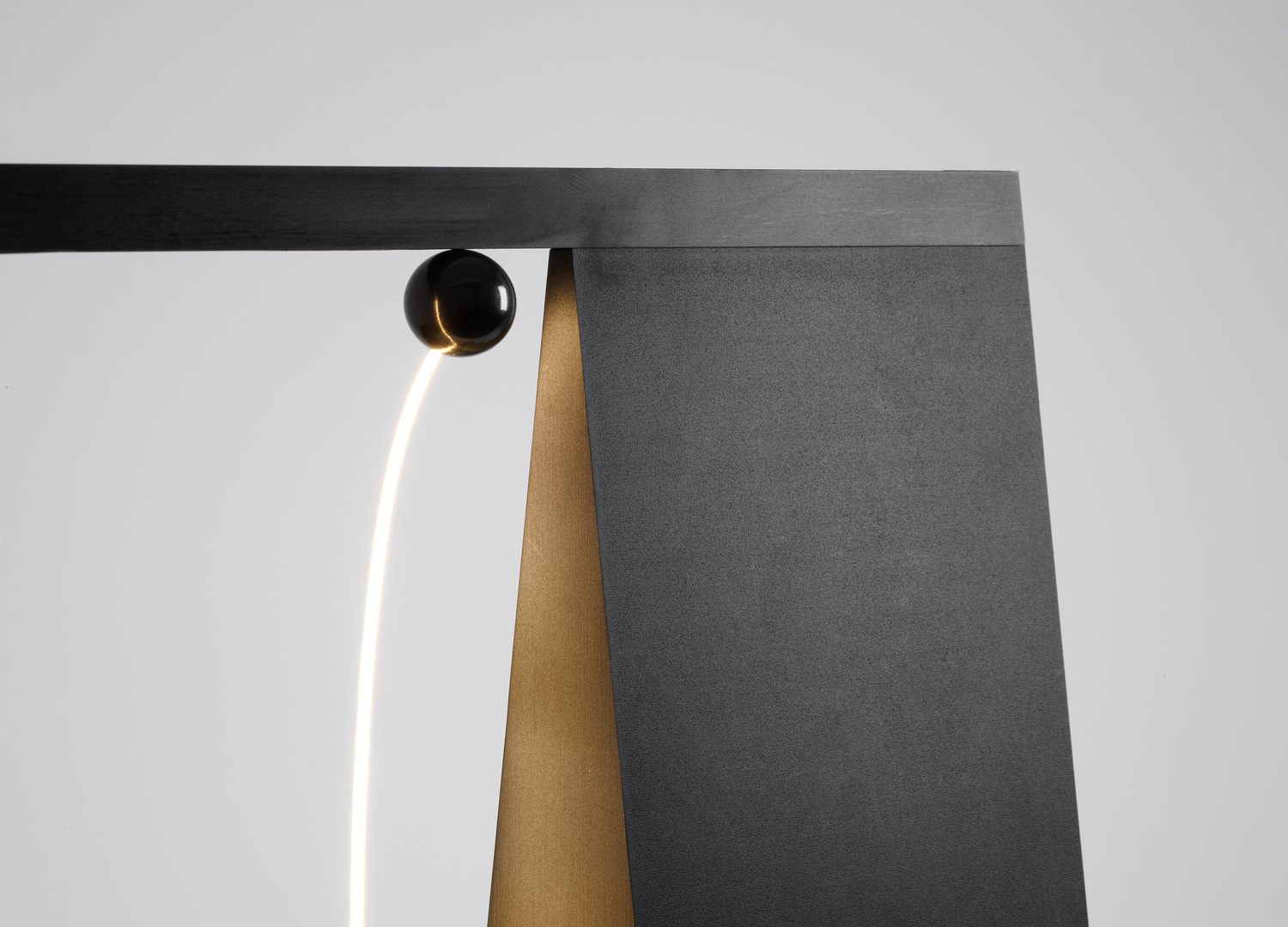
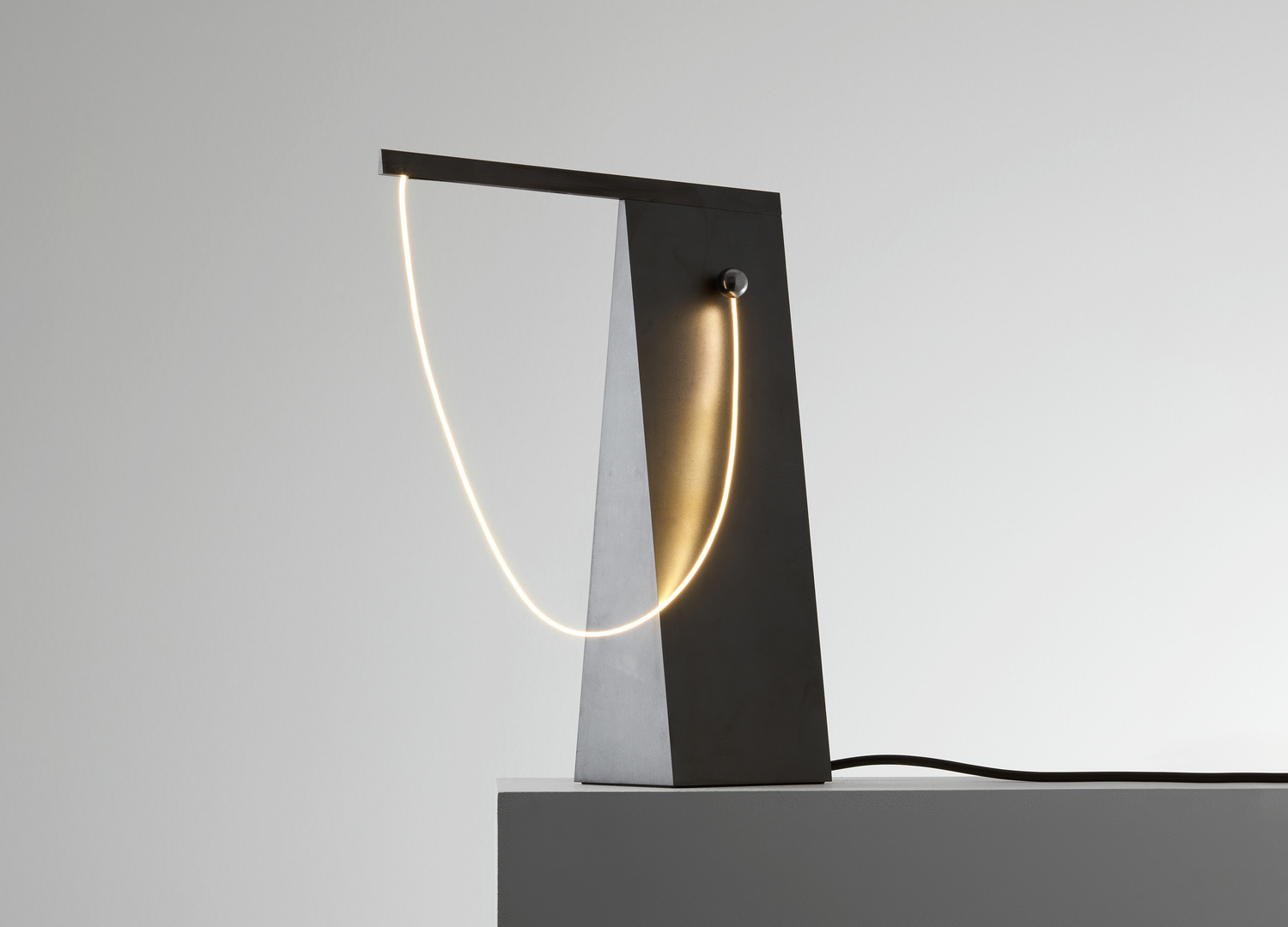
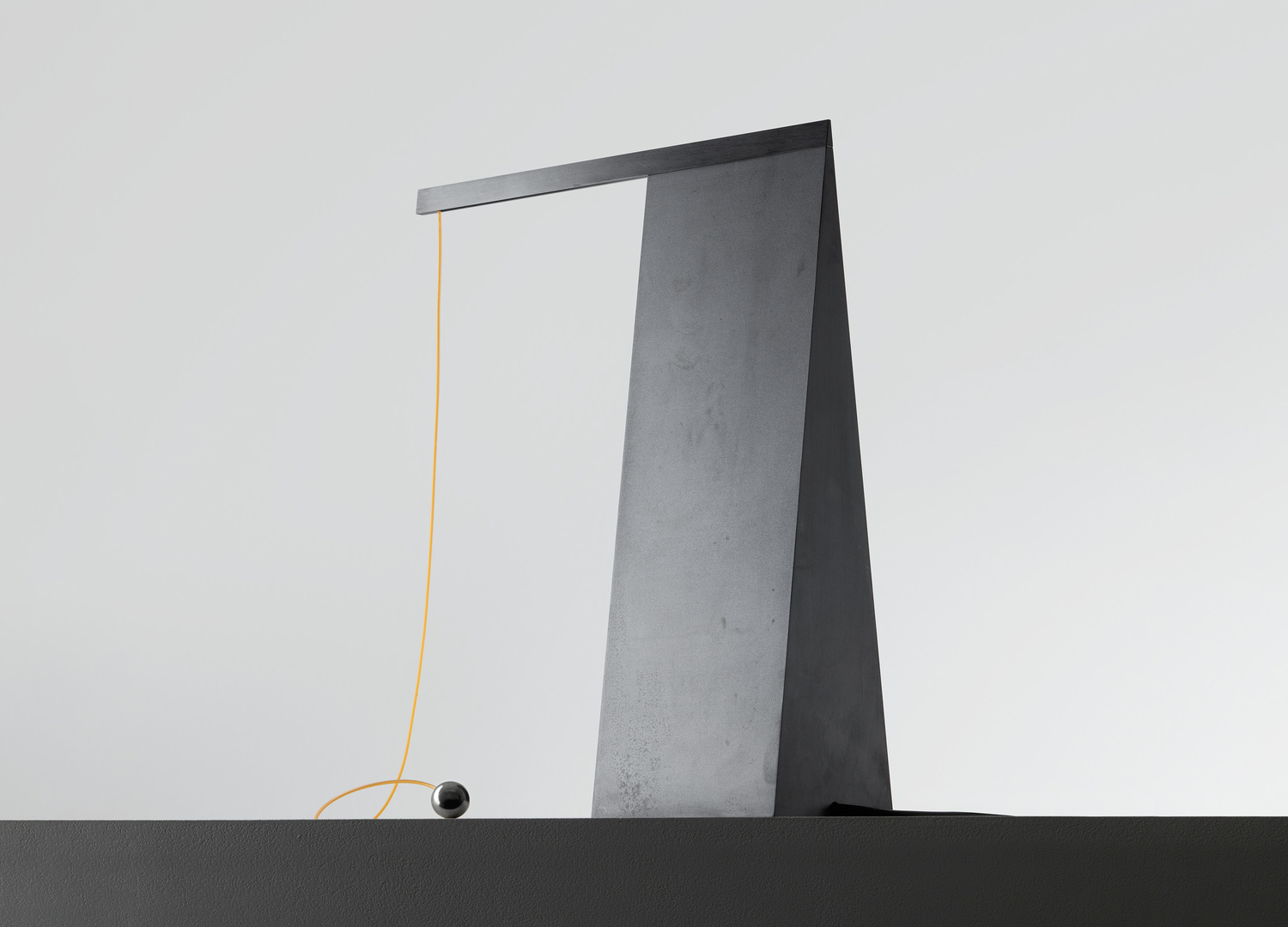
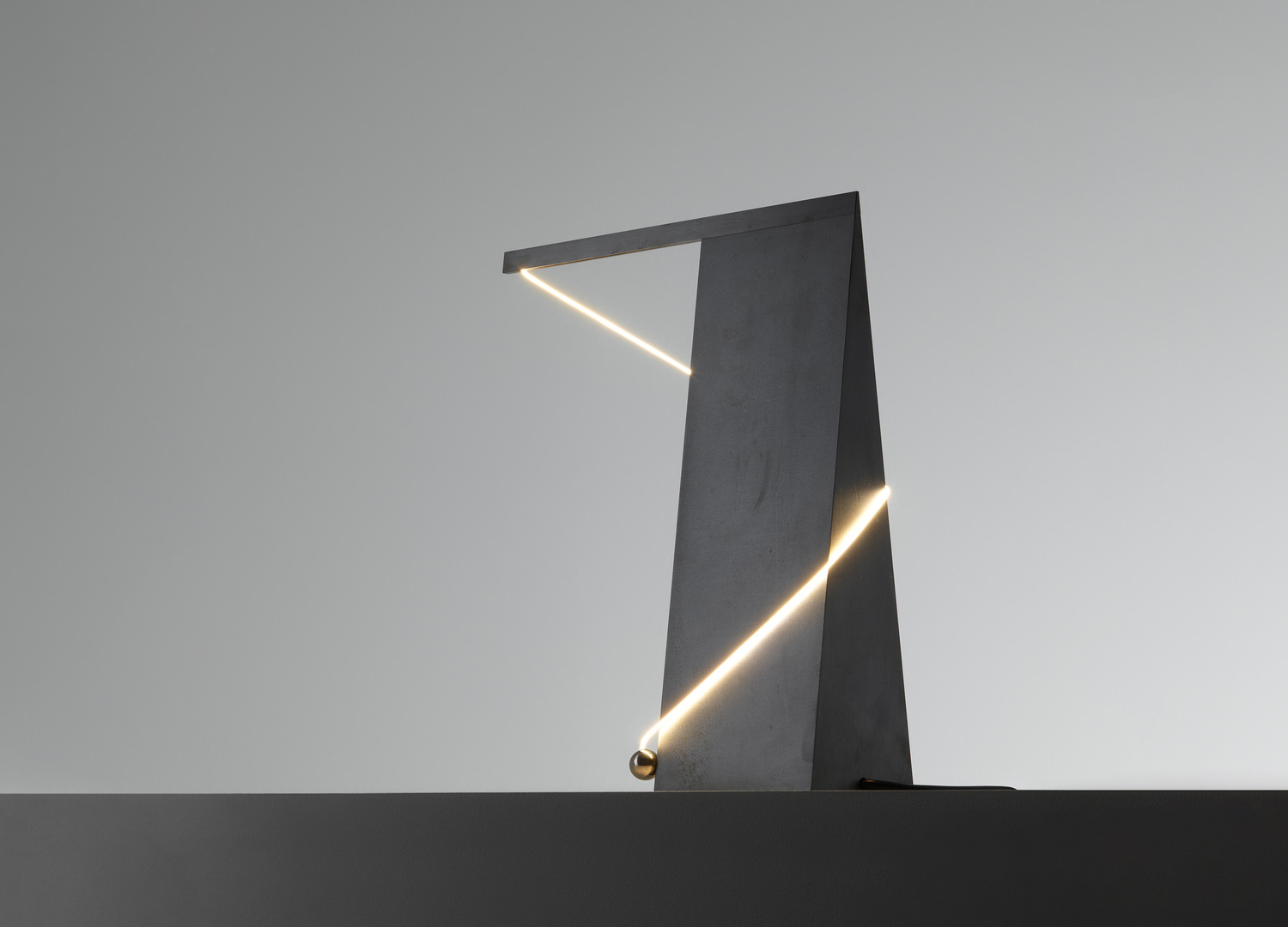
The idea behind it is elemental: a magnetic sphere comes into contact with an oxidized steel block and, at that precise point, the circuit activates, lighting up the filament. It’s a minimal yet meaningful action, one that alters both brightness and atmosphere, turning a daily operation into an interactive ritual.
The project is defined by a design logic that highlights the dialogue between material and human gesture, mediated by technology. The smooth surface of the steel contrasts with the perfection of the sphere and the fluidity of the filament, creating a visual balance that is both tangible and poetic. Tangent Lamp thus becomes a tool of perception, where movement shapes the relationship with light—light that shifts with every gesture and intention, making it feel “alive.” Born from an experimental approach, it is an object that challenges established conventions, proposing a vision of lighting as an experiential element capable of transforming everyday gestures into unique moments.
The lamp also invites us to reflect on the synthesis of materials. By reducing the elements to the bare minimum – sphere, steel, filament – the project shows how simplicity can generate complexity. No elaborate mechanism is required: just a few intelligently connected components and the human intention to activate them. This minimalist selection expresses a philosophy of material honesty, where each element is chosen for its intrinsic properties rather than for aesthetic or ethical purposes. For instance, the pairing of steel and filament not only enables the lamp to function but also narrates a tactile and visual story, revealing how beautiful simplicity can be, whether in a form, a gesture, or a mechanism.
In conclusion, Tangent Lamp is not simply a lamp but a design exercise that transforms an ordinary gesture into an extraordinary one. Through the essential interplay of materials, magnetism, and light, the project invites us to rethink how we interact with everyday objects, making visible what normally happens invisibly and automatically.