Why have we forgotten about office chairs?
Why the most used object in the modern workday has been scratched off the design map, and what Savo’s latest exhibition is trying to do about it.
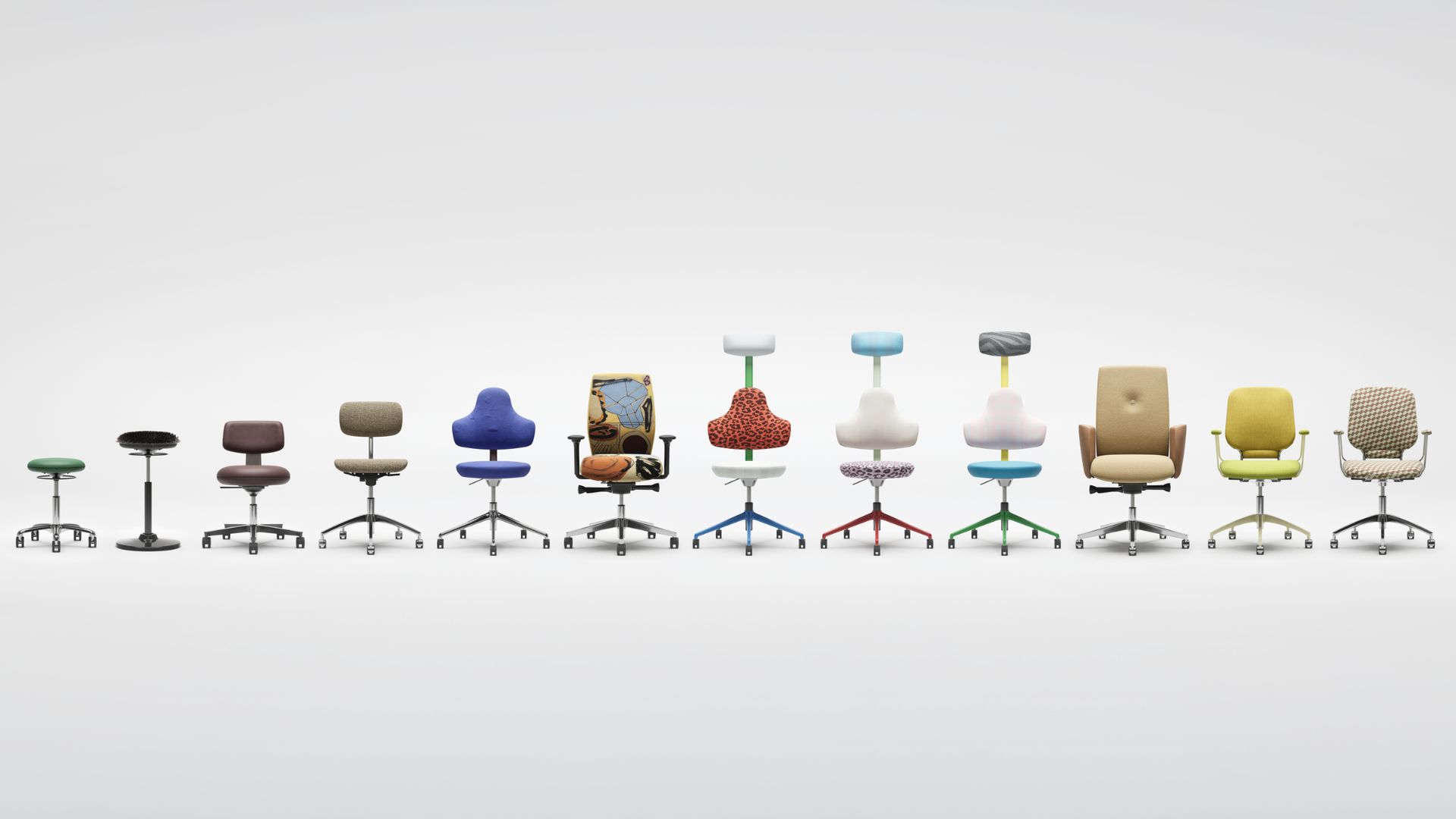
The average person spends roughly eight years of their working life in an office chair. Yet, of the thousands of chairs catalogued in TASCHEN’s exhaustive survey of chair design, only 25 could be classified as office seating. The category that holds us up through the bulk of our adult lives is, by its own industry’s account, barely there.
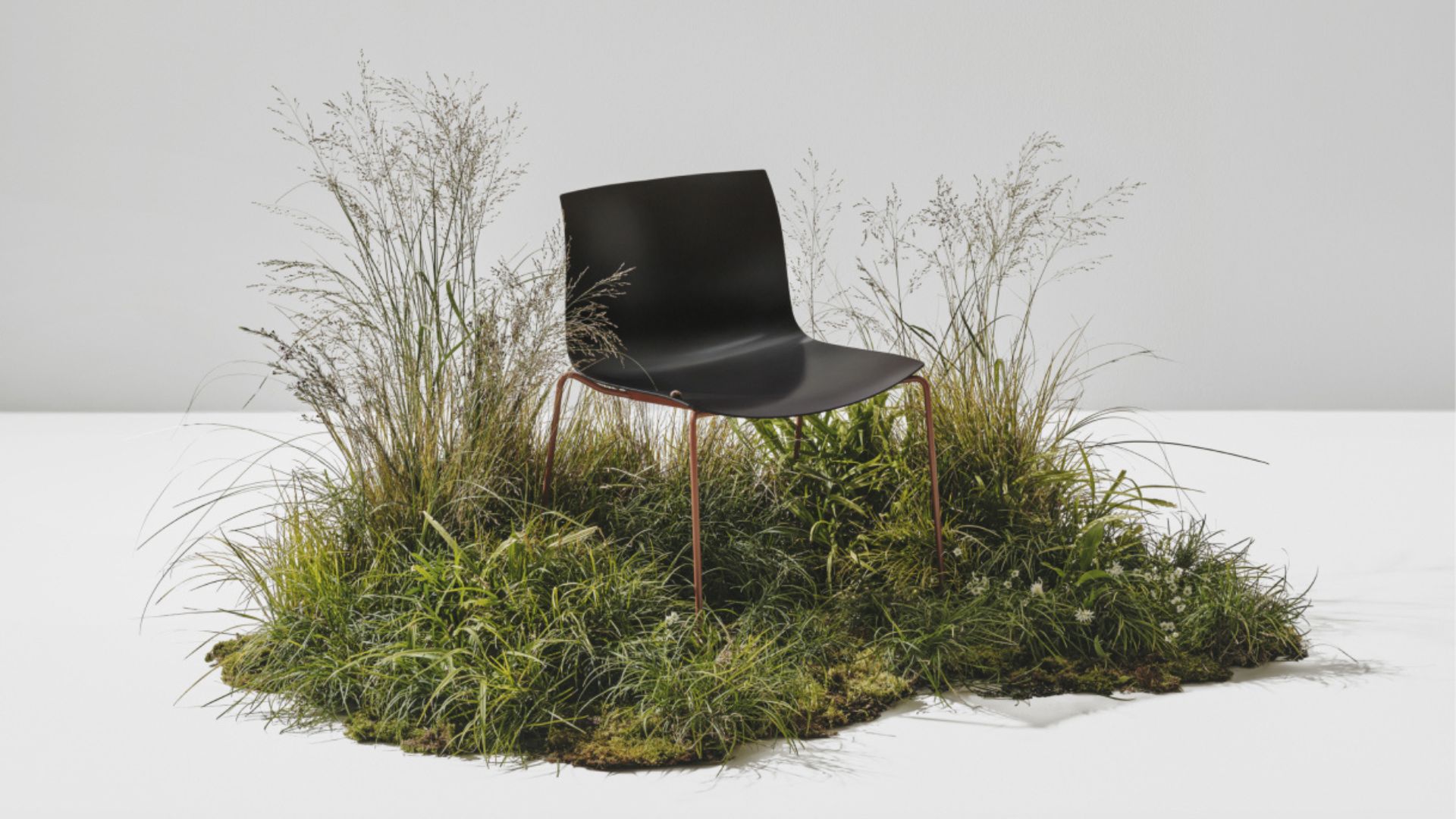
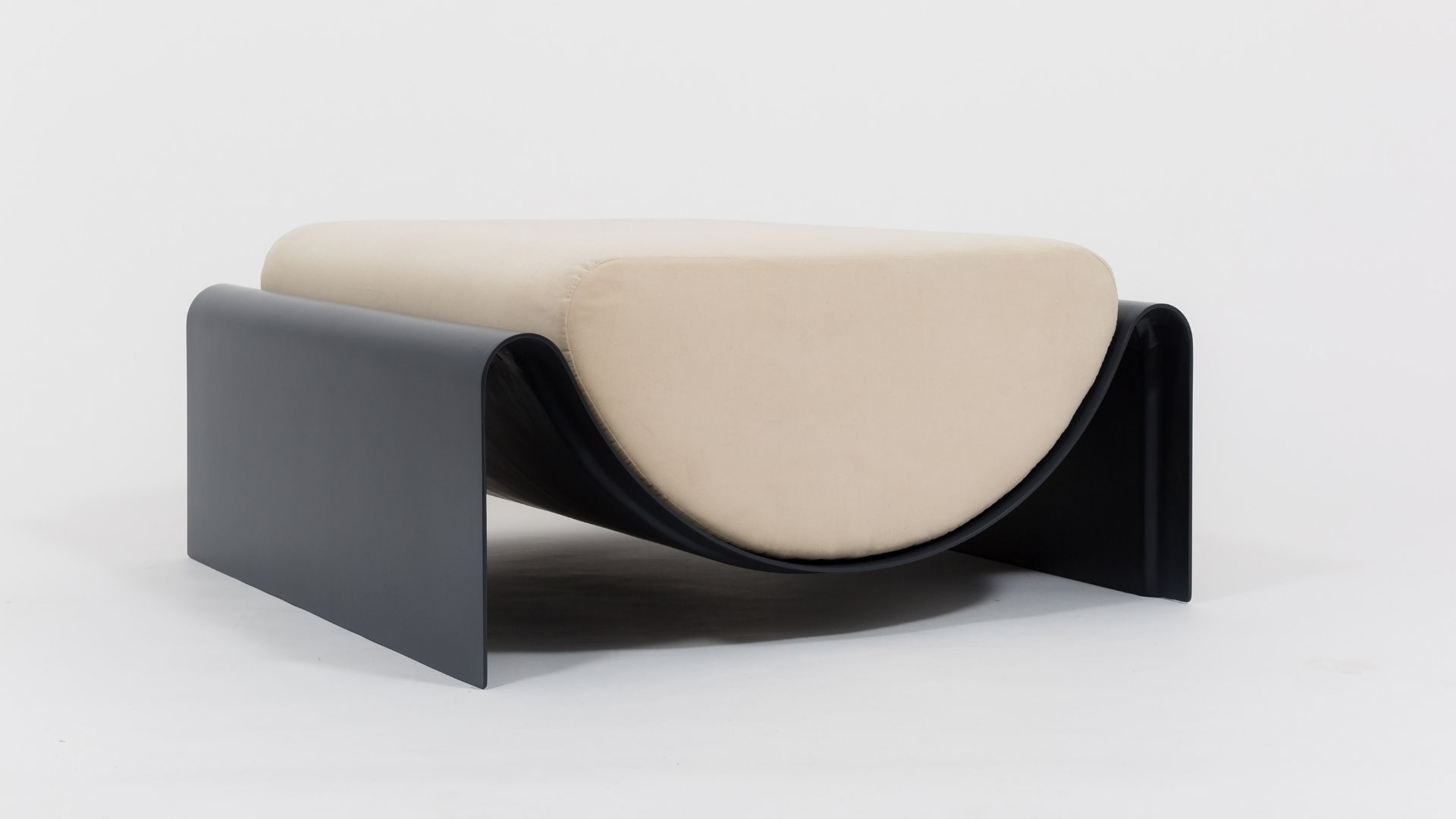
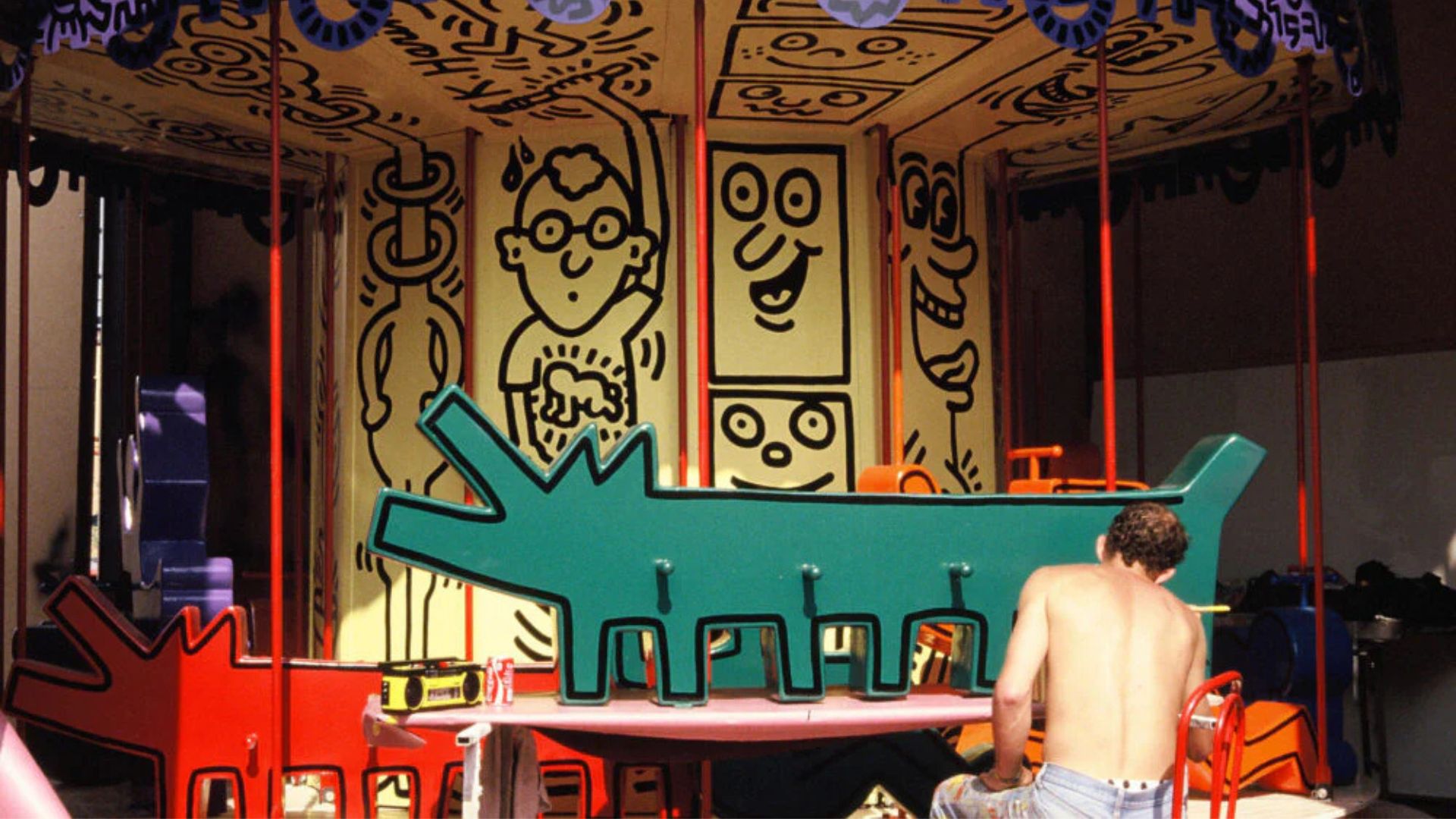
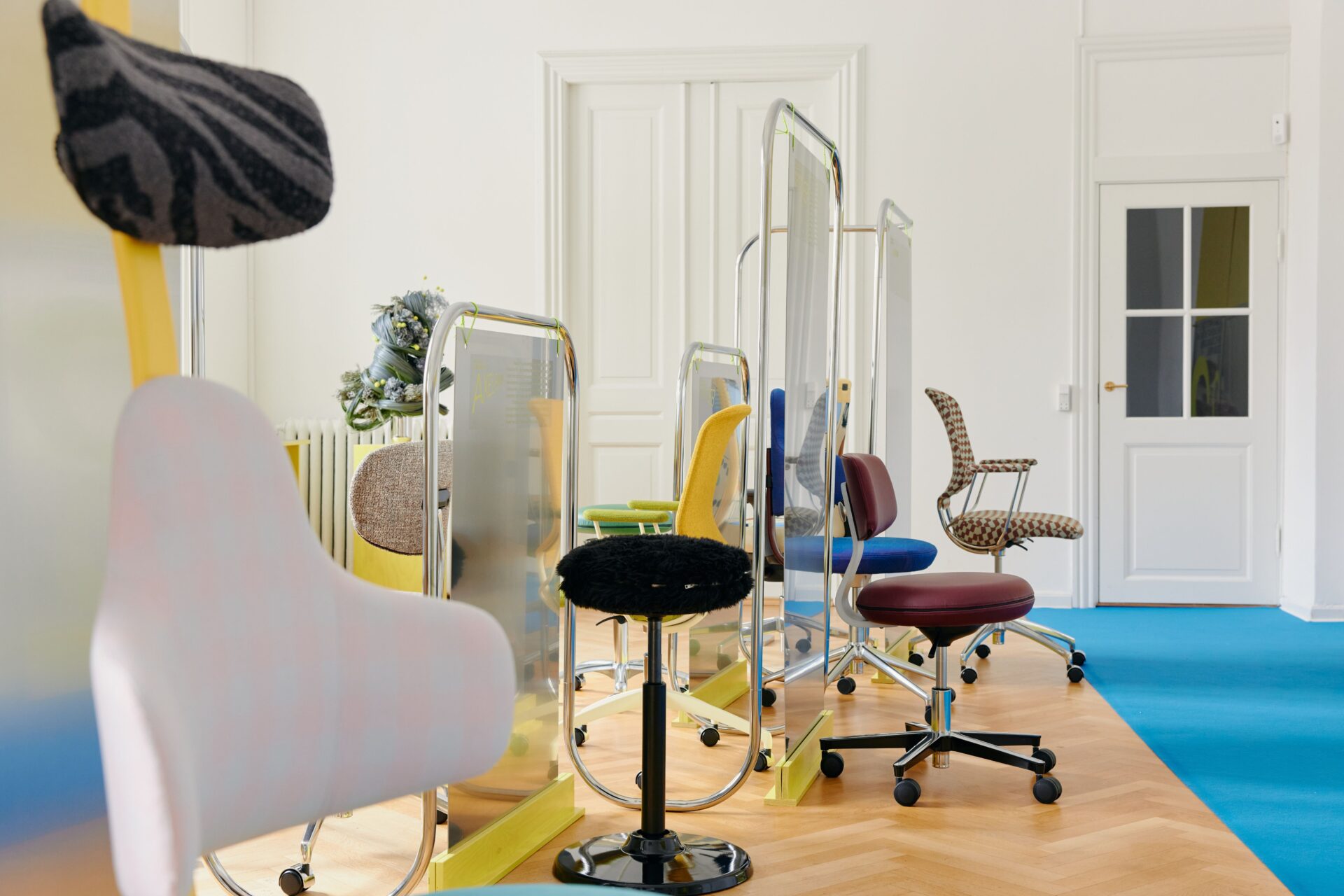
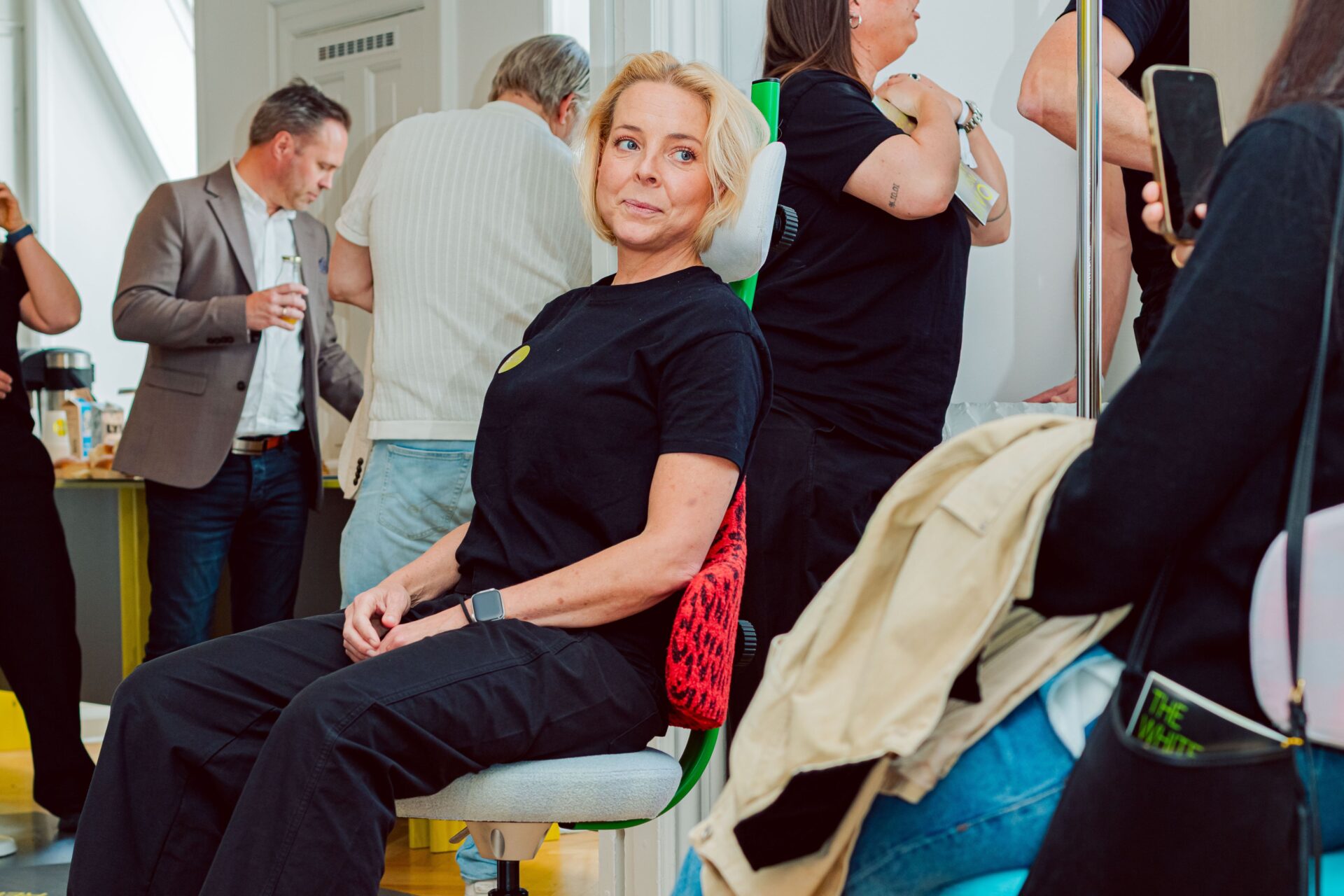
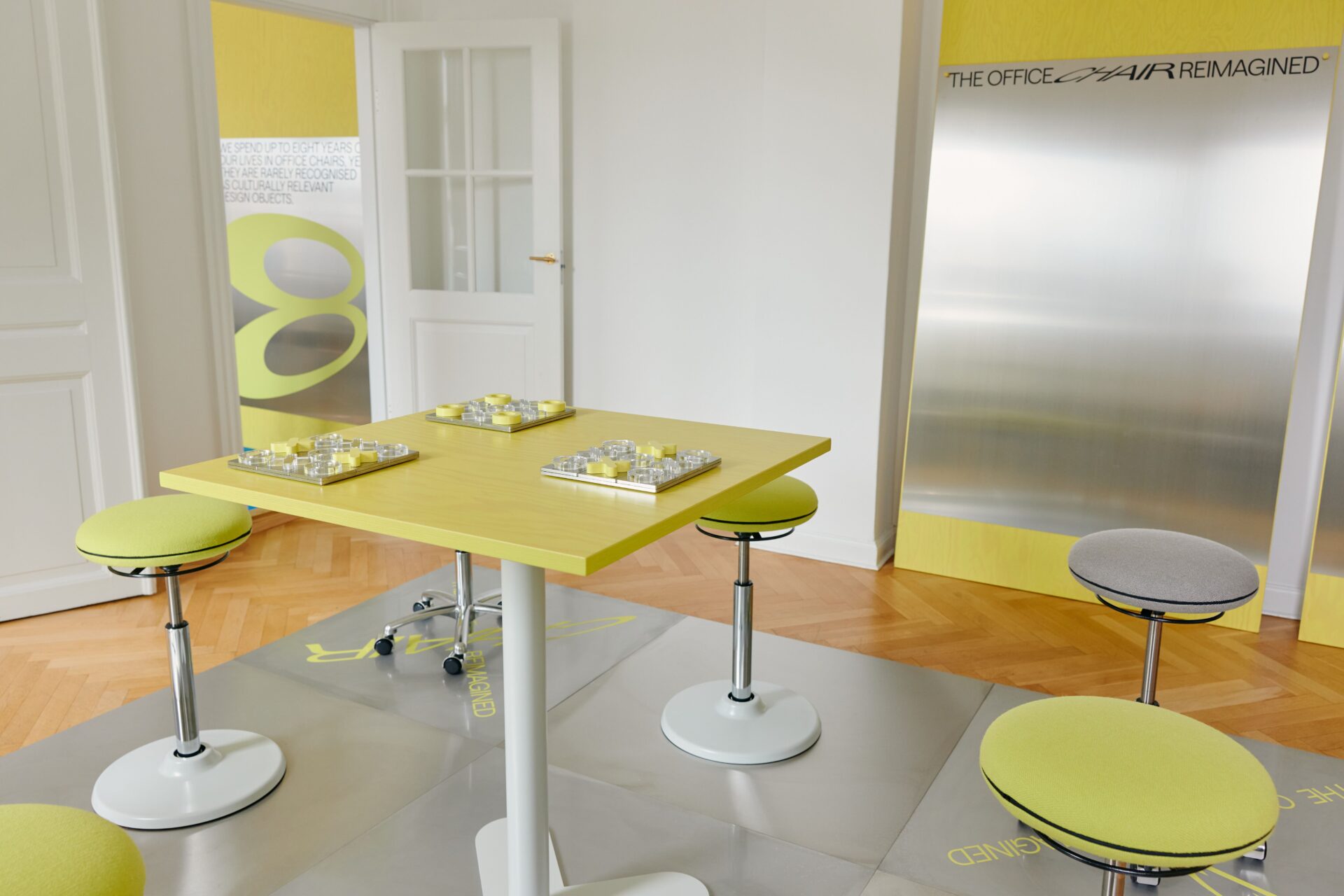
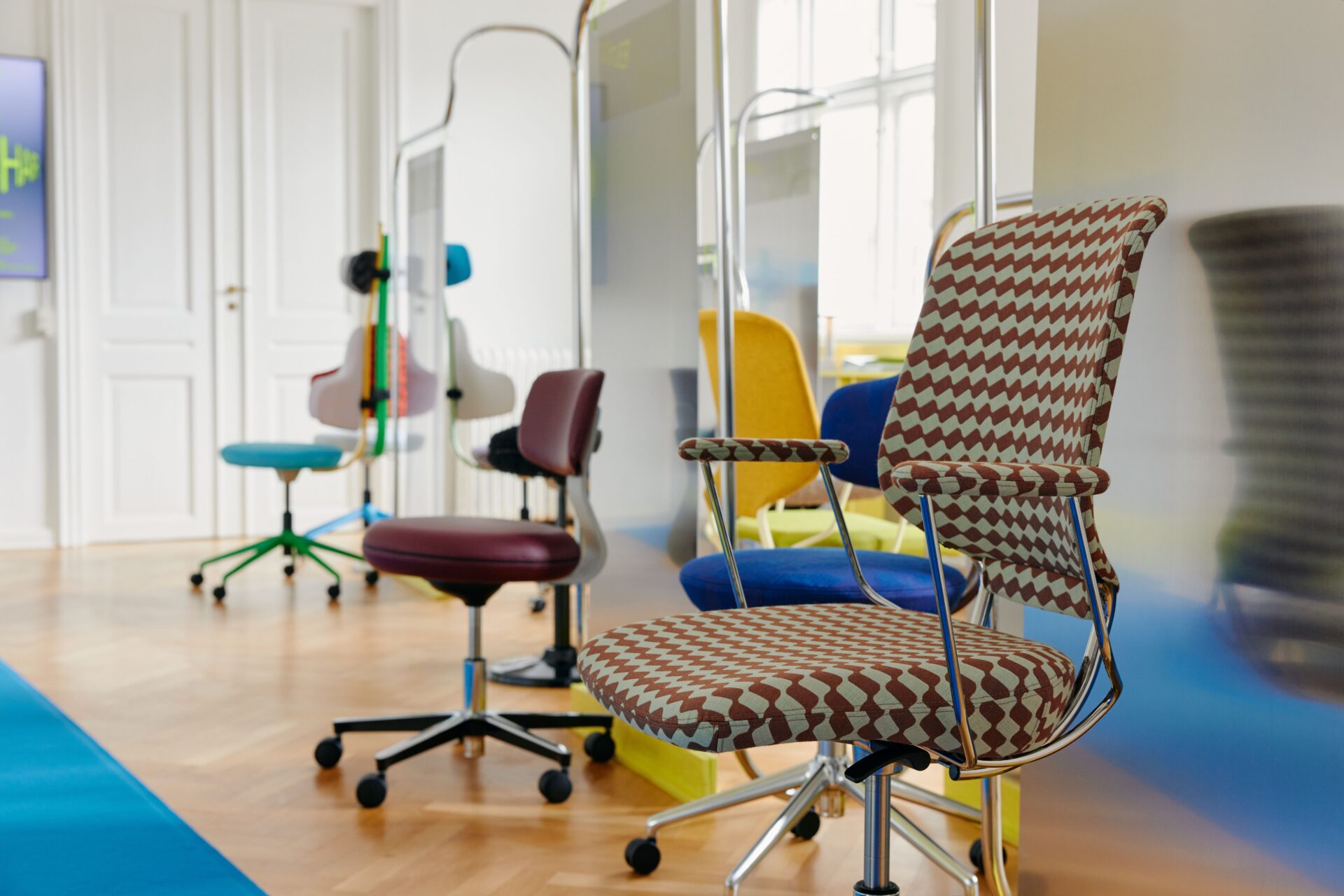
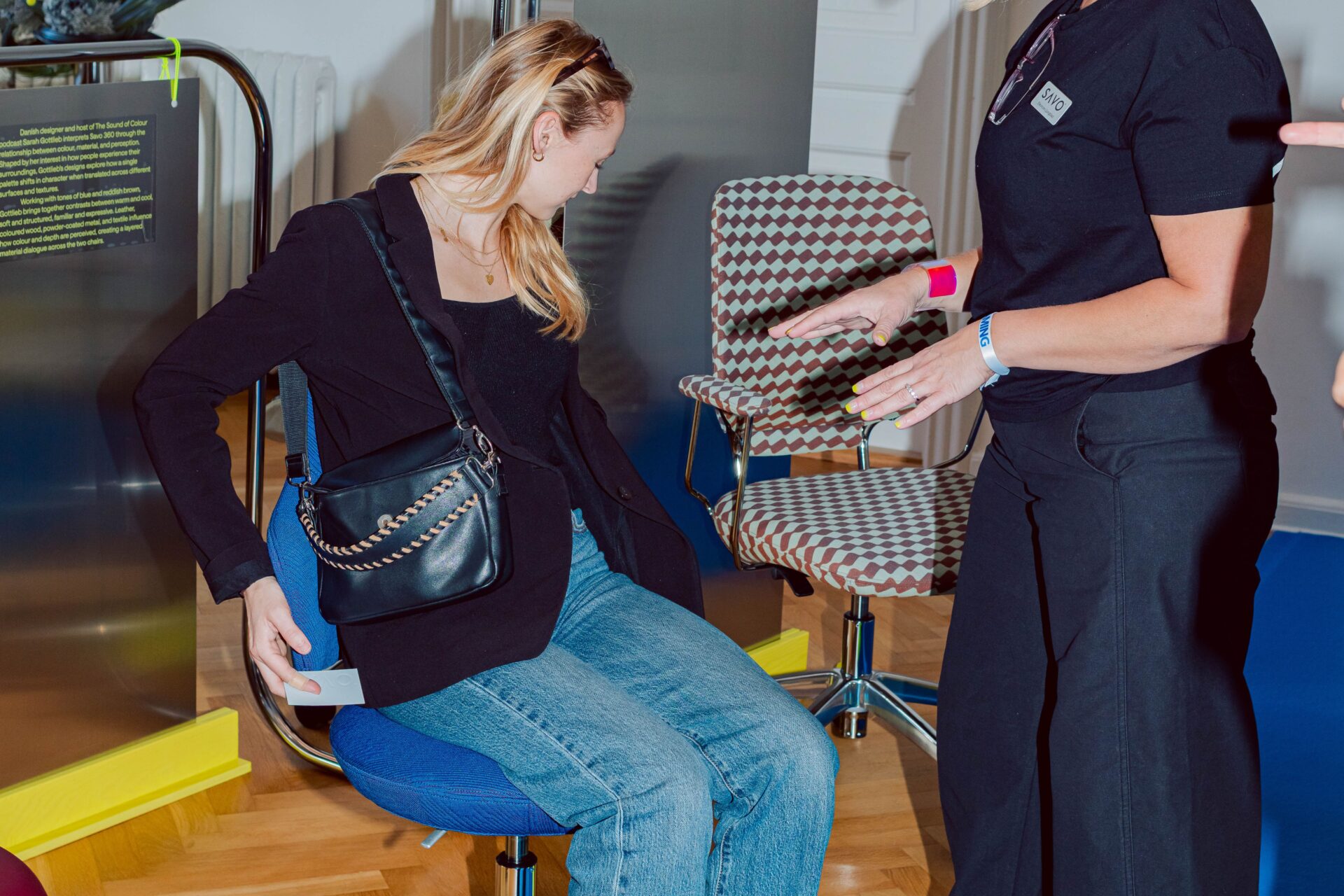
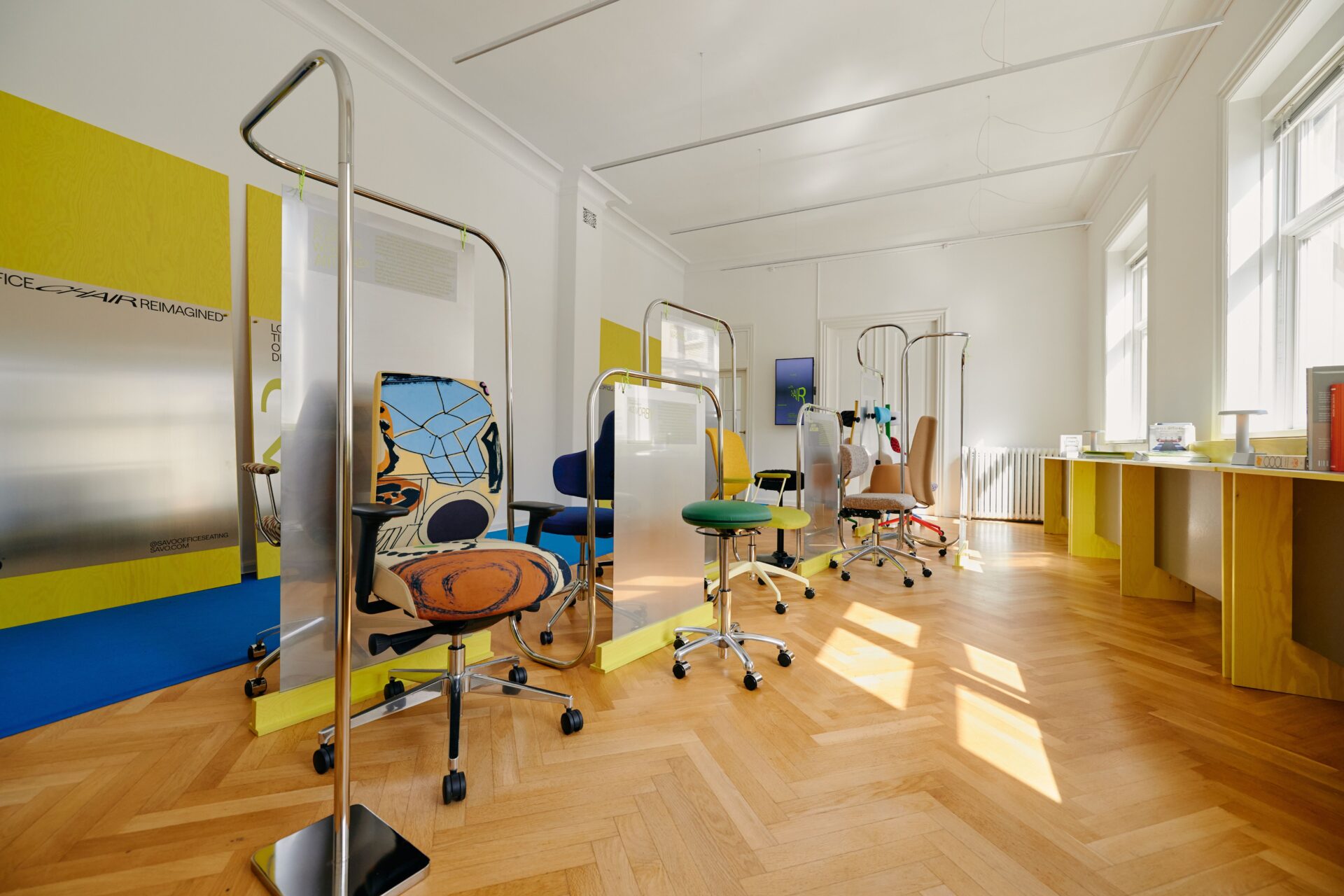
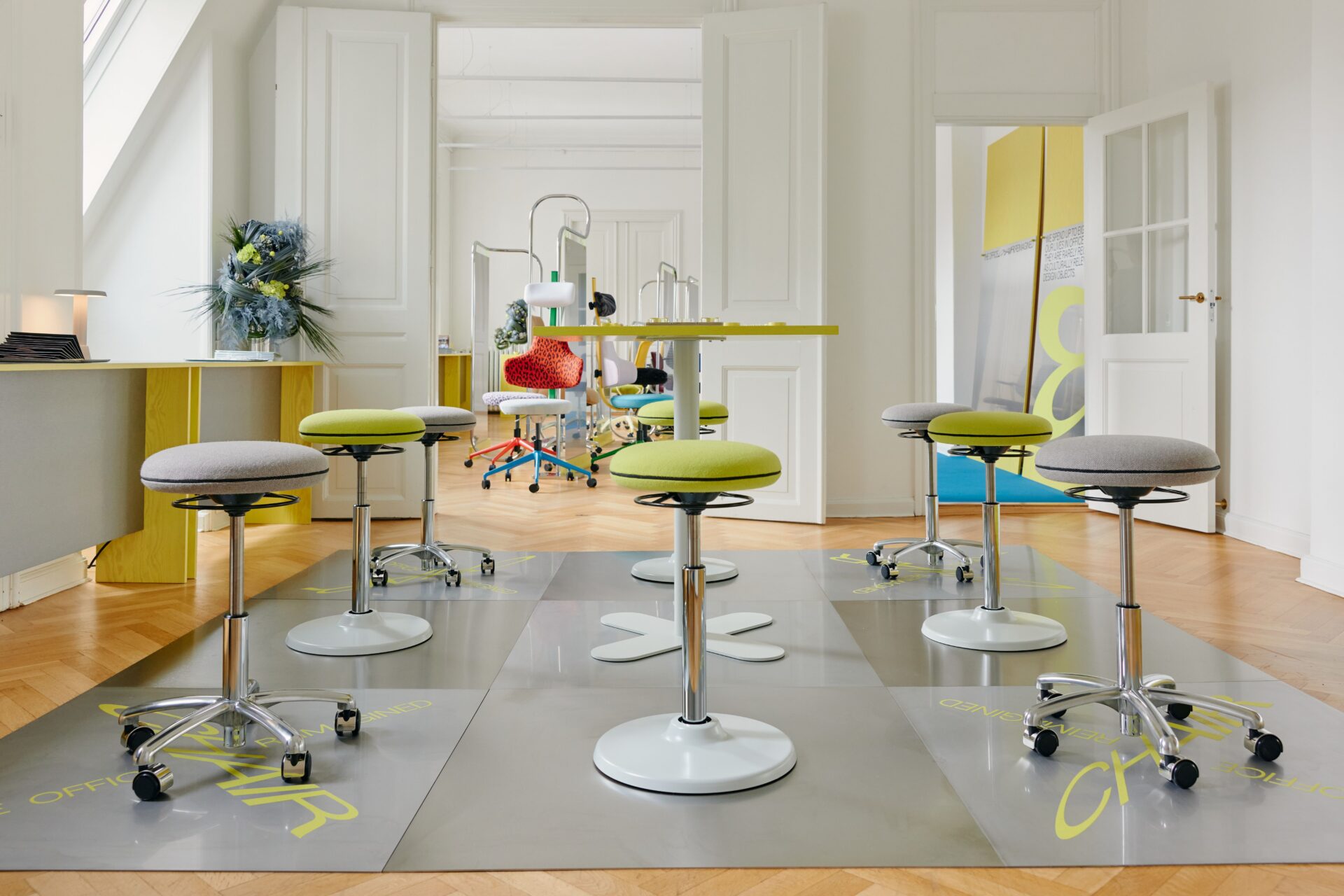
This was the gap that Swedish manufacturer Savo set out to address with “The office chair reimagined,” an exhibition staged at Framing within Copenhagen’s Odd Fellow Palace during the city’s 3daysofdesign festival. Nine architects, designers, and creatives were each invited to take a Savo chair and reinterpret it through their own discipline.
Gallery
Open full width
Open full width
Savo – The office chair reimagined:
The white paper
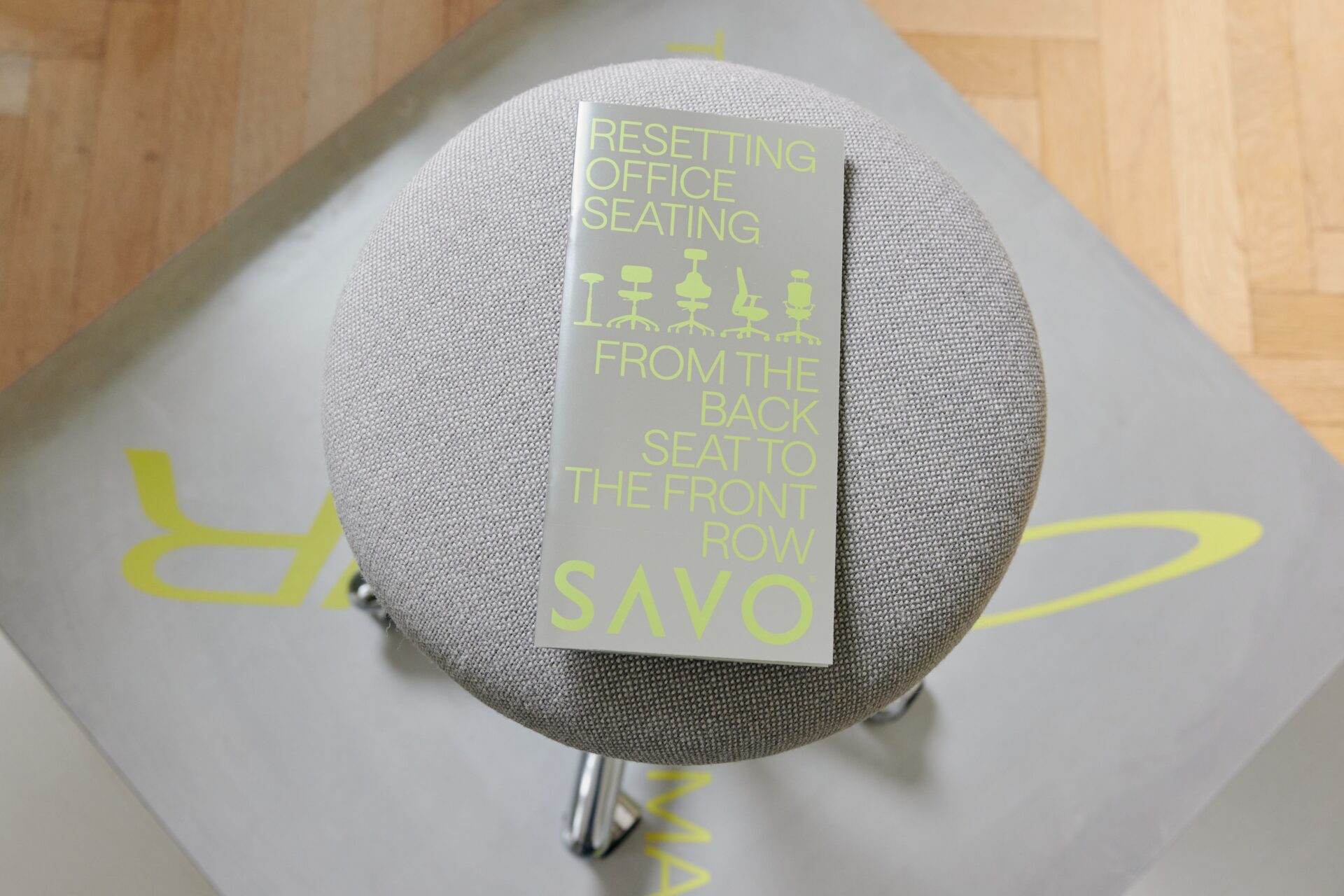
The exhibition was just the visible tip of a wider research project. Savo commissioned a white paper called “Resetting Office Seating: From the back seat to the front row,” which spent months trying to analyse the phenomenon of the office chair. The white paper’s research team analysed more than 400 exhibitor entries across major design weeks in the past ten years, and found that office seating accounts for just 8.1% of exhibitor attention, and its share has been gradually falling.
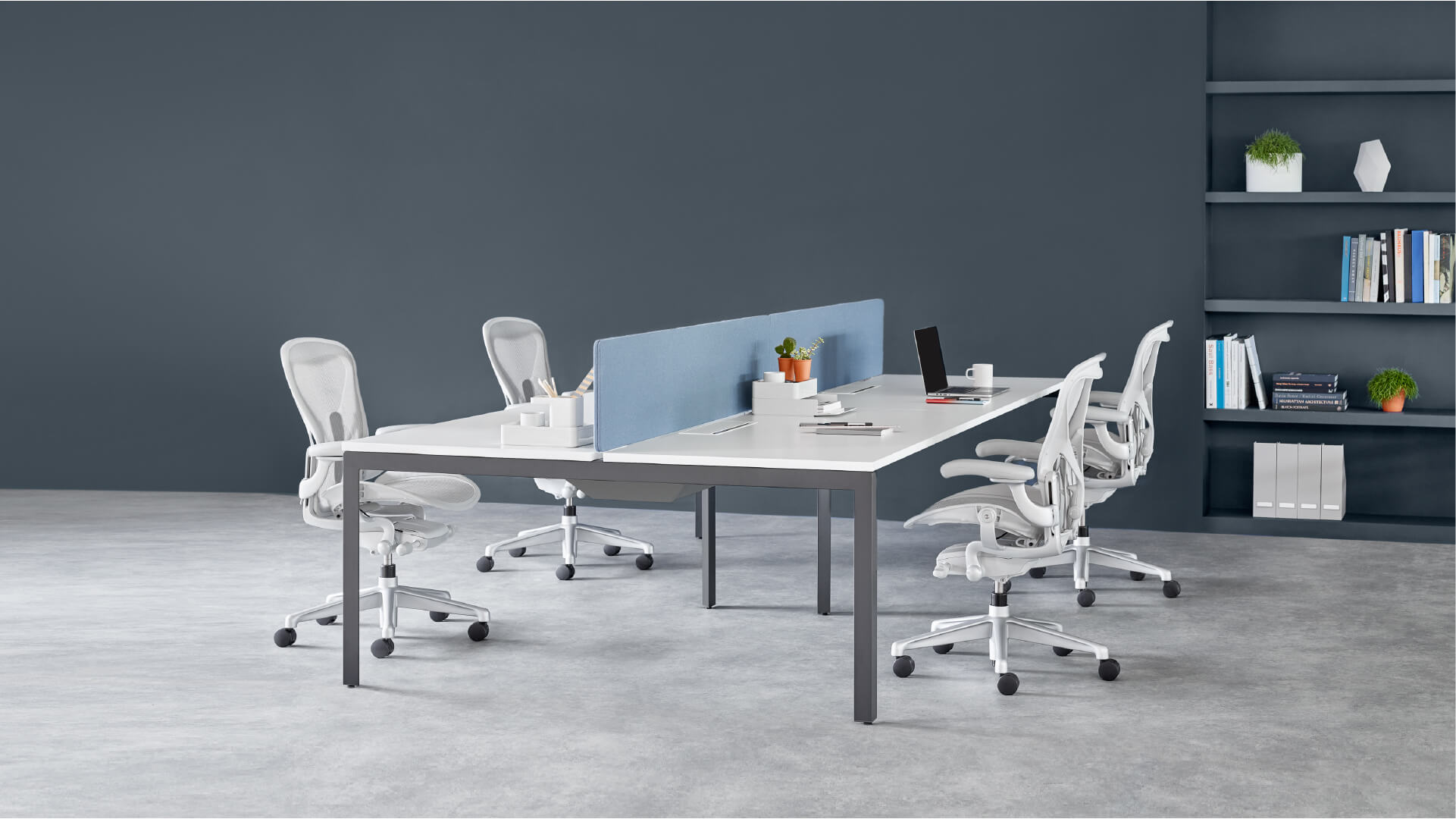
The category is not just under-recognised by the public, it is losing ground among furniture designers themselves, even as remote and hybrid work have made the question of how and where we sit more discussed than ever. It is a chair that is treated in a drastically different way compared to its peers: always talked about in terms of function, never conceptually or culturally, and often photographed as a technical object in a studio space, instead of in a situated living environment the way other furniture categories are now styled.
The office chair as a design object
The paper’s argument is not simply that office seating has been overlooked, but also that right now is the most favourable time for this to change. Hybrid work has eroded the line between home and office, opening up a new category of private clients that didn’t exist in the field before. With it, the expectation that the workplace should be austere and the home should look personal has eroded, and employees now bring the same demands for comfort and expression to both. Interiors in general have become a more visible medium of identity and self-expression, through social media trends and a new economic accessibility found in “fast furniture,” fast fashion’s youngest cousin.
This was the base of the brief handed to the nine creatives. The instruction was not based on the usual ergonomics and manufacturability, but on making the office chair legible as a design object at all, something with the same cultural, conceptual, and stylistic appeal as its siblings. CAN Architects worked in spatial terms, Ana Kras brought a material sensibility to the project, and Shawn Adams approached it through an architectural lens, opening up many ideas of what an office chair could be like.
The stakes beyond the exhibition
It’s easy to read this as an industry questioning its own made-up categories, as something that only concerns those who work in this field; however, the issue is more real than what it can look like. Nearly 1 in 3 employees reports dissatisfaction with their office chair, a figure that can easily be associated with poorer moods and therefore poorer productivity. On the other end of the product’s life, office chairs are highly discarded compared to other typologies, a number that could be linked to a simple lack of emotional attachment to the category: if people don’t feel connected to an object they are less likely to repair, resell, or keep it.
In their regular business operations, Savo is actively fighting against office chairs becoming a source of pollution, aiming to have full material transparency, circularity as a default standard, and climate-neutral production within the next few years. The final logic of the research and the exhibition is simple: an object people see as disposable equipment gets treated as disposable equipment, while an object that people see as a piece of design has a better chance of living a longer life.