We Design Beirut 2027: the programme of the 3rd edition
Next May, the event will bring Beirut to life with exhibitions, talks and guided tours, inviting visitors to discover the city’s architectural and cultural heritage and its enduring connection with the Mediterranean.
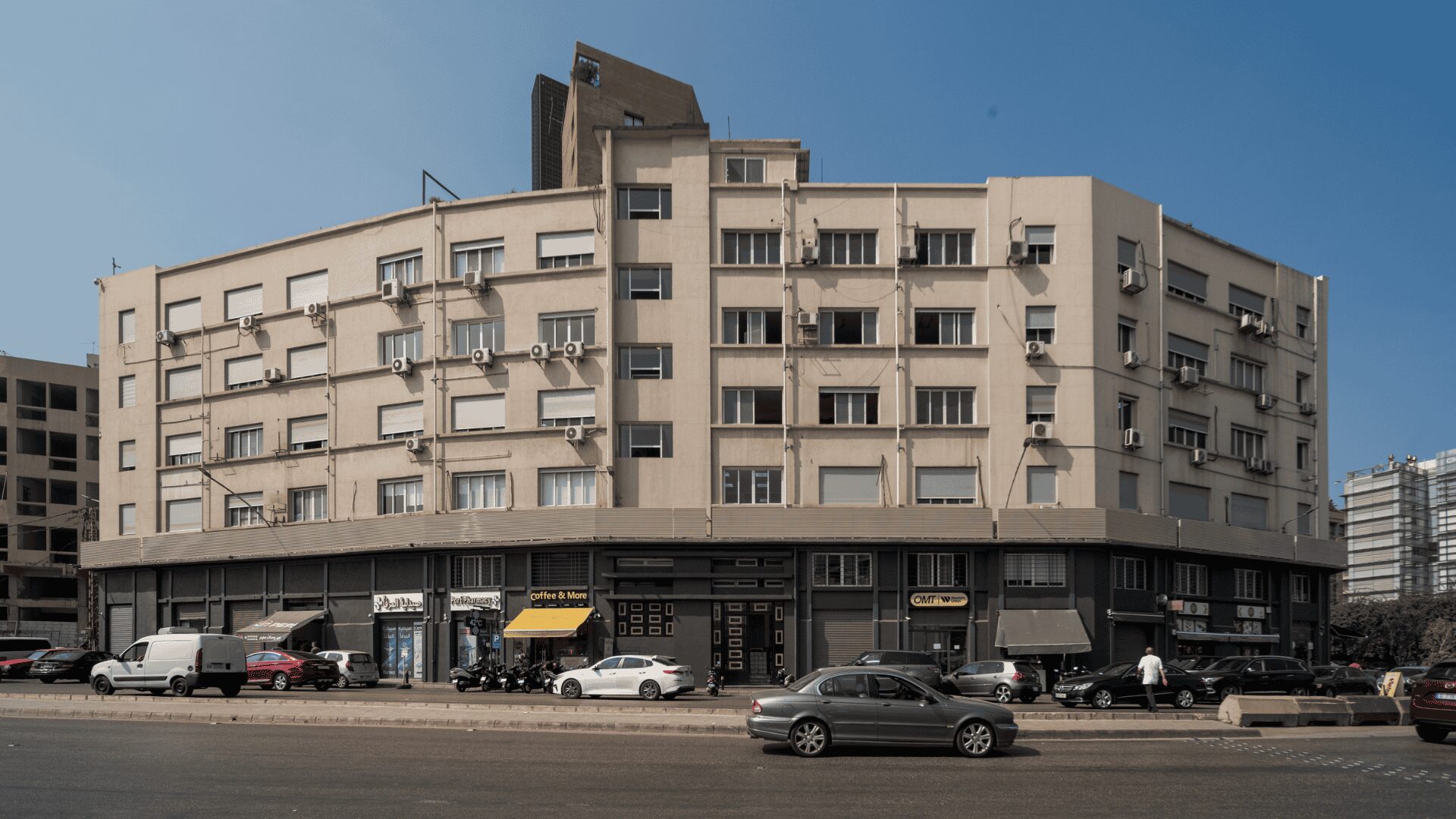
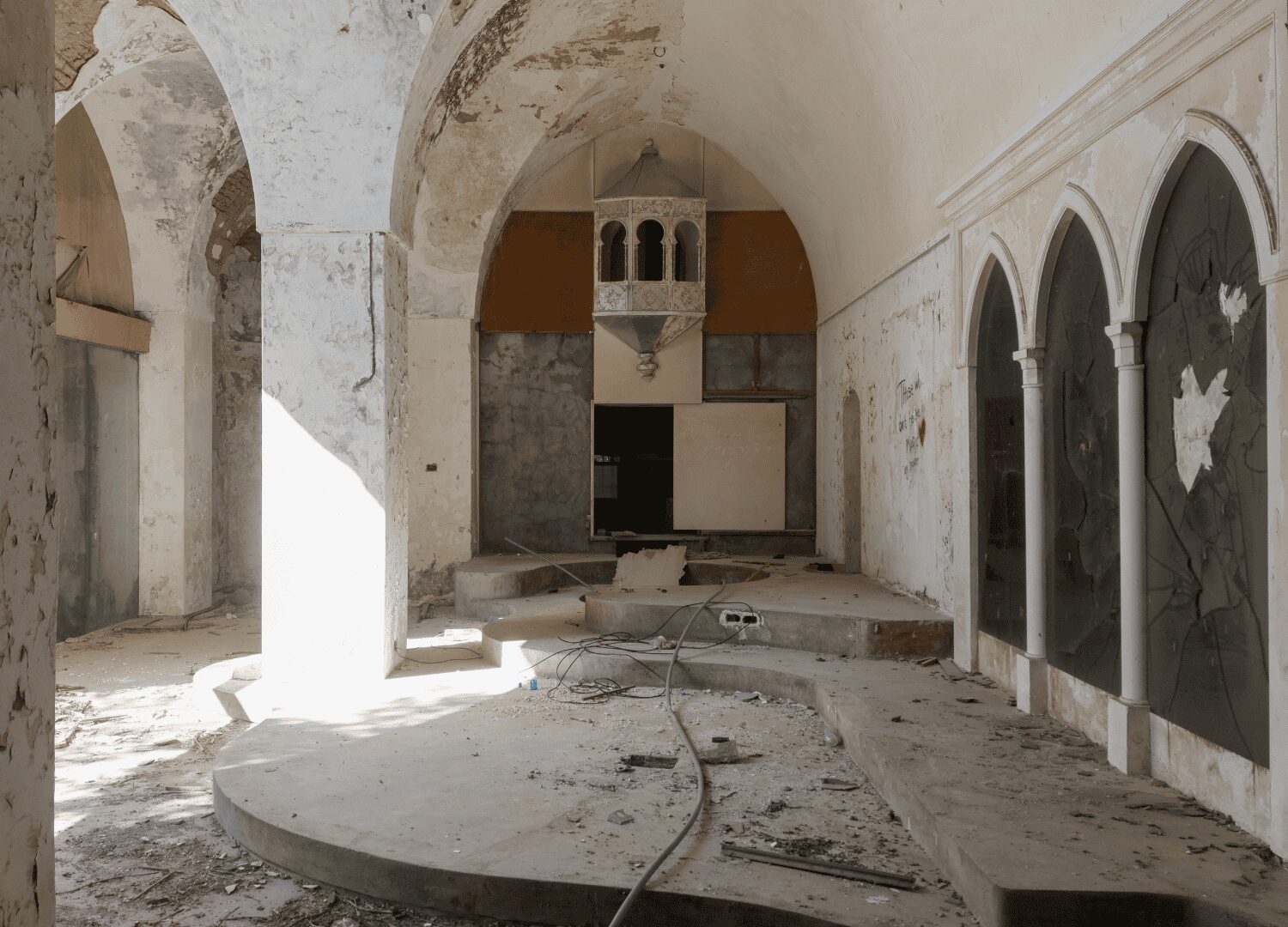
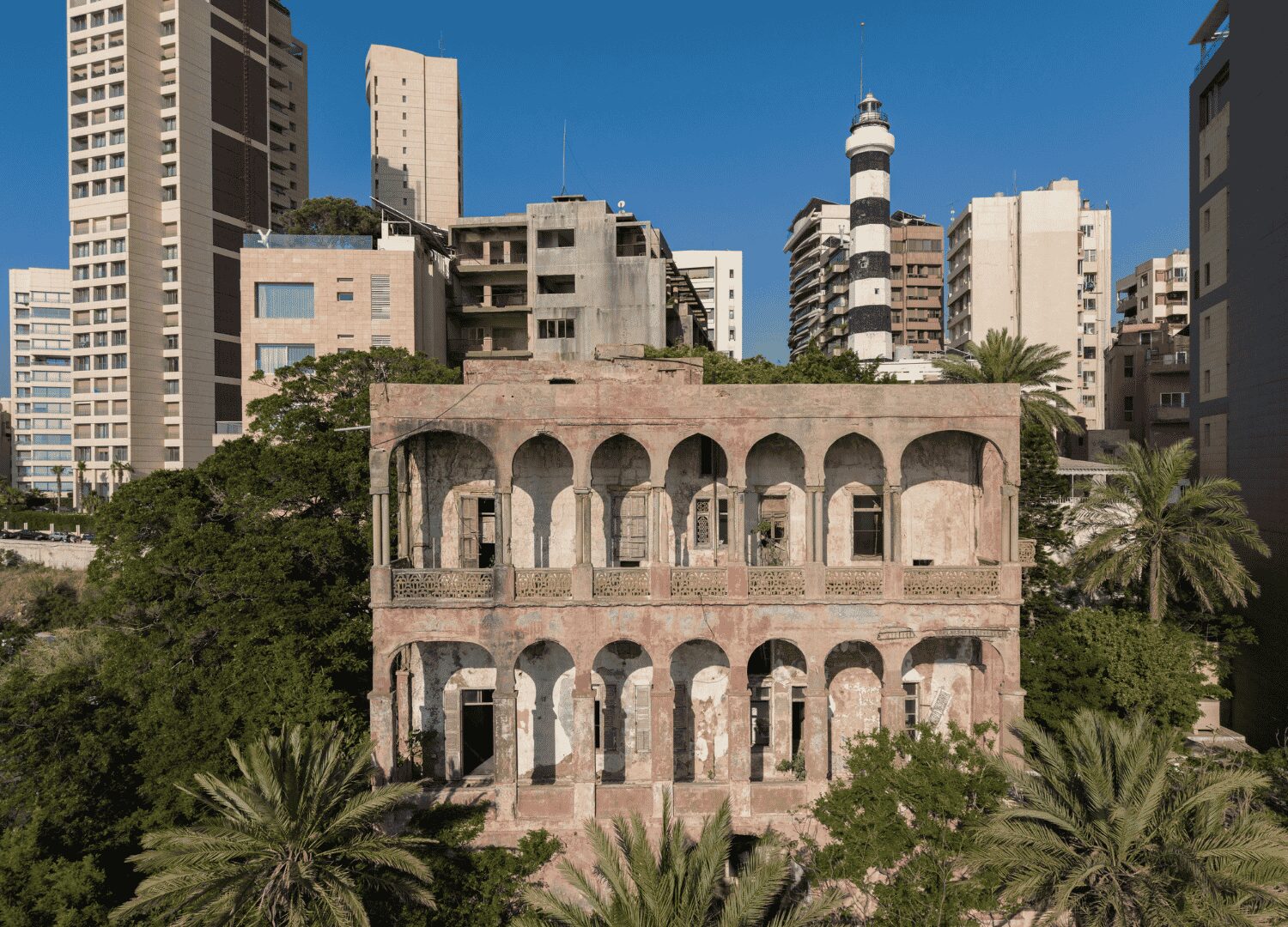
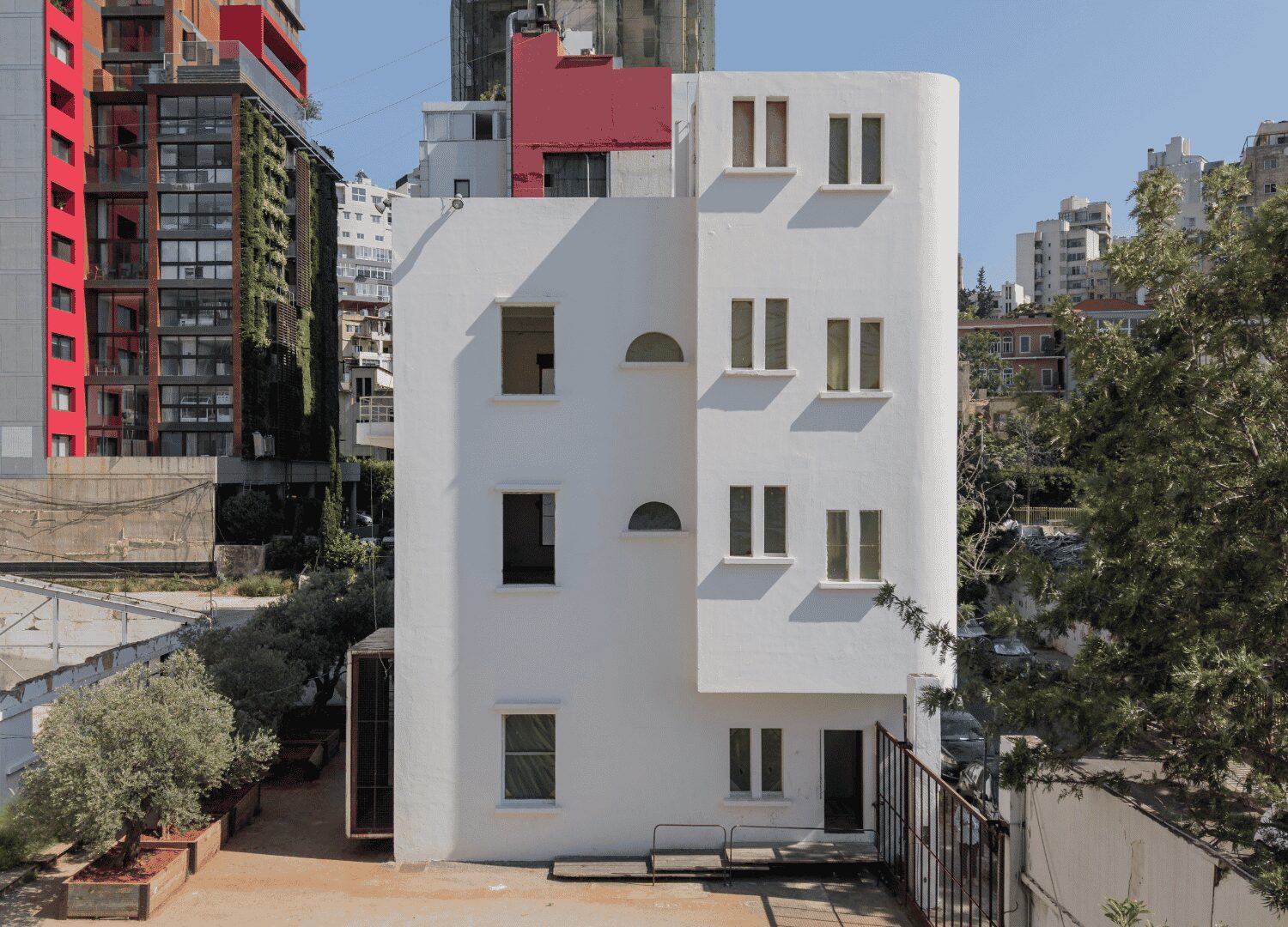
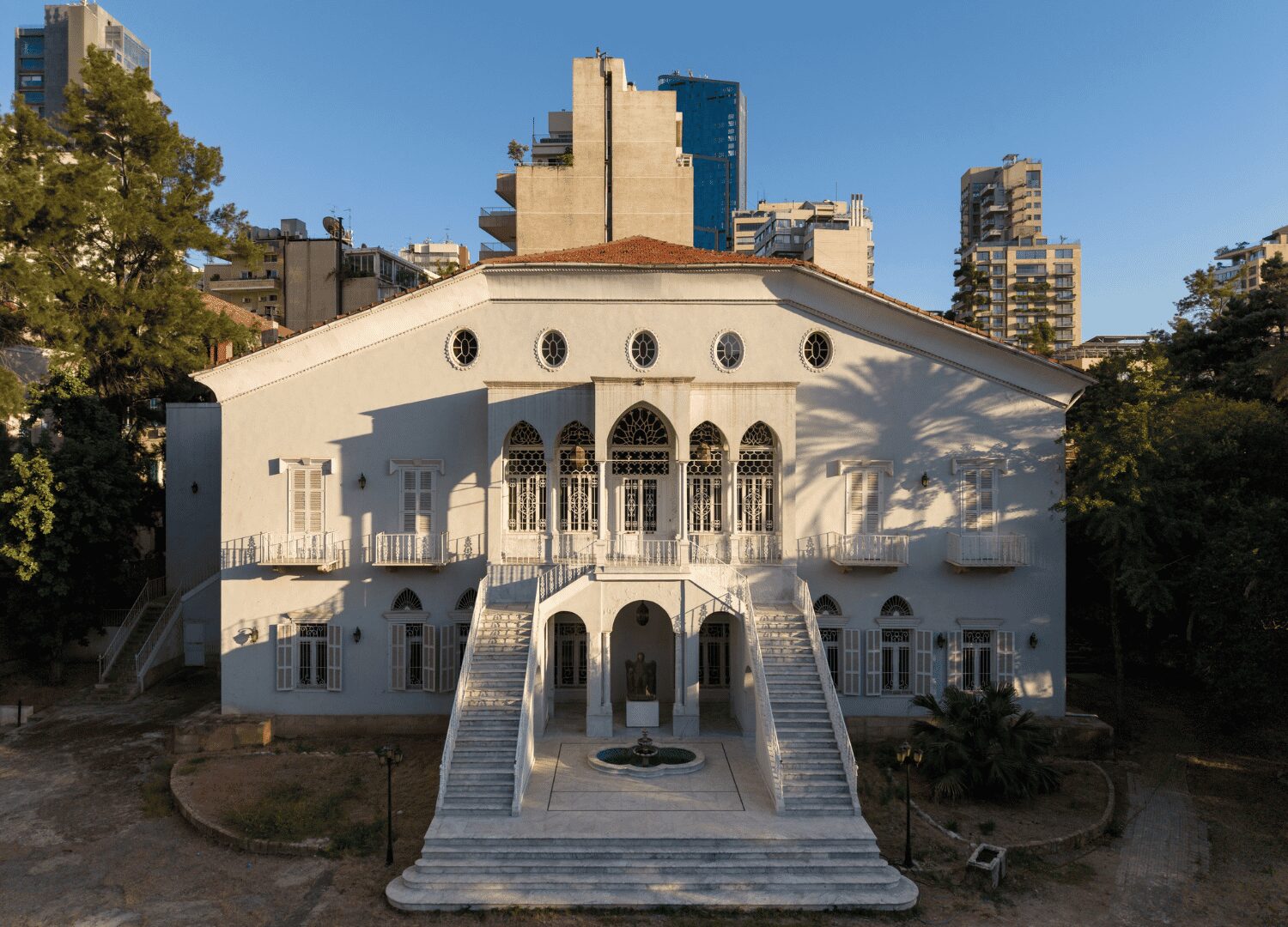
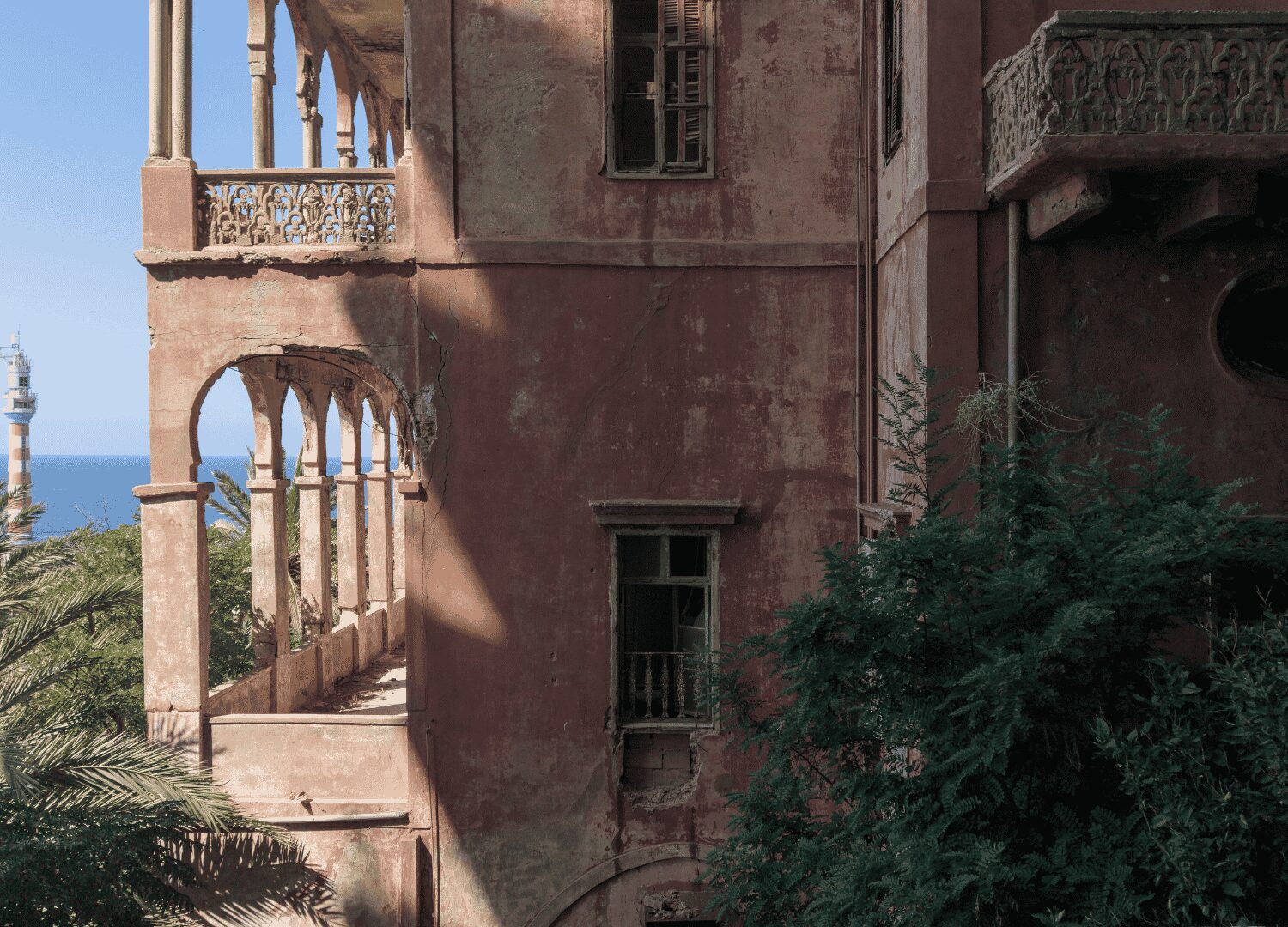
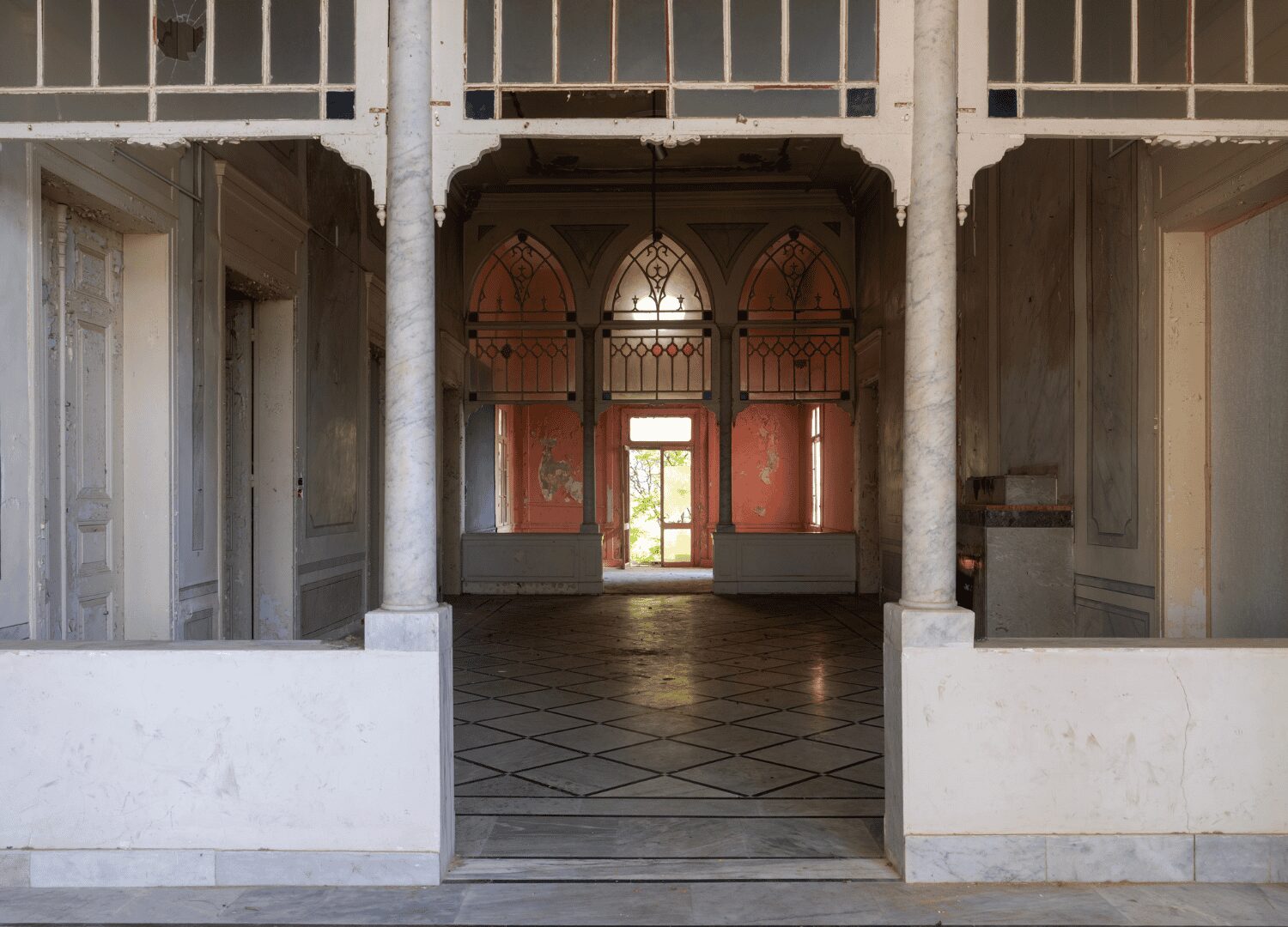
From 26 to 30 May 2027, one of the Mediterranean’s most important and dynamic design events, We Design Beirut, returns, moving its dates from October to late spring, as in 2024. As in previous editions, this year’s programme will offer visitors the opportunity to discover some of Beirut’s most significant sites and newly reactivated spaces – in particular, two historic private residences in the city, Maison Tabet and Maison Rose, will open to the public for the first time.
The theme guiding the five days of events – eight exhibitions, five panels and three excursions – will be Love On The Mediterranean, as explained by Mariana Wehbe, Founder and Creative Director of We Design Beirut: “With this edition, we wanted to explore this shared cultural landscape while also opening spaces that have quietly shaped Beirut’s history. We Design Beirut continues to be a platform that connects contemporary creativity with the city’s architectural and cultural heritage, making both accessible to everyone.”
Gallery
Open full width
Open full width
We Design Beirut 2027:
Exhibitions in the historic residences of Maison Tabet and Maison Rose
Starting with one of the private residences that will be opened to the public for We Design Beirut 2027, Maison Tabet, supported by Luura, will host two different exhibitions with the support of Luura: The Shape Of Wonder, curated by Nathalie Khoury, and Beneath The Water by Johanne Issa. The first draws inspiration from its setting, a quiet house whose beauty conceals traces of time. Here, the past is reinterpreted through a collection of design projects that engages with imagination, poetry and discovery, inviting visitors into a dreamlike world.
The second exhibition presents a series of 20 portraits printed on cotton paper which, as the title suggests, depict people in the act of diving into water and breathing. The research explores this moment and the way it can be crystallised in an image. More broadly, Johanne’s work investigates how inner thoughts are transformed into images and how these, in turn, can generate new thoughts.
Located near the sea and the old Manara lighthouse and one of the neighbourhood’s landmarks, Maison Rose will host the exhibition Licensed To Forget, curated by Teymour Khoury, Yasmina Mahmoud and Karl Abi Karam. Here, architecture students from ten universities in Lebanon and abroad – BAU, LU, LAU, ALBA, USJ, USEK, AUB, Phoenicia, The Architectural Association (UK), American University
of Sharjah and University of Miami – will explore the legacy of architect Bechara Effendi and Beirut’s architectural heritage, which is more at risk than ever.
PSLab and the Mediterranean tradition of Mouneh
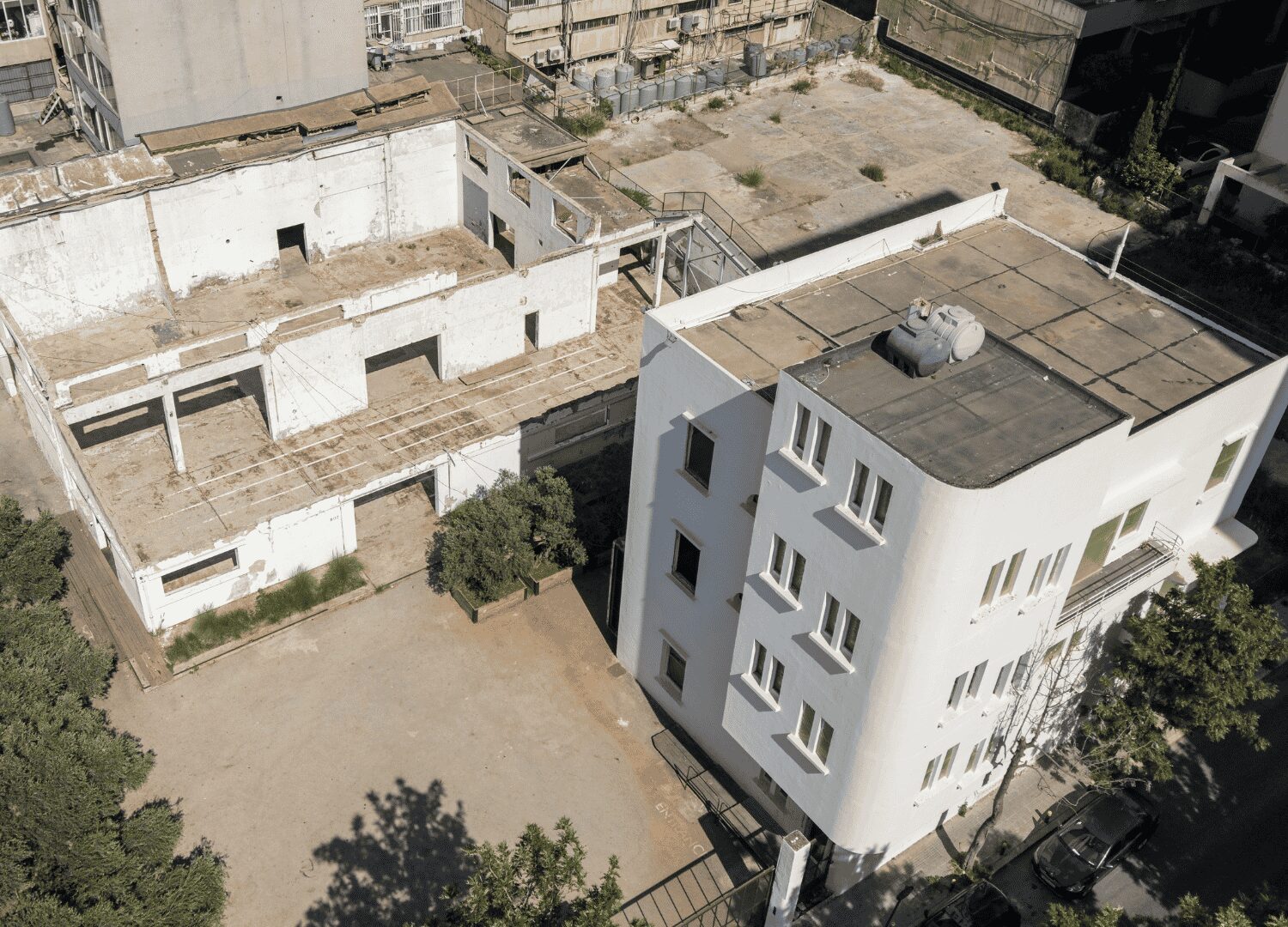
Founded in 2004, PSLab is an internationally renowned lighting design house based in Beirut, whose headquarters suffered extensive damage during the port explosion in August 2020. The restored building, a testament to the city’s memory, will host three exhibitions investigating Mouneh, the traditional Lebanese practice of food preservation.
Curated by Petra Abou Sleiman, What Remains Of Summer explores this tradition through immersive installations created through collaboration between chefs and Mouneh producers, celebrating preservation, memory and community through taste, smell, sound and visual storytelling.
The same theme will be addressed through the work of emerging designers participating in The Harvest: in this case, curators Claudia Skaff, Galal Mahmoud and Karim Chaya invite young creatives to reinterpret this technique through a contemporary lens. Drawing inspiration from the rituals, tools, materials and gestures associated with food preservation in Lebanon and the Mediterranean, the designers present functional objects, containers, systems and artefacts.
Accompanying these projects is the photographic exhibition Fieldwork by Dia Mrad, documenting the people, traditions and craftsmanship at the heart of Lebanon’s Mouneh culture. Through a journey across the regions of Lebanon, the photographer will portray the protagonists of this traditional practice: artisans, farmers and communities whose knowledge and practices continue to preserve this culinary heritage.
The Mediterranean, between memory and new perspectives
La Mer is an installation curated by Alfred Tarazi that analyzes Lebanon’s relationship with the sea through the lens of the press. The project brings together newspapers, magazines, advertisements and photographs resulting from more than twenty years of archival research to create an immersive environment composed of sculptural installations, projected images and plays of light.
At Boulos Fayad Building, EXPORTABLE(S) will be the design exhibition curated by Joy Mardini and William Wehbe, co-founders of Babylon – The Agency. Here, a selected group of local and international designers has been invited to create works within specific constraints (volume, weight, value and mobility) turning the very conditions of export into a creative framework. At the heart of the exhibition is the question: “What does it mean for an object to be ready to leave?”
We Design Beirut 2027 tours, from the city to the coast
Among the three excursions for 2027, is a visit to the Anachar Basbous Museum, located in the sculptors’ village of Rachana, north of the capital. With a collection of monumental sculptures and immersive installations – an artistic legacy spanning several generations of the Basbous family – the museum brings art, architecture and nature into dialogue, in one of Lebanon’s most distinctive cultural destinations.
Following its success in 2025, the tour dedicated to modern architecture returns, with five buses offering guided visits through one of the neighbourhoods richest in buildings and monuments, although often overlooked, created during the period of Lebanese modernism.
With these excursions, the programme takes We Design Beirut beyond exhibition spaces, exploring architecture and cultural heritage while offering an even more comprehensive view of the city’s history and its relationship with the Mediterranean.