VELTO: the coat rack that disappears when not needed
Brent De Meulenaere challenges the conventional design of everyday objects with VELTO, one of the winning projects from the 4th Call of Ideas for Business. This coat rack fades into the background, highlighting the power of restraint and functionality over visibility.
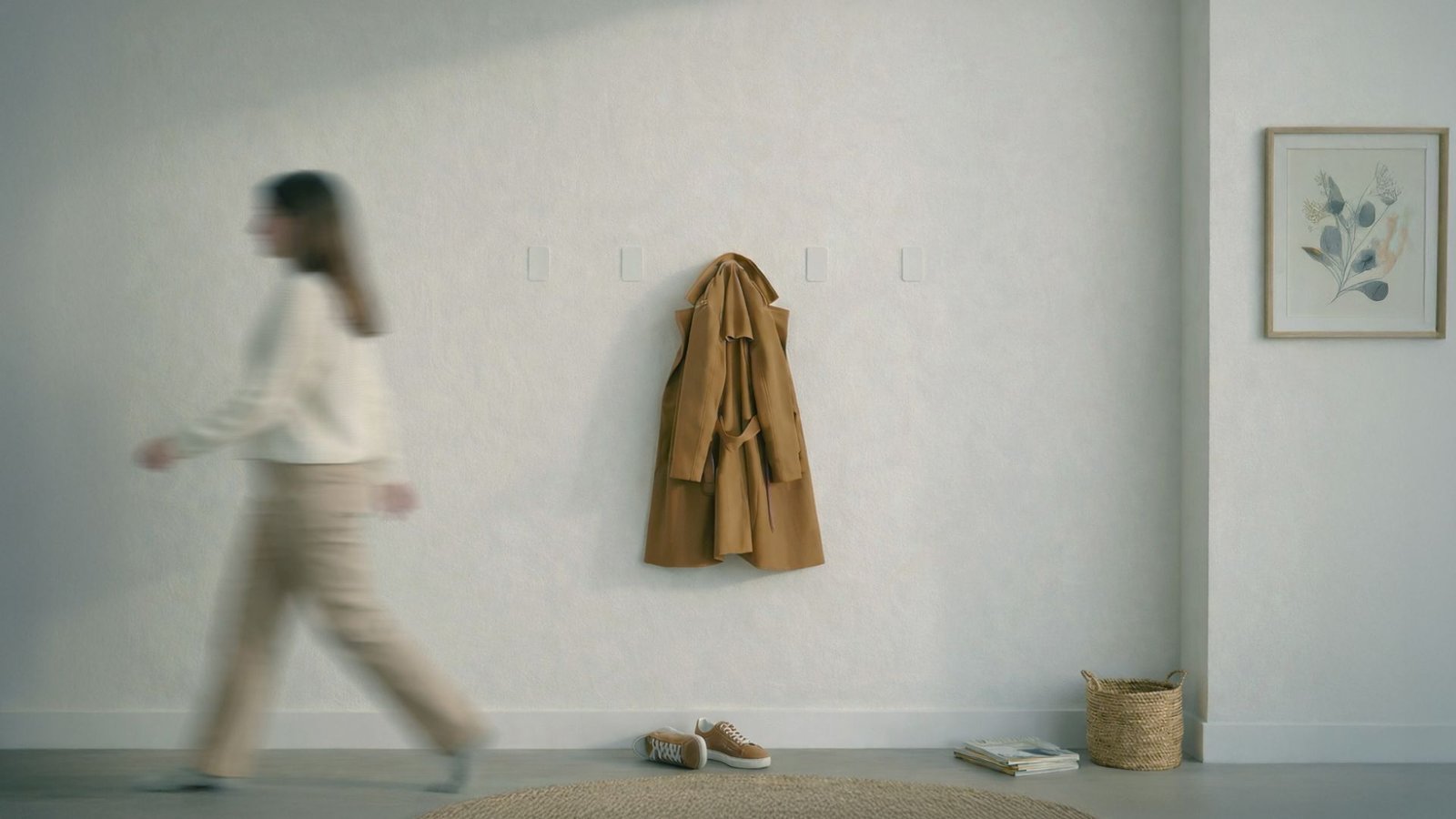
A typical coat rack is designed to stand out, occupying a prominent place in the room. It holds our coats, bags, and scarves, visible for all to see. With VELTO, designer Brent De Meulenaere challenges this familiar typology, questioning whether an everyday object truly needs to be seen to be valuable. Rather than demanding attention, the project embraces the very essence of absence, disappearing when not in use.
The question it raises is simple yet profound: can design still matter when it fades into the background? By exploring restraint and subtlety, De Meulenaere shows how quietness itself can become a powerful design statement. By nature, coat racks are meant to be covered, with clothing hiding them from view. Yet many designs continue to demand attention, occupying space and drawing focus even when unused. VELTO turns this contradiction into its core concept, asking a new question: what if a coat rack only existed when it was actually in use?
Gallery
Open full width
Open full width
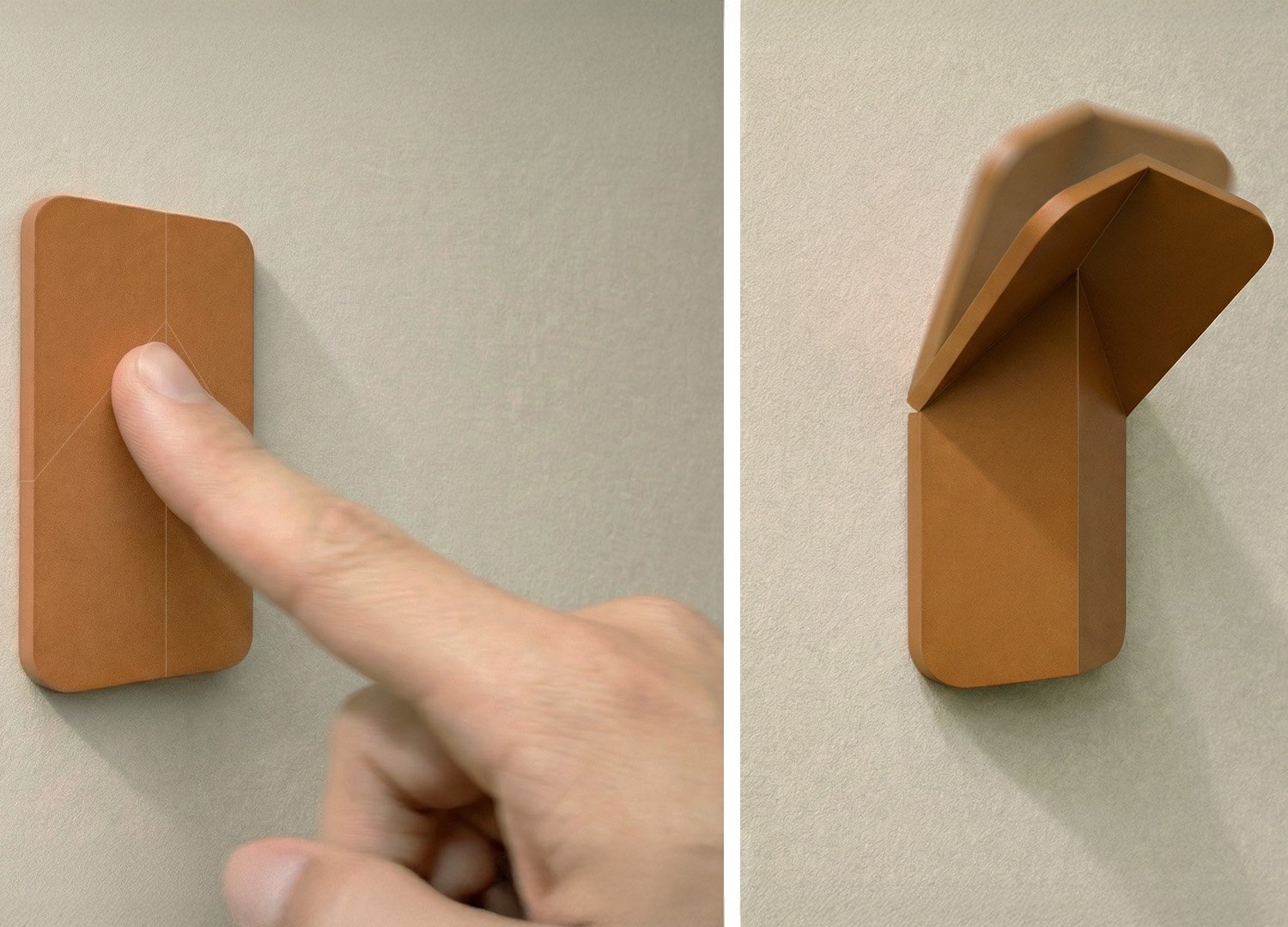
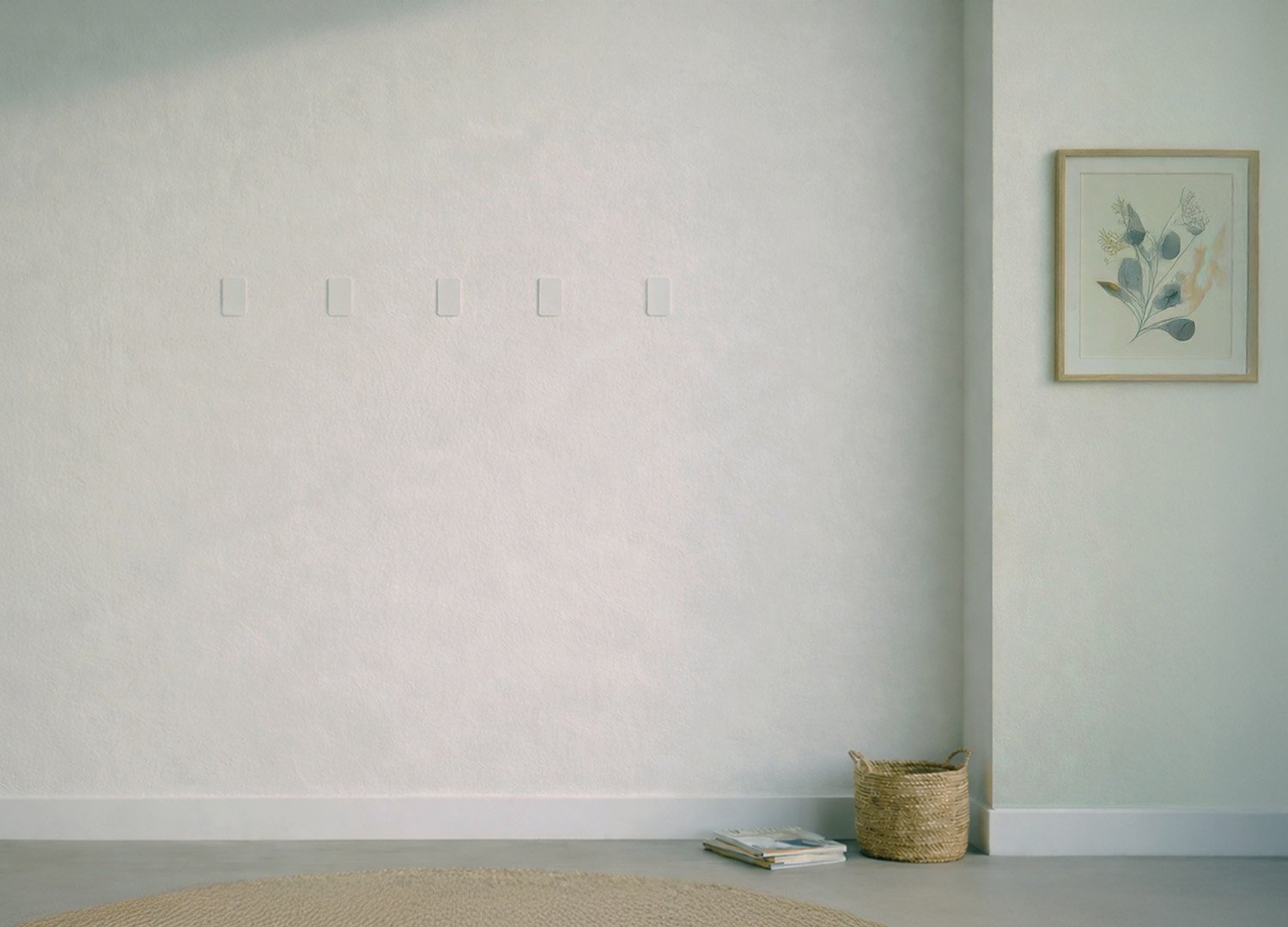
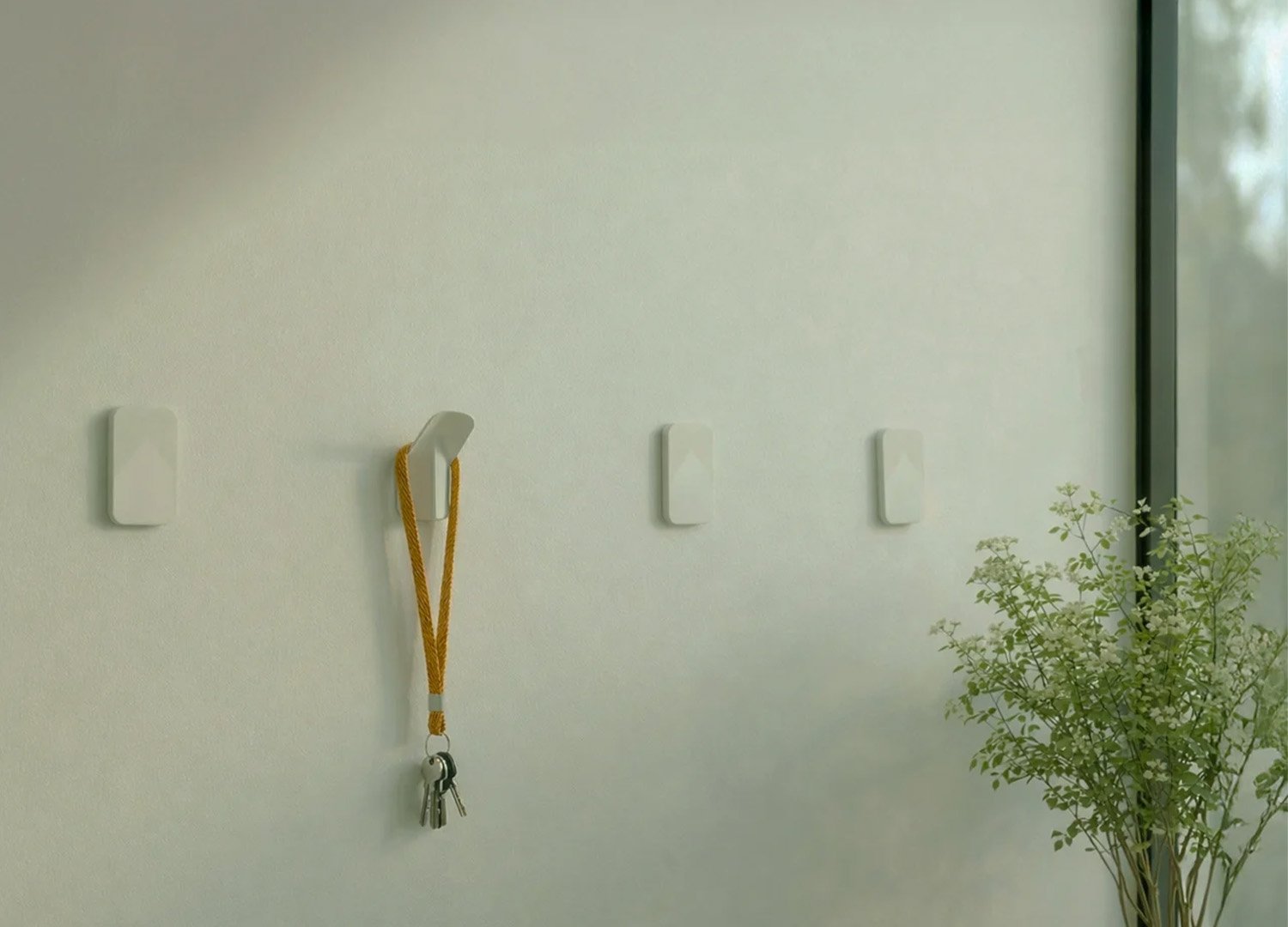
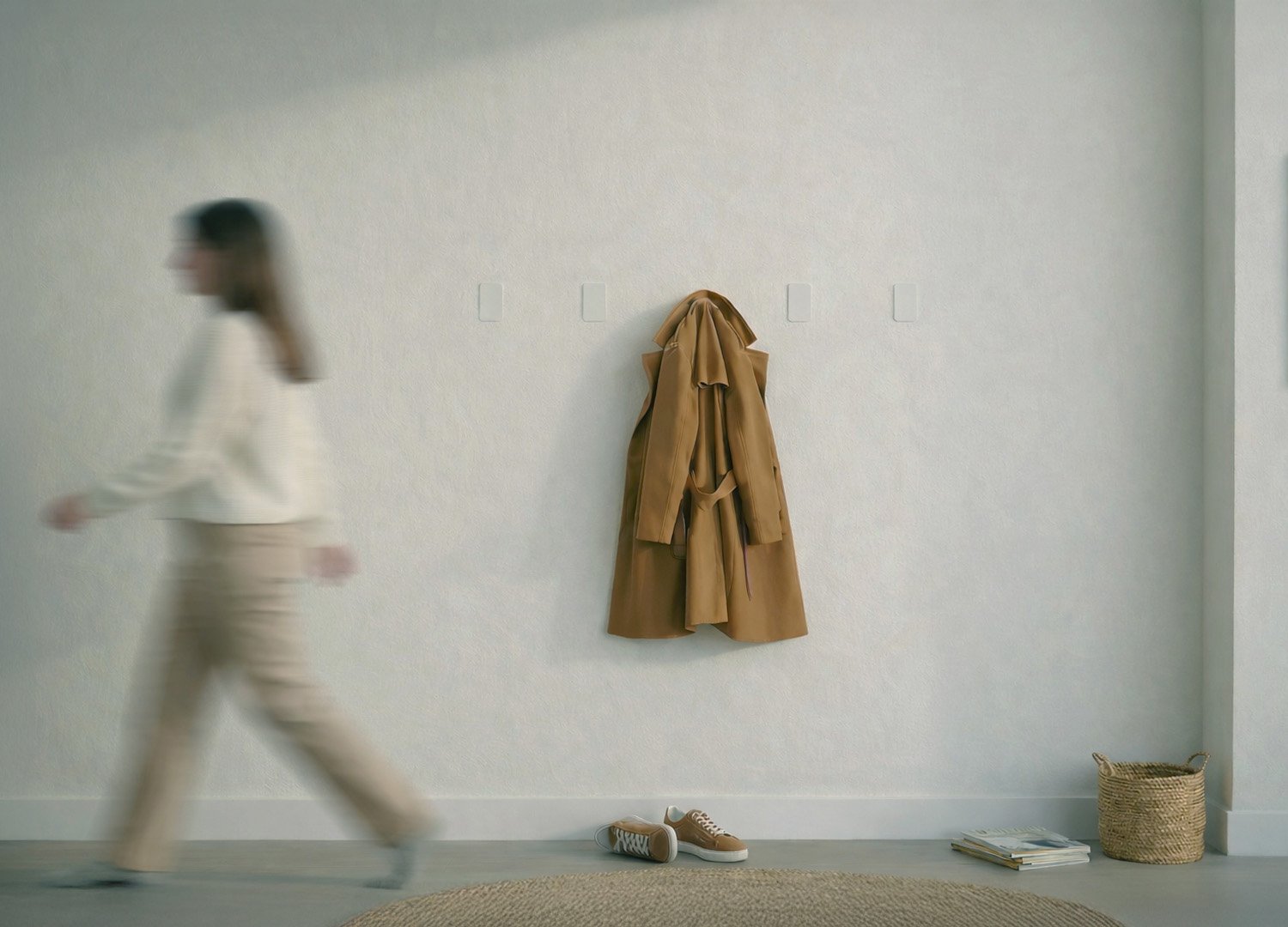
Velto, one of the winning projects from the 4th Call of Ideas for Business, when closed, sits flush against the wall, blending almost seamlessly with its surroundings, quietly waiting for its moment to serve its purpose. This approach challenges the conventional belief that objects must always assert their presence, instead embracing invisibility as a deliberate and thoughtful design choice. It is a radical yet simple idea, one that subtly reshapes the way we interact with everyday objects.
For designer Brent De Meulenaere, good design isn’t about adding unnecessary details or constantly striving for visibility. Instead, it’s about reducing objects to their purest form, eliminating the excess until only the essential remains. Its true strength lies in its ability to transform when needed, not in its visibility. It’s about function as much as it is about absence. This philosophy celebrates the quiet power of design, showing that sometimes the most impactful designs are the ones that blend into the environment, only revealing themselves when truly needed.
The inspiration behind this design comes from origami, where a flat surface is transformed into a three-dimensional object with a simple fold. Similarly, the coat rack unfolds from the wall with a gentle push, effortlessly transitioning into a functional hook.
This transformation is powered by a spring-loaded mechanism, ensuring that the process is both intuitive and smooth. It turns the unfolding action into a part of the user experience, allowing the user to appreciate the simplicity of the design in motion. The beauty of this mechanism lies in the fact that the most powerful design actions are often those that happen quietly and seamlessly, without any need for showmanship.
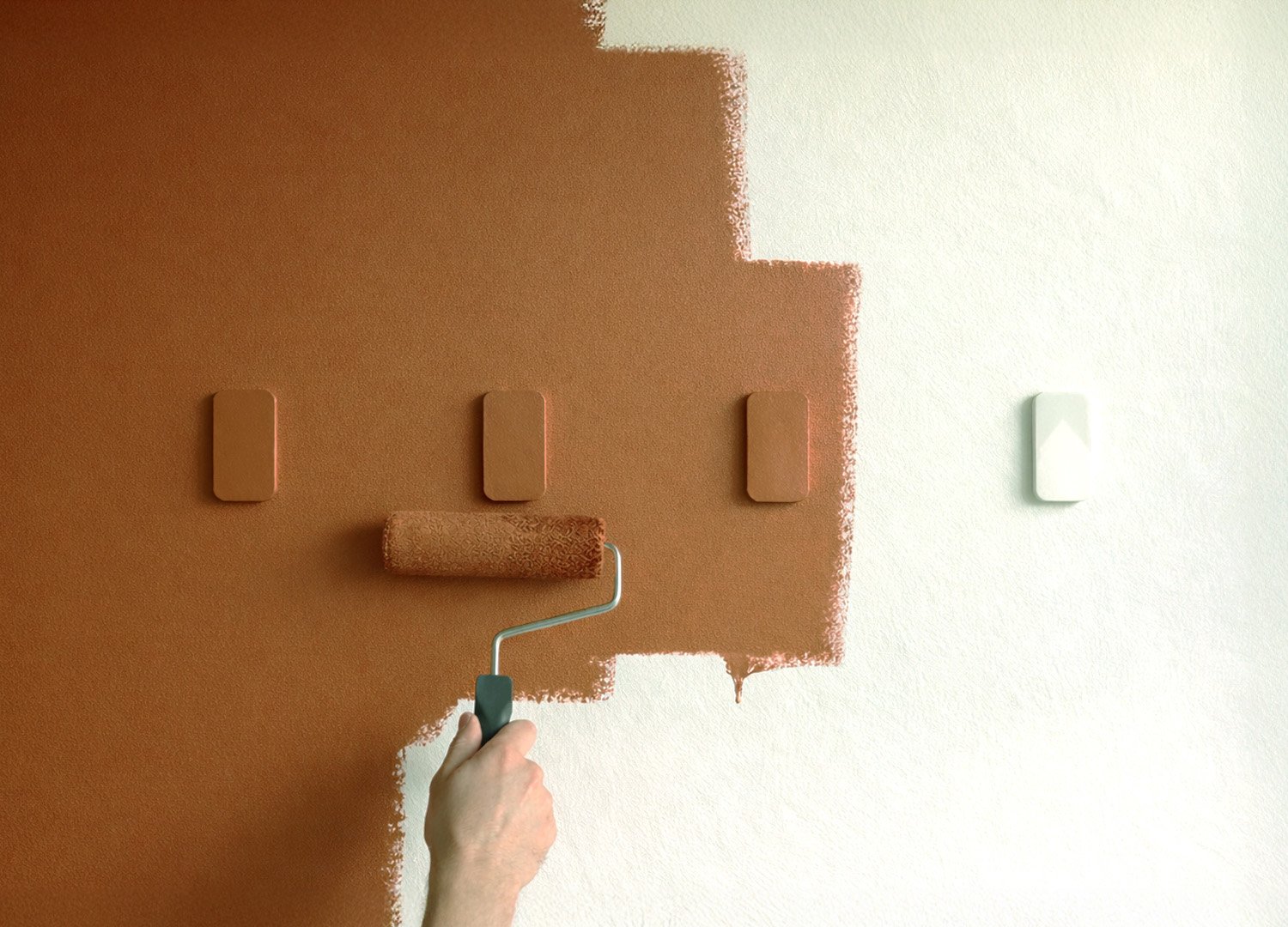
Another notable feature of the design is its use of Polypropylene (PP), a lightweight material cut from a single sheet. This flat-pack construction reduces production costs, and it allows for easy scalability, making the design suitable for mass production. The versatility of PP allows for a range of colors to be applied, giving the coat rack the ability to blend into any environment. This reinforces the design’s unobtrusiveness, allowing it to adapt to its surroundings without overpowering them, further emphasizing the idea of quiet integration into everyday spaces.
The creative process behind this design was hands-on and iterative. It began with freehand sketches that focused not on aesthetics but on the mechanics and movement of the object. These early sketches explored how the flat object could fold, rotate, and lock into place. Prototypes made from cardboard and 3D-printed parts helped test the stability, ease of use, and functionality of the design. After refining these elements, digital modeling and rendering were used to fine-tune the proportions and material behavior, bringing the concept closer to the final product.
This coat rack by Brent De Meulenaere redefines what functionality means. By embracing absence as a form of design, it shows that objects don’t always need to be visible to be valuable. Sometimes, the most powerful gesture is the ability to disappear entirely when not in use, leaving the space free from unnecessary clutter and disruption.