A decade in, Digital Design Days is still asking the questions that matter
Digital Design Days 2026 returns to Superstudio Village for its tenth anniversary edition, May 7–9, with three stages, 100+ international speakers, a live design competition, and AI at the centre of it all.
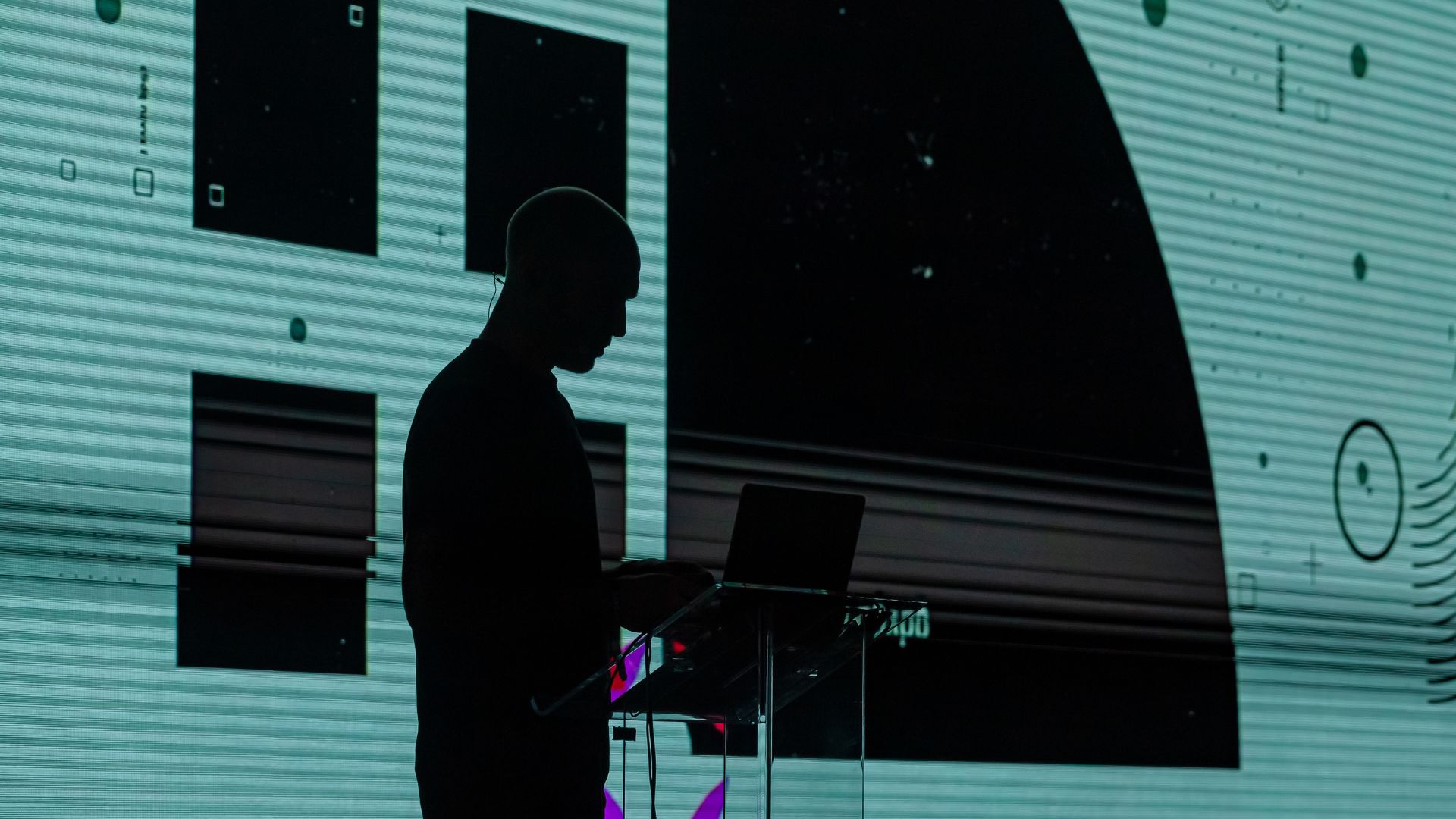
Ten years ago, Digital Design Days was born as an independent event with a clear conviction: that the global digital design community deserved a dedicated gathering of its own — one built around the intersection of creativity, technology, and the people actively shaping both.
What Filippo Spiezia, its founder, curator, and executive creative director, set in motion in 2016 has since grown into something that Google has called one of the three most authoritative and anticipated events worldwide in its field.
Gallery
Open full width
Open full width
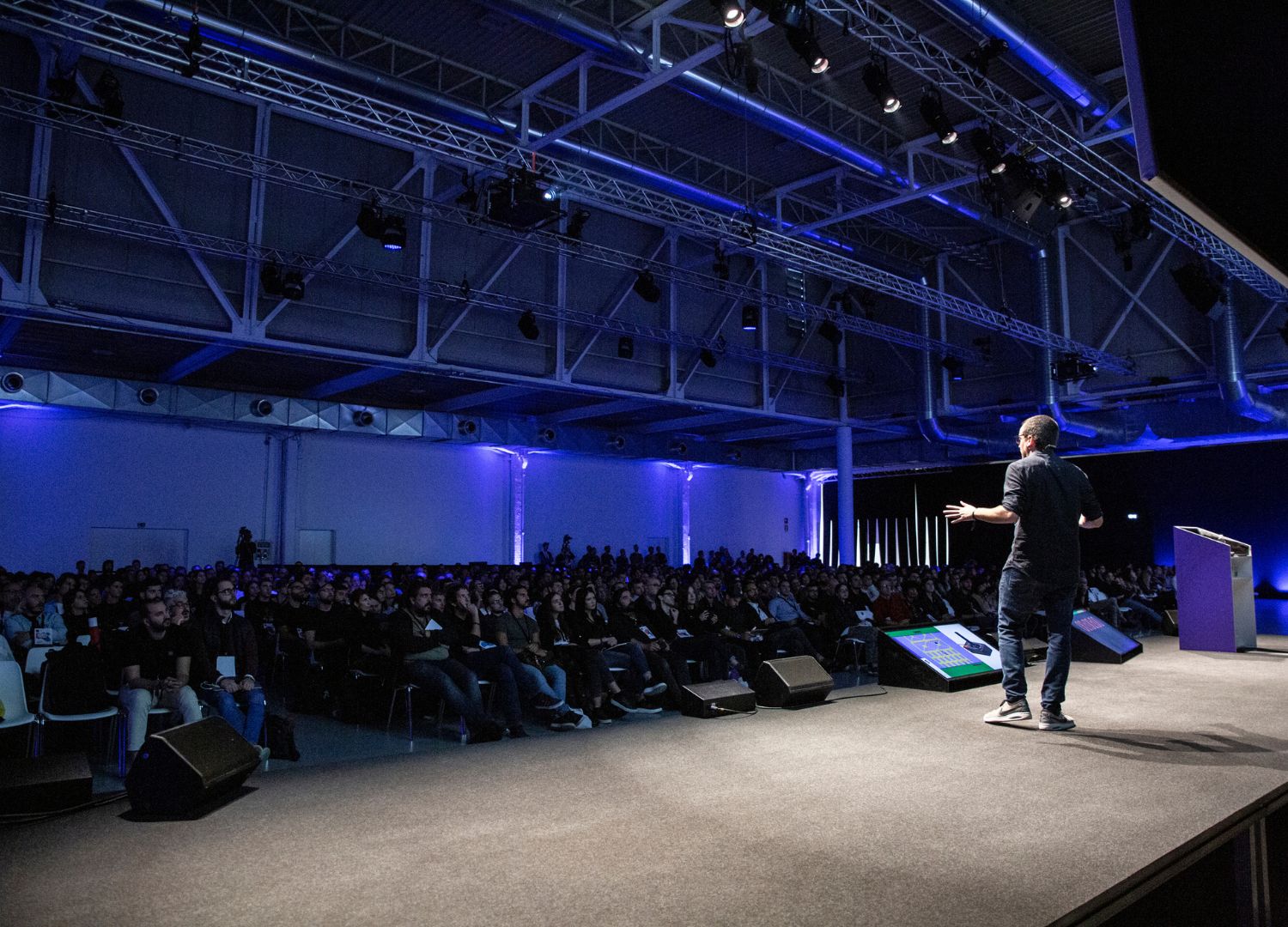
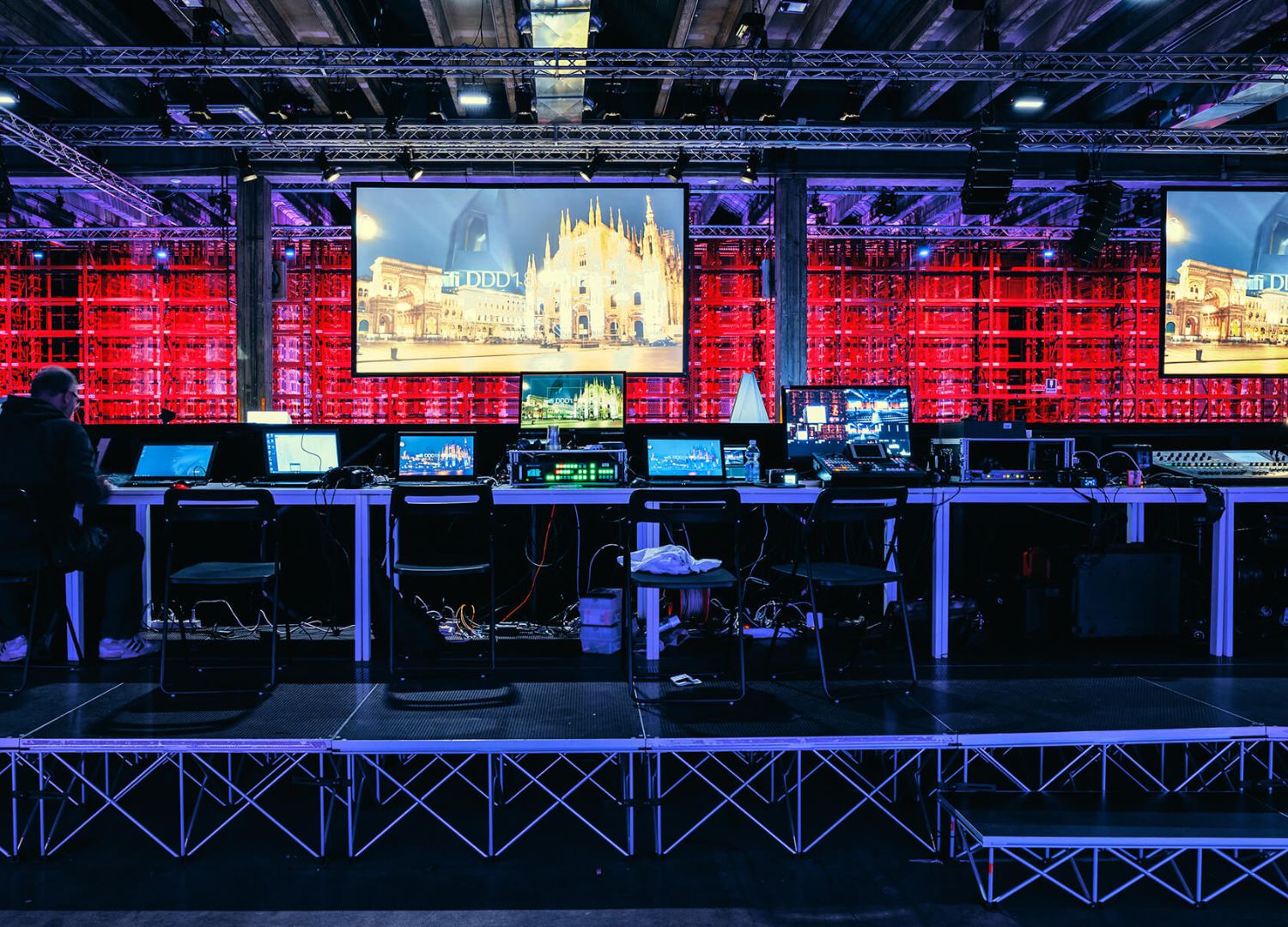
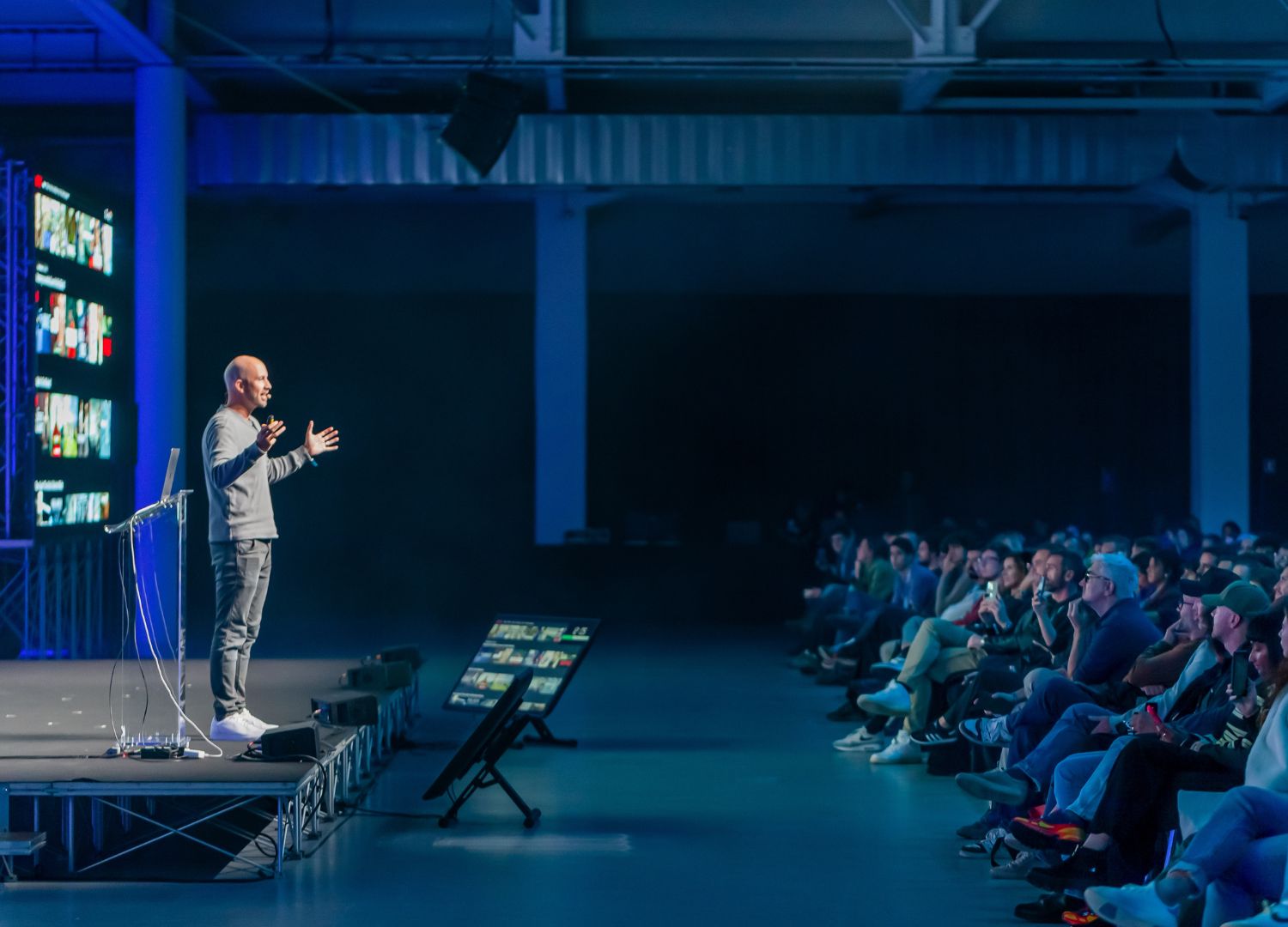
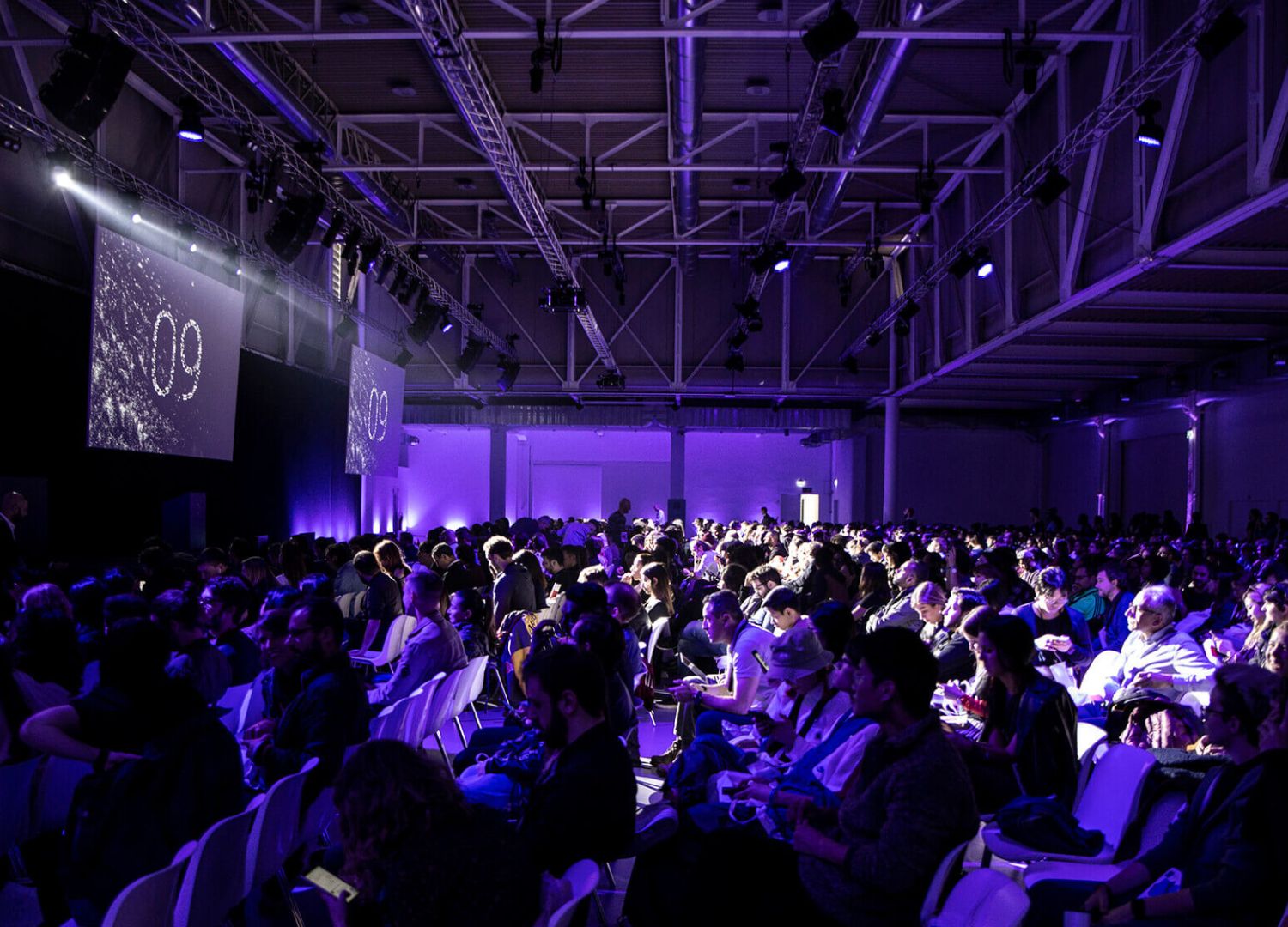
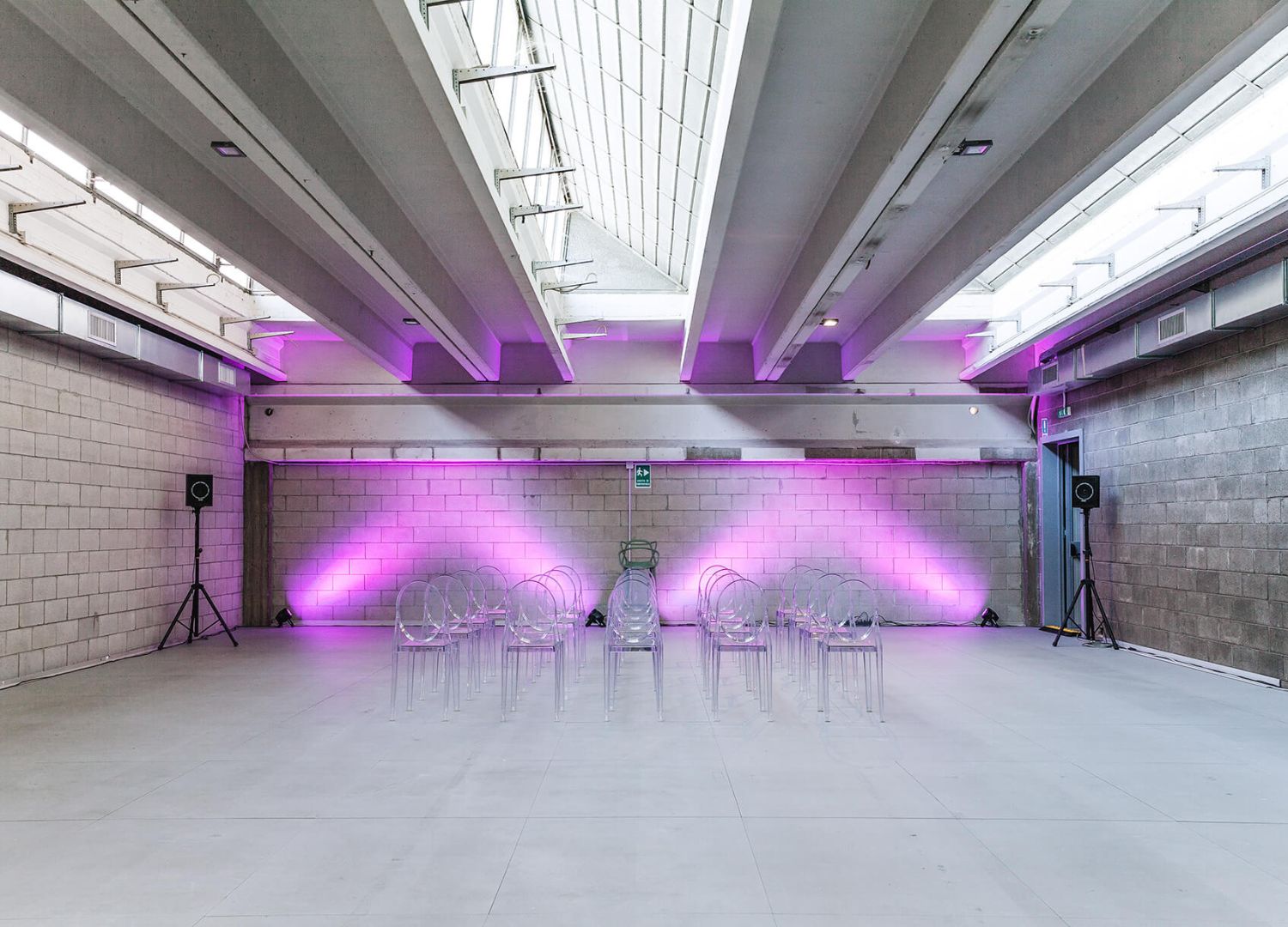
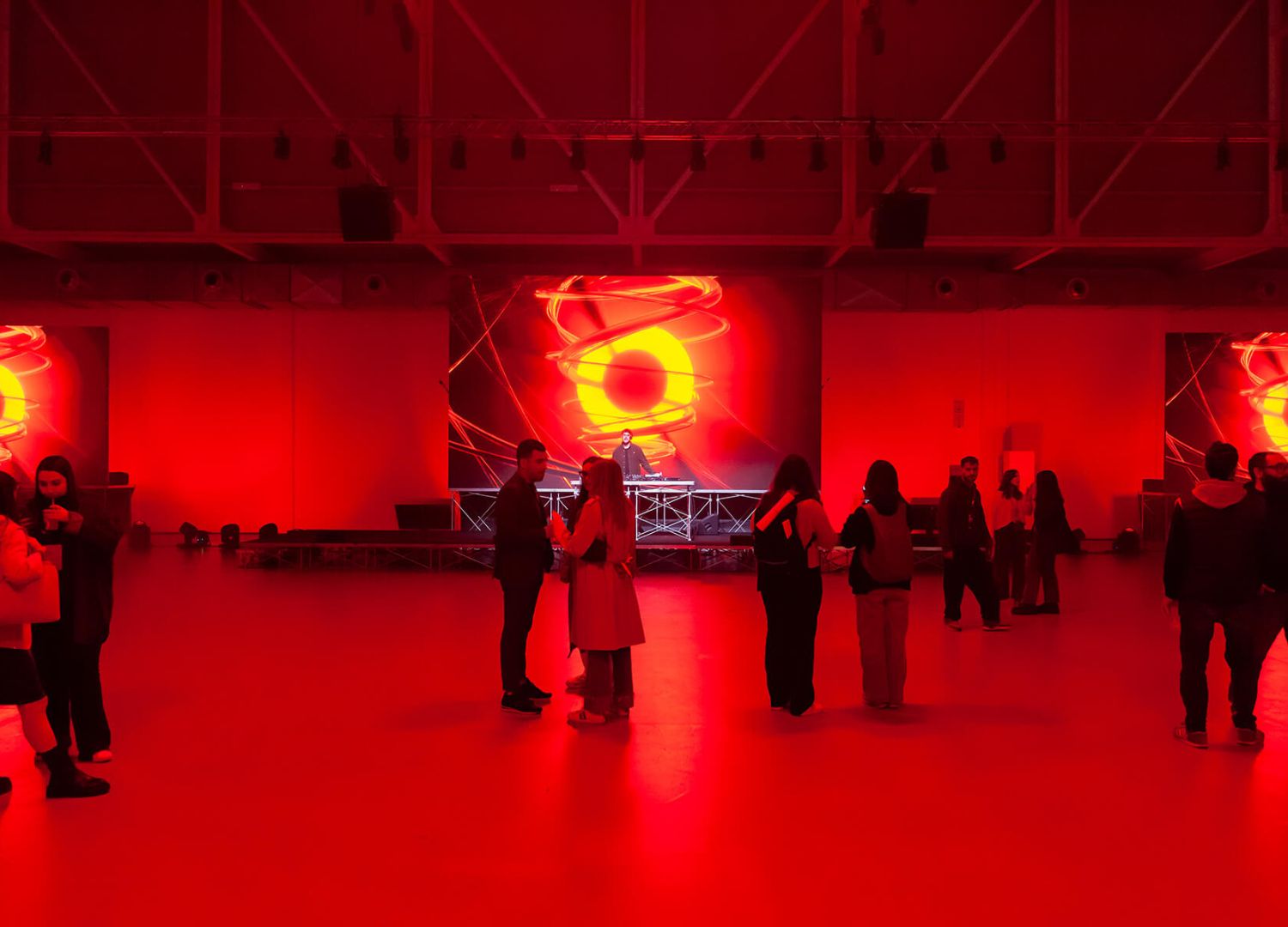
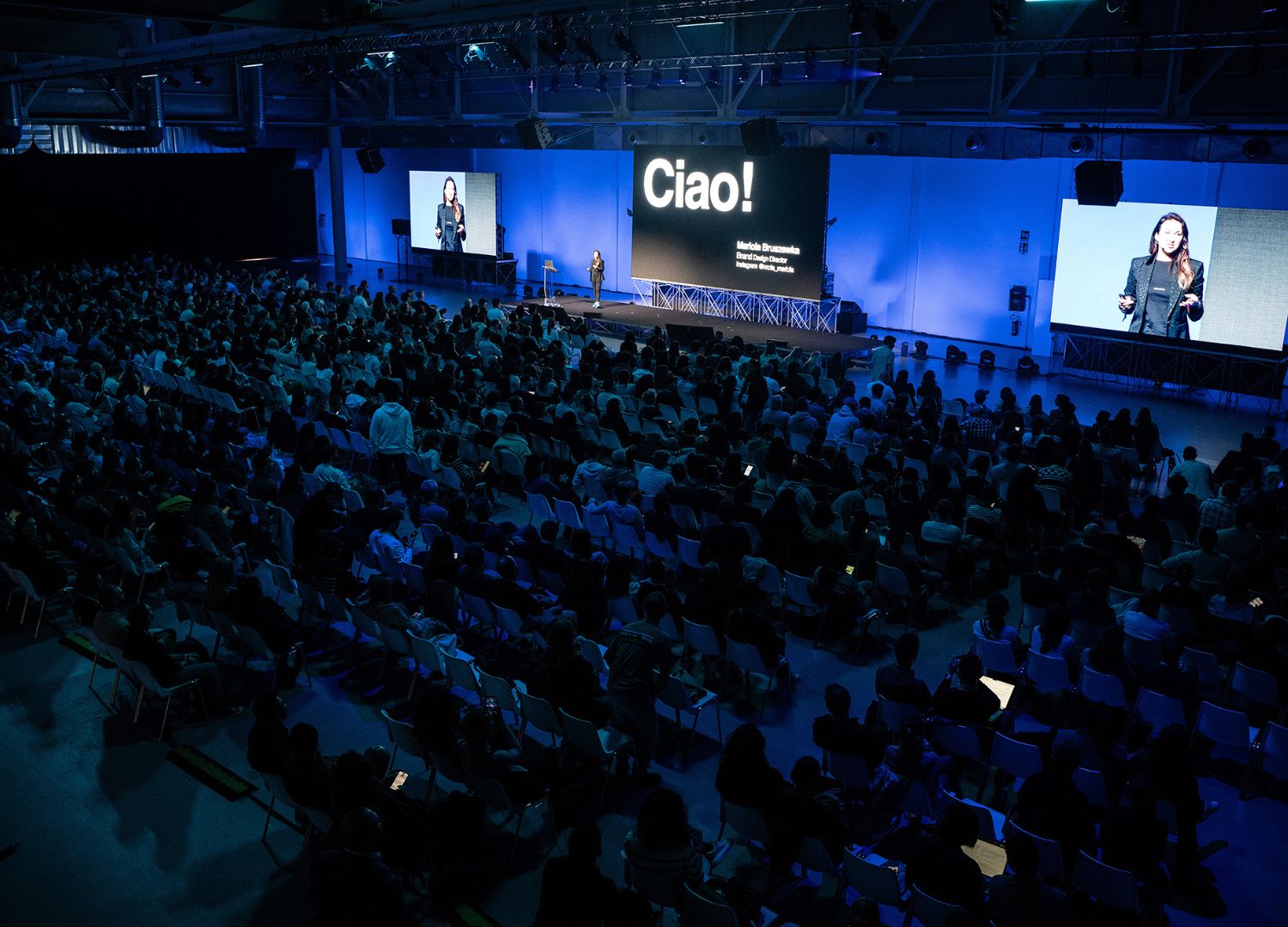
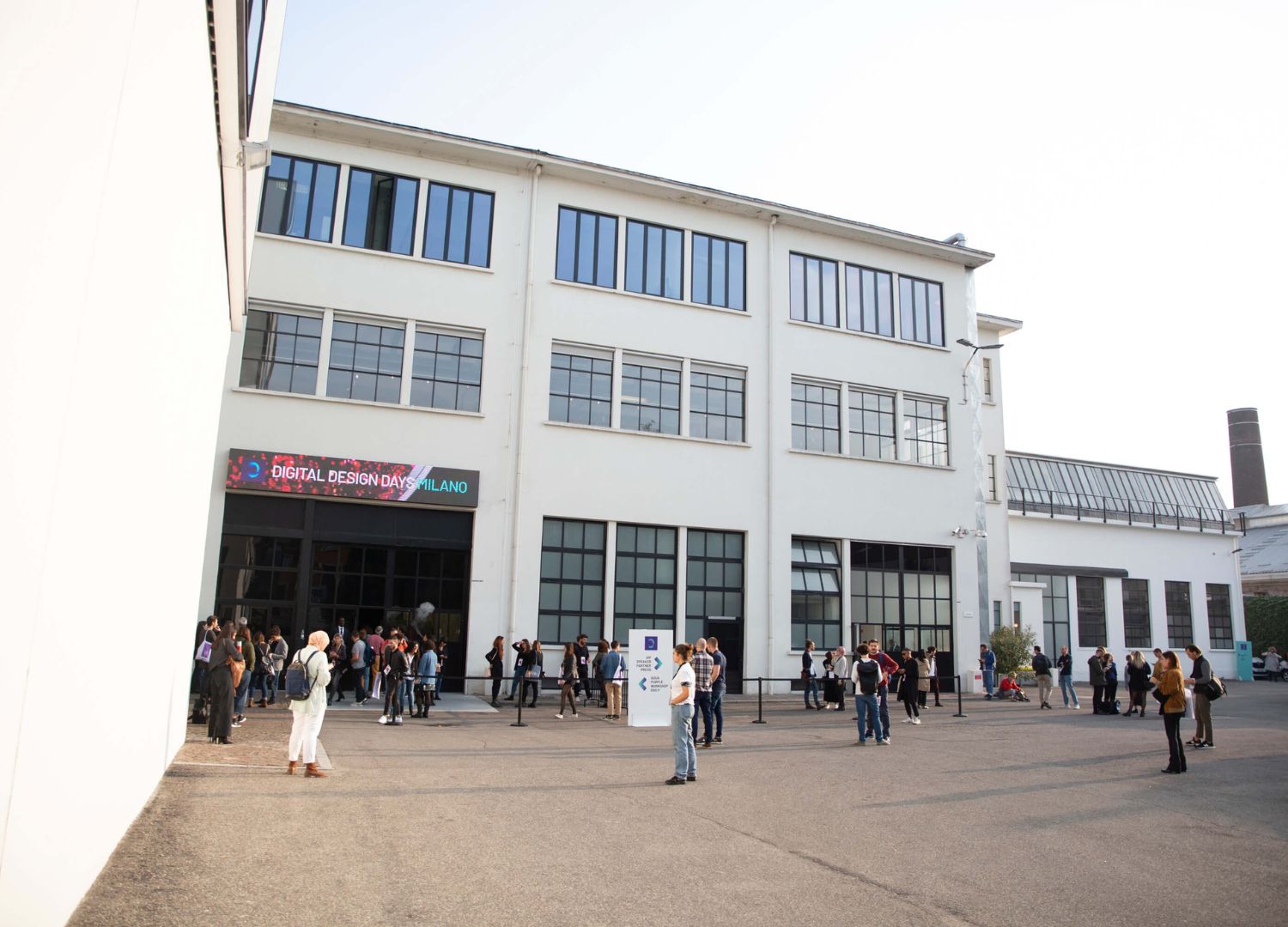
Over its previous editions in Milan and Geneva, DDD has attracted more than 14,000 participants from 126 countries and over 228,000 online visitors. The tenth anniversary edition, DDD26, takes place May 7–9, 2026 at Superstudio Village in Milan — and by every measure, it is the most expansive edition the event has ever staged.
As a media partner, DesignWanted is proud to support an event that has consistently pushed the boundaries of what a design conference can be. DDD26 feels like a genuinely significant moment — not just for the event itself, but for the broader conversation it convenes.
A decade, and a turning point
The anniversary framing is more than ceremonial. For Spiezia, it represents an inflection point — a moment to take stock of where digital design has been and, more urgently, where it is going. “This edition represents much more than an anniversary,” he says. “This isn’t just a reunion: it’s the perfect moment to bring together the worldwide digital design community — creatives, agencies, brands, startups, investors and emerging talents — for a truly immersive and transformative experience.“
The theme driving DDD26’s programme is practical rather than speculative. Artificial intelligence and emerging technologies sit at the centre — not as abstract futures to debate, but as present realities already transforming creativity, production, design practice, and business models. The format is built around people who are actually leading those changes, and the questions the programme keeps returning to are direct: what does this mean for how we work? What does it mean for who we are as professionals, and as human beings?
“Expanding the boundaries of digital design means embracing change, questioning conventions, and merging disciplines to create experiences that are both innovative and deeply human,” Spiezia explains. “Design today goes beyond aesthetics: it moves across artificial intelligence, sustainability, immersive technologies, and new forms of interaction. Our tenth anniversary edition will be a turning point for the project: we won’t just talk about the future — we’ll build it together, designing it and bringing it to life.”
The speakers and the conversation
The confirmed lineup for DDD26 reads as a cross-section of where digital design and creativity currently operate at the highest level. Stefan Sagmeister, the legendary Austrian designer and two-time Grammy winner, brings his characteristically uncompromising perspective on what design can and should do. Marina Willer, the first female partner at Pentagram, whose work includes identities for Tate, Amnesty International, and Rolls-Royce, represents the kind of strategic visual thinking that has always defined DDD’s curatorial ambitions. Wesley ter Haar, Chief AI Officer at Monks — one of the world’s largest creative companies with over 7,500 people across 57 locations — brings a front-row view of how the creative industry’s AI transformation is actually unfolding in practice.
Emily Rickard, CEO of BUCK, leads one of the most innovative creative studios in the world, with offices from Los Angeles to Sydney and a track record that includes Emmy wins and new practices in AI and experiential design. Mason Nicoll, Executive Creative Director at Digital Kitchen, has over 25 years of career building iconic work now held in the permanent collections of MoMA and the Smithsonian Cooper-Hewitt. Chiara Diana, VP and Global Chief Design Officer at frog, leads multidisciplinary teams integrating design, technology, and business at the highest organisational levels.
Alongside these names, the programme draws in creative leaders from Apple, Active Theory, Field, Future Deluxe, Runway, Unit9, Build in Amsterdam, Snapchat, Ars Thanea, Makemepulse, Immersive Garden and many others — a density of creative intelligence rarely assembled in a single venue. The event runs across three parallel stages, allowing depth and breadth to coexist across three full days.
Design Battle: Europe’s first live creative competition
One of the genuinely new elements of DDD26 is Design Battle — described as Europe’s first live creative competition of its kind, and one of the most compelling additions to the event’s format. The premise is uncompromising: a brief is revealed at the start of the session. Participants have exactly two hours to design a solution from scratch, in front of a live audience inside the Design Battle Arena. No previews. No preparation. No extensions. Just skills, instincts, and tools, performed in real time.
It is open to all registered DDD26 attendees working in digital design — UI, UX, product, web, and brand — and participation is free. The format cuts through the usual conference dynamic of retrospective case studies and curated presentations, and replaces it with something rawer: the actual lived experience of designing under pressure, in public. For an event celebrating a decade of community-building, it feels like exactly the right kind of provocation.
An ecosystem, not just an event
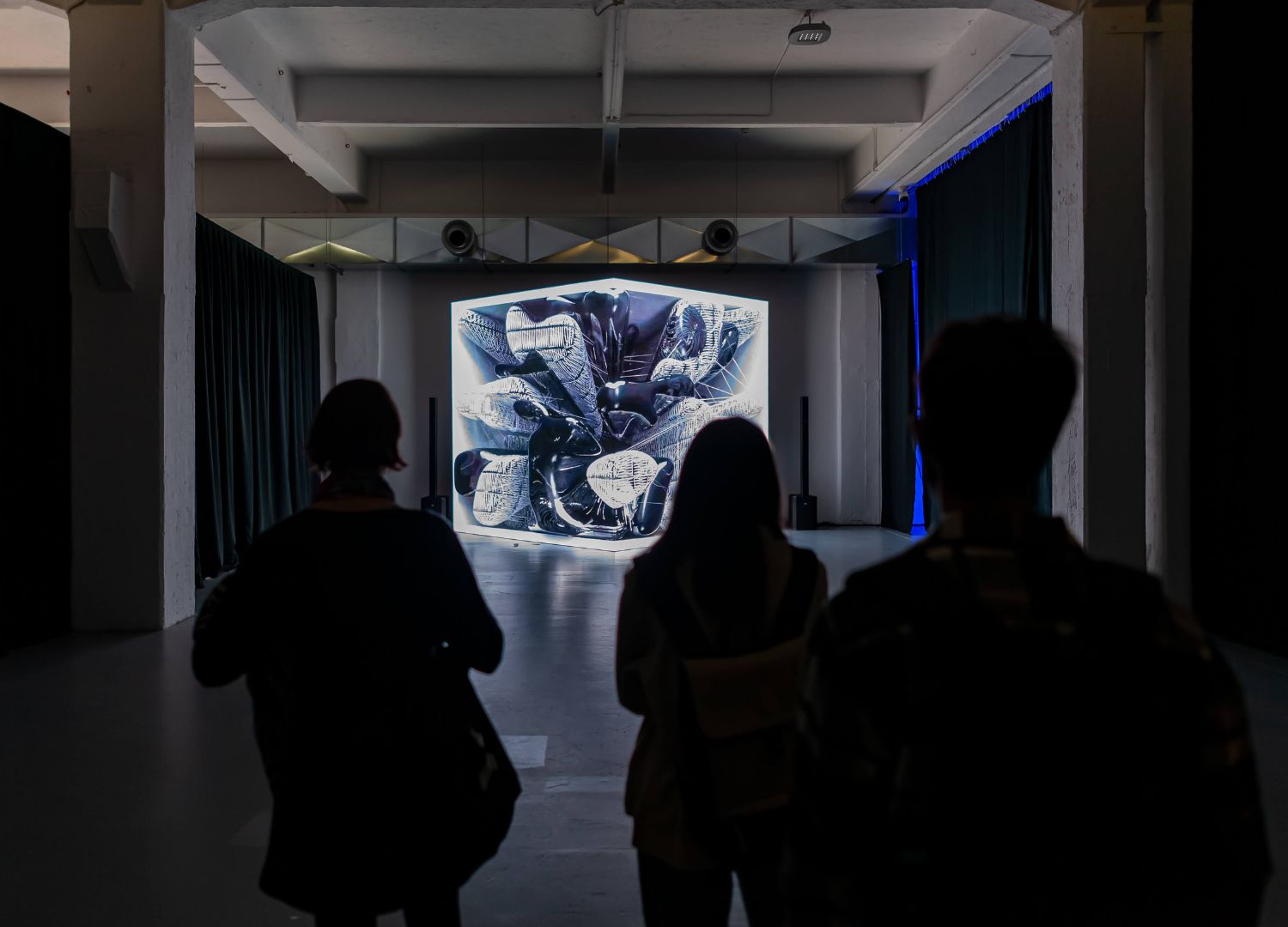
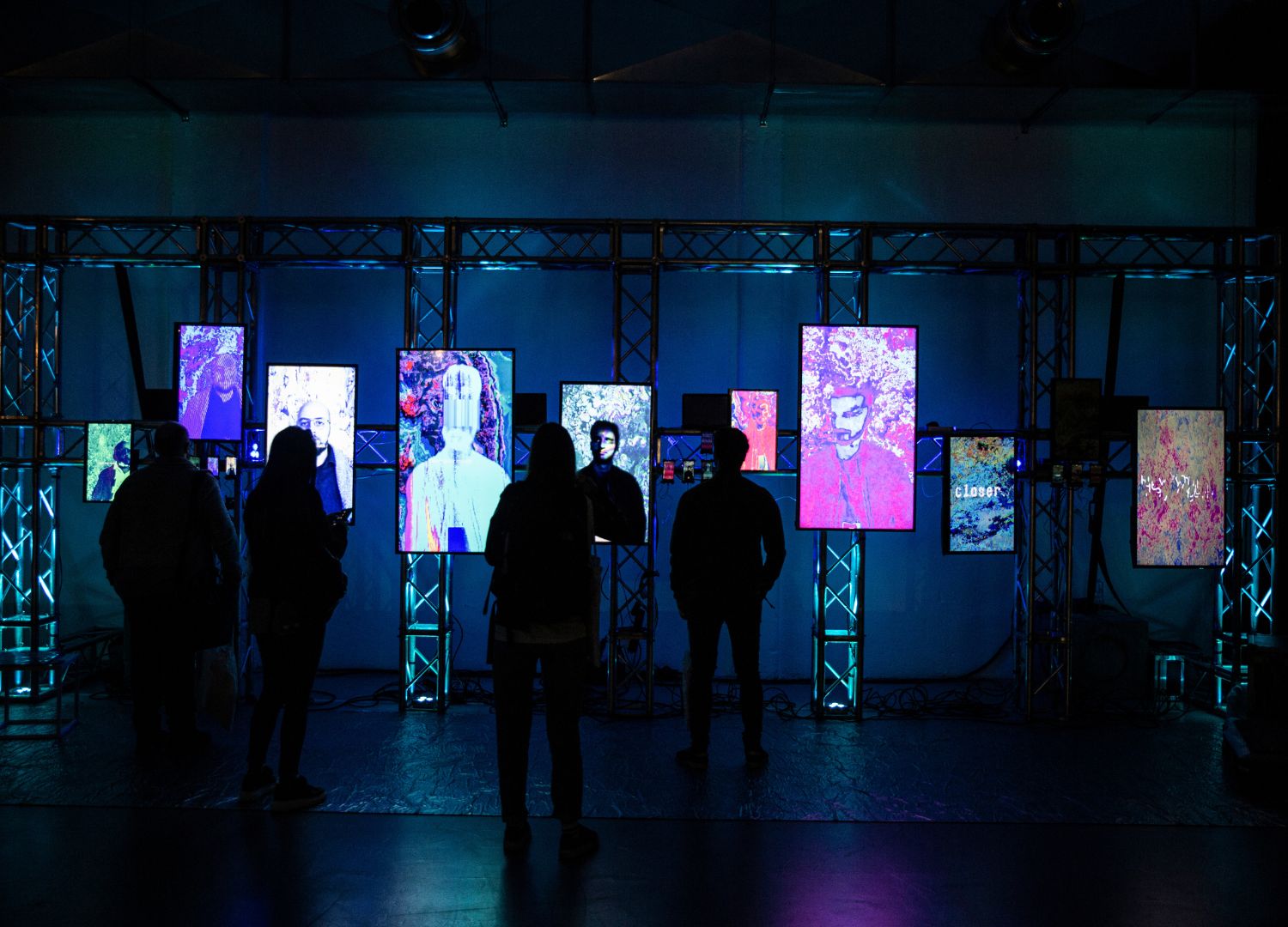
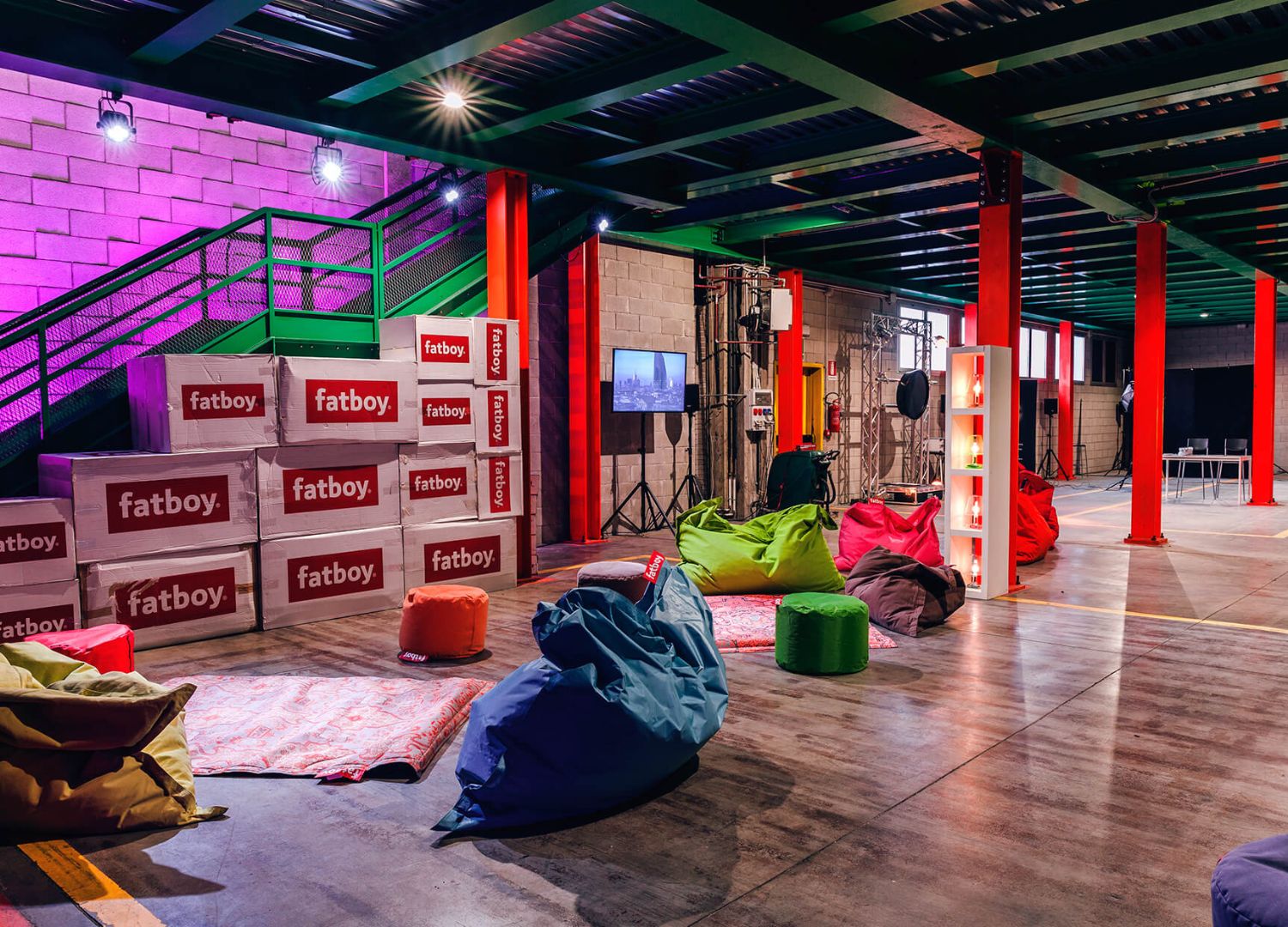
What has always distinguished DDD from the broader conference landscape is the density of its programme beyond the main stages. DDD26 extends this further: workshops and masterclasses on AI and emerging topics, a dedicated AI Innovation Lab for startups, new B2B tools for business and networking matchmaking, dedicated spaces for conversations and connections, and a celebrative immersive installation by Rare Volume. The revamped Digital Design Award returns, and confirmed partners include Figma and Canva — a pairing that speaks to where the tools conversation currently sits in the industry.
The event is held under the patronage of the City of Milan’s Department of Technological and Digital Innovation, Politecnico di Milano’s School of Design, the Italian Art Directors Club (ADCI), and the Osservatorio Branded Entertainment — an institutional framing that reflects how seriously the city and the design education sector regard DDD as a platform.
With a 68% return rate among participants, 78% of its audience comprising decision-makers, and 42% in senior leadership roles, DDD has long been more than a gathering — it is, as its numbers suggest, where meaningful parts of the digital design industry actually do business, build relationships, and recalibrate direction. The tenth edition, at Superstudio Village from May 7 to 9, seems set to be the most significant expression of that yet.