Home decor: how designers interpreted the future of living this year
As domestic life continues to evolve, the design world is responding to these changes through objects that reimagine interactions, sustainability, and the tone of the spaces we call home.
So much of our life at home is defined by the objects that surround us, telling stories about our style, our habits, and how we spend our time. Home decor designers have an incredible power in shaping our domestic sphere, as a couch can change the entire look of our living room as much as an umbrella stand can change our experience of coming home after a rainy day. So, what have designers been thinking our homes should be like in 2025?
As we look back on the furniture, lighting, and home decor pieces we covered this year at DesignWanted, a few clear threads emerge, not as markers of what is the “best” design, but as directions showing what designers are exploring right now. From hyperlocal production to material innovation, these products reveal an industry confronting sustainability, craftsmanship, and the fundamental question of what objects should be like in our lives today.
Gallery
Open full width


Open full width
2025 Design Selection
R100, Hydro

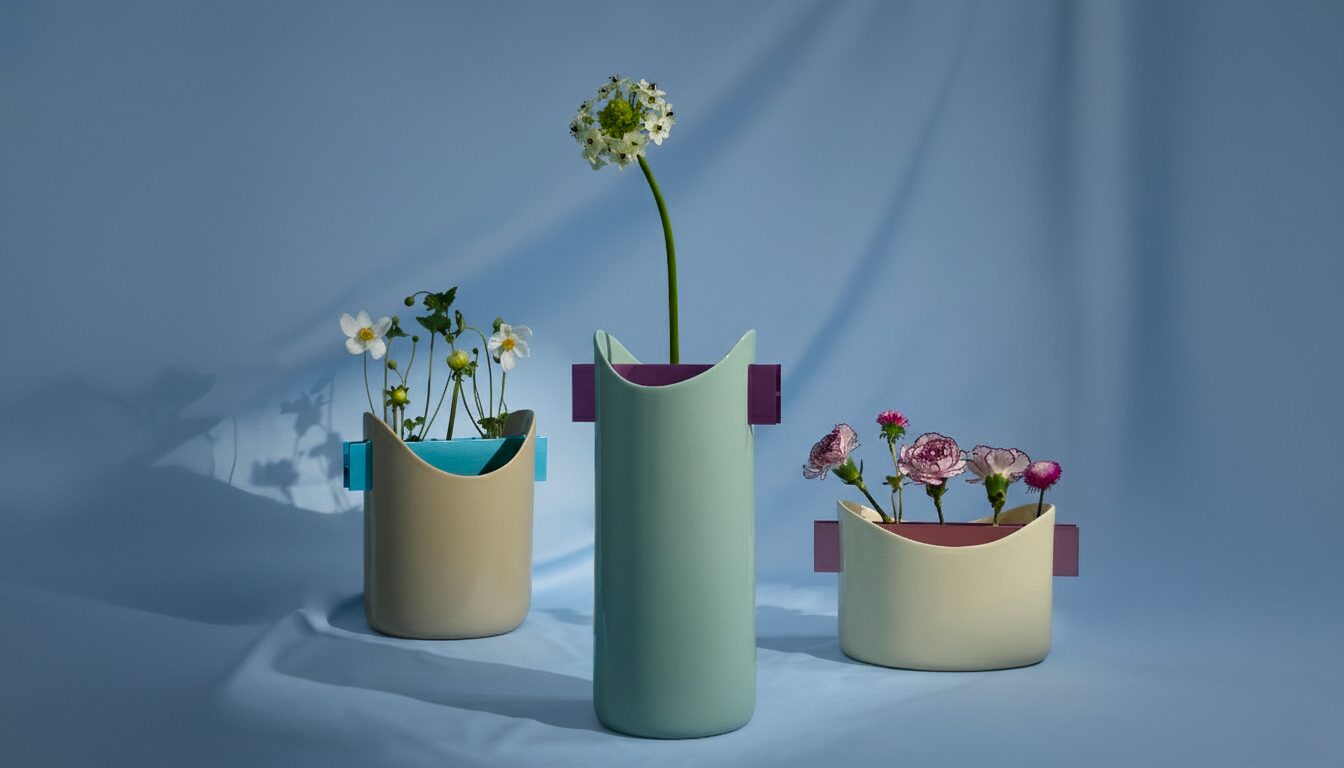
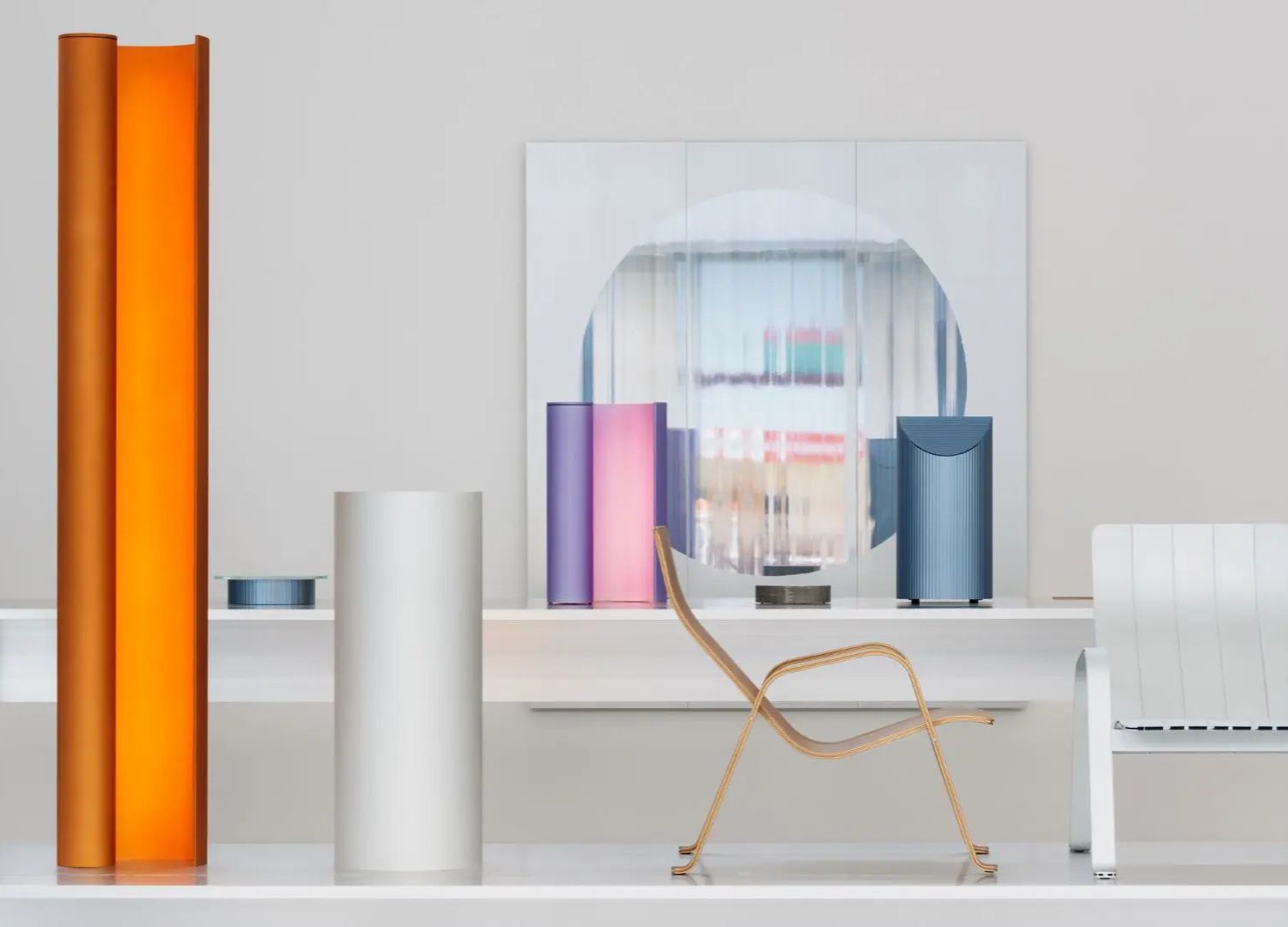
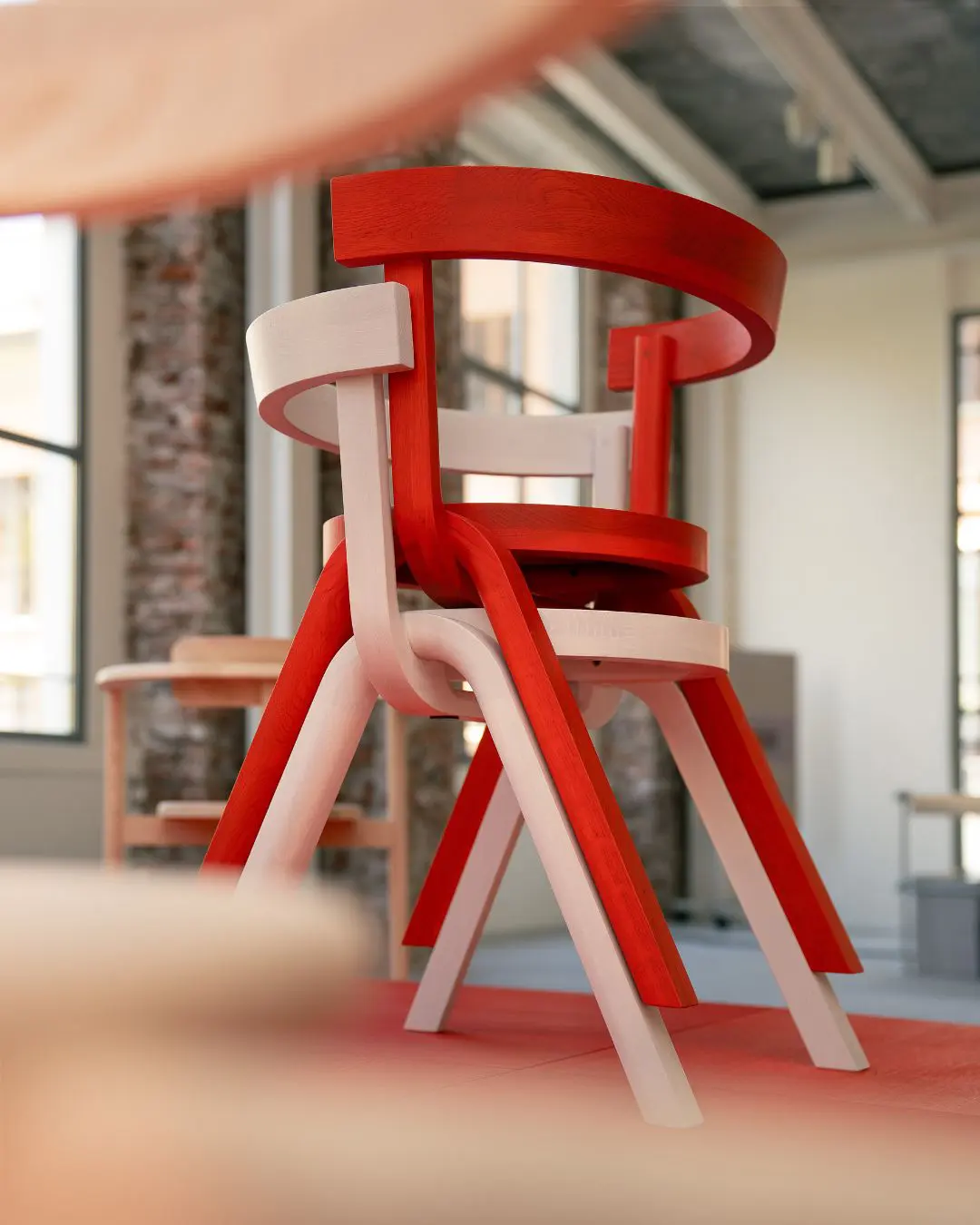
R100 by Hydro demonstrates that design excellence goes beyond the look of an object itself. The collection consists of 5 aluminium home decor pieces, developed entirely within a 100 km radius, from extraction to manufacturing, created in collaboration with five leading designers: Daniel Rybakken, Cecilie Manz, Stefan Diez, Keiji Takeuchi, and Sabine Marcelis. Using Hydro CIRCAL 100R, a 100% post-consumer recycled aluminium, the project achieved a 90% reduction in transport emissions. The project shows that design responsibility does not lie only in what the product is or does, but also in how it is created, with ethical and sustainable principles in mind.
Remains, Payam Askari x Omniaworks
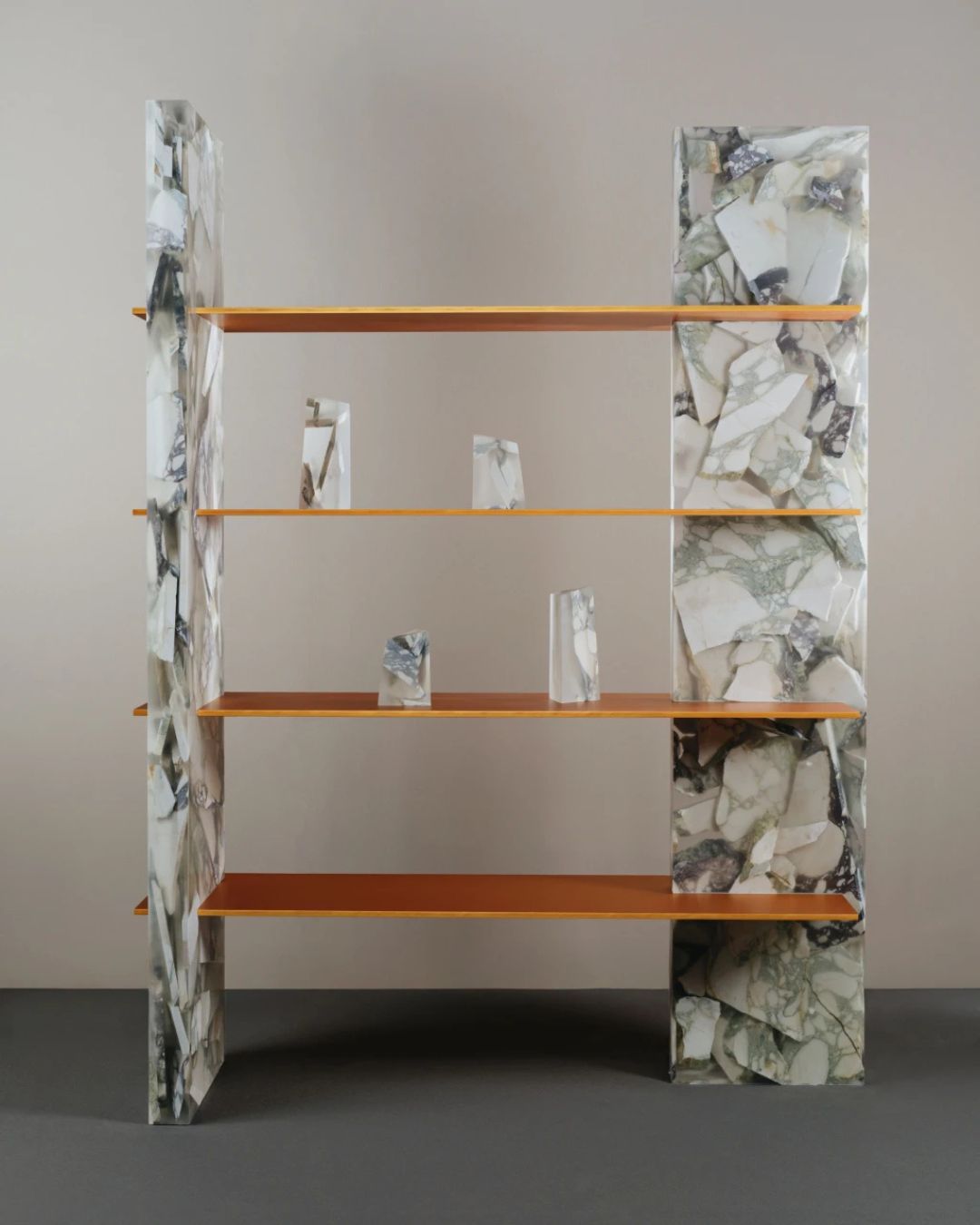
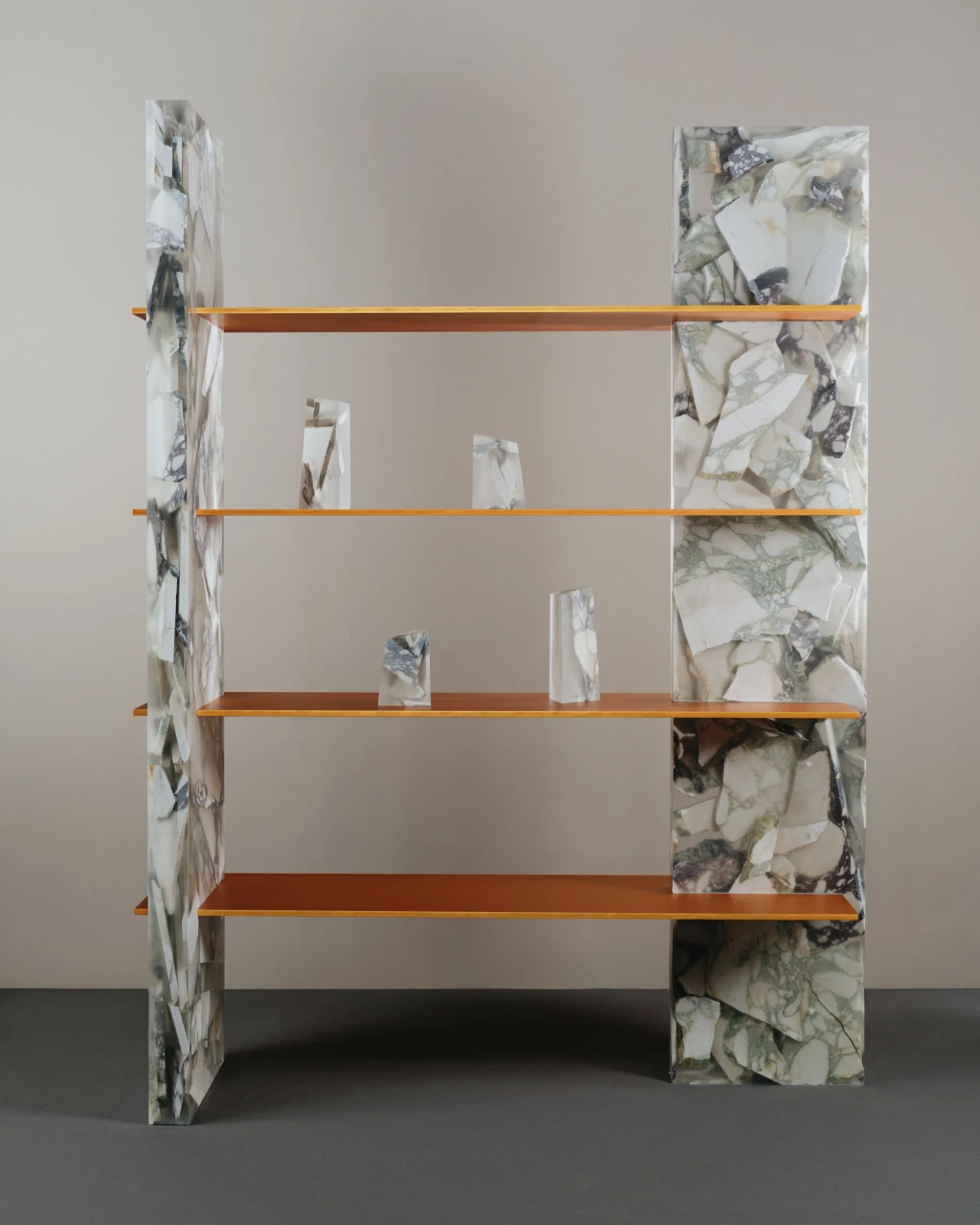
Marble is one of design’s most precious materials, a stone that takes millions of years to form, extracted from quarries found in some of the world’s most scenic locations. However, due to its nature, its production creates tonnes of offcuts, which are often discarded despite their intact qualities. Omniaworks, in collaboration with the designer Payam Askari, has reused these scraps, using epoxy resin as a binding element to give new value to these fragments. Designers are finding ways to honour the inherent beauty of salvaged materials, restoring dignity to what has been left behind.
Knit One, Paul Crofts x Isomi
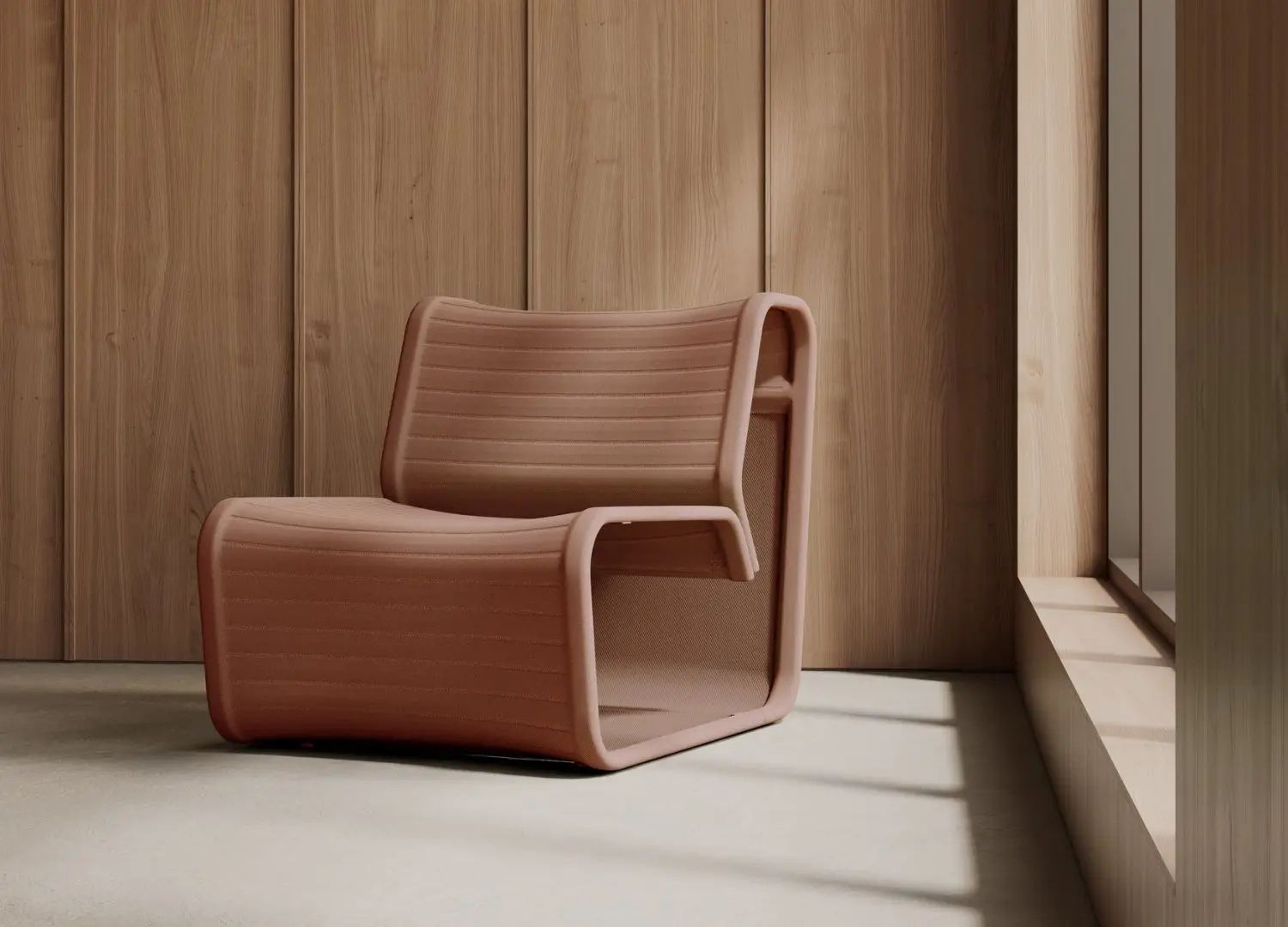
Isomi’s chair design is built on a simple premise: what if we removed materials instead of adding them? Rather than filling another chair with synthetic foam, Paul Crofts‘ studio engineered a particular geometry that allowed the seating to be comfortable but empty inside, filled only with air. In an industry often obsessed with doing more, this minimal-material approach challenges designers to try to solve problems through subtraction.
X System, Mario Tsai Studio x CAMERICH
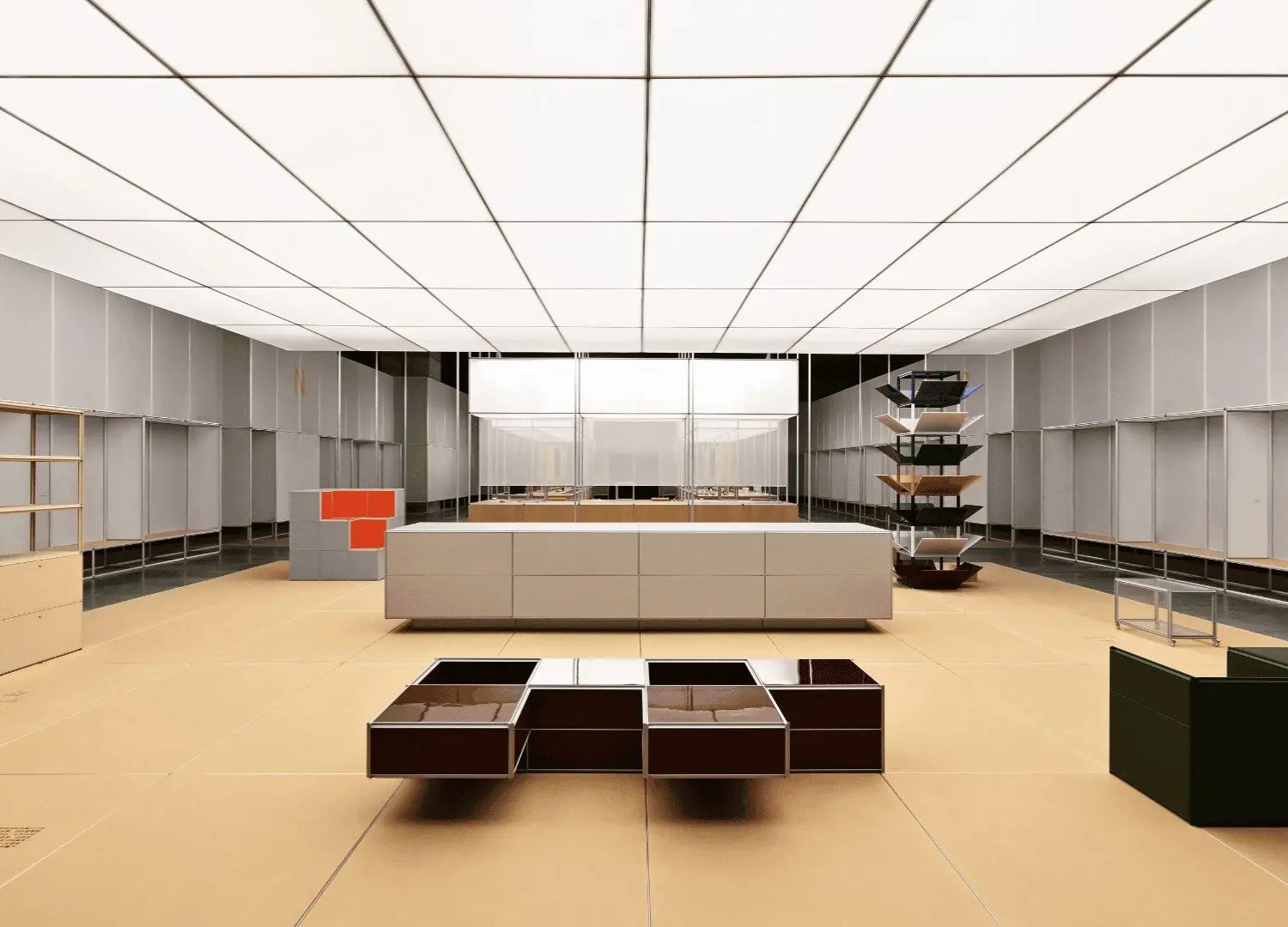
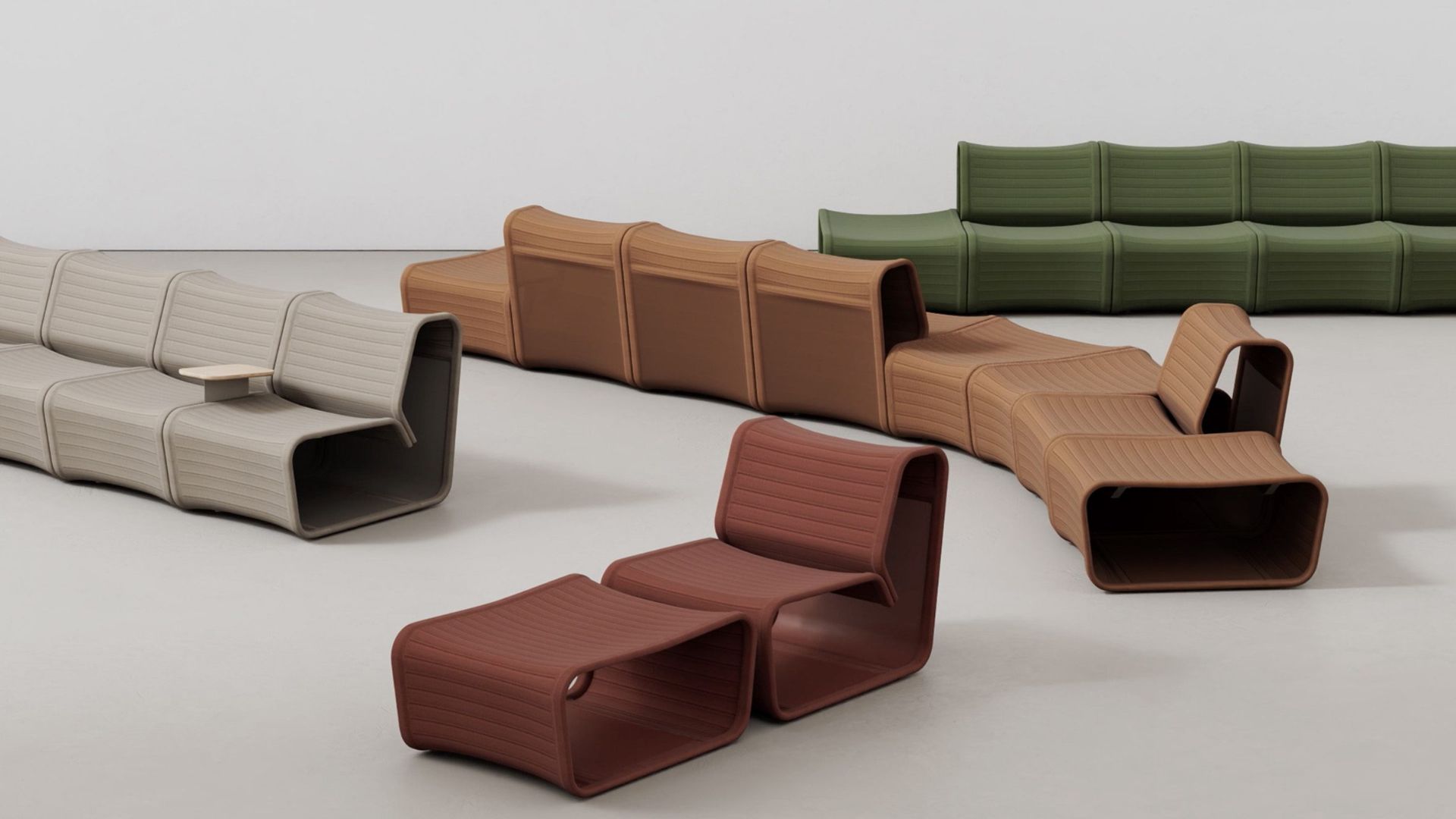
The X System modular collection was a highlight from CIFF Shanghai 2025, one of the biggest design fairs in the Asian market. Designed by Mario Tsai Studio and launched by CAMERICH, a high-end furniture brand with an international vision, the collection stems from a shared interest: modularity as a key principle for more innovative production. From this vision, the system was born as an expression of design rigour, production flexibility, and innovative thinking.https://www.camerich.com/engindex.php
DUNE, BUDDE and Nando Studio
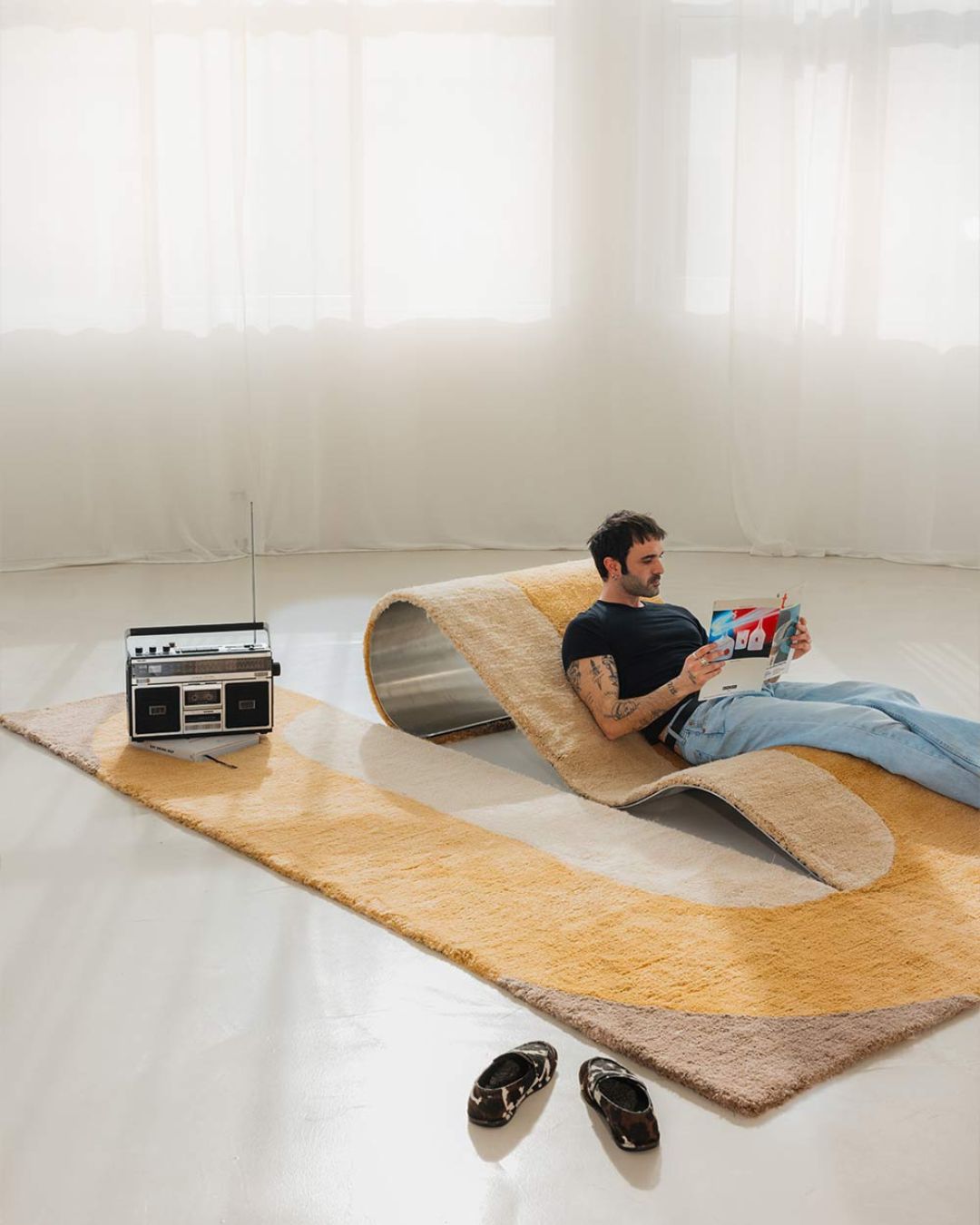
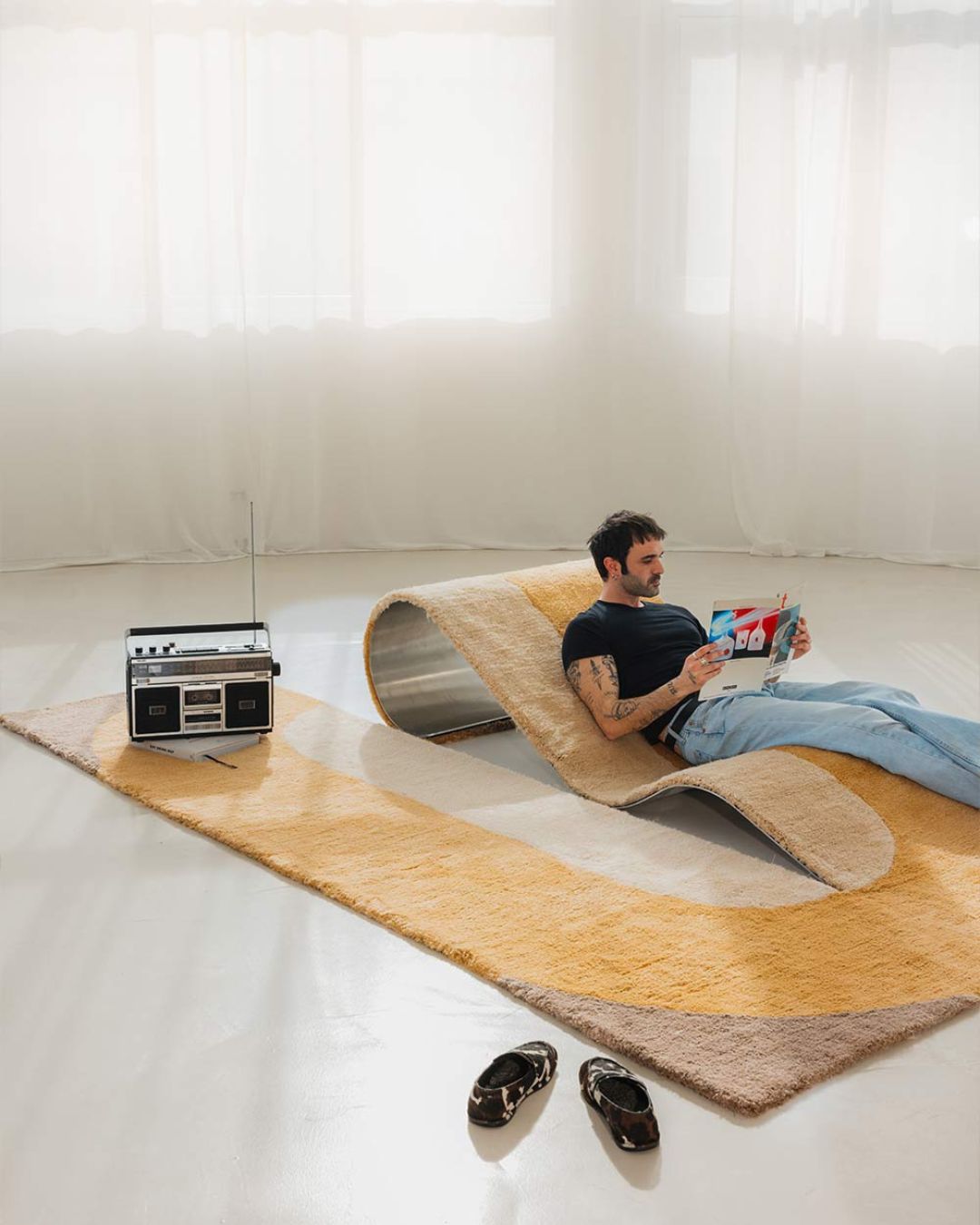
In this collaboration, BUDDE and Nando Studio created a new domestic archetype: a product that joins a rug and a seat into one piece, merging comfort and structure into one hybrid object. Gun-tufted in merino wool with a pattern mimicking desert dunes, this piece draws inspiration from nomadic desert cultures where rugs are both floor and seating furniture. DUNE falls in the new grey area of designs that refuse to be categorised, which aim to rethink our relationships with the objects in our homes.
HUG Chair, Karimoku New Standard x ECAL
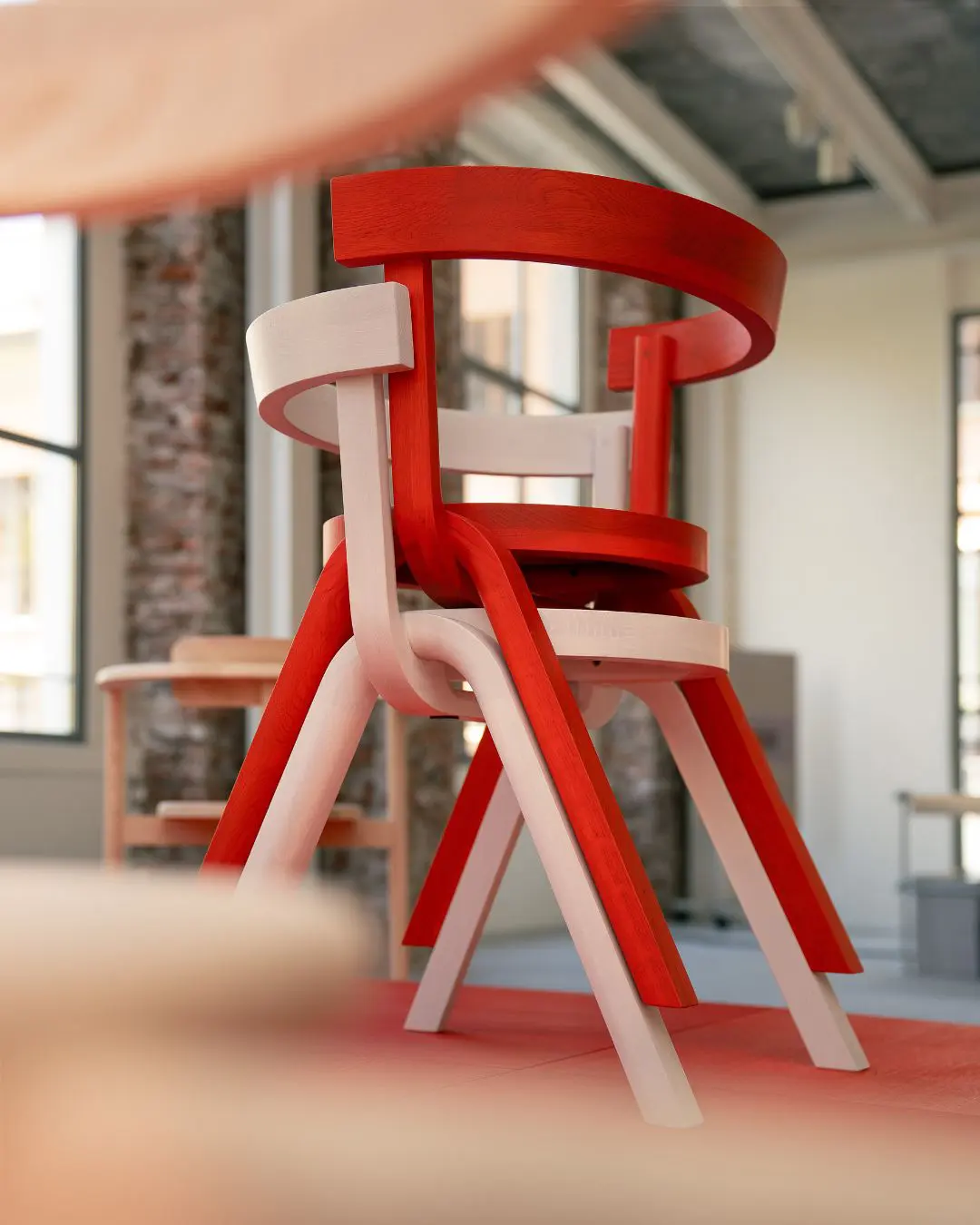
The HUG Chair by Karimoku, designed by ECAL students Min Xiyao and Jacob Kouthoofd Mårtensson, embodies cross-cultural collaboration at its finest. Created through the “Designed in CH, made in JP” program, the chair is made of three simple curves, using principles from the Swiss design school and taking them to Japanese manufacturing. The chairs stack in a front-facing system, resembling a hug as a visual metaphor for the collaboration between the two countries, reflecting the fusion of young, conceptual thinking with the meticulous execution of one of Japan’s finest manufacturers.
CLU, Estudio Gris
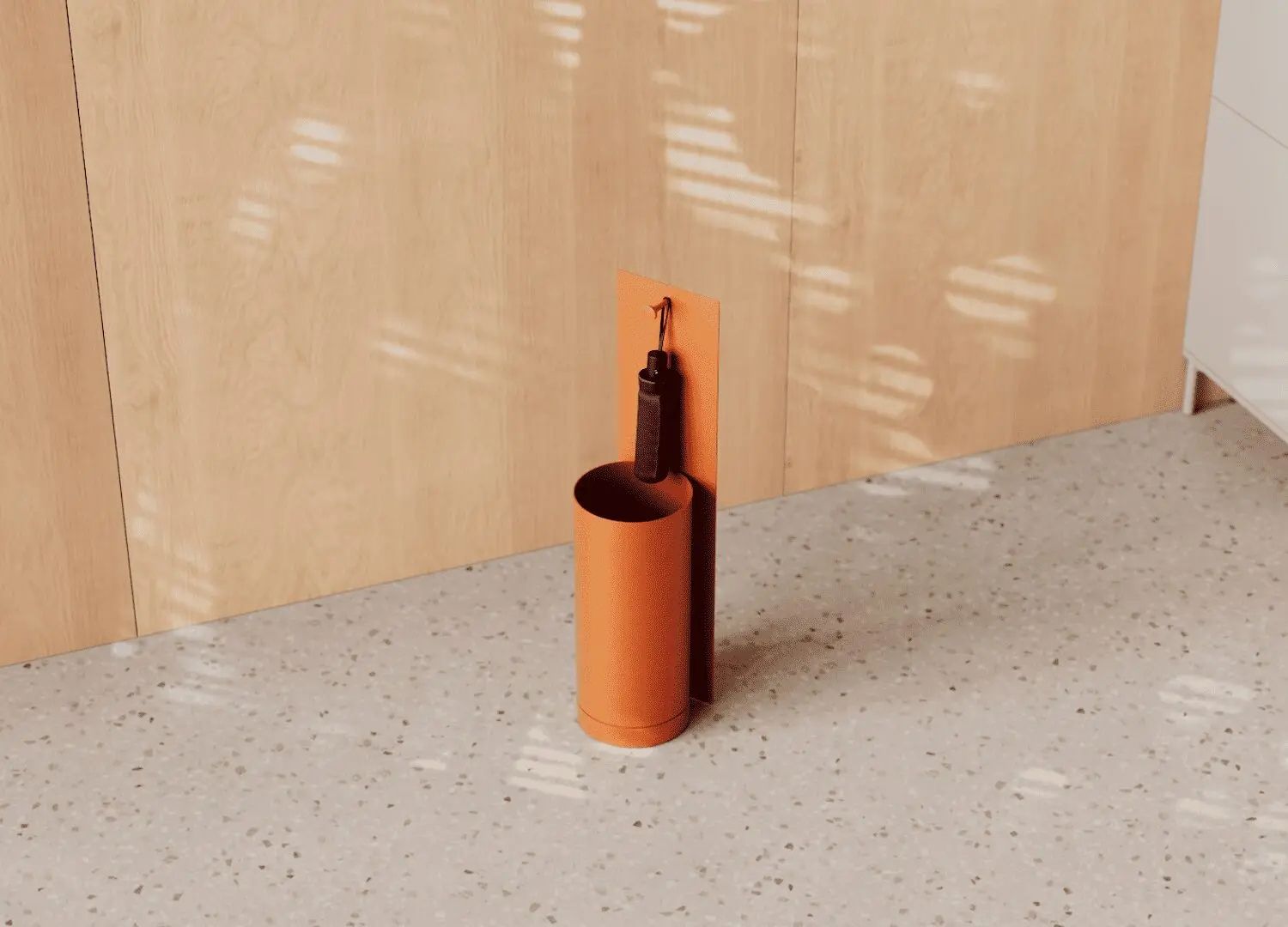
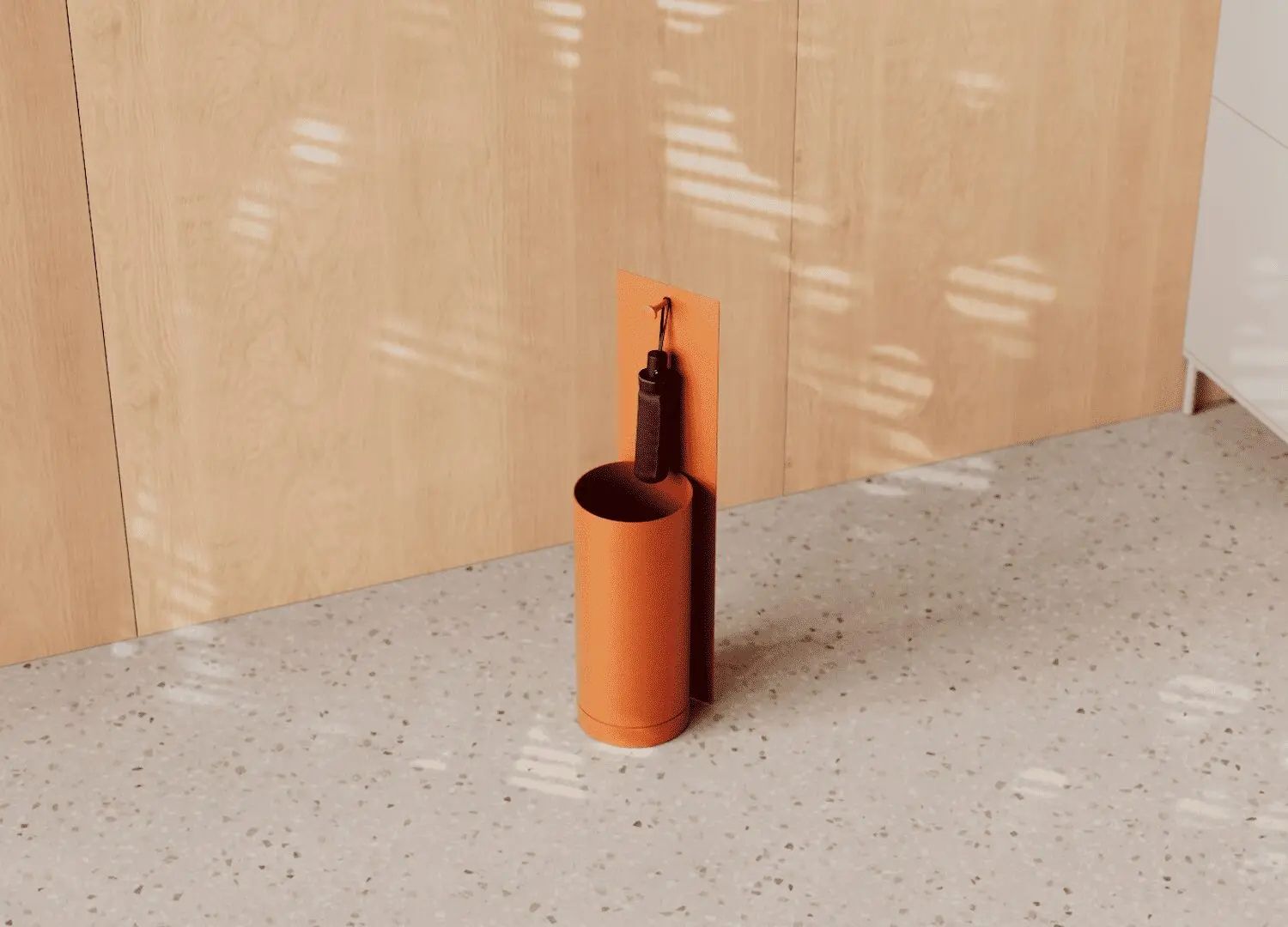
This design was the winner of Ideas for Business, a DesignWanted competition that represents one of the biggest and most fulfilling projects we undertook this year. As a response to a brief asking to design an umbrella stand, Estudio Gris‘s work transforms the humble home decor into a sculptural presence, a minimalist totem that conceals the everyday mess of rainy days, leaving only a monolithic volume of colour behind. With a removable drip tray and a top peg for compact umbrellas, CLU combines functionality and emotion, turning storage into an understated gesture of order and beauty.
Set, Davide Groppi

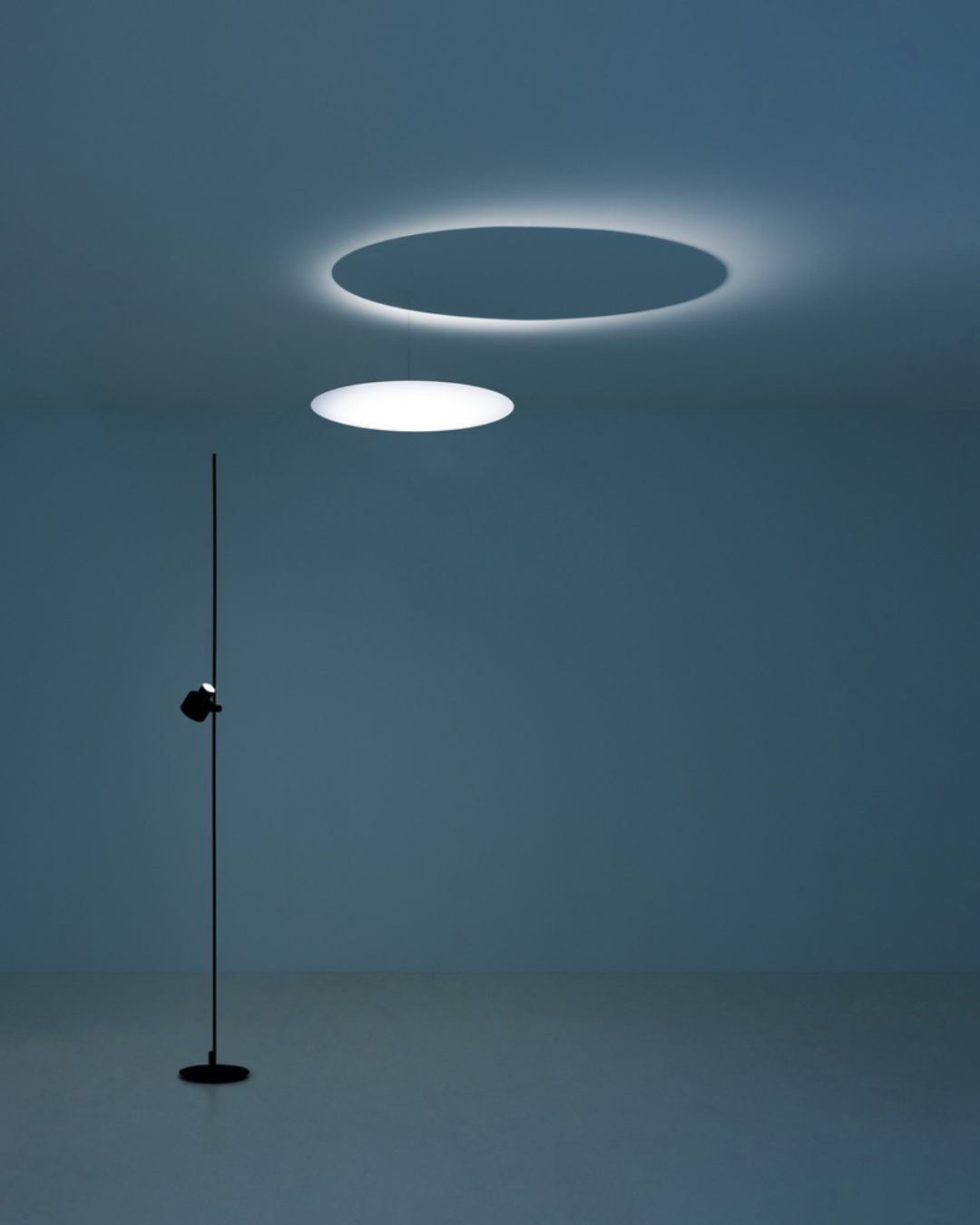
In lighting, Davide Groppi‘s work at Euroluce 2025 stood out for reimagining the relationship between user and illumination. Set is inspired by photographic equipment, thinking about lighting as something to be actively shaped and directed. The collection is a compositional system made of a base, a modular stem, and a sliding, adjustable spotlight, offering infinite configurations. Every element is conceived for control and transformation, placing the user at the centre and giving them agency, almost as if they were the designer.
WA Lamp, Akasaki & Vanhuyse
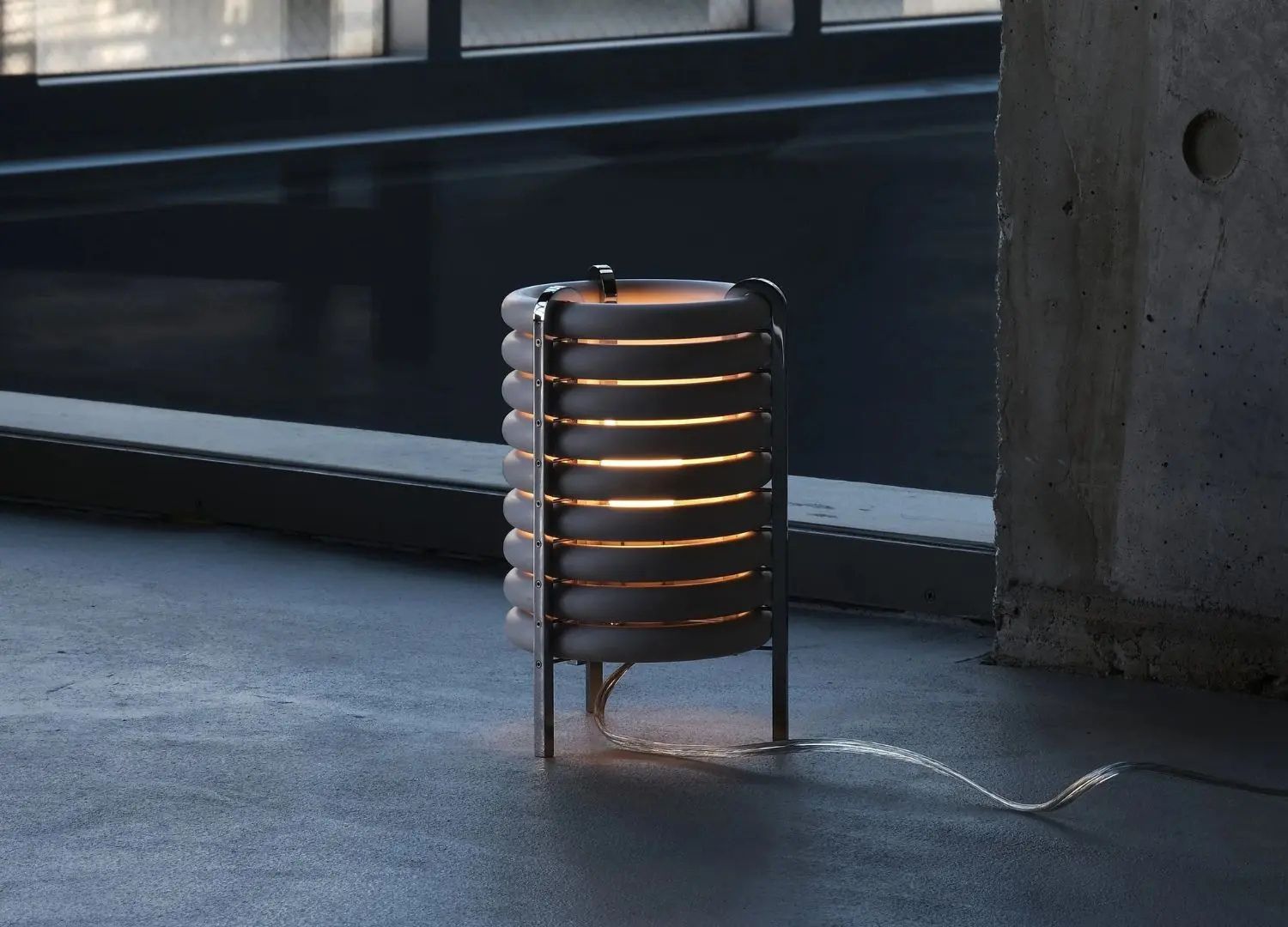
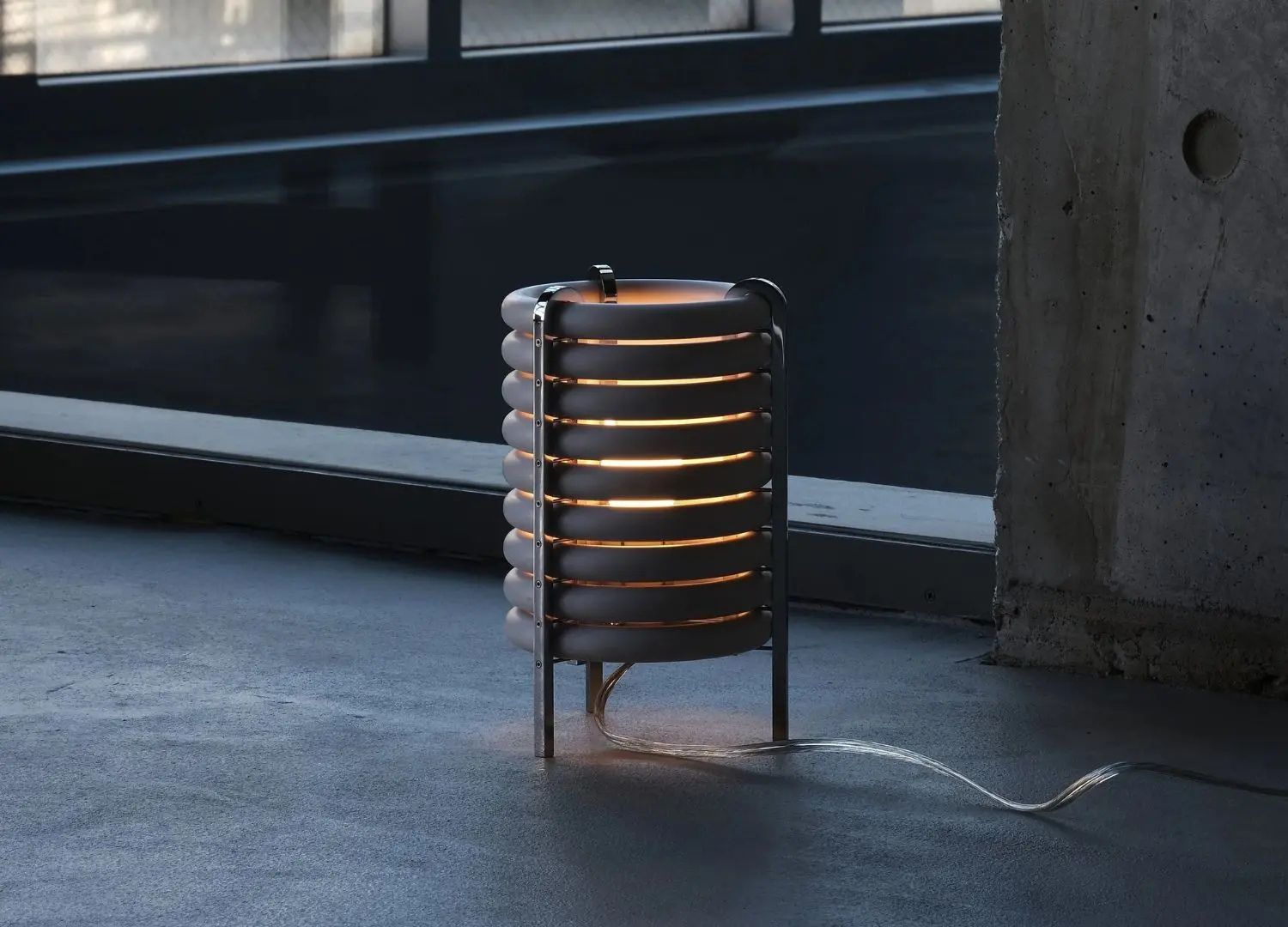
The WA Lamp by the London studio Akasaki & Vanhuyse has an odd story, as it’s made out of retired strap handles from Tokyo’s Tokyu Den-en-toshi Line 8500 series trains. When these trains were decommissioned in 2023, approximately 1400 resin rings were left without use until they were collected and transformed into 150 lamps by the design studio. The WA Lamp demonstrates something essential for the future of sustainable home decor: upcycling can feel contemporary and luxurious, if treated correctly.
Tangent Lamp, RK

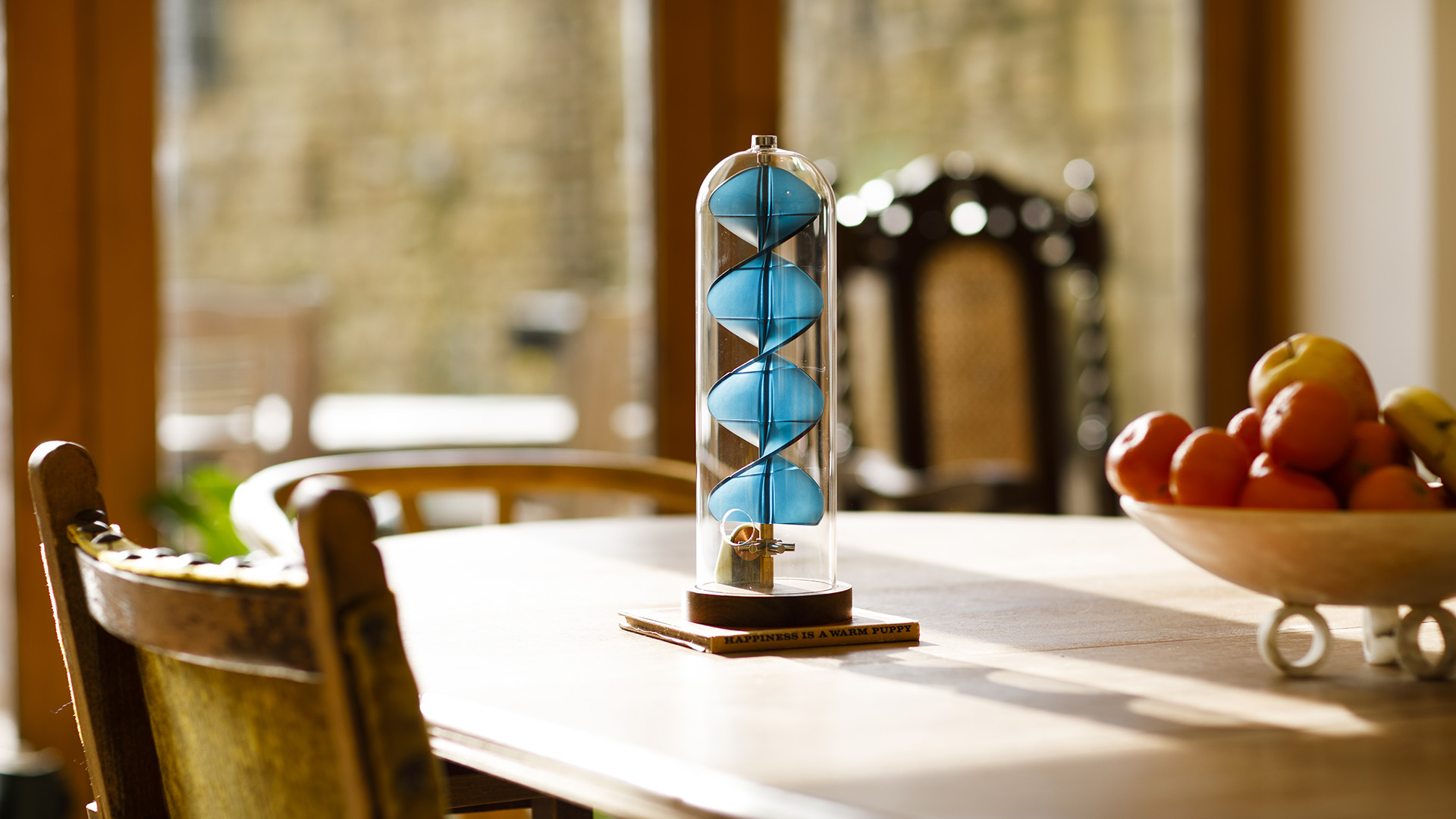
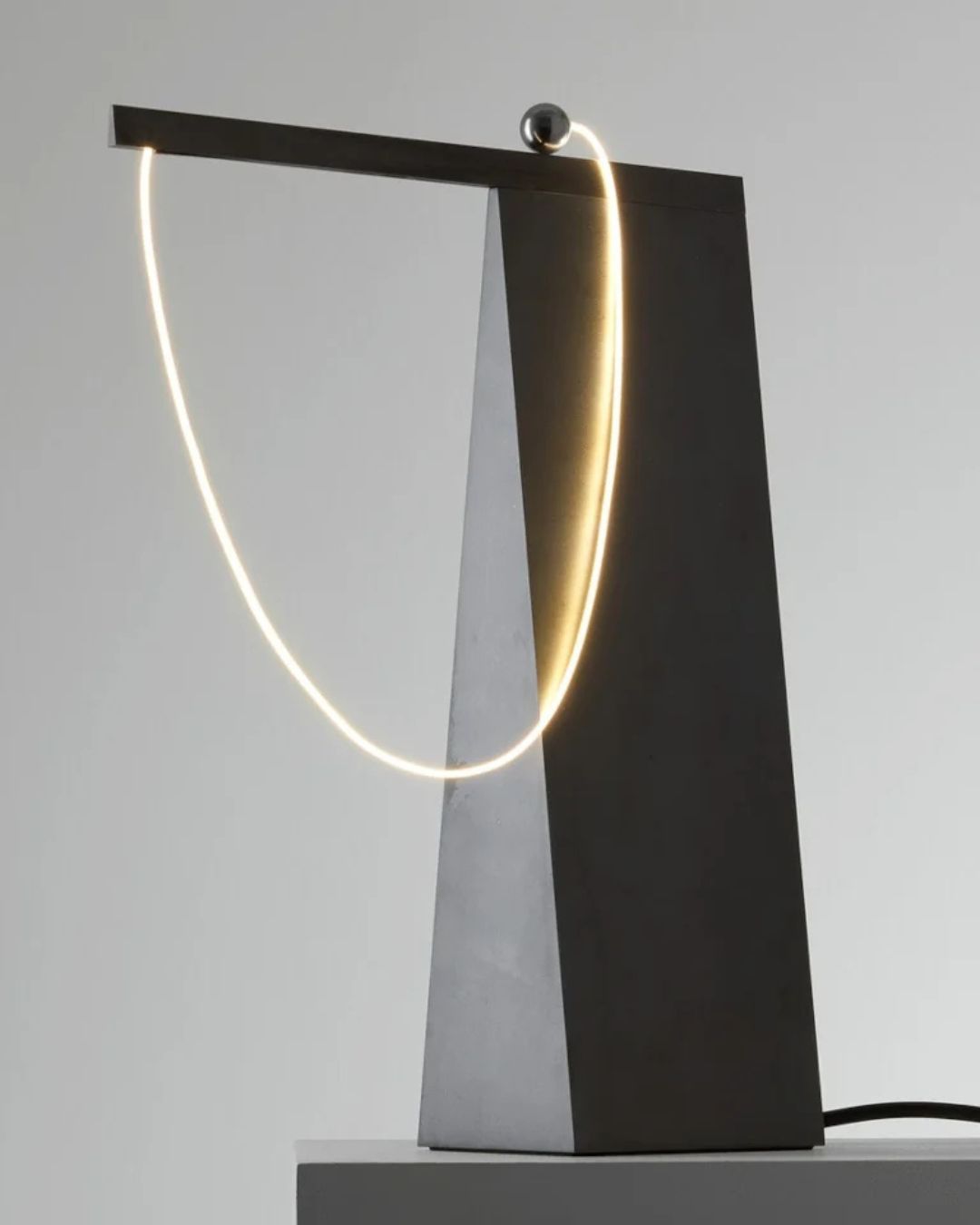
The Tangent Lamp is a project developed by RK Lab, the internal experimental laboratory of the German studio Relvãokellermann, which aims to redefine the gestures that surround lighting design. As a magnetic sphere touches the main body of the lamp, an electrical circuit is activated, allowing the filament to light up. By using minimal materials and simple geometries, the Tangent Lamp is able to subtly change the interactions we have daily with our home decor objects, trying to make them a bit more curious and fun.